Updated: May 2026
I’ve lived through five August cycles in Hanoi. I’ve watched social media fill up with “is August terrible for Vietnam?” threads every single year. The answer is always the same: it depends on where you’re going.
Most travel blogs just say “avoid rainy season.” That’s lazy. The reality is more interesting — and more useful.
Vietnam is a long, thin country spanning 1,650 kilometers north to south. The weather in Hanoi in August has almost nothing to do with the weather in Hoi An in August. Different geography, different monsoon patterns, different risk levels.
Here’s what actually happens, region by region.
What Vietnam Weather in August Actually Looks Like
Forget the one-line answer. Vietnam in August breaks down into three distinct weather zones, each behaving differently.
The north (Hanoi, Ha Long Bay, Ha Giang, Sapa) is hot, humid, and increasingly storm-prone as August progresses into peak typhoon months.
The center (Da Nang, Hoi An, Hue, Phong Nha) is the most dangerous zone — this is where typhoons actually make landfall. August is technically before the central coast’s worst months, but storms are already active.
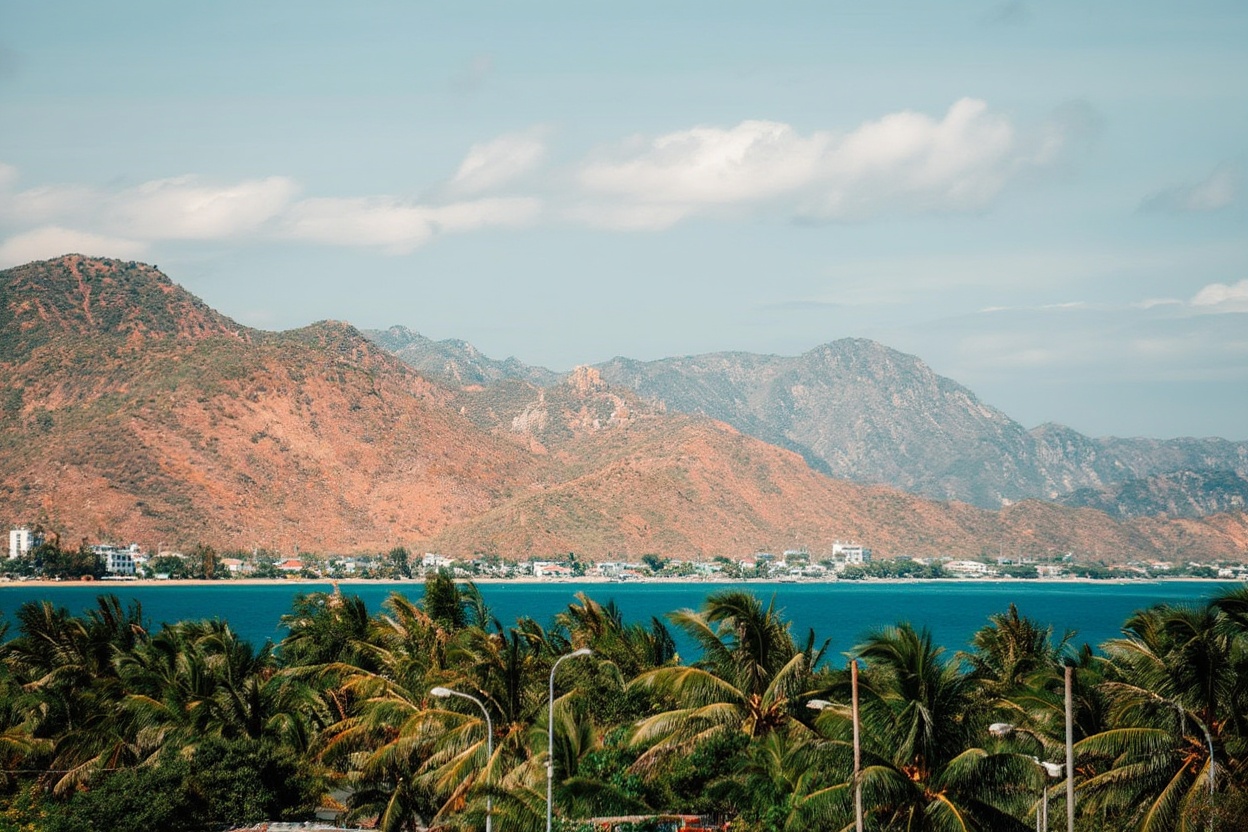
The south (Ho Chi Minh City, Mekong Delta, Phu Quoc) is in its own separate wet season. Daily rain, yes — but it’s the predictable afternoon-shower type, not typhoon-track territory.
Temperature across the whole country in August: 28–35°C (82–95°F). With humidity, it feels hotter. You will sweat. That’s the baseline.
North Vietnam in August: Hot, Humid, and Manageable in the City
Hanoi in August is the kind of hot that makes you question your life choices. The air is thick and wet. A two-minute walk to a café leaves a ring of damp around your shirt collar.
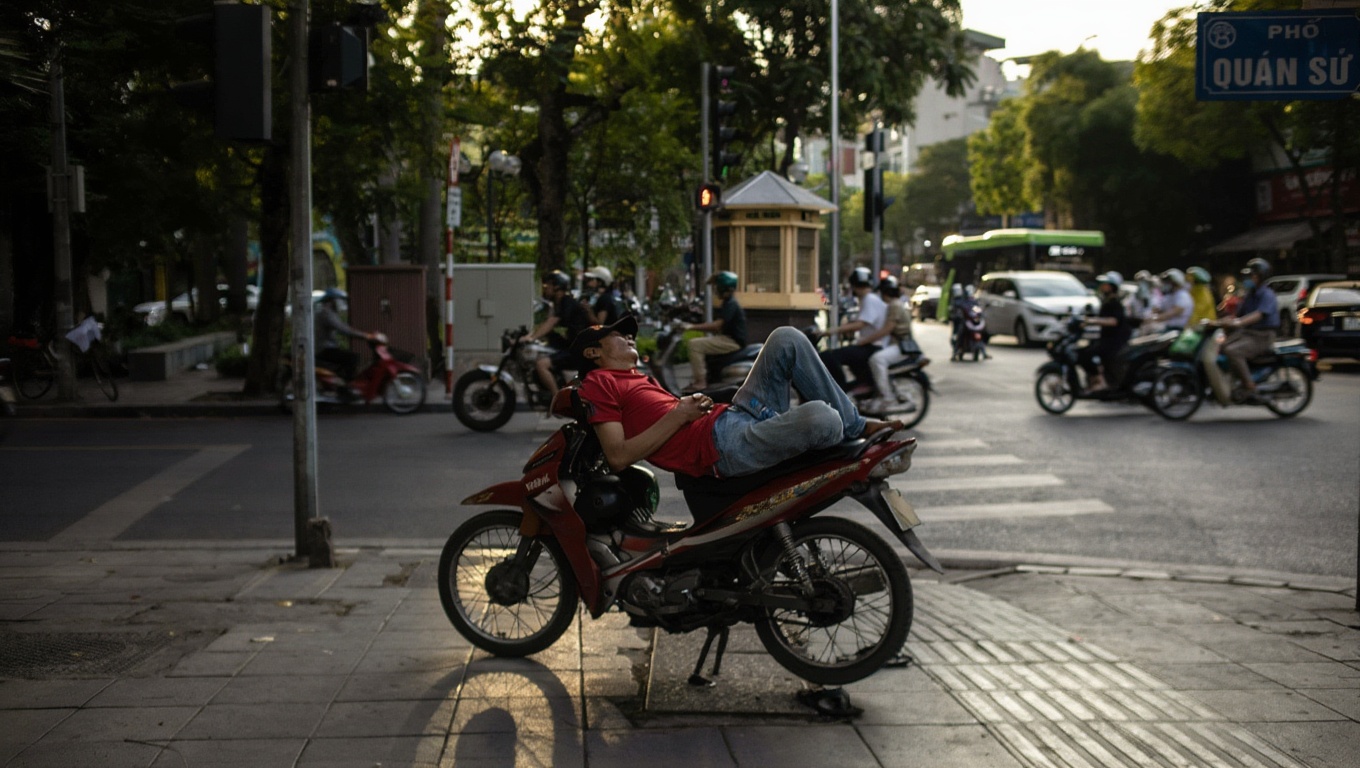
But Hanoi the city handles typhoon season better than its reputation suggests.
When Typhoon Yagi hit in September 2025 — the strongest typhoon to hit northern Vietnam in 30 years — Redditors in Hanoi reported almost no disruption.
“Even after Yagi — the worst typhoon in Vietnam in 30 years — we did not lose power or water or internet. The city bounced back after a few days.” — MemoryLatter761, r/hanoi
“During and after typhoon Yagi I didn’t experience any power or water outages. Flooding was localised and cleared quickly. Nine years here and that was the biggest one, didn’t even get a day off work.” — toonarmyHN, r/hanoi
Hanoi city: fine. The mountains surrounding Hanoi: completely different story.
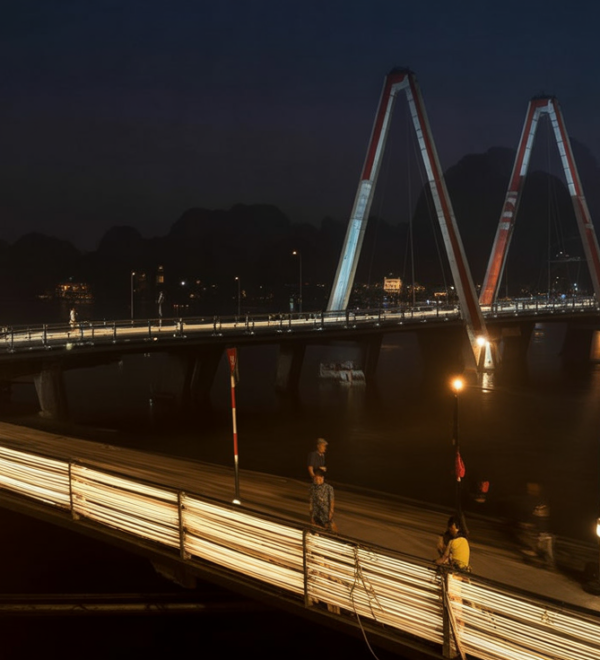
Ha Long Bay cruises run into real problems in August. Visibility drops to 2–3 km in mist. Wave heights reach 0.5–1.5 meters on rough days. About 15–20% of cruises face cancellations or route changes when weather deteriorates. If Ha Long is the centerpiece of your trip, August is not ideal timing.
Ha Giang and Sapa in August: don’t do it.
The mountain provinces get hammered by landslides after heavy rain. The Ha Giang loop’s roads become genuinely dangerous — not “adventure challenging,” actually dangerous. A local HCMC resident put it plainly in a Reddit thread about August travel:
“Avoiding Ha Giang loop or somewhere with mountains — typhoons are often worse in the north.” — aliceluu123, r/VietNam
⚠Real Talk
Ha Giang in August isn’t brave. It’s a logistics gamble where the downside is not reaching a summit — it’s a landslide closing the road while you’re already inside it. Wait for October–November. The loop doesn’t get better in August just because you booked flights.
Central Vietnam in August: Where Typhoon Risk Is Real
Central Vietnam is where August gets genuinely complicated. Da Nang, Hoi An, Hue, and the surrounding coast sit in the most active typhoon corridor in the country.
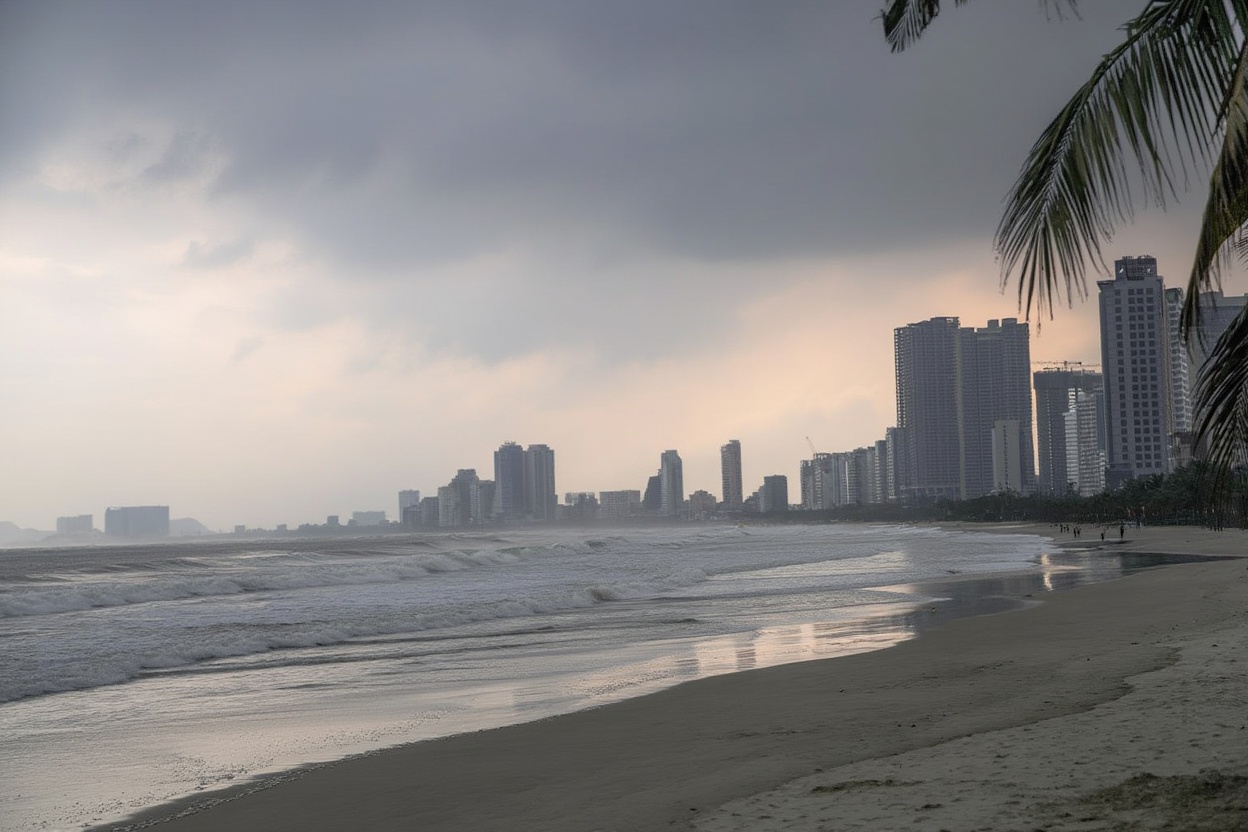
The numbers for Da Nang in August: average temperature 28–34°C, average rainfall 270mm, 15–18 rainy days per month, and a 20–25% statistical chance of a significant storm event.
That 270mm number matters. For comparison, London’s annual average is 600mm total. Da Nang gets nearly half that in a single August month.
One traveler caught in Da Nang during a wet spell posted:
“I am in Da Nang and it’s raining today and until next week. It was raining in Hanoi when I left. If you can postpone your trip by a week, do it.” — Specialist_Pomelo554, r/travel
Hoi An floods. This isn’t a “maybe” — the ancient town floods regularly in wet season, particularly the riverfront streets near the Japanese Bridge. August is earlier than the worst flooding months (October–November), but heavy rain events already start creating temporary closures of lower-lying areas.
Does this mean skip Central Vietnam entirely in August? Not necessarily. But go in with eyes open: pack waterproof sandals, accept that Hoi An at 3pm in a downpour is not the Instagram version of Hoi An, and book refundable accommodation.
ℹKnow Before You Go
The central coast typhoon season technically peaks October–December, but August storms are already active. Check typhoon forecasts via NOAA’s Pacific Typhoon Center or Vietnam’s National Centre for Hydro-Meteorological Forecasting in the week before you travel.
South Vietnam in August: Wet Season, but Workable
Ho Chi Minh City in August is a different animal from the central coast.
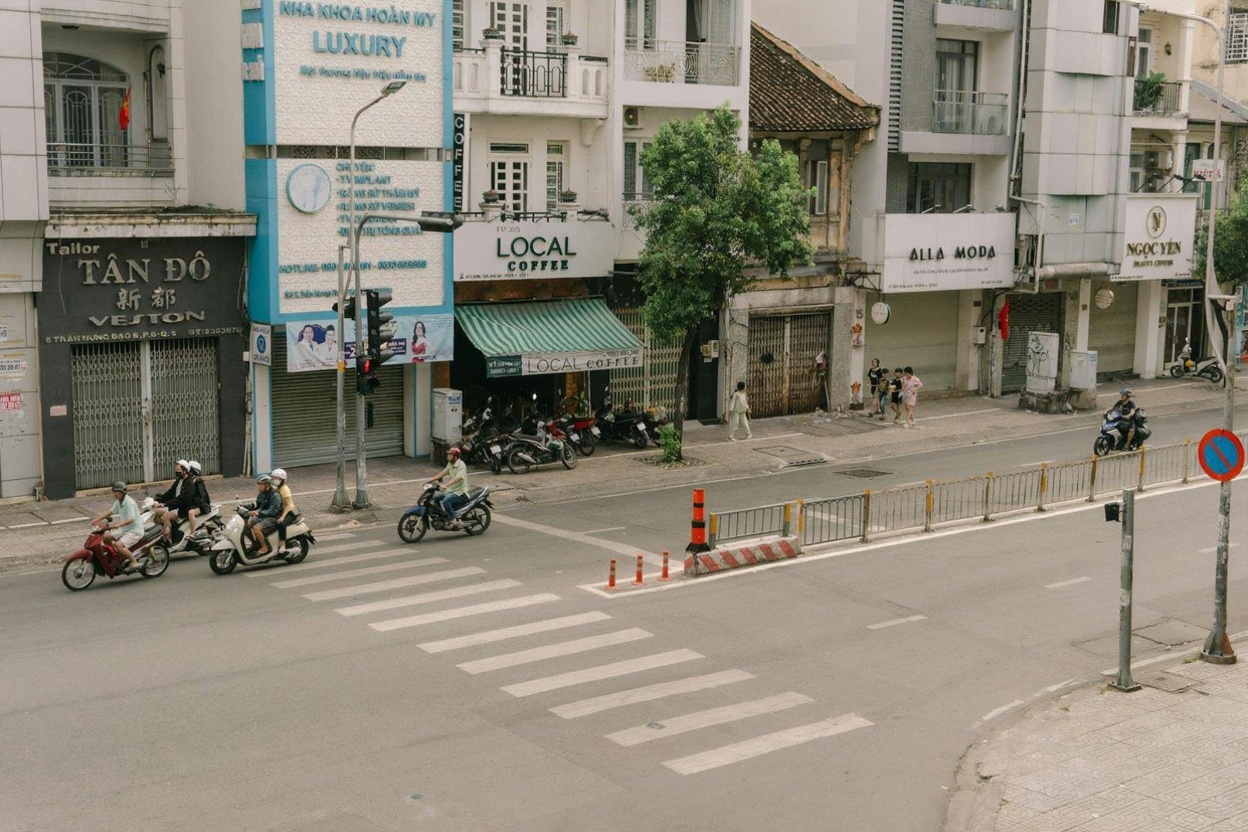
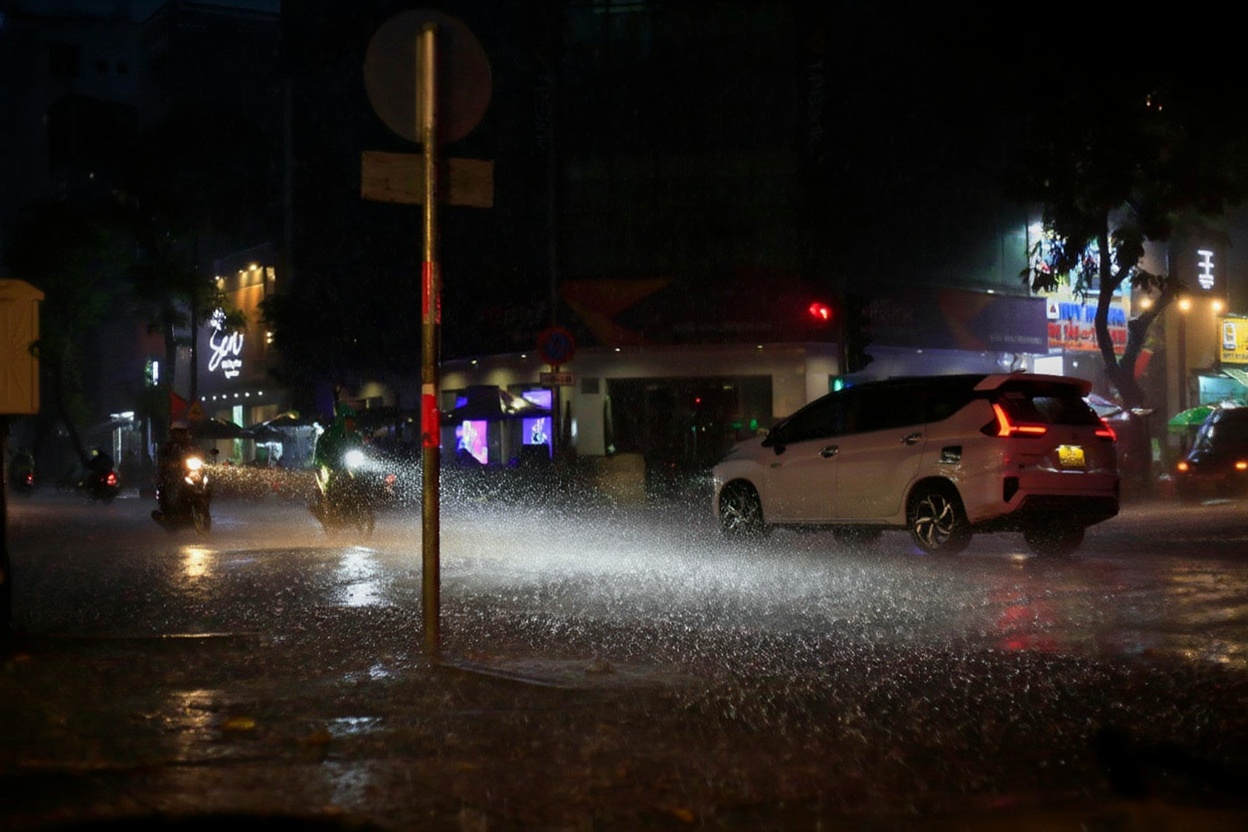
Yes, it rains every day. But the rain pattern in southern Vietnam is predictable: it builds through the afternoon and dumps hard for 45–90 minutes, typically between 3–6pm, then stops. The morning is usually clear. The evening is usually clear.
From someone who lives there:
“I live in HCMC, it can rain every day during rainy season but normally just in the afternoons or evenings and it doesn’t last long. If you live in the city center like D1, flood might not be a problem.” — aliceluu123, r/VietNam
The trick is to plan outdoor activities in the morning, find a café or museum in the early afternoon, and let the rain come and go. The War Remnants Museum, the Reunification Palace, markets — all weather-proof.
Phu Quoc in August is officially in its wet season but doesn’t get punished as badly as the central coast. The island sits on the far western side of Vietnam, sheltered from most typhoon paths by geography and Cambodia’s landmass. Expect daily rain, some rough seas on the windward beaches, and noticeably fewer tourists. Prices drop by 30–40% compared to peak season. Long Beach gets choppy — Sao Beach and Kem Beach on the south end stay calmer.
The Mekong Delta in August is lush and flooded in equal measure. The rice fields are fluorescent green. The rivers are running high. It’s actually a visually interesting time to visit — but some remote roads flood out and boat schedules change. If you’re going to Can Tho, this is still very much possible.
The Typhoon Question: What Actually Happens
Most first-time visitors to Vietnam treat “typhoon season” the way they’d treat a hurricane warning in Florida — like you should evacuate and board up windows. The reality is more nuanced.
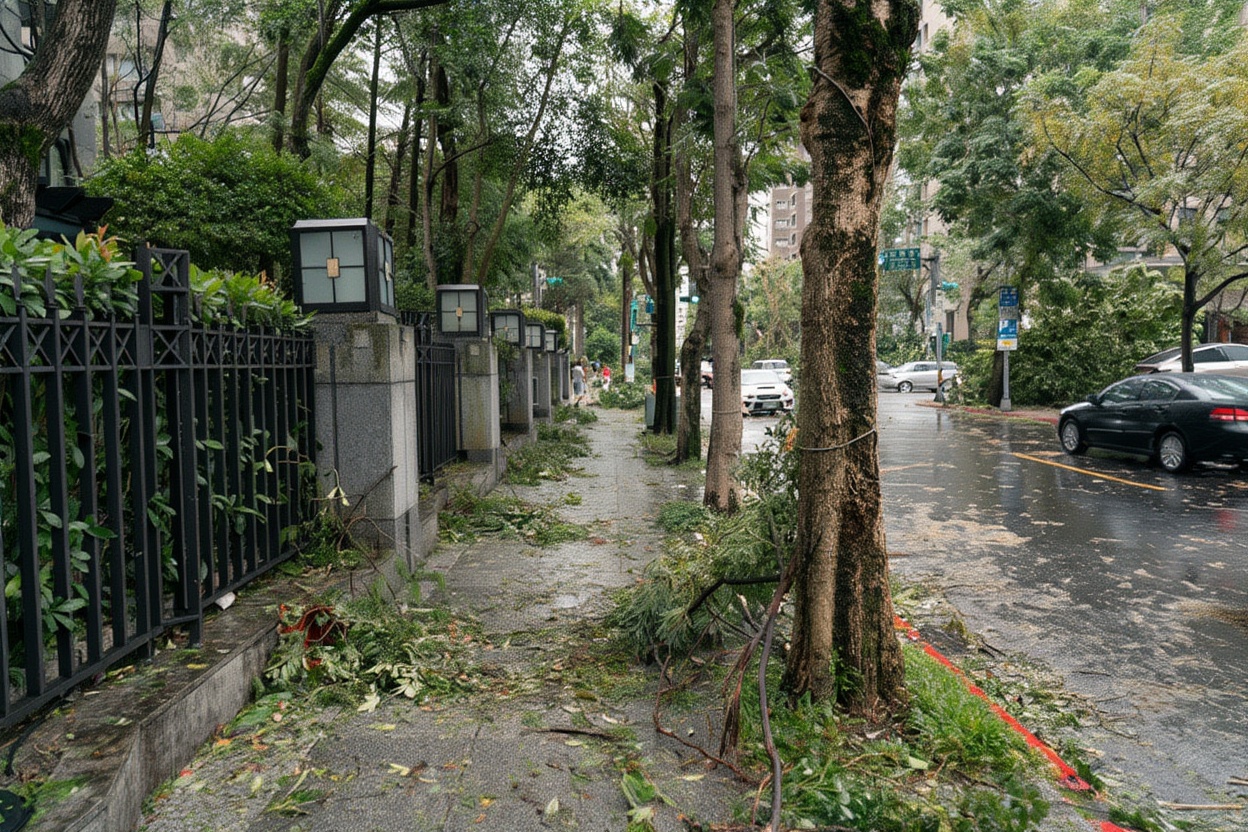
Vietnam averages around 9–10 typhoons or tropical storms affecting the country per year. Not all are catastrophic. Most weaken before hitting land. But they do cause flight cancellations, road closures, and disrupted boat services.
The 2026 government forecast (from the National Centre for Hydro-Meteorological Forecasting, February 2026): storm activity is expected to be below the average of 9.6 storms, with 3.8 making landfall — but “strong-intensity storms remain a concern.”
For August specifically: storms and tropical depressions tend to affect northern regions in August–September. The central and southern coast sees its worst storm activity September–December. This means August in central Vietnam is a transitional period — not the peak, but already in the danger window.
What this means practically:
— In Hanoi: carry a poncho. Accept the humidity. Don’t plan anything in the northern mountains.
— In Da Nang/Hoi An: check forecasts daily. Have a backup plan. Book refundable.
— In HCMC: plan mornings, cafés in the afternoon, evenings out.
— On Ha Long Bay: ask your cruise operator about their cancellation policy specifically — this is the month you need that information in writing before you pay.
Where to Go in Vietnam in August
What I Got Wrong My First August
I’m going to be honest: my first August in Vietnam, I planned a motorbike trip up toward the Moc Chau plateau, northwest of Hanoi. Not Ha Giang, not even that far — but still mountain terrain.
Made it halfway before the road was blocked by a landslide. Not a small one. A section of road simply wasn’t there anymore. I turned around, drove back to Hanoi in rain so hard I couldn’t see the white line, and sat on a plastic stool with a Bia Hoi while Tuấn, my Vietnamese mechanic friend, gave me exactly the look I deserved.
“You know it’s August,” he said.
I did know. I just didn’t know what August in the mountains meant until I was standing in front of a collapsed hillside.
August in Vietnam cities: fine. August in the mountains: respect it.
Tips for Traveling Vietnam in August
Book refundable, always. August means last-minute weather changes. A non-refundable Ha Long cruise is a bad gamble. Pay the slightly higher refundable rate — you’ll thank yourself.
Pack light and waterproof. A compact rain poncho (sold everywhere in Vietnam for 20,000–30,000 VND / ~$1–1.20) is more practical than an umbrella. Keep electronics in a dry bag or ziplock inside your pack.
Build buffer days. If you have a flight out of Da Nang in August, don’t book it the last day of your stay. Bad storms do cancel flights. One buffer day can save a trip.
Use morning windows. Even in the worst weather months, Vietnam rarely rains all day in one continuous stretch. Morning is usually the safest window for outdoor activities across the country.
Watch the typhoon tracker. NOAA’s Pacific typhoon tracker updates daily. In peak months, check it the week before you travel to any coastal destination. Most typhoons give 5–7 days of warning before landfall.
South-first itinerary. If your Vietnam trip falls in August and you have flexibility, structure it south → north. Start in HCMC (most stable August weather), work up toward Hoi An (shoulder of the typhoon season), and end in Hanoi. You get the stable weather early and save the most flexible section for where the weather is most variable.
↗Insider Tip
August is low season in southern Vietnam, which means genuine price drops. Phu Quoc hotels that run $120/night in peak season drop to $60–80. HCMC restaurants that normally need reservations are walkable. If you’re budget-conscious and can handle afternoon rain, August is actually one of the better value months for the south.
What to Pack for Vietnam in August
Packing for August is different from packing for November. You’re not fighting cold — you’re fighting humidity, sudden rain, and the feeling that everything you own is permanently damp.
Clothing: Light synthetics over cotton. Cotton soaks up sweat and takes hours to dry in August humidity. Linen is better. Lightweight athletic fabrics are best. Pack shirts you’d be comfortable in that are also dressable enough for a restaurant.
Footwear: One pair of waterproof sandals or flip-flops that you’re okay with getting wet. Don’t bring white sneakers expecting to keep them clean — it won’t happen. If you’re doing city walking, a pair of light waterproof trail shoes works well.
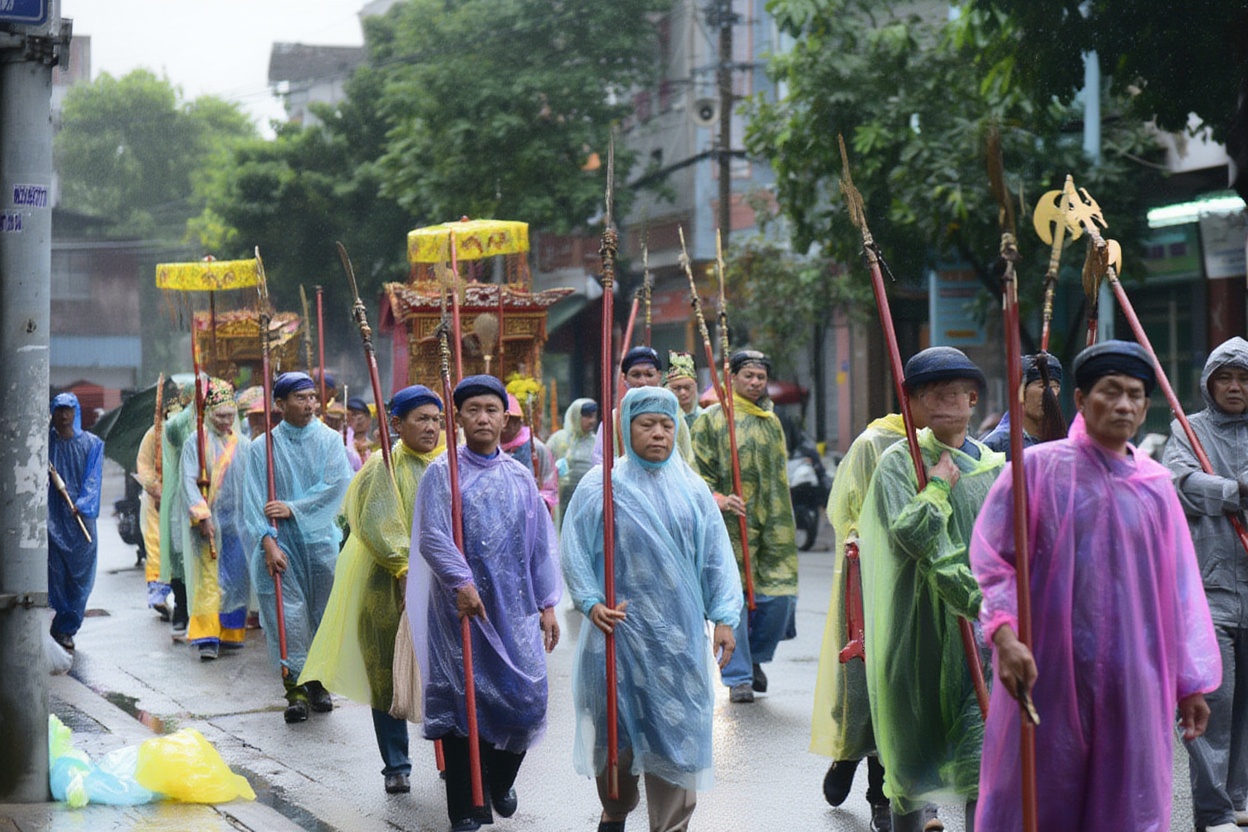
Rain gear: A compact folding rain poncho is the move, not an umbrella. Umbrellas work on the sidewalk; a poncho works when you’re on a motorbike or walking through a market. You can buy ponchos throughout Vietnam for 20,000–30,000 VND (~$0.80–1.20) — bring one from home or grab one on arrival. Get one that covers your daypack too.
Dry bags: Your camera, laptop, and passport need protection. A 10-liter dry bag or a pack of large ziplock bags costs almost nothing and saves you significant grief when the afternoon rain hits harder than expected.
Medications: Heat and rain mean mosquitoes. DEET-based repellent (30% concentration minimum) is harder to find in small Vietnamese pharmacies in the brands you trust. Bring what you know works. Stomach meds too — August is peak season for food that’s been sitting in heat longer than ideal.
Sunscreen: Counterintuitive when it’s overcast, but the UV index in Vietnam in August is still extreme on clear-sky mornings. International SPF brands are available in major cities but expensive. Bring a supply.
ℹKnow Before You Go
August humidity in Vietnam sits between 75–85%. Leather goods, paper documents, and wood items are all at risk. Store your passport in a waterproof zip case and check your electronics ports for condensation if moving between air conditioning and outdoor heat repeatedly. Condensation inside a lens is a real August problem.
August in Vietnam: What It Costs
August is low season across most of Vietnam. That translates directly to your wallet.
In HCMC, hotel rooms that cost 800,000–1,200,000 VND (~$30–45) in dry season drop to 600,000–900,000 VND (~$23–34) in August. Budget dorms that run 200,000 VND (~$8) in peak might be had for 150,000 VND (~$6).
Phu Quoc is where the August discount is most dramatic. The island’s luxury resorts run deep promotions — some properties that charge $150/night in March are under $90 in August. The beach won’t be perfect, but the price is.
Flights within Vietnam are also cheaper in August than in peak season (November–January, July school holidays). Domestic routes between HCMC and Da Nang or HCMC and Phu Quoc often show fares 20–30% lower than December prices.
The catch: last-minute flight cancellations from storms. Book your intra-Vietnam flights early enough to get a good fare, but make sure the ticket terms allow same-day rebooking if weather grounds a flight. VietJet and Bamboo are cheaper but more rigid on cancellation; Vietnam Airlines has better customer service when things go wrong.
Frequently Asked Questions
Is August a good time to visit Vietnam?
For southern Vietnam (HCMC, Phu Quoc, Mekong Delta) — yes, with caveats. For Hanoi — manageable if hot. For central Vietnam (Da Nang, Hoi An) and the northern mountains — it carries real risk. Don’t write off the whole country; just be strategic about where you go.
What is the weather like in Vietnam in August?
Hot and humid everywhere (28–35°C / 82–95°F). Southern Vietnam has daily afternoon showers. Central Vietnam averages 270mm of rain and 15–18 rainy days, with typhoon risk. Northern cities are hot with thunderstorms; northern mountains face landslide risk from heavy rain.
Should I avoid Vietnam in August?
No, but you should avoid certain parts of Vietnam in August. The central coast and northern mountains carry real risk. Cities — Hanoi, HCMC — are manageable. A south-focused itinerary in August can still be an excellent trip. For the best weather across the whole country, November to March is the stronger call.
What months should I avoid visiting Vietnam?
For central Vietnam (Da Nang, Hoi An, Hue), the highest-risk window is August through November — peak typhoon and flood season. For northern mountains (Ha Giang, Sapa), July through September is landslide season. There’s no single “avoid” month for all of Vietnam — it depends on which regions you want.
Is it safe to travel to Vietnam during typhoon season?
Cities are generally safe even during major typhoons — Typhoon Yagi (2025), the worst in 30 years, left Hanoi mostly unaffected. The danger is in rural mountain areas and coastal zones during direct hits. Monitor forecasts, book refundable, and have flexibility. Don’t plan non-refundable outdoor adventures in high-risk zones during August–October.
August in Vietnam is not a month to avoid — it’s a month to plan carefully. The south is genuinely good. Hanoi is sweaty but fine and full of bia hơi. The central coast and northern mountains need your respect and your flexibility.
If your dates are locked and August is what you’ve got, build a south-focused route, book refundable, and accept that Vietnam in the rain has its own kind of beauty. The rice fields are the greenest they’ll be all year. The streets clear out when the rain hits, then fill back up like nothing happened. The cities don’t stop for weather.
For the full picture on planning a Vietnam trip around weather, see our Vietnam itinerary guide — or if you’re specifically going during the dry season, the Phu Quoc guide has everything for planning that island leg.