
There is no single best time to visit Vietnam. The country is 1,650 kilometers long and spans multiple climate zones, so the weather in Hanoi in December is completely different from the weather in Nha Trang that same month. Anyone who tells you “go in March” without asking where you’re going has not been paying attention.
What I can tell you: the least-complicated time for a full north-to-south trip is February and early March. The trickiest months are September and October, when typhoon season can disrupt central Vietnam hard. Everything else involves trade-offs.
Five years in Vietnam and 63 provinces covered means I’ve been caught in the wrong place at the wrong time more than once. Here’s the honest breakdown.
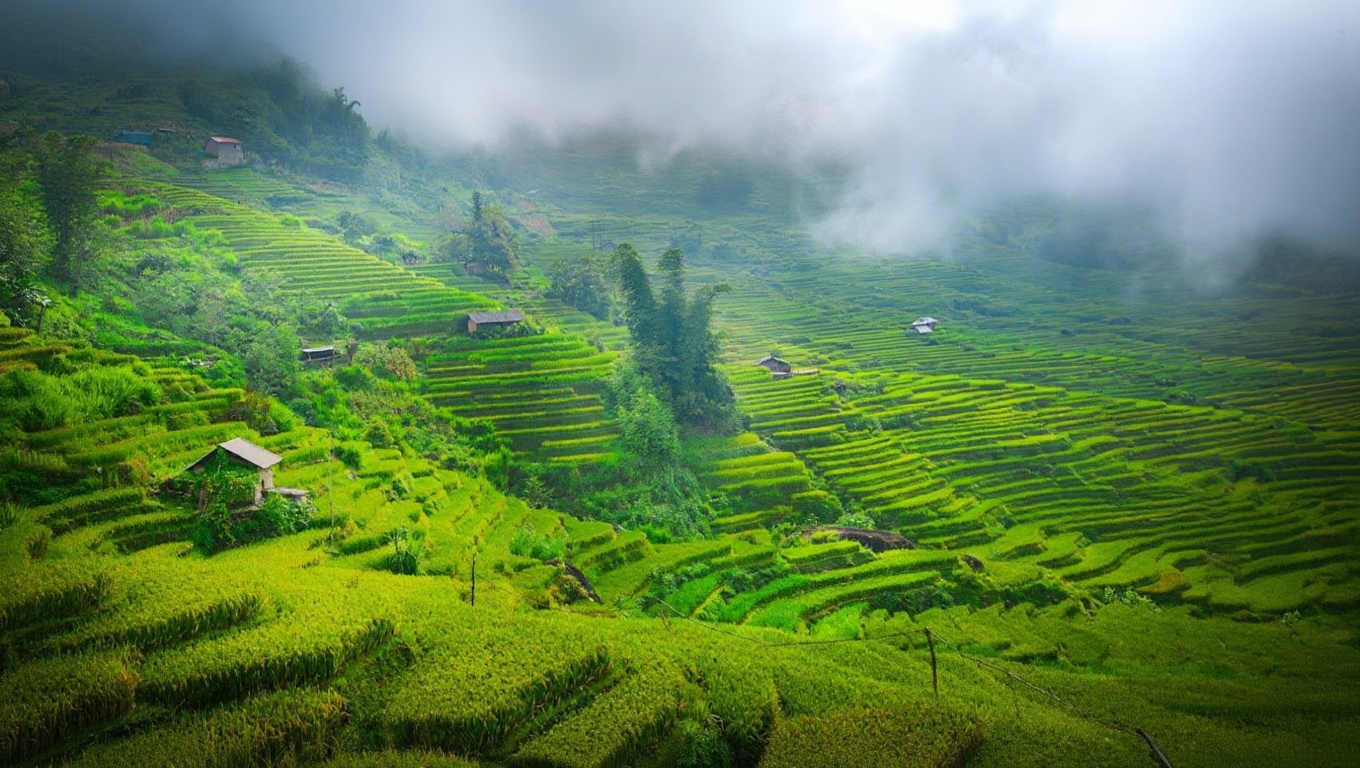
Vietnam’s Three Climate Zones
The country divides into three distinct zones that follow different seasonal patterns. Understanding this is the foundation for planning anything.
North Vietnam (Hanoi, Ha Giang, Sapa, Ha Long Bay)
Four actual seasons. Hot and humid June–August. Cool and sometimes cold November–February — Sapa and Ha Giang can drop to 5°C at night. Dry season is October–April. The rain comes May–September. Hanoi gets a “drizzle season” in February–March called the “mưa phùn” — light, persistent mist that feels colder than the temperature suggests.
Central Vietnam (Hue, Da Nang, Hoi An)
Two seasons and a typhoon risk. The dry and pleasant season is February–August. The wet season runs September–January, driven by the northeast monsoon. This is inverted from the north. Hue gets more rain than anywhere else in Vietnam — some years 3,000mm annually. Hoi An floods regularly in October–November; the ancient town gets ankle-deep water in the streets.
South Vietnam (HCMC, Mekong Delta, Phu Quoc, Mui Ne)
Two seasons: dry (November–April) and wet (May–October). No winter cold, ever. “Winter” in Saigon means 30°C and sunshine. The wet season brings afternoon thunderstorms rather than all-day rain — mornings are usually fine. Phu Quoc gets hit hard by monsoon June–September and is not recommended then.
| Month | North Vietnam | Central Vietnam | South Vietnam | Overall |
|---|---|---|---|---|
| Jan | Cool, dry ✓ | Wet, cool ✗ | Dry, peak ✓✓ | Good for south |
| Feb | Cool, drizzle ~ | Improving ✓ | Dry, excellent ✓✓ | Best for full trip |
| Mar | Warm, dry ✓✓ | Dry season ✓✓ | Dry, hot ✓ | Best overall |
| Apr | Hot, humid ~ | Hot, dry ✓ | Hot, end of dry ~ | Good for central |
| May | Rainy season ✗ | Dry, hot ✓ | Wet starts ✗ | Avoid north |
| Jun–Aug | Hot, rainy ✗ | Peak dry ✓✓ | Wet season ✗ | Central only |
| Sep | Rain ending ~ | Typhoon risk ✗ | Still wet ✗ | Difficult month |
| Oct | Cool, dry ✓ | Typhoon + floods ✗✗ | Wet ending ~ | North only |
| Nov | Cool, excellent ✓✓ | Wet, easing ~ | Dry starts ✓ | Good for north |
| Dec | Cold, dry ✓ | Cool, drier ✓ | Dry, peak ✓✓ | Good everywhere |
February and March: The Least-Bad Compromise
If you’re doing a classic north-to-south itinerary and can only pick one window, February–March is where the country lines up best simultaneously across all three zones.
North Vietnam has dried out from the winter drizzle. Temperatures in Hanoi run 18–24°C — comfortable for walking, cool enough that you’re not soaked with sweat after five minutes. Ha Long Bay is accessible without typhoon concerns. Sapa and Ha Giang are coming out of their coldest phase; March is when the cherry blossoms appear around Sa Pa and the mustard flowers bloom in Ha Giang.
Central Vietnam has flipped from its wet season. Hoi An’s Ancient Town is dry and golden. The beaches at Da Nang start to become usable. Hue is manageable without the oppressive wet-season humidity.
The south is still in its dry peak. Phu Quoc is at its most turquoise. Mekong Delta is navigable. HCMC hits 33–35°C, which is hot, but it’s dry heat without the monsoon downpours interrupting everything.
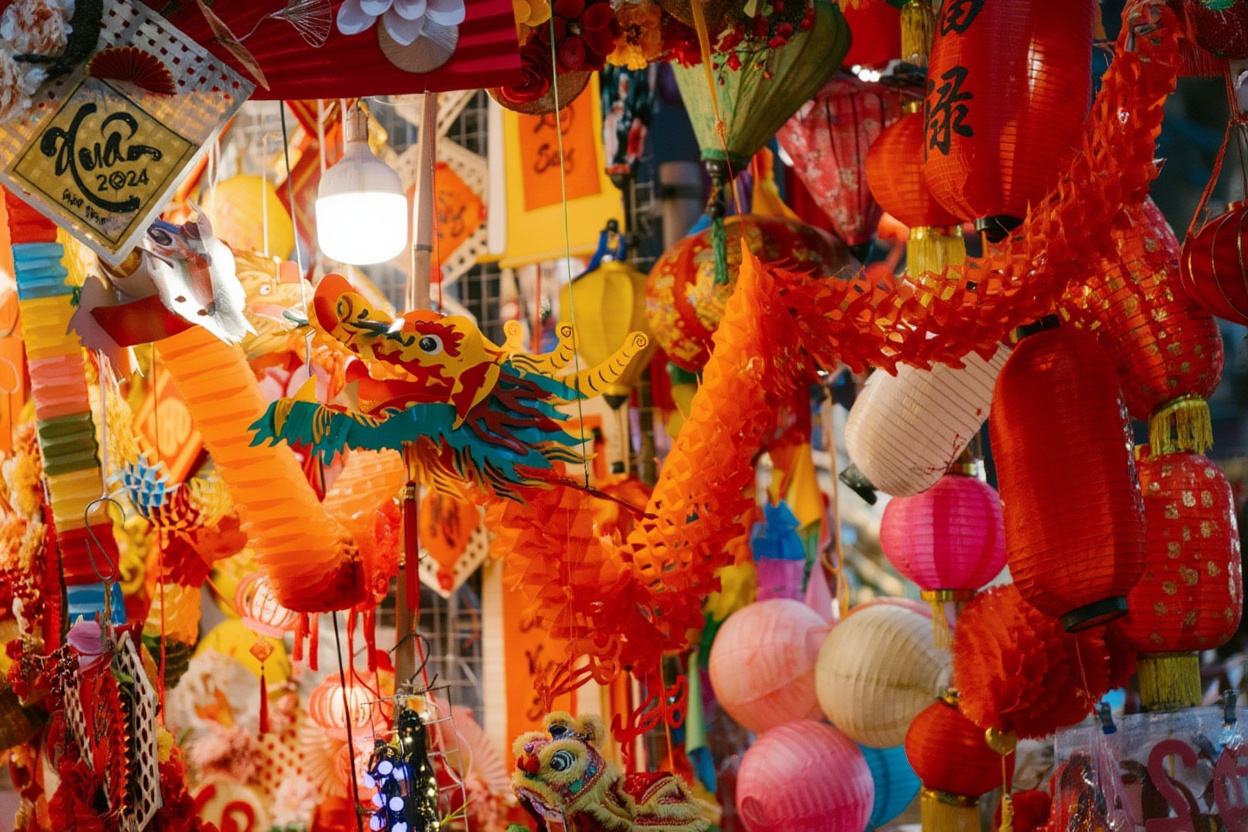
The catch: Tet (Vietnamese Lunar New Year) falls in late January or February — exact dates shift each year. During Tet week, domestic travel collapses: buses are booked by Vietnamese families going home, hotels double in price, and Hanoi goes quiet in a surreal way. If Tet falls during your travel window, book transport months in advance or plan to stay in one place and experience it. I stayed in Hội An during Tet 2022 — the lantern-lit streets at night are genuinely worth planning around.
October and November in Northern Vietnam
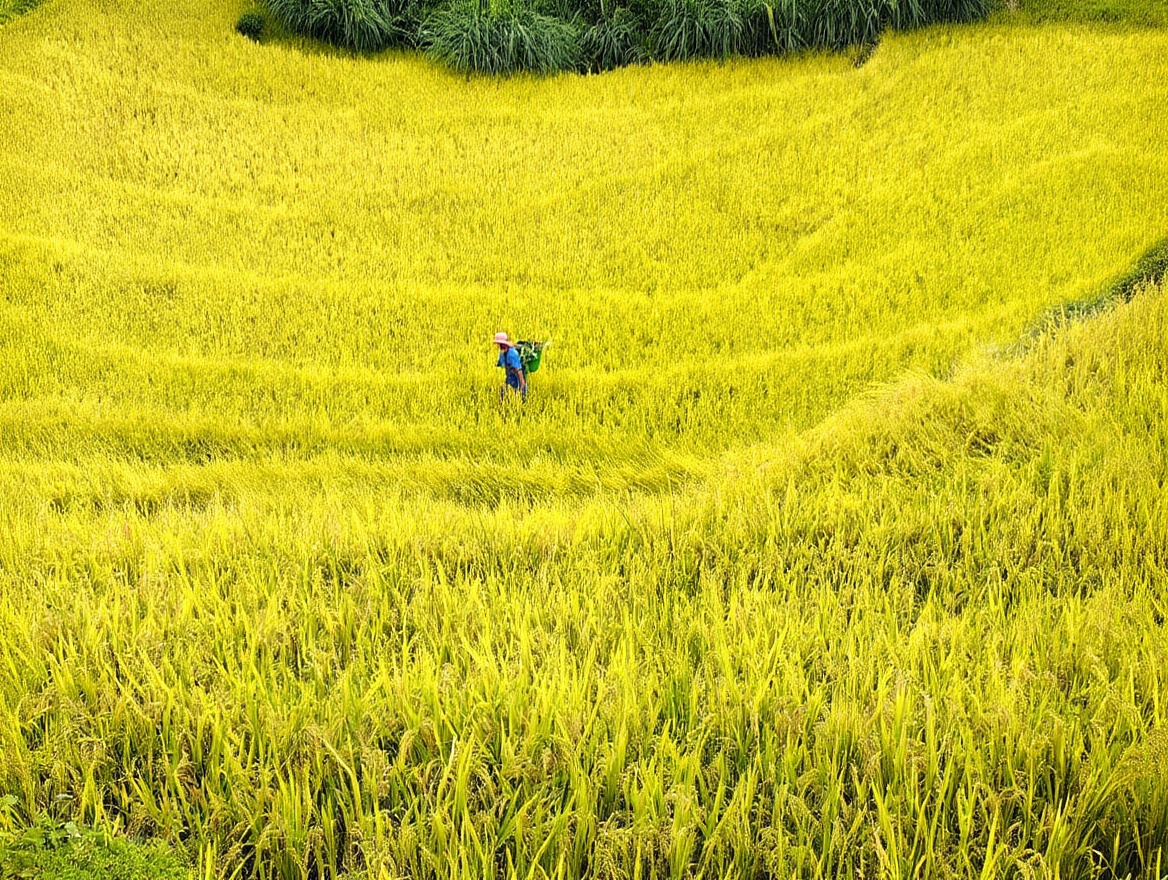
This is the local secret for north Vietnam specifically. The rice harvest in Mù Cang Chải and Hoàng Su Phì happens in late September through October — the terraces turn gold and orange in a way that photographs genuinely don’t capture. Ha Giang Loop’s buckwheat flowers bloom October–November; the fields go pink-purple across the plateau above Đồng Văn.
Skies clear after the summer rains. Temperatures drop to comfortable 20–26°C in Hanoi. Ha Long Bay is calm and frequently fog-free in morning light. This is when Ha Long looks like the photos.
The problem: central Vietnam is being hammered by the northeast monsoon during exactly this window. Hoi An floods. Hue gets 300–400mm of rain in October. Da Nang beaches are churned up. If your itinerary includes central Vietnam, October means checking typhoon forecasts daily and having flexible accommodation you can cancel.
The practical solution: do north Vietnam in October–November, then either skip directly to the south or wait until December when central Vietnam starts to stabilize. A Hanoi → Ha Giang → Ha Long Bay → fly to Da Nang routing can work in November if you’re flexible on the Da Nang timing. For a detailed breakdown of what to expect, see our guide to Vietnam in November.
June, July, and August: The Crowded Truth
These are the peak European and North American summer travel months, so prices are up and the popular spots are packed. That said, the weather math works if you know where to go.
Central Vietnam — Hoi An, Da Nang beaches, Hue — is in its dry peak. The beaches at An Bàng in Hoi An and Mỹ Khê in Da Nang are at their best. This is the window for beach-and-culture itineraries built around central Vietnam.
North Vietnam is hot and rainy. Hanoi in August is 34°C with 80% humidity and regular afternoon downpours. Ha Giang is green and dramatic but the roads get muddy after rain. Ha Long Bay runs cruises year-round but summer gets afternoon thunderstorms that chop the water and sometimes force boats back early. For a deeper look at navigating this specific window, see our Vietnam in August guide.
South Vietnam is in monsoon season. HCMC gets heavy afternoon rain but mornings are usually fine — you adjust your day. Phu Quoc is not recommended June–September; the western coast gets battered and visibility underwater drops. Mekong Delta floods in a way that’s actually interesting to see (boats everywhere, river life at its most active) but makes logistics harder.
The Typhoon Question for Central Vietnam
Vietnam sits in a typhoon belt. The central coast — Da Nang, Hue, Hoi An, Quy Nhơn — gets hit September through November. In 2020, five consecutive typhoons hit central Vietnam in six weeks, causing major flooding in Hoi An and damaging infrastructure around Hue.
The honest answer on typhoon risk: you cannot predict it, only minimize your exposure. September is the highest-risk month. October is almost as risky. November starts to calm but can still produce storms. If you’re set on central Vietnam October–November, book accommodation you can cancel within 24 hours and watch the Joint Typhoon Warning Center forecasts.
What a typhoon actually means for travelers: usually 24–48 hours of heavy rain and strong winds, roads temporarily closed, boats cancelled, some flooding in low-lying areas like Hoi An’s Ancient Town. Rarely dangerous to tourists who are inside — more of a “your plans are disrupted” situation than a life-threatening one. The evacuation notices you’ll see are for Vietnamese residents in flood-prone areas, not for tourists in mid-range accommodation on higher ground.
Best Time by Activity
Ha Giang Loop by motorbike: October–November for buckwheat flowers and harvest terraces, best road conditions. March–April for peach and cherry blossoms. Avoid July–August when rain makes unpaved mountain sections dangerous. December–February is cold but doable with warm gear — the plateau above Đồng Văn sits at 1,000–1,500m elevation.
Ha Long Bay overnight cruise: October–April for clearer skies. May–August for the highest chance of afternoon storms that cut the cruise short. Even in the “good” season, Ha Long gets fog in early morning from October–February — this is actually beautiful, not a problem.
Sapa trekking: September–October for rice harvest color. March–April for flowering trees and green terraces. Avoid the mưa phùn drizzle in February which makes trails slippery and views zero. June–August is warm but visibility suffers in the afternoon.
Hoi An beach time (An Bàng Beach): March–August. September–November the ocean is rough and swimming is not advised. December–February is pleasant for the town but beach days are hit-or-miss.
Phu Quoc: November–April only. Go June–September and you’ll find choppy water, reduced visibility for snorkeling, and a quieter-but-not-in-a-good-way vibe.
Mekong Delta boat tours: Year-round, but the flood season (August–October) transforms the landscape and is worth seeing if you can handle the heat and occasional rain disruptions.
Shoulder Season and Crowds
Vietnam has gotten significantly more crowded over the past five years. Hoi An’s Ancient Town on a Saturday in peak season (March, July) is genuinely overwhelming — 40,000 visitors on a single day through a town built for 30,000. Ha Long Bay has hundreds of boats on the water simultaneously in high season.
Shoulder season strategy: May in central Vietnam (before the European summer rush) and September–October in north Vietnam (after the summer but before the October crunch) offer the best combination of decent weather and manageable crowds. Prices drop 20–40% at guesthouses and mid-range hotels. Bus and train availability opens up.
The off-season isn’t bad everywhere: Hanoi in February is quiet, cold, and atmospheric. Saigon in June is rainy but locals are out and the city runs at full energy. Hue in November is wet but the ancient citadel at dawn in the mist is worth it if you have rain gear.
Practical Packing Notes by Season
Wet season everywhere: a compact rain jacket or poncho. Vietnam’s rain comes without much warning. The compact packable type — Decathlon or similar, under 300g — fits in a day bag. Umbrellas work for cities but are useless on a motorbike.
North Vietnam November–February: a real warm layer for Sapa and Ha Giang. Not a fleece — a down jacket or at minimum a mid-layer plus wind shell. Hanoi itself only needs a light jacket but the mountains are genuinely cold. I’ve seen travelers in Đồng Văn in T-shirts in January looking genuinely hypothermic.
Central and south Vietnam year-round: thin, quick-dry clothing. Linen or moisture-wicking synthetic. Cotton kills you in humidity. Light compression packing cubes let you survive a 14-day trip with a 30L carry-on if you’re willing to do a laundry every 3–4 days. Laundry services in Vietnam cost 20,000–60,000 VND per kilogram — basically free.
Festivals and Events Worth Planning Around
Beyond weather, Vietnam’s calendar has specific events that change the experience significantly — worth knowing before you commit to dates.
Tet (Lunar New Year) — Late January or February: The biggest event in the Vietnamese calendar. Families travel home across the country for a week; domestic bus and train routes sell out weeks in advance. Tourism accommodation prices in Hoi An, Hue, and Hanoi spike 50–200%. The tradeoff is genuine — Hoi An’s lantern festival on the 15th day of the first lunar month is one of the most atmospheric nights I’ve spent in five years here. If Tet falls in your window, either plan around it aggressively or lean into it.
Hoi An Lantern Festival — Monthly: Hoi An releases paper lanterns on the river on the 14th day of each lunar month (roughly monthly, dates shift). The Ancient Town switches off electric lights, and the streets run on lanterns. Every month, year-round. No special planning needed — just know when the next one falls.
Hue Festival — Even-numbered years: Vietnam’s largest cultural festival, held in even-numbered years (2024, 2026, 2028) in April–May. Traditional music, royal court performances, craft markets. Hue hotels book out months in advance. Worth specifically targeting if you’re interested in Vietnamese classical culture.
Da Lat Flower Festival — December: Biennial event (odd-numbered years). Da Lat, Vietnam’s highland city at 1,500m, is already the country’s flower capital — during festival weeks the city goes completely over the top. Not on most travelers’ radar, which is part of why it’s good.
Harvest Season in Northern Highlands — September/October: Not a festival — a natural phenomenon. The rice terraces at Mù Cang Chải (4 hours from Hanoi) and Hoàng Su Phì (Ha Giang province) turn gold in a three-to-four week window in late September through October. Local guesthouses fill up quickly; visit midweek rather than weekends when Hanoians drive out in numbers.
What the Data Actually Shows: Average Temperatures and Rainfall
Useful to have in one place so you can cross-reference against your specific dates.
| City | Driest Months | Wettest Months | Coolest | Hottest |
|---|---|---|---|---|
| Hanoi | Nov–Apr | Jun–Sep | Jan: 17°C avg | Jul: 33°C avg |
| Ha Giang | Oct–Mar | May–Sep | Jan: 14°C avg | Jun: 28°C avg |
| Da Nang | Feb–Aug | Sep–Jan | Jan: 23°C avg | Jul: 33°C avg |
| Hoi An | Feb–Aug | Oct–Dec | Jan: 22°C avg | Jun: 34°C avg |
| Hue | Mar–Aug | Sep–Jan | Jan: 20°C avg | Jul: 34°C avg |
| Ho Chi Minh City | Nov–Apr | Jun–Sep | Jan: 27°C avg | Apr: 35°C avg |
| Phu Quoc | Nov–Apr | Jun–Sep | Jan: 28°C avg | May: 33°C avg |
| Nha Trang | Jan–Aug | Sep–Dec | Jan: 26°C avg | Jun: 33°C avg |
Nha Trang is worth noting specifically: its dry season is inverted from the central Vietnam pattern. When Hoi An and Hue are getting hammered in October–November, Nha Trang often stays relatively dry. It catches its wet season September–December from a different monsoon track. This makes Nha Trang a useful fallback for central Vietnam travelers who get caught by typhoon disruptions further north.
My Honest Recommendation
For a first-time visitor doing a north-to-south trip: aim for February–March or November–December. These windows give you the best simultaneous conditions across the country. For route ideas across those windows, our Vietnam itinerary guide covers the north-to-south sequence in detail.
If you’re going for a specific region: central Vietnam peaks March–August; north Vietnam peaks October–November and February–March; south Vietnam peaks November–April.
If you can’t control your dates: stop optimizing. Vietnam is worth visiting in any month. Rain in Hoi An means empty streets, atmospheric light, and pho that tastes better in the drizzle. Heat in Hanoi means iced coffee in the shade and locals who respect you for tolerating their summers. I arrived in Hanoi in August 2021 — hottest month, maximum humidity — and the city hooked me anyway. Five years later I’m still here.
Dig deeper into individual months: Vietnam in February, March, April, May, June, July, and September — each covers crowd levels, regional conditions, and who the month is actually for.
Two things worth sorting before you land: a Vietnam eSIM so you have data the moment you clear customs, and travel insurance — medical costs for uninsured foreigners in Vietnam are significant.
Airalo eSIMs activate instantly. Buy before departure — airport SIM queues in Vietnam can take 30+ minutes.
Frequently Asked Questions
What is the absolute worst month to visit Vietnam?
September is the trickiest — central Vietnam is in typhoon season, north Vietnam is finishing its rainy season, and south Vietnam is in peak monsoon. If you have flexibility, avoid September for a north-to-south itinerary. That said, “worst month” is relative: a September week in Hanoi or Da Nang is not ruined by weather, it’s just more complicated.
Is Vietnam good to visit in December?
Yes, December is one of the better months. North Vietnam is cool and dry. Central Vietnam has stabilized after the rainy season — December in Hoi An is pleasant. South Vietnam (HCMC, Phu Quoc, Mekong Delta) is entering peak dry season. It’s also the start of the European winter escape season, so crowds build from mid-December onward. Christmas week in Hoi An is very popular. For a deeper breakdown of what to expect, see our Vietnam in December guide.
Does it rain every day during rainy season?
Not in the south. HCMC’s “rainy season” means a 30–60 minute afternoon downpour most days, then clear skies. Mornings are usually fine. In northern Vietnam’s rainy season (May–September), the rain is more sustained — hours rather than minutes. Central Vietnam’s wet season (September–January) can mean days of continuous grey rain, which is genuinely disruptive.
Is January good for Vietnam?
Depends where. January is excellent for south Vietnam — Phu Quoc, HCMC, Mekong Delta are all in peak dry season. North Vietnam in January is cold — Hanoi can feel damp and grey, and Sapa and Ha Giang can get near-freezing temperatures at night. Central Vietnam in January is exiting its wet season — improving but not peak. For a south-only trip, January is ideal. For a full-country trip, February–March is slightly better.
When is Tet and should I avoid it?
Tet (Vietnamese Lunar New Year) falls in late January or February — dates shift each year, so check a specific calendar. The week of Tet is not one to avoid; it’s one to plan for. Domestic transport is completely booked. Prices at popular tourist accommodation spike. But Hội An lights thousands of lanterns, Hà Nội goes quieter than any other time of year, and the street food stalls selling bánh chưng (sticky rice cake) everywhere create an atmosphere you won’t find at any other time. Just book transport and accommodation months in advance if your dates overlap with Tet week.
What’s the best month for Ha Giang Loop?
October for buckwheat flowers and harvest season — the plateau above Đồng Văn turns pink-purple and the rice terraces at Hoàng Su Phì are golden. March–April for blossoms and green landscapes with dry roads. The loop is technically rideable year-round but July–August brings enough rain to make the unpaved mountain sections genuinely dangerous even on an XR150. December–February is cold but doable with proper gear — and the lack of tourists makes it worth considering if you run cold.
Is Vietnam worth visiting during monsoon season?
Yes, depending on where you go. The mistake is applying “monsoon = bad” uniformly across a 1,650-kilometer country. During north Vietnam’s rainy season (May–September), central Vietnam’s beaches (Da Nang, Hoi An) are in their dry peak. During central Vietnam’s wet season (September–January), south Vietnam (HCMC, Phu Quoc) is entering dry season. There is almost always somewhere in Vietnam that is in good weather. The travelers who have the hardest time are those who plan a rigid north-to-south itinerary without checking which zones are wet during their specific dates.