Last updated: May 2026
I’ve eaten my way through Hoi An more times than I can count.
I’ve also heard the phrase “best banh mi in the world” enough times to understand that expectations in this town run dangerously high. Some dishes earn it. Some don’t. Here’s the honest guide — what’s actually worth your stomach space, where to find the real version, and what the guidebooks get wrong.
The Dishes You Need to Know
Hoi An has a small, tight rotation of genuinely local dishes — food that either originated here or exists in a distinctly Hoi An form. These aren’t just generic Vietnamese food with a lantern backdrop. Most of them you can’t find anywhere else in the country.
Cao Lầu — The Only One That Matters
Cao Lầu (say: cow loh) is the most important food decision you’ll make in Hoi An.
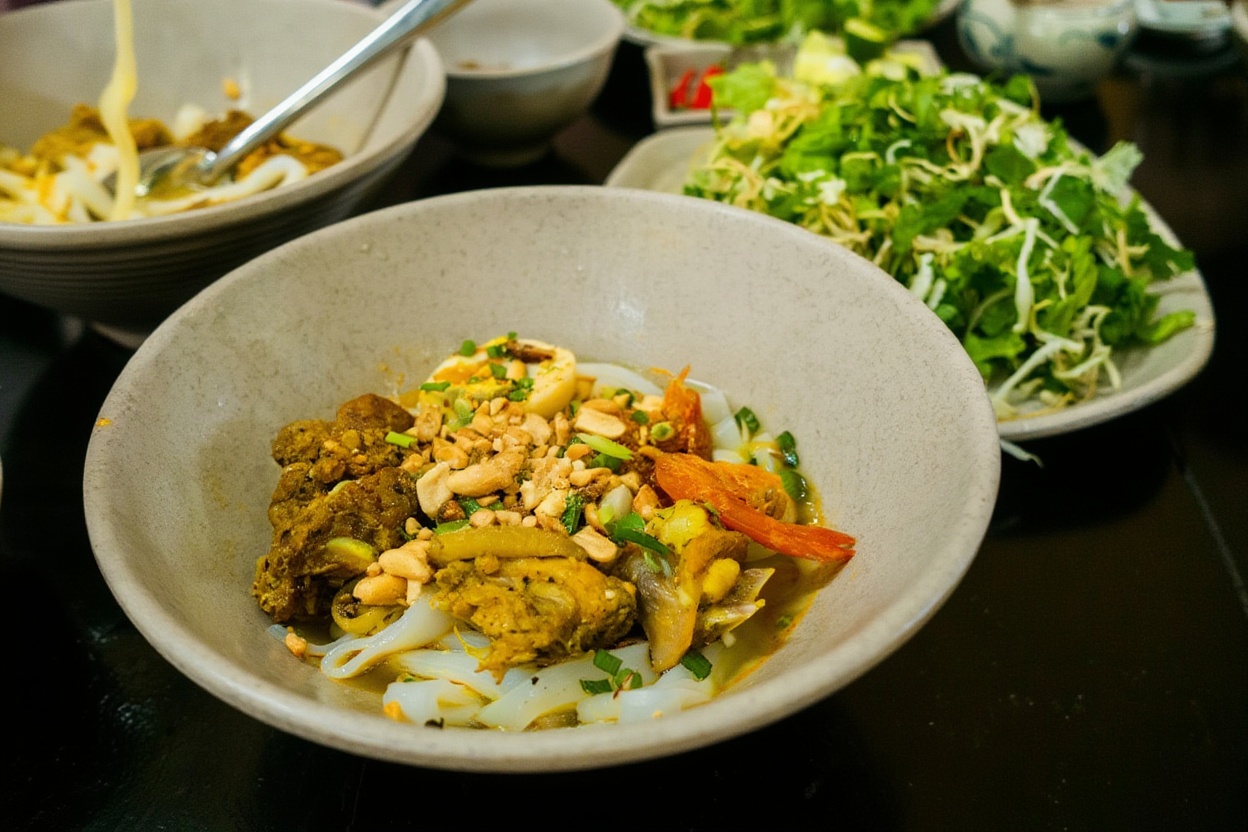
Thick, flat rice noodles — yellowish, slightly chewy — topped with slow-braised pork, lard croutons, fresh herbs, and a dark, concentrated broth poured sparingly. Not a soup. Not a salad. Something in between.
The mythology: supposedly, authentic Cao Lầu can only be made with water from the Ba Le Well (Giếng Bà Lễ), an ancient Cham well in the Old Town. Whether that’s marketing or truth, the dish tastes distinctly different from anything in Hanoi or Saigon. For everything beyond the food, our Hoi An travel guide covers the full picture of the city.
Where to eat it: Thanh Cao Lầu on Thái Phiên street gets the local recommendation most often (cassiopeia18 on r/VietNam gives it directly). Hoi An Central Market food court offers the cheapest authentic version — 30,000–50,000 VND (~$1.15–1.90), plastic stool, no ceremony.
Price range: 50,000–80,000 VND (~$1.90–3.05) at sit-down spots.
★Jake’s Pick
Cao Lầu at the Central Market food court (Chợ Hội An, 15.8793° N, 108.3364° E). Arrive before noon. The women who run the stalls have been making this for decades. No English menu, no frills, 35,000 VND. For everything beyond the food, our Hoi An things to do guide covers the Old Town, tailors, and day trips.
White Rose Dumplings — Bánh Bao Vạc
Shrimp filling wrapped in translucent rice paper, pinched into a white rose shape. Delicate, slightly chewy, served with a fried shallot sauce.
Here’s the thing nobody tells you: every restaurant in Hoi An that serves White Rose dumplings gets them from the same family — one household near the old town that has the recipe and supplies the whole city. So the “best White Rose” debate is partly academic. What varies is the sauce and how long they’ve been sitting.
Get them at White Rose Restaurant (533 Hai Bà Trưng, 15.8817° N, 108.3285° E) if you want the narrative — they’re the supplier and the showcase. Expect 60,000–80,000 VND (~$2.30–3.05) for a plate. Or eat them as part of a set at Ba Le Well for context.
Cơm Gà Hội An — Turmeric Chicken Rice
Cơm Gà (say: come gah) means “rice with chicken.” Hoi An’s version uses turmeric-yellow rice cooked in chicken stock, topped with shredded poached chicken, fresh herbs, and chili oil.
It’s the everyday comfort food of the city. The kind of thing locals eat for breakfast, lunch, and sometimes dinner.
Cơm Gà Bà Buội has the reputation — it’s on every “best of Hoi An” list and gets the cassiopeia18 direct recommendation on r/VietNam. Expect a queue at lunch. Price: 40,000–60,000 VND (~$1.52–2.30).
The honest take: Cơm Gà is the most genuinely local thing you’ll eat here. It doesn’t photograph dramatically, the restaurant is not scenic, and that’s exactly why it’s worth it.
Bánh Mì — The Most Overhyped and Still Worth It
Anthony Bourdain called Bánh Mì Phượng “the best banh mi in the world” in 2009. The queue has never recovered.
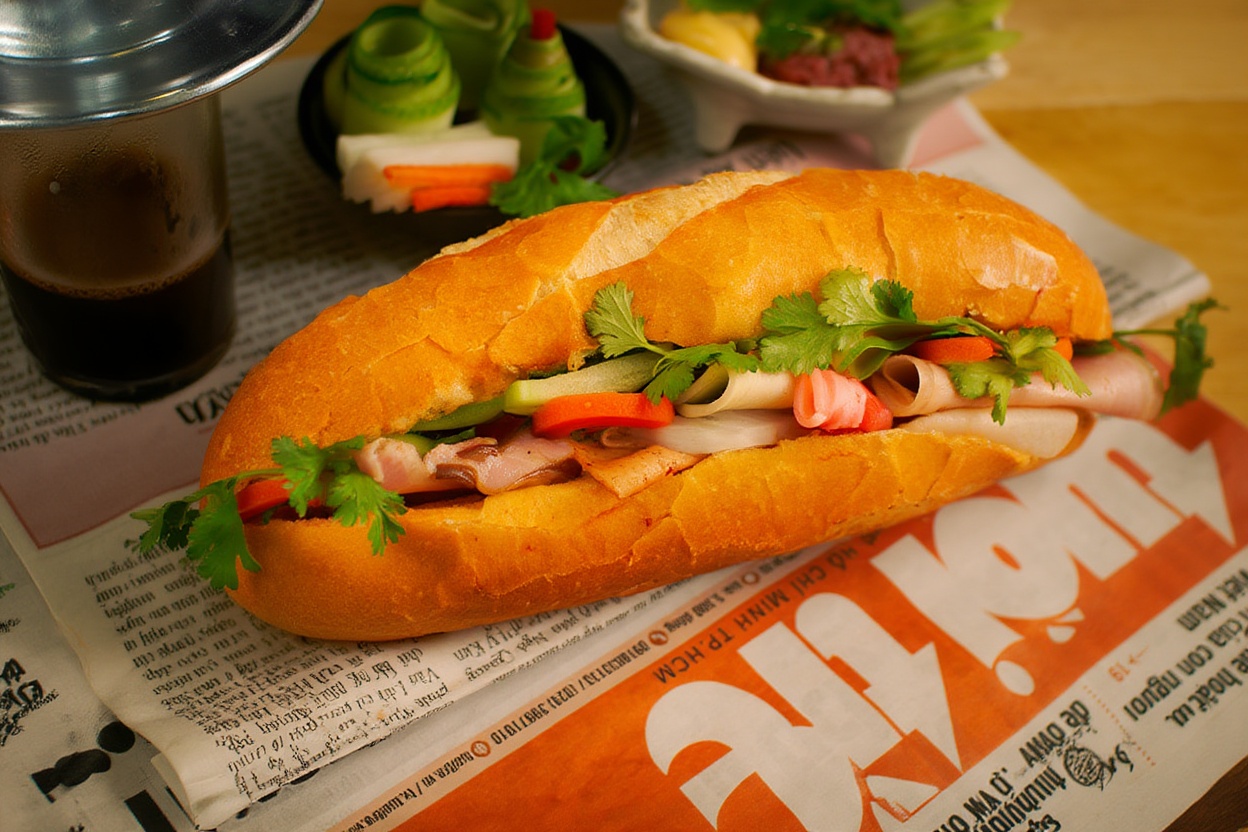
Bánh Mì Phượng (2B Phan Châu Trinh, 15.8796° N, 108.3290° E) — The #3 Mixed is the classic order: pâté, pork, pickled vegetables, chili, herbs. Price: 35,000 VND (~$1.35). The bread is genuinely excellent — crispy outside, airy inside, the right crunch-to-soft ratio. Is it the best banh mi in the world? Probably not. Is it excellent? Yes.
Madam Khánh — The Banh Mi Queen is the less-famous, often-preferred alternative. Richer sauce, deeper flavour, shorter queue. Price: 30,000–40,000 VND (~$1.15–1.52). Several repeat visitors on Reddit explicitly prefer it over Phượng for this reason.
⚠Real Talk
If you’re at Phượng at 9am and the queue is 20 people deep, walk two minutes and find Madam Khánh. You’re not missing a life-altering experience. You’re eating an excellent 35,000 VND sandwich for breakfast, as you should. The Bourdain halo has made Phượng a bucket-list destination rather than a banh mi shop.
Mì Quảng — The Noodle Dish Visitors Overlook
Mì Quảng (say: mee kwang) gets overlooked because Cao Lầu takes all the attention. It shouldn’t.
Thick, turmeric-yellow noodles in a small amount of rich broth — pork, shrimp, or chicken versions available — topped with fresh herbs, peanuts, rice crackers, and a slice of lime. The broth is barely there, more of a concentrated dressing than a soup. Completely different from anything north or south.
Mì Quảng Ông Hai and Mì Quảng Bà Minh both get the local recommendation from cassiopeia18 on r/VietNam. Price: 40,000–60,000 VND (~$1.52–2.30).
Order it with the rice crackers and fresh herbs included — eating Mì Quảng without the textural contrast is missing half the dish. The peanuts matter too. This is a dish where every element is doing specific textural work. Removing any one component flattens the whole thing. Ask for the full set of garnishes when you order and use all of them.
Bánh Xèo — The Sizzling Pancake
Bánh Xèo (say: bahn say-oh) — the name means “sizzling cake” and that’s exactly what you hear when it hits the pan. Turmeric-yellow rice flour pancake, stuffed with shrimp, pork, bean sprouts, and served with a pile of fresh greens to wrap it in.
The wrapping is the point. You tear off a piece of pancake, lay it on a lettuce leaf, add herbs, roll it, dip it in nước chấm sauce. Eating it flat on a plate like a crepe is not the same experience. The contrast between the crispy pancake exterior, the soft shrimp filling, and the cool crunch of fresh lettuce and herbs is the entire point of the dish. If your server brings it plated without the wrapping greens, ask for them specifically.
Ba Le Well (45/51 Trần Hưng Đạo, 15.8790° N, 108.3319° E) offers a set menu that includes Bánh Xèo, White Rose dumplings, and spring rolls for around 150,000 VND (~$5.67) per person. It’s a tourist spot but a genuine one — the food is excellent and the setting (a courtyard around the ancient well) is actually atmospheric rather than manufactured.
Herbal Tea — Mót Hội An
Not food, but worth knowing: Mót Hội An sells a traditional herbal drink decorated with a lotus petal for 15,000 VND (~$0.57). It’s cooling, slightly bitter-sweet, and one of those drinks that makes sense in the humid heat. Look for the small shop near the Old Town entrance — it has a line of plastic stools on the pavement and a handwritten sign in Vietnamese.
Bánh Bao — Hoi An Steamed Dumplings
Different from White Rose dumplings — these are larger, steamed buns with various fillings (pork, vegetables). The street version from night market vendors runs 10,000–20,000 VND (~$0.40–0.75) each. Eat them hot, straight from the steamer.
Where to Actually Eat in Hoi An
The geography matters. Prices inside the Ancient Town pedestrian zone are 30–50% higher than the exact same food two streets outside it.
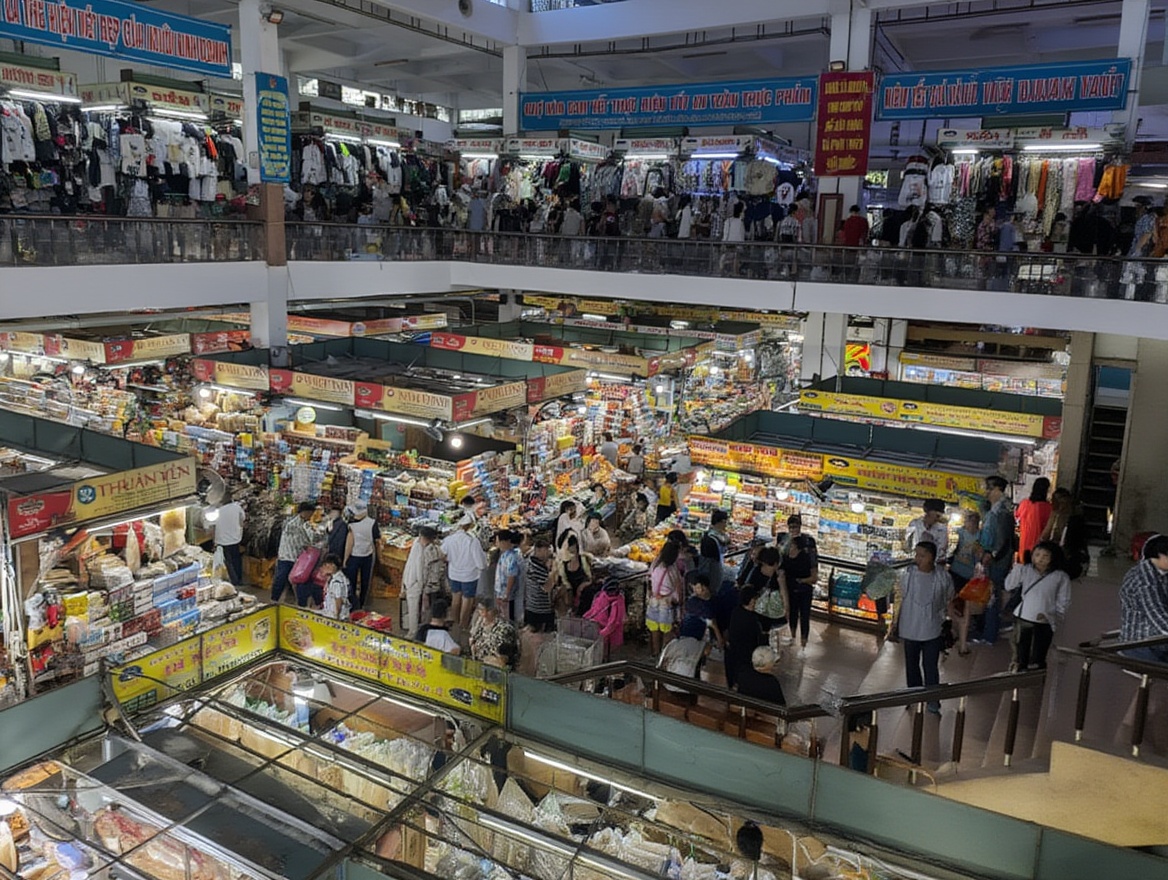
Hoi An Central Market (Chợ Hội An)
The market food court is the single best eating decision you can make in Hoi An.
Multiple stalls sell the same core dishes — Cao Lầu, Cơm Gà, Mì Quảng — at prices 30–40% lower than restaurant equivalents. You eat at a communal table while women in conical hats call your order. No menu in English. No Instagram lighting. Excellent food.
The market runs from early morning to mid-afternoon. Come for breakfast (Cơm Gà or Cao Lầu at 7am is legitimately one of the better food decisions in Vietnam) or early lunch. By 1pm it gets hot and some stalls start running low.
Old Town Restaurants
Morning Glory Restaurant — Nguyễn Thái Học street — the most-recommended sit-down option consistently. Vietnamese street food classics in a comfortable setting. Mid-range prices: 80,000–200,000 VND (~$3.05–7.60) per dish. Good for a proper meal with context.
Miss Ly Café — long-standing Old Town spot known for Cao Lầu. A TripAdvisor reviewer called it “Hoi An’s soul” in a November 2023 review. Prices are tourist-adjusted but the food is genuinely good.
Châu Kitchen — the local recommendation from cassiopeia18 specifically because it “has great food, suitable for my local palate” — meaning they haven’t adjusted the seasoning for Western tastes. This is the recommendation you want. Strong spice, authentic balance, no apologies.
Night Market and An Hội Island
The night market (An Hội island, across the bridge from the Old Town) runs from 5pm to 10pm nightly. Grilled skewers, fresh spring rolls, seafood, bánh tráng nướng (Vietnamese “pizza” — grilled rice paper with toppings).
It’s touristy. It’s also fun and cheap. Grilled pork skewers (Thịt Nướng) at 5,000–10,000 VND (~$0.20–0.40) each. A basket of bánh tráng nướng costs 20,000–40,000 VND (~$0.75–1.52). Eat standing up, over a hot grill, while lanterns drift on the river in front of you. This is not a subtle experience.
Outside the Tourist Zone
The Cẩm Nam neighborhood (across the river on the south side) has a cluster of local restaurants frequented by residents rather than tourists. The food is identical to Old Town offerings at prices set for people who live here: 25,000–40,000 VND (~$0.95–1.52) per bowl. Getting there is a 10-minute walk over the footbridge — worth it if you plan to spend more than two days in the city.
The Honest Truth About Hoi An Food
Hoi An’s food reputation is earned but also somewhat inflated by the setting.
A bowl of Cao Lầu tastes better inside an ancient yellow-walled courtyard with lanterns swaying overhead than it would in a fluorescent-lit food court. That’s not a criticism — atmosphere is real. But “best food in Vietnam” claims need context.
⚠Real Talk
Three separate experienced Vietnam travelers on Reddit made this point: Hoi An’s food is tourist-priced compared to Hanoi or Hue, and the “authentic” versions hide in alleys away from the Old Town. If you’ve eaten your way through Hanoi’s Old Quarter or Hue’s street food scene, Hoi An won’t revolutionize your palate. What it will do is give you three or four dishes that exist nowhere else in the country. Focus on those.
The overpricing reality: the same Cao Lầu that costs 35,000 VND (~$1.35) at the Central Market costs 80,000–120,000 VND (~$3.05–4.55) at a restaurant inside the Old Town. Both are good. One is twice the price for the same noodles plus atmospheric lighting.
A Half-Day Food Walk Through Hoi An
If you’re in Hoi An for one full day and want to eat seriously, this is how I’d structure it:
7:00am — Central Market food court. Arrive before the tourist crowds. Order Cao Lầu or Cơm Gà. Eat at a communal table next to market vendors. The fish sauce smell is intense. That’s correct. 35,000–50,000 VND.
8:30am — Bánh Mì (Phượng or Madam Khánh). Walk south toward Phan Châu Trinh street. If the Phượng queue is longer than 10 people, go to Madam Khánh around the corner. Eat it standing outside. 30,000–40,000 VND.
10:00am — White Rose dumplings + Bánh Xèo at Ba Le Well. The set menu covers three Hoi An classics in one sitting. Good use of 150,000 VND (~$5.67) if you want context rather than hunting individual vendors. The courtyard around the ancient well is actually atmospheric, not manufactured.
12:30pm — Mì Quảng at Mì Quảng Ông Hai or Bà Minh. The noodle dish most visitors skip. Don’t skip it. 40,000–60,000 VND and a completely different profile from Cao Lầu. For a broader picture of eating well across the region, our central Vietnam guide covers Hue and Da Nang food scenes with the same honesty.
5:00pm — Night market on An Hội island. Walk across the footbridge as the lanterns come on. Grilled pork skewers (Thịt Nướng) for 5,000–10,000 VND each, bánh tráng nướng for 25,000–40,000 VND. This is the social-eating experience of Hoi An — not the most sophisticated meal of your trip, but the most atmospheric.
Total food spend for this day: 300,000–450,000 VND (~$11.40–17.07). That includes breakfast, a second breakfast, lunch, and dinner.
Cooking Classes in Hoi An
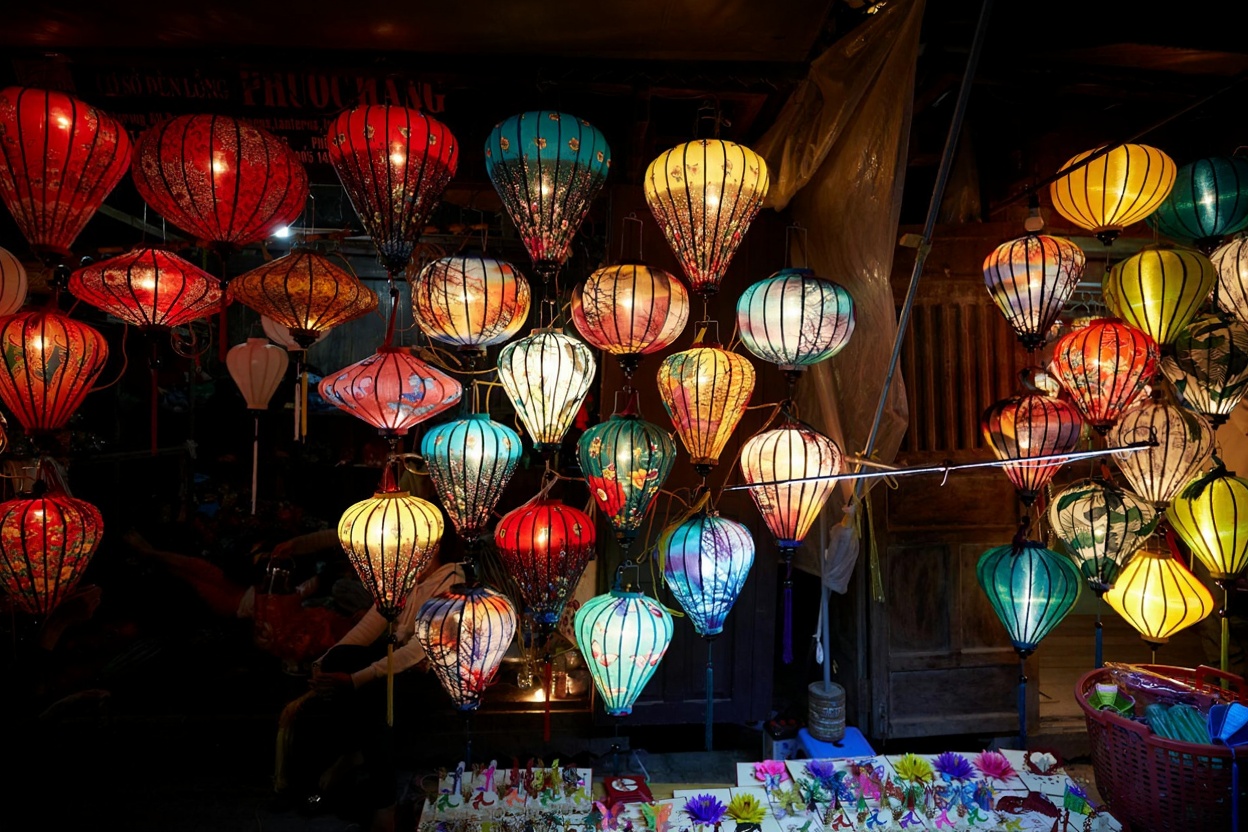
Hoi An has more cooking classes per square kilometer than anywhere else in Vietnam. The standard format: market tour in the morning, cooking lesson in the afternoon, eat what you made.
Most classes run 600,000–900,000 VND (~$22.75–34.15) per person for a half-day. Full-day options with boat rides to the vegetable gardens at Trà Quế village run 900,000–1,200,000 VND (~$34.15–45.50).
Klook has the widest selection for Vietnam and is usually the cheapest. KKday is strong on day trips and local experiences.
used in Cao Lầu and Mì Quảng, then cook. It contextualizes the food in a way that restaurant-based classes don’t.
→Who It’s For
Cooking classes are for travelers who want the food as an active experience, not just consumption. If you’ve done cooking classes before, the Trà Quế village format adds something the generic versions don’t. If you’re short on time or just want to eat — skip the class, go to the market.
Budget Breakdown: What You’ll Actually Spend
Jake’s Food Confession
I spent my first morning in Hoi An queuing for Bánh Mì Phượng for 25 minutes.
Then I ate it standing on the pavement outside, dropping herbs on my shoes, and thought: this is good. Genuinely good. But I could have been eating at Madam Khánh two streets away with no queue for the exact same experience minus the Bourdain mythology.
The second time I came to Hoi An, I went straight to the Central Market at 7am, sat at a plastic stool, pointed at the Cao Lầu, and ate breakfast with the market vendors setting up around me. That was the meal I remember. Not the famous one. The unremarkable one at the right time of day.
Eat where the locals eat in the morning. Save the landmark spots for when you want the experience, not just the food.
Two things worth sorting before you land: a Vietnam eSIM so you have data the moment you clear customs, and travel insurance — medical costs for uninsured foreigners in Vietnam are significant.
Airalo eSIMs activate instantly. Buy before departure — airport SIM queues in Vietnam can take 30+ minutes.
Frequently Asked Questions
What is the most famous food in Hoi An?
Cao Lầu — thick rice noodles with slow-braised pork, lard croutons, and concentrated broth — is the dish unique to Hoi An. You can’t find an authentic version outside the city. White Rose dumplings (Bánh Bao Vạc) and Cơm Gà (turmeric chicken rice) are the other two dishes considered genuinely local. Bánh Mì Phượng is the most internationally famous, but the banh mi format exists across Vietnam — Hoi An’s is excellent, not unique.
Is Hoi An food expensive?
At the Central Market food court and street food stalls outside the tourist zone: no — 30,000–80,000 VND (~$1.15–3.05) per dish. Inside the Old Town pedestrian zone and along the main tourist streets, prices run 50–100% higher for the same food. A full day of street-food eating costs 150,000–250,000 VND (~$5.70–9.50). A day of Old Town restaurants costs 300,000–600,000 VND (~$11.40–22.75). The food is the same; the markup is for location.
Where should I eat Cao Lầu in Hoi An?
Hoi An Central Market food court for the cheapest authentic version (30,000–50,000 VND). Thanh Cao Lầu on Thái Phiên street for the local restaurant experience. Miss Ly Café in the Old Town for atmosphere. For context: every Cao Lầu restaurant in Hoi An essentially makes the same dish with the same ingredients — the main variables are the quality of the pork braise and the crouton crunch. Come before noon when the noodles are freshest.
Is Bánh Mì Phượng actually the best banh mi in the world?
It’s excellent, not transcendent. Anthony Bourdain’s 2009 endorsement made it a pilgrimage site, but the queue has grown while the sandwich hasn’t changed. The bread is genuinely good — crispy crust, soft interior — and the pâté-to-filling ratio is well-calibrated. Madam Khánh, two minutes away, consistently gets the recommendation from repeat visitors who tried both: richer sauce, shorter queue, same price range (30,000–40,000 VND). Get one from each and decide for yourself.
Are Hoi An cooking classes worth it?
Worth it if food is a primary reason you’re in Hoi An — the Trà Quế village format (bike ride, herb garden, cooking, eat) is genuinely different from a generic kitchen class. Not worth it if you’re short on time or only spending one night. Prices run 600,000–900,000 VND (~$22.75–34.15) for a half-day. Skip the food tour (35–45 USD) in favor of self-guided eating at the Central Market — you’ll eat more and spend less.