Updated: May 2026
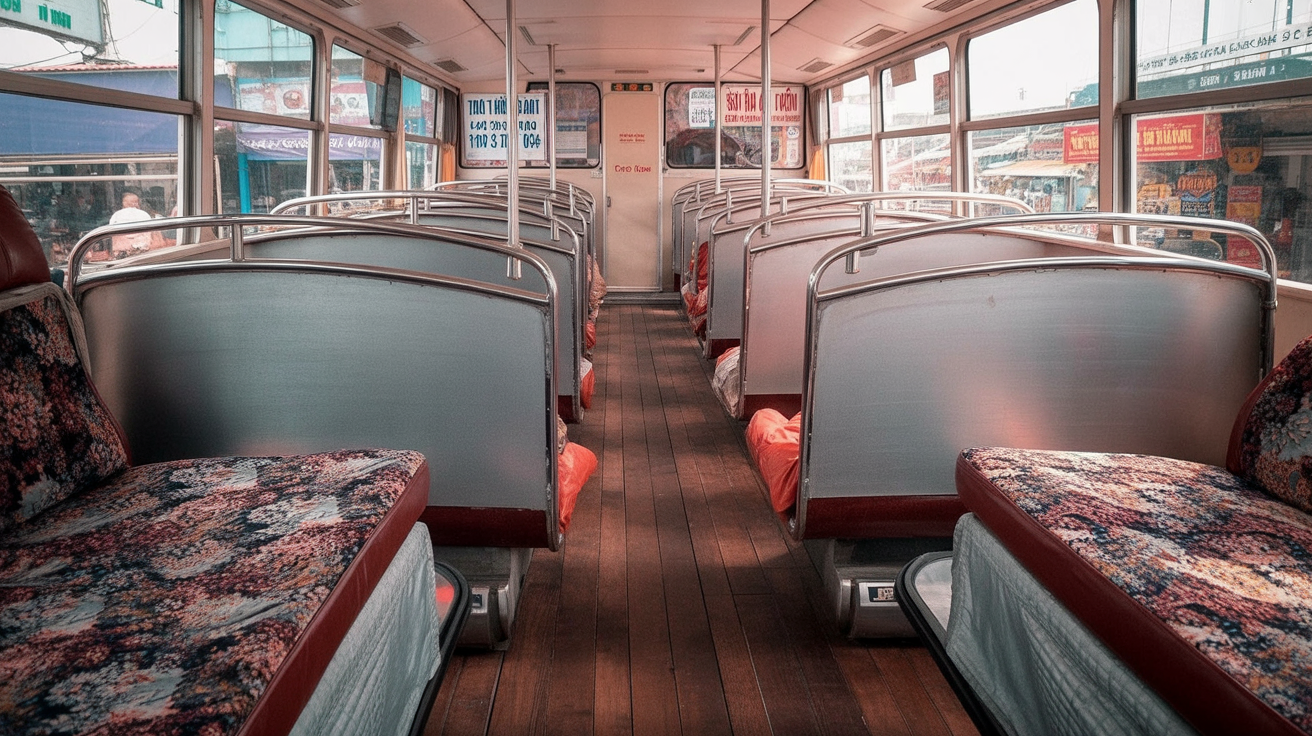
The term “sleeper bus” in Vietnam means a double-decker coach with flat-reclining pod seats arranged in columns. Not seats that lean back a bit — actual pods that go fully horizontal, roughly 185cm long (tighter for tall travelers), with a headrest and footrest enclosure that forms something like a coffin-shaped bed. They’re genuinely designed for sleeping, not just marketed that way.
The experience depends almost entirely on the operator and the route. A legit Futa Bus overnight Saigon to Hoi An is a reasonable night’s sleep. A no-name “open bus” company’s overnight to Da Lat is a different category of experience. The distinction matters more than almost anything else in Vietnamese transport decisions.
The Pod System: What You’re Actually Booking
Most Vietnam sleeper buses operate on a 2-1 or 2-2 pod layout across two decks. The pods recline to about 160–175 degrees — not fully flat, but close. Each pod has a thin padded surface, a small pillow (bring your own), and a shelf for small items. Bags go under the footrest pod in front of you or in the overhead shelf above — there’s no proper luggage storage for large backpacks, which are crammed into a lower hold or left in the aisle.
Upper deck vs. lower deck: Upper bunk is almost always better. You get windows, slightly more vibration isolation from the road surface, and better air circulation. Lower deck is darker, sits over the wheel wells on some buses (which means noise and vibration over rough roads), and often smells more of diesel. If given the choice at booking, pay 10,000–20,000 VND extra for an upper berth.
Pod size reality: The stated length of Vietnamese sleeper bus pods is typically 175–185cm. If you’re under 175cm, you sleep comfortably. If you’re 185cm or taller, your feet push into the lower enclosure and your head doesn’t fully reach the headrest — you can sleep, but it’s cramped. Bring a travel pillow regardless of your height.
The cold problem: This is mentioned in every review, every forum thread, every traveler warning. Vietnam sleeper buses run the AC at what feels like near-freezing. This is partly because the bus fills with body heat over a long journey and the driver overcorrects, and partly because Vietnamese passengers often prefer it cold for sleeping. Bring a light jacket or thin blanket no matter the season or outside temperature. You’ll use it.
The Operators: Who to Trust
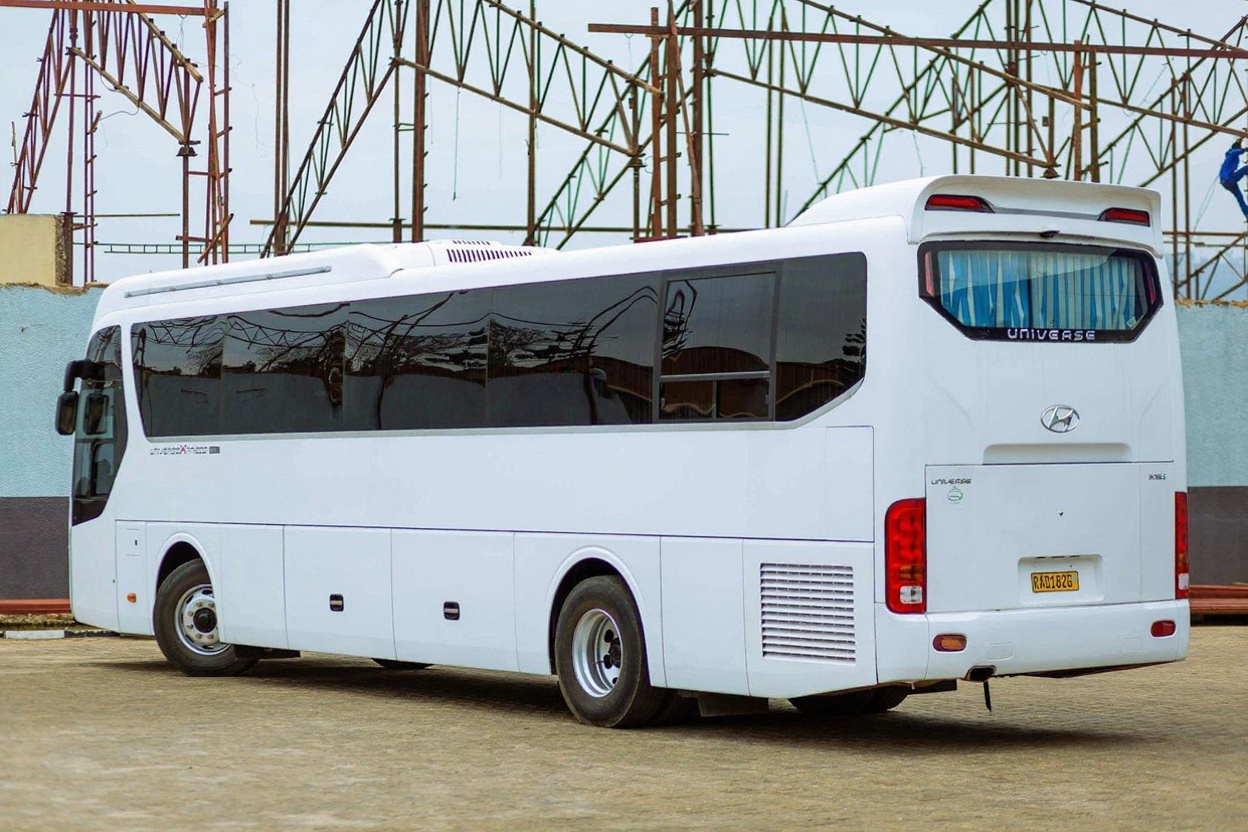
Futa Bus (Phuong Trang): The most reliable nationwide sleeper bus operator in Vietnam. Green and white buses, real pods, clean vehicles, on-time more often than alternatives. Runs routes along the full length of the country — HCMC to Hanoi is achievable entirely on Futa through a series of connections, though nobody recommends doing it without breaks. Their app works in Vietnamese; the website futabus.vn handles English booking adequately for major routes. Buses depart from Futa’s own dedicated terminals in major cities — not the central bus stations — which is worth knowing when planning how to get to your departure point.
The Sinh Tourist: One of the oldest “open bus” operators, running the coastal route down from Hanoi through Hue, Da Nang, Hoi An, Nha Trang, and down to HCMC. “Open bus” means you buy a ticket for the full route with multiple boarding points and hop off when you want, then reboard a later bus to continue. Convenient for the backpacker coast route where you’re making stops. Quality varies more than Futa — read recent reviews before booking as the fleet and service can be inconsistent between legs of the journey.
Hanh Cafe: Popular budget option for the Hanoi–HCMC corridor. Cheaper than Futa, slightly less consistent. Regularly recommended on r/VietNam for the price-to-quality ratio on routes like Hoi An to HCMC overnight. One of the few operators that runs direct overnight service on the Hanoi-to-Hue run without layovers.
Mai Linh Express: The bus arm of the taxi company. More prominent in the south. Modern fleet, reasonable reliability. Worth checking for HCMC-to-Nha Trang and HCMC-to-Da Lat routes where they compete directly with Futa.
Kumho Samco: Worth knowing for HCMC to the Mekong Delta and HCMC to Da Lat. More modern fleet on some routes. Runs from multiple major bus stations in HCMC. Less commonly reviewed in English travel forums but has solid local reputation for Central Highlands routes.
Local bus station operators: Every major bus station in Vietnam has a range of operators selling berths, some reputable and some not. The rule: always book with a named operator via a trusted booking platform (Bookaway, 12go) rather than a ticket desk at the station that’s reselling for whoever pays commission. The “open bus” tourist desks near backpacker areas are the worst version of this — many are repackaging budget operators at tourist prices with a significant markup for the convenience of speaking English.
Which Routes Make Sense on a Sleeper Bus
Sleeper buses are the right choice for some routes and wrong for others. The math changes depending on the route length, flying options, and what you’d miss by not taking a train.
| Route | Duration | Sleeper Bus Price | Vs. Train | Vs. Flight |
|---|---|---|---|---|
| HCMC → Nha Trang | 8–10 hrs | 150,000–250,000 VND ($6–10) | Similar time, bus cheaper | Flight $25–50, much faster |
| HCMC → Da Lat | 6–7 hrs | 150,000–200,000 VND ($6–8) | No direct train | No direct flight |
| HCMC → Hoi An / Da Nang | 17–20 hrs | 350,000–500,000 VND ($14–20) | Train better (scenery, comfort) | Flight $30–70, 1 hr |
| Nha Trang → Hoi An | 10–12 hrs | 200,000–350,000 VND ($8–14) | Train better (Hai Van Pass section) | Flight $25–60 |
| Hue → Hoi An | 3–4 hrs | 100,000–150,000 VND ($4–6) | Train has Hai Van Pass — take train | No direct flight |
| Hanoi → Ninh Binh | 2–2.5 hrs | 80,000–120,000 VND ($3–5) | Train is comparable | No flight |
| HCMC → Hanoi (full) | 35–40 hrs | 600,000–900,000 VND ($24–36) | Train is better in every way | Flight $40–100, 2 hrs |
The clearest pattern: sleeper buses are ideal for short-to-medium overnight routes where flying is expensive and the train takes longer (or doesn’t run). The HCMC–Da Lat route is perfect sleeper bus territory — no train, no cheap flight, and the 6-hour journey fits overnight perfectly. The Hue–Hoi An route, on the other hand, means you’d miss the Hai Van Pass by bus — one of the best train journeys in Southeast Asia. Take the train there.
The full HCMC–Hanoi sleeper bus marathon is only for travelers on severely constrained budgets who have nothing but time. Budget airlines (VietJet, Bamboo) regularly sell this route for $40–60. The 36-hour bus is a last resort, not a preference.
What the Ride Actually Feels Like
You board, find your pod, stuff your day bag under the seat, and lie down. The bus is cold immediately — reach for that jacket. The driver plays Vietnamese pop music for the first 30 minutes, then switches it off. By hour two you’re somewhere on the highway, the lights are dimmed, and the pod is reasonably quiet.
Overnight stops happen at highway rest areas around midnight or 2am — 20–30 minutes, harsh fluorescent lights, the smell of instant noodles and diesel, a row of squat toilets. Then back on the bus and the AC cranks up again.
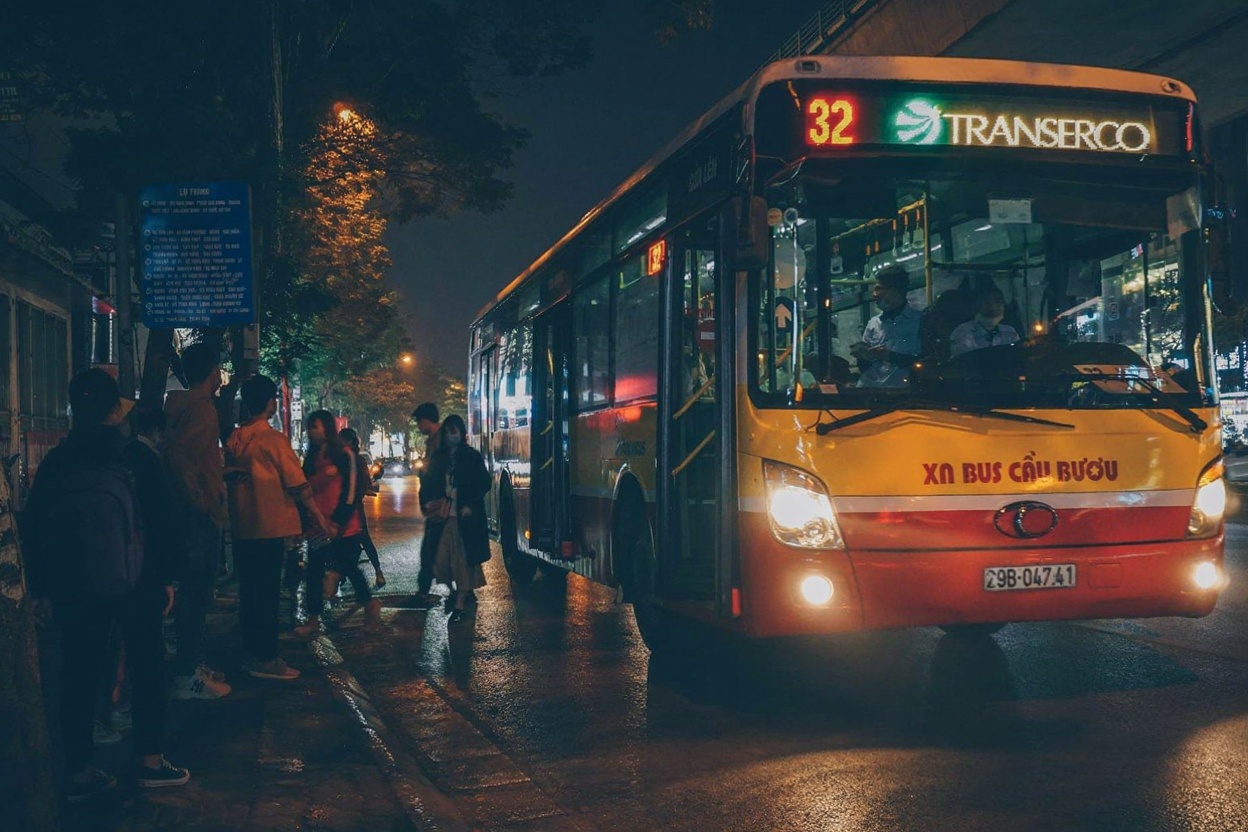
Sleep quality depends heavily on the road. The coastal routes are relatively smooth. Mountain routes (Hanoi to Ha Giang, anything through the Central Highlands) involve switchbacks and rough asphalt where you’re bracing against the pod walls with your feet regardless of how flat you’ve reclined.
What works: ear plugs, an eye mask, a neck pillow that prevents your head from lolling when the bus turns, and a jacket stuffed against the AC vent above you. The basic kit for a comfortable night on a Vietnamese sleeper bus costs under $15 total and transforms the experience.
What doesn’t work: expecting to look out the window at night (obvious in retrospect, but some travelers book overnight specifically to save daylight sightseeing time and are surprised to see nothing but highway lights), tall travelers who can’t fully stretch out in standard pods, and anyone who sleeps poorly in moving vehicles regardless of comfort level.
How to Book: The Right Way
The safest booking method for Vietnamese sleeper buses is through an aggregator platform with reviews.
Bookaway (bookaway.com): The cleanest interface, reliable payment processing, and English-language reviews. Shows multiple operators side by side with prices and departure times. Best for comparison shopping.
12go.asia: Slightly broader coverage of smaller routes and operators. Good for less-traveled routes where Bookaway has fewer options.
Operator direct apps: Futa Bus has a Vietnamese-language app that’s worth downloading if you’re spending significant time in Vietnam and want direct booking. The futabus.vn website works in English for most routes.
Avoid: tourist “open bus” desks on the street near backpacker areas. They take your money, issue a vague paper ticket, and put you on whatever bus they have a relationship with — which may or may not be the reputable operator you thought you were booking. The price markup over direct booking is typically 20–50%, which is the worst of both worlds.
Sleeping on a Moving Bus: Honest Expectations
People sleep very differently on overnight buses. On the Saigon-to-Nha Trang run, I’ve watched the person in the pod next to me fall asleep within 20 minutes and wake up at the destination. I’ve also had stretches where I barely slept at all — not from discomfort, but from the particular alertness that road noise and turns create when you’re not used to it.
The realistic expectation: expect light, fragmented sleep. Not no sleep — most people get 3–5 hours on an 8–10 hour overnight. Not deep restorative sleep — the kind you get in a bed. Light, waking-occasionally sleep that leaves you functional but not refreshed. For some travelers this is fine; for others who sleep very lightly or who travel with significant anxiety about missing their stop, it’s a long uncomfortable night.
d lie down immediately without looking at your phone. The blue light kills the re-settling process.
Motion sickness note: the semi-reclined position of a sleeper bus pod is actually better for motion sickness than sitting upright, because you’re facing forward and can’t see peripheral movement as clearly. If you’re prone to bus sickness on mountain roads, take medication before boarding — not when symptoms start.
Luggage: The Real Constraint
Sleeper buses are not designed for backpackers with 70L packs. The hold under the bus fits luggage, but the pod itself only accommodates a day bag — 20–30 liters under the footrest slot, nothing larger. Large bags go in the hold or are crammed awkwardly into the narrow stairwell/aisle.
Hardshell suitcases are actively worse than soft backpacks on sleeper buses — the hold often has oddly shaped spaces and bags get stacked, which damages rigid luggage. If you’re traveling with a suitcase rather than a pack, prepare for it to come out looking more worn than it went in.
The practical solution: pack so your essentials (documents, laptop, valuables, change of clothes) fit in a 20–25L carry-on that goes with you in the pod. Your main bag goes in the hold. Never put anything irreplaceable in the hold.
What I Got Wrong
Hanoi to Da Nang. Booked the cheapest option I could find through a backpacker desk near the Old Quarter. The ticket said “sleeper bus.” I showed up expecting pods.
It was a coach with reclining seats — the seatback went back about 40 degrees. Not a pod. Not flat. Three people were sharing the back row of four seats sideways, lying across them. The bus was full. I sat upright for four hours until I found a semi-comfortable diagonal position that lasted maybe two more hours.
The lesson: “sleeper” in Vietnam means different things depending on who you ask. What’s called a sleeper at a backpacker desk might be a reclinable seat coach. What’s called a sleeper on Bookaway with photos and reviews is an actual pod bus. Always verify with photos before booking. If the listing doesn’t have interior photos showing actual horizontal pods, ask or assume it’s not a pod bus.
Frequently Asked Questions
What is a sleeper bus in Vietnam?
A Vietnamese sleeper bus is a double-decker coach with flat-reclining pod berths instead of seats. Each pod reclines to roughly 160–175 degrees with a padded surface, small pillow, and footrest enclosure — essentially a lying-down position for sleeping on overnight journeys. This is different from “recliner” buses which use seats that lean back but don’t go flat.
Is it safe to take a sleeper bus in Vietnam?
Generally yes with reputable operators. Futa Bus (Phuong Trang), The Sinh Tourist, and Hanh Cafe are established operators with reasonable safety records. Road conditions in Vietnam vary significantly — mountain routes carry more risk than coastal highways. Book through Bookaway or 12go to ensure you’re using a vetted operator rather than an unknown company.
How cold is a sleeper bus in Vietnam?
Very. AC is consistently set too cold on Vietnamese sleeper buses — it’s a running complaint across every review platform. Bring a light jacket or thin travel blanket regardless of what the temperature is outside. This single item has more impact on comfort than any other preparation.
Which is better: sleeper bus or train in Vietnam?
Depends on the route. For the Hue–Da Nang section, always take the train — the Hai Van Pass views are among the best in Southeast Asia and you’d miss them on a bus. For routes without scenic train options (HCMC–Da Lat) or where the train is significantly slower, the bus wins. For long overnight hauls without scenery stakes (HCMC–Nha Trang), it’s a coin flip on preference.
How do I book a Vietnam sleeper bus?
Use Bookaway (bookaway.com) or 12go.asia for English-language booking with operator reviews. For Futa Bus directly, use futabus.vn. Avoid walk-up tourist bus desks which resell at markup and may not use the operator you want. Book at least a few days ahead for popular overnight routes, especially during Vietnamese holidays when buses fill up entirely.
What time do most Vietnam sleeper buses depart?
Overnight sleeper buses on major routes typically depart between 7pm and 10pm, arriving at the destination between 5am and 9am. Some routes have two overnight departures — one early evening (around 7–8pm) and one late (10pm–midnight). The later departure is often cheaper and arrives at a slightly less brutal hour. A few operators offer early-morning daytime departures if you want to arrive mid-afternoon rather than at dawn.
Can tall people sleep comfortably on Vietnam sleeper buses?
It depends on the operator’s pod length. Standard pods are 175–180cm. If you’re under 175cm you’re fine. At 180–185cm you’ll be slightly cramped with feet pushed into the lower partition, but can sleep. Over 190cm gets difficult — your options are the back row (which sometimes has slightly more legroom) or the top berth where the foot section extends a bit higher. Check the operator’s pod specifications if height is a concern.
Vietnam’s sleeper bus network is genuinely functional for budget travel when you use it on the right routes with the right operators. The key insight most travelers don’t have upfront: the quality gap between a reputable operator with actual pod berths and a budget “sleeper” with reclining seats is enormous. That gap is easy to close at the booking stage and nearly impossible to close once you’re on the road at midnight.
For a full comparison of getting around Vietnam — bus vs. train vs. flight — the Vietnam transport guide covers all options with price comparisons. The Vietnam train guide covers the Reunification Express and why the Hue–Da Nang section specifically is worth taking by rail.
Two things worth sorting before you land: a Vietnam eSIM so you have data the moment you clear customs, and travel insurance — medical costs for uninsured foreigners in Vietnam are significant.
Airalo eSIMs activate instantly. Buy before departure — airport SIM queues in Vietnam can take 30+ minutes.
Bus Stations: Where You Actually Board
Vietnam’s major cities have multiple bus stations, and different operators depart from different ones. Getting this wrong means showing up at the wrong terminal — and in cities like HCMC and Hanoi where stations are spread across different districts, that’s a significant setback.
HCMC (Ho Chi Minh City): Futa Bus departs from their own terminal on Nguyen Van Binh Street in District 1 — not from the main Mien Dong (Eastern) or Mien Tay (Western) bus stations. The Mien Dong station handles most other northbound routes. Mien Tay handles Mekong Delta destinations. Map your departure terminal before the day of travel.
Hanoi: Giap Bat (southern bus station) handles routes south toward Hue, Da Nang, and HCMC. My Dinh handles western and northern routes. Futa Bus again has its own departure point. Check your booking confirmation for the specific terminal address, not just the city.
In between cities: Most operators make one stop each in major cities along their route. If you’re boarding mid-route (say, Hoi An to HCMC rather than Danang to HCMC), confirm your pickup point — it’s sometimes a different location than the main bus station, sometimes a specific hotel pickup, sometimes a dedicated Futa terminal in that city.
The practical solution for all of this: when you book on Bookaway or 12go, the confirmation email includes the departure point address. Screenshot it. Add it to Google Maps before the day of travel. Vietnamese taxi and Grab drivers can navigate to a bus terminal address easily if you have the coordinates — they won’t always know “Futa Bus Hanoi” by name.
FAQ
How comfortable are Vietnam’s sleeper buses?
More comfortable than their reputation suggests if you pick the right company. Modern sleeper buses have fully reclining seats or flat berths, USB charging, blankets, and AC. The issue is: berths are designed for Vietnamese body sizes and taller travelers (above 180cm) will be cramped. The front upper berths have the most legroom.
Which is the best sleeper bus company in Vietnam?
Futa Bus (also called Phương Trang) is the most consistently reliable and modern fleet — covers most major routes. Camel Travel and Techbus are solid for the Hanoi–Hue–Da Nang corridor. For Ha Giang and northern routes, Hoang Long and Hung Thanh are well-regarded. Avoid buying the cheapest ticket available — the quality gap between budget and mid-tier is significant.
What routes can you take on Vietnam’s sleeper buses?
All major north-south routes: Hanoi–Hue (10–11 hours, 230,000–350,000 VND), Hue–Da Nang (3 hours, 100,000–150,000 VND), Da Nang–Hoi An (1 hour, 50,000–80,000 VND), Hoi An/Da Nang–Nha Trang (10 hours), Nha Trang–Saigon (8–9 hours). Also east-west routes to Da Lat, Mui Ne, and cross-border routes to Laos and Cambodia.
Is it safe to sleep on Vietnamese overnight buses?
Generally yes. Keep valuables in your carry-on bag and sleep with it in your bunk rather than in the overhead luggage area. The main practical concern is that bus drivers sometimes make unscheduled stops to pick up additional passengers — annoying but not dangerous. Serious crime on sleeper buses is rare.
How do you book Vietnam sleeper bus tickets?
Buy directly at the bus station ticket window, through hostel front desks (small booking fee), or via baolau.vn, 12go.asia, or the Futa Bus app. Book 1–2 days ahead for weekend travel, same-day for weekdays on most routes. Saigon’s An Sương Bus Terminal and Hanoi’s Giap Bat are the main southern and northern departure points.