
Vietnam is safe. That’s the short answer and it’s accurate. It’s also not the complete picture, because “safe” in Vietnam means something specific: low violent crime, high petty crime risk in tourist zones, and traffic that will genuinely surprise you if you’re not prepared for it. Understanding what the actual risks are — and what you don’t need to worry about — is more useful than a blanket reassurance or an anxiety spiral from reading forum horror stories about bag snatchers.
I’ve lived in Hanoi for five years and traveled all 63 provinces. Here’s what I’d actually tell a friend before their first Vietnam trip. Before we get into specifics, our Vietnam travel tips covers the broader practical stuff worth knowing before you land.
Vaccines for Vietnam are mostly standard for Southeast Asia, with one or two extras depending on your itinerary — our Vietnam vaccinations guide covers what’s recommended and what your travel clinic might miss.
Staying healthy in Vietnam is mostly about a few common-sense rules — our Vietnam health guide covers vaccinations, pharmacies, and what to do if you do get sick.
The Real Risk: Traffic
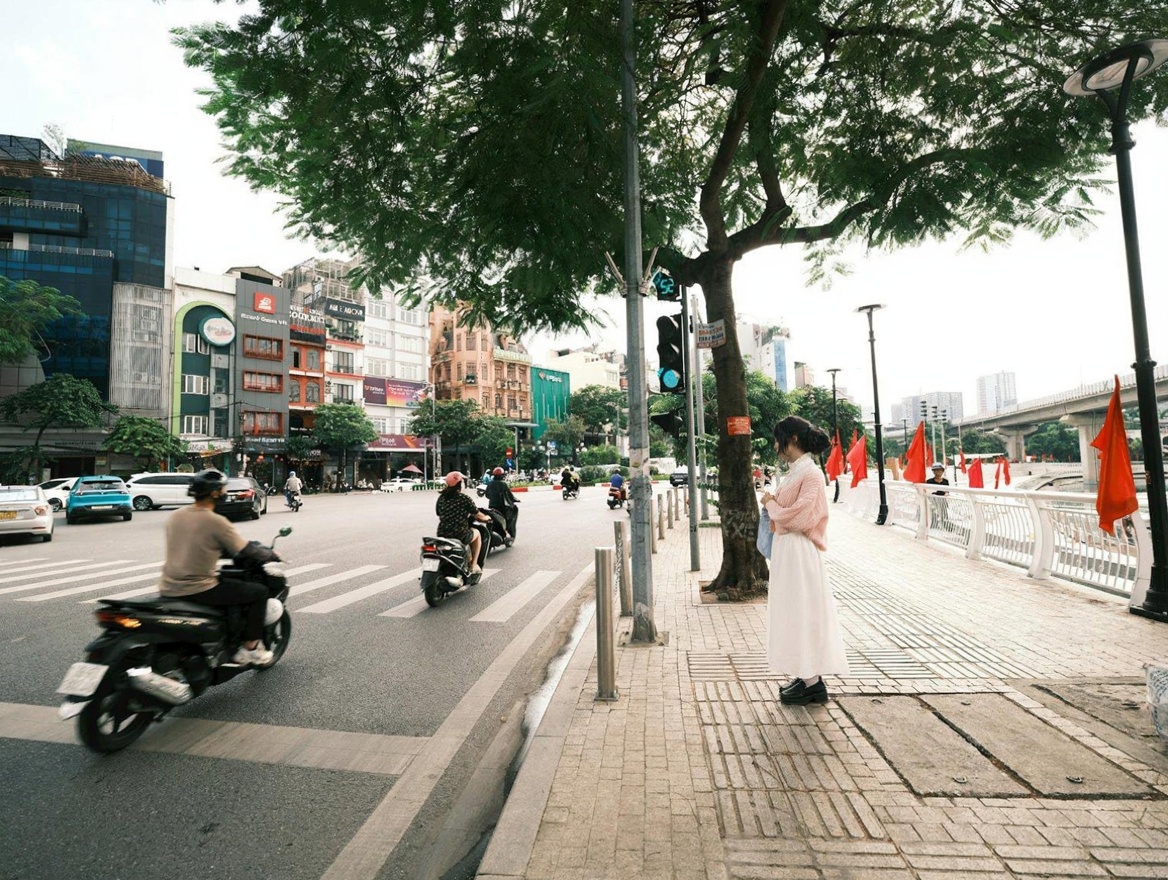
The most dangerous thing you will encounter in Vietnam is the road. Vietnam has one of the higher traffic fatality rates in Southeast Asia. The chaos is real — motorbikes run red lights, vehicles cut across lanes without signaling, and the general flow of traffic operates on a consensus-based system that feels anarchic until you understand its internal logic.
The logic: traffic in Vietnam moves in a continuous flow rather than stopping and starting at Western-style intersections. Pedestrians and vehicles read each other and adjust. The key to crossing a street in Hanoi’s Old Quarter is to walk slowly and steadily — don’t stop, don’t run, don’t make sudden direction changes. Traffic will flow around you. It sounds terrifying. After two days, it becomes instinctive.
The accident risk is highest for travelers who rent and ride motorbikes without prior motorcycle experience. Falls happen, road surfaces in rural areas are rough, and medical care outside major cities is limited. If you’re going to ride, wear a helmet at all times (mandatory by law, enforced by checkpoints), ride at moderate speeds on unfamiliar roads, and don’t ride at night in rural areas where road hazards aren’t visible.
Traffic statistic that should register: in a typical year, Vietnam records more traffic fatalities per capita than the US. As a pedestrian and bus/taxi passenger, your risk is much lower than a motorbike rider’s. As a motorbike rider on mountain roads, your risk is meaningfully higher. Make that calculation consciously.
Violent Crime: Low Risk
Violent crime against tourists in Vietnam is genuinely rare. Vietnam is not a country where being foreign makes you a target for robbery, assault, or violence. The cultural factors that drive violent crime — drug addiction, extreme economic inequality in public spaces, gang activity in tourist zones — are present in Vietnam but at levels well below many popular tourist destinations in Latin America, Eastern Europe, or even Western Europe’s tourist centers.
Muggings, the kind where someone threatens you with a weapon, are rare enough that they make news when they happen to tourists. In five years in Hanoi, I have never been mugged, never had a friend mugged, and have met very few long-term residents who have experienced violent crime directed at them personally. The risk exists — it’s not zero — but it’s low enough that most travelers can move through Vietnam without ever encountering it.
The caveat: this applies to standard tourist areas and cities. In some rural areas near land borders with Cambodia or Laos, particularly if you’re traveling off-route, the risk profile changes slightly. Traveling in groups, not displaying obvious wealth, and sticking to well-traveled routes keeps this risk minimal.
Petty Theft: The Actual Day-to-Day Risk
Bag snatching is the most common crime affecting tourists in Vietnam. Specifically: motorbike riders grabbing bags, phones, or cameras from people walking on the street or sitting at outdoor cafes. This is real, it happens regularly in HCMC and to a lesser extent in Hanoi, and it’s the crime most likely to affect you personally.
The mechanism: a motorbike with one or two riders passes close, one rider grabs your bag or snatches your phone, and they accelerate away. It happens in seconds. The areas with highest reported rates: HCMC’s Bến Thành market area, Phạm Ngũ Lão street (backpacker district), and riverside areas at night. Hanoi’s Old Quarter has lower rates but is not immune.
The mitigation is straightforward: don’t walk with your bag on the street-side shoulder. Keep your phone in your pocket when not in use rather than walking while looking at it. Use a crossbody bag rather than a shoulder bag on one side. At outdoor restaurants and cafes near the road, don’t place your phone on the table facing the street. These are the same precautions you’d take in any dense urban tourist area globally — not Vietnam-specific paranoia, just standard urban awareness.
Pickpocketing in markets and on public transport is lower-risk than bag snatching but real. In Hanoi’s Đồng Xuân market, HCMC’s Bến Thành, and bus station areas, keep valuables in a front pocket or secure bag, not in a back pocket. The crowds in these areas make incidental contact easy to exploit.
Scams: What to Watch For
Vietnam has an active tourist scam ecosystem, particularly in Hanoi and HCMC. The scams are rarely violent but they cost money and eat time. The most common:
Grab imposters: At some airports and tourist areas, men call out “Grab? Grab?” and usher you toward their unofficial taxi. This is not Grab. Grab is app-only — the car comes to a specific pickup location and you see the driver’s name and plate number in the app before getting in. Anyone approaching you in person offering “Grab” is offering a regular taxi ride at tourist prices. Open the actual Grab app.
Motorbike taxi overcharging: Xe ôm (motorbike taxi) drivers without meters quote prices that can be 5–10x what Grab charges. If you use a xe ôm rather than Grab, negotiate the price before getting on, not after. “Bao nhiêu đến [destination]?” (How much to [destination]?) is the question to ask in Vietnamese, which at least signals you’re not a complete newcomer.
Shoe shining / bracelet scams: Someone puts something on your body — shines your shoes, ties a bracelet on your wrist — then demands money. The solution is to never let anyone do anything to you without agreeing on a price first. If someone starts shining your shoes without asking, walk away before they finish. This sounds rude; it’s the correct response.
The friendly stranger steering you to their relative’s shop: Someone approaches, speaks good English, becomes very friendly, and eventually steers you toward a lacquerware shop, a tailoring shop, or a restaurant their cousin owns. This is a commission setup — the price you pay there includes the introducer’s cut. If you stumble into this and decide to make a purchase, negotiate hard on the price. Better to just politely decline the tour and go where you intended.
Cyclo and tour pricing bait-and-switch: A price is agreed, the tour happens, and at the end a different (higher) price is demanded. Combat this by having the agreed price written down on your phone, confirmed with the service provider before starting. A screenshot of the agreed price in a messaging exchange protects you in disputes.
For the full scams guide, see our Vietnam scams guide with current playbooks and how to avoid each one.
Solo Travel Safety
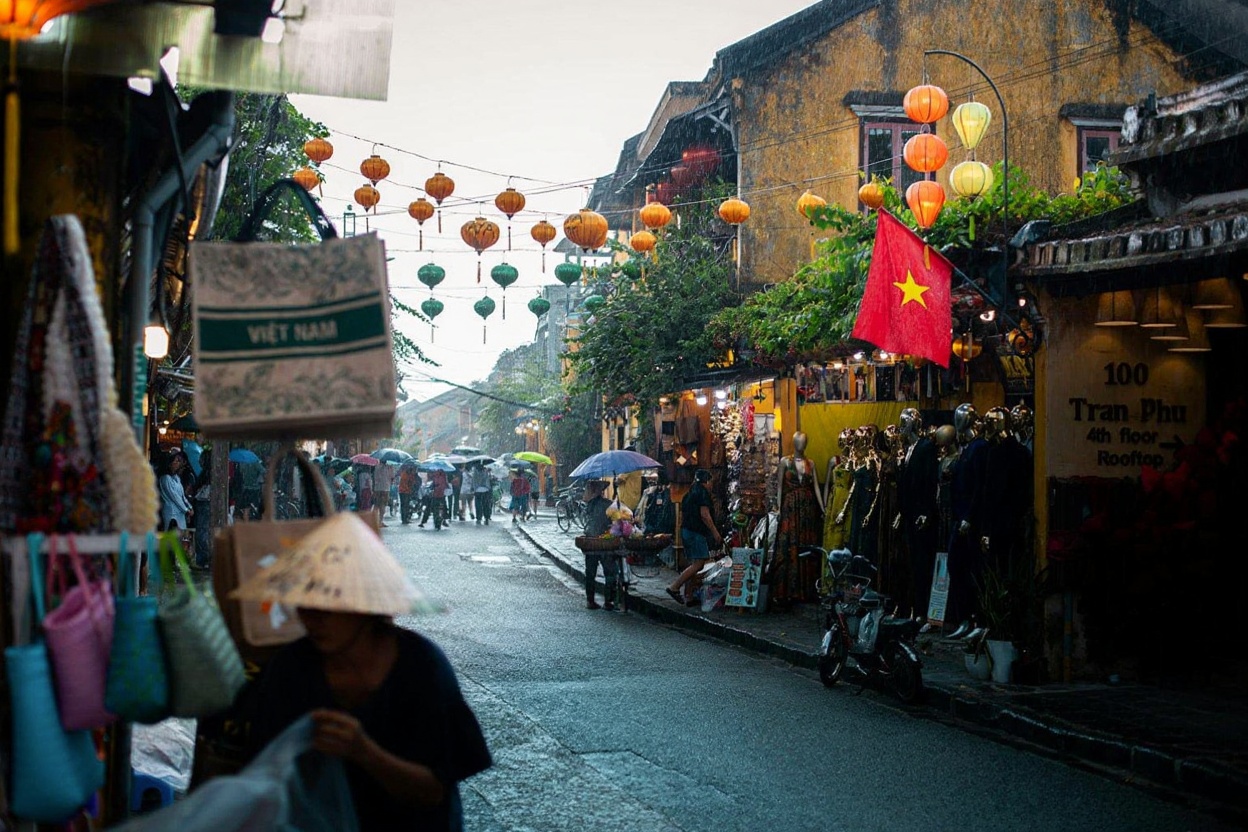
Vietnam is an excellent solo travel destination for both male and female travelers. The density of other backpackers in tourist areas, the ease of using Grab for transport at any hour, and the generally low violent crime rate combine to make solo travel comfortable and low-stress. For deeper planning, our Vietnam solo travel guide covers routes, costs, and safety specifics for going it alone.
For female solo travelers specifically: harassment is lower than in many other Southeast Asian destinations. Direct groping or physical harassment on the street is uncommon. The more common issue is unsolicited attention — offers of help, repeated questions, invitations — which ranges from genuinely friendly to mildly tedious depending on location and your patience that day. Saying “không, cảm ơn” (no, thank you) clearly and continuing walking handles most of it. Hanoi and Hoi An are among the most relaxed cities for solo female travelers in the region; HCMC’s backpacker district at night has more of the behavior you’d expect from a bar-heavy area anywhere.
For accommodation: book well-reviewed places that other solo travelers have used. HostelWorld and Booking.com both have reviews from solo travelers and you can filter for female dormitory options where available. Don’t accept unsolicited offers of alternative accommodation at the airport or bus station — this is a setup for overcharging or property theft.
Health Safety: The Real Risks
Vietnam’s health risks for tourists are primarily food-related and preventable with basic precautions:
Stomach bugs: Travelers’ diarrhea affects a significant percentage of first-time visitors. The organisms responsible are in water, some fresh vegetables, and undercooked food — not in properly cooked street food. Drinking bottled water only (iced drinks at established restaurants are fine — the ice is commercially produced and clean; ice at roadside stalls is less predictable), eating at busy local restaurants where turnover is high, and avoiding salads at budget places significantly reduces risk.
Motorbike injuries: As covered above, this is the most likely reason a tourist ends up in a Vietnamese hospital. Travel insurance that covers motorbike accidents is essential if you’re planning to ride — many standard travel insurance policies exclude motorbike accidents, especially without a valid motorcycle license. Check your policy specifically.
Heat illness: In southern Vietnam from March–May and central Vietnam in August, temperatures exceed 38°C (100°F) with humidity. Heat exhaustion is a real risk if you’re sightseeing actively through midday. The local approach: stop doing things between 11am and 2pm, find air conditioning or a cold Bia Hơi, and resume when the heat breaks. Drink more water than you think you need.
Medical care access: In Hanoi and HCMC, international-standard hospitals (Vinmec, FV Hospital in HCMC, Hanoi French Hospital) are available and competent. In smaller cities and rural areas, medical infrastructure is limited. Travel insurance with medical evacuation coverage is strongly recommended for rural travel, particularly Ha Giang and mountain provinces.
Natural Hazards
Vietnam’s coastal provinces face typhoons during the September–November season. Typhoons affecting central Vietnam (Da Nang, Hue, Hoi An particularly) can bring significant flooding and infrastructure disruption. The coastal road between Hue and Da Nang floods at higher water levels. Check weather forecasts during typhoon season and be prepared for itinerary changes — flooding that makes a road impassable can happen quickly and doesn’t necessarily correlate with what the sky looks like when you wake up.
Flooding in Hoi An is a known seasonal occurrence — the ancient town floods during typhoon season and heavy rains can put 30–50cm of water on the main streets. It’s inconvenient but not typically dangerous. Your accommodation will know the flood history and whether your room is above flood level.
In the northern mountains (Ha Giang, Sapa), flash floods in July–August can close mountain passes temporarily. The Dong Van Karst Plateau during and after heavy rain has loose rock on some slopes. The risks are manageable with local knowledge — ask at your guesthouse before mountain passes.
Vietnam’s Drug Laws: Extremely Strict
This section gets its own heading because it’s the category where a bad decision in Vietnam has life-altering consequences. Vietnam’s drug laws are among the strictest in the world. Possession of any controlled substance — including marijuana, which travelers sometimes treat casually because of its widespread availability in some countries — is a criminal offense. Trafficking offenses carry the death penalty, which is applied. Possession of small amounts results in fines, detention, and potential imprisonment.
Marijuana is available in Vietnam. You will be offered it, particularly in tourist areas. This is not evidence that it’s legal or that enforcement is lax — it’s evidence of how it’s marketed and that sellers accept the risk that they’re in, which you are not when you are a tourist holding an American passport with Vietnamese police discretion over your fate. Getting caught with drugs in Vietnam as a foreign tourist results at minimum in detention and a financial resolution, and at maximum in prosecution. The outcome depends heavily on factors you cannot control in advance.
Prescription medications: bring a valid prescription (ideally translated) for any controlled medications. Opioids, benzodiazepines, and stimulants in your luggage require documentation. Customs officers do check, particularly at land borders from countries with known drug problems.
LGBT Safety in Vietnam
Vietnam is one of the more accepting countries in Southeast Asia for LGBT travelers — considerably more so than neighboring countries like Indonesia, Malaysia, or Myanmar. Same-sex relationships are not criminalized. Vietnam held its first Pride march in 2012 and they’ve occurred regularly since. Same-sex couples can walk together in major cities without significant incident.
That said, Vietnam doesn’t have marriage equality and LGBT people face discrimination in various contexts. Public displays of affection between same-sex couples may attract attention or comments, particularly in rural areas and outside the major cities. Hanoi and HCMC have visible LGBT communities and gay-friendly bars and venues. In smaller towns, discretion is the practical approach — not out of legal risk but out of cultural mismatch.
For accommodation, booking a double bed as a same-sex couple may get a raised eyebrow at conservative family-run guesthouses. At international hotels, chain properties, and the traveler-oriented hostels, it’s a complete non-issue. LGBT travelers consistently report Vietnam as one of the more comfortable destinations in the region.
Safety for Seniors and Travelers with Disabilities
Vietnam’s infrastructure presents real challenges for travelers with mobility limitations. Footpaths in Hanoi and HCMC are often occupied by motorbikes, street vendors, and market tables — walking requires navigating a partially obstacled surface. Crossing streets is challenging with the traffic patterns described earlier. Ancient town sections like Hoi An have uneven stone paving. Many budget accommodations have multiple floors with no elevator.
For senior travelers or those with mobility needs: stick to wheelchair-accessible or low-floor hotels (international chains are most reliable), take Grab cars rather than walking long distances, and plan for more time at each destination. Vietnam’s terrain and street culture rewards travelers who can adapt to its pace. The major tourist sites — Hội An Ancient Town, Hanoi’s Ho Chi Minh Mausoleum complex, Hue’s Imperial City — have paved paths that are navigable, though uneven in sections.
Heat is an additional consideration for older travelers. The combination of high temperatures, high humidity, and physical exertion from city walking can cause heat illness faster than expected. Build afternoon rest time into the schedule, particularly in HCMC and central Vietnam during hot months.
Emergency Contacts
Save these before you leave:
Vietnam emergency numbers: Police: 113 | Fire: 114 | Ambulance: 115. These numbers work but response times outside major cities are slow. In a medical emergency, Grab to the nearest international hospital is often faster than waiting for an ambulance.
US Embassy and Consulates in Vietnam:
US Embassy Hanoi: 7 Láng Hạ Street, Ba Đình, Hanoi — Tel: +84 24 3850 5000
US Consulate General HCMC: 4 Lê Duẩn Boulevard, District 1 — Tel: +84 28 3520 4200
US Consulate Da Nang: 1st Floor, 6 Trần Phú Street — Tel: +84 236 3514 488
Register your trip with the State Department’s STEP program (step.state.gov) before departure — it notifies the embassy of your presence in Vietnam and allows them to contact you in emergencies or political disruptions. Takes 5 minutes.
International hospitals:
Hanoi: Vinmec Times City (+84 24 3974 3556), Hanoi French Hospital (+84 24 3577 1100)
HCMC: FV Hospital (+84 28 5411 3333), Vinmec Central Park (+84 28 3622 1166)
Da Nang: Da Nang Family Medical Practice (+84 236 3582 699)
Two things worth sorting before you land: a Vietnam eSIM so you have data the moment you clear customs, and travel insurance — medical costs for uninsured foreigners in Vietnam are significant.
Airalo eSIMs activate instantly. Buy before departure — airport SIM queues in Vietnam can take 30+ minutes.
Frequently Asked Questions
Is Vietnam safe at night?
Generally yes, with location context. The tourist areas of Hoi An, Da Nang’s seafront, and Hanoi’s Old Quarter are safe to walk at night — they’re busy, well-lit, and have enough pedestrian traffic that you’re not isolated. HCMC’s backpacker district (Bến Thành, Phạm Ngũ Lão) is active at night but has a higher concentration of scammers and the bag-snatching risk is elevated compared to daytime. The general rule for anywhere in Vietnam at night: stick to lit streets, use Grab rather than walking long distances, and don’t walk alone on empty streets with a phone or camera visible. These are the same rules that apply in any major city globally.
Is Vietnam safe for female solo travelers?
Yes — it’s among the safer Southeast Asian destinations for solo women. Physical harassment on the street is uncommon. The main frustrations are persistent verbal attention in tourist areas and occasional late-night hassle in bar districts, which is annoying rather than threatening. Women traveling alone in Vietnam routinely do the Ha Giang Loop, coastal routes, and city itineraries without significant issue. The standard precautions — trust your instincts, don’t accept drinks from strangers, use Grab rather than unmarked taxis late at night — apply. Connect with other solo travelers for the first few days if you want company; hostels with social common areas make this easy.
Is street food in Vietnam safe to eat?
Yes, with standard food safety awareness. The general rule: eat where locals eat at busy times. A phở cart on a corner that’s been there for 20 years and has 15 locals hunched over bowls at 7am is safe. The bún bò Huế shop that’s empty at 2pm has food that’s been sitting — less ideal. Hot food straight from the cooking vessel is safe; food that’s been on display is higher risk. Avoid salads and raw vegetables at very cheap places where water quality is uncertain. Cooked street food — phở, bún chả, bánh mì, cơm tấm — is safe when hot. This is the diet of millions of Vietnamese people daily; it doesn’t make you sick if you follow basic freshness cues.
Do I need travel insurance for Vietnam?
Yes. This is not a hedge — it’s a strong recommendation. Vietnam’s healthcare quality outside major cities is limited, and medical evacuation from the northern mountains to a competent hospital in Hanoi costs thousands of dollars without insurance. If you’re riding a motorbike, your risk exposure multiplies. Travel insurance for a 2-week Vietnam trip from a reputable provider (World Nomads, SafetyWing, Allianz) typically costs $50–100. Verify that your policy covers: motorbike accidents (specifically check this clause), adventure activities if you’re doing Ha Giang or trekking, and medical evacuation.