Updated: June 2026
Staying healthy in Vietnam is mostly about a few common-sense rules — our Vietnam health guide covers vaccinations, pharmacies, and what to do if you do get sick.
A bat landed on my arm in Phong Nha cave.
Not dramatically — it was just confused, found my forearm for about three seconds, then flew off into the dark. The guide laughed. The group laughed. I laughed.
Then I spent the next hour quietly Googling “bat bite rabies risk” on my phone with my thumb while pretending to admire stalactites.
I hadn’t gotten the pre-exposure rabies vaccine. I had read the CDC page and decided I wasn’t “at risk.” I was going to cities, I told myself. Just cities.
The bat didn’t break skin. I was fine. But the anxiety of not knowing — and the knowledge that post-exposure treatment in rural Vietnam can be difficult to access — is something I think about every time someone asks me what shots they need.
Five years in Vietnam, all 63 provinces, plenty of close calls with the health system. Here’s what I actually know.
Are Any Vaccines Required to Enter Vietnam?
Legally: no. Vietnam does not require vaccination certificates for entry under International Health Regulations.
The one exception: Yellow Fever. If you are arriving in Vietnam from or transiting through a yellow fever risk country (most of Sub-Saharan Africa, parts of South America), you need a Yellow Fever vaccination certificate. This applies almost exclusively to travelers doing Africa → Vietnam or South America → Vietnam routes. If you’re flying direct from the US, UK, Australia, or Europe, yellow fever is not relevant to you.
✓Quick Answer
No vaccines are required to enter Vietnam for travelers arriving from the US, UK, Australia, or Europe. Yellow fever certificate required only if arriving from or transiting an endemic country. All other vaccines are recommendations, not requirements.
The US State Department’s country page for Vietnam says simply: “Vaccinations: Not required.” NaTHNaC (UK travel health authority) agrees: “no certificate requirements under International Health Regulations.”
That said — “not required” and “not needed” are very different statements. What follows is what you should actually get.
Must-Have Vaccines for Vietnam
These are the shots I’d recommend without hesitation to every person asking, regardless of whether you’re spending a week on the tourist trail or two months on a motorbike.
Hepatitis A — Non-Negotiable
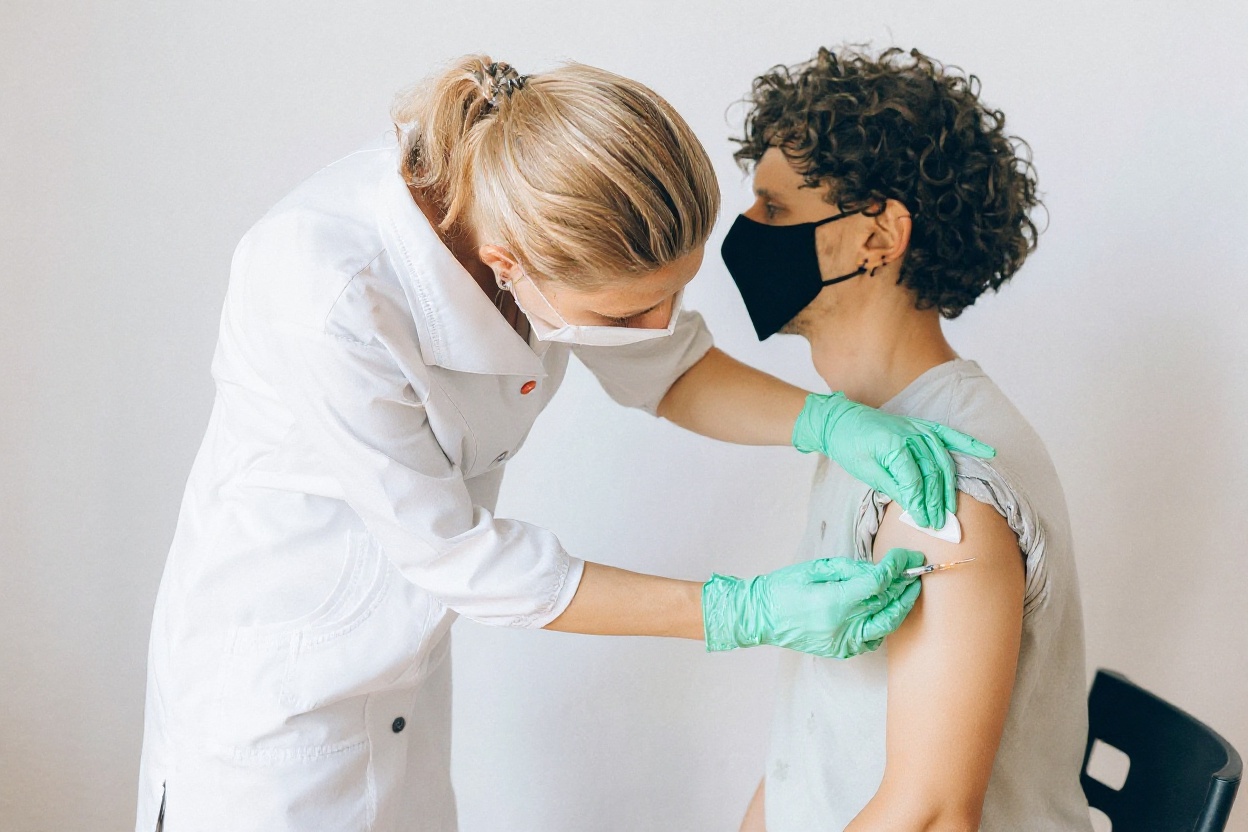
Hepatitis A spreads through contaminated food and water. Vietnam’s street food scene is extraordinary, but hygiene standards at market stalls and street-side spots are inconsistent. Raw herbs, ice, shellfish at markets — all carry risk.
The vaccine is two doses: the first dose gives you protection within two weeks. The second dose (6–18 months later) gives you 20+ years of protection. Get the first one before you go. Get the second one when you’re back or when you’re ready.
CDC and every travel health authority recommends this. I do too. Don’t skip it to save $50.
Typhoid — Strongly Recommended
Typhoid spreads the same way Hepatitis A does: contaminated food and water. Vietnam has significant typhoid risk, particularly from street food and local market eating — which is exactly the travel style this blog encourages.
Two vaccine options: injectable (one shot, 2 years protection) or oral pills (Vivotif — 4 pills taken every other day, 5 years protection). The oral version is cheaper in some countries. Both work. Take either one at least 2 weeks before departure.
If you’re a city-only traveler who eats exclusively at hotels and Western restaurants, you might judge this as lower priority. If you’re planning to eat bánh mì (say: banh mee) from street stalls every morning — which you should — get the shot.
Routine Vaccines — Check Your Records
Before you spend money on anything exotic, make sure the basics are current:
MMR (Measles, Mumps, Rubella): Vietnam does have measles outbreaks. If you were born after 1957 and haven’t had two doses of MMR, get one before travel.
Tdap (Tetanus, Diphtheria, Pertussis): Tetanus is a real risk in a country where people ride motorbikes and fall off them. If your Td booster is more than 10 years old, you’re due anyway.
Polio: Most adults are already vaccinated. CDC recommends a one-time adult booster for international travel if you haven’t had one.
COVID-19: CDC recommends being up to date. You know the drill by now.
Seasonal Influenza: Vietnam’s flu season runs roughly November–April. If you’re traveling in that window and haven’t had your annual flu shot, get one before you go.
Situational Vaccines: Based on Your Trip
These vaccines matter for some travelers and don’t for others. The distinction is usually how rural your itinerary gets and how long you’re staying.
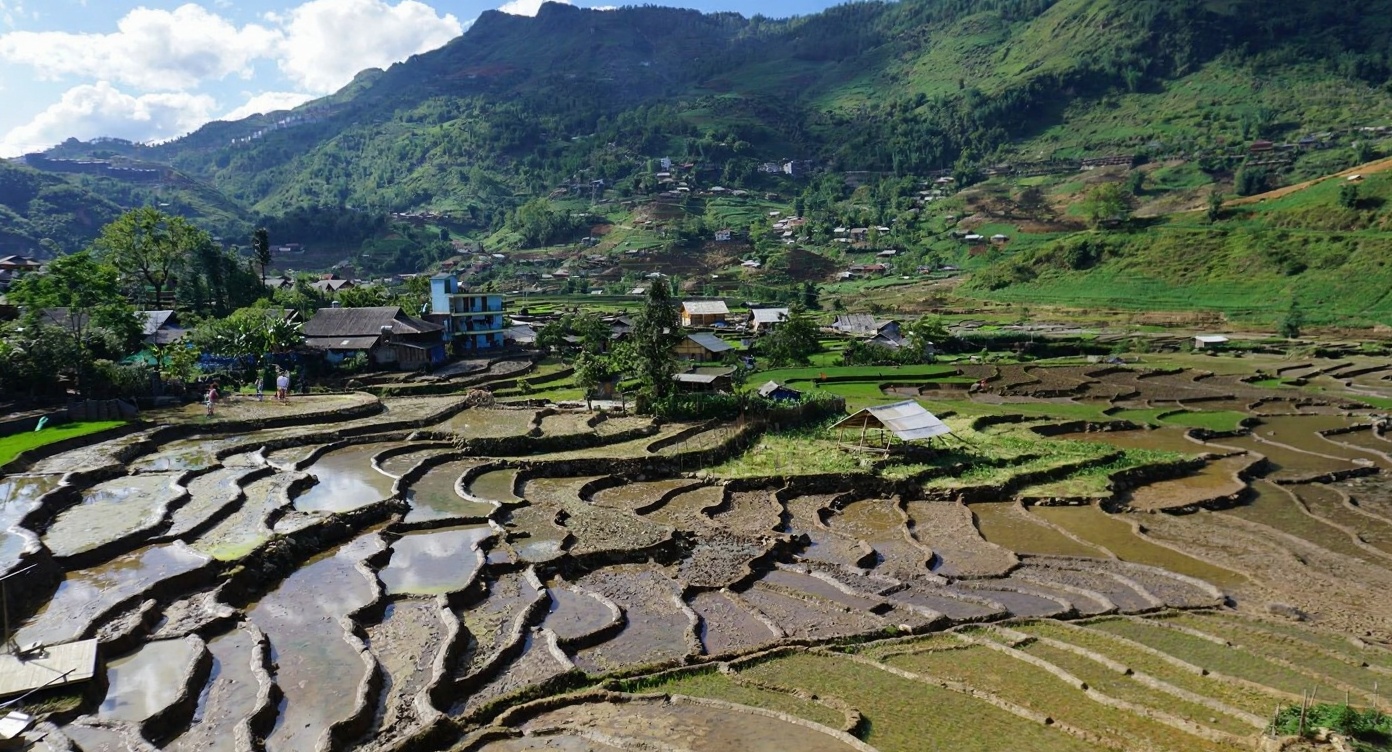
Japanese Encephalitis — For Rural Travelers
Japanese Encephalitis (JE) is a viral brain infection transmitted by mosquitoes in rural rice-growing areas. It’s present throughout Vietnam.
CDC’s specific guidance: JE vaccination is recommended for all travelers spending 1 month or more in Vietnam. For shorter trips, it’s recommended if you plan time in rural areas — specifically if you’re near rice fields or pig farms at dusk, which is when the Culex mosquito that transmits JE is most active.
The vaccine (IXIARO) is two doses taken 28 days apart, so this requires planning. If you’re doing a 10-day tour of Hanoi, Hội An, and Saigon, you can probably skip it. If you’re doing the Ha Giang Loop, staying in village homestays, or spending months in the north — get it.
→Who It’s For
Japanese Encephalitis vaccine is worth it if you’re: (a) staying 30+ days, (b) doing rural motorbike routes like Ha Giang or the Central Highlands, (c) staying in rural guesthouses near rice paddies or livestock. Skip it for short city-focused trips. See the Ha Giang Loop guide for what a genuine rural trip looks like.
Rabies — Worth Serious Consideration
I’m going to be direct about this one, because it’s the vaccine most travelers skip and the one I personally regret skipping.
Rabies is fatal once symptoms develop. Post-exposure treatment exists (rabies immunoglobulin + vaccine series) and it works — but it must be started quickly, it’s expensive, and access to quality post-exposure prophylaxis in rural Vietnam is genuinely limited. In remote provinces, finding the right treatment within the required timeframe can be a real problem.
Who should get pre-exposure rabies vaccination:
Anyone doing caves (bats are the main vector for human rabies globally), anyone doing village-to-village motorbike travel where they might encounter stray dogs, anyone spending months in Vietnam, anyone doing wildlife or animal sanctuary volunteering. Three pre-exposure doses; your GP can give them.
Pre-exposure vaccination doesn’t mean you never need treatment after exposure — it just simplifies the treatment significantly and buys you more time to access care.
⚠Real Talk
The standard travel advice is “rabies only matters for animal workers.” This is wrong. Stray dogs bite travelers in Vietnam. Bats enter rural guesthouses at night. One traveler in a Reddit thread I read described a dog bite in a night market in Hội An. If the cost of three pre-exposure doses ($150–300 depending on country) is feasible for you, get them. Impossible to regret.
Hepatitis B — Longer Stays
Hepatitis B spreads through blood and sexual contact. Vietnam has one of the highest rates of chronic Hepatitis B in the world — estimated 8–10% of the population carries the virus.
For short-term tourists: lower priority unless you plan on medical procedures, getting a tattoo, or other blood-contact activities in Vietnam. For longer stays, expats, or people who might need medical care in-country: get it. Three doses over 6 months, so this one requires advance planning. Combination Hep A + Hep B vaccine (Twinrix) is available and efficient.
Malaria in Vietnam: Do You Need Prophylaxis?
Shorter answer than you’d expect: probably not, for most travelers.
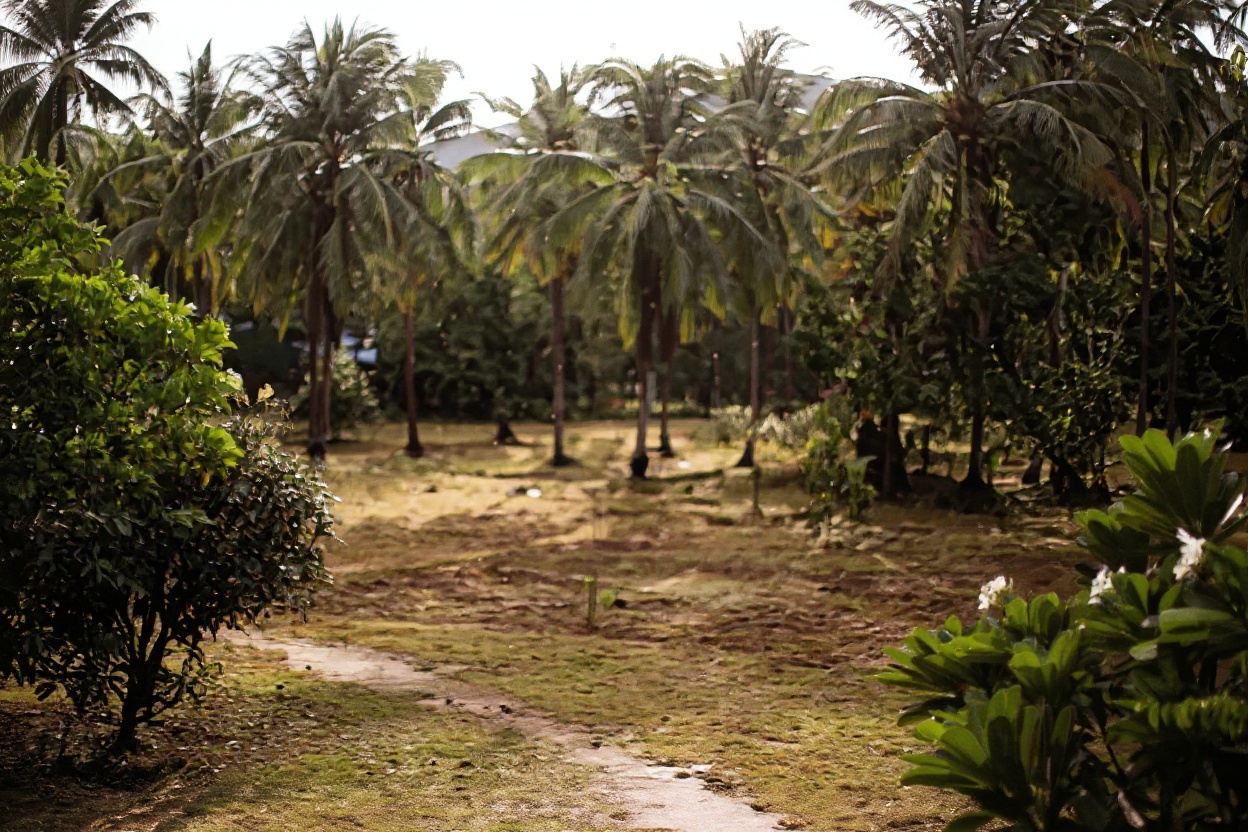
Malaria exists in Vietnam, but it’s concentrated in specific areas: the remote forested regions of the Central Highlands, some parts of the south near the Cambodian border, and a few remote northern provinces. The major tourist circuit — Hanoi, Hạ Long Bay, Hội An, Đà Nẵng, Huế, Saigon, Nha Trang, Phú Quốc — has no significant malaria transmission.
Where malaria prophylaxis is worth discussing with your doctor:
If you’re doing remote trekking in the Central Highlands (Kon Tum, Dak Lak provinces), remote border areas near Cambodia or Laos, or forest camping in very rural northern Vietnam. For these itineraries: Doxycycline or Malarone (Atovaquone/Proguanil) are the recommended options, as Vietnam’s malaria is chloroquine-resistant.
For Ha Giang: the risk is very low. For Phong Nha: low. For Ha Long Bay, Sapa, Mù Cang Chải: essentially zero. Don’t take malaria medication you don’t need — the side effects (especially doxycycline sensitivity to sun) are real costs.
✓Quick Answer
Malaria prophylaxis is not needed for standard Vietnam itineraries. If you’re doing remote Central Highlands trekking, border regions near Cambodia, or deep rural forest camping — discuss Doxycycline or Malarone with a travel medicine doctor. Not needed for Ha Giang Loop, Sapa, Phong Nha, or any major tourist city.
Dengue: The Actual Day-to-Day Risk
No vaccine. No prophylaxis. Just mosquito protection.
Dengue is endemic throughout Vietnam year-round, with higher transmission June–November during wet season. The Aedes aegypti mosquito that carries it bites during daylight hours — unlike malaria mosquitoes, which bite at dusk and dawn.
Protection: long sleeves and pants during daylight, DEET-based repellent (30%+), sleeping in air-conditioned rooms or under mosquito nets.
Dengue symptoms arrive fast: sudden high fever, severe headache, pain behind the eyes, joint and muscle pain. If you develop these 4–14 days after exposure, seek medical care immediately. Vietnam’s cities have hospitals that diagnose and manage dengue — it’s not the death sentence it sounds like if caught early.
When to See a Travel Medicine Doctor
The answer most people get wrong: not your GP the week before you leave.
Ideal: 4–6 weeks before departure. This window allows for vaccines that need multiple doses (Hepatitis B series, IXIARO for JE) and gives your immune system time to respond to live vaccines before travel.
See a travel medicine specialist, not a general practitioner who sees Vietnam patients once a month. Travel medicine doctors are current on outbreak patterns, antimicrobial resistance, and itinerary-specific risk. They’ll ask you where you’re actually going, not just “Vietnam.”
In the US: Passport Health and Travel Medicine Clinic are nationwide chains. In the UK: MASTA travel clinics. Cost: $75–200 for the consultation, separate from vaccine costs.
ℹKnow Before You Go
Vaccine costs vary significantly by country and whether you have health insurance that covers travel vaccines. In the US, travel vaccines are often not covered. Budget $200–400 for Hepatitis A + Typhoid + office visit. Adding Hepatitis B, JE, or rabies brings it up significantly. In the UK, Hepatitis A and Typhoid are often available free or discounted through NHS travel services — worth checking before paying private clinic rates.
Traveler’s Diarrhea: The Most Common Health Issue in Vietnam
Nobody puts this in the vaccines section because there’s no vaccine for it. But traveler’s diarrhea (TD) is the health issue that will actually affect the most people on this list, and being prepared for it matters more than agonizing over Japanese Encephalitis.
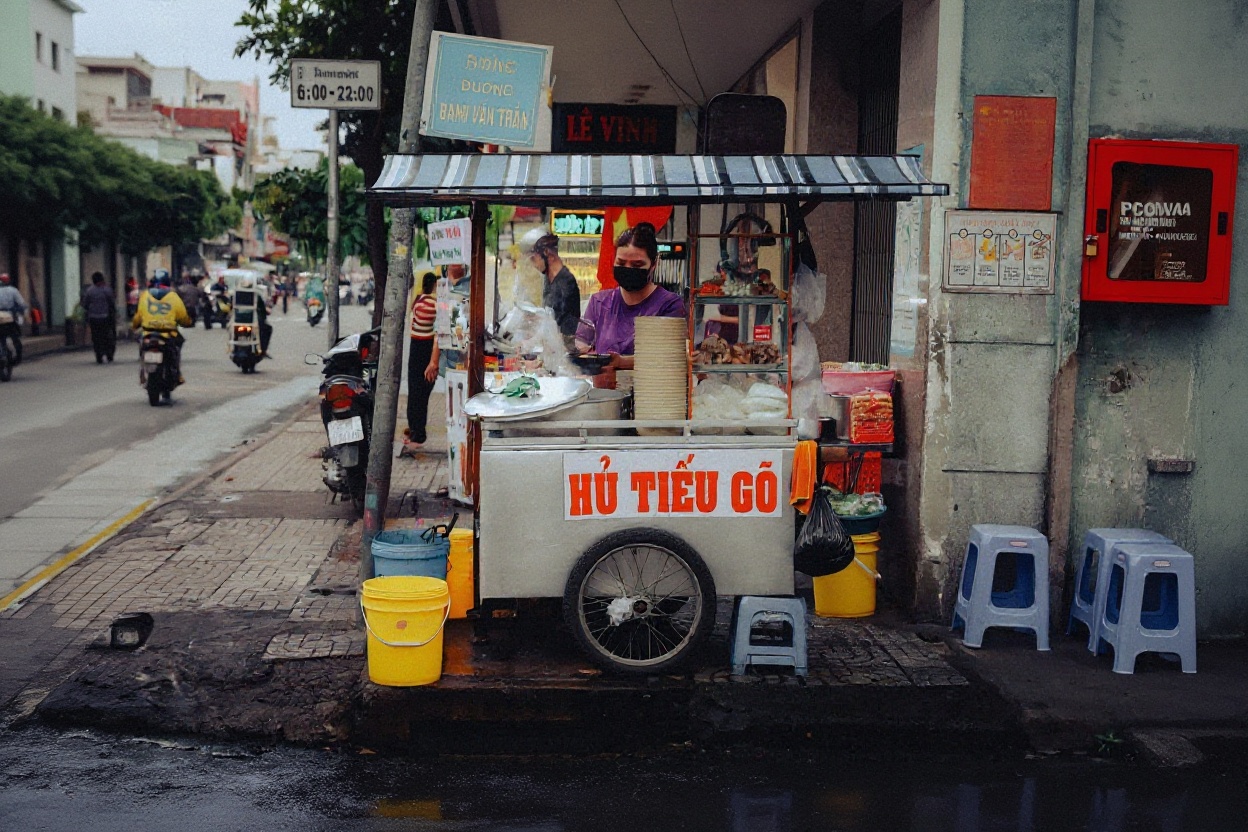
Reality check: the first 4–7 days in Vietnam, many first-time visitors experience some GI adjustment. This is partly bacteria your gut isn’t used to (not the same as contaminated food), partly the richness of the food itself, partly your instinct to try everything at once.
True traveler’s diarrhea — bacterial, from actual contamination — is more serious and tends to arrive faster, feel worse, and sometimes comes with fever.
What to pack:
Azithromycin (antibiotic) — 500mg/day for 3 days is the standard treatment. Carry this from home; getting a prescription in Vietnam is possible but adds friction when you’re sick. Talk to your travel medicine doctor about getting a prescription to bring.
Oral Rehydration Salts (ORS) — the most important item. Available in every pharmacy in Vietnam (Oresol is the local brand, 5,000–10,000 VND per packet), but better to have them in your bag before you need them.
Imodium (Loperamide) — for slowing things down when you have a bus to catch. Not a cure, but useful for logistics management. Do not use it if you have fever — it can trap a bacterial infection.
Prevention: Eat at busy stalls (high turnover = fresh). Avoid ice outside major cities if you’re cautious. Raw herbs are the highest-risk item — delicious but washed with tap water. Stick to cooked food for the first few days if your gut is sensitive.
The vast majority of GI issues in Vietnam resolve within 48–72 hours. If symptoms last longer than 72 hours, come with high fever above 38.5°C, or involve blood — go to a clinic, don’t self-treat. International hospitals in Hanoi and Saigon have English-speaking GI doctors and can diagnose quickly.
Vietnam Healthcare: If You Get Sick While There
Vietnam’s major cities have international hospitals with English-speaking doctors that are competent and relatively affordable by Western standards. Hanoi has Vinmec and FV Hospital. Saigon has FV Hospital and Columbia Asia. These are real international-standard facilities.
Rural Vietnam is different. If you’re seriously ill in Ha Giang or deep in the Central Highlands, getting to adequate care is a logistics problem, not just a medical one. This is the main reason travel insurance with medical evacuation coverage is non-negotiable for any serious Vietnam trip.
The US State Department is explicit: “Medical evacuation can cost tens of thousands of dollars. You need travel insurance.” I’ve never needed evacuation, but I’ve met people who have. The ones without insurance dealt with consequences that lasted longer than their trip.
Good travel insurance with medical + evacuation coverage: World Nomads, SafetyWing (popular with digital nomads, ~$40–50/month), Allianz. Get it before you leave. It’s cheap relative to what it covers.
One practical note: Vietnamese pharmacies are excellent and very cheap. Most common travel medications — rehydration salts, antihistamines, ibuprofen, antibiotic eye drops — cost a fraction of Western prices. The pharmacist in any major Vietnamese city is a legitimate first stop for minor issues. They diagnose fast, speak enough English in tourist areas, and licensed pharmacy medicine quality is reliable. Keep the pharmacy option in mind before queuing at a clinic for something straightforward.
Vietnam Vaccinations: Common Questions
Do I need any vaccines to enter Vietnam?
No vaccines are legally required for entry to Vietnam for travelers arriving from the US, UK, Australia, or Europe. The only exception is Yellow Fever certification if you’re arriving from or transiting through a yellow fever endemic country (most of Sub-Saharan Africa, parts of South America). All other vaccine recommendations are health precautions, not entry requirements.
What vaccinations do doctors recommend for Vietnam?
The core recommended vaccines are: Hepatitis A (essential), Typhoid (strongly recommended for street food eaters), and up-to-date routine vaccines (MMR, Tdap, Polio). Japanese Encephalitis is recommended for 30+ day stays or rural travel. Rabies pre-exposure is worth considering for cave travel or rural motorbike trips. Hepatitis B for longer stays. A travel medicine doctor will tailor these to your specific itinerary.
Is malaria a risk in Vietnam?
Malaria risk is very low on the standard tourist circuit (Hanoi, Ha Long Bay, Hội An, Saigon, Phú Quốc, Nha Trang, Ha Giang Loop). Risk exists in remote forested areas of the Central Highlands and some border regions near Cambodia. If your itinerary stays on major tourist routes, you don’t need malaria prophylaxis. Discuss with a travel medicine doctor if you’re doing remote highland trekking.
How far in advance should I get vaccines before going to Vietnam?
See a travel medicine specialist 4–6 weeks before departure. This window allows for multi-dose vaccines (Japanese Encephalitis requires two doses 28 days apart, Hepatitis B series takes 6 months) and gives your immune system time to respond. If you have less than 4 weeks, go immediately — Hepatitis A provides protection within 2 weeks of the first dose, and Typhoid works within 2 weeks (injectable) or 1 week (oral).
Do I need travel insurance for Vietnam?
Yes — specifically insurance that includes medical evacuation coverage. Vietnam’s major cities have solid international hospitals, but rural care is limited and medical evacuation can cost $30,000–$100,000+. Budget travelers sometimes skip this and regret it. Good options: World Nomads (activity-focused), SafetyWing (~$40–50/month), Allianz. Get it before you leave; coverage usually excludes pre-existing conditions if purchased after travel starts.
That bat in Phong Nha turned out to be a wake-up call that cost me nothing except an hour of stress. Other people’s wake-up calls cost more. Get the Hepatitis A shot, update your Typhoid, think hard about rabies if you’re doing caves or rural routes, and buy real travel insurance before you touch down.
The rest of Vietnam’s health risks are manageable. DEET works. Washing hands works. Eating at busy stalls where the food turns over fast works.
For the full picture on safety in Vietnam — including common scams, transport risks, and what actually gets travelers in trouble — the Vietnam safety guide covers it with the same honesty this article aimed for.
And if you’re planning your full trip budget — including what healthcare costs if something does go wrong — the Vietnam budget travel guide has the numbers from someone who’s actually paid them.