Updated June 2026
The November Split: Why This Month Needs a Different Approach
Most travel guides present Vietnam as one weather story. November exposes this as a myth. Here’s the real picture:
North Vietnam (Hanoi, Ninh Bình, Ha Giang): Cool, dry, clear. Hanoi at 24–26°C (75–79°F) is the most comfortable the city gets all year. No sweating through shirts. No rain most days. Light jacket in the evenings.
South Vietnam (HCMC, Mekong Delta, Phu Quoc): Transition into dry season. Early November still gets afternoon rain; by mid-November the south has shifted toward the dry months and is excellent.
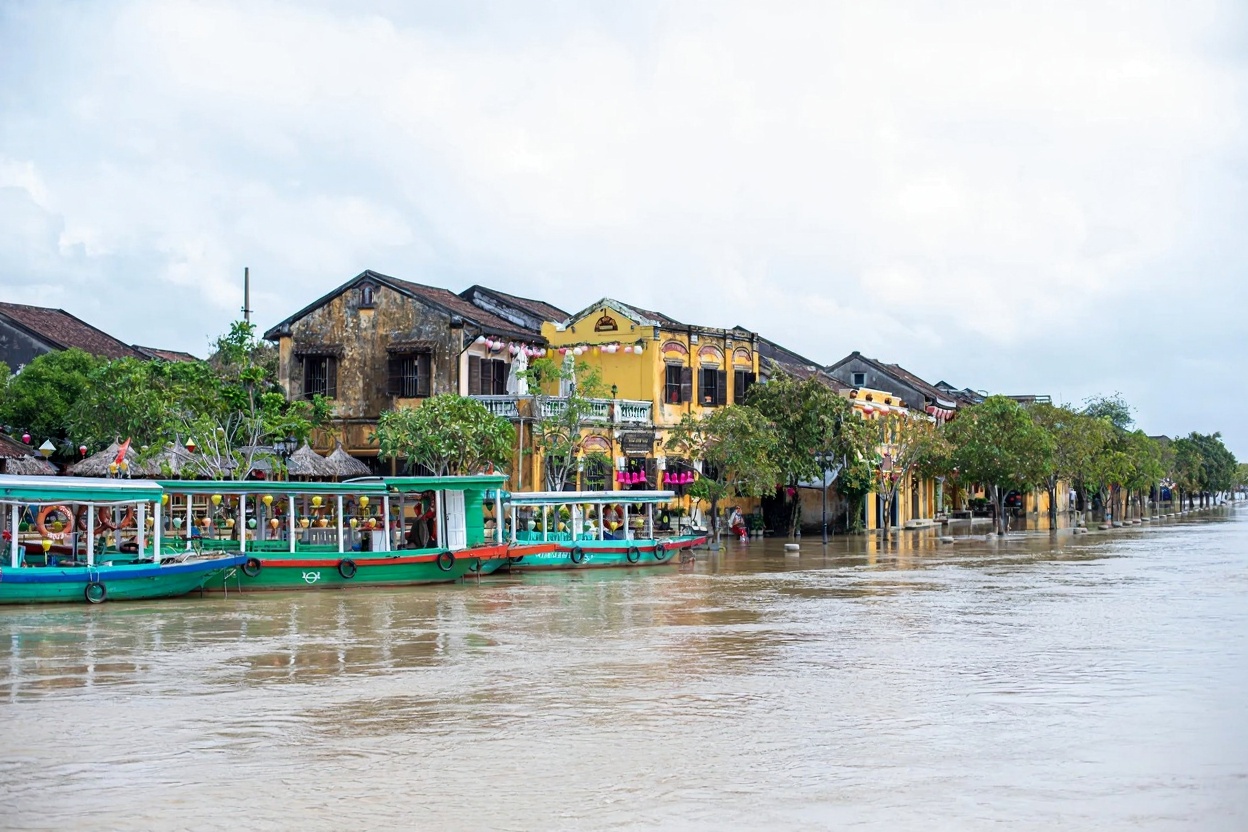
Central Vietnam (Da Nang, Hội An, Huế, Đà Lạt): November is the worst month of the year. This is peak typhoon season, peak flooding season for Hội An, and the wettest month in the annual calendar for the central coast. The Ancient Town of Hội An floods every few years in November — not metaphorically, but literally, with water in the streets.
Who November is for: north-first travelers, south Vietnam beach travelers (from mid-month), budget travelers who know to avoid the central coast, Ha Giang Loop riders who want good conditions with lighter crowds than October.
Who November is not for: anyone with non-negotiable Hội An Ancient Town or Da Nang beach time built into their itinerary without weather contingency plans.
✓Quick Answer
Hanoi and north Vietnam in November: excellent — cool, dry, clear, and cheaper than December. Phu Quoc and south Vietnam from mid-November: excellent. Da Nang, Hoi An, Hue: high flooding and typhoon risk — skip or have a full contingency plan. Don’t plan a November trip around the central coast.
November Weather by Region
Hanoi in November: The Best Version of the City
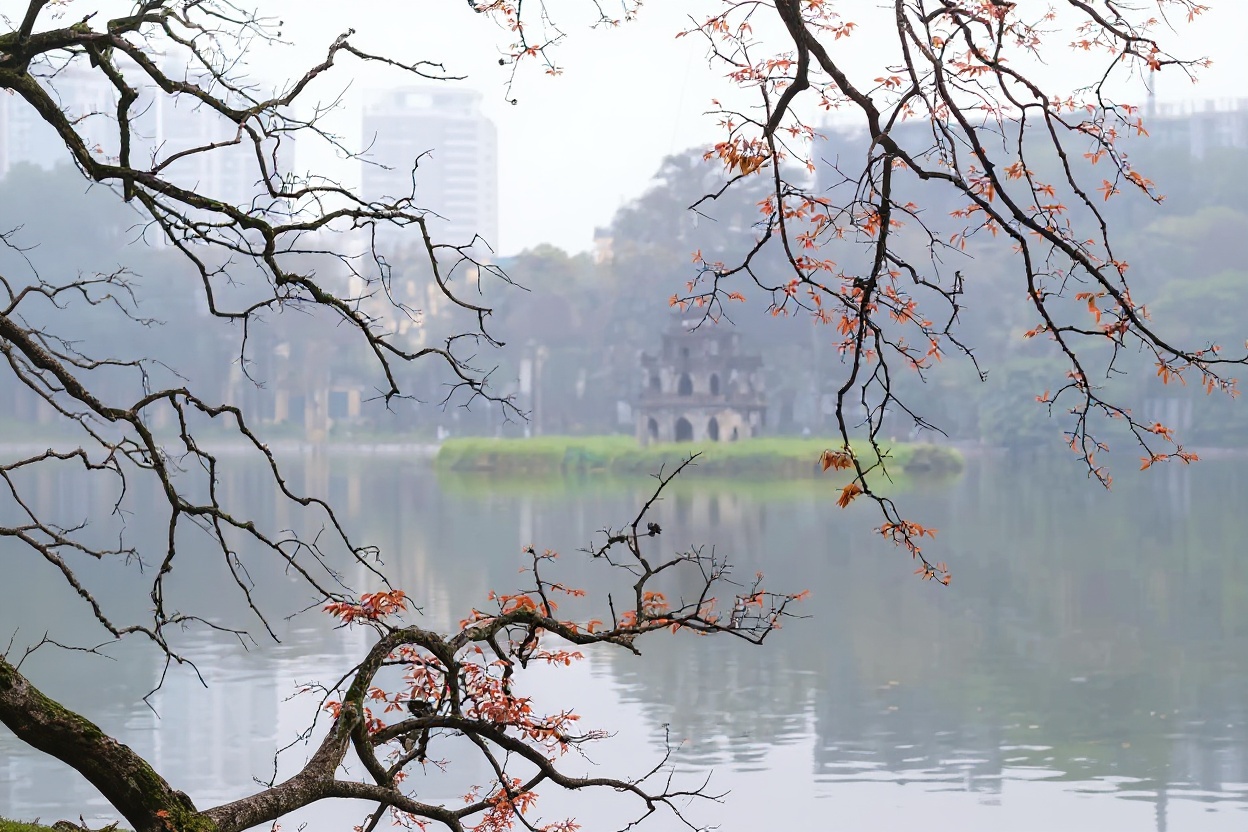
Ask any expat when they love Hanoi most and you’ll hear October–November a disproportionate number of times. The temperature settles into 22–26°C (72–79°F). The humidity drops from its summer peak. The sky is more often blue than the grey soup of winter or the haze of August. The Old Quarter’s street food scene, the bia hơi (say: bee-ah huh — draft beer) culture on the pavement, the lake walking — all of it just works better when you’re not drenched in sweat by 9am.
November in Hanoi is also significantly cheaper than December or January, when international visitor volume peaks. Guesthouses are available without months of lead time. Restaurant queues are shorter. The city feels more like a city and less like a museum experiencing peak visitor load.
For the full picture on what to do in Hanoi across all seasons, our Hanoi things to do guide has the complete list — but November is when all of it operates at its best.
Central Vietnam: Don’t Plan Around Hoi An in November
This deserves plain language because travel blogs consistently soft-pedal it to avoid deterring readers: Hội An flooding in November is a documented, recurring event. In 2020, the Ancient Town had significant flood water in the streets during November. In 2022, typhoon Noru made landfall near Đà Nẵng in October and the effects extended into early November. These are not unusual years — they are typical of the central Vietnam climate in this month.
Da Nang in November has 20+ rain days and the active typhoon window. The beach is not swimmable during active weather events. Hội An’s lanterns are beautiful — but not from underwater.
The nuance: not every day in November central Vietnam is bad. You might arrive and get a run of four sunny days. But you’re building an itinerary around a probabilistic gamble rather than a weather reality. If you must include central Vietnam in November, use free-cancellation bookings everywhere and have an explicit plan B (“if Hội An floods, I take the train north to Huế or south to Nha Trang”).
Phu Quoc and South Vietnam: Late November Flip
The south transitions out of monsoon season across November. Early November (Nov 1–15) is still partially monsoon — afternoon rains, occasional rough sea days on Phu Quoc, Mui Ne beginning to dry out. By late November (Nov 20 onward), the switch has typically happened: the south enters its dry season and the conditions become what the December and January peak is famous for.
Phu Quoc in late November specifically: the sea calms, the visibility for snorkeling improves dramatically, the beaches empty compared to the December–January peak, and prices have not yet spiked. This is the best value-to-conditions ratio on Phu Quoc all year, and it lasts maybe 3 weeks before the Christmas and New Year crowds arrive.
November Traveler Scenarios
The North-First Traveler
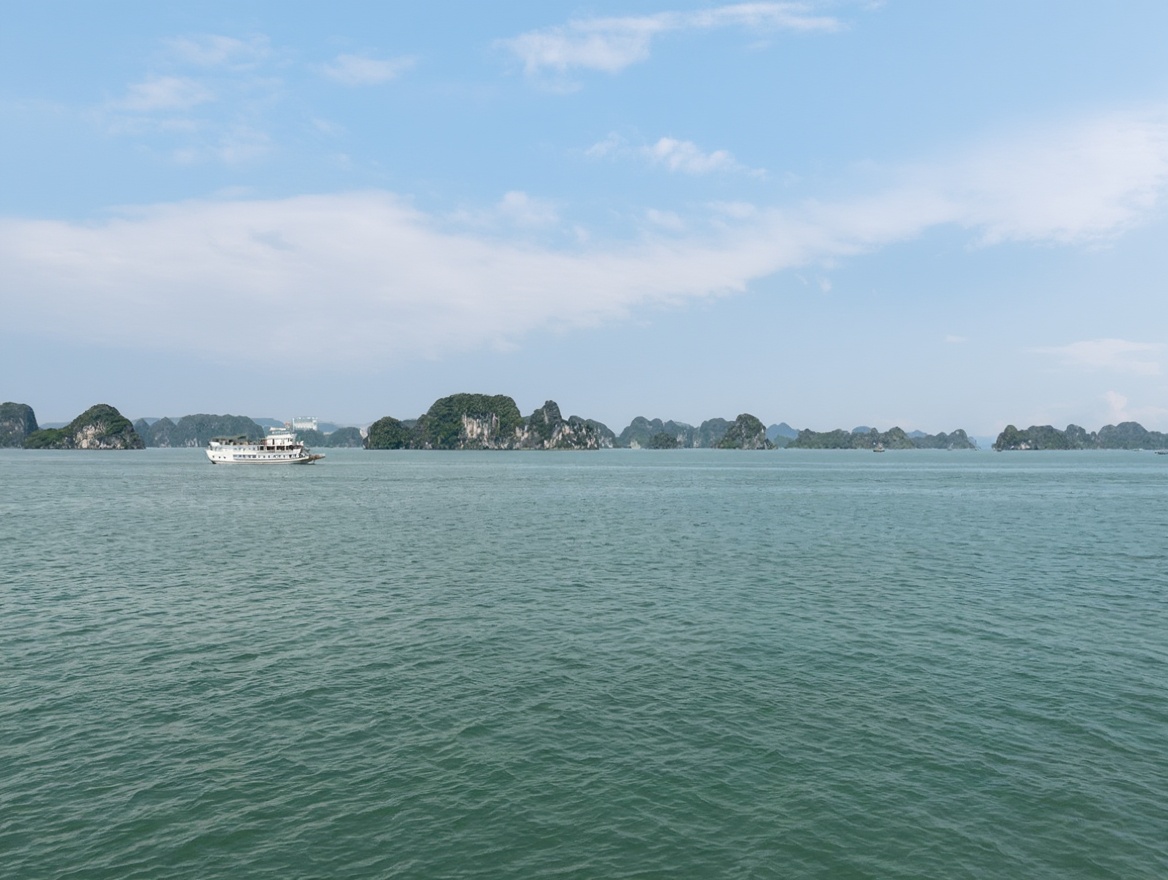
November is your best possible month. Hanoi → Ninh Bình → Ha Long Bay → possible Ha Giang Loop — all of these operate at or near optimal conditions. Ha Long Bay cruises run in calmer water than summer months. Ha Giang Loop roads are dry and the limestone views are clear without summer haze. Ninh Bình boat caves are atmospheric in the cool air. The only potential constraint: ha Giang can have occasional cool rain days that make the passes less pleasant, but this is rare in early-to-mid November.
The South-Focused Traveler
If your trip is HCMC → Mekong Delta → Phu Quoc → Mui Ne, November works with one timing note: try to arrive in south Vietnam by mid-November rather than early November. The first two weeks still carry some monsoon residue. From Nov 15 onward you’re essentially in high season conditions at low season prices. For south Vietnam planning, our southern Vietnam guide has the full regional breakdown.
The Classic North-to-South Route
Hanoi → Ninh Bình → (skip central coast) → Nha Trang → HCMC → Phu Quoc works well in November with one adjustment: skip the central coast entirely or spend minimal time there. The classic Hội An stop that everyone does in March or January is not the November version of itself. Instead, fly over it (Hanoi → Nha Trang direct is about 2 hours and costs $40–80 on VietJet or Bamboo) and join the south’s emerging dry season.
Where to Base Yourself for the Best November Trip
Given November’s sharp regional split, your base location defines whether you have a good trip or a frustrating one. Here’s what works:
Hanoi is the clear northern base and arguably the best city to be in Vietnam in November. The Old Quarter has excellent street food, the museums are world-class, and Hoàn Kiếm Lake in 24°C weather is a different experience from the summer sweat-festival. Base here for 3 nights, do a day trip to Ninh Bình, add a 2-night Ha Long Bay cruise, return to Hanoi, then fly to the south. That’s a strong 10-day November structure. For accommodation options, our Hanoi where to stay guide breaks down Old Quarter vs West Lake for November conditions.
Ho Chi Minh City works as the southern anchor. HCMC in late November is in its sweet spot — the afternoon rains have mostly stopped, temperatures are at their dry-season best, and the city’s outdoor food and café culture is at full capacity. The day trips (Củ Chi Tunnels, Mekong Delta) are best in dry conditions. Arrive in HCMC from mid-November onward for the best experience. Our Saigon things to do guide has the November-specific timing notes.
Đà Lạt is the November wildcard. The highland city sits above the central coast flooding zone. November weather in Đà Lạt is cool and often misty — not beach weather, but genuinely pleasant for walking the flower gardens, visiting coffee farms, and doing the waterfall day trips. If you want a central Vietnam stop in November that doesn’t carry flood risk, Đà Lạt is the answer. Direct buses from HCMC run overnight and cost 200,000–280,000 VND.
The Nha Trang and Con Dao Option in November
Two south-central destinations are often overlooked for November travel because they fall in the geographic zone between “safe north” and “safe south.”
Nha Trang in November is variable. The city sits between the central coast typhoon zone and the south’s monsoon system. Early November can bring some rough weather from typhoons hitting north of it, but Nha Trang typically doesn’t flood the way Hội An does. Mid-to-late November is generally good — the sea calms, beach conditions return, and the city has far fewer visitors than the December–January peak. If you want a central coast beach that works better than Hội An in November, Nha Trang is the answer. Our Nha Trang guide covers the beach timing and what to prioritize.
Con Dao Islands in November is the right timing for a quieter version of Vietnam’s best diving. The island archipelago, 180km off the HCMC coast, has its own micro-climate. November marks the transition into dry season — sea conditions improve rapidly from mid-November, visibility for snorkeling and diving increases, and the islands are at their least crowded. Liveaboard dive operators specifically recommend late November for Con Dao because the turtle nesting season is ending and water clarity is increasing. Our Con Dao guide has the logistics of getting there.
November vs October and December
vs. October: October is the golden rice harvest month for Ha Giang Loop — the most visually spectacular version of the highlands. November is past peak rice terrace color but still has good landscape conditions. For Ha Giang, October wins on visuals; November wins on crowds and road conditions. For the south, November is significantly better than October.
vs. December: December brings the crowds and price spikes as Christmas and New Year approaches. November has essentially the same north Vietnam weather quality as December but without the premium pricing. The central coast in December begins to improve — by December, Da Nang is starting to dry out. If you’re doing central Vietnam, December beats November. If you’re doing north or south, November beats December on price and crowds.
Practical Planning for November
Accommodation booking lead time. November is high season in north Vietnam and increasingly so in the south from mid-month. Hanoi fills with international travelers who’ve caught on that October–November is peak weather. Book Hanoi Old Quarter guesthouses 3–4 weeks out. Phu Quoc in late November starts filling as Christmas travelers arrive early — book 4–6 weeks out for the better guesthouses.
Transport strategy. If your route includes the classic North → Central → South overland, consider a strategic flight over the central coast in November. Hanoi to Nha Trang (skipping Da Nang) is available on VietJet, Bamboo, and Vietnam Airlines for $40–90. It’s cheaper than the train and avoids putting yourself in the Hội An weather lottery. You can always add a central Vietnam stop in a different season.
Ha Long Bay timing in November. The bay is excellent in November and not technically in the typhoon window (typhoons that affect central Vietnam in November generally don’t reach Ha Long Bay with the same intensity). Book a 2-night cruise for the best experience — 1-night cruises in November feel rushed and the extra night on the water in the crisp air is worth it. Our Ha Long Bay cruise guide has operator recommendations for the November window.
Budget implications. November is high season in north Vietnam but has not yet hit the December–January price peak. You’ll pay more than the June–September low season but noticeably less than December. South Vietnam in November is still transition pricing — expect 10–20% below January peak for most accommodation. Phu Quoc late November is the last window before Christmas pricing kicks in.
What to pack for November. North Vietnam: light jacket, one sweater, comfortable walking shoes. South Vietnam: summer clothes plus one light layer for cool restaurant AC (which is aggressively cold in Vietnam). Central Vietnam (if you go): a packable rain jacket is essential, not optional. For a full packing breakdown by region and season, our Vietnam packing list covers November specifically.
November Events and Festivals
November doesn’t have a major national Vietnamese festival the way Tet (January/February) or Hung Kings Festival (April) dominate their months. What it does have:
Hội An Lantern Festival runs on the 14th day of each lunar month year-round — but in November, the lantern festival coincides with the wettest conditions of the year in Hội An. If you’re in town on a lantern festival night and the weather cooperates, it’s beautiful. If it’s raining, the experience is still there but diminished.
Da Lat Flower Festival sometimes falls in late November or early December (alternating years — check the current year’s schedule). When it does, it’s worth building a Da Lat stop around. Đà Lạt is in the central highlands rather than the central coast, so it doesn’t get the same flooding risk as Da Nang or Hội An. November in Đà Lạt typically has cool, misty weather perfect for the flower gardens. Our Da Lat flower festival guide has the current year’s dates and what to expect.
Jake’s Confession: The November I Ignored the Forecast
In November 2022, I was in Hội An for a week. I knew the weather forecast said rain. I’d been there in March and loved it and I wanted to see it in a different season. What I got: three days of reasonable weather, two days of heavy rain that made the Ancient Town feel oppressive (beautiful in sunlight, grey and muddy in sustained rain), and one day where a flood warning came through and the restaurants near the riverside started moving furniture to higher shelves at 3pm.
I spent that afternoon in a coffee shop on a second floor, watching the water creep up the street below with a crowd of other tourists who all had the same expression — somewhere between fascinated and calculating how this would affect their ferry booking to Cù Lao Chàm.
It was interesting. It was not the trip I’d planned. The lesson I took: central Vietnam in November is fine for people who come with curiosity and flexibility. It’s genuinely bad for people who’ve pre-booked specific experiences that require good weather — the tailoring appointment, the cooking class on the island, the sunrise bike ride to the beach.
FAQ: Vietnam in November
Is November a good time to visit Vietnam?
Yes and no — it depends entirely on which region. North Vietnam (Hanoi, Ninh Binh, Ha Giang) is in its best weather of the year: cool, dry, clear skies. South Vietnam transitions into dry season from mid-November and is excellent. Central Vietnam (Da Nang, Hoi An, Hue) has its worst weather in November — typhoon risk, heavy rain, and flooding. Plan your itinerary around this split, not against it.
Does it rain a lot in Hoi An in November?
Yes. November is Hoi An’s rainiest month, with an average of 20+ rain days and real flooding risk. The Ancient Town floods multiple times per decade in November. It’s not guaranteed rain, but it’s a high-probability outcome. If you’re set on Hoi An, book everything with free cancellation and have a backup itinerary that moves you north or south if conditions deteriorate.
What is the weather like in Hanoi in November?
November is Hanoi’s best month: 22–26°C (72–79°F), 6 rain days, low humidity, and often clear blue skies. It’s the month when being outdoors in the Old Quarter and walking around Hoan Kiem Lake is genuinely pleasant — not too hot, not cold yet. Many expats rank October–November as the best time to be in Hanoi.
Can I go to Phu Quoc in November?
Early November carries some monsoon residue — rough seas, rain. From mid-to-late November, Phu Quoc flips to dry season and conditions become excellent. Late November is one of the best value times to visit Phu Quoc — dry weather, emptier beaches, pre-Christmas prices. If visiting early November, check specific sea conditions before booking island boat tours.
Is Ha Long Bay good in November?
Yes. November is a good month for Ha Long Bay — calmer water than summer, clear air, comfortable temperatures on deck. Rain is possible but not frequent. The main caveat: Ha Long Bay is in the north, not the central coast, so it doesn’t get the central Vietnam flooding and typhoon season. Book a cruise normally; November is not a risk month for Ha Long. See our Ha Long Bay cruise guide for what to book.
What to wear in Vietnam in November?
North Vietnam: a light jacket, one sweater or fleece, and comfortable walking shoes. Hanoi evenings can drop to 20°C (68°F) — pleasant but worth having a layer. South Vietnam: summer clothes, one thin long-sleeve for over-air-conditioned restaurants. Central Vietnam: a compact rain jacket is essential — pack it regardless of the forecast. For the full region-by-region breakdown, our Vietnam packing list has seasonal guidance for each region.
Is November budget-friendly in Vietnam?
November is shoulder-to-high season pricing in north Vietnam and transitioning into high season in the south. You’ll pay more than the June–August low season but noticeably less than December–January peak. The exception is late November in Phu Quoc — prices start rising as Christmas travelers begin arriving. Book Phu Quoc late November accommodation at least 4–5 weeks out to catch pre-peak pricing before it evaporates. For full budget planning, our Vietnam budget guide has the month-by-month cost breakdown.