Last updated: May 2026 — Museum prices, Old Quarter hours, and Hoan Kiem Lake events verified.
The first thing Hanoi does is overwhelm you.
Then something shifts. Usually around day two, after a bowl of bún chả (say: boon cha) at a plastic table with the smoke from the charcoal grill drifting across your face — something clicks. Hanoi starts to make sense. Not because it becomes less chaotic. Because the chaos starts to feel like a language you’re learning.
I’ve been here five years. I came for three months. I’m still here.
This is my honest list of things to do in Hanoi — what I’d actually take a friend to, in the order I’d take them. No filler. Some places are famous. Some aren’t. A few things that appear on every other list don’t appear here — and I’ll explain why.
Start Here: Hoan Kiem Lake and the Old Quarter (But Go at 6am)
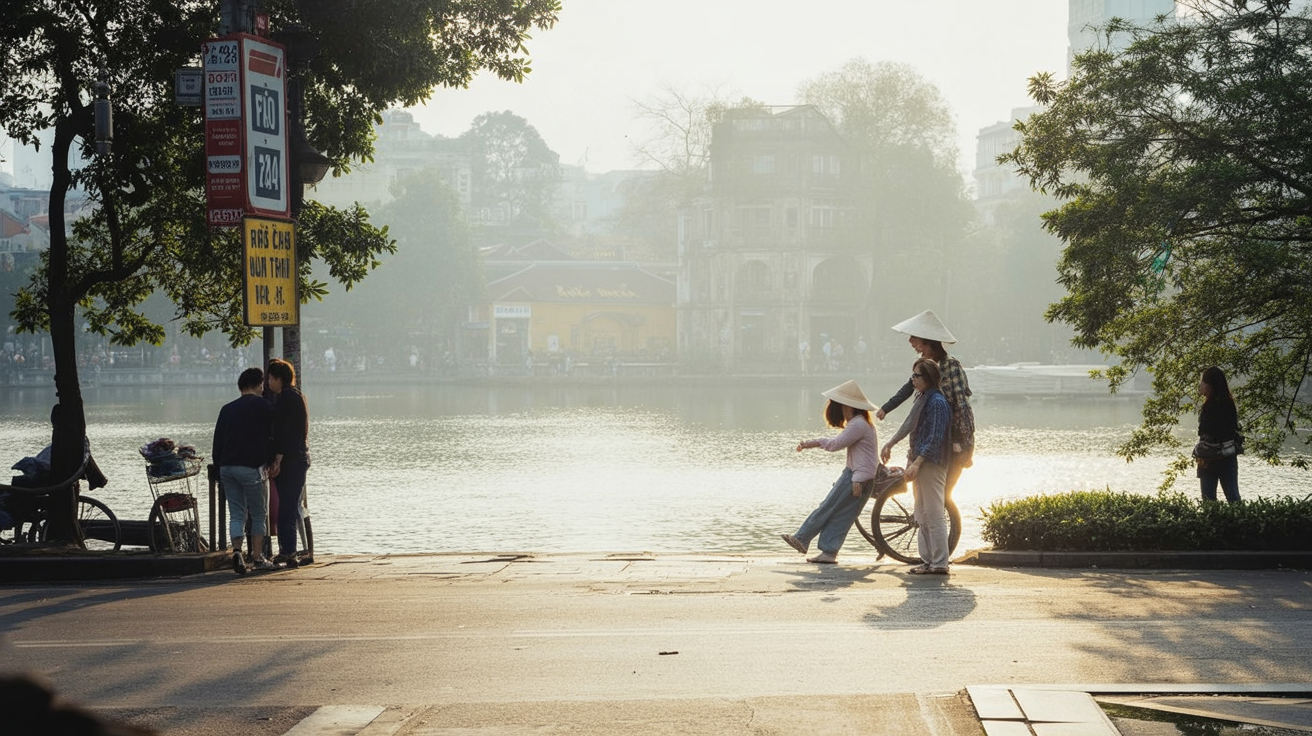
Every Hanoi trip starts at Hoan Kiem Lake (say: hwahn kyem). That’s not the problem. The problem is when people show up at 11am on a Saturday, sweating through their shirt, wondering why it doesn’t feel the way the photos look.
Go at 6am. The difference is not subtle.
At 6am, Hoan Kiem belongs to the locals. Groups of older women in matching tracksuits doing synchronized fan dances at the water’s edge. Men doing tai chi near the willows. A couple walking slowly without looking at their phones. The lake smells like fresh water and frangipani — not sunscreen and exhaust. The light comes in soft and sideways off the water.
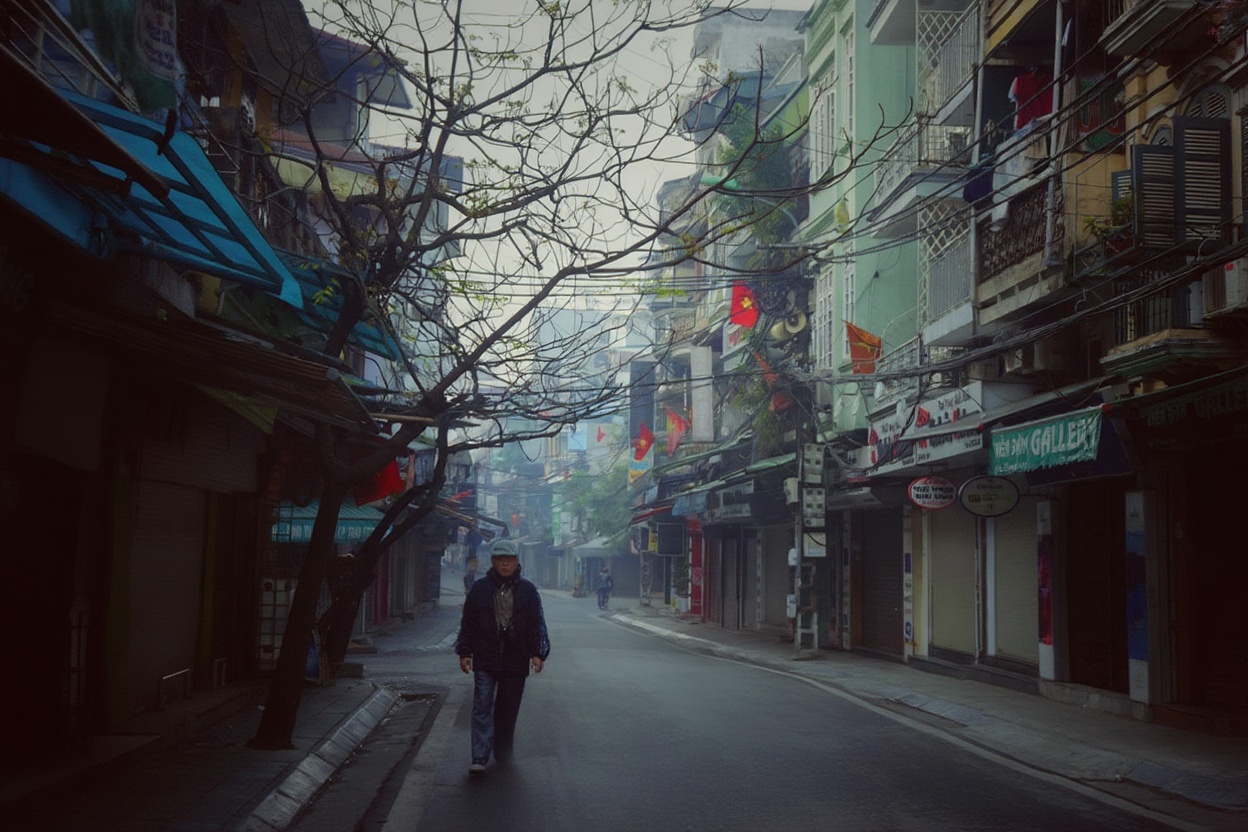
Then walk into the Old Quarter. One of the oldest continuously occupied commercial districts in Southeast Asia — streets named after what they sold for centuries. Hàng Bạc (silver). Hàng Gai (hemp, now silk). Hàng Đường (sugar). At 6:30am you can actually see the architecture. Narrow tube houses with peeling French colonial facades. Family altars glowing orange through open ground-floor doors. A grandmother setting up a bánh mì (say: bahn mee) cart, the bread still warm from somewhere nearby.
By 9am, it’s a different city. Not a bad one. Just noisier, more crowded, and a lot less yours.
↗Insider Tip
Ngọc Sơn Temple (say: nyok son) sits on a small island in Hoan Kiem Lake connected by the red Thê Húc Bridge. Entrance is 30,000 VND (~$1.15). Go early for the quietest experience, or admire it from the lakeside for free. Incense smoke drifts off the island most mornings and mixes with the lake air in a way that is distinctly, specifically Hanoi.
The Planned Wander: Walk Hàng Ngang → Hàng Đào → Hàng Trống — all within 10 minutes of the lake. Hàng Trống is quieter than the main drag and has some of the best old shophouse facades in the quarter.
The Food Stop: Bánh Mì 25 at 25 P. Hàng Cá — avocado bánh mì for 55,000 VND ($2.35). Yes, it’s a tourist spot now. I’m recommending it anyway because it’s genuinely good and the price is fair. Sit-down option across the street. Open 7am–9pm.
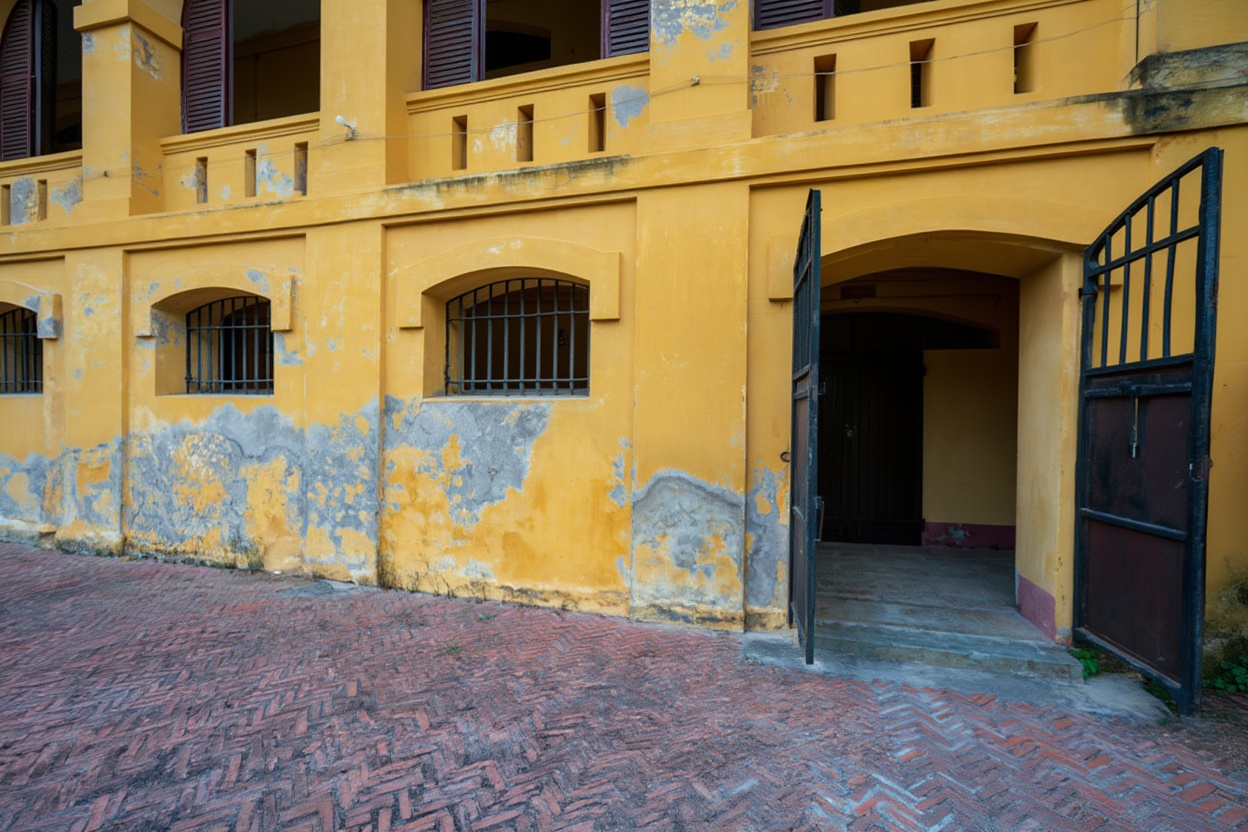
Hoa Lo Prison — The One That Changes How You See Vietnam
Most people walk into Hoa Lo Prison (say: hwah lo — the name means “hell’s fire stove” in Vietnamese) thinking it’ll be a standard war museum. They walk out quieter.
Entrance: 50,000 VND (~$2 USD). Hours: 8am–5pm daily, last entry 4:30pm. Budget two hours minimum.
What nobody prepares you for: the French colonial section is more disturbing than the American War section. The conditions under French colonization — the shackle rooms, the guillotine, the political prisoner cells — are documented with an unflinching clarity you won’t find in Western history books. You leave knowing something about Vietnamese history that no travel blog can summarize for you.
The American War section — the “Hanoi Hilton” cells where American POWs were held — is presented with a political framing that will feel strange if you’re American. That’s kind of the point. Every country tells its history from a particular angle. Vietnam’s angle on the French colonial period is one you’ve almost certainly never been taught before.
⚠Real Talk
Yes, the museum presents history through a communist lens. No, that doesn’t make it less worth your time. That discomfort — the feeling of being on the “other side” of a historical narrative — is a more valuable travel experience than any number of polished temples. Go in without an agenda and you’ll get far more out of it.
Jake’s Imperfection Confession: My first visit, I spent half the time in the American section mentally fact-checking the plaques instead of just being present in the space. Complete waste. I was standing in an actual prison where actual people suffered and I was running Wikipedia cross-references in my head. Go in open. The building will do the work.
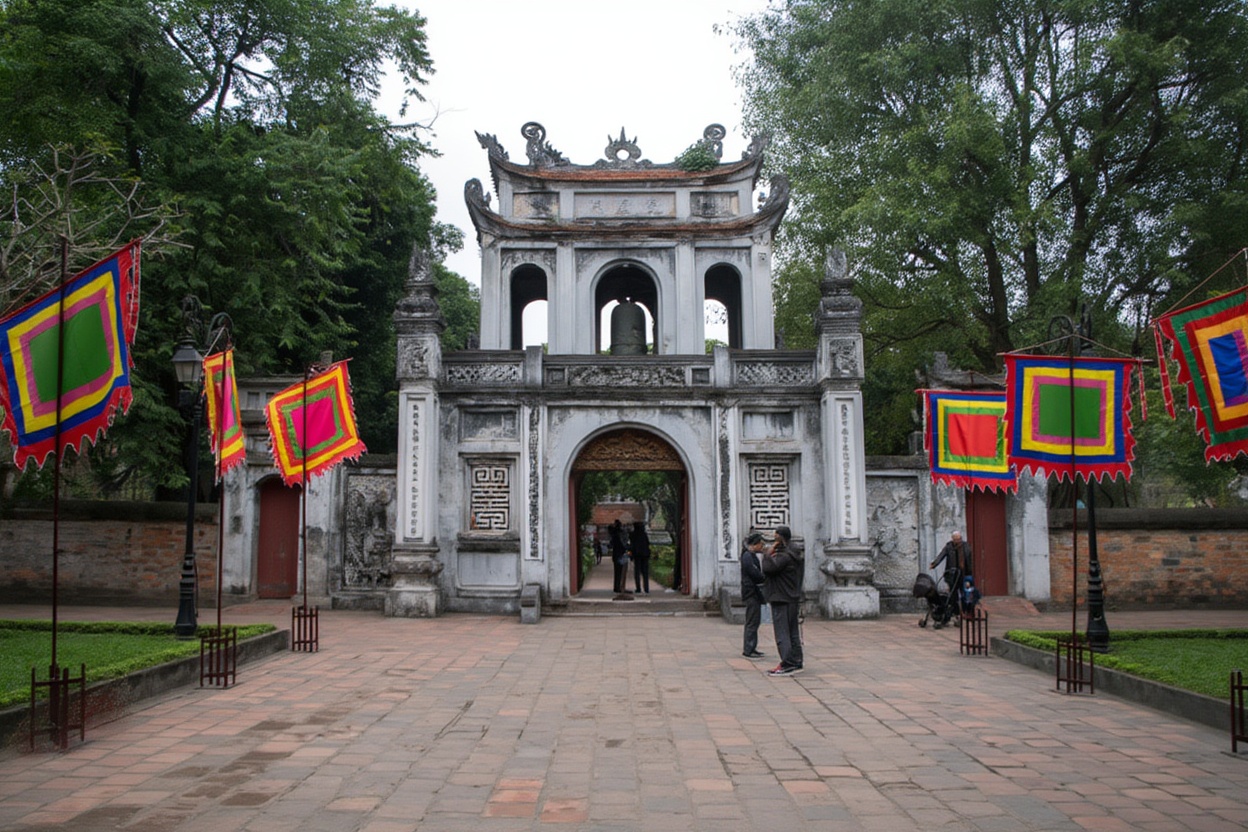
Temple of Literature — Quieter Than It Has Any Right to Be
I know. Temples. You’ve seen temples.
The Temple of Literature (Văn Miếu, say: vahn myow) is different. Built in 1070 as Vietnam’s first national university, it’s a complex of five courtyards — quiet stone pavilions, ancient turtle stelae carved with the names of scholars from centuries of exams, a reflecting pond that catches afternoon light in a way that stops mid-sentence.
Entrance: 70,000 VND (~$2.66 USD). Hours: 8am–5pm daily. Ticket counter closes 30 minutes before closing — don’t cut it close.
Go after 3pm on a weekday. The tour buses are gone. The light is golden and low. The stone paths between courtyards cool down enough to be pleasant. There’s usually someone playing traditional đàn bầu (say: dan bow — a one-stringed Vietnamese instrument) near the third courtyard in the afternoons. The sound is unlike anything you’ve heard — somewhere between a theremin and a guqin — and it floats across the old stone in a way you’ll think about later.
ℹKnow Before You Go
Shoulders and knees should be covered — this is an active Confucian temple complex, not just a museum. Wraps are available at the entrance if you forget, but it’s easier to pack a light layer. No exceptions on dress code. The staff are polite but firm about it.
The Food Stop After: Walk 10 minutes south to Nguyễn Khuyến Street — a residential strip with local pho and bún bò (say: boon boh) stalls that see essentially no tourists. The broth has been simmering since before you woke up.
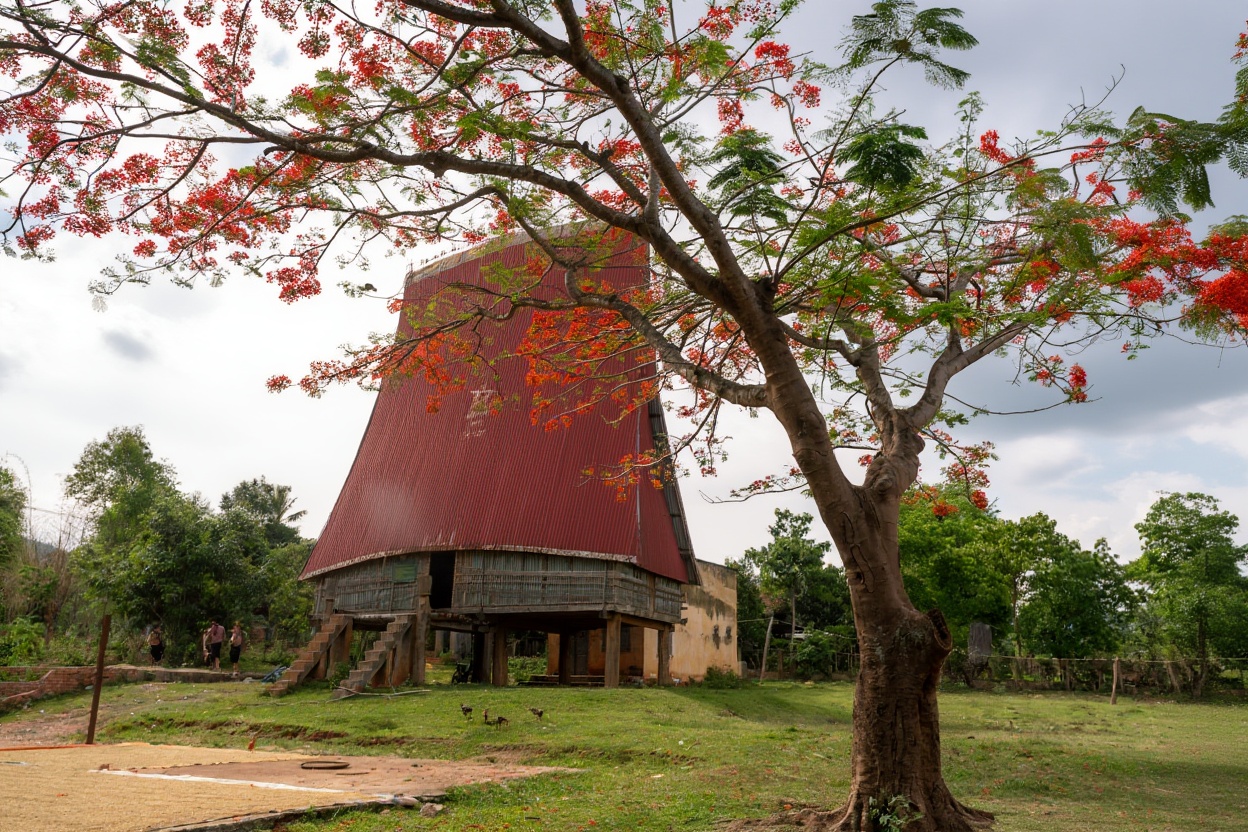
Vietnam Museum of Ethnology — The One Nobody Tells You to Go To
I’ll say something controversial.
The Vietnam Museum of Ethnology (Bảo Tàng Dân Tộc Học, say: bow tang zan tok hock) is the best museum in Hanoi. Possibly in the whole country. And it barely appears in most “things to do in Hanoi” articles.
Entrance: 40,000 VND (~$1.52). Located in Cầu Giấy District — about 30 minutes from the Old Quarter by Grab (around 35,000–50,000 VND each way). Open Tuesday–Sunday, 8:30am–5:30pm. Closed Mondays.
It covers all 54 recognized ethnic groups in Vietnam with real depth — traditional houses, textiles, ceremonial objects, ritual practices documented across centuries. The outdoor section has full-scale reconstructed stilt houses from different highland communities that you can walk through. In the green season, the thick vegetation around the houses makes you feel like you’ve teleported somewhere in the mountains.
This is the museum where everything you’ll see in northern Vietnam starts to make sense. The H’mong textile patterns at mountain markets. The communal longhouse structure. The totemic objects at roadside shrines in Ha Giang. It all lands differently after two hours here. I wish I’d come here on day one of my first Vietnam trip. Instead I came on month eighteen. By which point I was filling in context I should have had from the start.
JAKE’S PICK
Allow 2–3 hours minimum. Bring water — the outdoor section is exposed. Best in the morning before it gets hot. The temporary exhibitions on the upper floor rotate frequently and are often better than the permanent collection. Check what’s on when you visit.
The Wander After: The Cầu Giấy area around the museum has excellent local bún riêu (say: boon ryew — crab and tomato noodle soup) spots that see essentially no tourists. This is what residential Hanoi looks like when you actually leave the Old Quarter.
Quang Ba Flower Market — Go at 3am (No, Really)
This one requires commitment. It also might be the most Hanoi thing on this list.
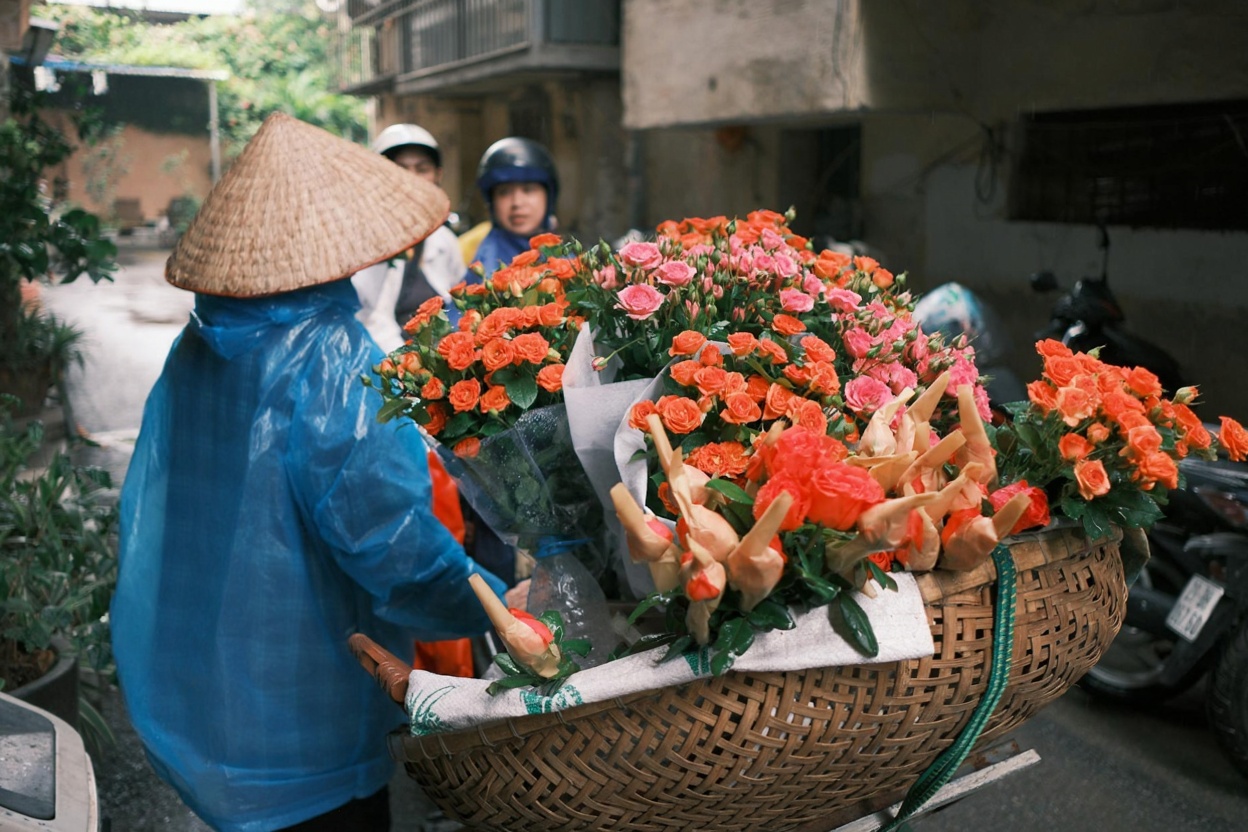
The Quảng Bá Flower Market (say: kwahng bah) runs midnight to about 6am, every night, in Tây Hồ District near West Lake. It’s where the city’s flower trade happens — wholesale vendors arriving by truck from Đà Lạt and Sapa farms, local shop owners loading up their motorbikes, the entire transaction done in the dark with no announcement and no performance.
You walk in and the smell hits immediately. Hundreds of varieties of fresh-cut flowers packed into buckets lining every aisle — roses, lilies, chrysanthemums, gerberas. The air is thick with it. Floral and wet and cold in a way that feels completely different from daytime Hanoi.
Vendors shout prices. Motorbikes weave through impossibly narrow aisles stacked with blooms. Occasionally a truck reverses and everyone shuffles sideways without breaking stride. The chatter is in Vietnamese — specifically in the fast Hanoi dialect — with the occasional burst of laughter from a group of flower sellers who’ve been doing this shift since midnight.
Nobody is there for you. Nobody is performing. That’s exactly why it works.
↗Insider Tip
Get a Grab to Phường Quảng An, Tây Hồ District — around 50,000–70,000 VND from the Old Quarter at that hour. Go between 2am and 4am for the most activity. Dress slightly warmer than you’d think necessary — the West Lake air is cooler than the Old Quarter at night. Bring cash only; this is not a card-tap environment.
Long Bien Bridge at Dawn (and the Market Below)
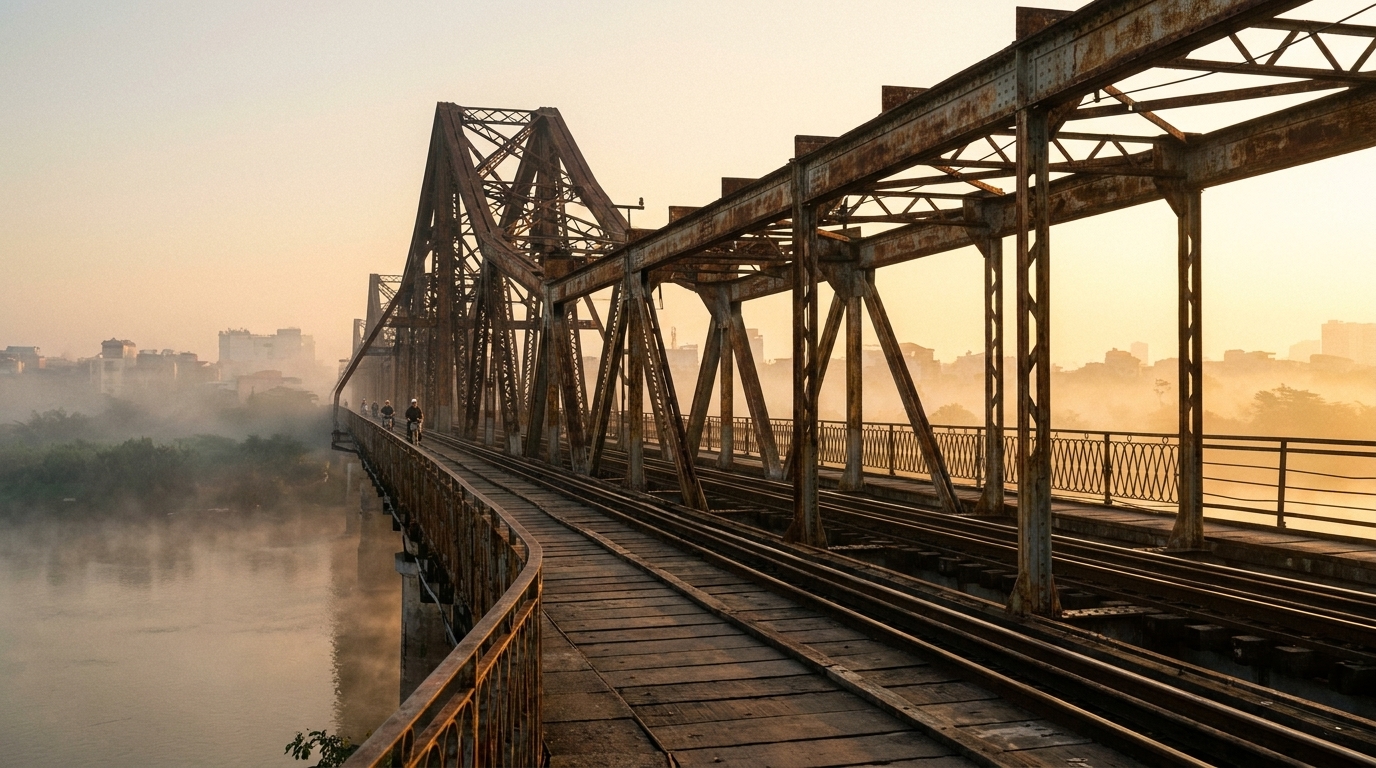
Long Bien Bridge (cầu Long Biên, say: cow long byan) was built between 1898 and 1902 under French colonial rule. It survived repeated American bombing campaigns during the war. It’s still standing. Slightly.
Walking across it at dawn — motorbikes sharing narrow lanes with the occasional pedestrian, iron structure visibly patched and weathered, the Red River below with mist still sitting on the water — feels like crossing a century. The view back toward the Old Quarter at that hour is one of my favorites in Hanoi. Not for any dramatic reason. Just because it’s honest about what the city is: old, patched together, still moving.
The Long Bien Market runs under and around the bridge from roughly midnight to 8am. Fresh produce, local breakfast stalls, the full early-morning logistics of feeding a district. Xôi (say: soy — sticky rice with various toppings) for 15,000–25,000 VND. Bún bò from 35,000 VND. Locals buying for the week. No tourist menus. No English.
Go early. Eat whatever is being cooked nearest to you. The banh mi vendors at the market entrance appear around 5:30am with still-warm bread.
ℹKnow Before You Go
Parts of Long Bien Bridge are narrow with minimal barriers. Watch where you walk, especially near the motorbike lanes. This is a functioning bridge — stay alert. The market beneath is on the Gia Lam (east) bank side. Worth the slight disorientation of crossing to “the other side.”

West Lake (Tây Hồ) — Get Out of the Old Quarter
Tây Hồ (say: tay hoh — West Lake) is where Hanoi exhales.
It’s the largest lake in the city, about 15 minutes northwest of the Old Quarter by Grab. The surrounding district is where a lot of expats and long-term residents live. The energy is slower. The coffee shops have chairs you can actually sit in for more than ten minutes. The streets don’t feel like they’re actively trying to absorb you.
The Trấn Quốc Pagoda (say: chan kwok) sits on a small peninsula extending into West Lake — it dates back to the 6th century, making it one of the oldest Buddhist temples in Hanoi. Late afternoon, the setting sun hits the red-painted stupa against the lake’s silver surface and it’s as good as it sounds. Entrance is free; donations welcome. Dress appropriately.
The Xuan Dieu strip along the east side of the lake has cafes and restaurants worth a slow evening. Trúc Bạch Lake — a smaller body of water between Tây Hồ and the Old Quarter — is quieter still, with French-era villas on the west bank and local cafes that haven’t been renovated into Instagram destinations yet.
⚠Real Talk
Tây Hồ is getting more expensive — mid-range options here cost more than equivalent Old Quarter rooms. The trade-off is space, quiet, and a much more local daily rhythm. If you’re spending 5+ days in Hanoi, at least one dinner out here is worth it. If you’re wondering whether to base yourself here vs. Old Quarter, I break down that comparison in full: Hanoi: Old Quarter vs West Lake — Where to Actually Stay.

The Food You Can’t Leave Without Eating
No honest list of things to do in Hanoi skips the food. Here’s what actually matters:
Bún Chả — Hanoi’s Defining Dish
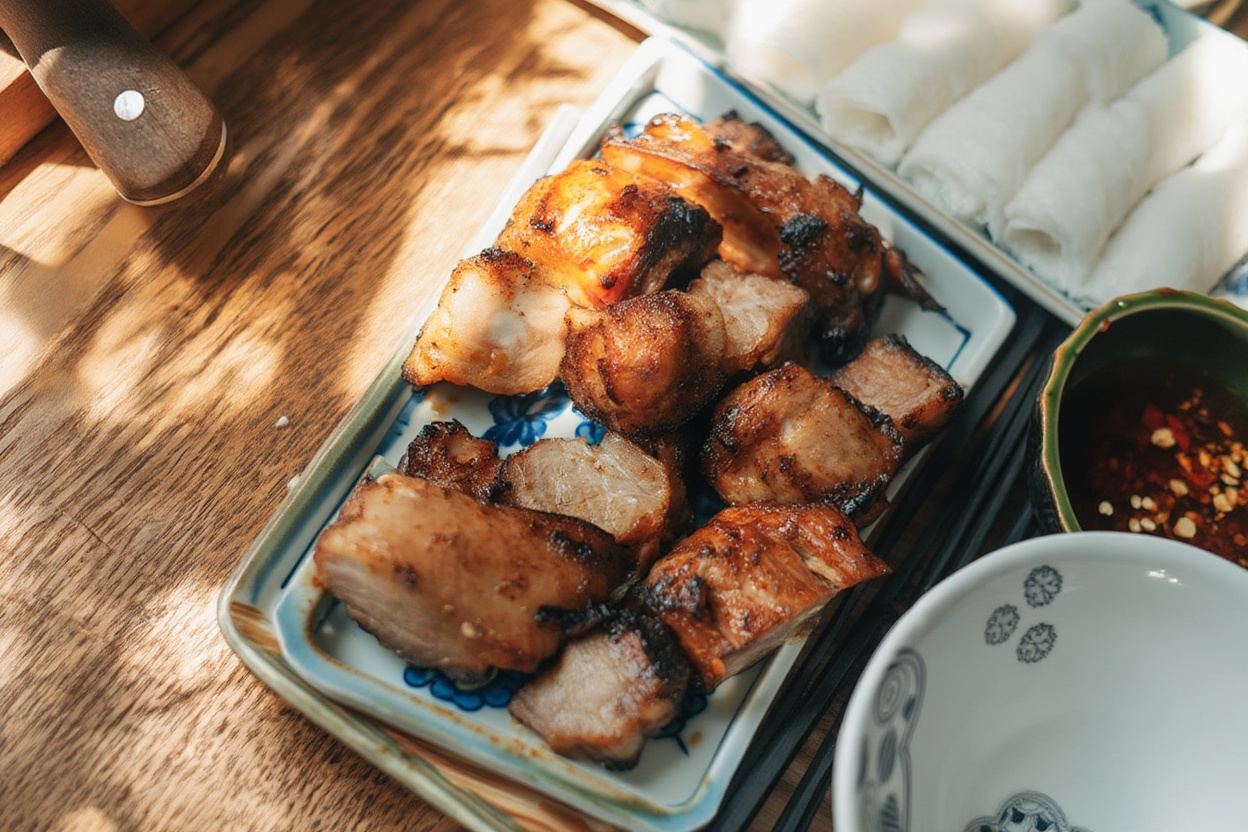
Grilled pork patties over charcoal, served with a bowl of cold dipping broth, rice noodles on the side, and a plate of fresh herbs and green papaya. The smoke from the grill hits your face before you even sit down. Bún Chả Dắc Kim at 21 P. Nguyễn Hữu Huân: communal tables, tiny plastic stools that wobble on uneven tile, 150,000 VND for a full combo with a Saigon beer. Open 7am–10pm.
Bánh Gối — The Fried Dumpling Nobody Talks About
Crisp, pyramidal, filled with pork and glass noodles. Bánh Gối Xuân Hồng at 36 Lê Đại Hành — eat immediately, dip the edges (not the whole thing) in fish sauce, best between 3–5pm when they’re coming out fastest. Around 15,000–25,000 VND each. A bag of three and a plastic stool outside is one of the better afternoons in Hanoi.
Cà Phê Trứng — Egg Coffee
Yes, it’s become a tourist thing. That doesn’t make it bad. Espresso with a sweetened egg yolk foam — rich, warm, slightly weird in a way you’ll either love immediately or need a second cup to understand. Café Giảng at 39 Nguyễn Hữu Huân, down a narrow alley — still there, still the original. Open 7am–10:30pm. Egg coffee runs 25,000–30,000 VND. Go, have one, decide for yourself. I’ll be honest — coconut coffee from a sidewalk hole-in-the-wall does more for me personally, but egg coffee is genuinely Hanoi and genuinely worth trying.
Bia Hơi — Fresh Draft Beer for 7,000 VND
Bia hơi (say: bya huh) is produced daily, served at room temperature or slightly chilled, and costs 5,000–10,000 VND a glass depending on where you sit. The corner of Tạ Hiện and Lương Ngọc Quyến in the Old Quarter is the most famous spot. Yes, it’s touristy now. I don’t care — drinking cheap beer on a plastic stool at 8pm while the city moves past you at full volume is still one of the best things you’ll do in Hanoi.
↗Insider Tip
For a more local bia hơi experience, walk three streets east of Tạ Hiện to Ngõ Huyện or Đinh Liệt. Same price, half the tourists, same beer. The plastic stool wobbles slightly differently, but that’s it.
The Social Enterprise Meal
KOTO Restaurant (Know One Teach One) trains at-risk Vietnamese youth in hospitality and professional cooking. The food is genuinely good — not charity food dressed up as a restaurant. 35 P. Văn Miếu, Đống Đa — 7am–10pm daily, reservations recommended. Book a day ahead.
Also worth knowing: Hanoi Kids is a student-run organization where university students practice English by giving free walking tours of the city. Not a scam — a genuine grassroots program running since 2006. Book via hanoikids.org — tours at 9am or 2pm, about 3 hours, completely free (you only pay for transport and any meals). 95% positive reviews on TripAdvisor. One of the better exchanges a first-time visitor can make.
And if you want a massage: Dao’s Care at 351 Hoàng Hoa Thám, Ba Đình employs and trains visually impaired therapists in Red Dao herbal treatments. Hands/head massage from 200,000 VND/30min. Open 9am–9:30pm daily, closed Tuesdays. No online booking — WhatsApp/Zalo 097.8899.539 or email hello@daoscare.com. Your money goes somewhere real here.
What’s Worth Skipping (Or Timing Very Carefully)
Ho Chi Minh Mausoleum — The Honest Assessment
I’ll be direct: three different friends I’ve taken to the Ho Chi Minh Mausoleum (Lăng Chủ Tịch, say: lang choo tich) — two called it their least-favorite experience in Hanoi.
The lines are long. You stand in full sun. The dress code is strict — shoulders and knees fully covered, no exceptions, no bag larger than a small daypack. Inside, you file past the embalmed body of Hồ Chí Minh in respectful silence. The experience takes about two minutes.
Is it historically significant? Yes. Is it worth three hours of your time in 38°C heat? That depends entirely on you. If you have a genuine interest in Vietnamese political history or the figure of Hồ Chí Minh, go. If you’re ticking a box, the Ho Chi Minh Museum next door gives you more context with less queueing. Entrance is free. Closed Mondays and Fridays. Hours: 7:30–10:30am weekdays (Apr–Oct), 8–11am weekdays (Nov–Mar). Closes annually for maintenance — typically June through July — so check before visiting if you’re coming in those months.
Train Street — Current Situation
Train Street (the stretch along Phùng Hưng where café tables used to sit inches from an active train track) has had a complicated few years. As of April 2026: cafes are operating and independent visitors can watch trains pass from licensed spots — but you have to buy a drink to access them, and group tours have been banned since March 2025. Trains run approximately every 3–4 hours, typically around 3–3:30pm and 7–7:30pm. The Phùng Hưng section is accessible via café entrances; the Lê Duẩn stretch is calmer and fully open from the street.
Real Talk: it’s worth 45 minutes of your time, not half a day. Buy a coffee, watch one train pass, leave. Full current guide: Hanoi Train Street 2026: What’s Actually Open and What Isn’t.
Day Trips That Are Actually Worth the Effort
Two destinations are worth a day trip from Hanoi, though both are significantly better with an overnight.
Ninh Binh (say: nin bin): Limestone karst scenery, ancient temple complexes, boat trips through cave systems on the Tràng An circuit. About 2 hours south by road. Minimum one night if you want to feel it rather than rush through it. Full logistics: Ninh Binh from Hanoi: How to Get There Without Getting Ripped Off.
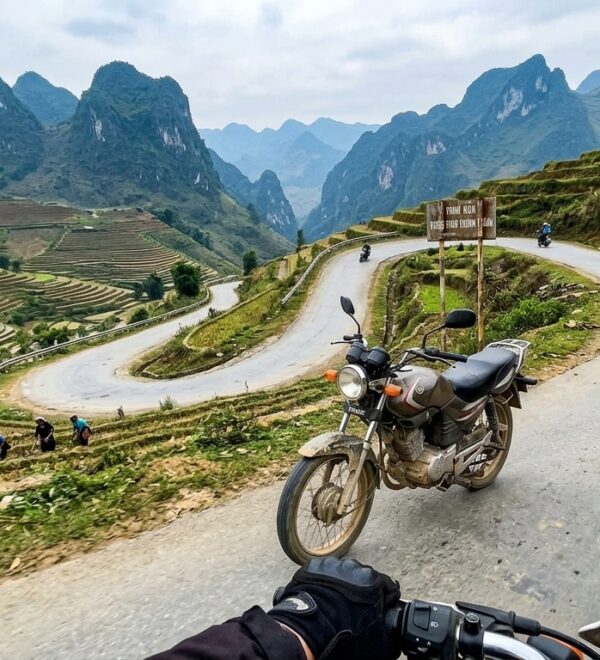
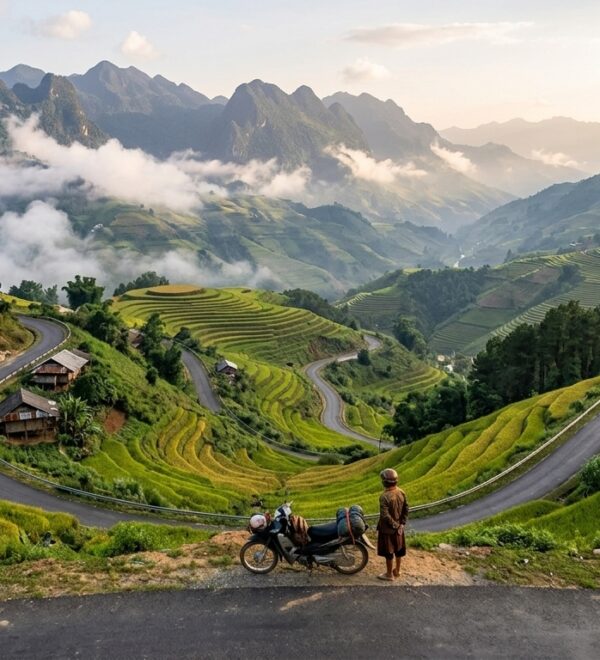
Hà Giang (say: hah yuhng): Northern Vietnam’s most dramatic mountain province. The Hà Giang Loop is arguably the best motorcycle road in Southeast Asia — but plan at least 4 days, not a weekend. Not a day trip. Not even a 2-day trip. More on this soon.
⚠Real Talk
The Hà Long Bay day trip from Hanoi is 4 hours of driving each way for a few hours on the water. If you’re going to Hà Long Bay — and you probably should — do an overnight cruise and actually sleep on the water. A day trip is technically possible and genuinely not worth it. Full guide: Ha Long Bay Cruise Guide: How to Choose Without Getting Scammed.
Where to Stay in Hanoi — The Honest Breakdown
Budget — dorm beds 100,000–200,000 VND ($4–8): Little Charm Hanoi Hostel is small, clean, on a quieter side street off the main Old Quarter noise. Staff are genuinely helpful. Hanoi Backpackers Hostel on Tạ Hiện has the rooftop bar and social scene if meeting people is the priority.
Mid-range — private rooms 800,000–1,100,000 VND ($33–45): Boutique guesthouses in the Old Quarter cluster. Important caveat: a lot of Old Quarter “tube houses” are narrow and dark — ask specifically about natural light before booking. It matters more than you think.
mese properties than Booking.com. Book your first night before arriving. Do not arrive without a reservation — people genuinely get turned away from five hostels in a row when the city is full.
For a full breakdown of which area suits which type of trip: Hanoi: Old Quarter vs West Lake — Where to Actually Stay.
Getting Around Hanoi Without Getting Ripped Off
From Noi Bai Airport to Old Quarter: Use Grab. Cost: around 450,000 VND (~$18 USD). About 50 minutes. Open the Grab app before you leave the terminal, set your destination, wait in the designated pickup zone. Do not engage with taxi touts in the arrivals hall — the airport taxi switch scam (being taken to a different hotel than booked, then charged for the time) is still happening in 2026 and it’s exactly as annoying as it sounds.
✓Quick Answer
12Go covers most Vietnam routes — sleeper buses, trains, and island ferries. Compare schedules and book in advance during peak season (Dec–Feb, Jun–Aug).
Getting from Noi Bai Airport to Hanoi Old Quarter costs approximately 450,000 VND (~$18 USD) via Grab and takes 40–55 minutes depending on traffic. The public airport bus costs 45,000 VND but takes longer.
Around the city: Grab (GrabBike or GrabCar). Old Quarter to West Lake: 30,000–50,000 VND ($1.20–2). Transparent pricing, no negotiation required, payment by cash or card in-app.
Local bus: 7,000 VND per ride ($0.30) anywhere in the city. Use the Hanoi Bus or Moovit apps for routes. Announcements in Vietnamese only. Crowded during rush hour (7–9am and 5–7pm). Perfectly functional if you’re not in a hurry and enjoy not knowing exactly where you are.
Walking: The Old Quarter and Hoan Kiem area are walkable. Everything else is Grab territory.
ℹKnow Before You Go
Cash is king for street food, local restaurants, and smaller shops. Most places do not take cards or Apple Pay. Get VND from an ATM near Hoan Kiem Lake when you arrive — not from ATMs inside the airport where fees are higher. Budget $20–35 USD per day for a comfortable backpacker experience; $45–80 for mid-range travel with some meals at sit-down restaurants.
What Travelers Actually Say: The Consensus
Hanoi reviews divide along one reliable line: time of day. Travelers who were up at 6am consistently describe it as one of the most rewarding cities in Southeast Asia — early light on Hoan Kiem Lake, empty Old Quarter alleys, the smell of phở broth through shutters, tai chi on the lakefront. Travelers who arrived midday and spent the afternoon on the tourist strip describe something more chaotic and less rewarding. The physical city is identical. The timing is everything.
The specific complaints in Hanoi reviews cluster around the same handful of issues: touts near Hoan Kiem Lake, motorbike taxi overcharging at the airport, and the “five-minute” lie around Hanoi Train Street. All three are predictable and avoidable. Use Grab from the airport. Know the train schedule before you arrive at Train Street. Walk past the Hoan Kiem touts to the lake itself. The underlying city, past those friction points, is one of the most genuinely interesting in Asia.
⚠Real Talk
Hanoi doesn’t reward the traveler who arrives expecting something. It rewards the one who arrives open to something. The travelers who left disappointed almost always had a fixed idea — “like Bangkok but different” or “like what I imagined from the photos.” The ones who left with the city in their head arrived without a comparison frame. Give it three days before forming an opinion.
Frequently Asked Questions About Things to Do in Hanoi
What is the best time to visit Hanoi?
October to April is the most comfortable — temperatures between 15–25°C, lower humidity, occasional mild cool spells in December–January that locals treat as dramatic winter. May through September is hot and humid (up to 38°C in July–August) with frequent afternoon rain. Hanoi has a real winter: January nights can drop to 12–15°C, which is cold enough to feel cold. Pack a layer if you’re coming in December–February. Full breakdown: Best Time to Visit Vietnam by Region.
Klook has the widest selection for Vietnam and is usually the cheapest. KKday is strong on day trips and local experiences.
arriving in Hanoi?
Yes. Grab for transport — set it up before you land and add a payment method. Google Maps works but offline maps via Maps.me are useful as backup. For eSIM data, Airalo works well in Vietnam; grab one before you leave home so you have connectivity the moment you land. Viettel and Vietnamobile local SIMs are available at the airport if you prefer a physical SIM — around 150,000–200,000 VND for a data package.
One Last Thing Before You Go
Hanoi doesn’t reveal itself immediately. It’s not that kind of city.
The first day is overwhelming. The second day, something unlocks. By day three, you’re eating bún chả at the same table you sat at yesterday and the owner nods at you like you’ve been coming for years. The city hasn’t changed. You have.
If you only do one thing from this list, make it early morning at Hoan Kiem Lake. Sit near the water. Watch the city start its day. No agenda, no list, no ticking off. Everything else on this page comes easier after that.
Still figuring out where to sleep? Start here: Old Quarter vs West Lake — Honest Guide to Where to Stay in Hanoi. Working out your wider Vietnam route? See the full itinerary guide: Vietnam Itinerary: Honest Routes from 1 Week to 1 Month.
Frequently Asked Questions
How many days do you need in Hanoi?
Three days is the sweet spot for first-timers — enough to cover the Old Quarter, Hoan Kiem Lake, Ba Dinh district (Ho Chi Minh Mausoleum, Temple of Literature), and the food scene without rushing. Five days is ideal if you want a day trip to Ninh Binh or the Perfume Pagoda included.
Is Hanoi safe for solo travelers?
Very safe for violent crime. The real risks are motorbike bag snatching (keep bags on the wall side, not road side), overpriced taxis at tourist sites (use Grab exclusively), and aggressive vendors in the Old Quarter. Female solo travelers generally feel safe walking at night in the Old Quarter and West Lake areas.