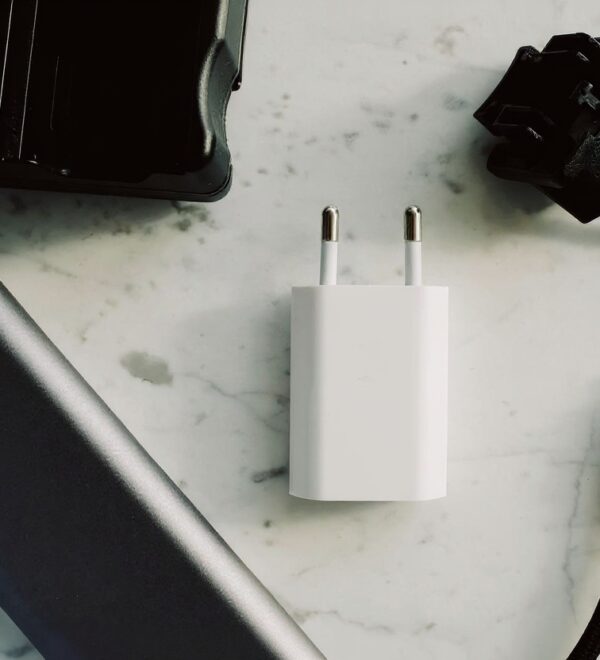
Vietnam runs on 220V and uses a variety of plug types — our Vietnam electricity and plug adapter guide covers exactly what you need and what you can skip.
The Philosophy: Pack Half, Then Remove Half Again
My first trip to Vietnam — before I moved here — I packed a 65L backpack. It was full. I checked it, paid the fee, dragged it across Hanoi in August humidity, and spent the first three days hating everything I owned.
Five years later, I fly with a 26L daypack as carry-on only. I do laundry every 3–4 days. I buy things here when I need them. I have never, not once, wished I’d brought more stuff.

Vietnam makes overpacking particularly pointless because:
- Laundry services are everywhere and cheap — 30,000–50,000 VND per kg ($1.20–2), usually returned the same day
- Pharmacies (nhà thuốc) stock everything from Panadol to antifungal cream to antihistamines — no prescription required for most things
- Markets and shops sell clothes, shoes, adapters, chargers, and toiletries in every city
- Airlines flying within Vietnam have strict baggage rules — 7kg carry-on, 20–23kg checked — and you’ll take domestic flights
The goal of this list is not to tell you everything you could bring. It’s to tell you what actually matters and what you’ll regret packing.
Clothes: What the Heat Demands

Vietnam’s climate is not uniform. In August, Hanoi is 35°C and 85% humidity. In January, Sapa is 5°C with fog. In Hoi An in March, it’s 28°C and perfect. Pack for your actual route, not a generic “Vietnam.”
For the south (Saigon, Mekong, Phu Quoc) or anywhere May–September:
- 3–4 lightweight moisture-wicking t-shirts or linen tops. Cotton is fine but dries slowly when you sweat through it at 10am.
- 2 pairs of lightweight trousers or shorts — one that covers the knee (for temples)
- 1 lightweight long-sleeve shirt. Does double duty for temple visits, air-conditioned buses, and sun protection
- 1 light dress or smart-casual top if you’re eating at nicer places
- Swimming costume/trunks if you’re hitting beaches or boat trips
For the north (Hanoi, Ha Giang, Sapa) October–February:
- Everything above, plus a light fleece or midlayer
- One heavier layer — a down jacket or thick fleece — for Sapa, Ha Giang, or Mao Son mountain above 1,500m. Locals in Ha Giang wear down jackets when you’d be comfortable in a t-shirt, because the wind at 1,500m cuts differently than it does in the valley
- Long trousers rather than shorts as your main bottoms
For central Vietnam (Hue, Hoi An, Da Nang) November–January:
- Rain gear — central Vietnam floods in November. Not heavy rain. Actual floods. A waterproof jacket is non-negotiable
- Layers — it can drop to 15°C at night in Hue in January, which feels colder than it sounds after weeks in tropical heat
> **Quick Answer:** How many clothes for two weeks in Vietnam? 3 tops, 2 bottoms, 1 layer, 1 rain jacket, 1 temple-appropriate item. Do laundry every 3–4 days. You need less than you think.
Footwear: The One Thing People Get Wrong
People arrive in Vietnam wearing flip-flops for everything. This works in Hoi An beach town or Phu Quoc resort strip. It doesn’t work anywhere else.
The streets of Hanoi’s Old Quarter are uneven stone. The paths at Trang An in Ninh Binh are wet and slippery. The Ha Giang Loop roads have gravel patches and stream crossings. Nguom Ngao Cave’s floor is wet rock. You need one pair of shoes that can handle all of this.
What to bring:
- 1 pair of trail runners or sturdy walking shoes. Waterproof-lined if you’re going north October–February or doing Ha Giang. Merrell, Salomon, or similar. These are your primary shoes for 80% of the trip.
- 1 pair of sandals or flip-flops. For the beach, guesthouse showers, casual evenings. Havaianas or Birkenstock — something that stays on your foot. Not for anywhere with slippery surfaces.
What not to bring: Heels. Smart leather shoes. Running trainers that you don’t want to get dirty. Heavy boots for anything less than serious trekking.
Buy sandals in Vietnam if you forget them — they’re everywhere and cost 80,000–150,000 VND ($3–6) in any market. Don’t buy shoes here if you’re over a size 42 EU — sizing up is difficult.
The Rain Situation — Jacket, Not Umbrella

Vietnam gets serious rain. Hanoi has a distinct rainy season (May–September). Central Vietnam floods in November. Even in dry season, afternoon thunderstorms appear without warning and dump water for 45 minutes.
Bring a rain jacket. Not an umbrella.
Umbrellas in Vietnam are fine for walking between buildings but useless on a motorbike, at a street food stall, or on a boat. A packable rain jacket weighs 200 grams, fits in a stuff sack the size of a water bottle, and covers you anywhere. Get one with a hood. The Decathlon Forclaz or any packable waterproof works fine — doesn’t need to be Gore-Tex for Vietnam’s temperatures.
If you forget: rain ponchos are sold at every petrol station and market for 30,000–50,000 VND. They’re not elegant but they work.
Tech and Electronics
Vietnam uses Type A and Type C plugs (same as the US, mostly). If you’re coming from Europe or Australia, bring a universal adapter — one is enough.
The non-negotiables:
- Power bank. 20,000mAh minimum. Your phone dies fast when you’re using Maps, translating menus, and photographing everything. Charging stops are not always convenient.
- Unlocked phone. Buy a local SIM at the airport or any phone shop (Viettel for best coverage in the north). See our Vietnam SIM card guide for carrier specifics — Viettel is non-negotiable if you’re going to Ha Giang or Cao Bang.
- USB-C cable. At least two. They break and get left in guesthouses.
Worth bringing:
- Camera — your phone is fine for everything except Ha Giang dawn light, where actual lens glass matters
- Earbuds — overnight buses, 6-hour train journeys, noisy guesthouses
- Portable speaker — if you’re staying in homestays or doing group travel
- E-reader — long train journeys and guesthouse evenings
Leave at home: Laptop unless you need it for work. Heavy camera tripods. Travel hair straighteners. Anything that takes up space and requires charging.
Health and Pharmacy
Vietnamese pharmacies are genuinely well-stocked. Major cities have international pharmacies (Medicare, Pharmacity) that carry brand-name medications with English labeling. Smaller towns have local pharmacies (nhà thuốc) that stock everything you realistically need without requiring a prescription.
That said, some things are worth bringing from home:
Medical Kit — What Actually Matters
| Item | Why | Get in Vietnam? |
|---|---|---|
| Paracetamol / ibuprofen | Standard | Yes — cheap everywhere |
| Oral rehydration salts | Food poisoning happens | Yes — every pharmacy |
| Antihistamine (cetirizine) | Mosquitoes, dust, mold | Yes — pharmacy |
| Immodium / loperamide | First week gut adjustment | Yes — pharmacy |
| Motion sickness tablets | Ha Giang passes, boat trips | Yes — pharmacy |
| Reef-safe sunscreen SPF 50+ | Hard to find locally | Difficult — bring it |
| DEET mosquito repellent | Dengue risk in rainy season | Yes — but bring 50% DEET |
| Blister plasters | New shoes, cobblestones | Limited — bring some |
| Your prescription medications | Obvious | May not be available — bring 2-week supply minimum |
| Antifungal cream | Humidity causes issues | Yes — pharmacy |
One thing people consistently forget: motion sickness tablets for Ha Giang. The passes between Đồng Văn and Mèo Vạc involve consecutive hairpin switchbacks for 30–40 minutes. If you’re prone to motion sickness, this is not a section to discover your vulnerability. Bring tablets and take them 30 minutes before the passes, not after you start feeling sick.
For comprehensive Vietnam health prep — vaccines, malaria risk zones, what to do if you get sick — see our Vietnam travel tips guide.
Documents and Admin
> **Quick Answer:** Required: passport (valid 6+ months beyond travel dates), Vietnam e-visa printout or confirmation email, travel insurance policy number and emergency contact. Recommended: 2 passport photos (for any unexpected permits), color photocopy of passport bio page kept separate from original.
E-visa: Apply at evisa.xuatnhapcanh.gov.vn — takes 3 business days, costs $25, valid 90 days multiple entry. Print a paper copy as backup. Some border officials and guesthouse check-ins still prefer paper. See our Vietnam visa guide for the full step-by-step.
Travel insurance: Write your policy number and emergency claim number in your phone notes AND on paper. Know in advance whether your policy covers motorbike riding — many don’t unless you have a valid IDP. SafetyWing and World Nomads both cover motorbike riding with a valid license; check your policy before you ride.
IDP (International Driving Permit): Required if you’re renting a motorbike. Get it before you leave home — Vietnam doesn’t issue them to foreign nationals. The Vienna Convention 1968 type is what Vietnam recognizes. Your home country’s automobile association issues them in 1–2 days for $20–40.
Digital copies: Store everything in Google Drive or similar — passport, visa, insurance policy, vaccination certificate (if relevant), hotel bookings. Not because you’ll need them constantly, but because losing your physical passport in Đồng Văn with no digital copy is a special kind of bad day.
What to Buy in Vietnam Instead of Packing It
This list saves space and often money:
- Toiletries. Shampoo, conditioner, body wash, toothpaste — all available in every 7-Eleven, pharmacy, and minimart. Travel-size bottles are sold everywhere. Don’t pack a full bottle of anything liquid.
- Towels. Every guesthouse and hotel provides them. Even the $8/night places in Ha Giang.
- Insect repellent. Available in pharmacies, though local brands are typically lower concentration. If you want 50% DEET, bring it.
- Rain poncho. Sold at petrol stations for 30,000 VND. Not a substitute for a real rain jacket but fine for an afternoon shower.
- Padlock. Guesthouses in Ha Giang and rural areas often use rooms with a latch rather than a keyed lock. A small padlock (bought at any hardware store in Vietnam for 30,000–50,000 VND) solves this.
- Clothes in Hoi An. If you’re going to Hoi An, pack minimally and get clothes made. A custom shirt costs $15–25. Custom trousers: $20–35. Custom dress: $30–60. Everything fitted to your measurements in 24–48 hours. Pack one or two basics and fill in with tailored pieces.
Region-Specific Additions
Ha Giang Loop specifically:
- Full-fingered gloves — essential for the passes. The wind at Ma Pi Leng at speed is cold enough to make your knuckles ache within 10 minutes, even in October
- Helmet that fits — rental helmets are often too large for Western heads. Check fit carefully; if it moves independently of your head, it’s too big
- Knee and elbow pads — not required but worth it for first-time mountain motorbike riders. Falls on gravel passes are not theoretical
- Waterproof bags for your pack — the seat compartment on a motorbike isn’t waterproof
Full Ha Giang packing breakdown: Ha Giang Loop packing list — covers the gear specifics in more detail than this general list can.
Beach destinations (Phu Quoc, Nha Trang, Hoi An, Con Dao):
- Reef-safe sunscreen — harder to find locally, and coral bleaching from regular sunscreen is a real problem in Vietnam’s marine parks
- Rash guard if you’re snorkeling — sun exposure in tropical water is underestimated
- Dry bag — for boat trips, island-hopping, anywhere gear might get wet
North Vietnam winter (November–February):
- Thermal underlayer — one set is enough. Hanoi feels colder than it is because of humidity; Sapa and Ha Giang are genuinely cold
- Hat and gloves — lightweight, packable. The wind in the northern highlands in January is not polite
- Hand warmer packets — optional but genuinely useful for early morning motorbike rides above 1,500m
Jake’s Actual Packing List (What’s In My Bag)
Carry-On Only — 2 Weeks Vietnam (Any Season)
| Category | Items |
|---|---|
| Clothes | 3× linen/moisture-wicking tees, 1× long-sleeve, 2× lightweight trousers (one shorts-length), 1× rain jacket, 1× thin fleece (if going north Oct–Mar), underwear × 5, socks × 4 |
| Shoes | Trail runners (on feet), sandals (in bag) |
| Tech | Phone, 20,000mAh power bank, universal adapter, 2× USB-C cables, earbuds, camera (optional) |
| Health | Paracetamol, ORS sachets, antihistamine, motion sickness tablets, reef-safe SPF 50, DEET 50%, blister plasters, prescription meds |
| Documents | Passport, e-visa printout, insurance docs, IDP (if riding), 2× passport photos |
| Misc | Reusable water bottle, small padlock, packing cubes (optional), headlamp or torch for power cuts |
Bag: Osprey Daylite Plus 20L or similar. Total weight with everything: 6–7kg. Fits in overhead on VietJet and Bamboo Airways domestic flights.
Packing Organization: How to Actually Use a Carry-On
People who struggle with carry-on-only travel usually have the wrong system, not the wrong bag size. A few things that work:
Packing cubes. One cube per category: clothes, tech, health/documents. They compress, they keep you organized, and they make it possible to actually find your motion sickness tablets at 6am on a mountain pass without unpacking your entire bag. Not glamorous advice but genuinely useful.
Wear your heaviest items on travel days. Trail runners and your fleece don’t need to go in the bag if they’re on your body. On a flying day, you reclaim 1–1.5kg of carry-on weight immediately.
Decant liquids ruthlessly. Bring 100ml travel bottles, not 250ml “travel size” bottles that still exceed airline liquid limits. Refill from large bottles bought in Vietnam. Three 100ml bottles covers shampoo, conditioner, and sunscreen for a week. You don’t need anything else.
The “one in, one out” rule for clothes. If you buy something in Vietnam (which you will — a shirt at a night market, a linen top in Hoi An), something else leaves. Either mail it home, leave it at a guesthouse for the next traveler, or accept that your bag gets heavier. Most people choose to leave things. Vietnamese guesthouses have a corner pile of abandoned Western t-shirts and it’s understood.
Vietnam-Specific Packing: What Generic SE Asia Lists Miss
Most “Southeast Asia packing” lists are written for Thailand or Bali. Vietnam has specific differences worth calling out:
The cold is real in the north. Thailand packing lists never mention a fleece. In Vietnam’s northern highlands from November to February, you genuinely need one. The temperature in Sapa in January can drop to 2°C at night. Ha Giang in the fog season is cold enough that locals wear down jackets. This is not a minor variation.
The roads demand more footwear. Bali requires flip-flops. Vietnam requires flip-flops AND real shoes, because the Ha Giang Loop roads, the cave floors at Phong Nha, and the cobblestones of Hanoi’s Old Quarter are incompatible with footwear that doesn’t grip.
Laundry is faster and cheaper than Thailand. Thailand’s laundry services are good. Vietnam’s are exceptional — same-day, cheap, pressed if you want. You can genuinely pack 3 tops for a 2-week trip and be fine. This is less true in Thailand (especially outside tourist zones) and almost never true in Cambodia or Laos.
Pharmacies are better than you expect. Vietnam has more and better-stocked pharmacies per capita than most countries in the region. The pharmacist at a Pharmacity in Hanoi or Ho Chi Minh City will often recommend exactly what you need without a prescription, and the quality of Vietnamese-manufactured generic medications is reliable. Don’t pack a mini hospital — pack what you need for the first 48 hours and buy anything else in-country.
What Not to Pack (Seriously)
Every item on this list is something I’ve watched travelers haul across Vietnam and wish they hadn’t:
- Travel towel. Guesthouses provide them. Even the cheap ones.
- Guidebook. Physical books. Every single useful fact in a guidebook is on your phone and more current.
- Jeans. They take 24 hours to dry in Hanoi humidity, weigh 1.2kg, and are unbearable in 35°C heat. Leave them home.
- Hairdryer. Provided by every accommodation above $15/night. Below $15/night you have a fan, which works fine.
- Expensive jewelry. Not because Vietnam is unsafe, but because you’ll worry about it and worry ruins trips.
- More than 2 pairs of shoes. You won’t wear the third pair.
- A 65L backpack. Unless you’re living here for 6 months, it’s too big. You’ll fill it with things you don’t need and hate yourself on day 3.
FAQ: Vietnam Packing Questions People Actually Search
- Do I need to pack formal clothes for Vietnam?
- No. Even Hanoi’s nicer restaurants accept smart-casual. The only place you’ll feel underdressed in a t-shirt is a five-star hotel bar, and the t-shirt is still fine there. Vietnam is casual. Pack comfortable, not formal.
- What should female travelers pack for temple visits?
- Shoulders and knees covered — that’s the standard requirement at most temples, pagodas, and imperial sites. A lightweight long-sleeve shirt and trousers that cover the knee covers this. A sarong or wrap works as a backup; many temples sell or loan them at the entrance. No need to pack a dedicated “temple outfit.”
- Can I buy clothes in Vietnam?
- Yes — especially in Hanoi’s markets (Đồng Xuân market) and Hoi An tailors. Sizing runs smaller than Western norms, so if you’re a larger Western size, options narrow. Bring your basics and supplement locally. Don’t count on finding a size XL t-shirt in the exact color you want in rural Ha Giang.
- Should I pack a laptop?
- Only if you need it for work. Most guesthouses have wifi (variable quality). Cafes in Hanoi and Hoi An have reliable connection for video calls. If you’re working remotely, a laptop is necessary. If you’re on holiday, it’s dead weight that you’ll guard anxiously on every bus and motorbike.
- Is Vietnam tap water safe to drink from my filtered bottle?
- No — Vietnam’s tap water is not safe to drink without proper filtration. A LifeStraw or Sawyer filter reduces most bacteria but doesn’t handle heavy metals common in Vietnam’s older piping. Use bottled water (5,000–10,000 VND per 500ml, available everywhere) or bring iodine tablets for emergencies. A reusable bottle is still worth packing to reduce plastic use — fill from large dispensers at guesthouses rather than buying individual bottles.
Planning Cheat Sheet
- Bag size: 26–35L carry-on for up to 3 weeks. 45L max if checking for 1+ month.
- Do laundry: Every 3–4 days, 30,000–50,000 VND/kg, same-day return
- Climate by region: South = always hot. North = seasonal (cold Nov–Feb). Central = rainy Nov–Jan
- Don’t pack: Towel, hairdryer, toiletries (full size), jeans, guidebook
- Do pack: Rain jacket, power bank, motion sickness tablets, reef-safe sunscreen, IDP if riding
- Buy in Vietnam: Toiletries, poncho, padlock, sandals (size 42 EU and under), clothes in Hoi An
- Visa: Get your e-visa sorted at least 5 days before travel
- SIM card: Viettel SIM — buy at airport on arrival
- For Ha Giang: Full Ha Giang packing list — extra gear needed
- For budget specifics: Vietnam daily budget guide — real cost breakdown 2026