Last updated: June 2026 — verified against current Vietnam electrical standards
Packing for Vietnam is different enough from other Southeast Asia trips to be worth thinking through — our Vietnam packing list cuts the generic advice and focuses on what Jake actually brings.
First week in Hanoi. I had a white Macbook charger that had survived three countries, two monsoon seasons, and a backpack that fell off a motorbike. I plugged it into a wall socket in my Old Quarter guesthouse without looking at the label.
The pop was loud enough that my roommate dropped his chopsticks.
The charger was rated 110V only. Vietnam runs 220V. I had an adapter — the correct physical plug shape — but zero idea that voltage and plug shape are completely different problems. I spent the next three days running every errand from a café in Lương Văn Can with 8% battery.
Here’s everything I should have known before I plugged anything in.
What Plug Type Does Vietnam Use?
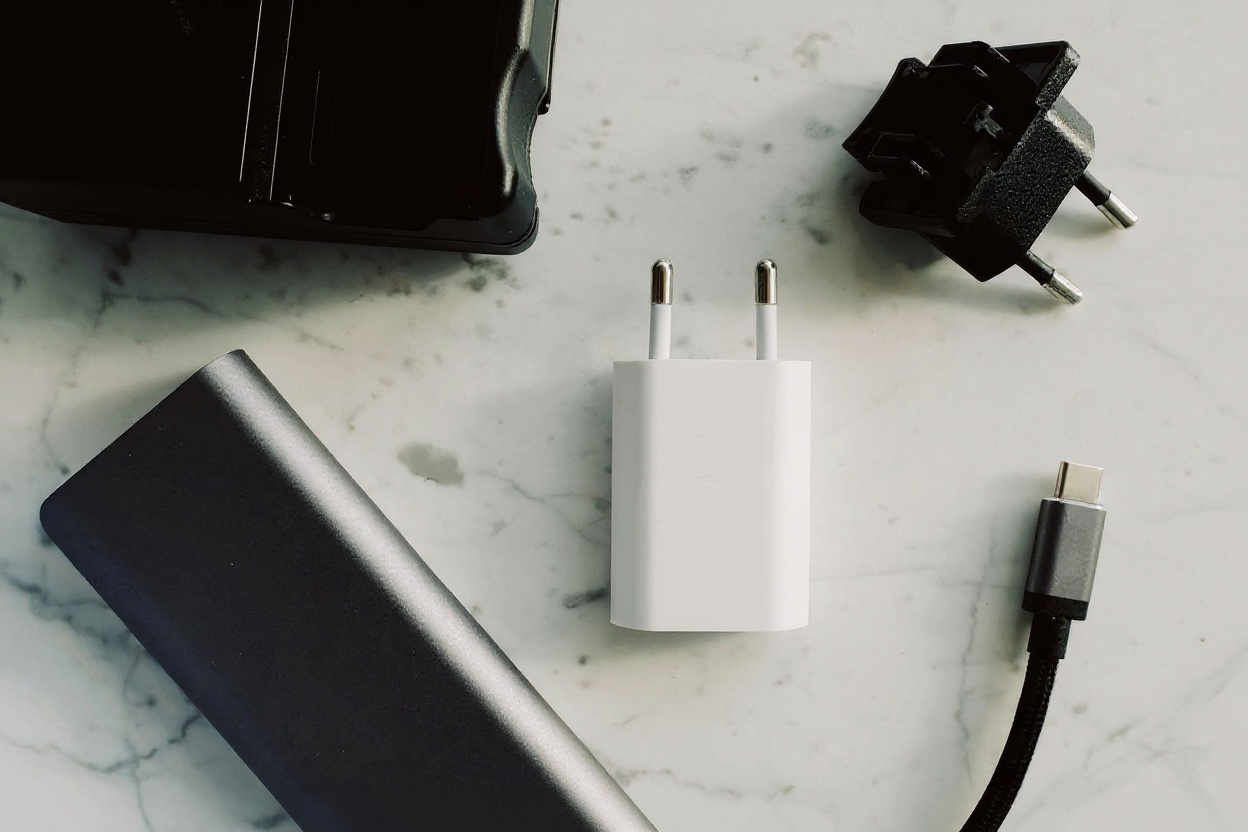
Vietnam primarily uses Type A and Type C sockets. Occasionally you’ll encounter Type F (the German/European Schuko) and older Type D sockets in budget guesthouses — but Type A and C are what you’ll see 90% of the time.
✓Quick Answer
Vietnam uses Type A (two flat vertical prongs) and Type C (two round prongs) sockets. Americans often plug straight into Type A without any adapter. Europeans need a Type A adapter. Australians need either Type A or a universal adapter. All at 220V.
Here’s what each type looks like:
One catch: Vietnam sockets are often worn out from years of hard use. The slots are slightly loose. Plugs slide in but don’t grip well — your charger might power on and off depending on how firmly it’s seated. Annoying, not dangerous. Most guesthouse desks have a rubber-banded extension board sitting on the floor as the unofficial solution.
⚠Real Talk
American flat-prong chargers technically fit Type A sockets — but US plugs are rated for 110V and Vietnam runs 220V. If your device label says “INPUT: 100-240V” you’re fine. If it says “INPUT: 110V” only, you have the right plug shape but you’re still going to fry it.
Vietnam Voltage: The Thing That Actually Matters
Vietnam’s electrical supply is 220V at 50Hz.
The United States runs at 110V/60Hz. The difference isn’t subtle — plugging a 110V-rated appliance into a 220V socket doubles the electrical current through it. In my Macbook charger’s case, the result was a small explosion and a charger that would never charge again.

Here’s how to check your device in thirty seconds:
Flip it over. Find the label. Look for the line that says “INPUT:” or “AC INPUT.” Most modern devices will say something like:
“INPUT: 100-240V ~ 50/60Hz”
That means it’s dual-voltage. You can use it anywhere in the world with just a plug adapter — no voltage converter needed.
If it says:
“INPUT: 110-120V ~ 60Hz”
That’s a single-voltage device. Using it in Vietnam will damage it. You need a voltage converter, not just an adapter. The converter is the bigger, heavier box — usually 500g to 1kg — that actually steps the current down before it hits your device.
✓Quick Answer
Vietnam’s voltage is 220V/50Hz. Most modern phones, laptops, cameras, and USB chargers are dual-voltage (100-240V) and only need a plug adapter. Hair dryers, straighteners, and old electric shavers are often single-voltage (110V) and need a full voltage converter.
What Devices Need What: The Quick Breakdown
Five years of answering this question in expat Facebook groups has taught me one thing: people panic about electricity more than they need to, then promptly blow up the one device they should have checked first.
ℹKnow Before You Go
The confusion comes from mixing up two separate problems: plug shape (fixed by a $2 adapter) and voltage compatibility (fixed by checking the label — if it’s wrong, you need a converter or a new device).
Here’s the practical breakdown for the devices travelers actually worry about:
The USB-C Reality: Most Travelers Can Skip the Stress
If you’re traveling in 2026 with a USB-C laptop, a modern phone, and a GaN charger, the electricity situation in Vietnam is almost a non-issue.
USB-C chargers — the kind that come with modern MacBooks, iPads, Android phones, and almost every new laptop — are universally dual-voltage. The input reads 100-240V. It’s built into the standard. You only need a plug adapter for the physical socket, not a voltage converter.
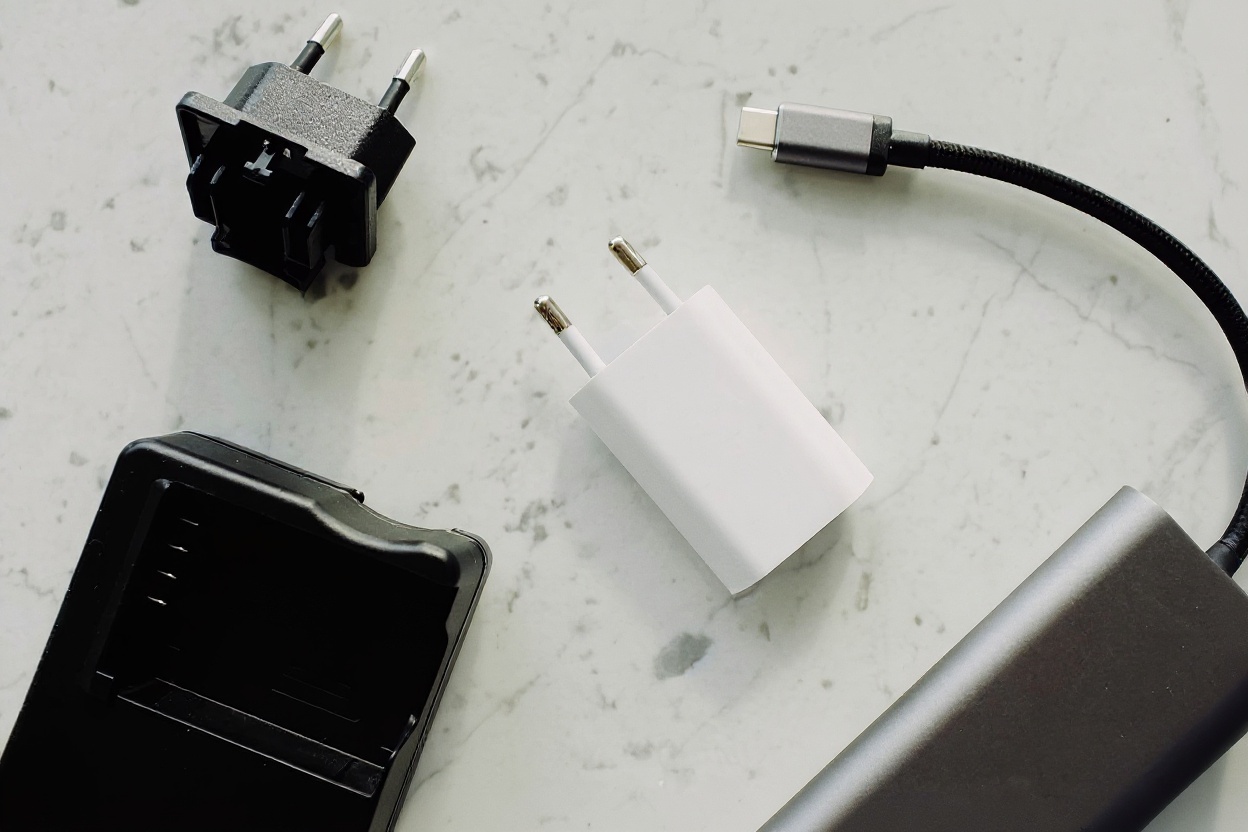
The smarter move for most travelers: one compact GaN multi-port USB-C charger plus a universal plug adapter. That setup handles your phone, laptop, camera, and earphones from a single socket. Takes up the space of an apple. Costs around $35–45 (about 870,000–1,120,000 VND) bought before your trip.
★Jake’s Pick
I’ve used a 65W GaN USB-C charger for three years across Vietnam and every country I’ve visited since. One plug adapter. Zero stress. The Anker 735 GaNPrime is the specific model on my desk right now.
Where to Buy a Plug Adapter in Vietnam
You forgot to bring an adapter. This is fine. Vietnam has adapters everywhere.
The cheapest and most convenient options, roughly in order of convenience:
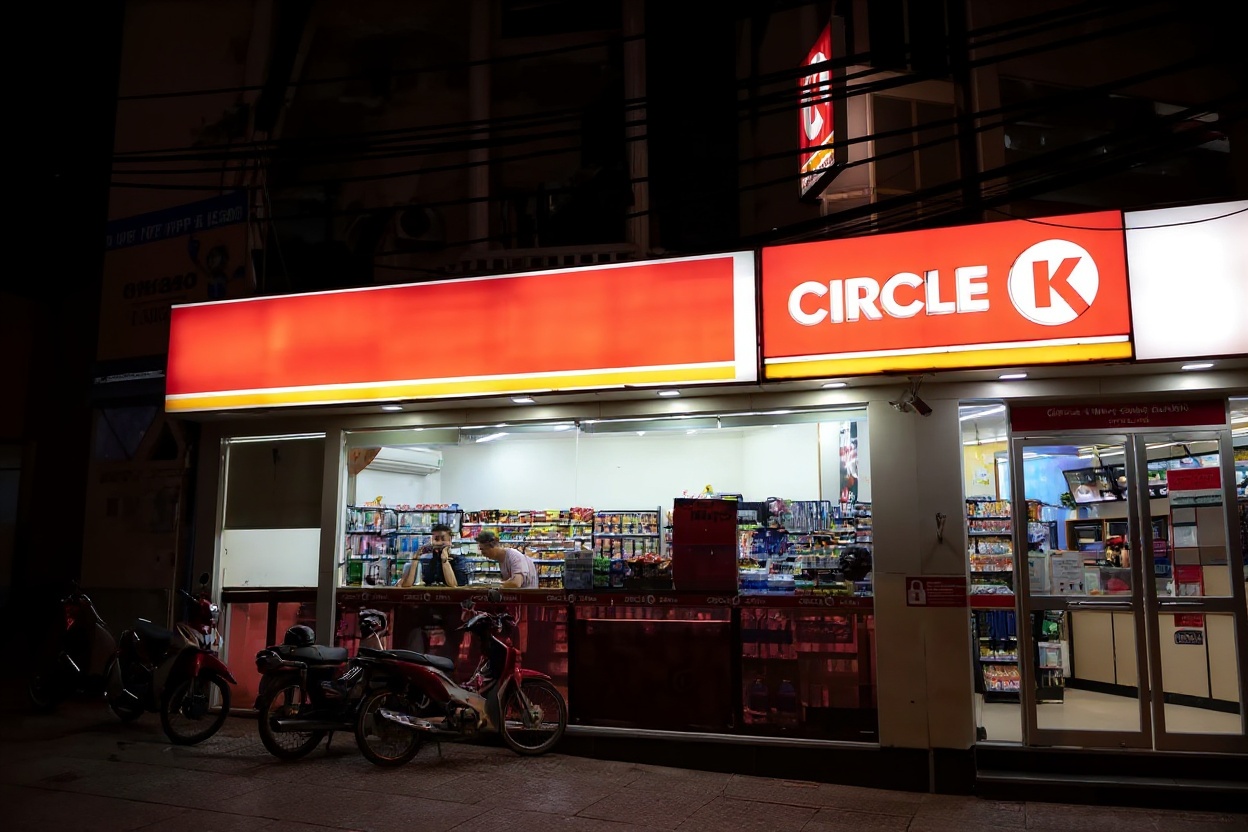
Convenience stores — Circle K, FamilyMart, 7-Eleven, and VinMart+ branches in Hanoi and Ho Chi Minh City almost always have basic Type C adapters near the checkout. Price range: 30,000–80,000 VND (~$1.20–3.20). Quality is what you’d expect for the price. They work, but the plastic housing is thin.
Airport shops — Nội Bài (Hanoi) and Tân Sơn Nhất (Ho Chi Minh City) both have adapter options in the departure and arrival halls. Airport markup is real: expect to pay 80,000–150,000 VND (~$3.20–6) for the same adapter that costs half that outside.
Street markets and electronics streets — In Hanoi, the Phố Huế / Bà Triệu area has rows of electronics shops. Hanoi’s Trần Nhân Tông electronics cluster is where locals buy actual gear. In HCMC, Nhật Tảo electronics market in District 10 has whatever you need. Prices: 20,000–60,000 VND (~$0.80–2.40) for basic adapters.
Your guesthouse or hotel front desk — Many budget guesthouses keep a box of adapters to lend out. Ask. They won’t always volunteer it, but they have them.
Online via Shopee or Lazada — If you’re staying somewhere for more than a few days, Vietnamese e-commerce delivery is fast. Shopee next-day delivery in Hanoi or HCMC costs almost nothing and the selection is vast. Search “ổ cắm điện đa năng” (universal adapter) or “adapter Type C”.
↗Insider Tip
Skip the 30,000 VND convenience store adapter if you’re buying expensive gear. Spend 150,000–200,000 VND (~$6–8) at an electronics shop and get something with a fuse inside. Cheap adapters with no surge protection are fine for phone chargers but not for laptops.
Hotel and Guesthouse Sockets: What to Expect
Accommodation quality determines socket quality in Vietnam.
Budget guesthouses in the Old Quarter or Bui Vien? You’ll find a mishmash of socket types, often on a shared extension board, sometimes with loose connections. Pack an adapter and bring your own extension cord if you have more than two things to charge. The “USB charging port in the wall” that mid-range hotels advertise often outputs at 5V/1A — enough for a phone overnight, too slow for a tablet or laptop.
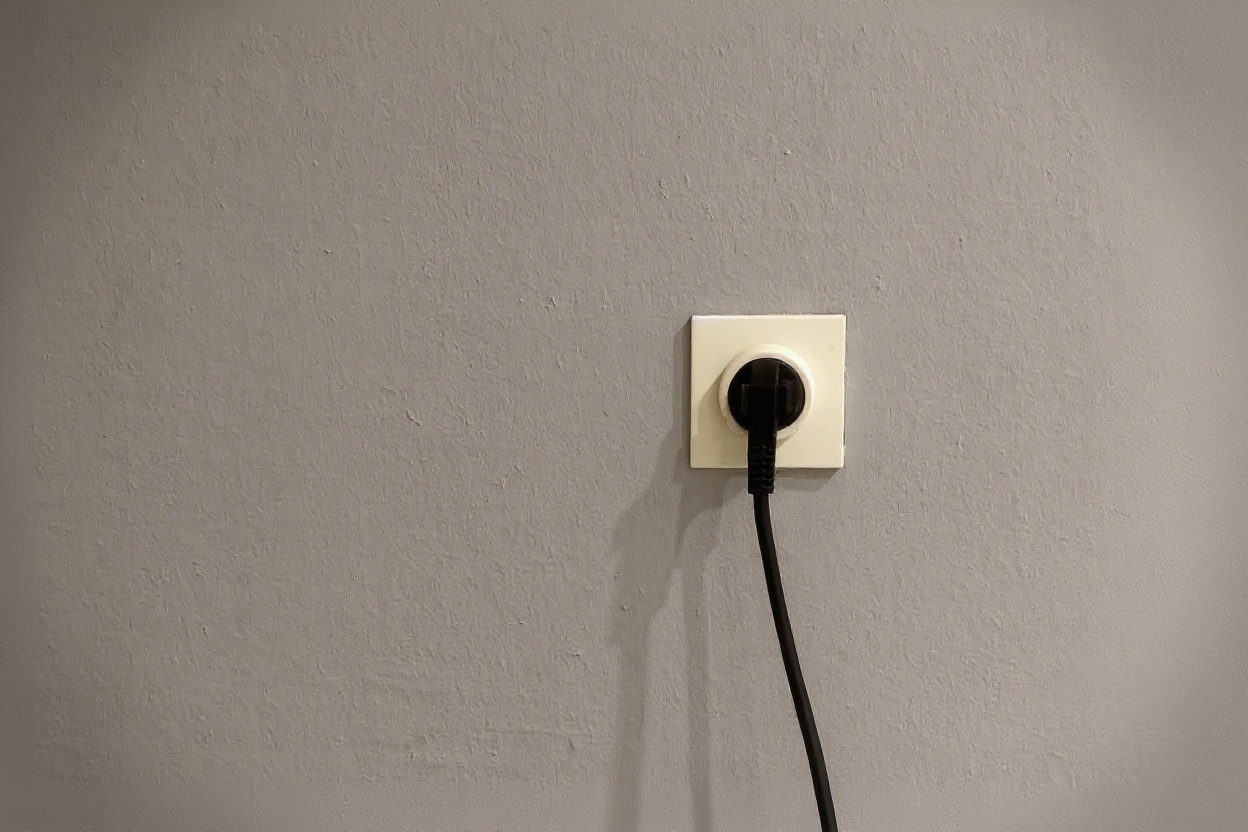
Mid-range hotels (1.2–3 million VND / ~$48–120 per night) usually have universal sockets at the desk and USB ports built into the bedside panel. Plugs fit more reliably because the sockets are newer. Air-con rooms at this level are more likely to have international-compatible sockets.
Luxury and international chain hotels have universal sockets as standard. Four Seasons, Sofitel, InterContinental — everything fits, nothing requires an adapter, and there are enough charging ports for a small production crew.
One thing no tier gets right: power strips for the desk. If you’re working remotely and need to charge multiple devices simultaneously, bring a small power strip from home. The ones in Vietnam work on 220V but the plug layout assumes you’re using one device at a time.
Power Outages: The Vietnam Reality
In major cities — Hanoi and Ho Chi Minh City — power outages are rare but not zero. The grid has improved enormously over the past decade. During a normal week in Hanoi, I don’t notice any outages.
Rural areas and smaller towns are a different story.
Ha Giang province during heavy rain: expect brief outages in Đồng Văn, Mèo Vạc, and smaller homestays along the Loop. Usually 20–40 minutes, generators kick in at the better-equipped places. The guesthouses that charge more per night usually have generators — coincidence probably, but useful.
Phong Nha — particularly the homestay villages around Son Trach — can lose power during storms. Power sometimes cuts mid-shower when they’re running on a smaller local transformer.
Sapa during peak winter fog season: occasional outages in the village homestays in Lao Chải, Tả Van, and around Fansipan. Pack a headlamp as a minimum — don’t rely on your phone flashlight eating battery overnight.
⚠Real Talk
Load shedding (planned outages during summer heat peaks) was a genuine issue in 2023, especially in central Vietnam. The grid upgrades since then have helped, but if you’re traveling in May–July during a heatwave, keep important devices charged and have a power bank with at least 20,000mAh capacity. One day’s worth of unexpected offline time in a rural area with no charging is annoying but manageable. Two days is a problem.
Power Banks: What to Carry in Vietnam
Vietnam’s terrain means you’ll have days where you’re not near a socket for 8+ hours. Ha Giang Loop on a motorbike. A full-day cave tour in Phong Nha. A night bus from Hanoi to Hue.
A 10,000mAh power bank covers one full phone charge. Fine for a day out in the city. Not enough for an overnight bus or a two-day trekking loop.
I carry a 20,000mAh Anker power bank on any trip longer than a city day. It’s the one travel purchase I’ve never regretted. In Vietnam specifically, where the distance between charging points can be measured in mountain passes rather than blocks, it’s not optional — it’s infrastructure.
Airport security note: Vietnam follows standard aviation rules — power banks up to 100Wh in carry-on, up to 160Wh with airline approval. Convert mAh to Wh: multiply mAh by 3.7 (average voltage), divide by 1000. A 20,000mAh bank is ~74Wh — well under the limit.
ℹKnow Before You Go
Vietnamese airport security at Nội Bài and Tân Sơn Nhất checks power banks at the X-ray. Banks over 100Wh without approval documentation get confiscated. Keep power banks in carry-on only — never checked baggage.
What Jake Actually Carries (and Why)
Five years of iteration has narrowed my electronics pack-out to something embarrassingly minimal:
One universal travel adapter — the folding type with USB-A and USB-C passthrough ports built in. Covers every socket type I’ve encountered in Vietnam including the Type F Schuko outlets in newer Hanoi apartments.
One 65W GaN USB-C charger — charges my laptop, phone, and earphones simultaneously. Weighs less than most individual phone chargers.
One 1.8m USB-C cable — long enough to charge from a floor-level socket when the desk is on the other side of the room. This sounds stupid. It isn’t.
One 20,000mAh power bank — for everything else.
That’s it. No voltage converter. No multi-device charging hub. No separate cables for each device. The consolidation that USB-C made possible is genuinely transformative for travel charging — Vietnam included.
Voltage Converters: Do You Actually Need One?
Almost certainly not.
Voltage converters are heavy, expensive, and only needed for single-voltage appliances — typically hair dryers, old electric shavers, and some kitchen appliances. If you’re carrying any of those, check the label first. If it says 110V only, you have two choices: buy a converter (500,000–1,500,000 VND / ~$20–60 in Vietnam) or use the hair dryer in your hotel room instead of yours.
Hotel hair dryers in Vietnam — even budget hotels — are almost always 220V compatible. They’re already in the room. Using your own from home is a convenience preference, not a necessity.
If you’re a digital nomad setting up a longer stay with kitchen appliances or a rice cooker from home, that’s the scenario where a converter becomes relevant. Buy locally in Vietnam — Điện Máy Xanh (Vietnam’s biggest electronics chain) carries them and prices are reasonable.
Charging at Vietnamese Cafes and Co-working Spaces
Vietnam runs on caffeine and wifi. The café culture here — particularly in Hanoi and Da Nang — means charging your devices mid-day is genuinely easy.
Most Vietnamese cafés have sockets at tables, especially in cities. The culture of working from cafés is established enough that staff expect it. Order something every 1–2 hours and nobody bats an eye. The rule of thumb is: if you can see a socket, it’s fair game. If you need to ask, the answer is almost always yes.

Socket types in cafés vary. Newer cafés in Hanoi’s Tây Hồ (West Lake) area — the de facto digital nomad belt — tend to have universal sockets and USB-A charging ports built into the tables. Older cafés in the Old Quarter usually have one extension cord per table, sometimes none. A compact power bank closes the gap.
Co-working spaces are predictable: plenty of Type A and Type C sockets, reliable high-speed wifi, and usually a USB charging hub on every desk. Day passes at Hanoi’s better co-working spaces (Toong, Cogo, Circo) run 80,000–150,000 VND (~$3.20–6). Worth it for a full work day if your guesthouse has poor wifi.
↗Insider Tip
In Vietnamese cafes, the phrase for “do you have a socket?” is “có ổ điện không?” (say: có ổ điện không). In practice you can also just mime the universal plug-in gesture and point at the wall — works every time.
What to Do If Your Device Gets Damaged
It happens. You plug in the wrong thing, borrow someone’s converter that turns out to be wrong for your device, or a power surge during a storm gets through before the guesthouse’s ancient fuse board trips.
In Hanoi, the repair ecosystem on Phố Đinh Lễ and the surrounding streets near Hoàn Kiếm lake is remarkable. Laptop chargers, phone charging ports, cracked screens, fried circuits — all of it gets fixed cheaply and often overnight. Prices are a fraction of home rates: a laptop charger replacement might cost 200,000–500,000 VND (~$8–20) depending on the brand.
Phone repair shops are everywhere in every city. Vietnam is a Xiaomi and Samsung market first — those get fixed faster than Apple products, but there are now legitimate Apple service providers in Hanoi and HCMC. Expect to wait 1–3 days for parts to arrive for anything that isn’t a common Vietnamese market model.
For travel insurance purposes: document everything. Take photos of the damaged device, the socket, and the hotel room if it was a power surge. Most travel insurance policies cover electronics damage from electrical incidents if you have receipts showing the original purchase. See our Vietnam travel insurance guide for what to check before you leave home.
Electricity in Vietnam: Frequently Asked Questions
Does Vietnam use the same plugs as the US?
Vietnam uses Type A sockets (same flat two-prong layout as the US), so American plugs often fit physically. But Vietnam runs at 220V while the US uses 110V — if your device says “INPUT: 110V only,” it will be damaged even though the plug fits. Always check the voltage label, not just the plug shape.
Do I need a voltage converter for Vietnam?
Probably not. Most modern electronics — phones, laptops, cameras, USB chargers — are dual-voltage (100-240V) and only need a plug adapter. A voltage converter is only needed for older single-voltage appliances like some hair dryers, straighteners, and kitchen appliances rated at 110V only.
What type of plug adapter do I need for Vietnam?
A universal travel adapter covers all scenarios in Vietnam. Type C adapters (two round prongs) work in Vietnamese sockets and are widely available for 30,000–80,000 VND (~$1.20–3.20) at convenience stores. Americans often don’t need any adapter for Type A sockets, but a universal adapter is useful for the mix of socket types you’ll encounter across different accommodation.
Can I charge my iPhone in Vietnam?
Yes. iPhone USB-C chargers (iPhone 15 and newer) are dual-voltage and work anywhere in the world — you just need a plug adapter if your charger has a flat US prong. Older iPhones with Lightning cables use a USB-A brick that’s also dual-voltage. Vietnam won’t damage your phone.
Where can I buy a plug adapter in Vietnam?
Circle K, FamilyMart, 7-Eleven, and VinMart+ convenience stores sell basic adapters for 30,000–80,000 VND (~$1.20–3.20). Airport shops charge more but carry them in arrivals. Electronics markets in Hanoi (Phố Huế area) and HCMC (Nhật Tảo market, District 10) have better quality at lower prices.
Does Vietnam have frequent power cuts?
In Hanoi and Ho Chi Minh City, power outages are rare. Rural areas — particularly Ha Giang, Phong Nha, and Sapa homestays — can lose power during heavy rain or summer heat peaks. Carry a power bank of at least 10,000mAh and a headlamp. Better-equipped guesthouses have generators.
What is Vietnam’s electricity frequency?
Vietnam’s electrical frequency is 50Hz. The US runs at 60Hz. For most electronics this doesn’t matter — dual-voltage devices handle 50/60Hz automatically. The only appliances where frequency matters are things with motors (some shavers, old clocks) — modern versions handle the difference without issue.