Last updated: June 2026 — vaccine recommendations and hospital information verified
Vaccines for Vietnam are mostly standard for Southeast Asia, with one or two extras depending on your itinerary — our Vietnam vaccinations guide covers what’s recommended and what your travel clinic might miss.
Year one in Vietnam. Three weeks in, feeling invincible — eating everything, never washing hands before street food, drinking iced coffee at every opportunity. Then a Tuesday morning in Hội An where I couldn’t stand up without my vision going gray. Classic: the four-hour window between feeling fine and being completely floored.
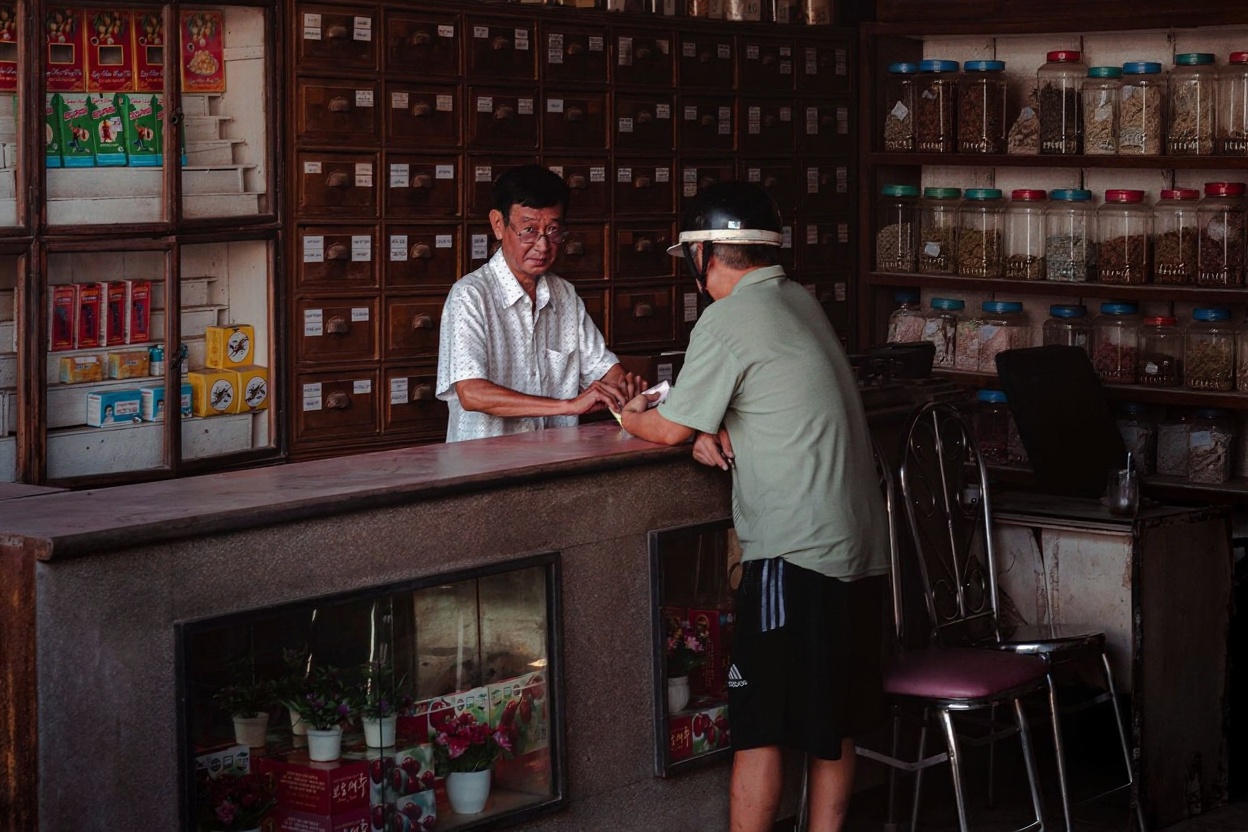
What I learned: Vietnamese pharmacies are genuinely excellent. The Oresol sachets cost 8,000 VND each. The pharmacist — a woman named Liên whose English was limited to medical vocabulary — looked at me, wrote three things on a piece of paper, sold me exactly what I needed, and said “two days, okay.” She was right. Two days, okay.
Vietnam doesn’t require a hospital most of the time. It requires knowing where the pharmacy is.
Vaccinations Before You Go
The right approach: book a travel clinic appointment 4-6 weeks before departure. This gives time for vaccines that require multiple doses or build immunity over weeks. What a travel clinic assesses: your vaccination history, your specific itinerary (rural trekking in Ha Giang is different risk from a beach week in Phu Quoc), and your medical history.
✓Quick Answer
Minimum vaccinations for Vietnam: Hepatitis A (food and water transmission — one dose, 95% protection) and typhoid (same route — capsule or injection, take before departure). These cover the two most common serious illness risks from food and water. Everything else depends on your itinerary, duration, and existing vaccinations.
The baseline that every traveler should have before Vietnam:
Hepatitis A: Transmitted through contaminated food and water — exactly the things you’ll be encountering in abundance in Vietnam. Single dose gives 95% protection within two weeks. Booster 6-12 months later gives lifelong protection. If you’ve had it before or had childhood vaccination, you may already be covered — check your records.
Typhoid: Bacterial infection transmitted via contaminated food and water, endemic in Vietnam. Available as an injection (single dose, protection for 2+ years) or oral capsules (taken over several days). More important for longer stays and travelers eating adventurously at street stalls.
Hepatitis B: Blood-borne and sexually transmitted. Three doses over 6 months for full protection. If you haven’t had childhood Hep B vaccination (many people have), worth adding — especially for longer stays or medical work travel. A combined Hep A+B vaccine (Twinrix) covers both.
Tetanus and diphtheria: Standard boosters most people have from childhood. Worth checking your last booster date — if it’s been 10+ years, a refresher before any destination is reasonable. Particularly relevant if you’re renting motorbikes and have any risk of road injuries.
Rabies: A pre-exposure series (3 doses over 3-4 weeks) is worth considering for travelers spending extended time in rural areas, doing outdoor activities, or traveling with children. Vietnam has dogs and bats — the rabies post-exposure protocol requires rapid access to immunoglobulin that isn’t always available in remote areas. Pre-exposure vaccination simplifies the post-bite treatment significantly. Not essential for a standard 2-week city and beach trip.
Japanese Encephalitis: Mosquito-borne viral infection present in rural Vietnam. CDC recommends considering vaccination for trips longer than 30 days in rural areas, particularly in rice-growing regions. Not typically needed for urban tourists or short beach holidays.
Malaria: Risk is low in Vietnam’s main tourist areas (Hanoi, Saigon, Hoi An, Nha Trang, Ha Long Bay). Prophylaxis is generally recommended for jungle trekking in remote areas (parts of Ha Giang, the Central Highlands, some Mekong Delta areas), not for standard tourist routes. Confirm with your travel clinic based on your specific itinerary.
Food Safety: The Rules That Actually Work
Most Vietnam food safety advice is either useless (“avoid all street food”) or incomplete (“choose clean-looking restaurants”). The practical rules that work:
The high-turnover rule. Busy stalls with constant customers turn over ingredients faster. If 40 people ate banh mi from this cart this morning, the filling is fresh. If you’re the only customer at 2pm, the meat has been sitting out since 10am. Volume of customers is the most reliable proxy for ingredient freshness — more reliable than how clean the stall looks.
Hot and cooked over cold and prepared. Pho cooked in a boiling broth: safe. Bánh mì with pre-cut raw vegetables sitting out: riskier. Freshly grilled fish: safe. Seafood salad that’s been assembled and left: riskier. The heat kills the pathogens. Stick to things you can watch being cooked when in doubt.
Fruit you peel yourself over pre-cut fruit. Dragon fruit, mango, banana — peel it yourself. Pre-cut fruit in plastic bags sitting in unrefrigerated conditions is where contamination happens most easily. The 10,000 VND pre-cut fruit on every street corner is genuinely risky.
Ice in major cities is typically safe. Cylinder ice (the kind with a hole through it) in Vietnamese cities is made in factories from purified water — it’s safe. Crushed ice in clear bags at rural roadside stalls is more variable. Iced coffee at a busy city cafe: fine. Iced drink at a rural roadside stall: judgment call based on cleanliness.
Hands before food. This sounds obvious. It is the most commonly violated rule. Vietnamese restaurants often have hand-washing sinks by the entrance for this reason. Use them or carry a small alcohol gel.
⚠Real Talk
You will eat things in Vietnam that are technically “risky” by travel medicine standards and be completely fine. Most people are. The rules above are for reducing your odds, not for paralysing your eating habits. If you refuse to eat any street food in Vietnam, you will have a miserable, expensive, less authentic trip AND still get a stomach bug from the hotel buffet on day 3. Eat the street food. Eat it at the busy stalls. Wash your hands. Accept that maybe one day in ten days you’ll feel slightly off. That’s the deal.
When You Get Sick: What to Do
Traveler’s diarrhea in Vietnam is almost a rite of passage. The cause is usually bacterial contamination (Escherichia coli variants, Campylobacter, Salmonella in some cases), and the typical progression is: sudden onset 8-72 hours after the bad meal, cramping, loose stools, possible low fever, feeling terrible for 24-48 hours, then recovery.
First response: hydration. Go to any pharmacy and buy Oresol (oral rehydration sachets) — 5,000–15,000 VND per sachet, or get the pre-mixed liquid version. Mix with clean water (bottled) and drink continuously. This is the single most important thing. Dehydration from diarrhea in Vietnam’s heat happens faster than you expect.
Loperamide (Imodium): Slows the gut, controls symptoms. Available at Vietnamese pharmacies. Good for situations where you have a flight or a long bus ride — take it to get through the logistics, then stop. Don’t take it for more than 2 days without medical advice; your body needs to clear the infection.
If symptoms persist beyond 48 hours, have blood in the stool, or involve high fever (above 38.5°C): this is beyond standard traveler’s diarrhea and warrants medical attention. A course of azithromycin (an antibiotic commonly used for bacterial diarrhea) is effective and available at Vietnamese pharmacies, but take it only for confirmed bacterial infection, not as a precaution. Your travel doctor may prescribe a standby antibiotic before departure — if they do, take it with you.
Heat exhaustion is the other common issue, particularly in summer (May-September) and during physically active activities. Symptoms: heavy sweating, pale skin, fast/weak pulse, nausea, muscle cramps. Treatment: move to shade or air conditioning immediately, drink cool water or sports drinks with electrolytes, rest. If symptoms progress to heat stroke (no sweating, hot red skin, confusion) — this is a medical emergency requiring cooling and hospital care.
Vietnamese Pharmacies: How They Work
Vietnamese pharmacies (nhà thuốc — say: nya too-ok) are ubiquitous in cities and towns — in Hanoi’s Old Quarter, there are several on every major street. They’re open long hours (often 7am–9pm or later), well-stocked with both Vietnamese and international brands, and pharmacists commonly have enough English to handle basic medical vocabulary.
What you can buy over the counter without a prescription in Vietnam: antibiotics (yes, most of them — this is different from Europe/US), antihistamines, anti-malarials, antifungals, pain medication (paracetamol/acetaminophen, ibuprofen), anti-diarrheal medications, rehydration salts, and most common medications. The price differential from what you’d pay at home is significant — a course of ciprofloxacin that costs $40+ at a US pharmacy costs $3–5 in Vietnam.
What to look for: the legitimate pharmacy display the word “Nhà Thuốc” and a green cross. Major chain pharmacies in cities (Pharmacity, Long Châu, An Khang) are reliable and standardized — staff are trained and stocked well. Independent pharmacies are also generally fine but quality can vary more in very rural areas.
Hospitals and Clinics: When You Need More Than a Pharmacy
For anything beyond a pharmacy fix — persistent high fever, significant injury, chest pain, suspected serious infection — Vietnam’s private hospitals in major cities are the right choice for foreign travelers.
Hanoi private hospitals with English capability: Vinmec Times City Hospital (41 Minh Khai, modern facilities, international standard), FV Family Medical Practice (298 Kim Mã, long-established, many expat clients), Hanoi French Hospital (1 Phương Mai, joint venture with French medical system). Emergency: dial 115 (Vietnamese ambulance, limited English) or go directly to the private hospital.
Ho Chi Minh City: FV Hospital (6 Nguyễn Lương Bằng, District 7 — often considered the best overall private hospital in southern Vietnam), Vinmec Central Park (208 Nguyễn Hữu Cảnh, Bình Thạnh), SOS International Clinic (151 Võ Thị Sáu, District 3, 24/7 expat-oriented).
Public hospitals in Vietnam are cheaper but substantially harder to navigate without Vietnamese language skills, and waiting times for non-emergency treatment can be very long. For serious emergencies, any hospital will stabilize you — the choice between public and private becomes relevant after stabilization. For non-emergency outpatient treatment, private is consistently easier for foreigners.
Cost context: a consultation at a private clinic runs 500,000–1,500,000 VND (~$19–58). An X-ray and treatment for a broken bone at a private hospital runs $1,000–$4,000. An overnight hospitalization starts at $200–500 per night at private facilities. These are manageable numbers with insurance, and significant numbers without. This is the other argument for travel insurance beyond evacuation — see our Vietnam travel insurance guide for what coverage actually matters.
Mosquito-Borne Diseases: What You Actually Need to Worry About
Vietnam has two main mosquito-borne diseases relevant to travelers: dengue fever and, in specific areas, malaria. They’re genuinely different risks that require different responses.
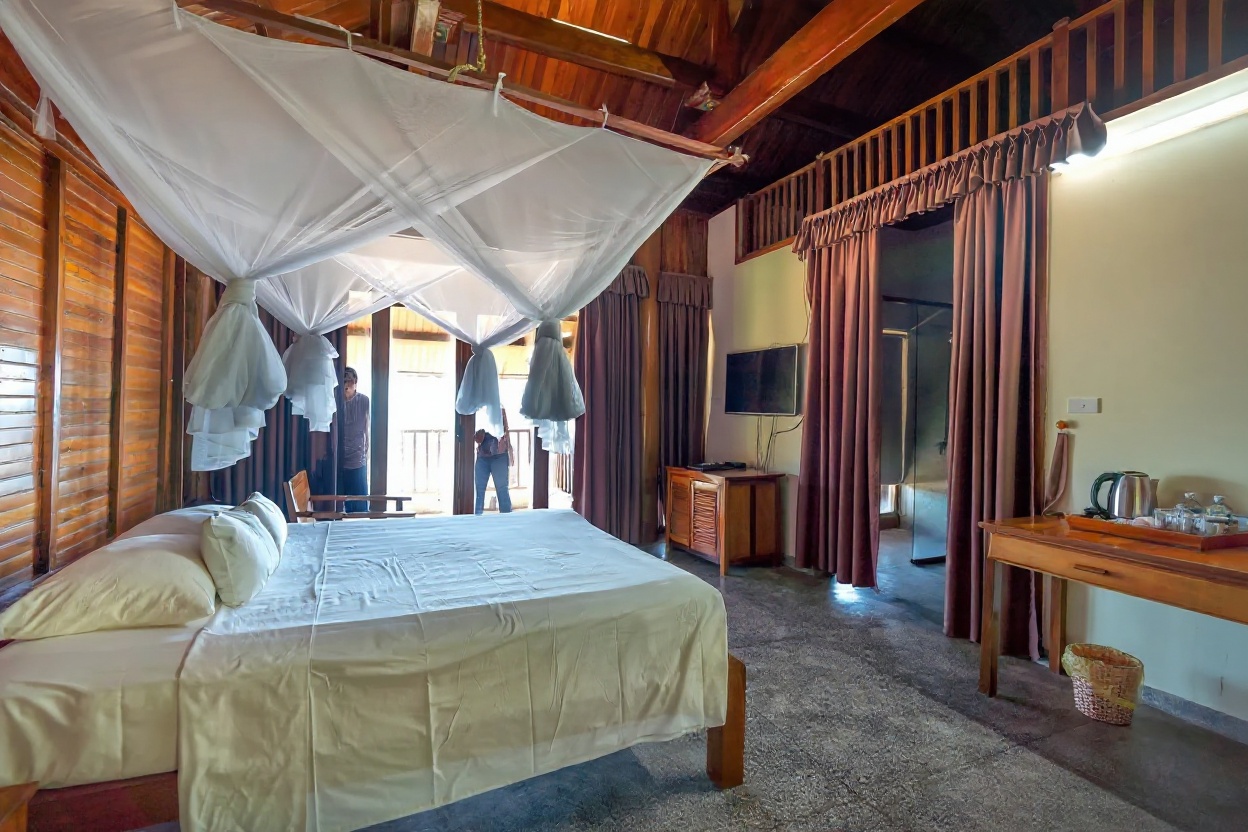
Dengue fever is the higher-risk one for most Vietnam travelers, because it’s present in urban areas including Hanoi and Ho Chi Minh City, not just jungles. The Aedes mosquito that transmits dengue is a daytime biter — morning and late afternoon are peak bite times. There’s no vaccination available to travelers at most clinics (a vaccine exists but requires prior infection to use safely). Prevention: DEET-based repellent (30%+ concentration) on exposed skin, long sleeves and pants during peak hours, sleeping in air-conditioned or screened rooms.
Dengue symptoms: high fever (39–40°C) coming on suddenly 4–10 days after the bite, severe headache, pain behind the eyes, muscle and joint pain, rash. There’s no specific treatment — rest, fluids, paracetamol (not ibuprofen or aspirin — these can worsen dengue bleeding risk). Mild dengue resolves in a week. Severe dengue (around 1-5% of cases) requires hospitalization and monitoring. If you develop symptoms matching dengue, go to a private clinic for a blood test — diagnosis is straightforward.
Malaria risk for the typical Vietnam itinerary (Hanoi, Ha Long Bay, Hoi An, HCMC, beach resorts) is very low — CDC and WHO both classify these areas as low-risk or no-risk. Malaria prophylaxis becomes relevant for: extended trekking in remote highland areas of the Central Highlands, jungle areas near the Cambodian or Laotian border, and some parts of the Mekong Delta. Discuss your specific itinerary with a travel doctor — a two-week beach and city trip generally doesn’t require prophylaxis. Jungle trekking in Ha Giang is debated; most independent travelers don’t take prophylaxis and most are fine, but it’s worth a conversation with a travel medicine specialist before you go.
ℹKnow Before You Go
Basic mosquito protection applies everywhere in Vietnam, not just “malaria zones”: DEET repellent, long sleeves at dawn and dusk, sleeping under a fan or in air conditioning. This is about dengue as much as malaria — and dengue can hit you in the middle of a city.
The Vietnam Travel Health Kit
The goal isn’t to bring a pharmacy in your bag. It’s to handle the 90% of situations that don’t need a doctor — and to get yourself functional enough to reach one for the 10% that do.
What Jake actually travels with in Vietnam after five years:
Gut kit: Oresol rehydration sachets (3–4, can buy more in Vietnam), loperamide (10 capsules), activated charcoal tablets (for early-onset nausea, optional but useful), a small bottle of probiotic capsules for recovery phase. The activated charcoal isn’t universally endorsed by travel medicine but has been the difference between a manageable bad night and a truly awful one.
General medications: Paracetamol (not ibuprofen as first choice in Vietnam’s heat — ibuprofen is harder on the kidneys when dehydrated), antihistamines (Cetirizine is non-drowsy), a topical antifungal cream (Vietnam’s humidity makes fungal infections common on long trips), antiseptic wipes and small wound dressings for motorbike scrapes.
Insect protection: DEET 30%+ spray or lotion. Permethrin spray for clothing on jungle trips (spray and let dry before wearing). Small travel mosquito net if staying in budget guesthouses without air conditioning.
Documentation: A small card in your wallet or phone notes: blood type, any drug allergies (generic drug names, not brand names), chronic conditions if relevant, and emergency contact. In Vietnamese: “Nhóm máu của tôi là [type]. Tôi bị dị ứng với [drug].” — My blood type is [type]. I’m allergic to [drug]. Vietnamese pharmacists and doctors can read it.
What you don’t need to bring: Antibiotics you’re not prescribed for specific use (buying in Vietnam is cheaper, and bringing unprescribed antibiotics creates problems at customs). An extensive first aid kit (pharmacies every 200 meters in Vietnamese cities). Malaria prophylaxis unless you’ve confirmed your itinerary requires it. The trend of bringing everything you might conceivably need adds weight and rarely gets used.
What I Got Wrong on My First Vietnam Trip
Four days into my first month in Vietnam, eating everything with the enthusiasm of someone who’d been reading about Vietnamese food for three years — I walked past a seafood stall at a floating restaurant in Hội An around 11am. The crabs had been sitting out in the sun. I could see flies. I ate two of them because they were the cheapest item on the menu and I was trying to prove something to no one in particular.
The next twenty-four hours were instructive. The pharmacist at Nhà Thuốc Minh Lâm on Nguyễn Thị Minh Khai looked at me with a very specific expression — the expression of someone who has seen this exact situation six times this week — and sold me Oresol, loperamide, and a packet of plain crackers. Total: 35,000 VND (~$1.35). She pointed at the crackers and said “only this.” She was correct.
The lesson wasn’t “don’t eat street food.” The lesson was: the high-turnover rule exists for a reason. A busy pho cart at 7am where forty people have eaten before you — that’s safe. A crab sitting in direct sun with flies on it at a quiet floating restaurant at 11am — that’s a choice. I’d made that choice consciously and it delivered exactly what it promised. After that I ate street food with more judgment and far less romanticism about what “authentic” actually means.
Vietnam Health FAQ
What vaccinations do I need for Vietnam?
Baseline: Hepatitis A (food and water transmission) and typhoid — these cover the main food/water illness risks. Also ensure tetanus/diphtheria boosters are current. For longer stays, jungle trekking, or rural travel: add Hepatitis B, rabies pre-exposure vaccine, and discuss Japanese Encephalitis with a travel doctor. Malaria prophylaxis is needed for remote jungle trekking, not for standard tourist routes. See a travel clinic 4-6 weeks before departure.
How do I treat a stomach bug in Vietnam?
First response: Oresol rehydration sachets (5,000–15,000 VND at any pharmacy) mixed with bottled water, drink continuously. Rest. For symptom control: loperamide (Imodium) from the pharmacy. Most cases resolve in 24–48 hours. Seek medical attention if: symptoms persist beyond 48 hours, you see blood in stool, or fever rises above 38.5°C. These signs indicate bacterial infection requiring antibiotics rather than self-treatment.
Is Vietnamese street food safe to eat?
Generally yes, with basic precautions. The high-turnover rule: eat at busy stalls where ingredients turn over constantly. Prefer hot, freshly cooked food over cold or pre-prepared items left out. Peel fruit yourself rather than buying pre-cut. Wash hands before eating. Most Vietnam travelers eat street food throughout their trip without issues. A minority get mild stomach illness — this is manageable and shouldn’t deter you from the best part of Vietnamese food culture.
Where do I find a hospital in Vietnam if I need one?
For English-capable private hospital care: Vinmec (multiple locations in Hanoi and HCMC), FV Hospital (HCMC), FV Family Medical Practice (Hanoi). For any emergency: dial 115 (ambulance, limited English) or take a Grab to the nearest private hospital. Save your travel insurance emergency number on your phone — reputable insurers can call ahead to the hospital and arrange a guarantee of payment, which speeds up treatment significantly.