Last updated: June 2026 — verified against current exchange rates and ATM fee structures
ATM fees in Vietnam add up fast without the right card — our Vietnam credit cards and ATM guide covers which banks charge what and how to avoid the worst fees.
The worst currency mistake I made in Vietnam wasn’t getting scammed. It was paying in USD at a souvenir stall in Hội An because it was convenient and I was tired.
The vendor had a simple exchange rate posted on a card: 20,000 VND per dollar. The real bank rate was 26,000 VND per dollar. I bought three items totaling what I thought was $12, cheerfully handed over $12, and walked out having paid 22% more than if I’d just handed over 312,000 VND in dong.
The vendor was not scamming me — she had the rate posted. I was choosing to be financially lazy and paying for it. Vietnam is a cash economy. The math of dong is worth learning.
Vietnamese Dong: The Basics
The official currency of Vietnam is the Vietnamese đồng (say: dong), abbreviated VND or written with the symbol ₫. It is non-convertible outside Vietnam — you cannot exchange VND into USD or EUR at a standard bank in most countries. Get your currency in Vietnam or at a Vietnamese bank abroad before you leave.
✓Quick Answer
Vietnam uses the dong (VND). Current rate: ~26,000 VND = $1 USD. Prices look large — a bowl of phở at 50,000 VND is $1.90. Zeros multiply quickly. Always check: does that price say 50,000 VND (~$1.90) or 500,000 VND (~$19)? This difference causes more confusion than anything else in Vietnam.
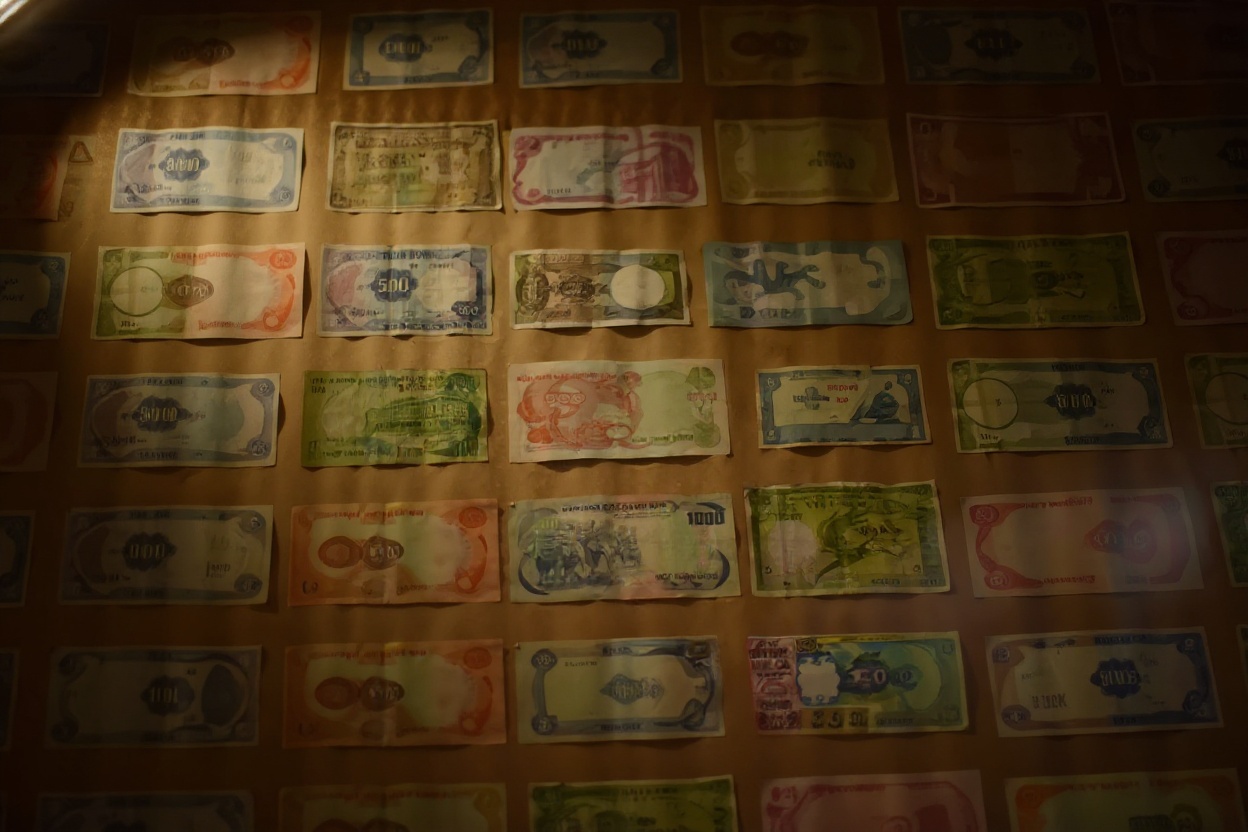
Banknote denominations in circulation:
Polymer notes (plastic, more durable): 10,000 VND, 20,000 VND, 50,000 VND, 100,000 VND, 200,000 VND, 500,000 VND.
The notes use colors loosely corresponding to value, but the color differentiation is imperfect — particularly the 20,000 VND (blue-green) and 500,000 VND (blue) notes, which look similar enough in dim lighting or a hurry that miscounting is common. Check the number on the note, not the color.
The zero trap: Vietnamese prices look enormous because the dong has so many zeros. 100,000 VND for dinner feels expensive until you realize it’s $3.80. Traveler math error: seeing 1,500,000 VND on a taxi meter and handing over 1,500 USD — yes, this has happened. Always have a mental anchor: 25,000 VND ≈ $1 USD. Then multiply or divide from there.
ATMs in Vietnam: Which Banks, Which Fees, What to Expect
ATMs are the best way to get cash in Vietnam for most travelers. The rate you get at an ATM from a major bank is close to the interbank rate — much better than airport exchange desks, hotel money changers, or tourist area exchange stalls.
Best ATMs for international cards:
Vietcombank — the largest and most international-card-friendly Vietnamese bank. Minimal foreign transaction fees from the bank side. Available at most airports, city centers, and tourist areas. Recommended first choice.
BIDV — similar reliability to Vietcombank. ATMs in major cities and many tourist towns.
Techcombank — widely available in major cities, reasonable fees, modern machines.
VPBank — reportedly charges no ATM withdrawal fee of its own (though your home bank’s fees still apply). Worth seeking out if you’re doing frequent small withdrawals.
Avoid these ATMs: Airport terminal ATMs of any bank — rates are marked up, fees are higher. The independent white-label ATMs (non-bank brand, often near tourist attractions) — poor rates and aggressive dynamic currency conversion prompts.
Withdrawal limits:
Local Vietnamese bank ATMs typically allow 2–3 million VND per transaction (~$77–115), sometimes up to 5 million VND. International bank ATMs (Citibank, HSBC) allow 5–10 million VND per transaction (~$190–380). Your own home bank’s per-transaction and daily limits also apply.
The practical implication: for a week of mid-range travel in Vietnam, expect to withdraw 2–3 times. Try to do fewer, larger withdrawals to minimize the per-transaction fees your home bank charges. Withdrawal fee from home bank: typically $1.50–5 per transaction depending on your bank and card type.
↗Insider Tip
When the ATM asks if you want to be charged in VND or your home currency — ALWAYS choose VND. Choosing your home currency activates dynamic currency conversion (DCC), where the ATM sets its own exchange rate at typically 3–5% worse than the interbank rate. The screen often frames this as “guaranteed rate” or “for your convenience” — it’s neither.
Where to Exchange Currency in Vietnam
If you arrive with foreign currency cash (USD, EUR, GBP are most widely accepted), the exchange options from best to worst rate:
Gold/jewelry shops (tiệm vàng) — Sounds counterintuitive, but these are legitimately the best exchange rate in Vietnam. Gold shops in Vietnam are licensed money changers and have been for decades. The rate is typically 0.5–1% better than bank rates. The catch: they may only accept clean, undamaged notes (especially USD — any tear, stamp, or crease on a US bill may be refused). They’re in every city. Look for the golden shop signs.
Commercial banks (Vietcombank, BIDV, Agribank) — Second best rate. Slower because of paperwork. Better for larger amounts where the rate difference is more meaningful. Bring your passport.
Hotel money changers — Convenient, mediocre rates. Acceptable for small emergency amounts, not for significant sums.
Airport exchange desks — Worst rates. Use the airport ATM instead, or exchange just enough to cover your taxi/transport to the city and exchange the rest later.
Street money changers (black market) — Illegal, dangerous, often lead to scams. The “great rate” usually involves counting confusion, counterfeit notes mixed in, or simply disappearing with your cash. Never.
⚠Real Talk
The “jewelry shop exchange” recommendation surprises almost every traveler who hasn’t been to Vietnam. It’s real, it’s legal, and it’s been the standard for Vietnamese locals who hold foreign currency for years. In Hanoi, the Hàng Bạc street (silver/jewelry street in the Old Quarter) has multiple shops that do cash exchange at competitive rates. In HCMC, look around Bến Thành market area. Ask your guesthouse to point you to a reputable one nearby.
Card Payments in Vietnam: Where Cards Work
Vietnam is becoming progressively more card-friendly, but the transition is uneven. The practical reality in 2026:
Cards work: International hotels and resorts (Visa, Mastercard, sometimes Amex). Larger restaurants and café chains (Highlands Coffee, The Coffee House, many tourist-area restaurants). Shopping malls and department stores. Large tour operators and official booking services. Most government offices and transportation ticket offices.
Cash only: Street food stalls and markets. Xe ôm taxi drivers. Small family-run guesthouses. Village homestays. Rural areas generally. Night markets. Most local restaurants with plastic stools. Any vendor that doesn’t have a dedicated card terminal.
QR payment apps (MoMo, VNPay, ZaloPay) are widely used by Vietnamese people but require a Vietnamese phone number and bank account — not practical for short-term visitors. Grab uses cards or cash. Most online booking platforms (Agoda, Booking.com) handle card payment before you arrive.
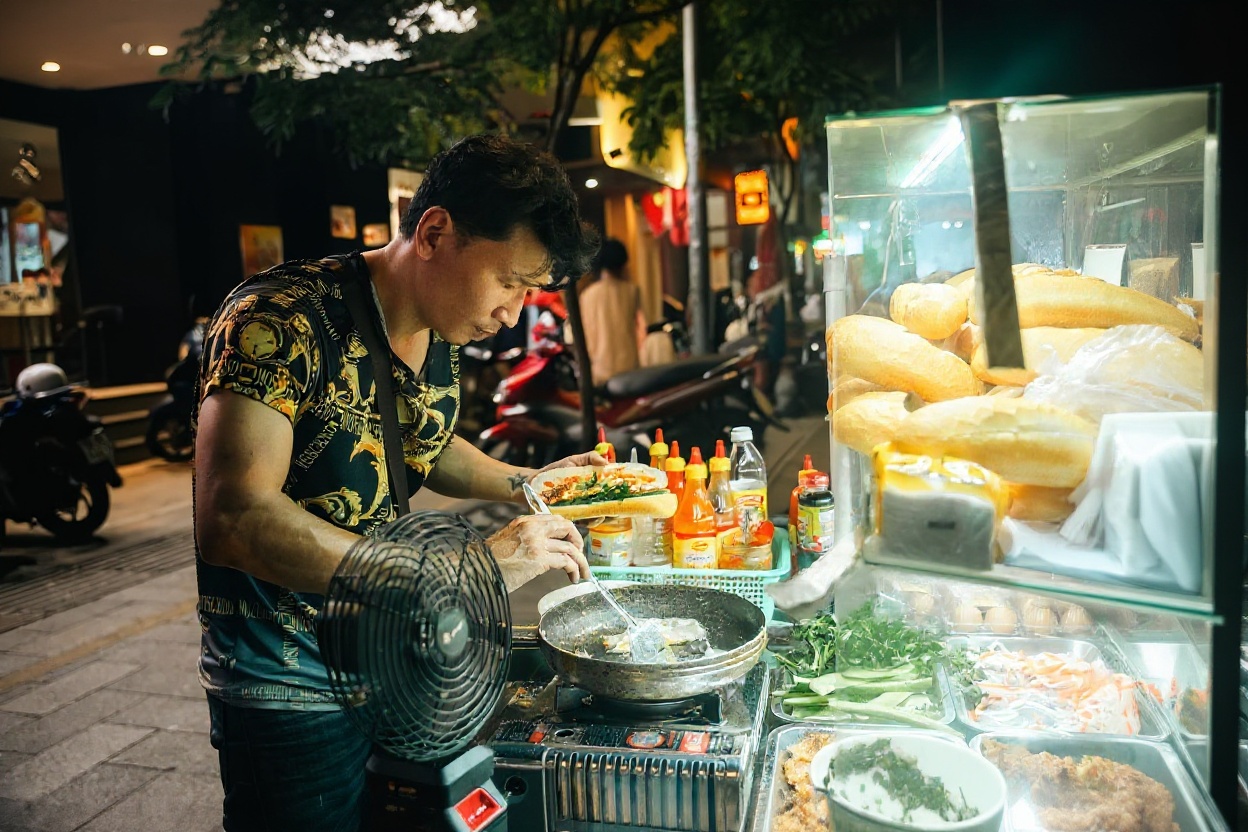
Rule of thumb: carry at minimum 500,000–1,000,000 VND (~$19–38) in cash on any given day. Even in cities, you’ll hit a cash-only situation at some point every day.
Best Travel Cards for Vietnam
The card you use in Vietnam significantly affects how much you pay in fees. The best options:
Wise (formerly TransferWise) — uses the real mid-market exchange rate with transparent fees. Best option for most travelers from the US, UK, Australia, and Europe. Apply before you leave — the physical card takes 1–2 weeks to arrive.
Revolut — similar to Wise, with the real exchange rate. Free tier has monthly limits on fee-free ATM withdrawals (typically £200/month). Good for European travelers.
Charles Schwab debit card (US travelers) — refunds all ATM fees worldwide, uses Visa exchange rate. Consistent favorite among US long-term travelers in Vietnam.
Avoid: Standard bank debit cards and credit cards with foreign transaction fees (typically 2–3% on every transaction). These add up fast — 3% on a $2,000 Vietnam trip is $60 in fees for nothing.
Common Currency Scams and Mistakes in Vietnam
Most currency problems in Vietnam are honest mistakes amplified by the zero-heavy dong. But a few patterns recur often enough to be worth naming:
The 20,000/500,000 confusion scam. A vendor gives change that includes 20,000 VND notes when you’re owed 200,000 VND. You don’t check carefully because the notes look similar. Always count your change in full before leaving the transaction.
Dynamic currency conversion (DCC) at ATMs and card terminals. You’re asked to pay in your home currency at a terminal. The rate used is the terminal’s rate, not the bank’s rate — consistently worse. Always select “VND” / “local currency” when the choice appears.
Counting confusion during cash exchange. Someone counts bills quickly in front of you, possibly shuffling 20,000 VND notes in a stack meant to be 200,000 VND notes. Always count your own money, slowly, before putting it away.
USD pricing with bad exchange rates. As I discovered in Hội An, some vendors accept USD but post rates significantly below market. Use VND for everything unless the posted rate matches the current bank rate closely.
ℹKnow Before You Go
Always check the denomination before handing over a note. 500,000 VND (~$19) and 20,000 VND (~$0.77) are both blue. The number is printed clearly — look at it. This habit prevents the most common money error in Vietnam: accidentally paying 500,000 VND for something that costs 50,000 VND.
How Much Cash to Carry
The practical daily budget for a mid-range traveler in Vietnam averages 700,000–1,200,000 VND (~$27–46) per day covering accommodation, food, transport, and one or two activities. Budget travelers spending at street food level and staying in guesthouses can manage on 300,000–500,000 VND (~$12–19) per day.
Keep 500,000–1,000,000 VND in accessible small bills daily. Store larger notes and backup cash in a different location (money belt, bag inside your main bag). Small bills — 20,000 VND, 50,000 VND, 100,000 VND — are useful for street food, xe ôm, and tipping. Vendors in busy tourist areas sometimes genuinely don’t have change for 500,000 VND notes.
Counterfeit Notes and Damaged Bills: What to Watch For
Counterfeit dong notes exist but are less common than travelers fear. The polymer banknotes (the plastic-feeling ones) are harder to counterfeit than paper currency. Still, a few situations to be aware of:
When receiving change at markets or from informal vendors, quickly check that the note feels right. Genuine dong notes are a specific weight and texture. A dramatically lighter or flimsier note than the rest of your stack is worth a second look. Run your thumb over the surface — genuine notes have slightly raised elements from the printing process.
Damaged notes are a more practical problem than counterfeits. Vietnamese banks may refuse to exchange severely torn, written-on, or heavily marked notes. If a vendor gives you a note with a tear larger than a few millimeters, or one that’s been written on with pen, try to spend it at the next transaction rather than accumulating them. Spending them is fine — accepting them back for exchange later may not be.
For USD: Vietnamese exchangers are particularly strict about USD condition. Older series notes (pre-2000), notes with any writing, stamps, small tears, or significant creasing are commonly refused. Bring clean, new-series USD bills if you’re carrying dollars as backup cash. The 2006 series or newer is the safest.
One more: the 200 VND and 500 VND coins exist but are practically worthless. If you get them as change, they’re essentially souvenirs at this point — too small to be useful for any transaction.
Tipping in Vietnam: What’s Expected and What Isn’t
Tipping is not culturally embedded in Vietnam the way it is in the United States. Vietnamese service culture doesn’t have the same tip-as-wage-supplement dynamic. But it’s not unappreciated — and for certain services, it’s become expected in tourist contexts.
Where tipping is expected (tourist context):
Tour guides — 100,000–200,000 VND per person per day (~$3.80–7.70) for day tours, more for multi-day guides who provide excellent service. This is the clearest norm. Many tour company guides have a fixed salary below what a tip would provide, and it’s understood in the industry.
Motorbike and boat drivers on tours — 50,000–100,000 VND per person (~$1.90–3.80) for a half-day. Not required but appreciated.
Spa and massage services — 50,000–100,000 VND (~$1.90–3.80) on top of the listed price, given directly to the therapist. Many spa businesses are franchises where staff receive a base salary — the tip reaches the individual directly.
Hotel housekeeping (for stays 3+ nights) — 20,000–50,000 VND per day (~$0.77–1.90) left on the pillow or given at checkout.
Where tipping is not expected:
Street food stalls, phở shops, and local restaurants — no tipping culture. Leaving coins is fine but not required and sometimes confusing. The price you paid is the price.
Grab/Be/GoViet rideshare — in-app rating is more meaningful than cash. No cash tip expected or usual.
Shops and markets — no tipping in retail contexts.
↗Insider Tip
If you’re in a Vietnamese restaurant that explicitly adds a service charge (10% is common at mid-range tourist-facing places), that covers the tip obligation. If no service charge appears on the bill, rounding up or leaving 30,000–50,000 VND (~$1.20–1.90) is generous for a table of two at a proper sit-down restaurant.
What Things Cost: Vietnam Price Anchors for 2026
After five years in Vietnam, these are the prices I’ve memorized as quick sanity checks. If something costs more than this, I’m either in a tourist-price environment or there’s a misunderstanding worth clarifying:
Street food: Phở noodle soup from a local shop: 40,000–65,000 VND (~$1.50–2.50). Bánh mì sandwich from a street cart: 25,000–40,000 VND (~$0.95–1.55). Fresh baguette: 10,000–15,000 VND (~$0.40–0.60). Coffee at a local café: 25,000–45,000 VND (~$0.95–1.75). Street café “egg coffee” in Hanoi: 35,000–55,000 VND (~$1.35–2.10).
Transport: Grab motorbike (GrabBike) 3km in Hanoi: 15,000–25,000 VND (~$0.60–1). Grab car 5km: 55,000–85,000 VND (~$2.10–3.30). Airport taxi from Nội Bài to Old Quarter (35km): 200,000–250,000 VND (~$7.70–9.60) by fixed-price taxi or Grab. Long-distance sleeper bus: 120,000–250,000 VND (~$4.60–9.60) depending on route.
Accommodation: Budget hostel dorm bed: 120,000–200,000 VND (~$4.60–7.70). Budget private guesthouse room: 250,000–450,000 VND (~$9.60–17.30). Mid-range hotel with breakfast: 600,000–1,200,000 VND (~$23–46).
Activities: Hội An Ancient Town entrance (covers most temples): 120,000 VND (~$4.60). Phong Nha cave tour: 150,000–250,000 VND (~$5.80–9.60). Ha Giang loop motorbike rental per day: 150,000–250,000 VND (~$5.80–9.60).
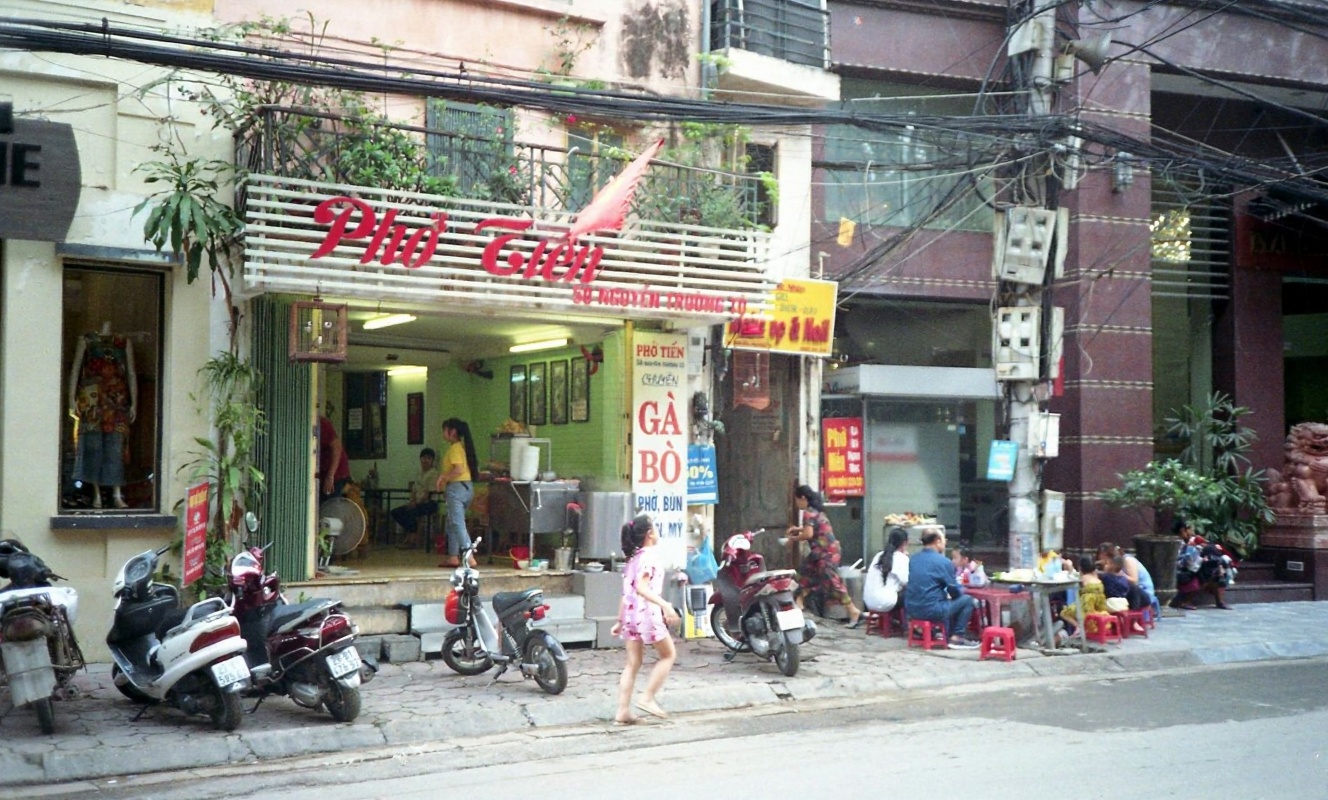
These numbers serve as your anti-scam baseline. If a phở bowl costs 150,000 VND (~$5.80) at a random stall next to your hotel, you’re paying tourist pricing and it might be worth asking, or finding the next shop over. The price should match the setting: plastic stools and handwritten menus = local prices. Air conditioning and English menus = expect to pay more, and that’s also fair.
For a comprehensive breakdown of what things cost across all categories — accommodation, food, activities, transport — see our Vietnam budget guide which covers daily spend by travel style from shoestring to mid-range to splurge.
Vietnam Currency: Frequently Asked Questions
What is the currency in Vietnam?
Vietnam’s currency is the Vietnamese đồng (VND or ₫). It is non-convertible outside Vietnam — get it at ATMs inside Vietnam or at a Vietnamese bank abroad. Banknotes range from 1,000 VND to 500,000 VND. The current exchange rate is approximately 26,000 VND per 1 USD (June 2026).
Can I use US dollars in Vietnam?
Technically yes — some vendors, tour operators, and tourist-area businesses accept USD. But the exchange rate they apply is almost always worse than the bank rate. Paying in USD means you’re paying a premium. Always use VND when possible. The exception: visa on arrival fees, which are explicitly priced in USD.
What are the best ATMs in Vietnam for international cards?
Vietcombank, BIDV, and Techcombank are the most reliable for international card withdrawals in Vietnam. VPBank reportedly charges no ATM withdrawal fee on the bank’s side. Avoid airport terminal ATMs (poor rates) and independent white-label machines near tourist attractions (aggressive DCC prompts). Always choose to be charged in VND, not your home currency.
How much cash should I bring to Vietnam?
Don’t bring cash from home — the exchange rate at foreign banks is poor. Arrive with a Wise or Revolut card and withdraw VND at a Vietcombank or BIDV ATM on arrival. For a 2-week mid-range trip, budget 15–25 million VND (~$580–960) total for cash expenses, withdrawing in 3–4 transactions to minimize per-transaction fees.
Is Vietnam a cash or card country?
Both, depending on where you are. Hotels, large restaurants, and shopping malls accept cards. Street food, markets, xe ôm, small guesthouses, and rural areas are cash-only. Always carry 500,000–1,000,000 VND (~$19–38) in small denominations for daily expenses. Even in major cities, you’ll hit cash-only situations multiple times per day.