Updated June 2026
January’s Unique Editorial Angle: The Tet Factor
Every Vietnam travel guide lists January temperature data. That’s the wrong thing to lead with. January’s defining characteristic is that it’s either the run-up to Tet (Vietnamese Lunar New Year) or it is Tet, depending on the lunar calendar year.
In 2026, Tet falls on January 29. That means:
- Jan 1–20: Peak tourist season, excellent weather south and central, normal operations everywhere
- Jan 21–28: Pre-Tet week. Domestic travel spikes as Vietnamese return home. Prices for trains and buses to major cities surge. Hanoi fills up; countryside empties out.
- Jan 29 – Feb 4: Tet week proper. Much of Vietnam shuts down. Local restaurants close. Transportation runs reduced service. Markets sell out. Tourists either love this (they get a festival) or hate it (they can’t find an open restaurant at 7pm).
Who January is for: travelers who want Hoi An or Da Nang beach weather in peak condition and don’t mind paying high season prices. Travelers who deliberately want to experience Tet (in which case, position yourself in a city and have food stocked). Travelers who book everything far in advance and accept that flexibility disappears in Tet week.
Who January is not for: spontaneous travelers who expect to show up and find a bus ticket, a cheap guesthouse, or an open restaurant without planning. Budget travelers who are sensitive to price spikes. Ha Giang Loop riders who want warm weather.
✓Quick Answer
Vietnam in January: excellent in the south and central, cold in the north. Book everything before you arrive — January is peak season and fills up. If Tet falls in January, understand that the country shifts into a different mode for 7–10 days around the holiday.
Vietnam January Weather: Where to Go
North Vietnam in January: What’s Actually Worth Doing
Hanoi in January gets underestimated. The Old Quarter cafés are at their coziest — egg coffee (cà phê trứng) at Giảng Cà Phê tastes better when it’s cold outside. The National Museum of Vietnamese History and Hỏa Lò Prison (the “Hanoi Hilton”) are worth serious time and are entirely indoor experiences. The Temple of Literature is beautiful in winter mist. And because international tourism to Hanoi in January is lower than November or March, you’re seeing the city with slightly less tourist saturation — the restaurant lines are shorter, the guesthouses are available, the markets are less chaotic.
Ninh Bình deserves a mention: the boat cave experiences at Tràng An and Tam Cốc gain an atmospheric misty quality in January cold that they don’t have in summer. Bring a light jacket for the open boat ride. See our Ninh Bình things to do guide for the best order to visit the sites in January conditions.
South Vietnam: Peak Season Perfection
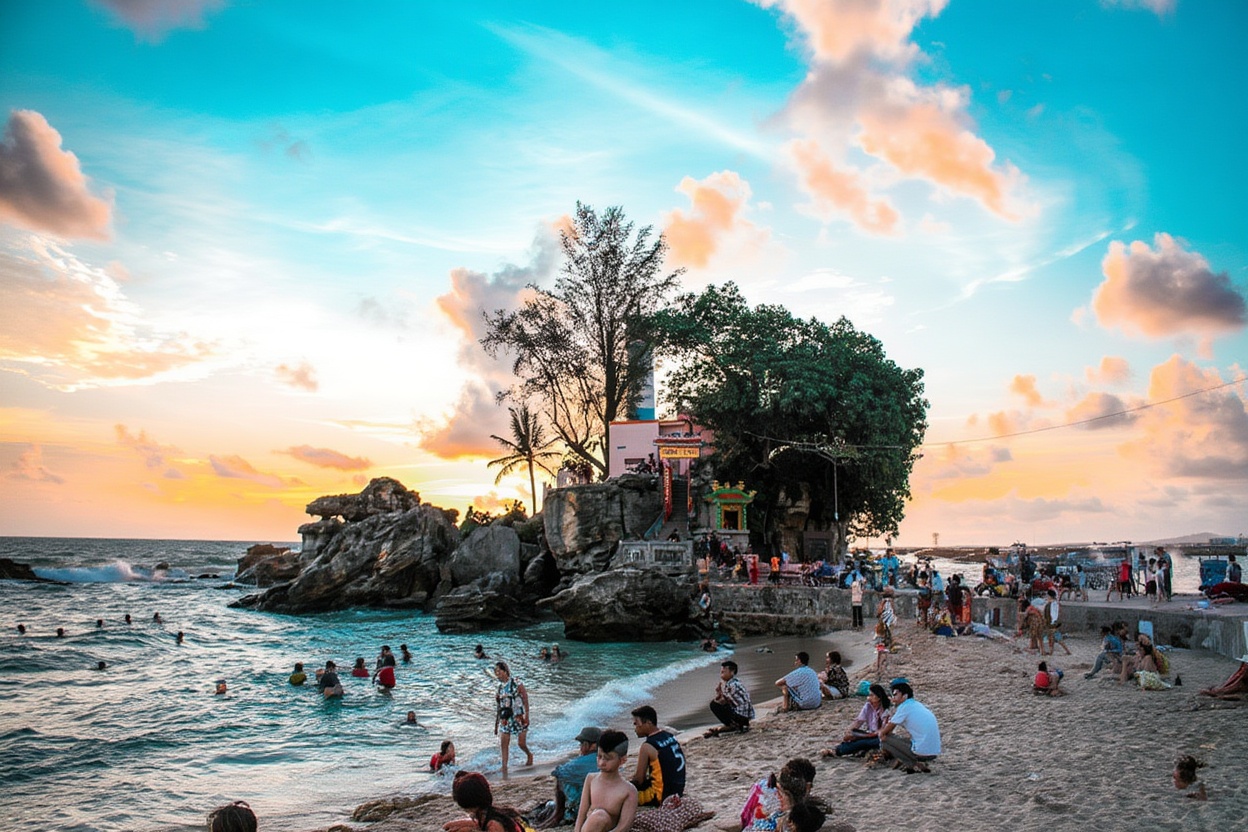
Ho Chi Minh City, Mekong Delta, Phu Quoc, Mui Ne — January is the best month for all of these. Dry season is in full effect: 3–4 rain days all month, temperatures around 28–30°C (82–86°F) with low humidity by Vietnamese standards. The sea is calm, the beaches are clean, and the outdoor activities are fully operational.
The trade-off: this is the most expensive month. Phu Quoc in January costs roughly 40–60% more than August for equivalent accommodation. Ha Long Bay cruises book out. Popular spots have visible weekend domestic tourism from Vietnamese families on holiday. It’s worth it — just price it out before you go rather than discovering it at check-in.
Central Vietnam (Da Nang, Hoi An): The Real Winner
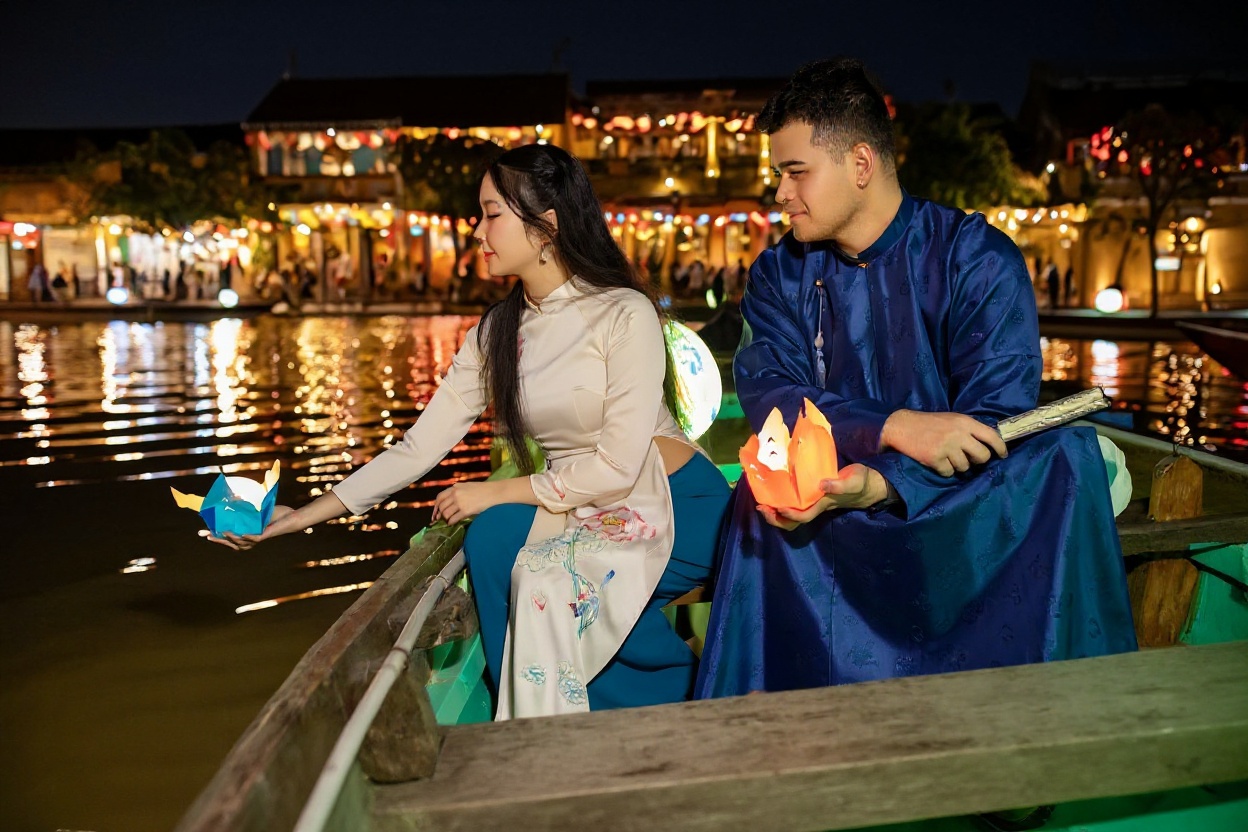
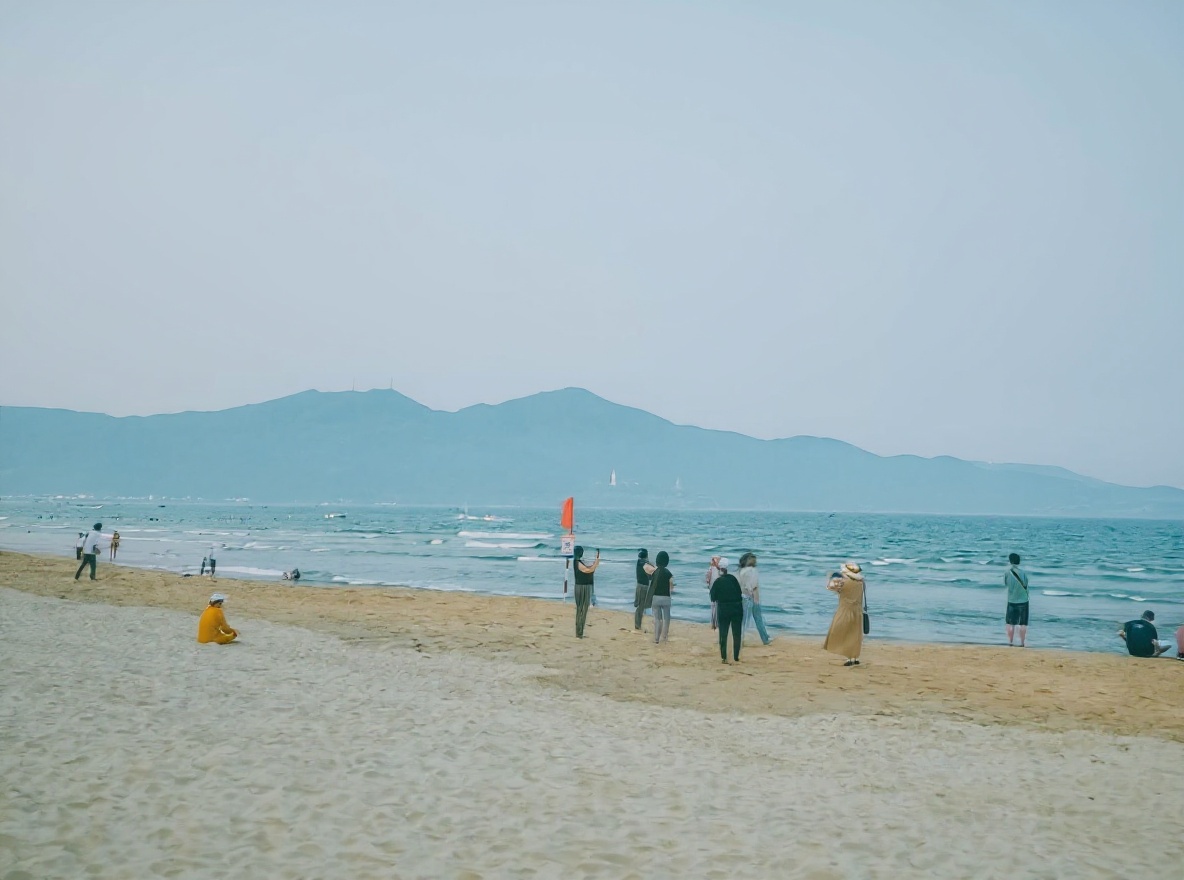
January is the month central Vietnam finally earns its reputation. After months of typhoon season and rainy cold weather, January brings clear skies, cool sea breezes, and the Ancient Town of Hội An in its most photogenic state. Lantern festivals run nightly. The beaches at Mỹ Khê are swimmable. Marble Mountain has clear views instead of fog.
This is peak season in the most literal sense: Da Nang airport is at capacity, guesthouses in Hội An fill months in advance, and restaurant queues outside the lantern zone are long. Come prepared and book early. Our Hoi An things to do guide has the logistics for getting around efficiently in peak season crowds.
North Vietnam (Hanoi, Ninh Binh): Manageable but Bring Layers
Hanoi in January averages 17–19°C (63–66°F) — jacket weather by Vietnamese standards. The city often sits under a grey sky for days at a time. Rain is less frequent than autumn but the dampness makes it feel colder than the temperature suggests. It’s not unpleasant — Hanoi has excellent coffee shop culture for exactly this kind of weather — but it’s not the Hanoi of October or March.
Ninh Bình in January is actually underrated for tourism. The karst landscape is at its most dramatic in the cool mist. The boat caves feel genuinely atmospheric. There are far fewer tourists than spring or summer peak. The caveat: some days are genuinely cold and drizzly, and if you’re hoping to swim anywhere, you won’t be.
Ha Giang Loop in January requires serious cold-weather gear. The mountain passes regularly drop below 5°C at elevation. The views can be spectacular on clear days (frost on the limestone, no haze) but road conditions need checking and fog can obscure the scenic stretches for days. Most international riders wait for April.
Tet in January: What Actually Happens
Tet (Tết Nguyên Đán — say: tet ngwen dan) is the most important celebration in Vietnam. It’s simultaneously the best and most logistically challenging time to be a foreign visitor, and the difference between a good Tet experience and a bad one is almost entirely preparation.
What Tet Looks Like (From the Outside)
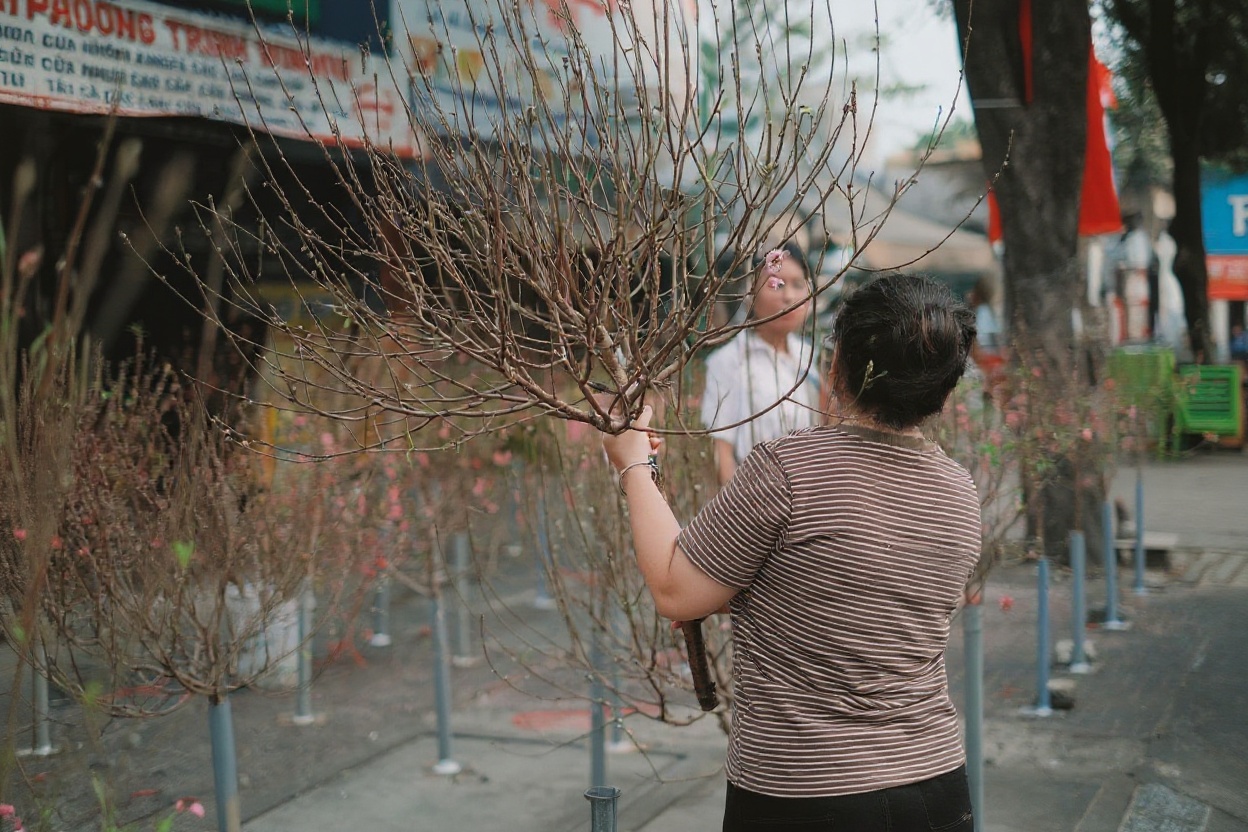
Two weeks before Tet: flower markets appear on major streets in Hanoi and HCMC. Peach blossoms (north) and yellow apricot flowers (south) are everywhere. Street decorations go up. The energy in markets escalates. This is actually one of January’s highlights — the flower market along Hàng Lược street in Hanoi’s Old Quarter is one of the most visually striking things you’ll see in the city.
One week before Tet: Vietnamese people start traveling home. If you’re trying to get from HCMC to Da Nang or Hanoi, trains and buses are fully booked by people going home to their families. Prices triple. Book your transport well in advance or accept that you’re staying put during Tet week.
Tet eve (the night before Tet): fireworks at midnight, often spectacular, in every city. Hanoi’s Hoàn Kiếm Lake is surrounded by crowds. Worth experiencing if you can get a position.
First few days of Tet: the country goes quiet. Restaurants that normally stay open 24/7 post “closed for Tet” signs. The streets in big cities empty dramatically — Vietnamese families are home with their parents. What remains open: convenience stores (Circle K, FamilyMart, 7-Eleven), high-end hotels that cater to foreign guests, and some tourist-facing restaurants in Hội An, Hà Nội Old Quarter, and HCMC District 1 that specifically stay open for the international visitor base.
✓Quick Answer
During Tet week, stock one day’s food supplies at your accommodation, book restaurants in advance for the first 2 days, and embrace the fact that the normal Vietnam you’ve been experiencing has paused. Many travelers find Tet week unexpectedly peaceful — the city noise drops, families are gathered, and there’s a warmth to the occasion that’s worth experiencing.
January Scenarios: Who Should Go Where
The Beach-First Traveler
January is your month. Phu Quoc, Da Nang’s Mỹ Khê beach, Mui Ne — all operating at peak. Book accommodation at least 6 weeks in advance for these destinations in January. Budget for 40–60% higher accommodation costs than low season. The trade is absolutely worth it for beach-focused travel — these conditions don’t exist in monsoon months.
The History and Culture Traveler
Excellent choice. Hội An’s Ancient Town in January is at its most atmospheric and photogenic. Huế’s royal tombs are calm and crowd-free compared to the summer domestic tourist peak. The Mỹ Sơn Cham ruins near Hội An have excellent January visiting conditions. If you want to overlap with Tet, the temple festival atmosphere in Vietnamese cities during the first week of Tet is genuinely once-in-a-lifetime. For more on the Hue imperial sites, our Hue things to do guide covers what to prioritize.
The Family Traveler
January is good for families. Weather in central and south Vietnam is the most reliably stable of the year — no typhoons, no monsoon rains, minimal disruption. The main caveat: Tet week is genuinely complicated for families who have young children and expect access to familiar food options. If you’re traveling with kids during Tet, select accommodation that has an in-house restaurant or full kitchen facilities, and prepare for the unexpected-closure situation. Outside Tet week, January family travel in Vietnam is excellent. Our Vietnam family travel guide has specific advice on which destinations work best with kids.
The Budget Backpacker
January is the least friendly month for budget travel. It’s peak season with peak pricing. If budget is the priority, target February after Tet ends (accommodation prices drop), November (good weather, lower prices), or consider committing to north-only January travel where the prices are more stable year-round.
Real Talk: What’s Difficult About January
Pre-Tet transport is the main pain point. If your January trip overlaps with the 10 days before Tet, and you want to travel between cities on the national bus or train network, you need to book weeks in advance. The reunification express train from Hanoi to HCMC sells out. Sleeper buses fill. This is not a scare tactic — it’s a practical constraint that a lot of first-timers hit.
Accommodation pricing is high. January is when guesthouses and hotels in Hội An, Da Nang, and Phu Quoc charge peak rates. Budget accommodation that runs $8–12/night in September runs $20–30 in January. This is the single biggest cost shock for first-time visitors to Vietnam in January.
Tet restaurant closures. On the first 1–3 days of Tet, many local restaurants close entirely. High-end tourist-facing restaurants stay open. The practical advice: walk your neighborhood the day before Tet and note which spots have “open during Tet” signs. Book dinner reservations for the first two nights. Have some snacks in your room. For the full transport picture, our Vietnam transport guide has the booking windows and best booking platforms.
January vs. December and February: How It Compares
January sits in the middle of Vietnam’s dry season peak (December–February for central and south). Here’s what changes across the three months:
vs. December: December has the Christmas/New Year price premium on top of the already-high January baseline. International traveler volumes are higher in December, domestic Vietnamese travel is lower. Post-Christmas week (Dec 26–31) is the single most crowded and expensive period of the year for Hội An. January is slightly better value and slightly less crowded, especially from Jan 10 onward.
vs. February: After Tet (typically February), prices drop noticeably, crowds thin, and the weather in central Vietnam starts its slight transition toward spring. February is arguably the best month for a price-to-conditions ratio in Hội An and Da Nang. For north Vietnam, February is still cold but occasionally produces spectacular clear days in the highlands. Post-Tet February is underrated.
If your date flexibility is between late January and early February — and Tet timing matters — price out both against the specific Tet calendar date for that year. Tet moves every year on the solar calendar. Sometimes late January has Tet week; sometimes Tet falls entirely in February. Check before booking.
Jake’s Take: The January I Nearly Missed Tet
My first January in Vietnam was 2022. I knew Tet was coming but I had badly miscalculated the logistics. I was in Hội An when I realized I needed to get to Hanoi in four days, right in the middle of the pre-Tet transport crunch. Every train was sold out. The overnight sleeper buses had zero available seats. My only option was a flight, which I booked at roughly three times the normal price because I left it too late.
I made it to Hanoi, which was extraordinary — the Old Quarter goes quiet in a way that no other time of year replicates, and I watched the Tet midnight fireworks from the south end of Hoàn Kiếm Lake surrounded by Vietnamese families with sparklers and chrysanthemum wine. It was genuinely one of the best nights I’ve had in Vietnam.
But I overpaid for the flight and ate convenience store food for two days because I hadn’t mapped out which restaurants were staying open. The experience was great; the preparation was bad. Learn from it: if you’re in Vietnam during Tet, treat the pre-Tet transport window with the same urgency as trying to book Christmas Eve flights in the United States.
January Practical Planning: What to Book and When
Book accommodation 6–8 weeks out if you’re visiting central or south Vietnam in January. Hội An fills from Christmas through late January. Phu Quoc’s better guesthouses go in November for January dates. Da Nang’s beach hotels aren’t as far in advance but January weekends fill quickly.
Transport between cities: book as early as possible if overlapping with Tet. The Hà Nội–HCMC reunification express train (30+ hours) is the most scenic option and also the most popular — seats go months in advance for the Tet period. Book via baolau.com or 12go.asia for English-language options. If you’re not overlapping with Tet, 2–3 weeks ahead is typically fine.
Tet flower markets are a must-see if you’re in Hà Nội or HCMC in the two weeks before Tet. Hàng Lược street in Hanoi’s Old Quarter has the most famous peach blossom market — go between 6–9am to see it before the afternoon crowds arrive. In HCMC, the Nguyễn Huệ pedestrian street gets a full flower exhibition starting about 10 days before Tet.
January packing varies by region. South Vietnam: light clothes, sunscreen, swim gear. Da Nang/Hội An: t-shirts plus a light layer for evenings. Hanoi: a proper jacket, sweater, and light scarf. Sapa: thermal base layer, insulated jacket, gloves. People routinely underestimate how cold North Vietnam gets in January because they’ve been to the south first and haven’t readjusted their expectations. For a full packing list, our Vietnam packing list has month-by-month guidance.
Budget for January premium. If your trip planning assumed year-round stable prices (a common mistake based on blog posts that don’t flag seasonal pricing), January central and south costs will surprise you. Add 30–50% to any accommodation budget from September or October estimates. Counterbalance: January north Vietnam (Hanoi, Ninh Bình) has minimal premium over shoulder season.
For the full regional picture across all months, our best time to visit Vietnam guide breaks down the trade-offs month by month with specific destination recommendations.
FAQ: Vietnam in January
Is January a good time to visit Vietnam?
Yes, for central and south Vietnam. Da Nang, Hoi An, Ho Chi Minh City, and Phu Quoc are in peak weather condition: dry, sunny, and swimmable. North Vietnam is cool and often grey in January — manageable but not ideal for outdoor-focused trips. The main complication is Tet, which falls in late January or February and disrupts transport and services for about a week.
What is Tet and when is it in 2026?
Tet (Tết Nguyên Đán) is Vietnamese Lunar New Year, the most important celebration in Vietnam. In 2026, Tet falls on January 29. The holiday lasts officially 7 days but the pre-Tet travel rush starts about 10 days earlier, and most businesses return to normal about 3–5 days after the first day. During Tet week itself, local restaurants close and transport is scarce — plan and book in advance.
How cold is Vietnam in January?
It depends sharply on region. Ho Chi Minh City: 28–30°C (82–86°F), genuinely warm. Da Nang/Hoi An: 22–24°C (72–75°F), t-shirt and light jacket weather. Hanoi: 17–19°C (63–66°F), you’ll want a jacket and sweater. Sapa: 5–10°C (41–50°F), genuine cold — hat and down jacket territory. North Vietnam in January is not beach weather.
Should I visit Vietnam during Tet?
It depends on your travel style. Tet is spectacular to witness — flower markets, temple ceremonies, fireworks, the quieting of cities as families gather. It’s logistically challenging: transport books out weeks in advance, prices spike, restaurants close. If you book everything 6+ weeks ahead and have a flexible attitude about restaurant closures, Tet is a genuinely memorable experience. If you’re a spontaneous traveler who hates constraints, avoid Tet week.
Is January peak season in Vietnam?
Yes, for central and south Vietnam. January is one of the two peak months (December–January) with the best weather in these regions. Expect higher accommodation prices, more crowds, and the need to book in advance. North Vietnam is off-peak in January — prices are lower but the weather is cool and grey.
What should I pack for Vietnam in January?
Depends entirely on which region you’re visiting. South Vietnam (HCMC, Phu Quoc, Mekong Delta): light summer clothes, sunscreen, swimwear. Central Vietnam (Da Nang, Hoi An): add a light jacket and long trousers for evenings. Hanoi: a real jacket (not just a hoodie), sweater, scarf. Sapa or Ha Giang: thermal base layer, down jacket, gloves, hat. For the full breakdown see our Vietnam packing list — it has month-specific guidance for each region.
Can I do Ha Long Bay in January?
Yes. January is actually one of the better months for Ha Long Bay — the water is calm, the air is clear (no summer heat haze), and the weather is cool enough to be comfortable on deck. Cruises run normally. The main drawback is that the water is too cold for swimming for most people (~20°C / 68°F). Bring a warm layer for early mornings on deck. Our Ha Long Bay cruise guide covers which operators run well in January conditions.