Last updated: May 2026 — prices and logistics verified May 2026.
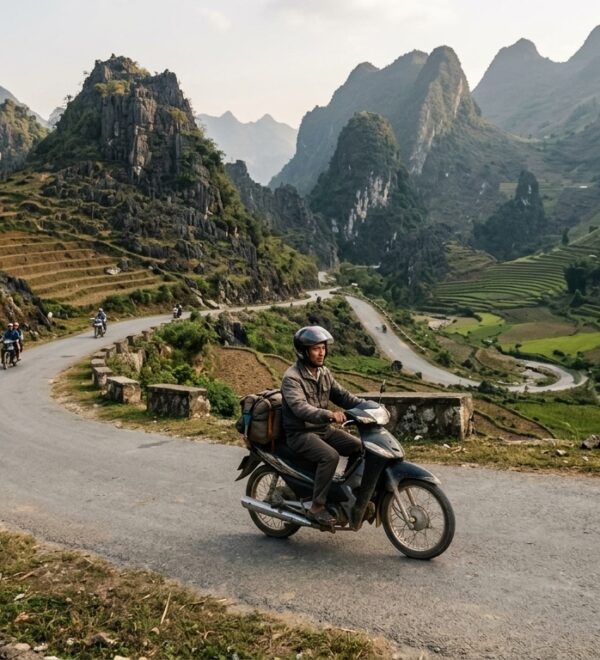
The other one wakes up at 6am, takes a motorbike 7km into the valley, watches the mist lift off the rice terraces while a H’mong grandmother makes rice wine twenty metres away, spends two days walking between villages with a local guide, and comes back to Hanoi talking about it for the next six months.
Same town. Same north Vietnam trip. Everything different.
Here’s how to be the second traveler. A guide to things to do in Sapa built around what’s actually worth your time — and a few honest words about what isn’t.
Trekking in Muong Hoa Valley — The Reason Most People Come
The Muong Hoa (say: moong hwa) Valley runs southeast from Sapa town for about 15km, dropping from 1,600 metres into a river basin surrounded by rice terraces. The villages of Ta Van (say: ta van) and Lao Chai (say: lao chai) sit at the valley floor, 7–8km from town. This is the most popular trekking route in Sapa and, unlike a lot of popular routes, it earns the reputation.
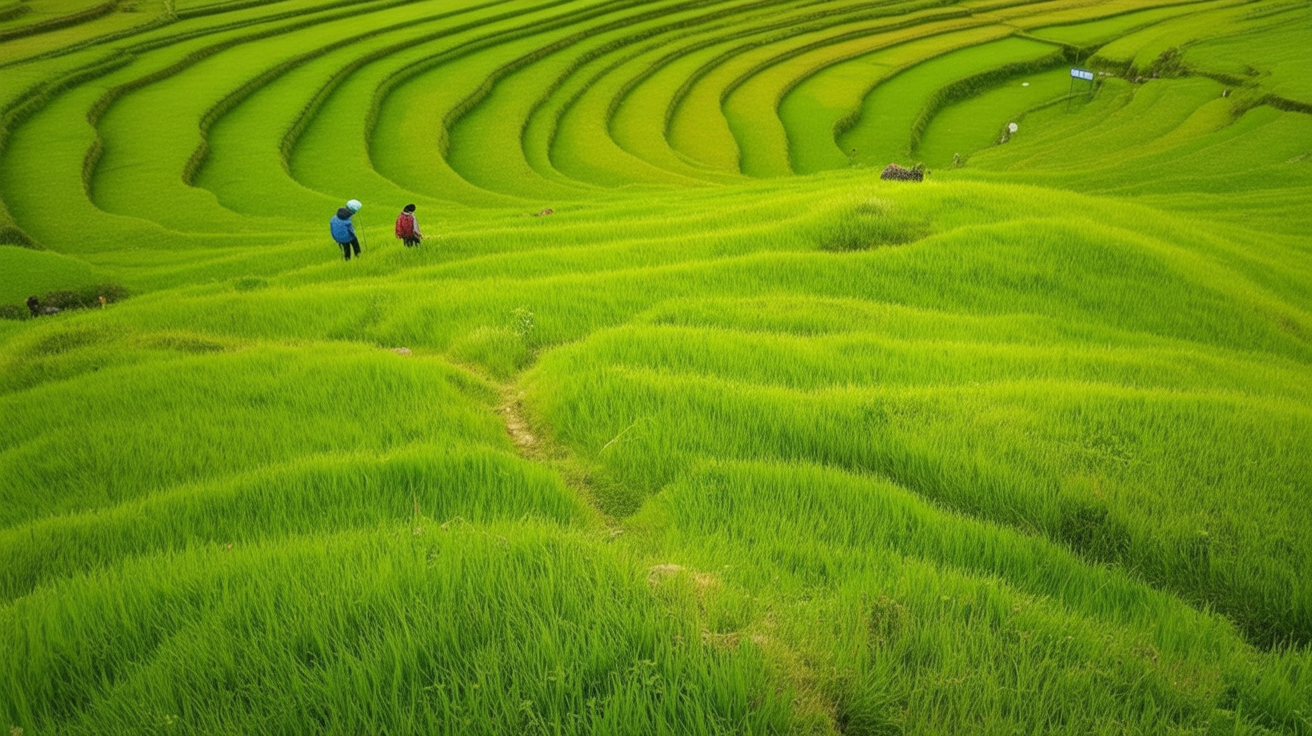
The standard route takes 4–5 hours one-way: start at the top of the valley on the paved road, then drop onto footpaths that wind between paddy fields, through working farm areas, past irrigation channels and wooden footbridges. The trail ends in Ta Van, where most people arrange a motorbike back to Sapa or, better, spend the night at a village homestay.
Go with a guide, at least the first time. The paths branch constantly. Signage ranges from minimal to nonexistent. A local H’mong guide costs 300,000–500,000 VND (~$11–19)/day and knows which trails are passable after rain, which shortcuts are genuine shortcuts, and which family will let you stop for tea. Beyond the logistics: trekking with a H’mong guide means walking through communities where the guide actually knows people. That changes what you see.
→Who It’s For
Anyone who can walk 15–18km over 5–6 hours on uneven terrain. The trail has some steep sections but nothing technical. Not suitable for people with serious mobility issues or anyone who fainted on the Ninh Binh stairs. Suitable for most reasonably fit travelers regardless of trekking experience.
For a second day, extend into the O Quy Ho (say: oh kwee ho) Pass area to the southwest — a 20km mountain road with views down into Lai Châu province that most Sapa visitors never see. The light here at 4–5pm, when the mist starts rising from the valley below while the peaks stay lit, is the kind of thing you’ll try to photograph and fail to capture adequately.
↗Insider Tip
The terraces look fundamentally different at different times of year. September–October is harvest season — the paddies go gold, then get cut, and the hillsides transform. March–April is the planting season opposite — electric green, rows of new rice in standing water reflecting sky. Both are worth coming for. The worst time visually is January–February: the fields are grey and harvested. The weather is cold and clear, which has its own value, but the landscape is stripped bare.
Fansipan — Cable Car vs Trekking (Honest Take)
Fansipan (say: fan-see-pan) is Indochina’s highest peak at 3,143 metres, and the fact that a cable car now runs to within a few hundred steps of the summit has generated approximately infinite travel blog debate. Here is an honest assessment.
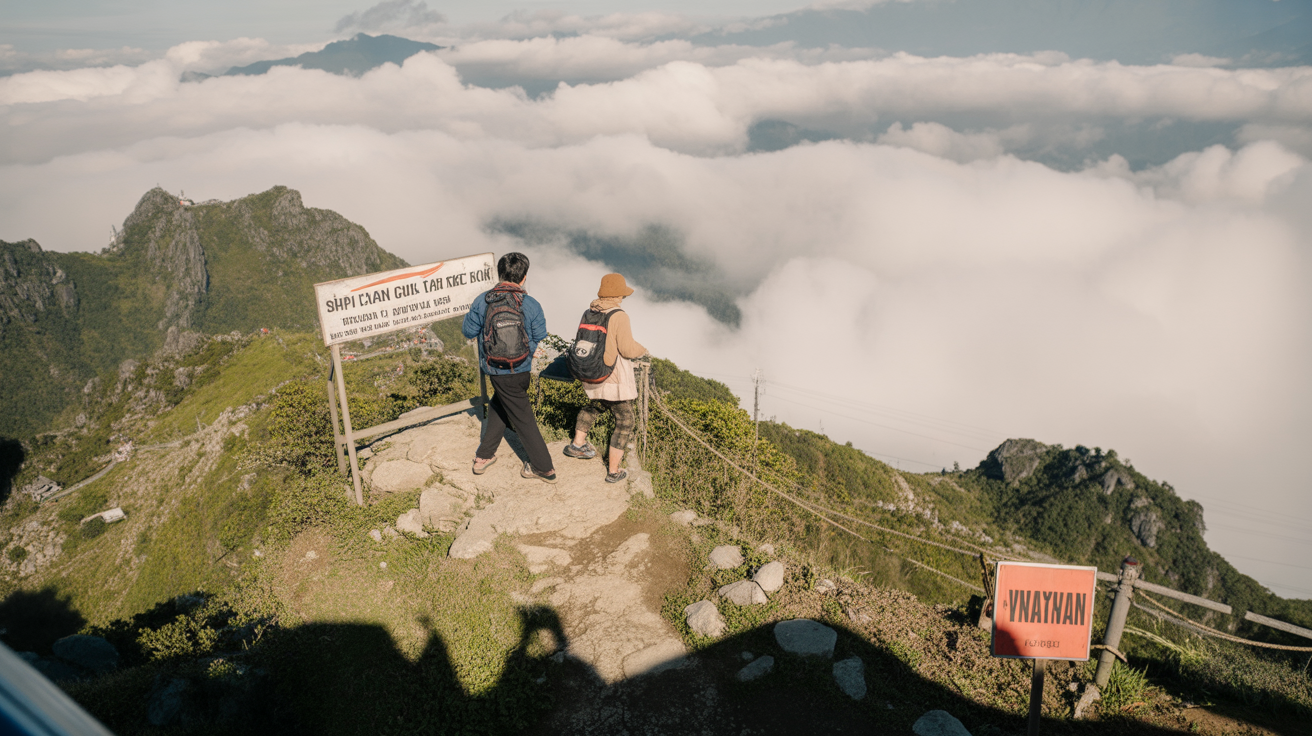
The cable car was built by Sun World, operated by Vingroup, and it is — technically — an impressive piece of engineering. The gondola rises 1,410 metres in about 15 minutes, with views of the terraced hillsides below that are genuinely spectacular on a clear day. Problem: most days in Sapa are not clear. The summit sits in cloud for a significant portion of the year, and you cannot know in advance whether today is a cloud day or a view day. You find out when you get there.
The second problem: the queue. On Saturdays and Sundays, the wait for the cable car runs 75–90 minutes each way. The summit area, despite being 3,143 metres in the Hoang Lien Son mountains, contains a pagoda complex, a restaurant, souvenir stalls, and several hundred people taking selfies simultaneously. It is not a wilderness experience.
I made this mistake on my first trip to Sapa. Stood in the queue for ninety minutes, rode up in the gondola, reached the summit in dense fog, turned around and came back down. 3 hours of my trip, 750,000 VND (~$28) for the cable car ticket, and a summit I could not see. I was irritated with myself for days.
⚠Real Talk
The cable car is worth it under two conditions: you go mid-week (Tuesday–Thursday, shorter queues), and you check the summit weather forecast the morning before (Weather Underground and Windy.com both cover Fansipan at altitude). Clear summit and no queue? Great experience. Cloudy summit and 90-min queue? A very expensive mountain fog.
The alternative: the Fansipan summit trek takes 2 days with a guide and is a genuinely serious hike. The first 8km are steep, the second day is technical in parts, and you need proper gear — waterproof layers, trekking poles, warm sleeping kit. Cost including guide and overnight shelter on the mountain: around 2,600,000–3,900,000 VND (~$100–150) for a 2-person group. Most guides operating this route are experienced and the trail is well-maintained. You sleep in a basic cabin at 2,800 metres, reach the summit at dawn if conditions allow, descend the second day. This is the version worth talking about afterward.
Cable car ticket prices (2026): 750,000 VND (~$28) for the cable car. Add 150,000 VND (~$6) for the funicular to the summit from the cable car station. Total: 900,000 VND (~$34) round trip.
Cat Cat Village and the Waterfall Circuit
Cat Cat (say: kat kat) is the Flower H’mong village 2km from Sapa town center, the one you can see from the main square. It charges a 70,000 VND (~$2.65) entrance fee, has a well-maintained stone path, a cascade of wooden stilt houses on the hillside, a waterfall at the valley bottom, and on any given morning between 9am and 2pm, several hundred visitors.
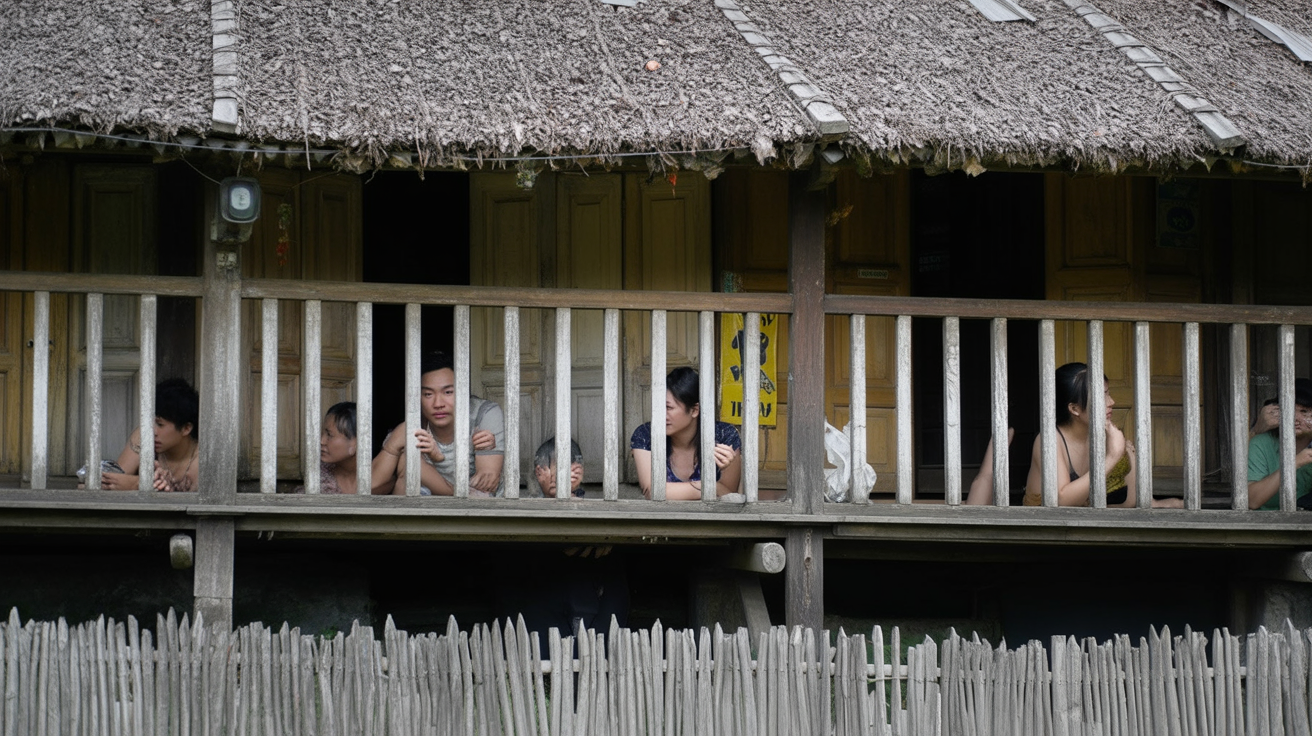
The honest verdict: Cat Cat is beautiful, genuinely. The setting is real — the houses aren’t a stage set, the women weaving outside their homes are doing actual work. But the density of visitors by mid-morning turns it into a procession. If you’re going, leave the hotel at 8am and arrive by 8:30. The light is better anyway — early morning mist sitting in the valley below the path — and you’ll have most of the upper section to yourself for a precious forty minutes before the first tour groups arrive.
Silver Waterfall (Thác Bạc, say: thak bak) sits 12km from Sapa on the road toward the O Quy Ho Pass, a 200-metre drop visible from the road. Entrance: 40,000 VND (~$1.50). Most motorbike taxi drivers include it in a half-day circuit with Love Waterfall (Thác Tình Yêu, say: thak tinh yew, entrance 70,000 VND/~$2.65). Combined: a two-hour circuit for about 200,000 VND (~$7.60) in entrance fees, worth doing on a half-day when the afternoon cloud moves in and trekking visibility is poor.
↗Insider Tip
The best waterfall in the Sapa area isn’t on most itineraries: Dragon Waterfall (Thác Rồng, say: thak rohng) in Ta Van village, accessed via a 45-minute trail from the valley floor. Ask your homestay host or local guide — it doesn’t appear on most tourist maps and the approach is genuinely beautiful.
Bac Ha Sunday Market — Worth the Two-Hour Drive
Bac Ha (say: bak ha) market runs on Sunday mornings, 70km northeast of Sapa, and it is a different world. Where Sapa’s markets cater primarily to tourists, Bac Ha draws Flower H’mong communities from the surrounding hills who come to trade livestock, textiles, food, and alcohol. The color — the Flower H’mong women in layered embroidered skirts, the stalls of indigo thread and silver jewelry, the pen of buffalo and pigs in the livestock section — hits you immediately.
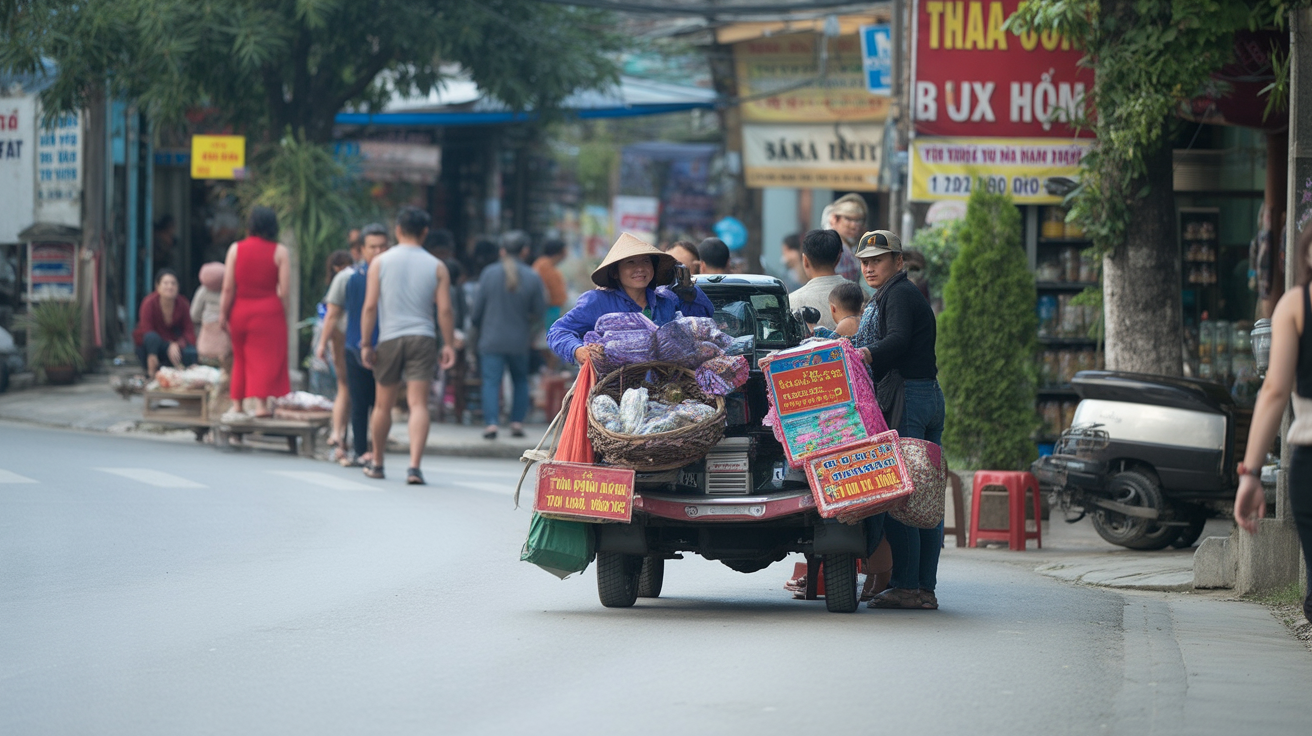
Get there before 9am. By 10:30–11am the market starts winding down and most of the locals have headed home. The drive from Sapa is 1.5–2 hours each way by car or minibus — most guesthouses can arrange a day trip for around 400,000–650,000 VND (~$15–25) per person. Alternatively, hire a motorbike in Sapa and ride yourself: the road follows the Chảy River valley and is genuinely scenic.
One warning: the “Bac Ha horse race” scheduled around Tet and a few other dates draws enormous domestic crowds and the market context disappears entirely. Worth checking before you go whether your Sunday is a normal market Sunday or a special event Sunday — the difference is significant.
→Who It’s For
Bac Ha is essential for anyone interested in ethnic minority culture, textiles, or authentic market environments. If you’ve come to Sapa specifically for mountains and trekking and have limited time, the day spent in Bac Ha is a day not spent trekking. Prioritize based on what you actually came for.
Rice Terrace Photography — When and Where to Shoot
The rice terraces are Sapa’s signature image and they perform differently depending entirely on when you’re there and where you stand. The ones most photographed are not necessarily the best ones.
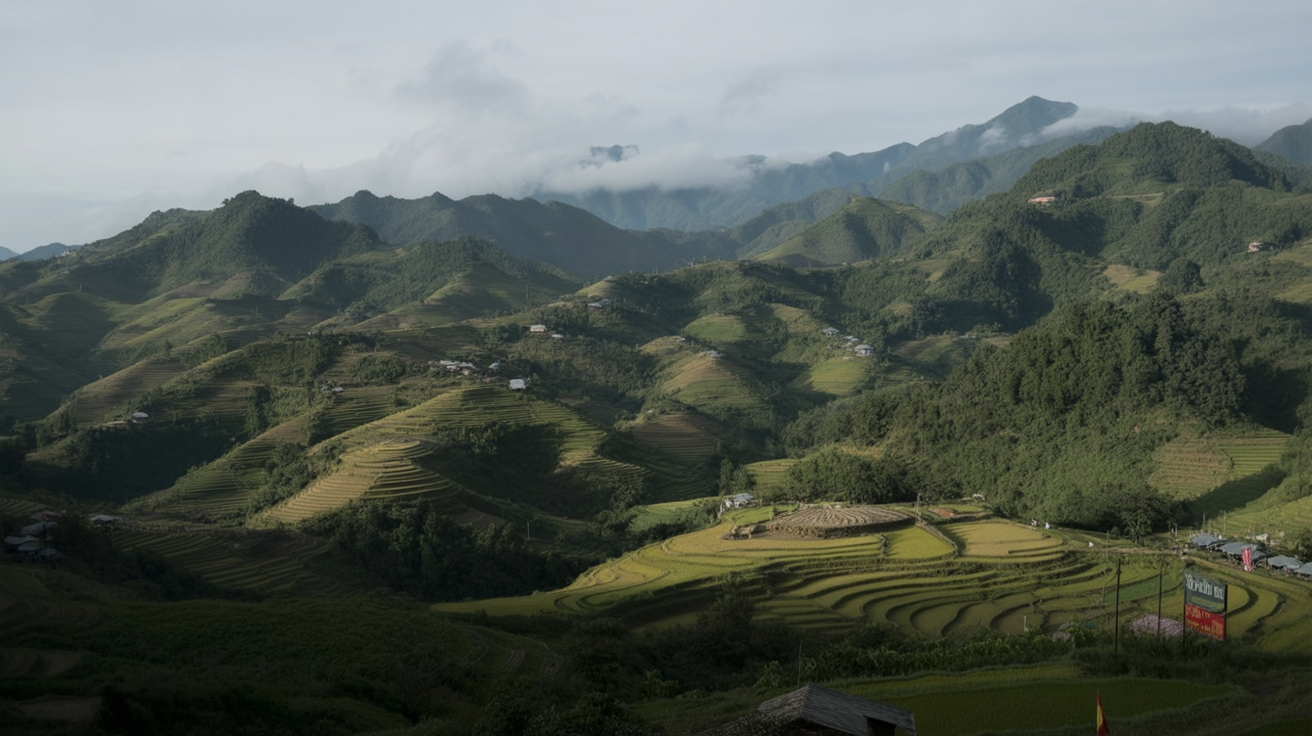
The terrace photography most worth the effort:
September–October (harvest): The paddies turn gold-brown before cutting. The hills look like stacked coins. Best light: 6–8am when mist sits in the valley and the terraces above the fog line catch the early sun. The road above Ta Van has a series of viewpoints that most motorbike taxi drivers know — ask specifically for the “điểm nhìn ruộng bậc thang” (say: diem nyin rooong bak tan).
March–April (planting): The fields are flooded and freshly planted, reflecting sky in the standing water. Electric green in direct light, silver-grey in cloud. The landscape looks entirely different from the harvest season.
The viewpoints nobody puts in the guides: The road from Sapa to Ta Van has three or four elevated curves where you can look back across the valley — not marked, just curves in the road where the valley opens. Ask your motorbike driver to slow down at the high points rather than going directly to the village. Most will, if asked.
ℹKnow Before You Go
Sapa’s famous aerial rice terrace drone photos are taken with permits from specific elevated points. If you’re a photographer with a drone: Vietnam requires drone registration and a flight permit from the Civil Aviation Authority. It takes days to arrange and is rarely worth it for a short visit. The on-the-ground views are better anyway — the terraces are more impressive at eye level than from above.
The Sapa Market and Town Life After Dark
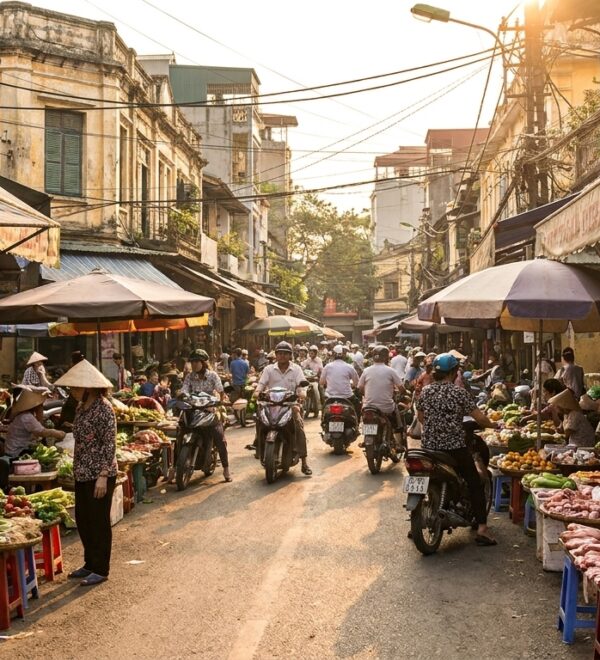
Sapa town’s market operates every day but comes alive on Saturday evenings when the Vietnamese domestic tourism crowd arrives and the main square fills with food stalls, street vendors, and the general organized chaos of a northern mountain town doing weekend trade.
The night market behind the main square (off Cầu Mây Street, say: co my) sells grilled meats, baked sweet potatoes, corn wine (rượu ngô, say: roo-oh ngo — the local moonshine, clear and harsh and worth trying once), and the usual mountain town snacks. Thắng Cố (say: tang co) — a traditional H’mong stew made from horse meat, organs, and spices — appears on some stalls. If you’re adventurous with food, it’s authentic. If you’re not, the grilled corn is excellent and less confronting.
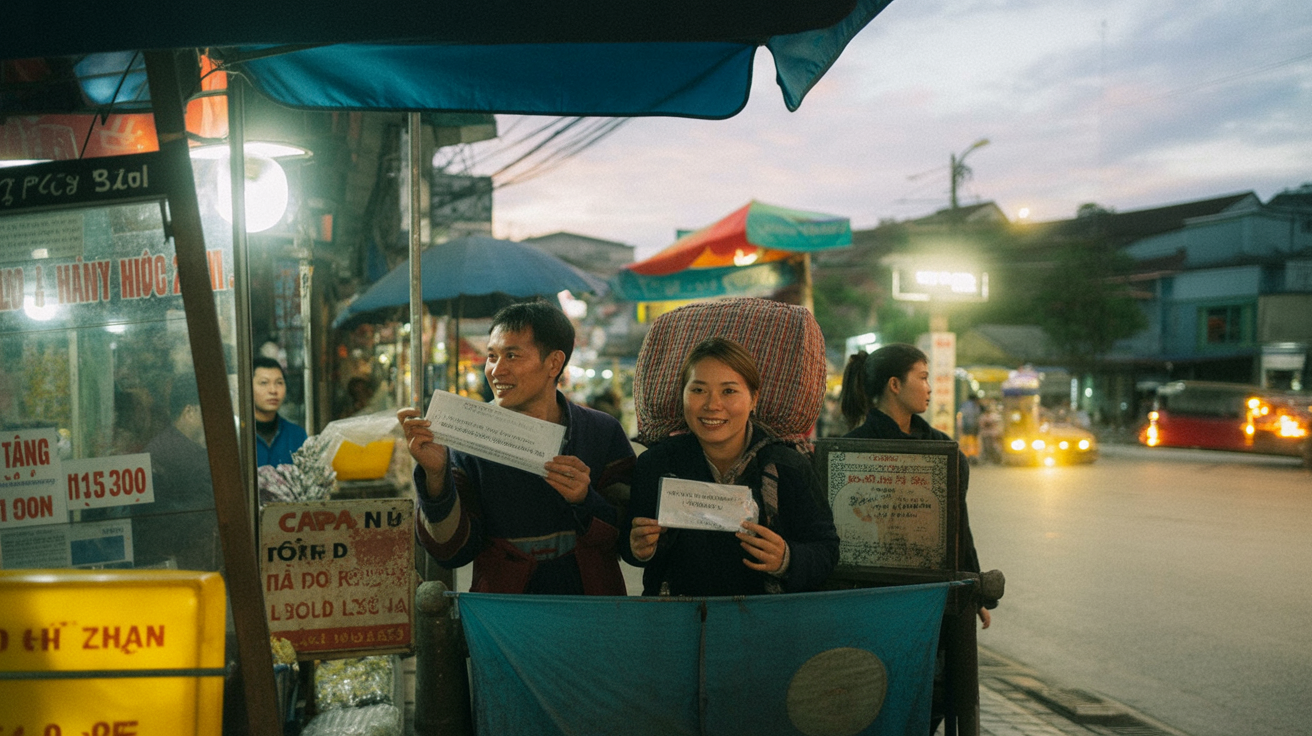
The Sapa O’Chau coffee shop on Thách Sơn Street is worth knowing: it’s a social enterprise run by H’mong women who were trained through an NGO program, the coffee is good, the view from the terrace is legitimate, and your money is going somewhere real. Open from 7am.
The Herbal Bath and Village Craft Experiences
Tả Phìn village, 12km north of Sapa, is where the Red Dao (say: zow) community lives — distinct from the H’mong communities in Ta Van — and where the traditional herbal bath originated. The tắm thuốc (say: tam thuoc) uses 20–30 mountain plants boiled together into a reddish-brown liquid, poured into a wooden tub. You sit in it for 30–45 minutes. It is simultaneously a bath and a mild medical treatment — the Red Dao use it for everything from post-harvest muscle pain to treating colds in winter.
After two days of trekking, my legs felt like I’d borrowed someone else’s. The herbal bath fixed them in a way that the ibuprofen had not. Cost: 100,000–200,000 VND (~$4–8), arranged through any Tả Phìn homestay or directly through the women’s cooperatives in the village.
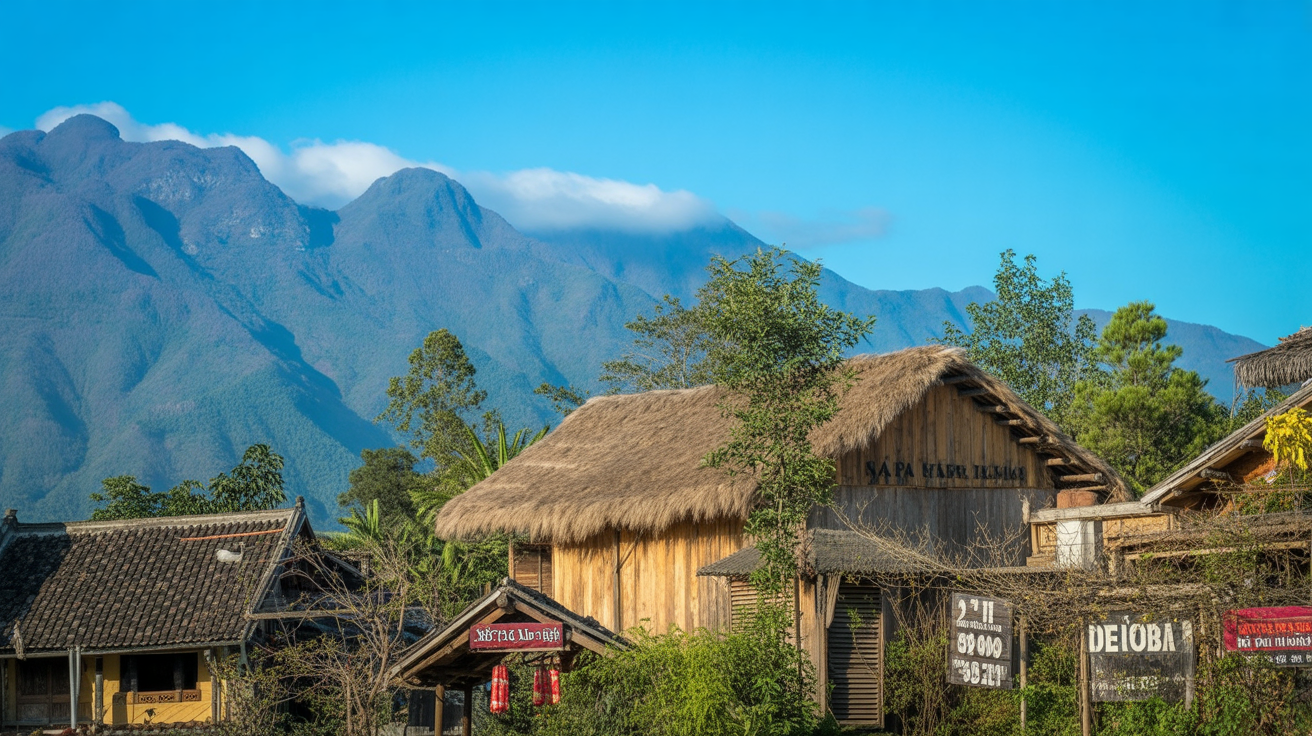
Textile and weaving experiences are available in both Ta Van (H’mong indigo dyeing) and Tả Phìn (Red Dao embroidery). The quality of these varies. The ones run directly by village women’s cooperatives — where you sit with someone actively working and learn a technique — are worthwhile. The ones set up in a purpose-built “experience center” near the main tourist paths are less so. Ask your guide or homestay host which is which.
Motorbike Loop — The Underrated Way to See the Valley
The O Quy Ho (say: oh kwee ho) mountain road is one of the best motorbike routes in northern Vietnam and most Sapa visitors never ride it. The road climbs from Sapa town northwest toward the 2,176-metre pass, then drops dramatically into Lai Châu province — a series of switchbacks above the tree line with views back across the Muong Hoa Valley that are arguably better than anything on the standard tourist circuit.
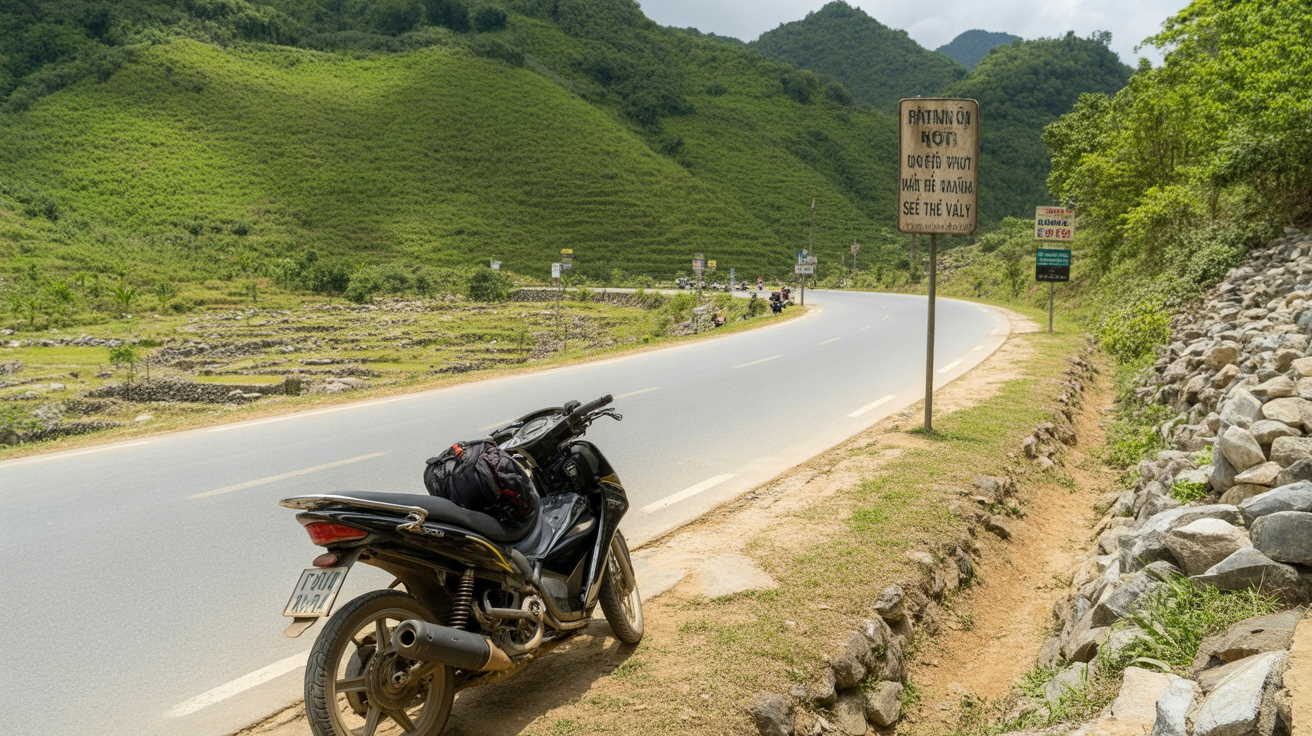
You don’t need to ride the full pass to Lai Châu city. The first 15km from Sapa to the pass summit is enough — ride to the top, take in the views on both sides, ride back. Allow 2 hours including stops. Silver Waterfall sits on this road at the 12km mark, so you can combine both.
Klook has the widest selection for Vietnam and is usually the cheapest. KKday is strong on day trips and local experiences.
or 150,000–250,000 VND (~$6–9)/day. Manual bikes are available if you prefer, similar price. Mountain road: wet season means muddy corners on the pass; check conditions the morning before and avoid riding after heavy rain. Helmet is mandatory; wear one that actually fits.
⚠Real Talk
Renting your own motorbike in Sapa works well if you have genuine riding experience on mountain roads. If your Vietnam motorbike experience is limited to flat city streets in Hanoi, the switchbacks above O Quy Ho Pass in wet weather are not the place to learn. Hire a xe ôm driver to take you on the back — you still see everything, without the risk.
Sapa with Older Travelers or Limited Mobility
Several Reddit threads specifically ask about Sapa for senior parents or travelers who can’t handle steep trekking — and the honest answer is that Sapa’s classic experiences are all physical. The Muong Hoa Valley trek involves uneven footpaths, stream crossings, and sustained climbs. Cat Cat Village has a steep stone path down and back. Even getting around the town involves hills.
That said, Sapa works for lower-intensity visits with some planning:
Fansipan by cable car is accessible without trekking — the gondola is fully enclosed, the funicular at the top handles the final climb, and the summit viewing areas are paved. The crowd and queue are the deterrents, not the physical demands.
The valley road by car gives access to the rice terrace views without walking them. Hiring a car and driver for a half-day (600,000–1,000,000 VND/~$23–38) to drive slowly through the Muong Hoa Valley, stop at viewpoints, and take the scenic route back gives a genuine experience of the landscape without the 15km footpath.
Ta Van village itself — the flat central part around the community center — is walkable at a gentle pace. The drama is in the approaches, but the village core is accessible.
For one Reddit commenter asking about parents with high blood pressure and age-related mobility issues: the honest recommendation was Ninh Binh instead of Sapa. Ninh Binh’s boat tours and walking are lower-intensity and the limestone scenery is worth it on its own. Sapa is best for people who can walk 5–15km comfortably on mountain terrain.
How to Spend 2 or 3 Days in Sapa
For reference, here’s how the days actually work — based on someone staying in Ta Van village rather than town:
Day 1: Arrive by overnight bus (5–6am). Take xe ôm from bus station to Ta Van (~30 min, 50,000–80,000 VND). Breakfast at homestay. Rest 2 hours. Afternoon: short walk around Ta Van and Lao Chai with homestay host or guide. Sunset from the terrace above the village. Dinner at homestay.
Day 2: Full day Muong Hoa Valley trek with local guide. Leave 8am. 15km over 5–6 hours, ending back in Ta Van. Cold shower, dinner, collapsed in bed by 9pm. Optional evening: rice wine with the host family.
Day 3: Choose one of — morning at Cat Cat Village (8am, before crowds), O Quy Ho Pass motorbike loop, or Tả Phìn Village + herbal bath. If it’s Sunday: Bac Ha Market is the automatic answer. Return to Sapa town for evening bus or van back to Hanoi.
Two days is the absolute minimum for this to feel worthwhile. Three is the natural rhythm. Four gives you time to add Bac Ha and the pass road without rushing.
What’s Not Worth Your Time in Sapa
A few things that consume visitor time and deliver relatively little:
The Alpine Coaster: A toboggan run on the hillside near the Fansipan cable car station. It’s a theme park attraction in a mountain town. Queues are long on weekends, the ride is 90 seconds, and it has nothing to do with why anyone travels 320km from Hanoi.
Ham Rong Mountain in Sapa town: A park-ified hill above the town with flower gardens and viewpoints. The views are decent but achievable from the road above town for free. The 70,000 VND entrance fee buys you manicured paths and ornamental plants that belong in a city park, not a mountain wilderness.
The tourist villages on the main paved road: Several “villages” along the main Ta Van road have been developed into shopping streets — souvenir stalls, performance stages, handicraft shops. They look like villages from a distance and feel like shopping malls up close. The actual working villages are 200–500 metres off the paved road on footpaths. Get on the footpaths.
Frequently Asked Questions
Is the Fansipan cable car worth it?
Conditionally yes. Go mid-week (Tuesday–Thursday) when queues are shorter. Check the summit weather forecast at Windy.com the morning before — if the summit is in cloud, don’t go. The cable car costs 750,000 VND (~$28) plus 150,000 VND (~$6) for the funicular at the top. On a clear mid-week day, the views are genuinely impressive and the experience is legitimate. On a foggy Saturday, you’ll stand in a 90-minute queue and see nothing. The trek to Fansipan is better in every way except convenience.
Can you do Sapa without a guide?
Technically yes — trails are documented on Maps.me and AllTrails, and independent trekkers do the Muong Hoa Valley route without guides. The practical problems: trail signage is minimal and the paths fork repeatedly; you miss the village context that a local guide provides; and if you’re going off the main route into less-visited areas, you genuinely need local knowledge about trail conditions. For the main Muong Hoa circuit, independent is feasible. For anything beyond that — hire a guide. The cost is low enough that it’s not really a debate worth having.
Is Sapa better than Ha Giang?
For rice terrace landscapes: Sapa. For dramatic mountain scenery and raw adventure: Ha Giang Loop. Sapa is easier to execute — shorter journey from Hanoi, more accommodation options, organized infrastructure for non-riders. Ha Giang requires a motorbike or jeep tour and two to three times the commitment. If your north Vietnam itinerary has the time, do both — they’re not competing for the same experience.
What’s the best time of year to visit Sapa?
September–October for golden rice terraces at harvest. March–April for spring planting — electric green terraces and peach blossoms. December–January for clear cold air and the possibility (not guarantee) of snow above 1,800 metres. Avoid June–August: heavy monsoon, leeches on trek paths, cloud obscuring most views. The shoulder months of November and February offer decent weather, fewer crowds, and reasonable prices.
Two things worth sorting before you land: a Vietnam eSIM so you have data the moment you clear customs, and travel insurance — medical costs for uninsured foreigners in Vietnam are significant.
Airalo eSIMs activate instantly. Buy before departure — airport SIM queues in Vietnam can take 30+ minutes.
Planning Your Sapa Days
The instinct when arriving in Sapa is to tick things off: cable car, village, waterfall, market. Resist it. Sapa’s best moments come from slowing down — staying two nights in a Ta Van homestay, walking paths that aren’t on the tourist map, sitting with a cup of green tea on a terrace while the mist burns off the valley at 7am.
The accommodation you choose determines how much of this you access. Stay in the valley and the mountains are outside your door. Stay in Sapa town and you’ll spend your good hours trying to get to them. Book the valley. Start the trek early. The rest sorts itself out.
If you’re building a 1-month Vietnam itinerary, Sapa earns 3 nights minimum — ideally 2 in a valley village and 1 in town for logistics. Less than that and you’re seeing the surface.