
Last updated: May 2026 — prices and logistics verified May 2026.
The practical version: if you have genuine flexibility, October is the month. If you don’t have flexibility, every season except peak typhoon months has something to offer if you understand what you’re getting.
This guide covers what Ha Long Bay weather actually means for a cruise — not just precipitation charts, but what the light, visibility, temperature, and crowd level feel like when you’re on the water.
Month-by-Month: Ha Long Bay Weather Reality
October–November: Best Overall
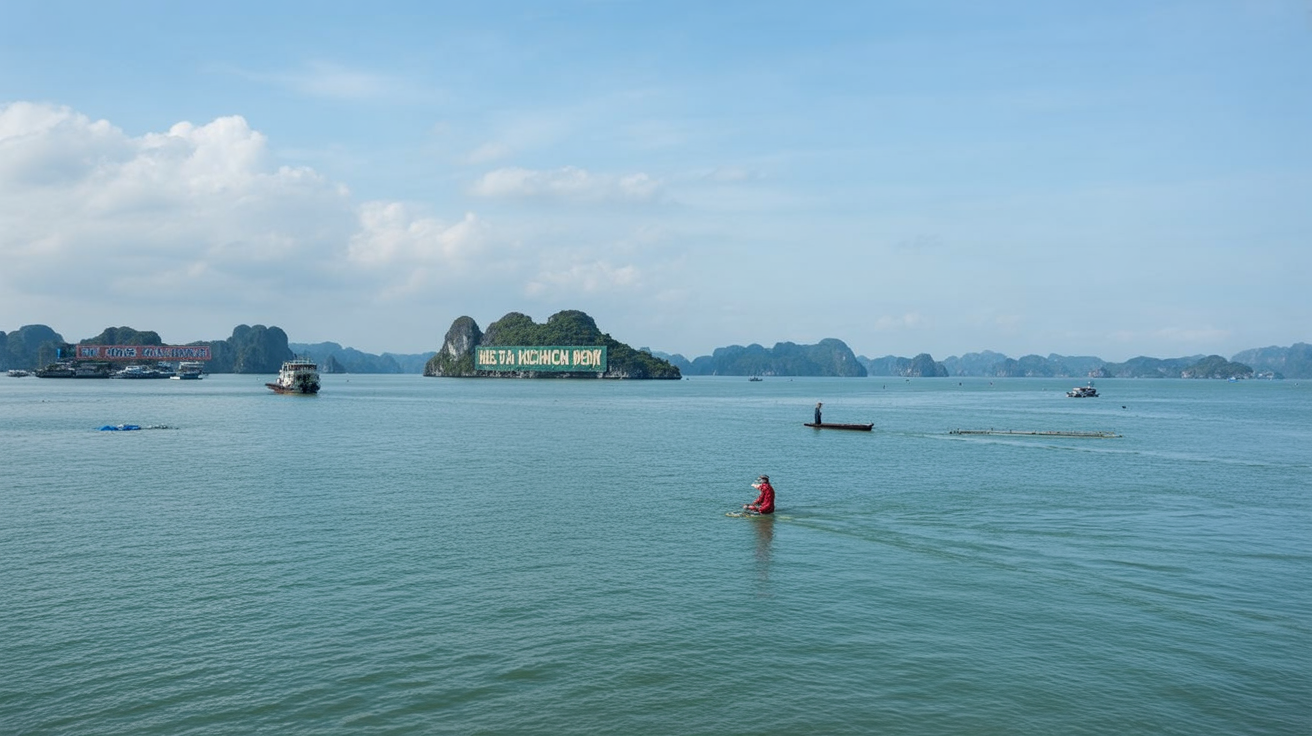
October is when Ha Long Bay becomes the place in the photographs. The typhoon season has ended, the monsoon moisture has cleared, and north Vietnam settles into its best weather window. Daytime temperatures sit at 22–28°C. The sky is clear blue most mornings. The limestone karsts catch afternoon light at low angles and turn amber before sunset. Water temperatures stay warm enough for swimming (24–26°C). For how Ha Long Bay’s seasons compare to the rest of the country, our Vietnam best time to visit guide breaks down the regional differences.
November extends most of October’s conditions with slightly cooler evenings. By late November, the temperature drops noticeably after dark — bring a light layer for the deck. The karst silhouettes at dusk in November, with the temperature cool enough to be comfortable, are the conditions most photographers schedule their trips around.
Crowd reality in October: it is the most popular month, and the pier has a specific Saturday morning energy — hundreds of passengers from dozens of cruise companies processing check-in simultaneously. The bay itself doesn’t feel crowded (it’s large), but the pier at noon and Sung Sot Cave in the afternoon do. Mid-week departures reduce this significantly. Book accommodation and cruise 4–6 weeks ahead for October. For Tet (see below), 8–12 weeks.
March–April: Second Best Window
The dry season reaches its best form in March and April. Temperatures are mild (20–26°C daytime), skies are mostly clear, and the monsoon is still months away. March has occasional drizzle from lingering winter moisture — less than February but not yet dry. By April, conditions are consistently good for open-water sailing.
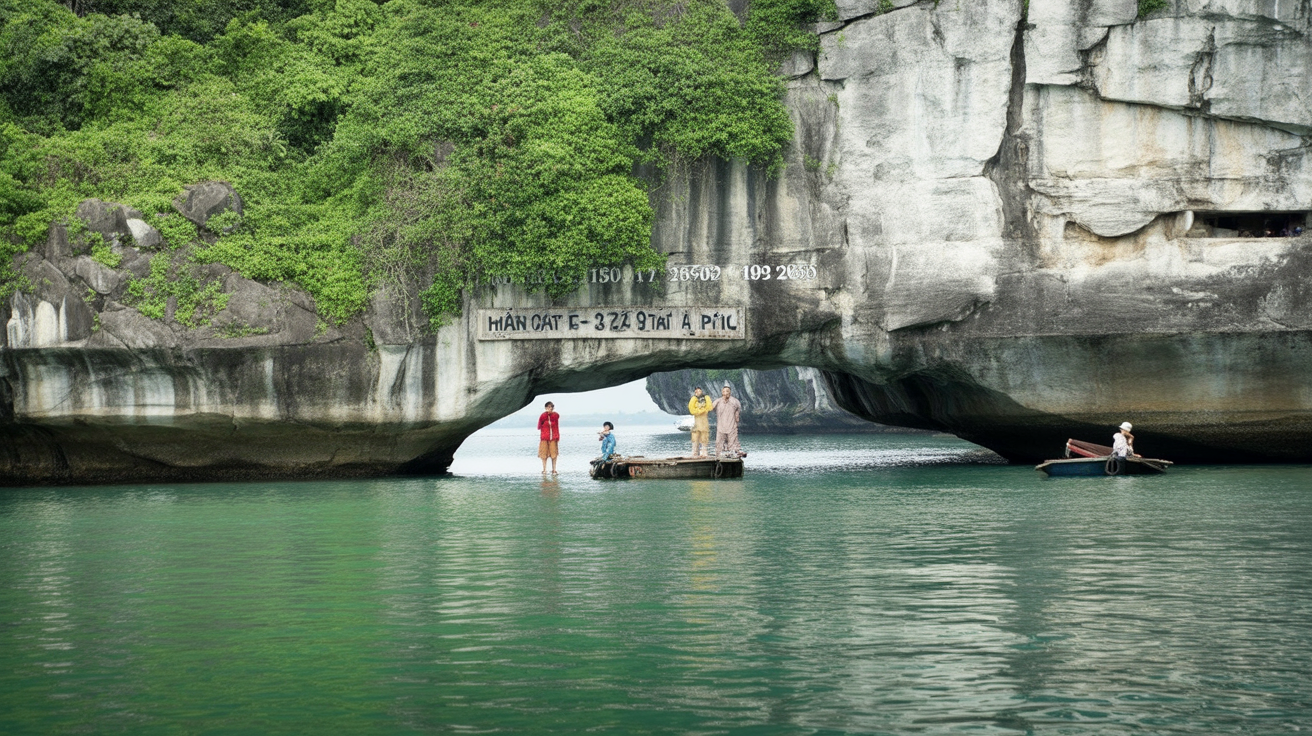
The key advantage of spring over autumn: fewer crowds. Domestic Vietnamese tourism peaks in October (school holiday timing) and drops back in spring. International visitors are spread throughout the year, but March–April has the combination of good weather and lower boat traffic compared to October. Mid-range cruise prices can be 10–20% lower than October peak.
What spring doesn’t have: the warm-water swimming conditions of October (March water temps are 18–22°C — manageable but cooler) or the dramatic amber-light karst photography of October afternoon sun. For swimmers and photographers, October wins. For everyone else, March and April are close.
December–February: Cold and Atmospheric
Winter in Ha Long Bay is cold by Vietnamese standards — 10–18°C daytime, below 10°C at night on the water. From a thermal layer required for evening deck sitting. This puts off most international travelers and the majority of domestic tourists, which means the bay in January has a specific quality: quiet.
The visual conditions in winter are polarizing. Some days bring thick fog that reduces visibility to 50–100 metres — the limestone karsts appear and disappear from the mist like geological apparitions, the water flat grey, the air smelling of cold stone and distant rain. It’s not the postcard version. It’s a different and equally compelling thing, and the travelers who specifically want it — photographers, writers, people who’ve already done Ha Long Bay in October and want to see it differently — know it.
Clear winter days exist, particularly in December — temperatures are cold but the sky can be sharp blue and the low winter sun creates long shadows across the karsts that mid-year sun never produces. December is the wildcard month: sometimes good, sometimes overcast, cheaper than October, and worth considering if budget is a constraint and you have flexibility in your itinerary.
Swimming: not realistic in winter. Water temperatures 16–20°C. Most boats stop offering swimming as an activity December through February. Cave visits and kayaking continue in cold weather; some operators offer hot spring access or onboard jacuzzis as winter alternatives.
ℹKnow Before You Go
January and February include Tet (Vietnamese Lunar New Year — specific dates shift each year, roughly late January to mid-February). Ha Long Bay during Tet is heavily booked by domestic Vietnamese families and tour groups. Cruise prices rise 30–50% and availability drops sharply. If your Vietnam trip falls during Tet, book Ha Long Bay 8–12 weeks in advance. Arriving without a booking in the Tet window and expecting to find an overnight cruise is a genuine logistics problem. Getting from Hanoi to Ha Long Bay pier is included in most cruise packages — our Hanoi to Ha Long Bay guide covers what’s included, which pier to confirm, and what to do if you arrive early.
May–September: Variable, With Risk
This is the window that most travel guides mark simply as “rainy season” and leave it at that. The reality is more granular.
May: The transition month. Usually dry in the first half, progressively wetter by late May. Temperatures rising toward summer highs (28–32°C). Crowds thin between the spring peak (March–April) and the summer domestic tourism surge. May mornings can be beautiful. May afternoons bring thunderstorms. Overnight cruises in early May are often fine; late May is variable.
June–July: The most unreliable period. Heavy rainfall, high humidity (85–90%), persistent overcast days, and the start of the typhoon season. Ha Long Bay doesn’t close — cruises run when weather permits — but the combination of rain and heat produces an experience that requires a specific tolerance for humidity and grey skies. If June or July is your only window: lower your expectations for photography, accept that swimming spots may have jellyfish (July–August), pack a full rain layer, and the geological drama of the bay in rain is actually considerable.
August: Peak typhoon risk for northern Vietnam. Most typhoons tracked in the Gulf of Tonkin September and October, but August is within the active period. Cruise operators monitor weather daily; departures are cancelled when a storm is in the zone. Booking Ha Long Bay in August means accepting the possibility of a delayed or rerouted cruise, and scheduling flexibility around that outcome. Jellyfish are most present in August — swimming from shore or boat in the bay is inadvisable.
September: Transitional toward the October improvement. Weather is still unreliable, typhoon season technically continues, but by late September the conditions start trending positive. Early October is when the shift becomes reliable.
Temperature on the Water
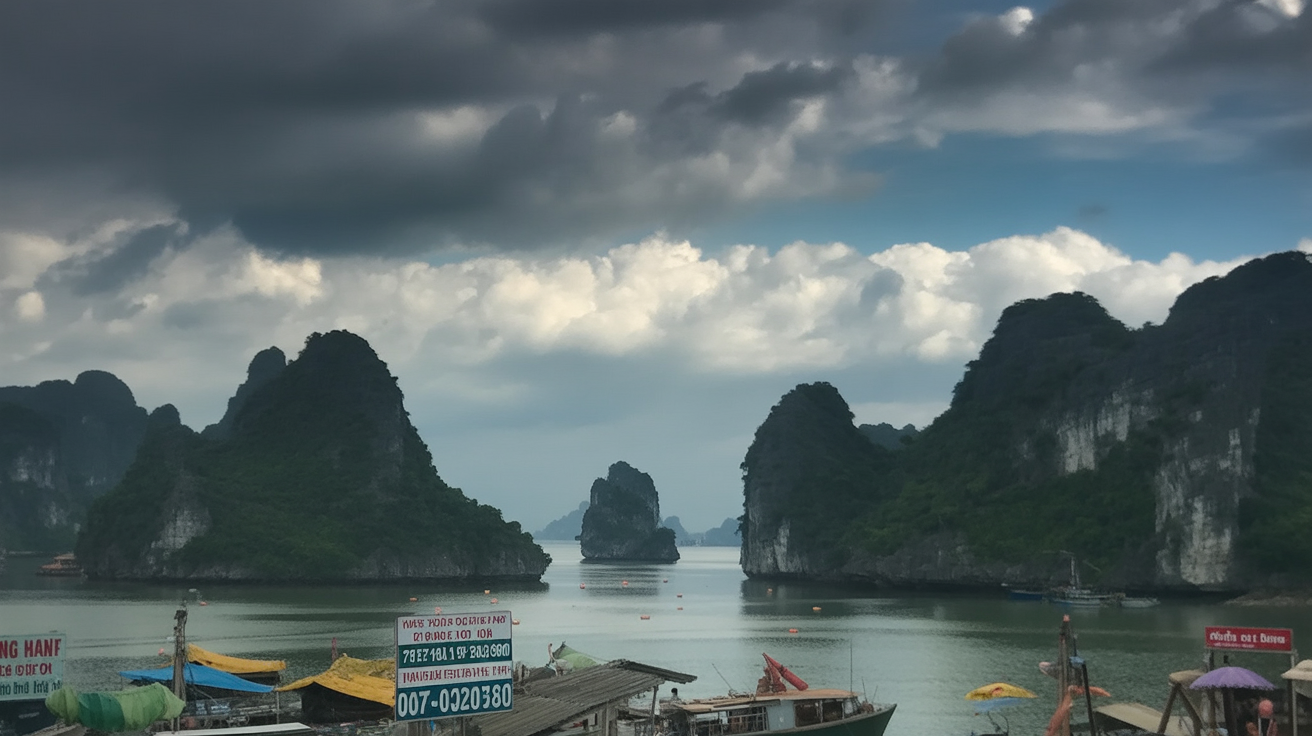
The boat deck is 3–5°C cooler than air temperature due to the sea breeze on moving vessels. What this means:
In October at 25°C, the deck at cruising speed is pleasant — bring a light layer for evenings but you don’t need it during the day. In January at 14°C, the deck at cruising speed is cold enough to require a jacket, a hat, and serious commitment to the sunrise tai chi tradition. The boats are heated in the common areas; cabins have air conditioning (which you won’t use in winter). Plan clothing accordingly.
What Weather Means for Different Types of Cruise
Budget cruises in poor weather are harder. Larger budget boats with 30–40 passengers running the standard Ha Long Bay circuit are more dependent on scheduled activities — when activities get cancelled due to rain, there’s less to do onboard. Mid-range and luxury boats with better entertainment facilities, proper indoor dining, and more flexible itineraries handle bad weather days more gracefully.
Lan Ha Bay in winter has a specific advantage over Ha Long Bay: fewer boats means your overnight anchorage is genuinely remote. A foggy January morning in Lan Ha Bay with 4 boats anchored in a limestone cove produces a particular solitude that Ha Long Bay cannot replicate regardless of weather.
Klook has the widest selection for Vietnam and is usually the cheapest. KKday is strong on day trips and local experiences.
ate morning or dissipate in an hour. There’s no reliable way to predict which days will fog over 48 hours in advance. Windy.com’s maritime forecast is better than general weather apps for cloud base and visibility.
If you arrive to fog: the karsts appear and vanish in the mist. Kayaking in thick fog produces the closest thing to being alone in a geological dreamscape that Ha Long Bay ever delivers. Whether that’s disappointing or extraordinary depends entirely on what you came for.
↗Insider Tip
The peak photography window on a clear October morning is 6–8am — before the day trip boats arrive from Hanoi. Overnight cruises anchor in the bay overnight and you’re already on the water when the light starts. Set an alarm for 5:45am, take your coffee to the top deck, and the first hour of light on the karst formations in still water is why Ha Long Bay is on every list it’s on.
Ha Long Bay During Vietnamese Holidays
Tet (Lunar New Year): Late January to mid-February depending on the year. The biggest domestic travel holiday in Vietnam — families across the country take 5–7 days and many head to Ha Long Bay. Prices 30–50% higher than standard, availability drops sharply at all quality levels. If you must travel during Tet, book 8–12 weeks ahead.
April 30 / May 1 (National holidays): Another domestic travel surge. Shorter than Tet but concentrated into 3–4 days that produce Ha Long Bay crowd levels comparable to peak October. Book ahead or plan to avoid.
September 2 (National Day): A long weekend that produces another booking spike. Smaller than Tet or April 30, but noticeable.
What to Pack: Season-Specific Checklist
The packing requirements for a Ha Long Bay cruise change substantially across the year. The deck-at-6am experience in October and the deck-at-6am experience in January are the same activity in radically different thermal conditions.
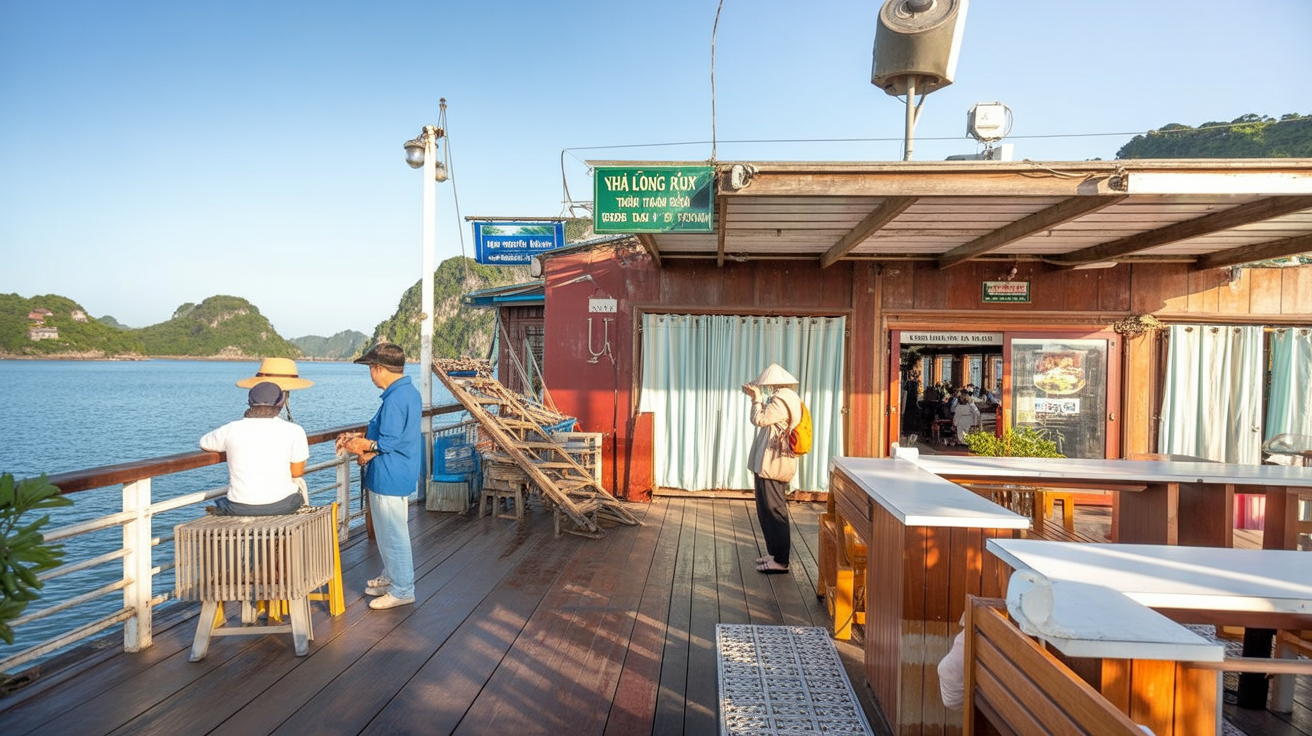
October–November: Light jacket or fleece for evenings and early mornings — deck temperature while the boat is moving runs 3–5°C below air temperature. Day temperature is comfortable in a t-shirt. Sunscreen is essential (UV is high on open water regardless of the pleasant temperature). Reef shoes or old sneakers for cave sections. Motion sickness tablets as a precaution.
March–April: Similar to October but slightly cooler mornings. March can have drizzle — a light packable rain jacket covers both the temperature drop and occasional showers. April is dry and comfortable in layers you can remove.
December–February: This is where packing mistakes cause real problems. Bring a proper warm layer — not just a light jacket. A fleece plus a windproof outer layer is the minimum for the open deck at 6am in January. Thermal underlayer for the 5:45am tai chi session. The cabins are heated and comfortable; it’s only the deck that requires cold-weather clothing. Many people underpack for winter Ha Long Bay and spend the dawn session inside rather than on the bow. Don’t be those people.
June–September: Heat and humidity mean light, wicking clothing. The sun is intense on open water — UV exposure on a boat deck is higher than it feels. Full sunscreen, hat, sunglasses. A packable rain jacket for the afternoon thunderstorms that arrive without much warning. Dry bag for your phone during kayaking (always, but especially in monsoon season when a sudden downpour while you’re in a kayak is a realistic scenario).
Ha Long Bay and the Photography Conditions by Season
The photographs that drive Ha Long Bay’s reputation were mostly taken in October, during morning light, from the bow of an overnight cruise. That specific combination — clear October sky, golden morning light, mist lifting from the still water — produces the karsts-reflected-in-glass-water image. It’s real. It’s also seasonal.
Each season produces a distinct photographic quality:
October morning light (the headline version): Warm, golden, low-angle sun creates long shadows across the karst faces. The water is usually still before 8am. Mist is occasional rather than persistent. The photographs you’ve seen.
Winter fog (the dramatic version): Karsts appearing and vanishing in thick grey mist, flat silver water, no other boats visible. High contrast monochromatic compositions that look nothing like the postcard version and are, to many photographers, more interesting. This is the aesthetic of Chinese Song Dynasty landscape paintings — not accidental, since Ha Long Bay has been a subject of Chinese painting tradition for centuries.
Summer storm light (the unreliable version): Before a monsoon storm, the sky turns a specific green-grey and the water picks up chop. The limestone in that pre-storm light has an intense quality that fair-weather photography doesn’t capture. Unpredictable and not worth chasing specifically, but remarkable when you’re on the water when it happens.
Spring clear light (the underrated version): March–April has clean, slightly flatter light compared to October. Less golden, more blue-white. The karst textures are clearer and the water transparency at the surface is visible. Better for close-up formations than wide-angle panorama shots.
When NOT to Visit: The Real Constraints
The months to genuinely avoid are narrower than most guides suggest:
August: The single month where the combination of typhoon risk, jellyfish, peak humidity, and school holiday domestic crowds creates a genuinely difficult Ha Long Bay experience. Not impossible — cruises run, the bay is still the bay — but the risk/reward is at its worst. If August is your only window: Lan Ha Bay from Cat Ba Island is better positioned (fewer boats mean a storm diversion is less chaotic) and worth considering over the main Ha Long circuit.
Tet week: Not a weather issue — a logistics and price issue. The specific days around Tet (5–7 days depending on the year’s calendar) have domestic Vietnamese families filling every quality cruise, prices 30–50% above standard, and a specific atmosphere on the pier that feels less like a travel experience and more like a national holiday transit hub. The bay is still beautiful. The process of getting onto it is harder.
All other months — even December, even June — have legitimate arguments for visiting if you understand what you’re getting.
Confessions: Visiting in the Wrong Season
I went to Ha Long Bay in August the first time — scheduled around a Hanoi commitment and a return flight that didn’t move. The itinerary had me on a 2-night cruise during the third week of August, which sits in the middle of the typhoon-active period for the Gulf of Tonkin.
The first day was overcast with afternoon rain. The cave visit was fine — caves don’t care about weather. The kayaking happened in light rain and was, unexpectedly, excellent: the bay surface was textured by raindrops, the visibility to the karst formations was reduced, and the overall atmosphere was something between a storm and a sauna. The jellyfish were present in the anchorage area — nobody swam. The second morning was clear for two hours and then overcast again by 10am.
It was not the October version of Ha Long Bay. It was a legitimately different experience that I wouldn’t trade for the clear-day postcard version, because the rain changed the thing into something less photogenic and more actual.
If August or September is your window: go. Lower your photography expectations, raise your tolerance for grey skies and humidity, and accept that jellyfish are part of the ecosystem in high summer. The karsts are still there in the rain. The boat is still on the water. The experience is different, not absent.
Ha Long Bay Seasonal Summary: The Decision Framework
Strip away all the nuance and the decision comes to four types of visit:
You want the photographs: October, specifically mid-October. Clear skies, warm water, low-angle morning light. Nothing else comes close. Book the overnight cruise, get up at 5:45am, go to the bow.
You want good conditions without peak crowds: March or early April. Similar quality to October without the peak domestic tourism surge. Marginally cooler water. Prices 10–20% lower than October.
You want solitude and atmosphere over postcard conditions: December or January, mid-week. The fog is not the enemy — it’s the feature. Dress for cold on deck, accept no swimming, and you have a Ha Long Bay that almost nobody else chooses, which is its own kind of reward.
You have no choice about timing: Go anyway. Every month has something. June has heat and drama. August has rain and intensity. February has fog and quiet. The bay is the bay regardless of what the sky is doing. The overnight cruise format matters more than the season.
Two things worth sorting before you land: a Vietnam eSIM so you have data the moment you clear customs, and travel insurance — medical costs for uninsured foreigners in Vietnam are significant.
Airalo eSIMs activate instantly. Buy before departure — airport SIM queues in Vietnam can take 30+ minutes.
Frequently Asked Questions
Is Ha Long Bay good in winter?
Yes, with adjusted expectations. December and January are cold (10–18°C on deck), foggy at times, and unsuitable for swimming. They’re good for cave visits, kayaking in dramatic atmospheric conditions, and seeing the bay with a fraction of the tourist volume. The fog can either ruin a trip or make it — which category you fall into depends on your relationship with moody weather. For photographers who find clear-day tourist attractions underwhelming, winter Ha Long Bay is genuinely better than October.
Does Ha Long Bay get typhoons?
Yes. The Gulf of Tonkin typhoon season runs roughly June–September, with the highest risk in August. Cruise operators monitor conditions and cancel departures when a storm is in the zone — refunds or rescheduling are standard practice. Travel insurance that covers weather-related cancellations is worth having. If your Ha Long Bay trip is non-negotiable on specific dates in the June–September window, contact your cruise operator about their cancellation policy before booking.
Is Ha Long Bay worth visiting in February?
For the standard cruise experience: it’s at its most challenging — cold, potentially foggy, and Tet prices if your dates fall in the holiday window. For travelers who specifically want solitude and atmospheric conditions over clear-day photography: February has a specific quality that October doesn’t. The Ha Long Bay cruise guide has more on what each season means for specific boat types and activities.
What should I pack for a Ha Long Bay cruise?
Year-round: sunscreen, a hat, motion sickness tablets (the bay can have significant swell in bad weather), a dry bag for kayaking, comfortable shoes for cave walks (slippery surfaces). October–November: light jacket for evenings and the open deck at cruising speed. December–February: proper warm layers, a windproof outer layer for deck time, and a thermal layer for cave visits (cave interiors are cool regardless of outside temperature).