
Last updated: May 2026 — Flight prices, Ha Long Bay cruise rates, and entry fees verified.
Ten days is the magic number.
I’ve watched this route done well and done badly for five years. The itinerary below is the version that works — after seeing travelers either rush through it or waste days on unnecessary stops.
The 10-Day Vietnam Itinerary at a Glance
Days 1–3: Hanoi — arrive, eat well, understand the city
Days 4–5: Ha Long Bay — overnight cruise on the bay
Days 6–7: Huế — fly Da Nang, transfer over Hải Vân Pass, Imperial City
Days 8–9: Hội An — Ancient Town, beach, food, maybe a tailor
Day 10: Ho Chi Minh City — arrive, one full evening in the south
That’s the skeleton. Below is the full day-by-day with real decisions built in.
✓Quick Answer
The 10-day Vietnam itinerary runs Hanoi (3 nights) → Ha Long Bay overnight cruise → fly Da Nang → Huế (2 nights) → Hội An (2 nights) → fly Ho Chi Minh City (1 night). Two domestic flights save 24+ hours of travel time. Total in-country cost: $555–$1,000 per person mid-range.
Days 1–3: Hanoi
Three nights. Don’t adjust this downward — three days is the correct amount for a first visit to Hanoi. Two means surface-level; four without a specific plan means repeating yourself.
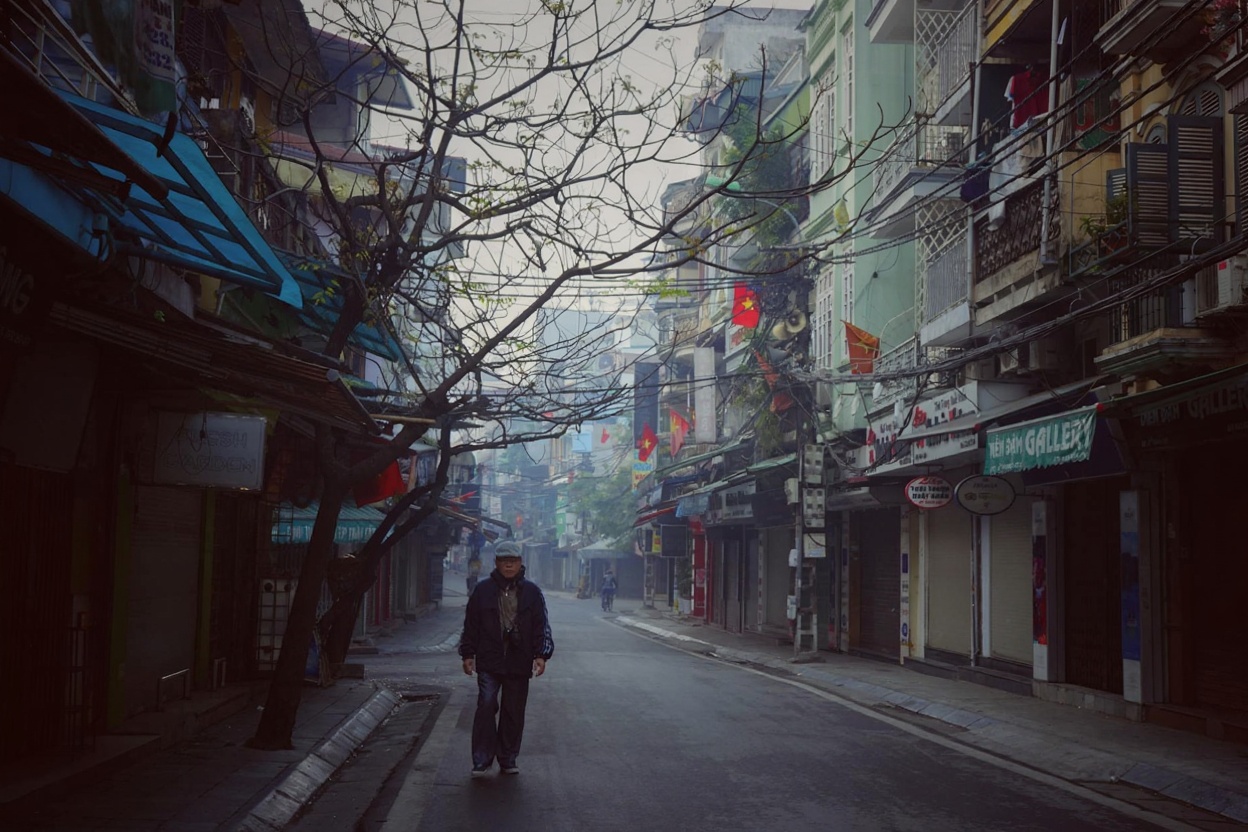
Day 1: Arrive. If your flight lands in the evening (most international flights do), go straight to the guesthouse. Eat pho at whatever place your host recommends. Sleep early. The Old Quarter will still be there tomorrow, and you won’t appreciate it exhausted.
Day 2: Hoàn Kiếm Lake (say: hwahn kyem) at 7am — the road around the lake closes to motorbikes on weekend mornings, and locals use the space for badminton and tai chi in the pale early light. It’s the most human 30 minutes in Hanoi. Hoa Lo Prison museum at 9am (30,000 VND / ~$1.15, 45 minutes — more important than it sounds for understanding the war from both sides). Old Quarter walking: the 36 Guild Streets, each named for the trade that operated there — Hàng Bạc for silver, Hàng Đào for silk — best before 10am. Bún chả (say: boon cha) at Bún Chả Hương Liên, 24 Lê Văn Hưu, for lunch (80,000–100,000 VND / ~$3–4). Temple of Literature at 4pm (70,000 VND / ~$2.65, 1 hour). Bia hoi (say: bee-uh hoy) corner on the Đinh Liệt and Lương Ngọc Quyến intersection in the evening — plastic stools, 10,000 VND per glass (~$0.40), the sidewalk smells of stale beer and frying garlic. For everything else about the city, our Hanoi travel guide has the full picture.
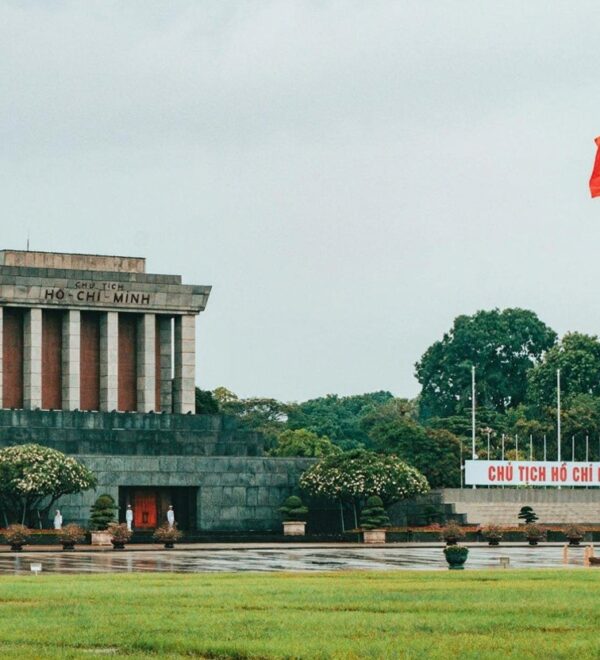
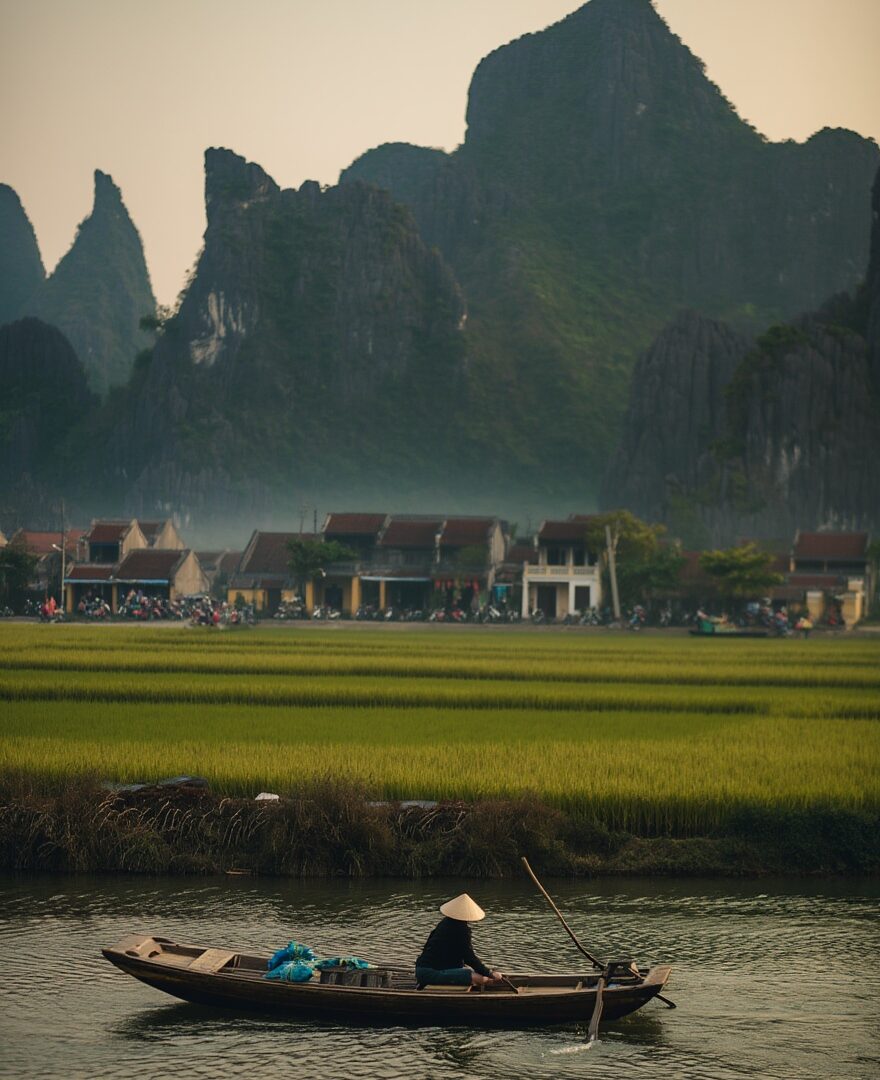
Day 3: Day trip to Ninh Binh — 2 hours by limousine van (200,000 VND / ~$7.60, hotel pickup included). Trang An (say: trang an) boat circuit in the morning: 250,000 VND (~$9.50) per person, 2.5 hours through limestone cave tunnels, the paddler rows with her feet, the cave walls drip. Mua Cave viewpoint in the afternoon: 100,000 VND (~$3.80), 500 stone steps, best at 4pm not noon. Or stay in Hanoi and do the Ho Chi Minh Mausoleum complex (Lăng Bác — open Tuesday–Thursday and Saturday–Sunday, 8–11am only) plus West Lake cycling.
ℹKnow Before You Go
Hanoi’s Old Quarter between 6pm and 9pm is one of the more intense sensory experiences in Vietnam — the noise, the smell of charcoal and fish sauce, the motorbike density peaks at rush hour. If you arrived that day and you’re jet-lagged, wait until Day 2. The streets are identical at 11am with half the chaos.
Days 4–5: Ha Long Bay Overnight Cruise
The bus departs your Hanoi hotel at 8am, reaches Tuan Chau pier around noon, and the cruise launches at 1pm. One afternoon and evening on the bay, one night on the boat, one morning before the return. Back in Hanoi by 4–5pm on Day 5.
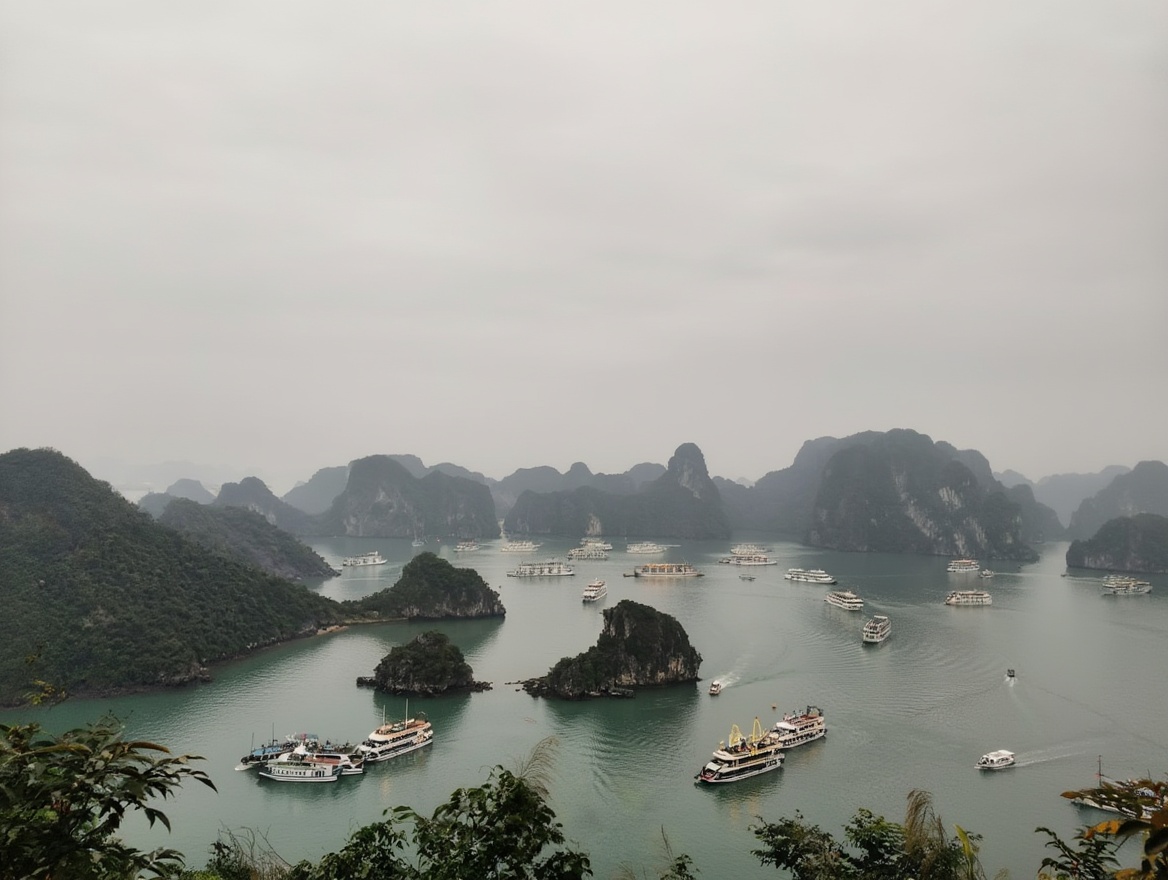
Choose a mid-range cruise: 3,000,000–4,500,000 VND per person (~$114–171), all-inclusive. Budget cruises exist at half that — the difference shows in the boat condition, food quality, and cabin size. Heritage Cruises, Era Cruises, and Stellar of the Seas are reliable mid-range options. Book 2–4 weeks ahead; the boats worth booking fill quickly.
Klook has the widest selection for Vietnam and is usually the cheapest. KKday is strong on day trips and local experiences.
king into hidden lagoons (included in most cruises), sunset on the deck, seafood dinner while anchored among the karst silhouettes, overnight moored in a sheltered bay, morning sunrise (set an alarm — it’s worth it), a second kayak or swimming session, then the return cruise.
↗Insider Tip
The Lan Ha Bay upgrade: if you’re willing to spend one extra day, Lan Ha Bay (accessed from Cát Bà Island) is less crowded and more pristine than Ha Long proper. On a 10-day itinerary that trades your buffer day — workable but tight. Only worth it if Ha Long Bay is a priority, not just a box to tick.
Days 6–7: Huế
Transport: Fly Hanoi → Da Nang (Vietjet or Vietnam Airlines, 1.5 hours, 700,000–1,500,000 VND / ~$27–57). Then hire a car from Da Nang airport to Huế: 2–2.5 hours, 600,000–900,000 VND (~$23–34) for a private car. Specify the Hải Vân Pass — not the tunnel. The 20 minutes over the mountain top with Da Nang Bay below on one side and the East Sea on the other is worth the detour. You arrive in Huế by early evening.
Day 6 (evening): Walk Lê Lợi Street along the Hương River (say: hoong). Dinner: Bún Bò Huế (say: boon boh hway) — the local beef noodle soup is spicier and more complex than Hanoi pho, broth red with lemongrass and fermented shrimp paste. Find Bún Bò Cô Liên on Lý Thường Kiệt Street. 45,000–55,000 VND (~$1.70–2.10). This is categorically different food culture from Hanoi. Notice it.
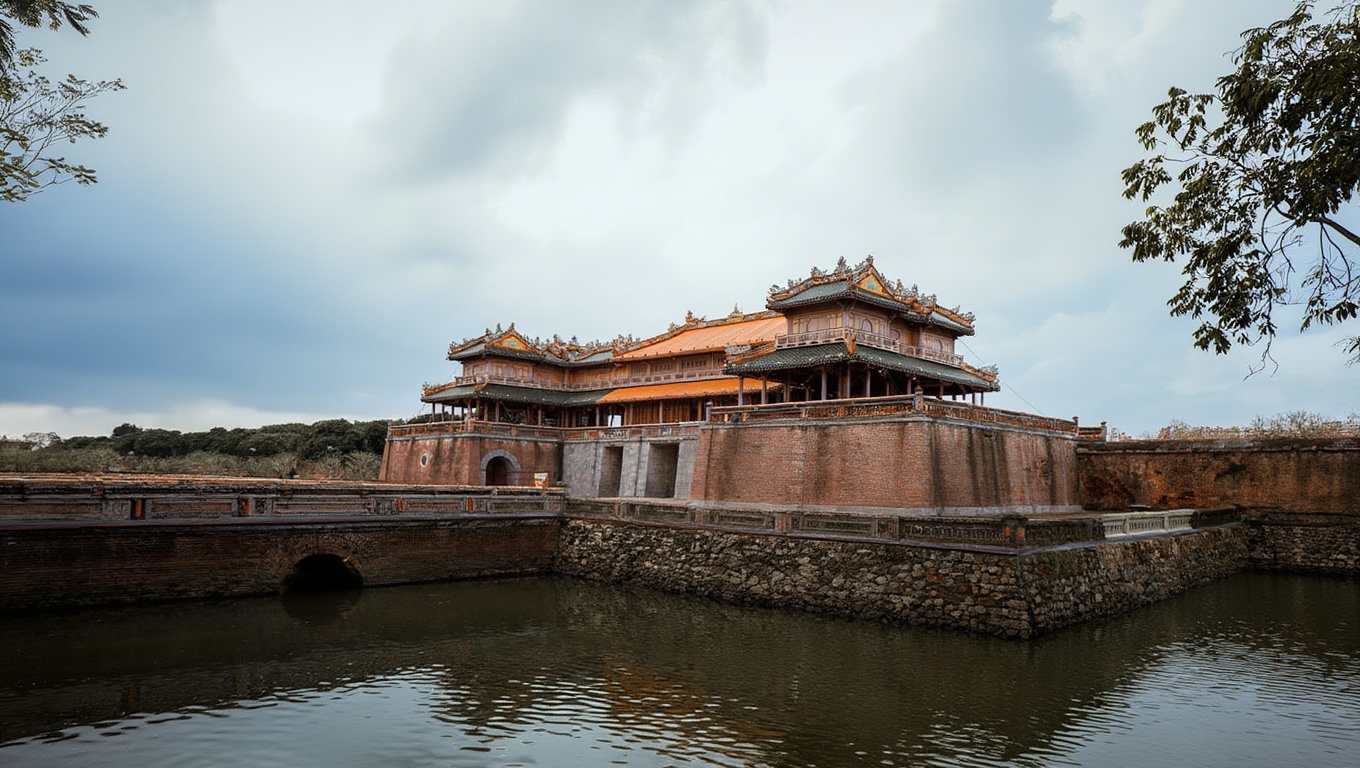
Day 7: Imperial City (Đại Nội — say: die noy) at 7:30am. Arrive before 9am when the tour groups arrive. The three-layer compound — outer Citadel walls, the Imperial Enclosure, the ruined Forbidden Purple City at the center — takes 3 hours to do properly. Entry 200,000 VND (~$7.60). Afternoon: Lăng Tự Đức royal tomb (say: lung too duck) — 200,000 VND (~$7.60), the most atmospheric of the seven royal tombs. Built while the emperor was still alive. Set in a forested lake complex, melancholy and quiet in a way the Imperial City is not. Leave for Hội An by late afternoon by private car via Hải Vân Pass (2.5 hours, 400,000–600,000 VND / ~$15–23).
Days 8–9: Hội An
Two nights is the minimum for Hội An. Most people wish they’d booked three. If you have flexibility, extend Hội An to 3 nights and cut Ho Chi Minh City to one evening — this is the right trade on a 10-day itinerary.
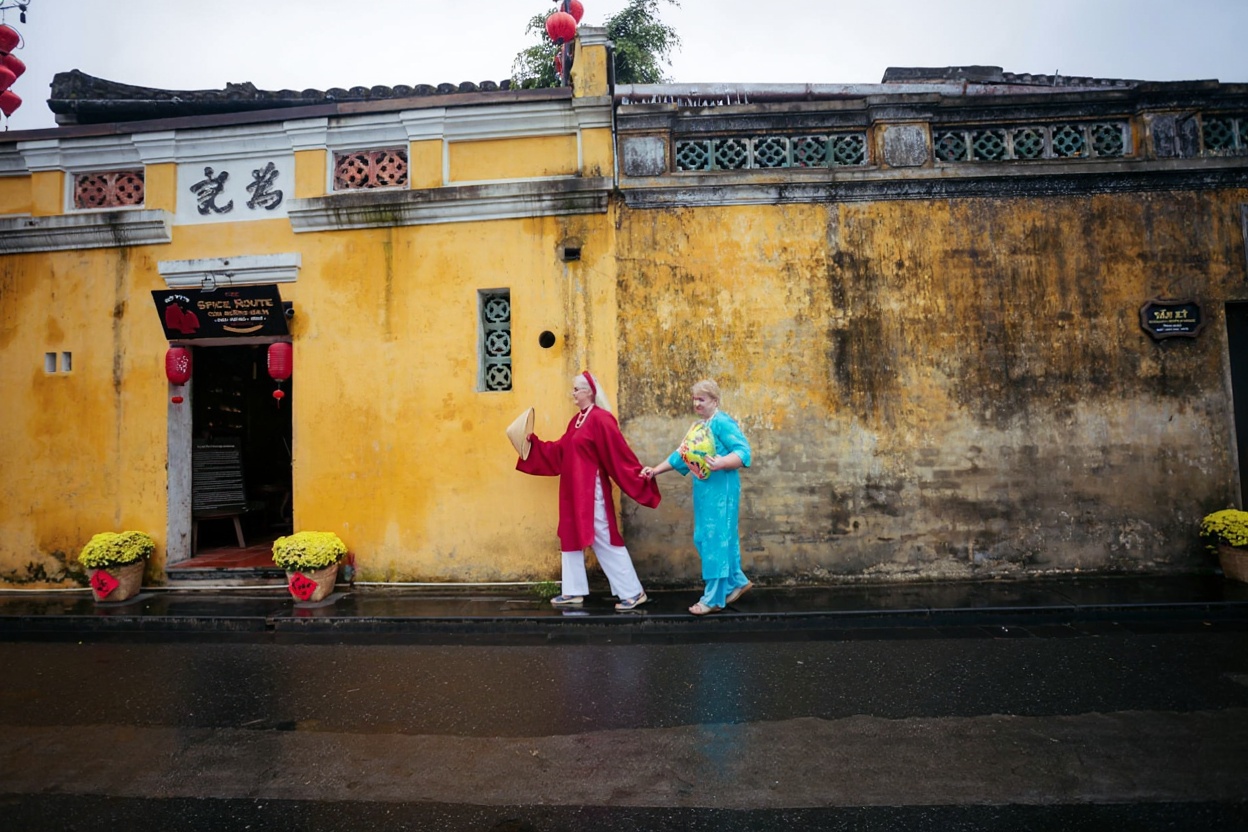
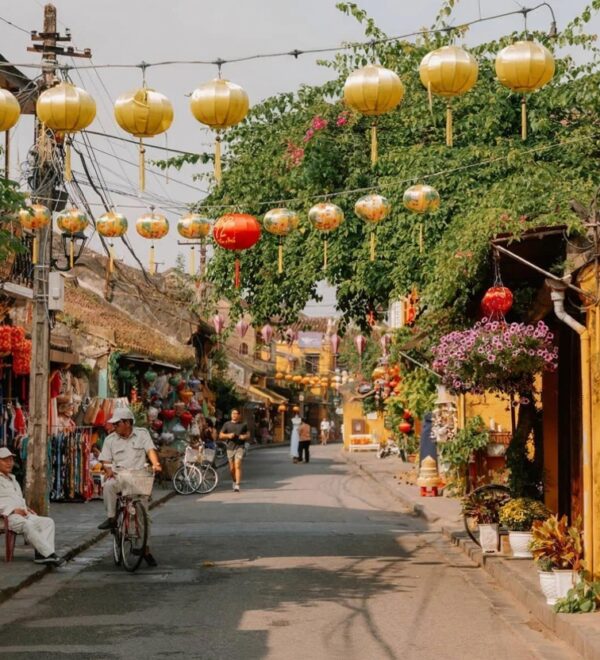
Day 8: Ancient Town in the morning before 9am — the yellow-plastered walls and lantern-strung alleys are walkable before the tour groups arrive. Japanese Covered Bridge (Chùa Cầu — say: chooa cow). Morning market on Trần Quý Cáp Street: Bánh Mì Phượng at number 2B, 30,000–35,000 VND (~$1.15–1.35), the most famous bánh mì in Vietnam. Bicycle to An Bàng Beach in the afternoon: 5km east of town, consistent surf, less crowded than Cửa Đại. Evening: lanterns on the river.
Day 9: Half-day cooking class (800,000–1,200,000 VND / ~$30–46, includes market walk and 4-course lunch) or day trip to Mỹ Sơn Sanctuary (say: mee sun) — 40km west, Cham Hindu temples in the jungle, 150,000 VND (~$5.70) entry. Go early; leave by noon when the heat turns the ruins into an oven. Afternoon: if you ordered custom clothes on Day 8, pick them up — tailors need 24–48 hours and Hội An’s reputation for this is earned. Evening: Grab to Da Nang airport (30 minutes, 150,000–200,000 VND / ~$5.70–7.60), fly to Ho Chi Minh City (1.5 hours, 700,000–1,400,000 VND / ~$27–53).
Day 10: Ho Chi Minh City
One day in Ho Chi Minh City is not enough. It’s an orientation, not an experience. But on a 10-day north-to-south route, it’s what you’ve got — and there are specific things worth doing here that you can’t get anywhere else on the route.
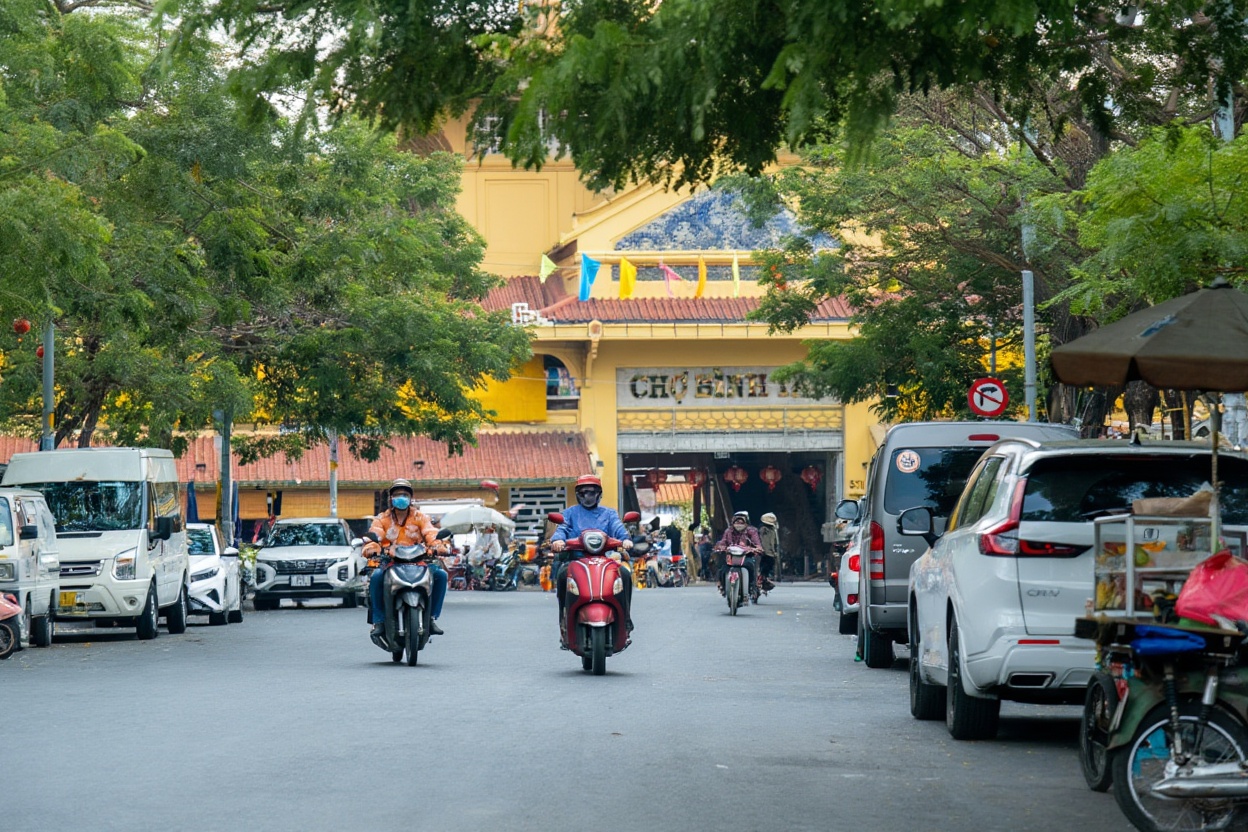
Morning: War Remnants Museum (Bảo Tàng Chứng Tích Chiến Tranh — say: bow tang choong tich chen tran). Opens 7:30am. Entry 40,000 VND (~$1.50). Budget 3 hours. The third floor’s photography — mostly from American photojournalists who were there — is the most important documentation of the war you’ll find in any single building. The room smells of old floor wax and iron. Do not rush it.
Midday: Reunification Palace (Dinh Thống Nhất — say: ding tong nyut). 40,000 VND (~$1.50), 2 hours. The building has been frozen in 1975. The war room basement, where the strategic maps are still on the walls, is genuinely strange — a time capsule you walk through rather than look at behind glass.
Afternoon: Walk from District 1 into District 3 on foot. The French-colonial architecture on Lê Duẩn Boulevard is better appreciated at street level than in photographs. Jade Emperor Pagoda (Chùa Ngọc Hoàng — say: chooa ngok hwang) in District 3 is free, small, and genuinely beautiful — incense smoke thick enough by 9am that the air turns visible, lacquered deities stacked floor to ceiling, worshippers burning paper offerings in a drum that smells of ash and resin. Don’t skip it. For a full breakdown of what to do with your time here, see our Hoi An things to do guide.
Evening: Dinner in District 3, not District 1. The restaurants along Võ Văn Tần Street have fewer tourists, better food, and the same price range. Order Cơm Tấm (say: gom tam) — broken rice with grilled pork, a fried egg, and pickled vegetables, the canonical HCMC street meal, 50,000–80,000 VND (~$1.90–3.00). Then it’s over. Take a Grab to the airport or your hotel. For a deeper cut on what the city actually offers, the Saigon things to do guide covers what requires more than one day.
⚠Real Talk
If you leave Ho Chi Minh City thinking “that was fine,” you haven’t seen it properly. One day is enough to see the war history. It’s not enough to understand the city. If you want to know what makes HCMC different from every other city in Vietnam, that requires District 4 at midnight, a bowl of hủ tiếu at a fluorescent-lit street cart, and at least two more days. This itinerary can’t give you that. Come back.
What I Got Wrong on the First Run
First time I did this route I gave Ho Chi Minh City three nights and Hội An one. Backwards.
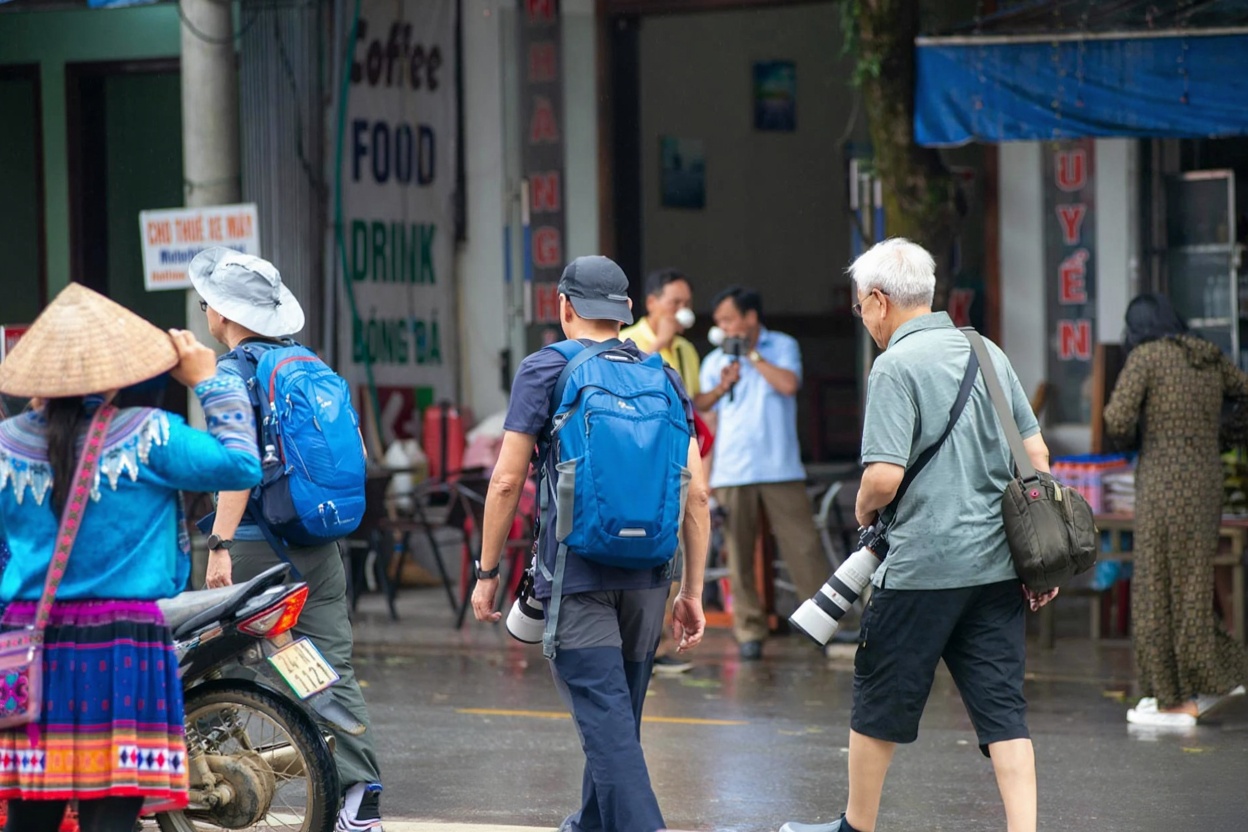
Ho Chi Minh City runs out of things you can’t do elsewhere faster than you expect — by Day 2 you’re repeating yourself without a specific plan. Hội An on one night means you leave before the place has had time to settle into you. I arrived in the Ancient Town at 11am, walked for two hours while sweating through my shirt, ate an overpriced bánh mì near the Japanese Bridge, and left thinking it was “nice.” Three years later I went back and stayed four nights. That’s when I understood what all the fuss was about.
The correct allocation is always more Hội An, less Ho Chi Minh City — until you’ve done Saigon at least twice and know exactly what you’re going back for.
10-Day Vietnam Itinerary FAQ
Should I fly or take the train between cities?
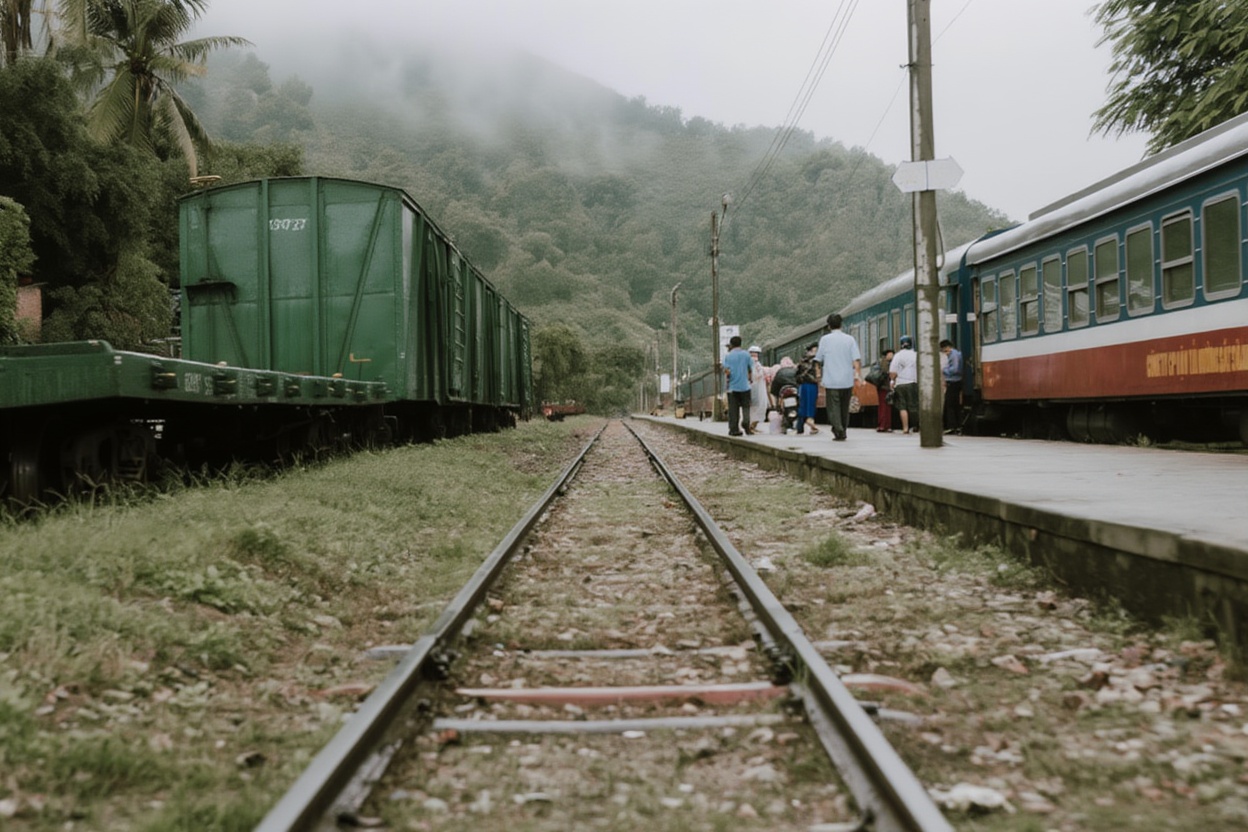
Fly on the two long legs. Hanoi → Da Nang (1.5 hours, 700,000–1,500,000 VND / ~$27–57 on Vietjet or Vietnam Airlines) and Da Nang → Ho Chi Minh City (1.5 hours, 700,000–1,400,000 VND / ~$27–53) save 24+ hours of travel time combined compared to buses or trains. The overnight train from Hanoi to Huế is beautiful — coastal scenery at dawn — but costs you a full day. On 10 days, you can’t afford that. The Huế–Hội An road via Hải Vân Pass (2.5–3 hours by car) is the one overland route worth keeping for the scenery.
What’s the best time of year for this itinerary?
February–April is the most reliable window — dry season across all stops simultaneously. May–August: hot in the central region but manageable, best beach weather in Hội An. September–November: high risk for central Vietnam — typhoon season can flood Hội An entirely in October and close roads. December–January: fine in the south and north, but central Vietnam can be wet. If you’re traveling December–February, consider doing the route south-to-north (start Ho Chi Minh City, end Hanoi) for slightly better weather alignment.
Do I need to book accommodation and tours in advance?
Ha Long Bay cruise: yes — book 2–4 weeks ahead. Good boats fill quickly and last-minute options are the budget boats you don’t want. Hội An accommodation: yes in February–April (peak season), especially if you want anything near the Ancient Town under $50/night. Hanoi and Huế: walkable on arrival outside peak weeks. Domestic flights: 2–3 weeks ahead is enough for most dates, but Vietnamese public holidays (Tết in January/February, Reunification Day April 30) sell out fast.
Is this itinerary doable solo?
Yes, and it’s easier solo than you think. Grab (ride-hailing) works in every city on the route — you don’t need to negotiate taxis. Domestic flights, Ha Long Bay cruises, and day tours to Ninh Binh and Mỹ Sơn all have standard prices regardless of whether you’re alone or in a group. The one adjustment: private car transfers (Huế → Hội An via Hải Vân Pass) cost the same whether it’s 1 or 3 people, so find travel companions at your guesthouse or split with someone from your cruise if cost matters.
What Travelers Actually Say: The Consensus
The consistent feedback on this itinerary from travelers who’ve done it: the Hội An allocation is the most important decision. People who gave it two nights say it was their favorite stop. People who gave it one night say they left before the place made sense to them.
Ha Long Bay gets the most variable reviews — but the variance is almost entirely about boat quality. Budget boat = crowded, noisy, basic food. Mid-range cruise = genuinely good experience on the same water. The destination is fixed; the operator isn’t. Don’t let negative Ha Long reviews from budget-boat travelers put you off booking a properly rated vessel.
⚠Real Talk
The domestic flights are not optional if you want to do this route in 10 days without destroying yourself on buses. Hanoi → Da Nang and Da Nang → Ho Chi Minh City are 1.5 hours each. The alternative is a 12–14 hour overnight train Hanoi→Huế and another bus or train from Da Nang to HCMC. You’d use 3 of your 10 days just on transport. Book the flights.
The “what I’d change” pattern across itinerary retrospectives: less Ho Chi Minh City, more anywhere in the middle. One day in HCMC is enough to hit the War Remnants Museum and Reunification Palace. The city rewards longer stays — but those belong on a second Vietnam trip, not as insurance days on a 10-day first run.
Two things worth sorting before you land: a Vietnam eSIM so you have data the moment you clear customs, and travel insurance — medical costs for uninsured foreigners in Vietnam are significant.
Airalo eSIMs activate instantly. Buy before departure — airport SIM queues in Vietnam can take 30+ minutes.
The Bottom Line on 10 Days
Ten days forces good decisions. You can’t do everything — and this itinerary is built around the principle that half a day in a great city is worth more than a full day rushing between stops.
Move the route once, north to south. Eat the local food at each stop — the cuisine changes dramatically between Hanoi, Huế, Hội An, and Ho Chi Minh City. Don’t try to squeeze Ha Giang onto the front unless you’re prepared to turn this into a 14-day trip.
For more breathing room: 2 Week Vietnam Itinerary gives you three extra days to expand one or two stops properly. For logistics before you book: Vietnam Travel Guide covers visas, transport booking, and what’s changed recently.
If you want to go deeper on the north, our northern Vietnam guide covers Ha Giang, Sapa, and the full highland circuit.