Updated: May 2026
I moved to Hanoi alone in March 2021. I knew one person in the country. I spoke zero Vietnamese. My plan was three months. Five years later, I still haven’t left.
Vietnam gets under your skin that way.
But when I landed, I was nervous. I’d read every Reddit thread about motorbike scams, taxi tricks, and phone snatches. I almost talked myself out of the trip twice. Here’s what actually happened: within three days, I felt more comfortable on Hanoi’s streets than I ever had in Austin.
That’s the arc for most solo travelers in Vietnam. Fear first. Confidence fast.
Here’s what you actually need to know before you go.
Is Vietnam Safe for Solo Travelers?
The short answer: yes, significantly safer than most people expect.
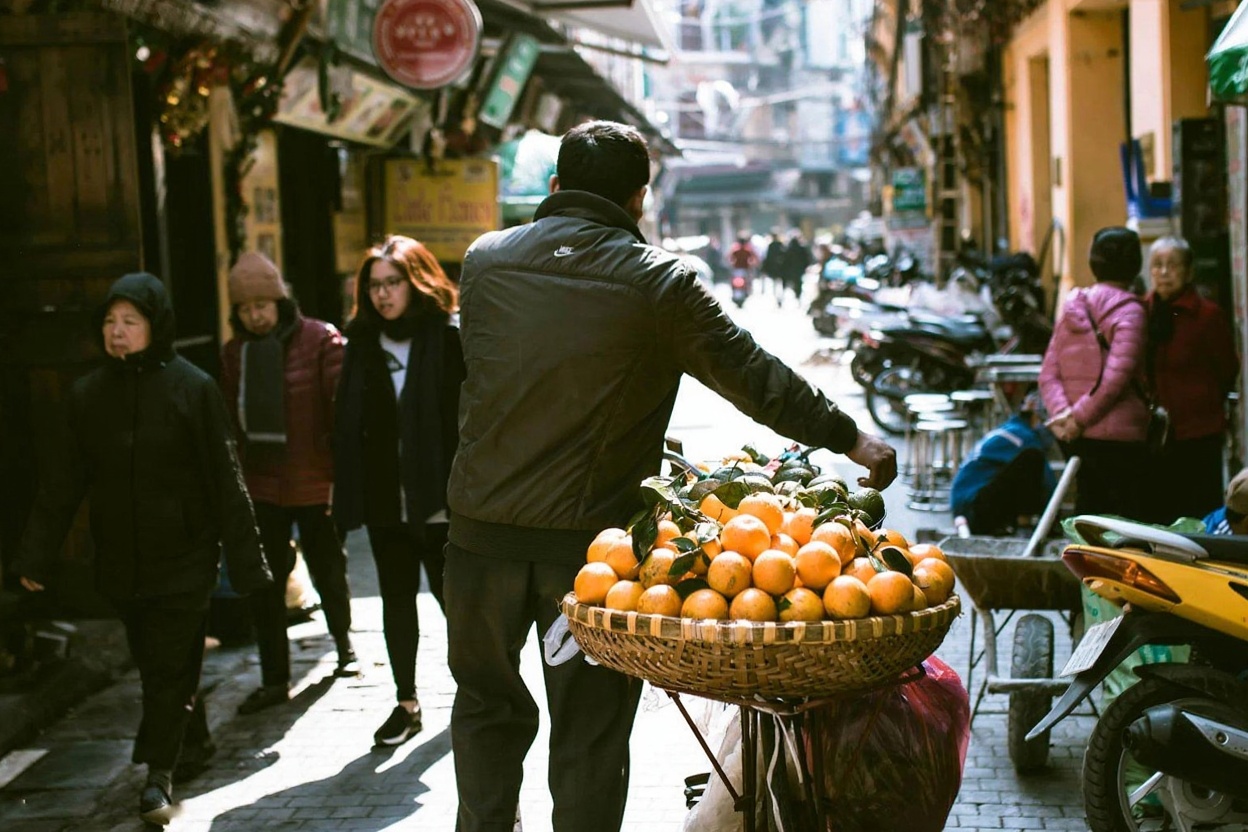
Vietnam has no significant violent crime against tourists. There are no neighborhoods you need to avoid after dark in the way you would in some Latin American or Eastern European cities. The cities that seem chaotic — Saigon’s motorbike traffic, Hanoi’s Old Quarter — are chaotic in an organized way. People are managing their own lives at speed. They’re not interested in yours.
One expat who’s been in HCMC for years put it plainly in a Reddit thread about solo travel:
“Always use Grab for transport. Other than that not really much to consider, no unsafe areas, no rampant violent crime.” — MrFrydenlund89, r/solotravelVN
A female traveler who spent a month solo:
“I spent a month in Vietnam. It was a blast. Practice basic safety precautions like not getting drunk without someone you trust, wear a cross body bag. It’s the same advice as I’d give someone visiting common pickpocket cities like Barcelona and Paris.” — kayaproz, r/femaletravels
The comparison to Barcelona is apt. Vietnam is not a dangerous country — it’s a country where being alert makes you fine, and being oblivious makes you a target for petty opportunists.
The Real Safety Risks (Not What You Think)
Most solo travelers arrive expecting scams around every corner. The reality is more specific — and more manageable.
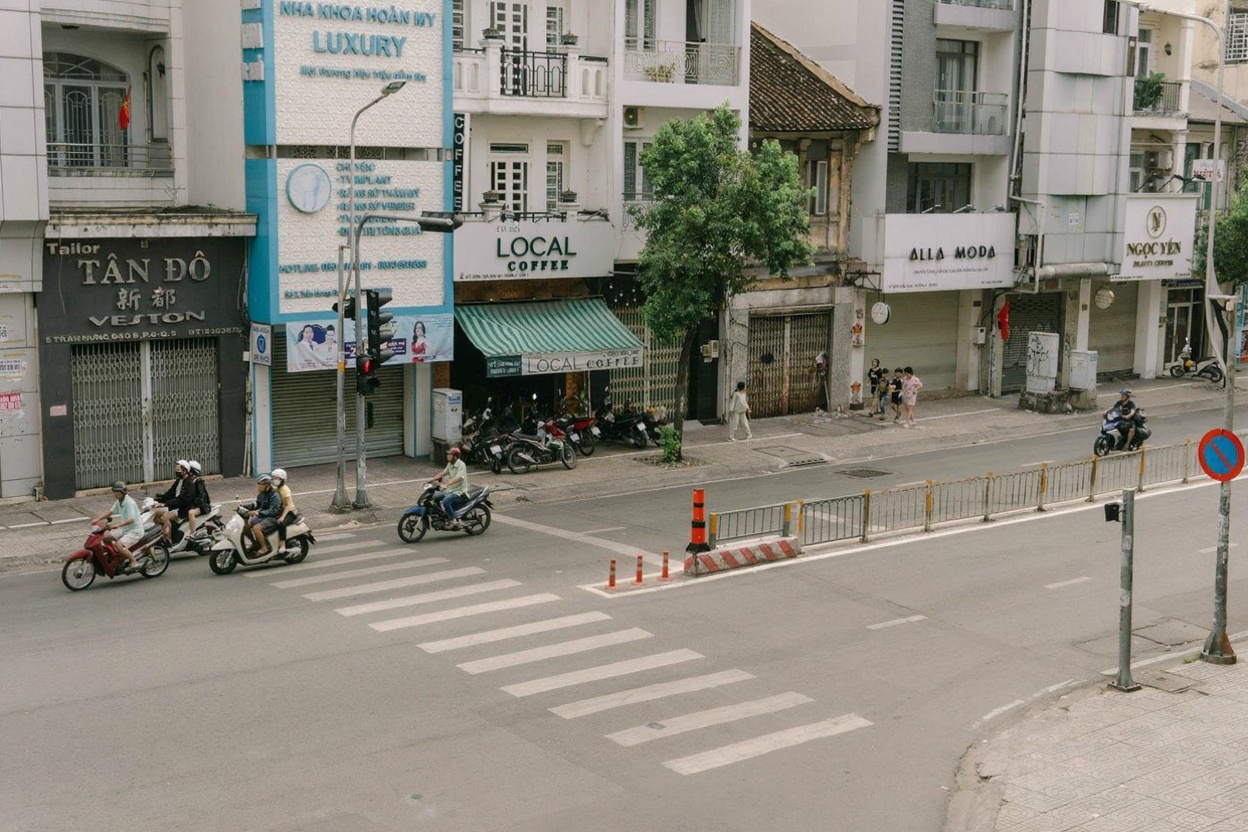
Phone and bag snatching is the most common crime against tourists, and it’s almost entirely preventable.
“The biggest safety tip: keep your phone and bag secure when walking near busy streets. Snatch-and-grab theft is pretty common in HCMC and Hanoi, especially from guys on motorbikes who’ll swoop past and grab whatever’s in your hand.” — General_Mammoth7743, r/solotravelVN
The fix is dead simple: carry your bag cross-body on the side away from traffic. Don’t hold your phone at waist height near the road. When you’re on a phone call, step inside a doorway or turn away from traffic. One Reddit user’s son ignored his father’s five warnings and got his phone snatched in HCMC within a day. Forewarned is forearmed.
Taxi scams are the second big one. Metered taxis with tampered meters exist. Unofficial “taxis” with no meters also exist. The solution is so simple it eliminates the problem entirely: use Grab.
“Always use Grab for transport. This will happen almost by default but should you somehow find yourself in a metered taxi you will get screwed.” — MrFrydenlund89, r/solotravelVN
Grab (Southeast Asia’s Uber) shows you the price upfront, confirms the driver, and gives you a trail if something goes wrong. I’ve taken thousands of Grab rides in five years and had zero incidents. When you land at any Vietnam airport, walk past the taxi rank and open Grab. You’ll pay less and avoid the entire scam ecosystem.
Bar and nightlife scams are a real but well-documented category. Attractive strangers who approach you near Bui Vien (Saigon) or Ta Hien (Hanoi) and suggest a specific bar are usually earning a commission on overpriced drinks. One traveler walked into this exact trap near Bui Vien:
“One night near Bui Vien in Saigon, I let a random guy help me get a cheap taxi because I was tired. He led me to an unofficial car with a fake meter, and I ended up paying way more than I should have. Nothing scary happened, but it left me feeling naive.” — Expensive_Air4917, r/solotravelVN
The scams cluster around places where tourists relax their guard. Ironically, the most tourist-heavy streets are where you need to be most alert, not least alert.
⚠Real Talk
Vendor cash tricks are a thing — some street vendors practice sleight-of-hand with change, especially in tourist zones. Don’t show your whole wallet. Pay with smaller bills where possible. Count your change before you pocket it. Sounds paranoid until it happens to you the first time.
Getting Around Vietnam Solo
This is where solo travel in Vietnam shines. The country has excellent transport infrastructure for independent travelers at every budget level.
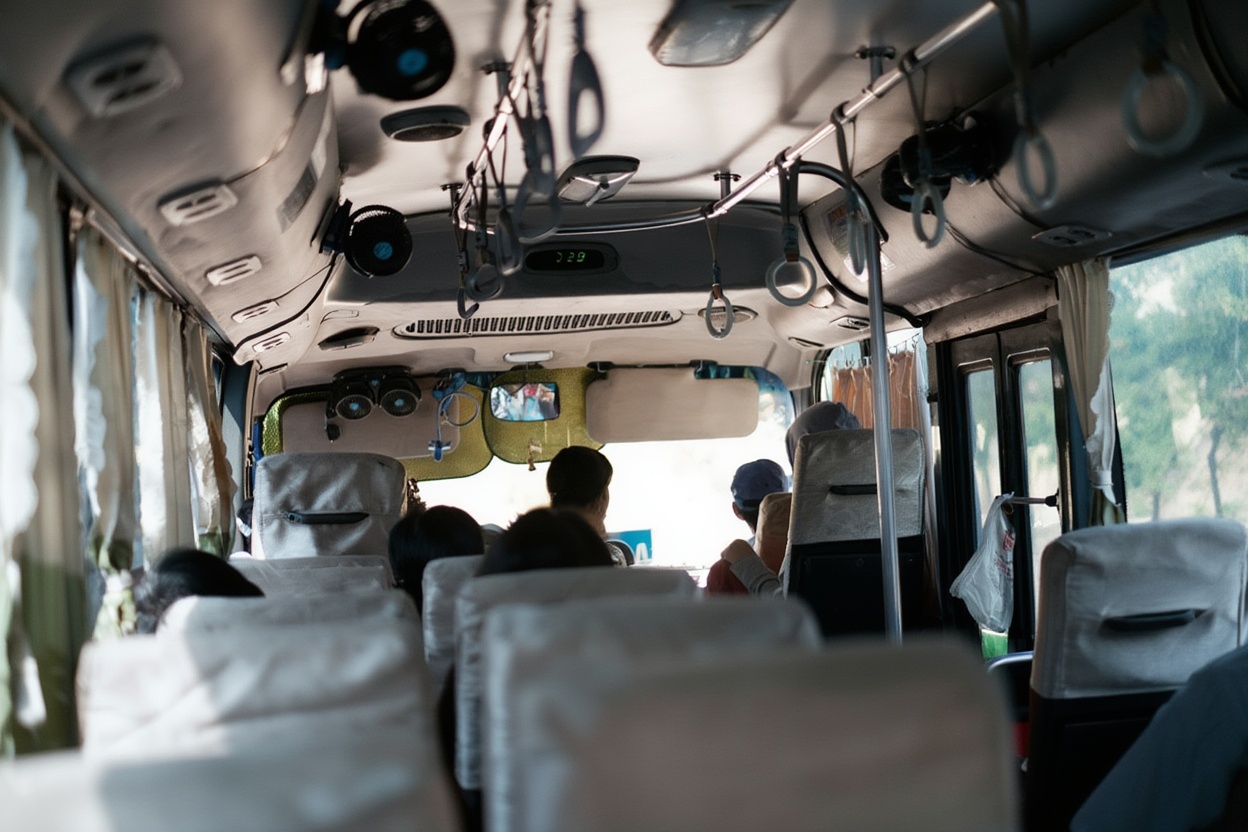
Grab — for all urban transport. Grab Bike (xe ôm, say: say-ohm) for short city trips, Grab Car for luggage-heavy moves or late nights. Affordable, safe, English-language app. Install it before you land.
Sleeper buses — for city-to-city travel on a budget. A Saigon-to-Hoi An sleeper costs around 250,000–350,000 VND (~$10–13). You get a reclining pod (essentially a narrow bunk), a blanket, and a mix of local travelers and backpackers. From someone who’s done it five times:
“I took five sleeper buses during my trip to Vietnam and felt completely safe. A mix of locals, families, and fellow solo travelers were usually on board.” — shebuystravel.com
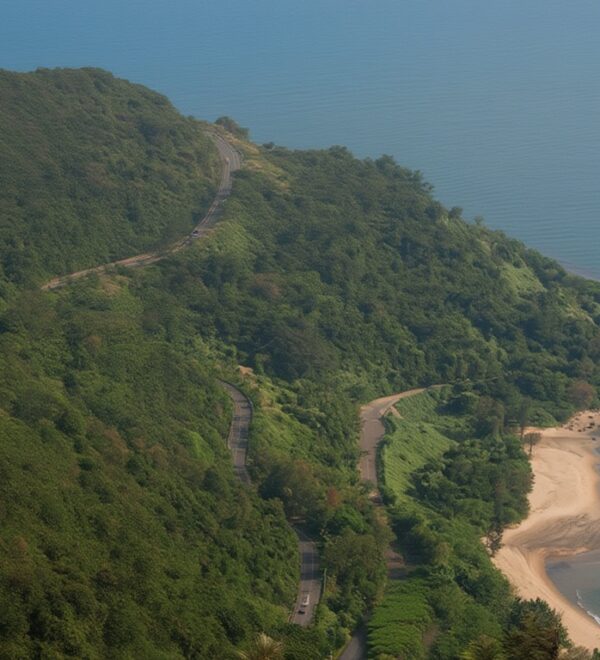
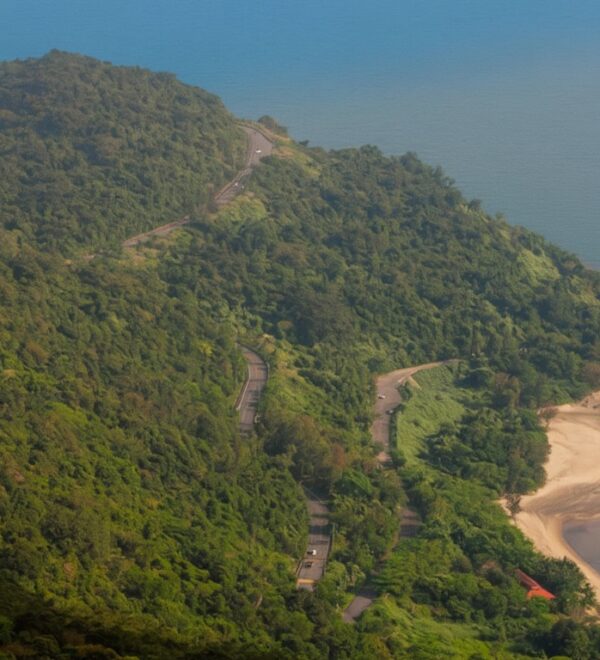
The Reunification Express train — for the scenic route north-south. Hanoi to Da Nang is about 14 hours; a soft-sleeper berth is 700,000–900,000 VND (~$27–34). Slower than flying, but the Central Highlands views through the Hai Van Pass are worth it once.
Domestic flights — for anything over 5 hours by land. VietJet and Bamboo Airways run budget fares. Book at least 2 weeks out for the best prices. HCMC to Hanoi can be as low as 500,000 VND (~$19) if you’re lucky with timing.
Motorbike rental — if you want to go deep into rural Vietnam. Rent from your hotel or guesthouse, not from random guys on the street.
“Rent a motorbike from your hotel/guesthouse. They want to keep their customers alive and you have the power to massively downvote them on booking. I’ve only ever rented from wherever I’ve been staying and have had no problems.” — Possible_Formal_1877, r/solotravelVN
One thing nobody warns you about: crossing streets. Vietnam traffic has its own logic, and traffic signals are advisory at best.
“Crossing a street filled with motorcycles: find a small break, step out into traffic and cross at a steady rate. Make no sudden moves. The motorcycles will go around you.” — i_be_illin, r/solotravelVN
This feels like insanity on day one. By day three it’s automatic. Don’t freeze. Don’t sprint. Walk steady, and the traffic flows around you like water around a rock.
Best Solo Travel Route in Vietnam
The classic south-to-north route is classic for good reason: it uses the prevailing winds of both weather and tourism infrastructure in your favor.
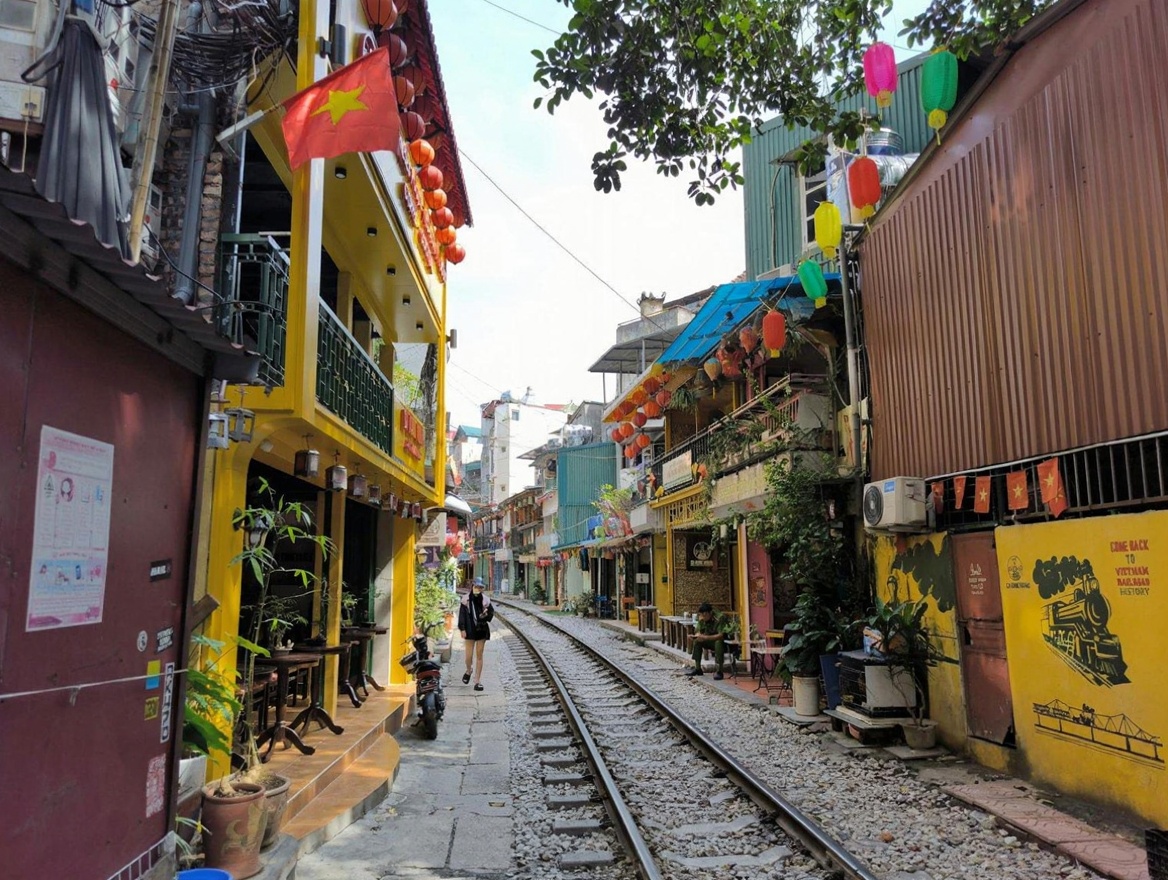
Start: Ho Chi Minh City (Saigon) — 3–4 days. Best city to land in. Large international airport, great hostel infrastructure around Phạm Ngũ Lão (say: Fahm Ngoo Lao) street, strong Grab coverage, and enough chaos to calibrate your Vietnam skills before heading to more complex destinations. Do the War Remnants Museum, eat everything on Bùi Viện Street (for the atmosphere, not the food — the food is tourist-priced), and get a bowl of hủ tiếu Nam Vang (say: hoo tyew Nam Vang) from a cart near Bến Thành market for 35,000–50,000 VND (~$1.35–1.90).
Add: Mekong Delta — 1–2 days from Saigon. Can Tho is a good solo base. Easier than it looks to navigate independently.
Fly to Da Nang / base in Hội An — 4–5 days. Hoi An is one of the most walkable cities in Vietnam and genuinely solo-friendly. The ancient town is compact, the hostel scene is good, and you can rent a bicycle to cycle to the beach or the surrounding rice fields.
Continue north: Huế — 2 days. Vietnam’s former imperial capital. Smaller and calmer than Saigon or Hanoi. The Imperial Citadel, the Royal Tombs, and a bowl of bún bò Huế (say: boon bow Hway) — the best beef noodle soup in the country, in most people’s opinion including mine.
End: Hanoi — 4–5 days. Base for day trips to Ninh Binh and Ha Long Bay. The Old Quarter is chaotic and incredible. The café scene on Đinh Liệt Street will make you understand why digital nomads don’t leave.
→Who It’s For
This south-to-north route suits first-timers who want variety without complexity. If you have more time and want to go deeper — Ha Giang loop, Phong Nha caves — build 2–3 extra weeks into the north and central sections.
Solo Travel in Vietnam for Women
Vietnam consistently ranks as one of the better solo female travel destinations in Southeast Asia. The consistent advice from women who’ve done it:
— Same rules as any crowded city: cross-body bag, don’t walk alone in isolated areas late at night, be alert with drinks around strangers.
— Overnight buses and trains are safe. The bunk format of sleeper buses actually provides some privacy.
— Locals are genuinely warm. Unsolicited help — a restaurant owner who walks you to a tuk-tuk, an older woman who gestures which bus to take — is real.
The biggest female-specific consideration is dressing appropriately near temples and religious sites. Shoulders and knees covered. Sarongs for rent at most major temple entrances (5,000–10,000 VND / ~$0.20–0.40) if you arrive in shorts.
Dating-app matches in Vietnam’s party cities sometimes involve commission bars. This applies equally to all genders — if someone is suspiciously eager to take you somewhere specific, the bar is probably the point, not you.
Solo Travel Budget in Vietnam
Vietnam is genuinely cheap for solo travelers, which makes budget decisions low-stakes. A wrong choice costs you a few dollars, not a few hundred. That lowers the anxiety of figuring things out as you go.
One thing that trips people up: ATM fees. Always withdraw from a bank ATM (Vietcombank or Agribank), not from stand-alone ATMs in tourist areas. Fees at tourist ATMs can be 85,000–110,000 VND (~$3.20–4.20) per withdrawal. Take out larger amounts less often.
For a SIM card: get it at a Viettel or Vietnamobile shop in the city, not at the airport. Airport SIMs cost roughly double the city price for the same data package. A 30-day 20GB plan at a Viettel shop: 100,000–150,000 VND (~$4–6).
“Get a SIM card for the month at Viettel. Not the airport. It’s double the price at the airport.” — r/VietNam, first solo trip thread
Meeting Other Travelers: Vietnam’s Secret Weapon for Solo Trips
One thing that makes Vietnam unusually good for solo travel is the density of other solo travelers on the main routes. You are almost never actually alone, unless you want to be.

Saigon’s Phạm Ngũ Lão street has a cluster of hostels within a five-minute walk of each other. In peak season, you can show up with no reservation and find a bunk. In low season, you can almost always walk in. The common areas of any decent hostel in Vietnam function as a traveler’s clearing house — people swapping route information, forming groups for day trips, sharing Grab rides to the airport.
Hoi An’s hostel scene is particularly good for solo travelers because the town is so walkable. You meet people in the morning, cycle to the beach together by noon, and end up at a rooftop bar at sunset without having planned any of it.
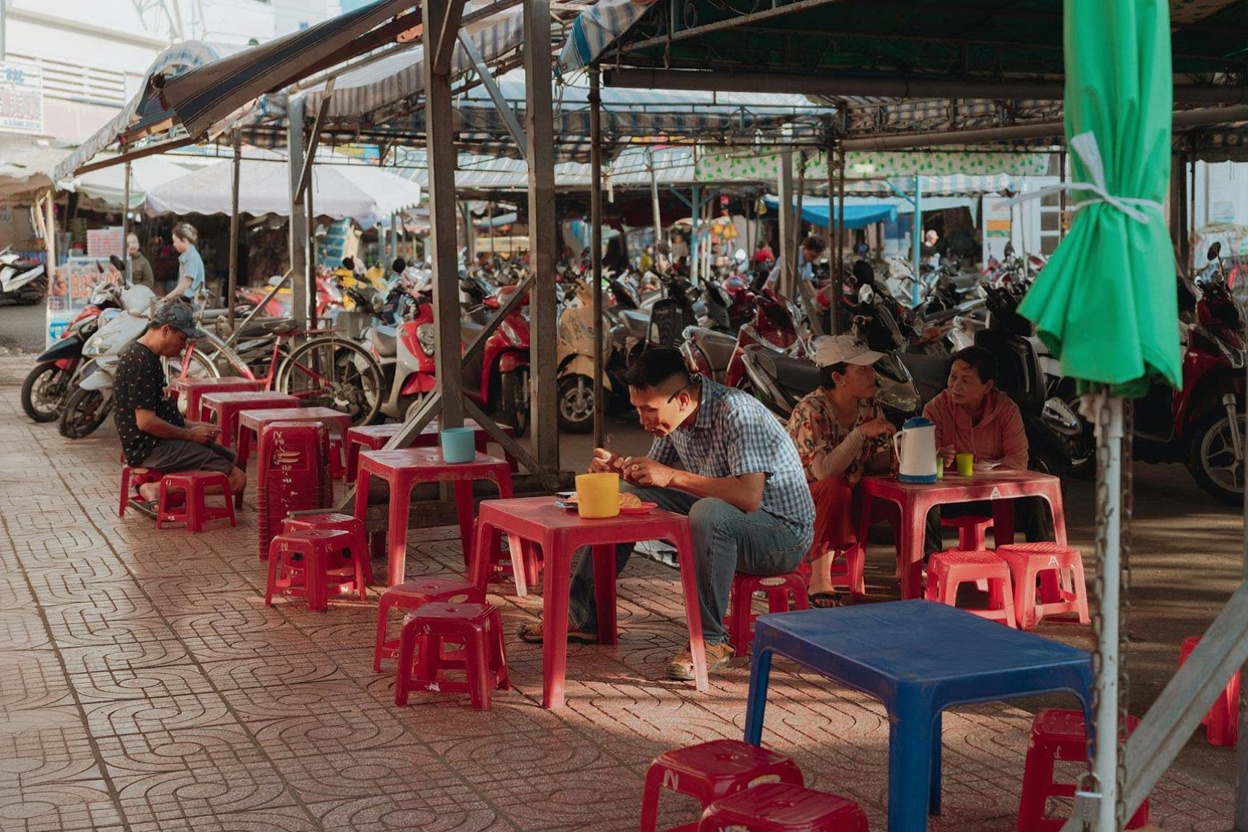
Hanoi’s Ta Hien Street (say: Tah Heyen), nicknamed “Bia Hoi Corner” — the intersection of Ta Hien and Luong Ngoc Quyen — is where budget travelers end up by some gravitational law. Plastic stools. Bia Hoi at 5,000–10,000 VND (~$0.20–0.40) a glass. Every nationality in Europe and Australia packed onto a street corner. If you want to meet people, you don’t need apps or hostel events — you just go there after 6pm.
Apps that work for solo travelers in Vietnam: Hostelworld (booking accommodation with social events), Nomad Table (connecting with other travelers and remote workers), and Meetup for the digital nomad and expat events in Hanoi and Saigon that welcome travelers passing through.
↗Insider Tip
Most hostels in Vietnam’s main cities run free or near-free group activities: walking food tours, pub crawls, sunset cruises. These aren’t marketing gimmicks — they’re genuinely the best way to meet the hostel crowd if you’re introverted and need a social structure to break the ice. The Hoi An Ancient Town free walking tours are worth doing even if you’re not staying at the hostel running them.
Vietnam Solo Travel: Practical Tips Before You Land
Travel insurance is non-negotiable. Vietnam’s private hospitals (Vinmec, FV Hospital in HCMC) are excellent for tourists but expensive without insurance. A motorbike accident, a food poisoning event severe enough to need IV fluids — these aren’t unlikely in a month-long trip. SafetyWing is the standard budget option. World Nomads if you’re doing adventure activities.
Visa: Most nationalities get a 90-day e-visa valid for single or multiple entries for $25 USD. Apply at Vietnam’s official e-visa portal 3–7 days before arrival. Do not use third-party visa services — the official site processes fine and the markup from agents is unnecessary.
Cash vs card: Vietnam is still largely cash-based, especially for street food and small vendors. Keep 500,000–1,000,000 VND (~$19–38) on you for daily spending. Grab and most restaurants take card, but you’ll need cash for market stalls, local buses, and small cafés.
Learn three phrases: “Cảm ơn” (say: gam uhn) = thank you. “Bao nhiêu?” (say: bow nyew?) = how much? “Không có” (say: khong co) = I don’t have / no thanks. These three will take you most of the way through the country.
Connectivity: Vietnam’s mobile internet is fast and affordable. With a local SIM, you’ll have 4G coverage in all cities and most tourist areas. Ha Giang and remote areas drop to 3G or worse. Download offline maps of every city before you go — Maps.me works offline and is better than Google Maps for Vietnamese alley-level detail.
What I Got Wrong
My first two weeks in Hanoi, I was trying to be responsible with my phone. Kept it in my pocket, only pulled it out to check directions, put it away fast.
Then I got comfortable. Stood on a corner near Hoàn Kiếm Lake (say: Hwahn Kyem), phone out, checking messages. A motorbike slowed to a crawl about three meters away. I remember thinking it was weird that he was going so slowly in traffic. He reached out, I jerked the phone back, and he sped off.
He didn’t get the phone. But he almost did, and I was standing there understanding for the first time that it’s not theoretical.
Cross-body bag, phone near-pocketed by the road. Simple. Should have done it from day one. Now I do it automatically, everywhere.
Frequently Asked Questions
Is Vietnam good for solo travel?
Yes — consistently ranked as one of the best solo destinations in Southeast Asia. The infrastructure (hostels, sleeper buses, Grab) makes independent travel genuinely easy. Violent crime against tourists is rare. The main risks are petty theft and transport scams, both avoidable with basic awareness.
Is Vietnam safe for solo female travelers?
Yes. Women consistently report feeling safe throughout Vietnam, particularly in the major tourist cities and well-traveled routes. The standard advice mirrors any crowded city: cross-body bag, don’t walk alone in isolated areas late at night, be alert with drinks. Vietnam’s cultural warmth toward visitors creates a generally safe environment.
How much money do I need for solo travel in Vietnam?
Budget solo travelers can manage on $15–20/day staying in dorms and eating street food. Mid-range with private rooms and occasional nicer meals: $35–55/day. Exclude major costs like Ha Long Bay cruises and domestic flights from that daily estimate.
What is the best itinerary for solo travel in Vietnam?
The south-to-north route is the most practical for first-timers: HCMC (3–4 days) → Da Nang/Hoi An (4–5 days) → Hue (2 days) → Hanoi (4–5 days), with optional Mekong Delta from Saigon and Ninh Binh or Ha Long from Hanoi. Two to three weeks total. See our full Vietnam itinerary guide for day-by-day breakdown.
Should I use Grab in Vietnam?
Yes, always. Grab eliminates the main transport scam risk (fake taxi meters) entirely. It shows upfront pricing, tracks your driver, and works everywhere in Vietnam. Download it before you land. Use Grab Bike for short trips, Grab Car for late nights or when you have luggage.
Vietnam solo travel is one of those things that sounds scarier before you go than it actually is once you’re there.
The country is genuinely welcoming to independent travelers. The infrastructure handles most of the logistics. The people, once you stop assuming everyone’s trying to scam you and start just making eye contact and nodding, are warmer than anywhere else I’ve been in Asia.
Use Grab. Watch your phone near roads. Eat everything. Arrive not knowing the language and leave knowing three dozen words your phrasebook never taught you. That’s the arc.
If you’re planning the route, start with the Vietnam itinerary guide to build your days. If you’re heading to Saigon first, the HCMC things to do guide has everything to get you started in the south.