
Updated: May 2026
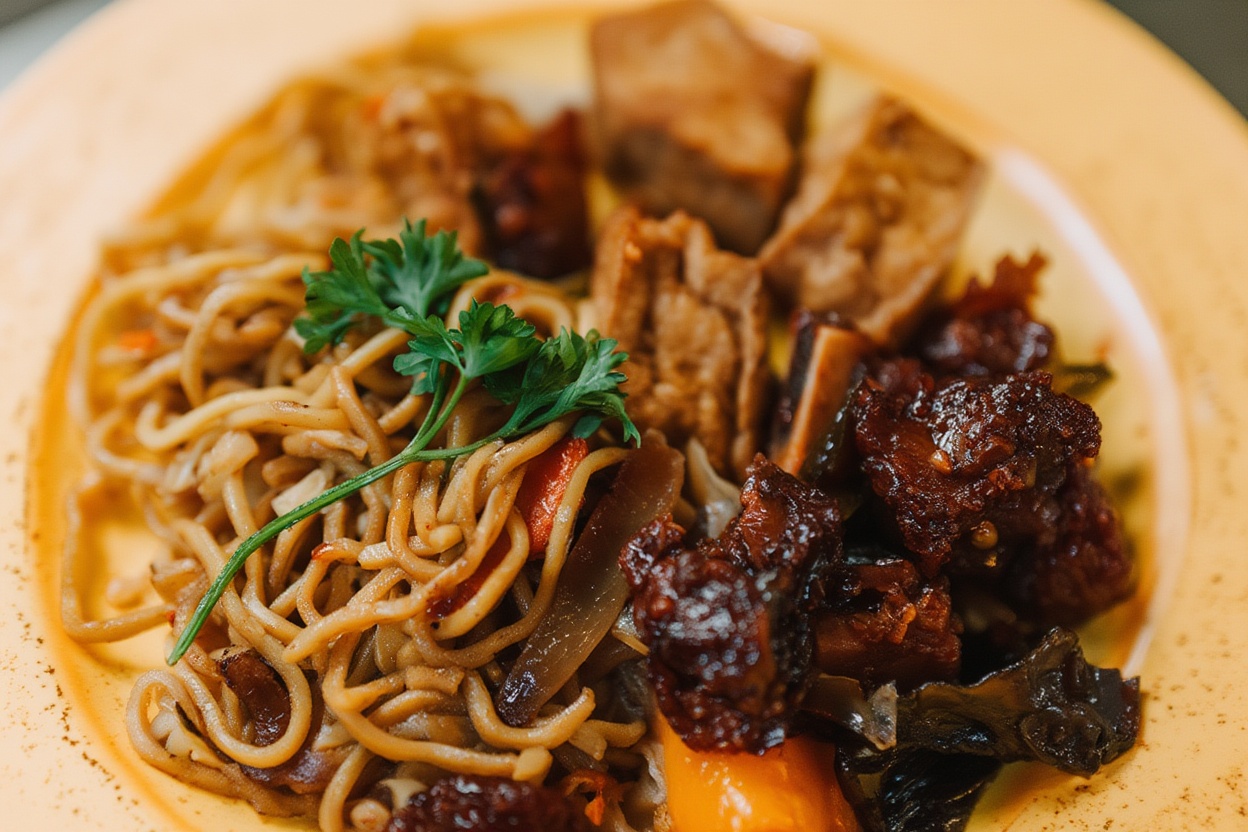
Two vegans who walked the entire length of Vietnam from Hanoi to Ho Chi Minh City — a journey of several months — reported having three full vegan meals a day, every day.
“It’s amazing for vegan food. There are hundreds of vegan buffets in the big cities, and literally everywhere you go you can get tofu, rice and a huge selection of fruits and veg.” — vietnamcharitywalk, r/VietNam
That’s the upside. The downside is that the same country also has fish sauce in almost every traditional dish at non-chay restaurants — and the kitchen won’t always tell you when they’ve used it.
Here’s how to navigate both sides.
Understanding Chay: Vietnam’s Vegetarian Tradition
Chay (chay, say: chai) is not a Western invention imported for tourists. It’s a centuries-old Vietnamese Buddhist practice of eating plant-based food on certain lunar calendar days — typically the 1st and 15th of each lunar month.
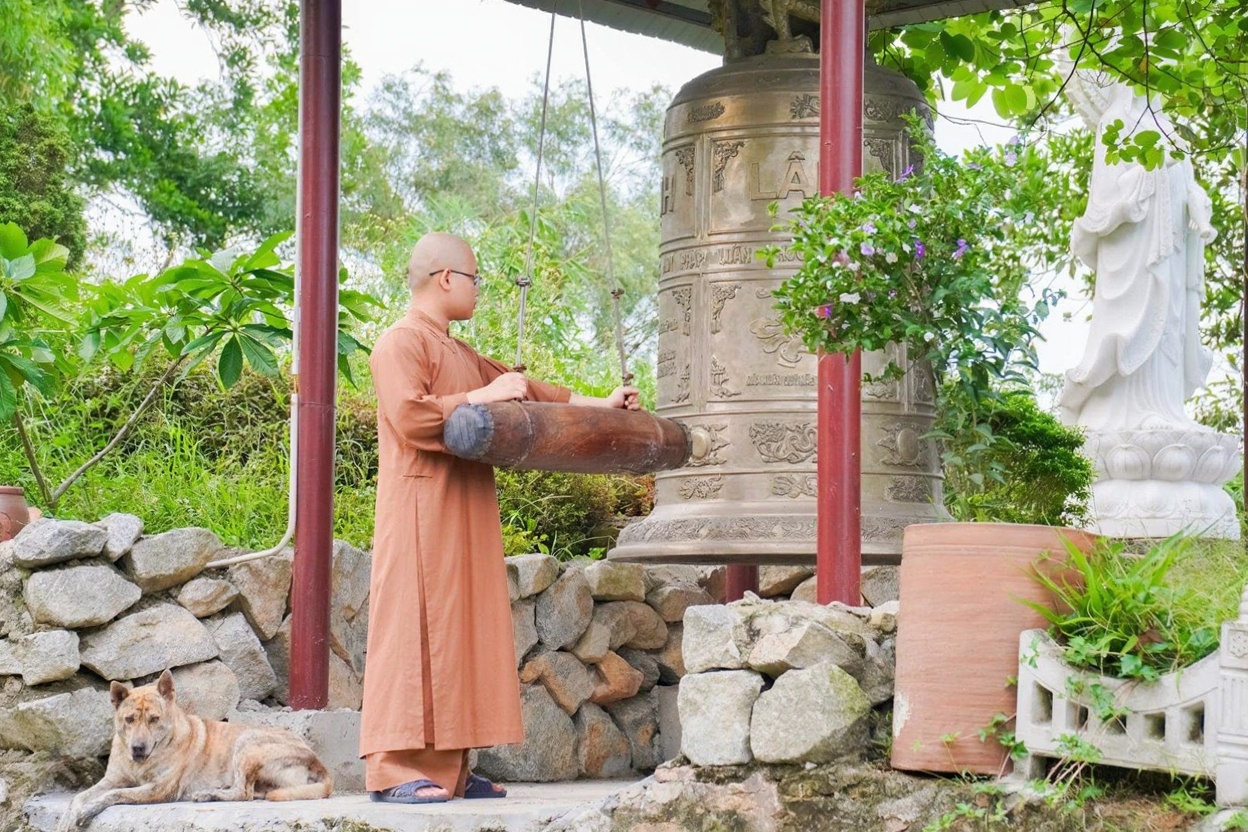
On those days, many Vietnamese — including non-religious people who grew up in Buddhist households — eat chay. Street vendors switch their offerings. Restaurants run chay menus. The infrastructure for plant-based eating is baked into Vietnamese food culture at a level you don’t find in many other Asian countries.
What “chay” means in practice:
“In Vietnamese ‘chay’ means vegetarian/vegan. It’s an umbrella term with Buddhist roots. You can find it at markets, restaurants, and street vendors. Check/ask for no egg, as that’s sometimes still included.” — SnickeryDisaster, r/vegan
Important nuance: the Vietnamese “chay” definition is traditionally strictly vegan — no meat, fish, seafood, eggs, or dairy. But some chay restaurants interpret it as “no meat” and may include eggs or dairy in some dishes. If you’re strictly vegan, ask: “Không có trứng, không có sữa, không có nước mắm?” (say: Khong co trung, khong co soo-a, khong co nook mahm?) — “No eggs, no milk, no fish sauce?”
The One Rule That Changes Everything: Go to a Chay Restaurant
This bears repeating because it’s the difference between a smooth vegetarian trip and a frustrating one.
Regular Vietnamese restaurants use fish sauce (nước mắm, say: nook mahm) as a base in almost everything — soups, marinades, dipping sauces, stir-fries. It’s as fundamental to Vietnamese cooking as salt and pepper are in Western food. Asking a regular kitchen to make a dish “without fish sauce” often results in one of three outcomes: they say yes and do it, they say yes and don’t do it, or they look at you like you’ve asked them to build a spaceship.
“Pretty much every single Vietnamese dish at a normal restaurant has fish sauce in it somewhere. Go to a spot that specifically says it’s vegan and bring the card with you.” — Catt_hunder, r/VietNam
“Go to ‘VEGAN’ spot, there is almost no chance regular places can accommodate you in Vietnam tbh.” — Rare-Major7169, r/VietNam
The good news: Vietnam has so many chay restaurants that you will never be forced to negotiate with a non-chay kitchen. The chay system is complete. You don’t need a workaround — you just need to find the right restaurants.
How to Find Chay Restaurants in Vietnam
Finding vegetarian food in Vietnam is not the challenge people expect it to be. The challenge is knowing where to look.
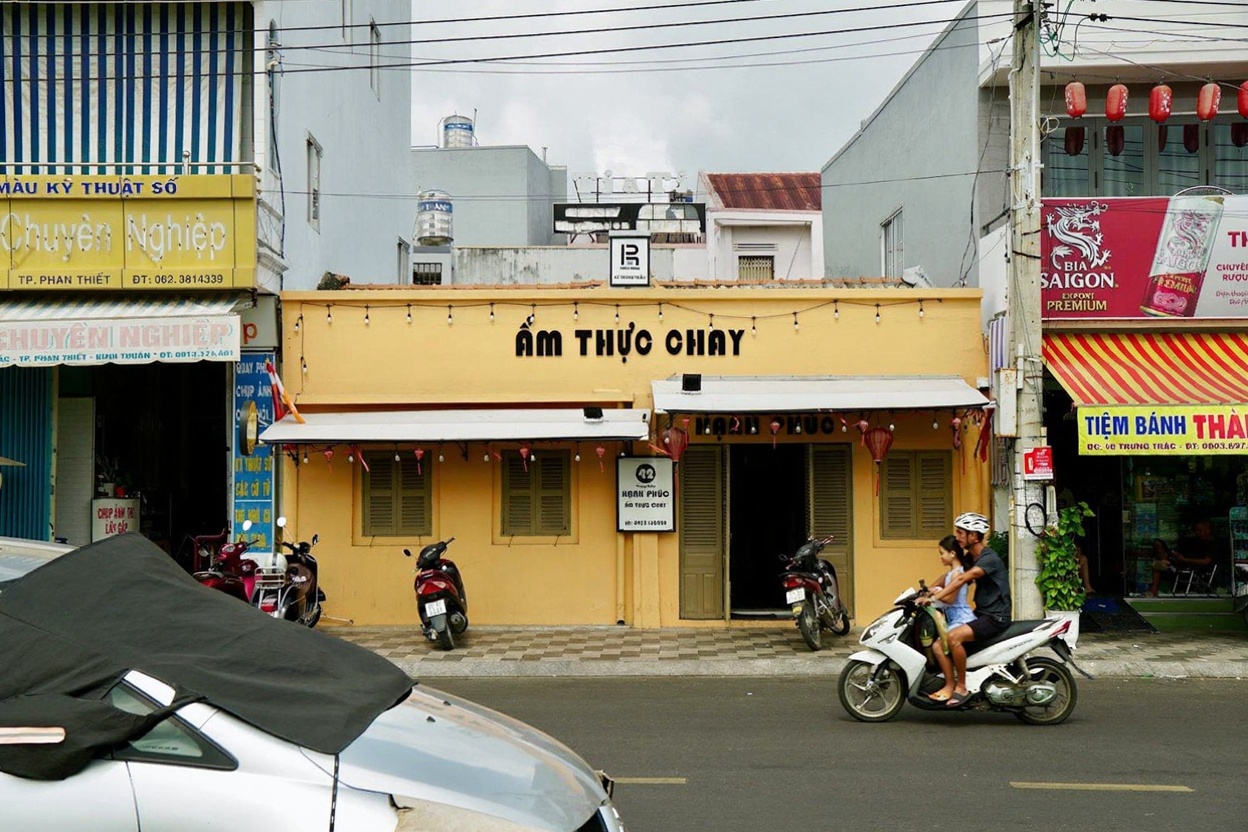
Google Maps: Search “chay” or “com chay” (say: com chai — literally “chay rice”) in your current city. In HCMC, Hanoi, Da Nang, or Hoi An, you’ll find dozens of options within walking distance of the tourist zones. Google Maps reviews in Vietnamese cities are reliable for this — locals review chay restaurants extensively.
“Just Google for ‘chay’ or ‘com chay’ restaurants. It’s not hard to find vegan foods in Vietnam and they are delicious.” — Fox2_Fox2, r/VietNam
Grab app: The food delivery section of Grab lists chay restaurants by neighborhood. Useful for discovering options near your guesthouse that aren’t in tourist guides.
HappyCow: The vegetarian travel app has extensive Vietnam listings. Useful for English-language reviews and more nuanced information about whether specific restaurants are truly vegan-safe versus just “chay” in the looser sense.
Look for the signs: Any restaurant with “cơm chay” (say: come chai), “quán chay” (say: quan chai), or “nhà hàng chay” (say: nya hang chai) in the name is a dedicated vegetarian restaurant. These signs appear on shopfronts and street-food stalls throughout Vietnam.
What to Order at a Chay Restaurant
Chay cuisine is not a sad substitution for regular Vietnamese food. It’s its own fully developed culinary tradition, and it’s genuinely excellent.
Cơm chay buffets (say: come chai) — The standard format for chay dining in Vietnam. Pay a flat rate (typically 30,000–60,000 VND / ~$1.15–2.30) and fill your plate with 8–15 different dishes: tofu preparations, vegetable stir-fries, mushroom dishes, spring rolls, sauces, rice. The quality varies, but the better chay buffets in Vietnamese cities are genuinely outstanding value.
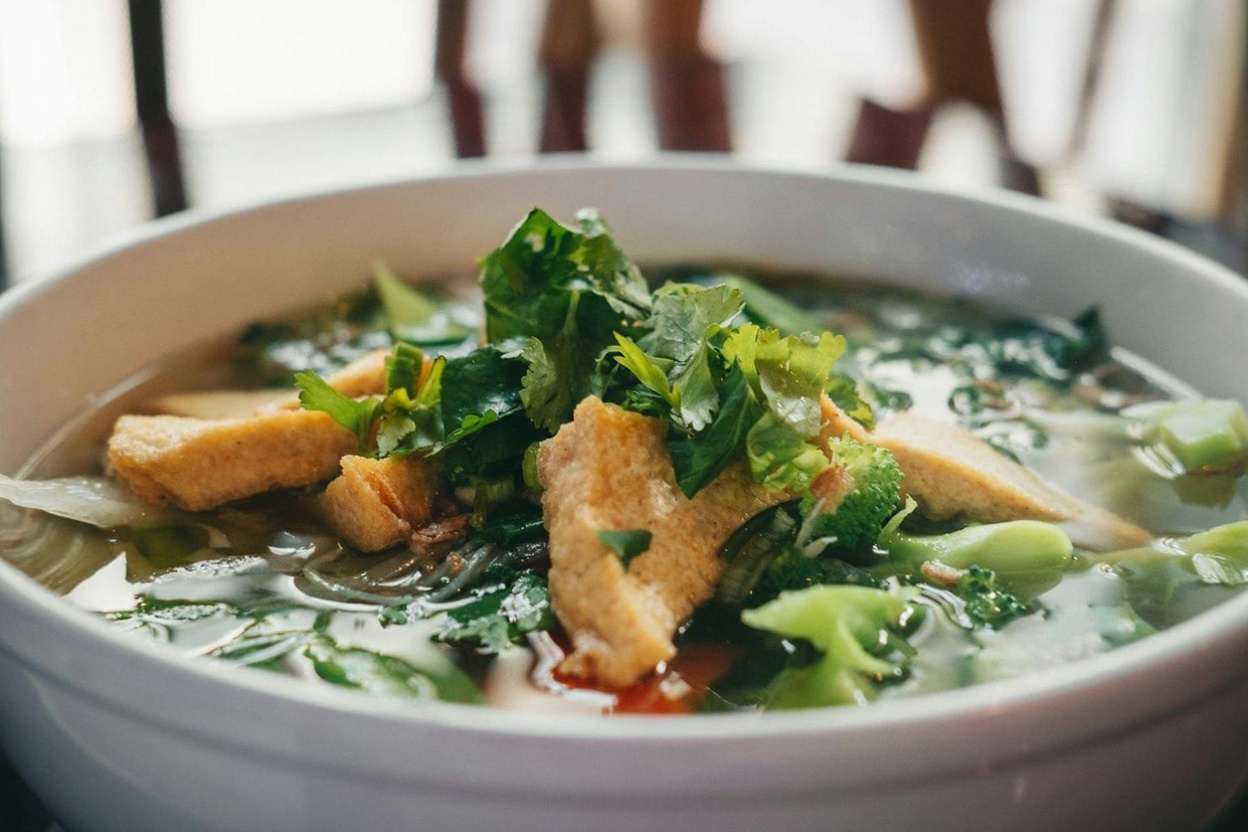
Phở chay (say: fuh chai) — Pho made with vegetable or mushroom broth instead of beef. The best versions use a stock built from charred onion, ginger, star anise, and shiitake mushrooms. Served with fresh herbs, bean sprouts, and hoisin/chili on the side just like the regular version. Available at dedicated chay restaurants, not at pho-specialist shops which almost always use bone broth.
Bánh mì chay (say: ban mee chai) — The vegetarian bánh mì, typically with tofu, pickled daikon, cucumber, and the signature pâté replaced with a mushroom or bean-based spread. Available at many bánh mì carts — ask “có bánh mì chay không?” (say: co ban mee chai khong?) — “Do you have vegetarian bánh mì?”
Mock meat dishes — Vietnamese chay cuisine has a sophisticated tradition of plant-based meat substitutes made from wheat gluten, tofu, and mushrooms. These dishes replicate the texture of pork, duck, and seafood convincingly. The vegetarian “beef stew” (bò kho chay) and “grilled pork” (thịt nướng chay) at good chay restaurants are remarkable.
“Vietnam has many vegetarian restaurants that serve dishes made entirely from plant-based ingredients but are made to look and taste like non-vegetarian food. There’s a plant-based beef stew that tastes just like the real thing.” — Lucky-Albatross-SJ, r/VietNam
Bánh bột chiên chay (say: ban boat cheyen chai) — Pan-fried rice cakes with scallions and soy sauce. One of the best street snacks in Vietnam and naturally vegan-friendly at chay stalls.
Nước mắm chay (say: nook mahm chai) — Vegan fish sauce, made from fermented pineapple or seaweed. A genuine substitute that appears at chay restaurants and is available at chay-specific grocery sections in supermarkets.
City by City: Where to Eat Vegetarian in Vietnam
Ho Chi Minh City (Saigon): The best city in Vietnam for vegetarian and vegan food. The highest density of chay restaurants, the most variety, and the easiest access. The Phạm Ngũ Lão (say: Fahm Ngoo Lao) backpacker area has multiple chay spots within walking distance. District 3 has some of the better mid-range chay restaurants.
Hanoi: Excellent chay options in the Old Quarter and in the areas around West Lake. The Buddhist-influenced chay tradition is strong here. Search “cơm chay” on Google Maps near Hoàn Kiếm Lake (say: Hwahn Kyem) and you’ll find 10+ options within 500 meters.
Hoi An: Surprisingly good for vegetarians given the tourist-facing nature of the food scene. The town has several dedicated chay restaurants and a number of international vegetarian cafés. Easier to navigate than you’d expect.
Da Nang: Adequate but less dense than HCMC and Hanoi. The My Khe Beach tourist strip has limited options — head into the city center for better chay choices.
Hue: Good chay options, particularly near the Imperial Citadel area where Buddhist temple-adjacent food culture is strong. Hue is one of Vietnam’s most important Buddhist cities — Thien Mu Pagoda and the surrounding monastery areas have chay food stalls that serve pilgrims and visitors. The density of chay near pagodas is higher here than anywhere else in Vietnam except possibly Da Lat. Budget travelers will appreciate that chay buffets in Hue are at the lower end of the national price range — 25,000–45,000 VND is typical.
Small towns and rural areas: More challenging, but not impossible. Dedicated chay restaurants exist in smaller towns near Buddhist temples — look for pagodas and you’ll often find a chay stall or small restaurant nearby. The phrase “tôi ăn chay” (say: toy an chai — “I eat chay/vegetarian”) is understood everywhere in Vietnam and is more useful than an English explanation. In very rural areas where there’s no chay restaurant, your options narrow to: plain rice (cơm trắng, say: come trang), steamed eggs if you’re not strictly vegan, fried tofu (đậu phụ chiên, say: dou foo chyen), or stir-fried morning glory (rau muống, say: rao moo-ong) — all available almost universally. This is where pre-packing convenience store snacks and supermarket chay instant noodles pays off most.
↗Insider Tip
The 1st and 15th of each lunar month are peak chay days in Vietnam — many more street vendors run chay-only menus. If your travel dates happen to coincide with these days (trackable via a lunar calendar app), you’ll find the widest spontaneous selection of plant-based street food you’ll encounter anywhere. For a deeper dive into the city’s food scene, our Hanoi street food guide covers the best stalls and neighborhoods.
The Vietnamese Diet Card: Do You Need One?
The “vegan diet card” — a printed or screen-shown card in Vietnamese explaining your dietary restrictions — is something you’ll find discussed on every travel forum.
Honest answer: you need one only if you’re eating at non-chay restaurants. At a dedicated chay restaurant, the staff already understands exactly what you can and can’t eat — the entire menu is plant-based. The card is irrelevant.
The card becomes useful at regular restaurants in situations where you’re stuck without a chay option nearby — a roadside place in a small town, a rural guesthouse that serves whatever they have, a tourist restaurant that claims to do vegetarian dishes. In those cases, having a card that says clearly in Vietnamese:
“I am vegetarian/vegan. I don’t eat meat, fish, seafood, chicken, pork, or fish sauce (nước mắm). Please make sure my food doesn’t contain any animal products including fish sauce, oyster sauce, or shrimp paste.”
…is genuinely useful for communicating what you need across a language barrier.
Templates exist online — search “Vietnam vegan diet card” and you’ll find downloadable PDF versions vetted by native Vietnamese speakers. Save it to your phone’s photos so you can show it without needing internet. If you want one checked by a Vietnamese person for accuracy, post it on r/VietNam — the community regularly helps travelers with exactly this.
ℹKnow Before You Go
Some Reddit users report mixed results with diet cards at non-chay restaurants — “they said yes and brought food with fish sauce anyway.” This isn’t deception; it’s a fundamental difference in how fish sauce is understood. In Vietnamese cooking it’s a flavouring ingredient, not an animal product in the cultural sense. The card can help, but it’s not a guarantee at non-dedicated restaurants. The chay restaurant route is the reliable one.
Vegetarian Vietnam: Practical Budget Notes
One unexpected benefit of vegetarian eating in Vietnam: it’s cheaper than regular restaurant dining.
A cơm chay buffet lunch at a local vegetarian restaurant: 30,000–60,000 VND (~$1.15–2.30) for unlimited dishes. A phở chay at a chay pho shop: 35,000–55,000 VND (~$1.35–2.10). A bánh mì chay from a street cart: 15,000–25,000 VND (~$0.57–0.95).
By comparison, a bowl of regular pho at a tourist-adjacent shop runs 50,000–80,000 VND (~$1.90–3). A sit-down meal at a non-chay restaurant: 80,000–200,000 VND (~$3–7.60).
Vegetarian eating in Vietnam isn’t just easy — it actively reduces your food budget. This is partly because chay restaurants serve lower-income local customers (Buddhist practitioners who eat chay on lunar calendar days aren’t a high-spending tourist demographic), which keeps prices anchored to what local wages can absorb.
Supermarkets and Self-Catering for Vegetarians
Vietnam’s larger cities have well-stocked supermarkets where vegetarian and vegan items are labeled and accessible.
WinMart (formerly Vinmart) — Found throughout Vietnam, reasonable selection of tofu, tempeh, plant-based products, and clearly labeled chay packaged foods.
Lotte Mart and AEON Mall — The larger Korean and Japanese-owned supermarkets in HCMC and Hanoi have dedicated chay/vegetarian sections with good variety, including nước mắm chay (vegan fish sauce) and chay seasoning sauces.
Convenience stores (Circle K, GS25, Family Mart) — Found throughout Vietnam’s cities and tourist areas. Most stock fresh spring rolls, steamed corn, boiled egg-free options, and fruit. Not a full meal solution but good for supplementing. Many have warm bánh mì fillings that may or may not be chay — check the label or ask.
One particularly useful find in Vietnamese supermarkets: instant chay noodle packets. Major Vietnamese brands (Gấu Đỏ, Omachi) make chay versions of their popular instant noodles — look for the green “chay” label on the packaging. They’re excellent for long bus rides or days when you’re in transit and good restaurants aren’t accessible.
Vietnamese Coffee and Drinks for Vegetarians
One thing that trips up vegetarians: Vietnamese coffee (cà phê, say: ca feh).
Traditional Vietnamese coffee is made with robusta beans dripped through a small metal filter (phin) — this part is vegan. But it’s traditionally served with sweetened condensed milk (sữa đặc, say: soo-a dak), which is dairy. Café sua da (say: ca feh soo-a da) — iced milk coffee — is everywhere and is not vegan.
Order alternatives: cà phê đen (say: ca feh den) = black coffee, cà phê đen đá (say: ca feh den da) = iced black coffee. These are naturally vegan. Some cafés in tourist areas offer soy milk (sữa đậu nành, say: soo-a dou nan) as a substitute — worth asking. Fresh sugarcane juice (nước mía, say: nook mee-a) sold from street carts is naturally vegan and one of the best drinks in Vietnam. Same with fresh coconut water and the excellent fruit smoothies (sinh tố, say: sin toh) found at markets and smoothie stalls throughout the country.
Egg coffee (cà phê trứng, say: ca feh jung) — the Hanoi specialty with whipped egg yolk foam on top — is not vegan (obviously) but is worth knowing about so you can avoid it intentionally rather than accidentally.
What I Got Wrong
First month in Hanoi. I was eating pho every morning from a cart near my apartment, not thinking about what was in the broth. My Vietnamese wasn’t good enough yet to ask questions I didn’t know to ask. I was pescatarian at the time, not strict, but I’d have wanted to know if the base was pork or beef bone.
It was both. I found out six months later when I watched my neighbor preparing stock.
I’m not vegetarian now, but the lesson stuck: at a Vietnamese street food cart, the default assumption is always that animal products are in the base, the sauce, and the seasoning. If it matters to you — it will, if you’re vegetarian — the only reliable answer is a dedicated chay restaurant. Anywhere else, assume the kitchen used fish sauce and acted accordingly.
Two things worth sorting before you land: a Vietnam eSIM so you have data the moment you clear customs, and travel insurance — medical costs for uninsured foreigners in Vietnam are significant.
Airalo eSIMs activate instantly. Buy before departure — airport SIM queues in Vietnam can take 30+ minutes.
Frequently Asked Questions
Is Vietnam easy for vegetarians?
Yes, with the right approach. Vietnam has a deep Buddhist vegetarian tradition and dedicated “chay” restaurants in every city. The mistake is trying to modify regular restaurant dishes — fish sauce is in almost everything. Go directly to chay restaurants (search “chay” or “com chay” on Google Maps) and eating vegetarian or vegan in Vietnam is genuinely easy and delicious.
What is “chay” in Vietnam?
Chay (say: chai) is the Vietnamese term for vegetarian or vegan food, rooted in Buddhist practice. A chay restaurant serves entirely plant-based food. The term traditionally means fully vegan (no meat, fish, eggs, or dairy), though some chay restaurants include eggs — if you’re strictly vegan, ask specifically: no eggs (không trứng), no fish sauce (không nước mắm).
How do I find vegetarian food in Vietnam?
Search “chay” or “com chay” on Google Maps in any Vietnamese city. You’ll find dedicated vegetarian restaurants nearby. HappyCow also works for English-language reviews. Look for restaurant names with “cơm chay,” “quán chay,” or “nhà hàng chay” on the signage. Grab’s food delivery app also lists chay options by neighborhood.
What Vietnamese dishes are naturally vegetarian?
At dedicated chay restaurants: phở chay, bánh mì chay, cơm chay buffet dishes, mock meat dishes (wheat gluten, tofu), bánh bột chiên chay. At regular restaurants, be cautious — fish sauce appears in most dishes. Fresh fruit, plain rice, and tofu are safe; soups, stir-fries, and sauces usually aren’t unless specifically prepared chay.
Is Vietnamese coffee vegan?
The coffee itself is vegan (robusta beans, metal filter drip). The traditional preparation with condensed milk (cà phê sữa đá) is not vegan. Order cà phê đen (black coffee) or cà phê đen đá (iced black coffee) for vegan options. Some cafés offer soy milk on request.
Vietnam is genuinely good for vegetarians — better than most first-timers expect. The Buddhist chay tradition has been building restaurants and perfecting plant-based cooking for centuries. You’re not navigating a cuisine that treats plant-based eating as an afterthought.
Know the word “chay.” Search it on Google Maps. Eat at buffets. Try the mock meats. Drink black coffee. The country will feed you extremely well.
For planning the rest of your Vietnam trip, the Vietnam itinerary guide breaks down the best route and timing. If Hoi An is on the list, the Hoi An guide includes the town’s better vegetarian spots in the food section.
FAQ
Is Vietnam good for vegetarians?
Yes and no. The Buddhist vegetarian tradition (ăn chay) means Vietnamese cuisine has developed a rich range of plant-based dishes — tofu-based mock meats, vegetable soups, rice dishes. But the mainstream Vietnamese diet is heavily meat-based, and many dishes that look vegetarian contain fish sauce or shrimp paste. Knowing what to ask for makes the difference.
What is chay food in Vietnam?
Chay (pronounced ‘chay’) means vegetarian in Vietnamese. Buddhist vegetarian restaurants called ‘nhà hàng chay’ or ‘quán chay’ serve fully plant-based food — often elaborate mock-meat dishes made from tofu, mushroom, or wheat gluten. These are most common near pagodas and in cities. Vegetarians should look for ‘cơm chay’ signs.
What Vietnamese dishes are naturally vegetarian?
Gỏi cuốn (fresh spring rolls — ask for tofu filling). Cơm tấm chay (broken rice with tofu). Phở chay (vegetarian pho). Bún chay (rice noodle soup without meat). Bánh xèo chay (Vietnamese crepe without pork). Chè (dessert soups — most are naturally plant-based). Always confirm no fish sauce.
How do you say ‘I’m vegetarian’ in Vietnamese?
‘Tôi ăn chay’ (I eat vegetarian). ‘Không có thịt, không có hải sản’ (no meat, no seafood). ‘Không có nước mắm’ (no fish sauce). The Buddhist vegetarian tradition means these phrases are well-understood at chay restaurants. Standard restaurants may be more confused — stick to chay establishments when eating out as a strict vegetarian.
Where are the best cities in Vietnam for vegetarians?
Hue has the strongest vegetarian tradition due to its historical Buddhist temple culture — more chay restaurants per capita than anywhere else in Vietnam. Hanoi and Saigon have dedicated vegetarian neighborhoods near major pagodas. Hoi An has vegetarian-friendly options due to high tourist demand. Rural areas are harder — more limited options and more fish sauce in everything.
