Updated May 2026
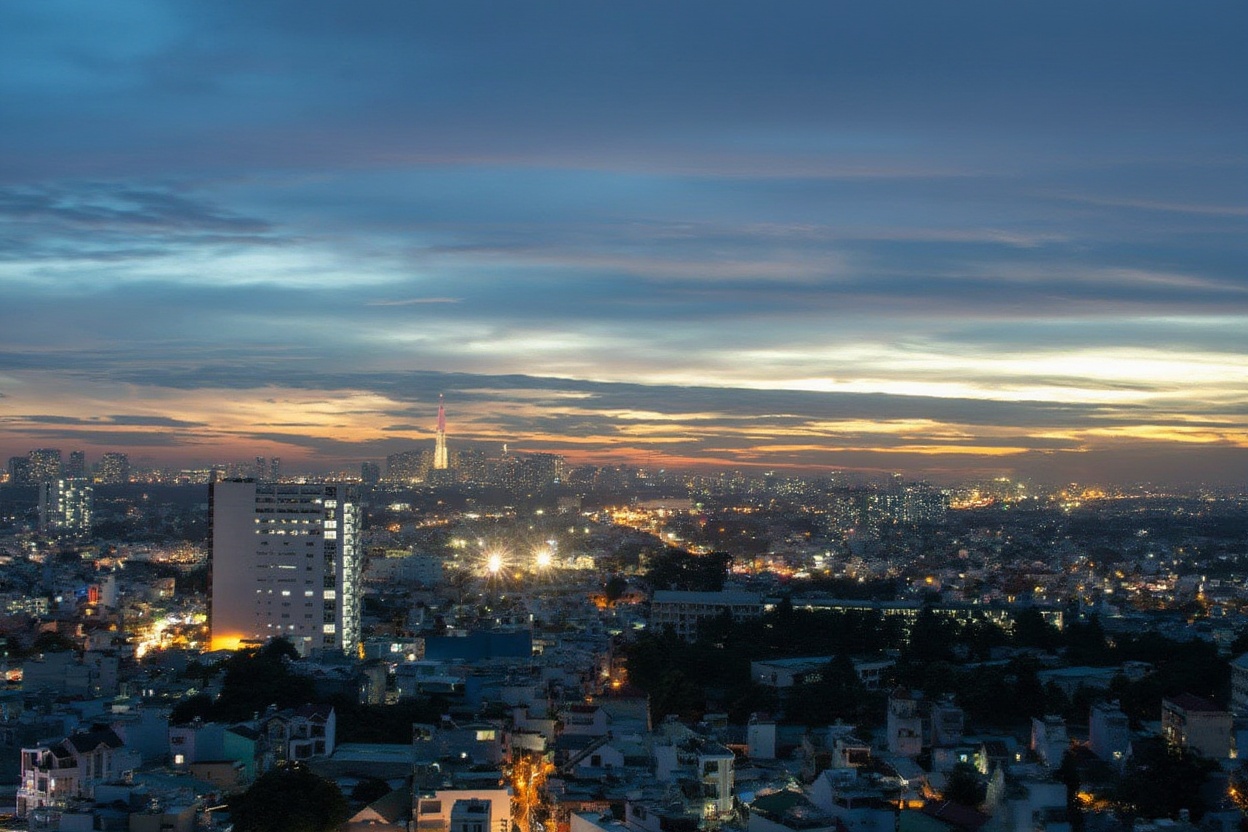
Where you sleep in Saigon matters more than people expect. Not just because of price — though the price gap between D1 hotel row and D3 is real — but because your neighborhood becomes your default orientation to the city. The traveler who wakes up in D1 on Bui Vien walks out into other tourists. The one who wakes up in D3 walks out into morning pho, local coffee, and a 12-minute walk to the same War Remnants Museum.
I’ve stayed in both, and in D4, and in a guesthouse in Bình Thạnh that cost 250,000 VND (~$9.50) a night and had a family of four in the room next door who made banh cuon every morning and left some by the door. That last option I wouldn’t be able to recommend by name, but it shapes how I think about where to direct people.
The Neighborhood Question First
Before picking a hotel, pick a district. The practical breakdown:
District 1 is the tourist center — every main sight is walkable, every restaurant has an English menu, and the price of a private room is 30–50% higher than identical rooms one district over. Average price per night on Booking.com: around 1,175,000 VND (~$45). The Pham Ngu Lao backpacker sub-district within D1 is cheaper — hostels from 180,000–350,000 VND (~$6.80–$13.30) for a dorm, budget privates from 450,000 VND (~$17).
District 3 is my recommendation for most travelers. Walk to D1’s sights in 10–15 minutes, pay 30–40% less for the same type of room, eat at local prices, and have a neighborhood that feels like Saigon rather than tourist infrastructure. Average private rooms: 350,000–600,000 VND (~$13.30–$22.80).
Thao Dien (former District 2) — across the river, 20 minutes by Grab, comfortable and international. Correct for long stays, digital nomads, and families. For a 3–5 day visit, the commute back in costs you time you don’t have.
For the full district breakdown and what each one actually feels like on the ground, see our Saigon guide.
Budget Accommodation: Under 875,000 VND (~$33) Per Night
The Pham Ngu Lao area in D1 is where budget Saigon concentrates — hostels, guesthouses, and cheap private rooms on a grid of streets (Đề Thám, Bùi Viện, Phạm Ngũ Lão itself) that’s been the backpacker hub since the 1990s. It’s noisy at night from the bars on Bui Vien, louder on weekends, and the best-value option for travelers who want to be within walking distance of the main sights without spending much.
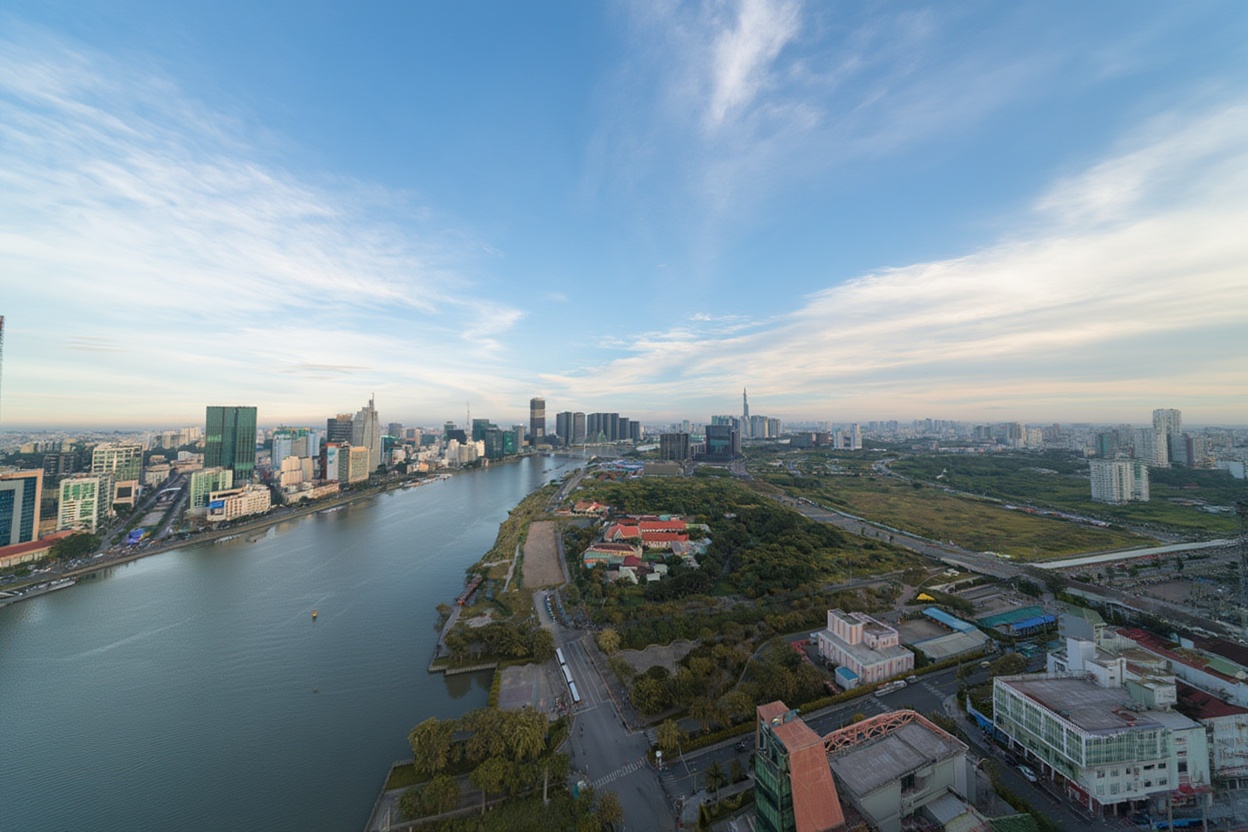
Hostels here: dorm beds from 180,000–300,000 VND (~$6.80–$11.40), typically including breakfast (toast and eggs, nothing to plan a day around). Budget private rooms: 380,000–600,000 VND (~$14.40–$22.80). Anything significantly under that price — 200,000 VND for a private room — usually means thin walls, weak AC, and a bathroom situation worth reading reviews about before you commit.
One finding from Reddit user Open_Soil_3246 worth noting: “Many highly rated hotels seem to have similar issues (no hot water, thin walls, extra service charges, etc).” This applies specifically to budget D1 properties that use Booking.com ratings inflated by complimentary minibar items. Read the most recent reviews, not the aggregate score. For the full district breakdown and what each one actually feels like on the ground, see our Saigon travel guide.
Outside Pham Ngu Lao: budget guesthouses in D3 and D4 run 280,000–450,000 VND (~$10.60–$17) for a clean private room. The lack of English-language front desk staff is often a feature, not a bug — it means the place is priced for local visitors rather than tourists.
→Who It’s For
Pham Ngu Lao suits solo travelers or pairs on a tight budget who want to be near the action and don’t care about noise after 10pm. D3 and D4 budget guesthouses suit anyone willing to take a short Grab to the sights in exchange for a quieter neighborhood and lower prices.
Mid-Range: 875,000–2,600,000 VND (~$33–$100) Per Night
This is the best value band in Saigon. The city has more well-run boutique hotels and smartly renovated guesthouses in this range than almost any other Southeast Asian city at the same price point. What you’re looking for: AC that works, hot water, a bed that doesn’t feel like a gym mat, and a location that’s convenient without being on Bui Vien.
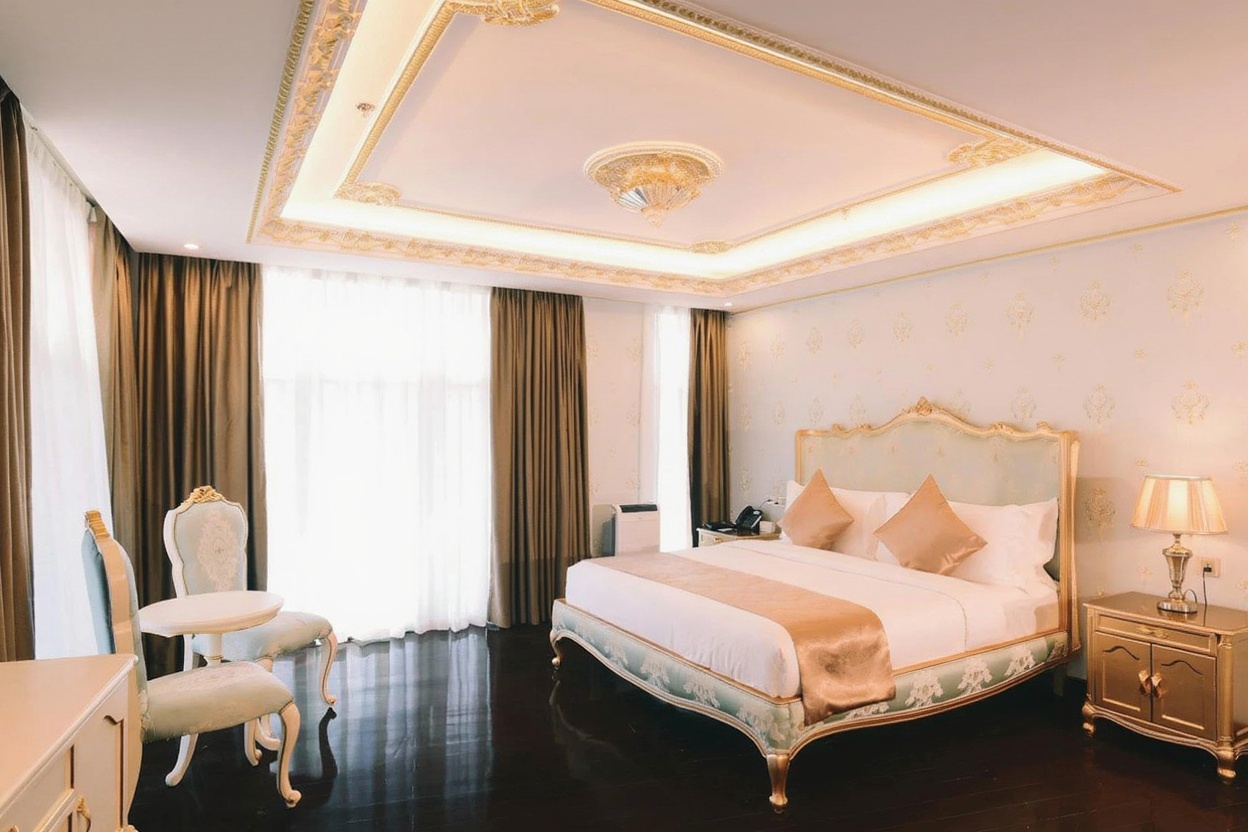
Specific picks from the research:
La Siesta Premium Saigon — Lý Tự Trọng Street, District 1, near Ben Thanh. Opened 2023. Rooftop pool, strong service, design-forward without being pretentious. Rates: typically 1,560,000–2,340,000 VND (~$59–$89) per night. The rooftop is genuinely good — high enough to see the skyline without feeling like a skyscraper lobby. Worth the premium within this range.
Hotel des Arts Saigon — District 3, 10-minute walk to D1 attractions. MGallery by Sofitel property, which means consistent service standards. Art-forward interiors, rooftop cocktail bar. Rates: 1,300,000–2,100,000 VND (~$49–$80). The D3 location is the main advantage — you pay the same as a D1 mid-range and get a better neighborhood.
La Vela Saigon — D1. Rooftop pool described by Reddit user SpanBPT as “one of the best rooftop pools in the city.” Rates around 3,930,000 VND (~$150) which technically pushes into the next tier, but the pool is the feature — budget it against what you’d spend on a rooftop bar.
Budget the mid-range Saigon hotel at 1,300,000–2,600,000 VND (~$49–$99) for a clean, well-located room. Anything under that from a named hotel in D1 is usually a renovation away from delivering what the photos promise.
↗Insider Tip
Serviced apartments are often better value for stays of four nights or more. Background-Dentist89 on Reddit: “The apartments around there offer much better deals. They are completely furnished and come with a pool.” A one-bedroom serviced apartment in D1 or Thao Dien typically runs 1,300,000–2,100,000 VND/night (~$49–$80) and includes a kitchen. If you’re staying a week, the kitchen alone saves the price difference in restaurant meals.
Luxury: 2,600,000 VND (~$100) and Up
Saigon’s luxury hotel market is competitive and the quality is genuinely high — Vietnamese hospitality at five-star scale is consistently better than the equivalent price point in Western cities. The question is which brand.
The Reddit consensus on this is unusually clear.
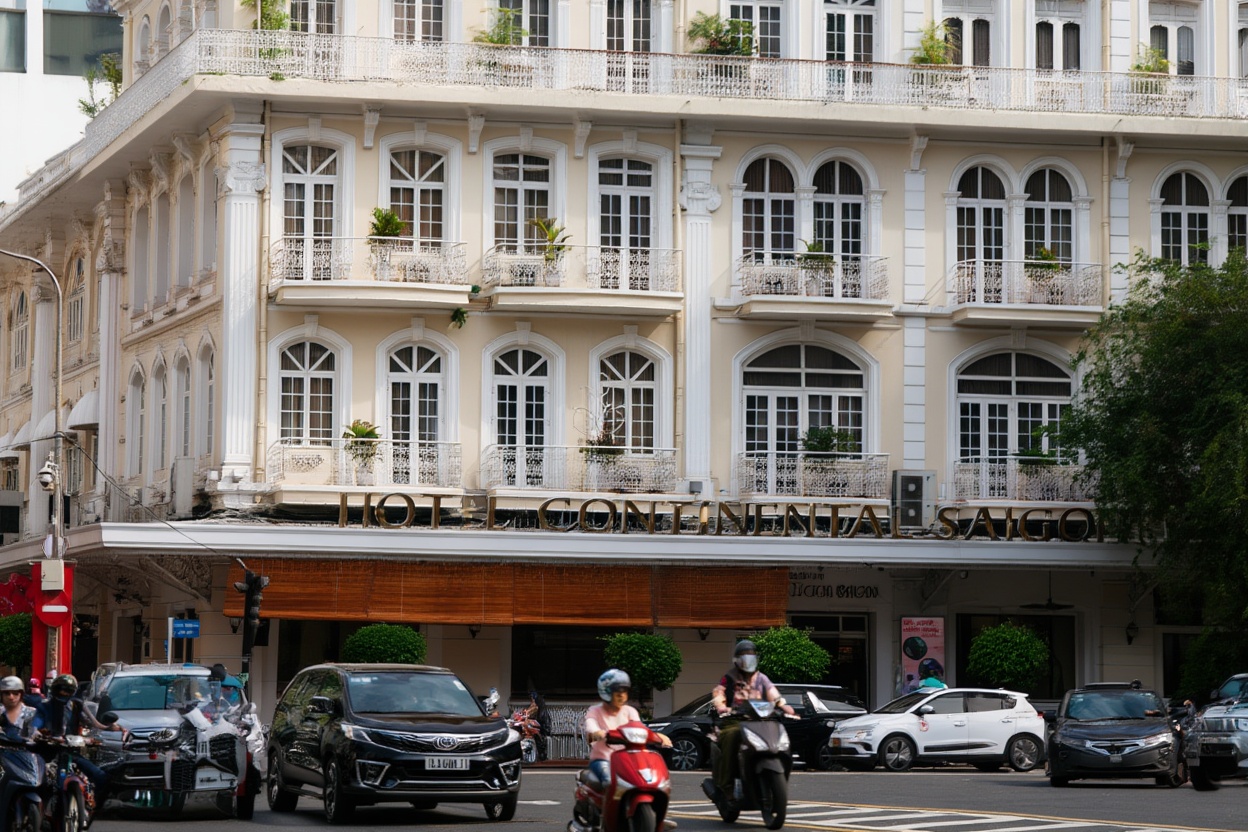
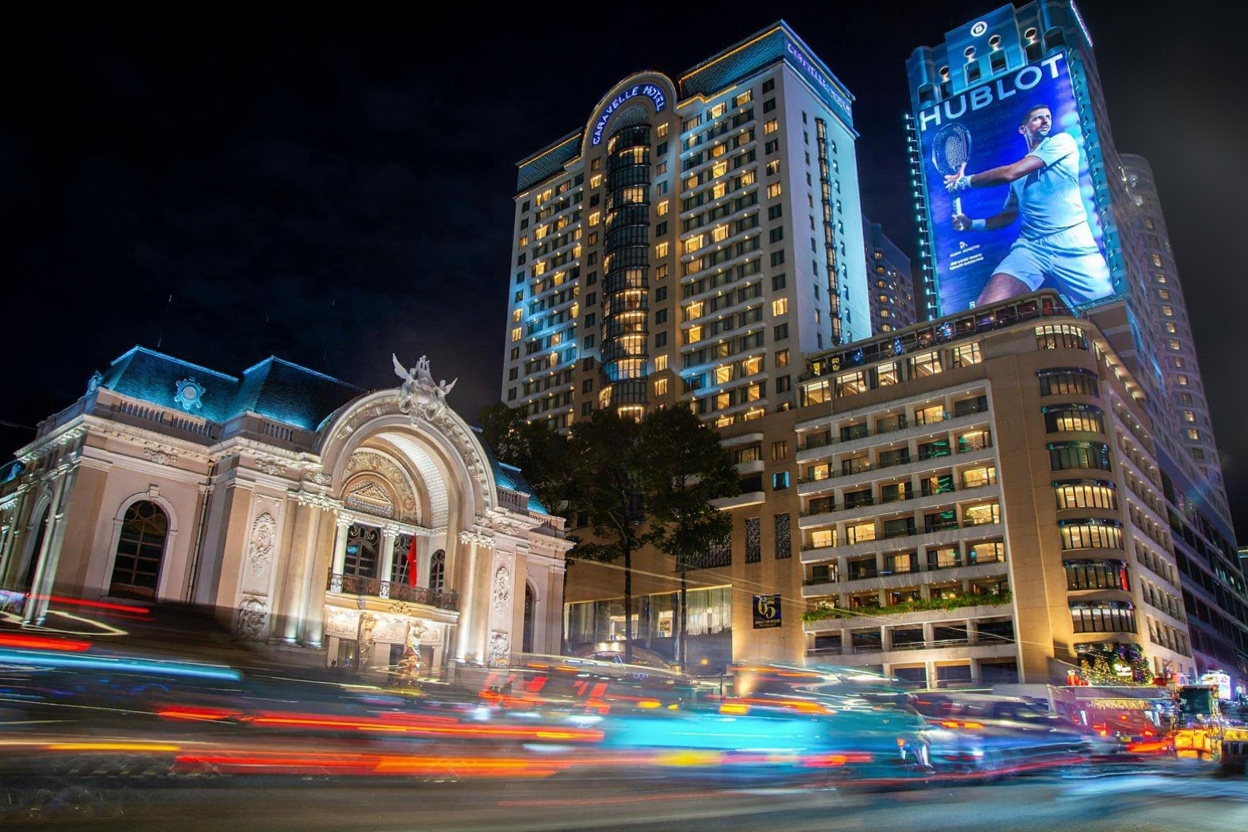
Park Hyatt Saigon — Lam Sơn Square, District 1, facing the Opera House. The consistent recommendation across multiple threads. Career_expat: “The Park Hyatt is very nice with an amazing Italian restaurant.” Rates: around 5,200,000–7,800,000 VND (~$197–$296) per night. The location — central D1, facing a proper colonial-era square — is the best of any five-star in the city. The Italian restaurant (Opera) is legitimate.
JW Marriott Saigon — D1, good location. “Convenient location” per career_expat, “probably $200 something.” Dnguy014: “Of all the Marriotts, Landmark 81 is my last choice. JW, Meridien, Sheraton, Renaissance are far better.” Around 5,200,000 VND (~$197)/night.
Sofitel Saigon Plaza — career_expat’s verdict: “Sofitel is so so (better ones in other cities) but might be cheaper.” That’s about right. The property is showing its age relative to newer entrants. Rates run 3,930,000–5,200,000 VND (~$149–$197).
Hotel Nikko Saigon: Read This Before You Book
Hotel Nikko gets recommended often on booking sites and occasionally by tour operators. Reddit user Troller-Toaster, score 15, left a specific warning worth reading: “Don’t listen to the Hotel Nikko shills. It is most definitely not worth the price. Breakfast is NOT included unless you select that option when booking and it is far from free. You could eat a whole day’s worth of meals in HCMC restaurants for the price of their breakfast add-on. Also the ‘complimentary’ drinks and snacks on the club floor are NOT complimentary either.”
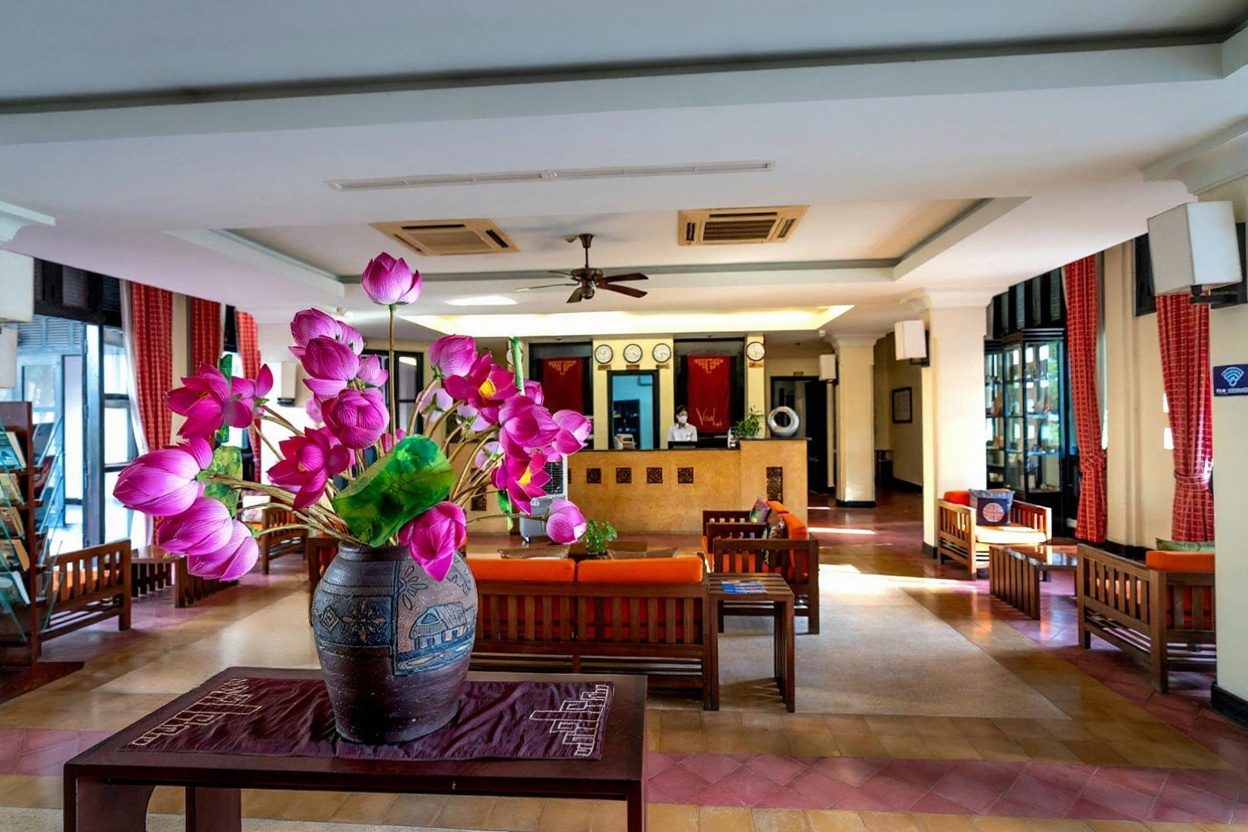
This is not a one-off complaint. The pattern of upselling at check-in and framing paid amenities as “included” is specific enough to be a documented issue rather than a bad-luck stay. If you’re considering Nikko, read recent reviews carefully and confirm in writing what’s actually included in your rate before arrival.
The counter-voice on Reddit is also there — one user called the rooftop deck “amazing” with “unlimited complimentary snacks and liquor.” The discrepancy itself is the warning: what you get depends on which room type you book, and the framing at check-in is inconsistent. If the price looks right and the location works, book direct, confirm everything in writing, and don’t assume “club floor” means the same thing it does at a western hotel brand.
The location of Hotel Nikko Saigon — on Lê Lai, a short walk from Ben Thanh — is genuinely good. If you’ve confirmed what’s included, verified the rate against competitors, and the deal makes sense for your budget, there’s no reason to avoid it. The warning is specifically about assumptions. Saigon hotel pricing is more granular than most cities — the difference between a room that includes breakfast and one that doesn’t can be 300,000–500,000 VND (~$11.40–$19) per person per day, which adds up across a week.
Landmark 81: The Hype vs Reality
Landmark 81 in Thao Dien is the tallest building in Vietnam and one of the highest in Southeast Asia. The JW Marriott inside it is genuinely impressive. Reddit user Difficult-Cap-6950 captured the issue: “Landmark 81… prices skyrocketed compared to 10 days ago… now I’m not sure if it’s worth $250 per night (before it was like $150).” That price volatility is real — the property uses dynamic pricing aggressively.
Dnguy014’s blunt assessment: “Of all the Marriotts, Landmark 81 is my last choice. JW, Meridien, Sheraton, Renaissance are far better.” The location in Thao Dien is the main issue — it’s not Saigon in the experiential sense, and for that price you could stay in a central D1 five-star and walk to everything. If the views from the upper floors are specifically what you want, the Landmark 81 Observation Deck (400,000 VND / ~$15.20 entry) gives you the same experience without sleeping there.
What I Got Wrong
My first stay in Saigon was on Bui Vien because it was cheap and central and the map made sense. I slept through exactly zero nights completely — the bars close at 2am technically, which in practice means 3am, and the street doesn’t go quiet after that, it just changes the frequency of its noise. By day three I was drinking coffee at 6am out of necessity rather than enthusiasm.
On my second trip I paid slightly more to stay in D3 on a quiet lane off Võ Văn Tần. I woke up to the sound of someone grilling pork somewhere below and a motorbike every three minutes. I slept well every night. The War Remnants Museum was a 12-minute walk. The math was not complicated.
Frequently Asked Questions
What is the best area to stay in Ho Chi Minh City?
✓Quick Answer
District 3 is the best base for most travelers — walkable to D1 sights, 30–40% cheaper than D1, quiet enough to sleep, and with a real local neighborhood around you. District 1 suits first-timers who want maximum walkability to the main tourist attractions and don’t mind paying more for it.
Is it worth staying in District 1?
For a first visit of three days or fewer, yes — you can walk to the War Remnants Museum, Reunification Palace, Ben Thanh Market, and Nguyen Hue Walking Street without taking a Grab. For longer stays or return visits, District 3 delivers the same access at significantly lower prices and a better daily experience. The noise level on Bui Vien alone makes District 1 a poor choice if you need consistent sleep.
Is Hotel Nikko Saigon worth it?
Mixed. The main documented issue is that breakfast and club floor amenities are often presented as included when they’re not — this is a specific and recurring complaint on Reddit. Read your booking confirmation carefully and confirm inclusions in writing before arrival. If the price, location, and room type work for you and you verify the specifics, some guests have excellent stays. If you’re comparing it to the Park Hyatt at a similar price point, the Park Hyatt is the clearer recommendation.
Is Pham Ngu Lao safe?
Yes — it’s the backpacker hub and is well-trafficked at all hours. Standard urban precautions apply: keep your phone in your pocket, don’t walk back from bars alone at 3am with your camera out. The main risk is noise from the bars on Bui Vien, not physical safety.
How much does a good hotel in Saigon cost?
A clean, well-located mid-range hotel in D1 or D3 runs 1,300,000–2,600,000 VND (~$49–$99) per night. Budget private rooms in D3 or D4 start from 350,000 VND (~$13.30). Dorm beds in Pham Ngu Lao start from 180,000 VND (~$6.80). Luxury five-stars (Park Hyatt, JW Marriott) run 3,930,000–7,800,000 VND (~$149–$296). The city’s mid-range offers more value per dollar than most comparable Southeast Asian capitals.
Should I stay in Thao Dien or District 1?
For stays of a week or more, Thao Dien makes sense if you value comfort, a quieter environment, international food options, and good coffee over proximity to the tourist sights. For trips of five days or fewer, the Grab commute from Thao Dien to the main sights (20–40 minutes in traffic) costs meaningful time. District 3 gives you a better neighborhood feel than D1 without the commute penalty of Thao Dien.
What’s the best way to book hotels in Saigon?
Booking.com and Agoda both work reliably for Vietnam. Booking direct with the hotel is worth trying for mid-range and boutique properties — many will match or slightly undercut the OTA price in exchange for a direct booking. For budget guesthouses and small properties, messaging via WhatsApp or Zalo (Vietnam’s dominant messaging app) often gets you a better rate than the listed online price.
One thing to watch: extra charges at check-in. The city-tax surcharge (10,000–20,000 VND / ~$0.38–$0.76 per room per night) is standard and legitimate. Resort fees at properties that are not resorts are not — if you see an unspecified “service fee” added at check-in that wasn’t in the booking confirmation, push back.
Two things worth sorting before you land: a Vietnam eSIM so you have data the moment you clear customs, and travel insurance — medical costs for uninsured foreigners in Vietnam are significant.
Airalo eSIMs activate instantly. Buy before departure — airport SIM queues in Vietnam can take 30+ minutes.
Saigon Accommodation: Practical Tips Before You Book
A few non-obvious things that change the experience:
AC quality matters more than room size. A large room with underpowered air conditioning in Saigon’s humidity is worse than a small room that cools to 22°C in 10 minutes. Read reviews specifically for “air con” or “AC” complaints — this is the most common budget hotel failure mode.
t-style:italic;”>What to check before confirming: AC output, blackout curtains, and whether the street noise level is described anywhere in reviews
Floor level affects sleep. In D1 and anywhere near Bui Vien, street noise at night is a real factor. Reviews that mention “noisy” usually mean the reviewer was on floors 1–3. Ask for a higher floor or check the hotel’s floor-by-floor noise situation in recent reviews.
The walk-score test. Before confirming a hotel, Google Maps the address and see what’s within a 5-minute walk: a morning coffee option, a pho stall, a convenience store. In D3 and D4 you’ll find all three easily. In some parts of D1’s edges, you’re looking at tourist restaurants only — which adds up when you’re paying tourist prices for every meal.
Visa and passport. Vietnamese hotels are required to register foreign guests with local police (it’s administrative, not security-facing). They’ll take your passport on arrival and return it within 24 hours, sometimes sooner. This is standard and legal. Don’t let a hotel keep your passport beyond 24 hours without a specific, explained reason.
Checkout flexibility. Most Saigon hotels have strict noon checkout. If your flight is in the evening, a late checkout usually costs around 50% of the nightly rate for a half-day extension. Some hostels offer free luggage storage if you ask. Budget this into your last-day logistics — having your bags sorted before lunch matters when you’re trying to fit in a final afternoon.
What should I look for in Saigon hotel reviews?
For any price tier: check reviews from the last three months specifically (Vietnamese hotels renovate and change management faster than the aggregate score reflects). Look for mentions of AC quality, noise level, hot water consistency, and whether the price-to-quality ratio held up at check-in versus what was advertised. For budget properties: the ratio of positive to negative mentions of “clean” tells you more than the star rating. For mid-range: check whether the breakfast is actually good or just serviceable — in Saigon, a good breakfast is the local pho 200 meters away, not the hotel buffet.
Are serviced apartments worth it for longer Saigon stays?
For stays of a week or more, a serviced apartment in D3 or Thao Dien often outperforms a mid-range hotel on value. You get a kitchen or kitchenette, more space, a washing machine, and usually a building pool. Rates start around 1,300,000–2,100,000 VND (~$49–$80) per night for a studio. Websites like Airbnb and Booking.com both list serviced apartments alongside hotels — filter by “apartment” and “kitchen” to narrow results. Several Reddit users in the Saigon accommodation threads explicitly recommend this path for stays beyond five nights, noting that apartments around D3 and Bình Thạnh offer comparable amenities to mid-range hotels at 20–30% lower nightly cost once you factor in meal savings from having a kitchen.