Updated May 2026
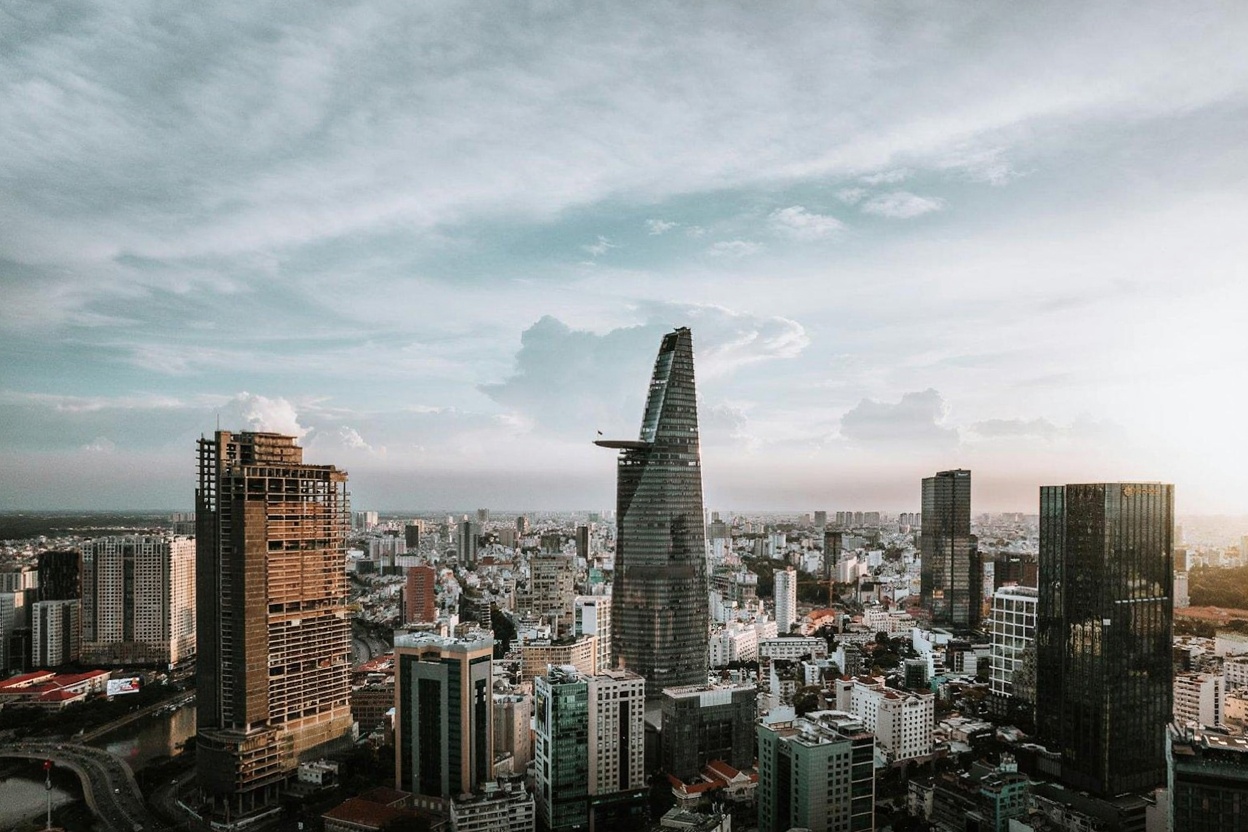
The city layout confuses people at first because the districts aren’t in any obvious geographic order. District 1 sits at the center, District 3 is directly behind it, District 4 is an island to the south, and Districts 10 and 11 are west of that. District 2 used to be the expat neighborhood across the river — it’s technically been merged into Thu Duc City now, but everyone still calls it District 2 or Thao Dien, and nothing about that will change for the next decade.
Reddit user New_Whole_4599 described the city better than most travel writers: “HCMC is not a beautiful city, but it is its lifestyle, chaos and atmosphere that makes an enjoyable city. The contrast between more traditional districts and modern ones is amazing.” That contrast is also the point of understanding the districts — each one runs a different version of the city.
How HCMC’s Districts Actually Work
The numbered districts (Quận 1 through Quận 12) form the inner urban core. Beyond those are named districts — Bình Thạnh, Tân Bình, Gò Vấp, Phú Nhuận — which are less touristed but where most Saigonese actually live. The outlying areas — Thủ Đức, Bình Dương, Đồng Nai — are effectively suburban and satellite cities.
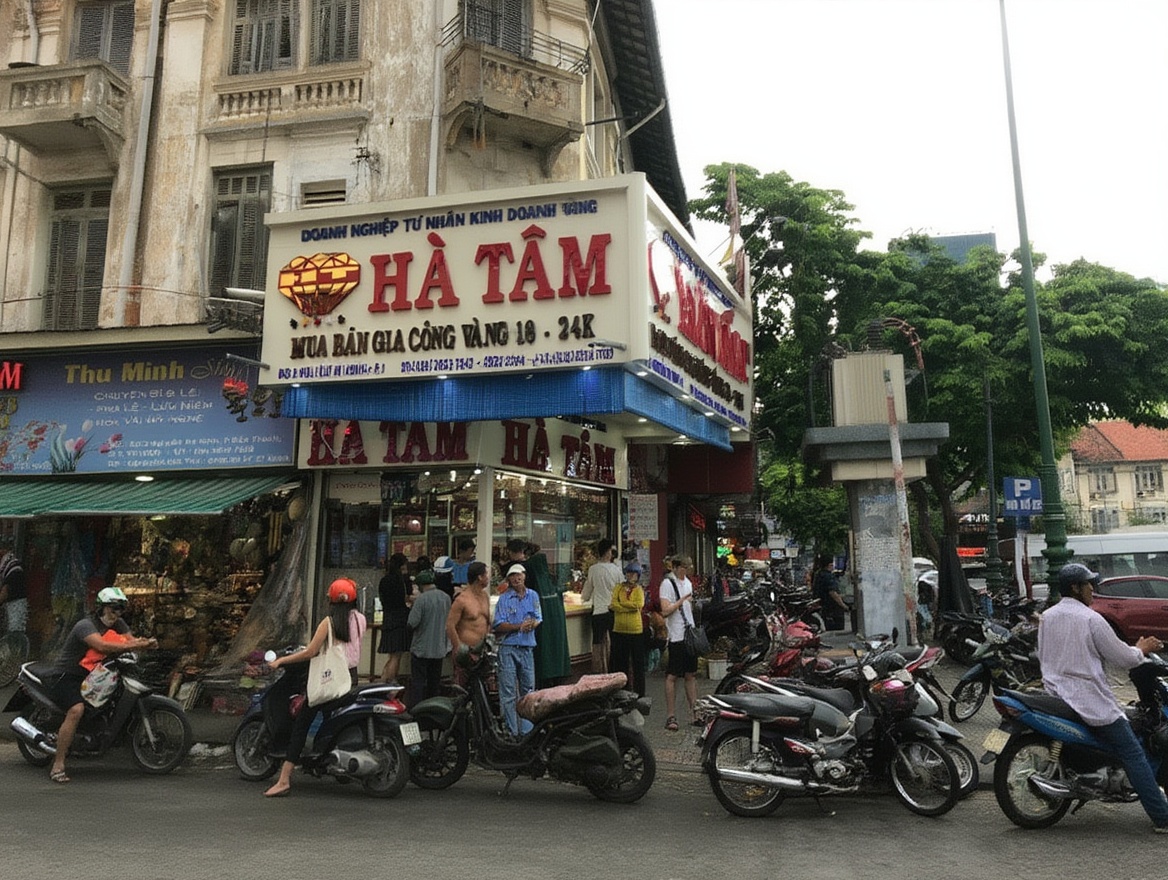
For a traveler, the practical geography is simpler: District 1 is the old city center and the tourist hub. Districts 3 and 4 are immediately adjacent — D3 to the northwest, D4 across the Ben Nghe channel to the south. Thao Dien (what everyone calls the expat area of former District 2) is 20 minutes across the Thu Thiem tunnel. District 7 and Phu My Hung are 30 minutes south.
A Grab bike between any of these zones costs 20,000–40,000 VND (~$0.75–$1.55). The city is bigger than it looks on a map and smaller than it feels when you’re trying to cross it during rush hour.
ℹKnow Before You Go
“Crosswalks mean nothing. Sidewalks are for motorbikes.” — Reddit user bear-the-bear. This is accurate and applies across all districts, not just D1. Walk confidently into traffic at a steady pace and motorbikes will flow around you. Stop suddenly and they won’t.
District 1 — The Center: Convenient, Loud, Overpriced
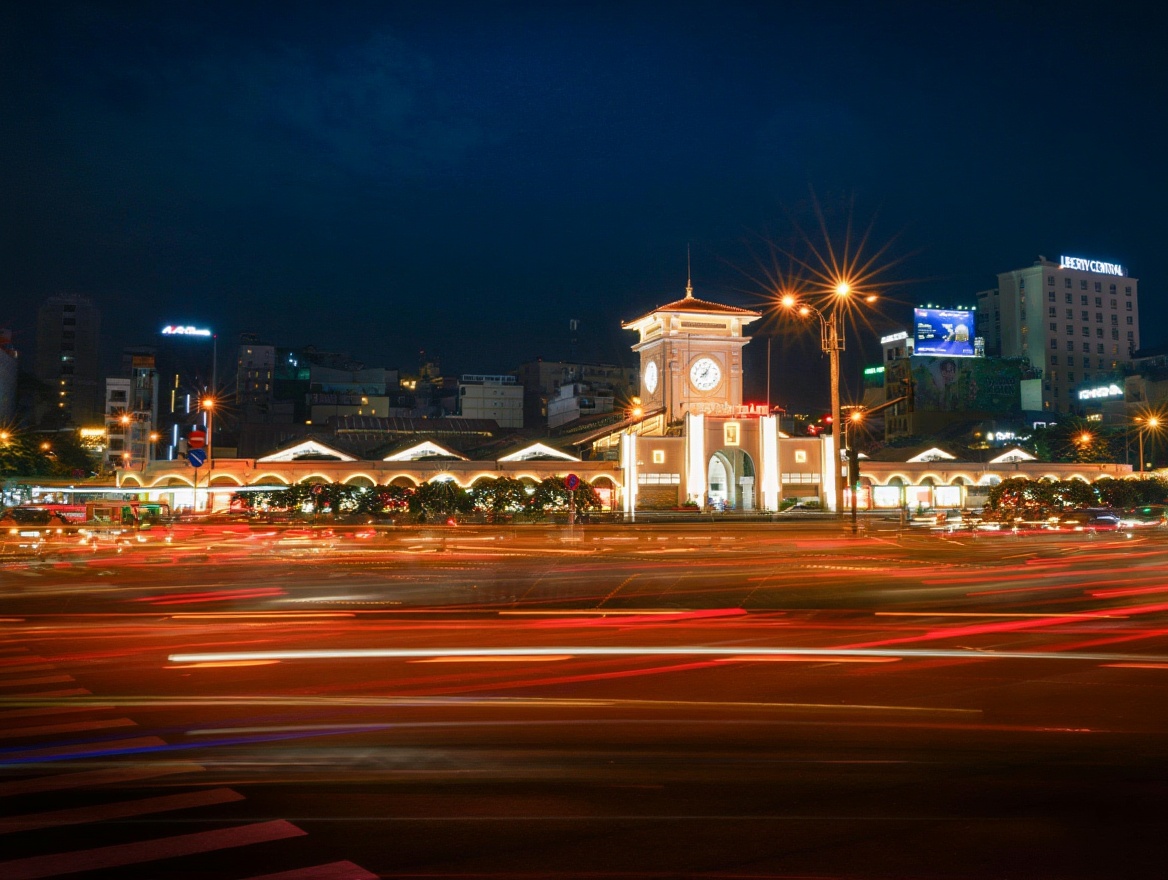
District 1 is where most first-timers land and where most tour buses stop. The War Remnants Museum, Reunification Palace, Ben Thanh Market, Notre Dame Cathedral, and the Nguyen Hue walking street are all here. The hotels are more expensive than identical rooms in D3. The restaurants near Ben Thanh charge tourist prices — the same cơm tấm costs 80,000–120,000 VND (~$3.05–$4.55) that you’d pay 40,000–65,000 VND (~$1.55–$2.45) for in D4.
Bui Vien Street — the backpacker strip — runs through D1’s southwest corner. Loud, full of bars playing the same music, full of other tourists. Giant_Homunculus on Reddit called it “the perfect place to start raising a young family. Very child friendly, a lot of good people.” That’s sarcasm. It is none of those things.
The honest verdict on D1: the attraction density is real, the walk-everywhere convenience is real, and the price premium and noise are also real. If it’s your first time and you have three days, you’ll be fine in D1. If you’re coming back, you’ll probably regret not staying in D3.
Budget for accommodation in D1: hostels from 180,000–350,000 VND (~$6.80–$13.30) per night for a dorm bed; budget private rooms 450,000–750,000 VND (~$17–$28); mid-range hotels 900,000–1,800,000 VND (~$34–$68).
⚠Real Talk
Ben Thanh Market (Chợ Bến Thành — say: choh ben than) is worth seeing from the outside. The interior is a tourist souvenir gauntlet with aggressive vendors and prices that bear no relationship to anything real. The best food at Ben Thanh is at the night market on the southern entrance — small stalls, actual local food, lower pressure. Don’t buy the lacquerware inside.
→Who It’s For
First-timers who want maximum walkability to the main sights and don’t mind paying for the convenience. Not for anyone who’s been before, anyone on a tight budget, or anyone who values sleep before 2am.
District 3 — The Move Most People Don’t Make
District 3 borders D1 on the northwest. The walk between them takes 10–15 minutes. The price difference is 30–40%. The noise level drops noticeably. The coffee shops are better.
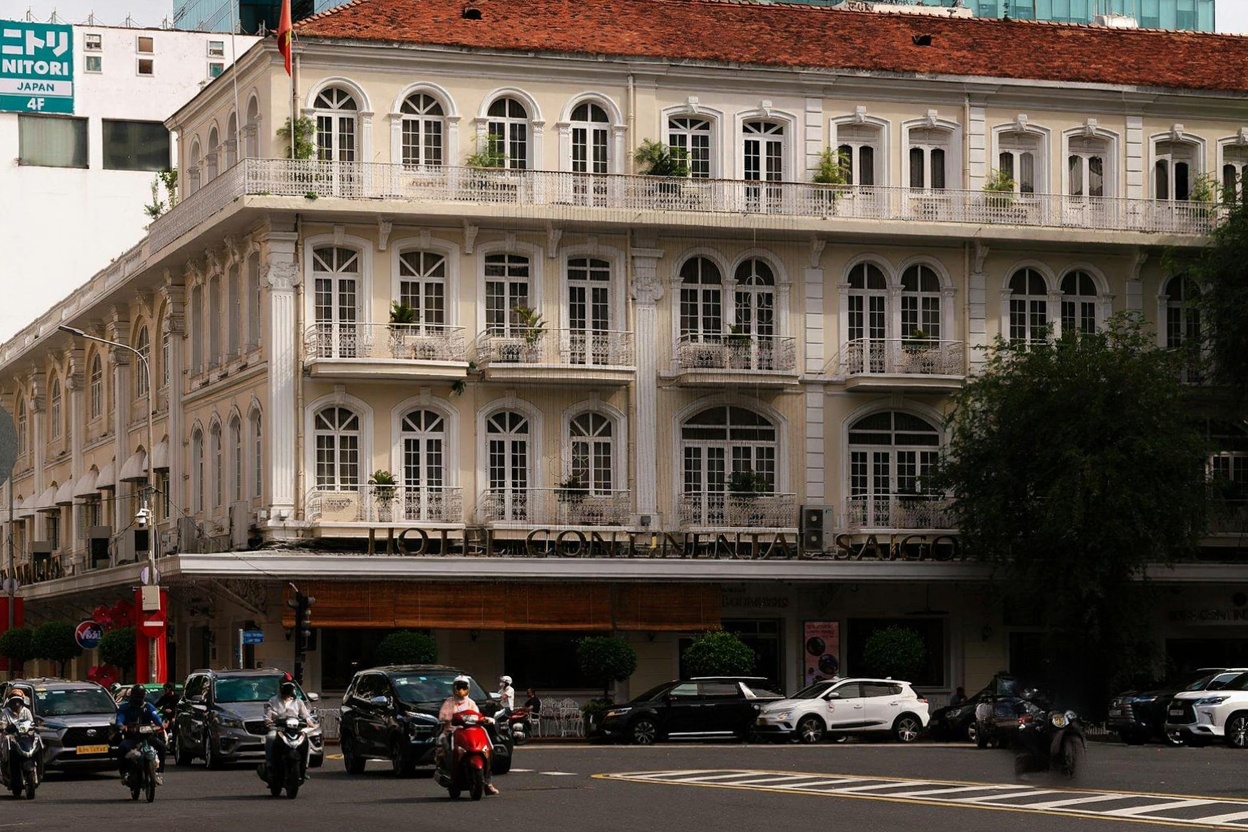
D3 has a concentration of French colonial architecture — wide tree-lined boulevards, colonial-era villas repurposed as restaurants and boutiques, the kind of streetscapes that make you feel like you’re in Saigon rather than a tourist queue. The street food is priced for locals. The cafes — and D3 has excellent cafes — charge what coffee is actually worth rather than a location tax.
Võ Văn Tần Street, where the War Remnants Museum sits, runs through D3. The surrounding streets are worth a slow afternoon walk: Trần Cao Vân, Kỳ Đồng, Lê Quý Đôn. Tree-canopied, residential, cafe-dense, and reliably quiet compared to anything in D1.
Accommodation in D3: budget private rooms 350,000–600,000 VND (~$13.30–$22.80); mid-range hotels 700,000–1,300,000 VND (~$26.60–$49). Guesthouses on the smaller streets run even cheaper.
★Jake’s Pick
If I’m spending more than two nights in Saigon, I stay in D3. The location relative to D1 sights is nearly identical, you save money on every meal, and the neighborhood has the kind of daily rhythm — the 6am pho stall, the old man reading a newspaper at the same table every morning, the school kids on bicycles — that’s harder to find when you’re surrounded by other travelers.
District 4 — The Food Island
District 4 is literally an island — a narrow triangle of land bounded by the Ben Nghe channel to the north and the Tau Hu canal to the south and west. It sits directly across the water from D1’s southern edge. The Ben Vien bridge and the Thu Thiem expressway connect it to the rest of the city. A Grab bike from Ben Thanh takes eight minutes.
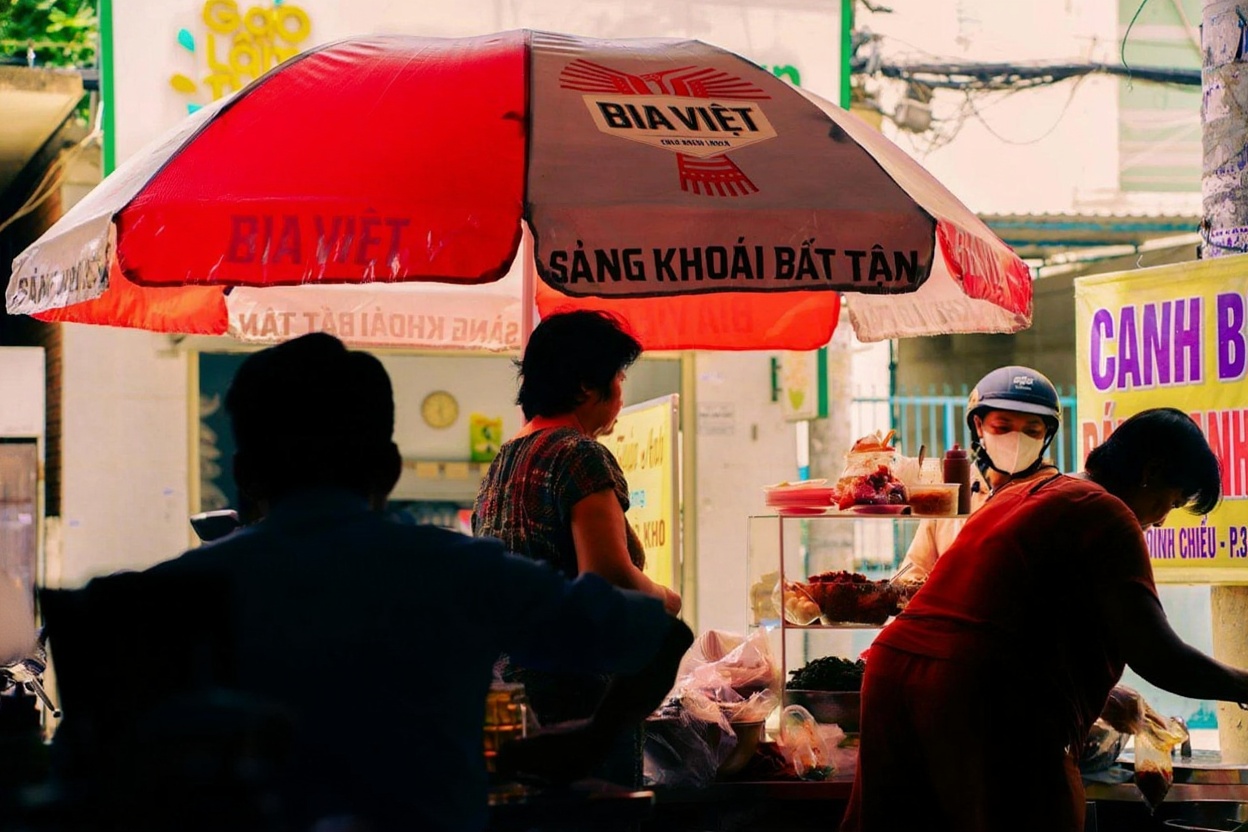
D4’s reputation in Saigon is simple: it’s where the food is. Vĩnh Khánh Street — the shellfish street — runs along the district’s eastern edge and fills with plastic tables and seafood stalls from 6pm onwards. Ốc len (say: ock len), ốc hút (say: ock hoot), ốc mỡ — twisted snails, pointy snails, fat snails — cooked in dozens of different sauces. The smell is fish sauce and garlic and charcoal, the soundtrack is loud argument and cracking shells, and a full spread for two people with two Saigon Reds runs about 280,000–400,000 VND (~$10.60–$15.20).
D4 also has Pho Ha on Hàm Nghi Street (technically D1 but bordering D4) — chicken glass noodle soup and fried sticky rice with pate, open until midmorning. The district is dense with informal eating places that open for the breakfast shift, close by 10am, and reopen for dinner.
D4 is not primarily a place to stay — the accommodation options are limited — but it’s the place to eat. The Reddit user Educational_Low6834 put the philosophy exactly right: “I could just pick a (mostly) random street in a random district and walk and see what they got.” D4 rewards that approach more than anywhere else in the city.
↗Insider Tip
Take a Grab bike to Vĩnh Khánh Street on your first night in Saigon — before you’ve established any food habits. Sit at whichever stall has the most locals, point at the next table’s order, and let the evening sort itself out. Your entire mental model of how cheap and good the food can be will reset.
District 6 — Cholon: The Original Chinatown
Cholon (say: choh lon — means “big market”) has been the Chinese commercial district of Saigon for 200 years. The Teochew and Cantonese communities built it, and the architecture, food culture, and street economy still bear their imprint — stronger sauces, more roasted meats, better dim sum, wholesale markets that supply half the city’s restaurants.
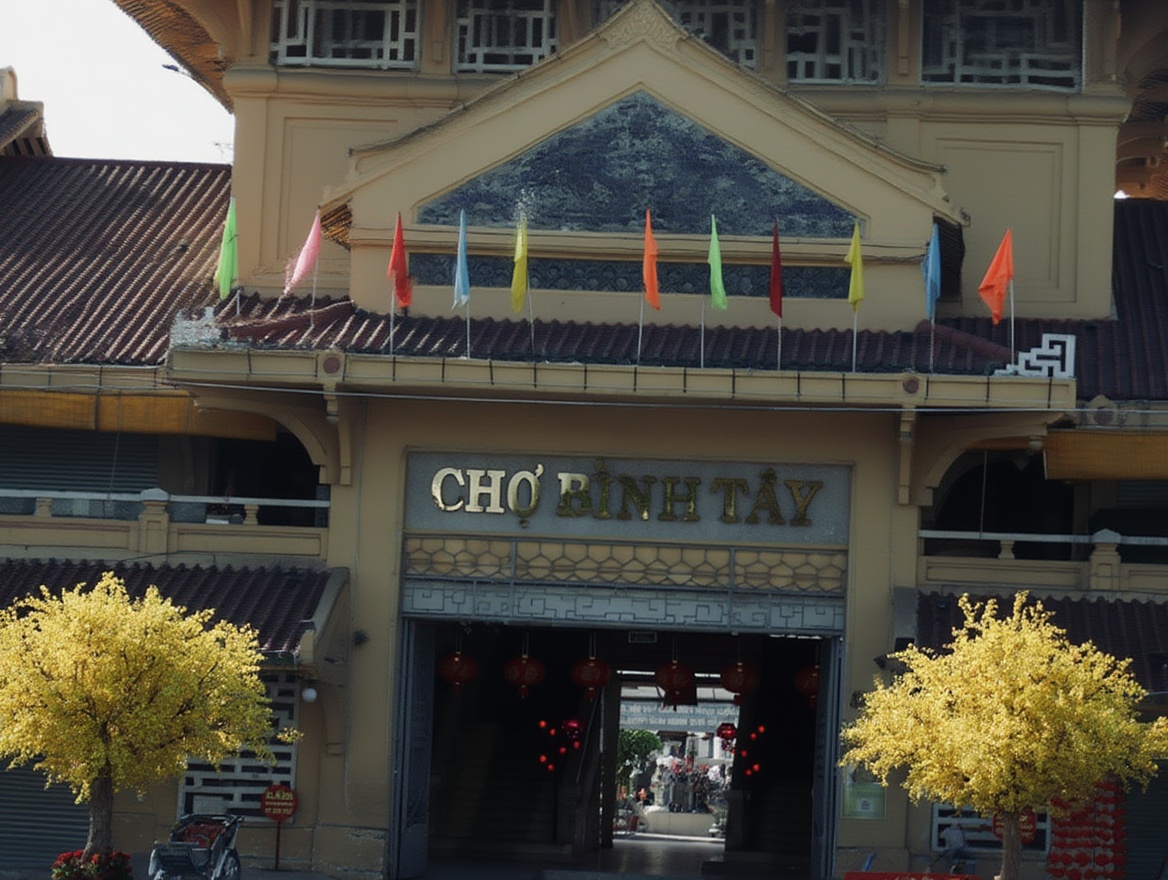
Bình Tây Market (10.7524° N, 106.6536° E) is the wholesale hub — dried goods, spices, noodles by the kilogram, cooking equipment, Chinese medicinal herbs. Walk the perimeter before 8am and you’ll find the food: bánh bao steamed buns, congee with fried dough sticks, roast duck hanging in windows. The market is 20 minutes from D1 by Grab.
On Phùng Hưng Street near Bình Tây: roast duck and char siu pork sold by weight, lacquered and salty. On the surrounding streets: sup cua (say: soop kwah) — crab meat soup thickened with tapioca, a Cholon specialty that almost never appears in D1 restaurants. Costs 40,000–60,000 VND (~$1.55–$2.30) a bowl.
Cholon is not a base — it’s a destination for a morning or afternoon. The temples are active pilgrimage sites (Thien Hau Pagoda, Quan Am Pagoda), the food is the most distinctive in the city, and the wholesale market is a genuinely different kind of spectacle from anything in the tourist center.
Thao Dien (District 2) — The Expat Bubble
Thao Dien is what happens when a neighborhood becomes the address of choice for foreign residents over two decades. It’s across the Thu Thiem tunnel from D1 — 20 minutes in normal traffic, 40 in rush hour — and it has the feel of a completely different city: quieter streets, Saturday farmer’s markets, specialty coffee roasters, yoga studios, organic grocers, and international schools. Half the conversations you overhear are in English, French, or Korean.
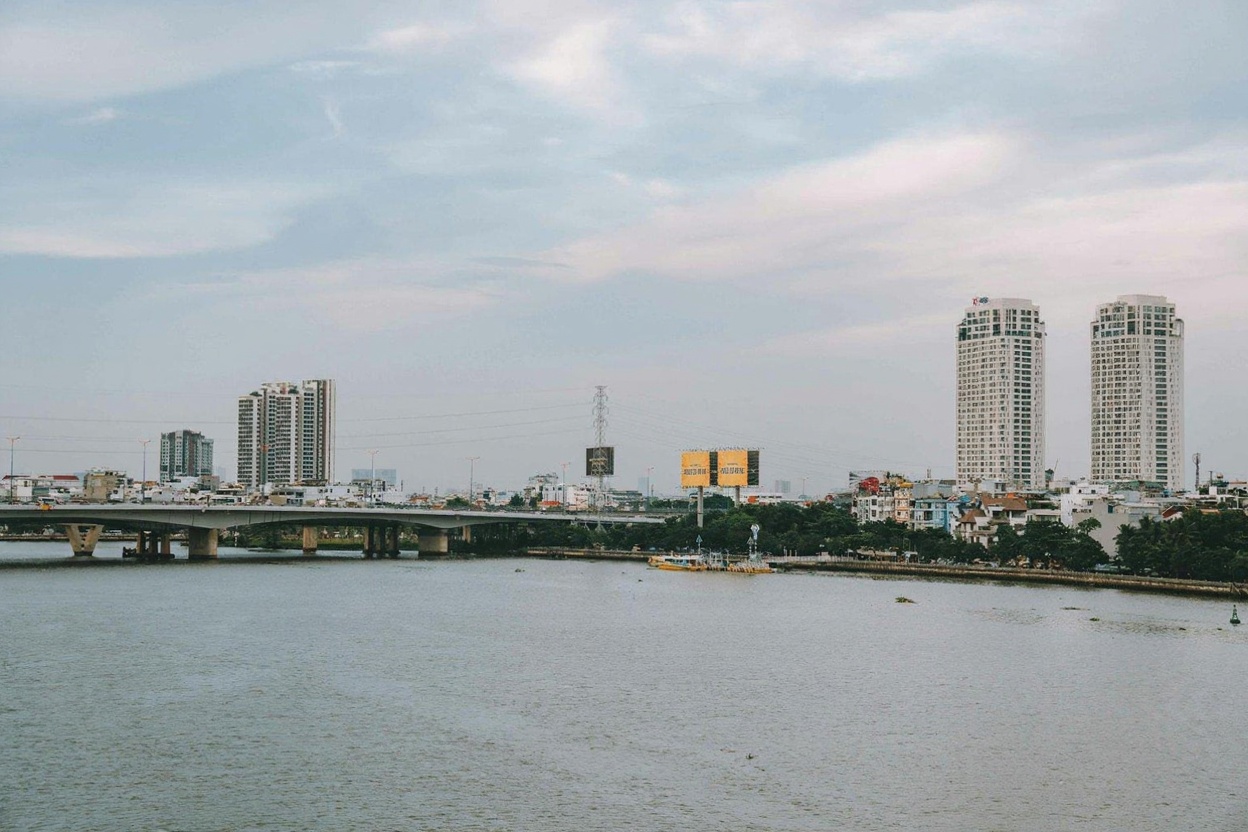
The Living in Vietnam guide summarizes it without softening: “The expat bubble is real.” That’s accurate. Thao Dien doesn’t feel like Saigon in the way that D3 or D4 feel like Saigon. The prices reflect this — coffee runs 60,000–90,000 VND (~$2.30–$3.40) at a specialty roaster rather than 25,000 VND (~$0.95) at a local ca phe. The restaurants are excellent and international.
For travelers: Thao Dien makes sense if you’re staying two weeks or longer and want a comfortable base with easy access to the city center. It also makes sense if you’re traveling with children — it’s the most family-friendly part of inner Saigon, with parks, international dining, and lower street chaos. For a three-day stay, the commute to the main sights costs you more time than it saves in atmosphere.
→Who It’s For
Long-stay travelers (2+ weeks), digital nomads who want fast wifi and good coffee, families who prioritize comfort and green space over local immersion. Not for: budget travelers, first-timers trying to see the city fast, anyone who wants to feel like they’re actually in Vietnam rather than a comfortable international enclave.
District 7 and Phú Mỹ Hưng — Korean Town, Families, Malls
District 7 is 30 minutes south of D1, built on reclaimed land, and anchored by the Phú Mỹ Hưng development — a planned community with wide roads, shopping malls, international schools, and a dense concentration of Korean and Japanese restaurants, supermarkets, and services. The Korean expat community is substantial; SC VivoCity Mall is the anchor, with Lotte Mart for Korean groceries.
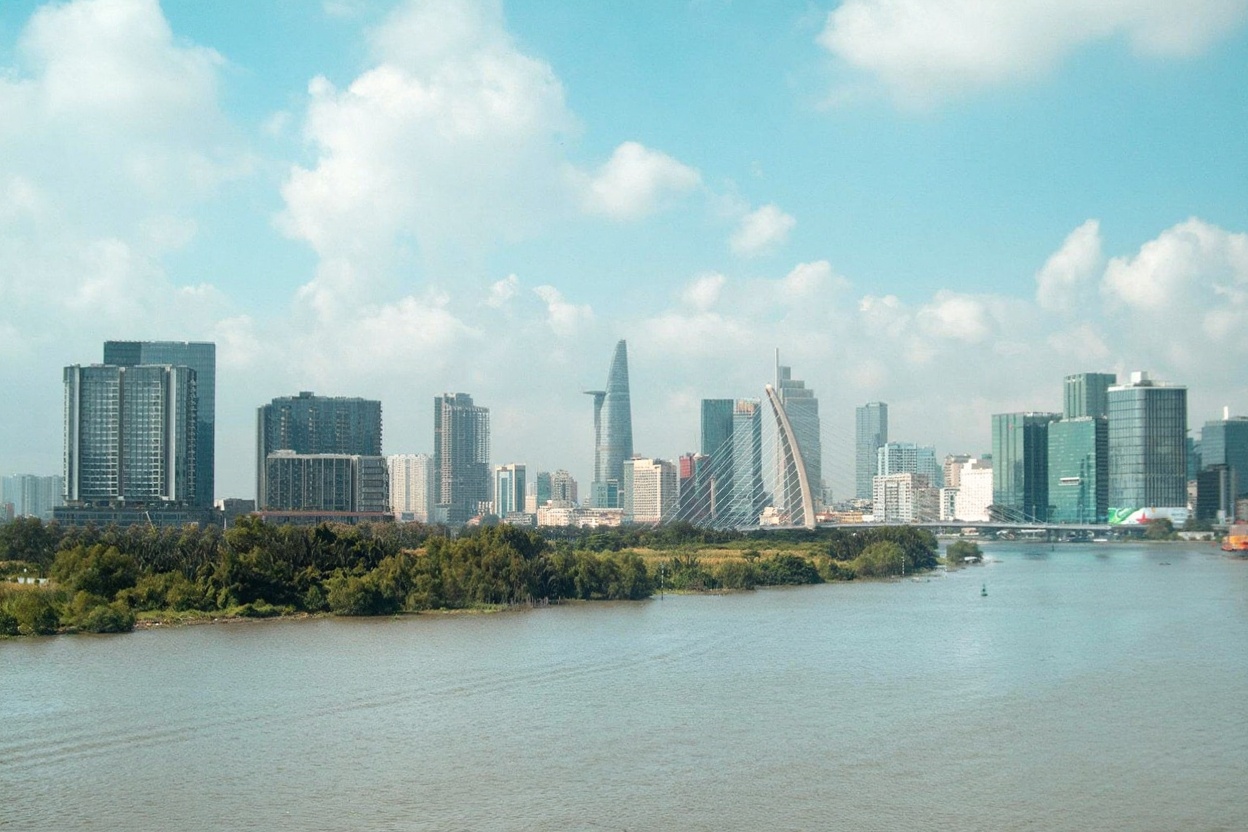
For travelers: District 7 is rarely the right choice as a base. It’s far from the main sights, the neighborhood logic is suburban rather than urban, and there’s no spontaneous street-food culture of the kind that makes D4 worthwhile. It works if you’re visiting for longer and specifically want the Korean grocery selection or the mall infrastructure — or if you’re based there for work or family reasons.
That said, the Korean food in D7 is legitimately good. Gomtang (Korean ox bone soup), banchan spreads, proper KBBQ — better than most of what you’d find in D1’s Korean-facing restaurants. If you’ve been eating Vietnamese food for a week and want a reset, D7 delivers it.
Bình Thạnh — The Underrated Local District
Bình Thạnh sits north of D3, east of D1, and is largely overlooked by travelers — which is most of its appeal. It’s a middle-class Saigonese neighborhood: local cafes, morning markets, residential lanes (hẻm), and the riverfront Tầm Vũ Street where the bánh tráng nướng (say: ban trang nuhng) vendors set up after 6pm.
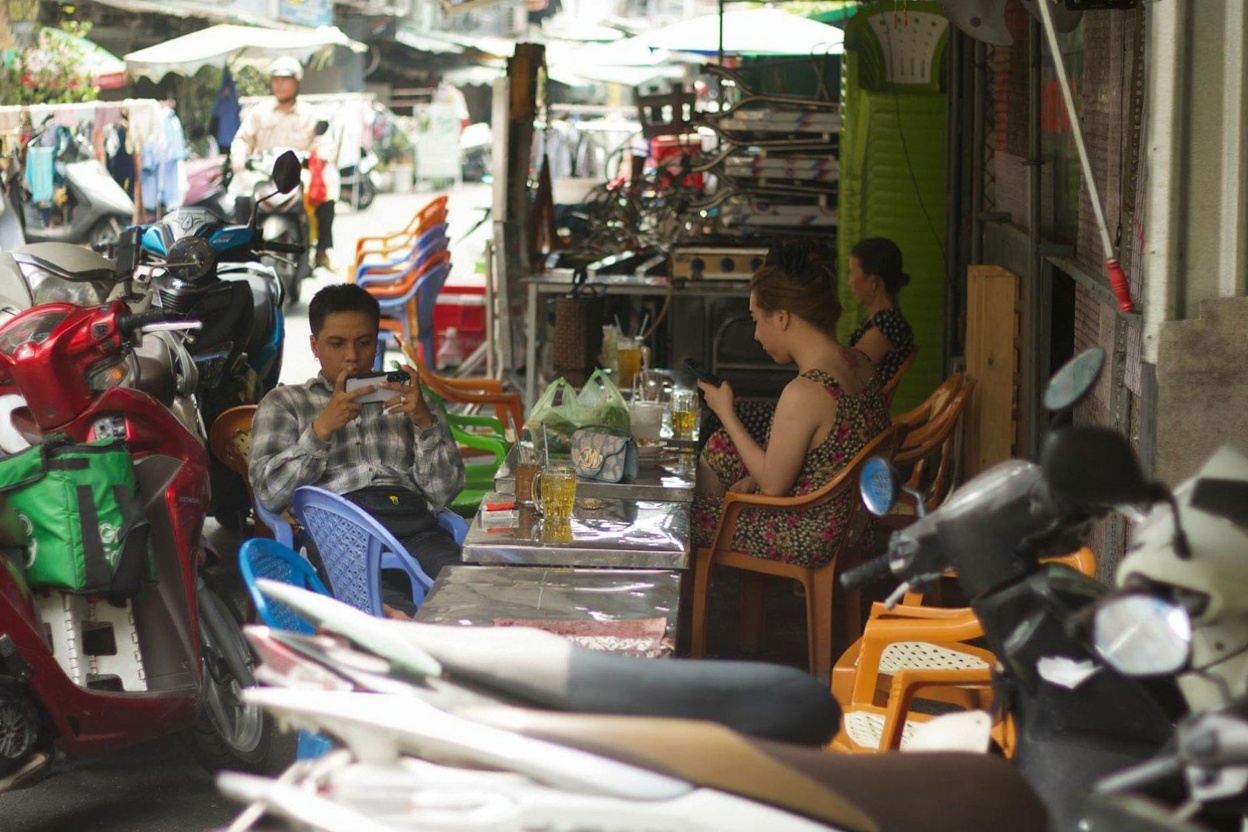
Reddit user alexanderpete, in the street food thread, singled out Tầm Vũ Street specifically: “My favourite spot is a very local spot, you won’t spot any other tourists there. Tầm Vu street, along the river in Binh Thanh district. Highly recommend the bánh tráng nướng from the aunty right near the church… She has by far the best ones of anywhere I’ve tried.”
Accommodation in Bình Thạnh is cheaper than D1 or D3, with a growing number of small guesthouses and serviced apartments. The 15-minute Grab to D1 is the main trade-off — the sights aren’t walkable, but the price and the local character are both better.
Which District to Base Yourself In: The Honest Answer
The question I’d ask is: what do you want your default experience of Saigon to be?
If you want to walk out of your guesthouse and be at Ben Thanh Market in five minutes and at the War Remnants Museum in fifteen — stay in D1. You’ll pay for the convenience and you’ll hear bar noise at 2am, but the access is real.
If you want to be close enough to the sights that they’re all a ten-minute walk, but you want your neighborhood to have a different character — the kind where the xe ôm (say: say-ohm, motorbike taxi) driver outside knows your face after three days — stay in D3. This is what I’d recommend to most first-time travelers who have a week or more.
If you’re primarily in Saigon to eat and you don’t mind a short Grab to the sights: D4. The food is the best and the prices for everything are the lowest in inner Saigon.
The broader point from Reddit user nullstring holds: “The best way to experience HCMC is to try to get a taste of local/expat life. This means seeking out the best food, shopping, amenities, and experiences in the same way a local or expat would.” The district you choose either helps or hinders that — staying in D1 near Bui Vien makes it harder. Staying in D3 or D4 makes it easier, because the default experience around you is local rather than tourist-facing.
For the full picture on what to actually do while you’re here, see our complete guide to things to do in Ho Chi Minh City.
Two things worth sorting before you land: a Vietnam eSIM so you have data the moment you clear customs, and travel insurance — medical costs for uninsured foreigners in Vietnam are significant.
Airalo eSIMs activate instantly. Buy before departure — airport SIM queues in Vietnam can take 30+ minutes.
Frequently Asked Questions
What is the best district to stay in Ho Chi Minh City?
✓Quick Answer
District 3 is the best base for most travelers — close to D1 sights, significantly cheaper, quieter, and with more local character. District 1 suits first-timers who want maximum walkability. District 4 is the best food base. Thao Dien suits long-stay travelers and families.
Is District 1 worth staying in?
For a first visit of three days or fewer, yes — the convenience of walking to the main sights is real. For a longer stay or any return visit, most travelers find the noise, tourist pricing, and generic neighborhood character outweigh the convenience. District 3 is an almost identical location with a significantly better experience.
What is Thao Dien in Saigon?
Thao Dien is a neighborhood in what was formerly District 2, now part of Thu Duc City, across the Thu Thiem tunnel from the city center. It’s the primary expat and international community in Saigon — specialty coffee, farmer’s markets, international restaurants, yoga studios, and English spoken everywhere. It’s comfortable, slightly expensive by Vietnamese standards, and distinctly international rather than Vietnamese in character.
Is District 4 safe?
Yes — District 4’s reputation for being rough is decades out of date. It’s a dense working-class district with excellent street food and no meaningful safety concerns for travelers. Take normal city precautions (keep phones in pockets, don’t flash expensive cameras), which apply equally to D1.
What is the best district for food in Saigon?
District 4, specifically Vĩnh Khánh Street for shellfish after dark and the surrounding hẻm (lanes) for morning street food. Cholon (District 6) has the most distinctive Chinese-Vietnamese cooking — roast duck, dim sum, sup cua. District 3 has the best cafe scene. All three are 10–25 minutes from the tourist center by Grab.
How many districts does Ho Chi Minh City have?
HCMC technically has 22 districts (quận) and 5 suburban units (huyện). In 2021, Districts 2, 9, and Thu Duc were merged into Thu Duc City, which is technically a city within the city rather than a district. In practice, locals and travelers still refer to these areas by their old district names — Thao Dien for former D2, etc. The administrative reorganization hasn’t changed how anyone navigates or describes the city. For a deeper breakdown of accommodation options by district, see our Saigon where to stay guide. For the full picture on the city itself, our Saigon travel guide covers everything from arrival to neighborhoods to day trips.