Last updated: May 2026 — Entry fees and boat prices verified at Son River dock.
And yet most visitors who do the research end up ranking it third.
Paradise Cave has bigger formations. Dark Cave has the adventure experience. Phong Nha Cave is the one that’s been here longest, the one the locals know, the one that got this whole corner of Quảng Bình on the map — and somehow it’s the one travelers are most likely to skip if they’re short on time.
That’s the wrong call. Here’s what Phong Nha Cave actually is, how it compares to the other caves in the park, and how to visit without disappointment.
What Is Phong Nha Cave?
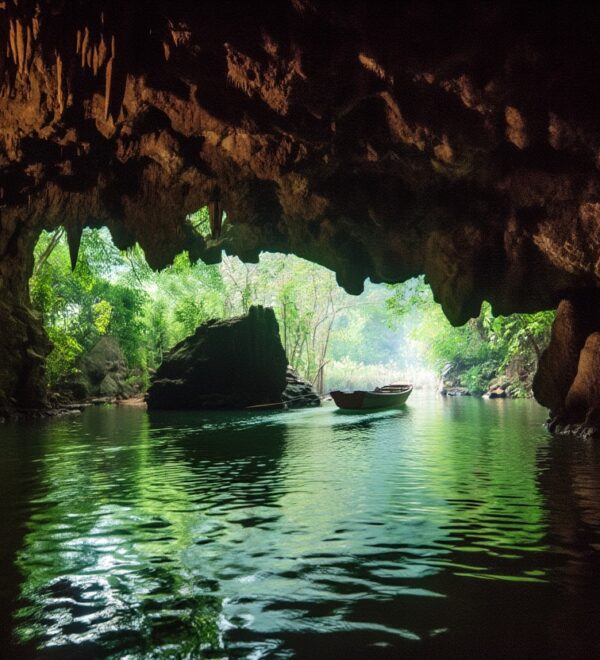
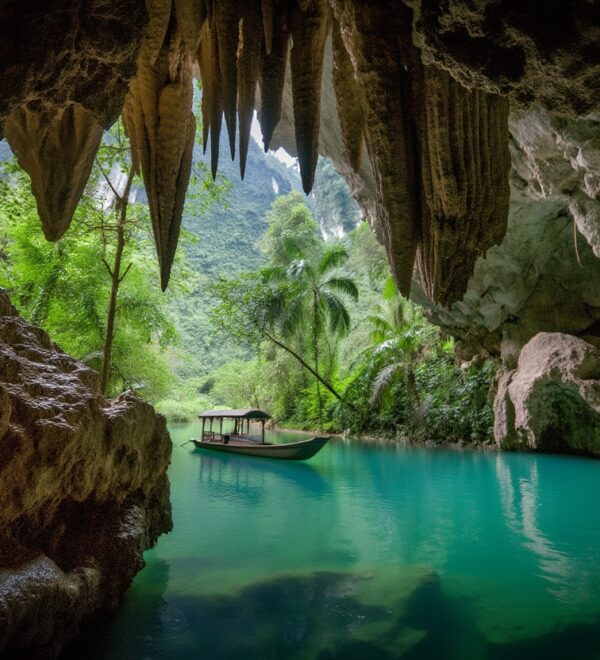
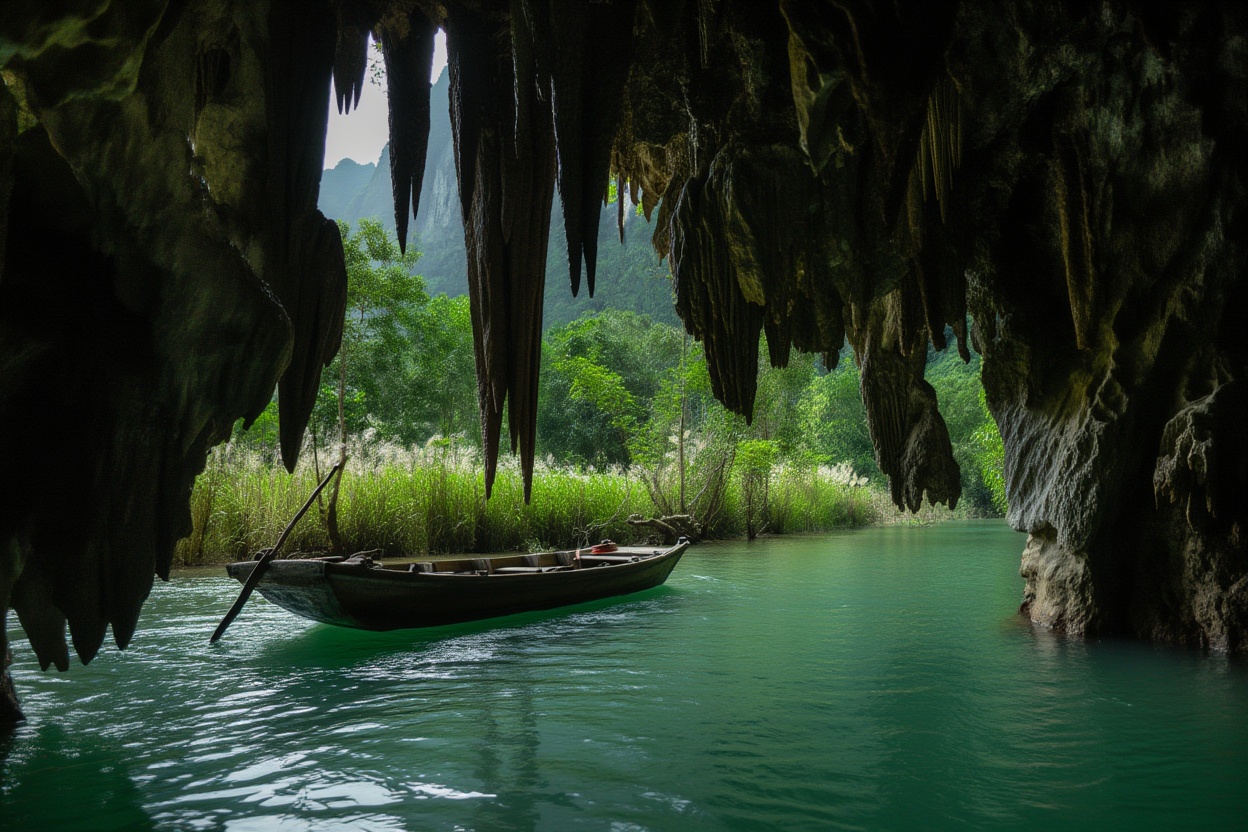
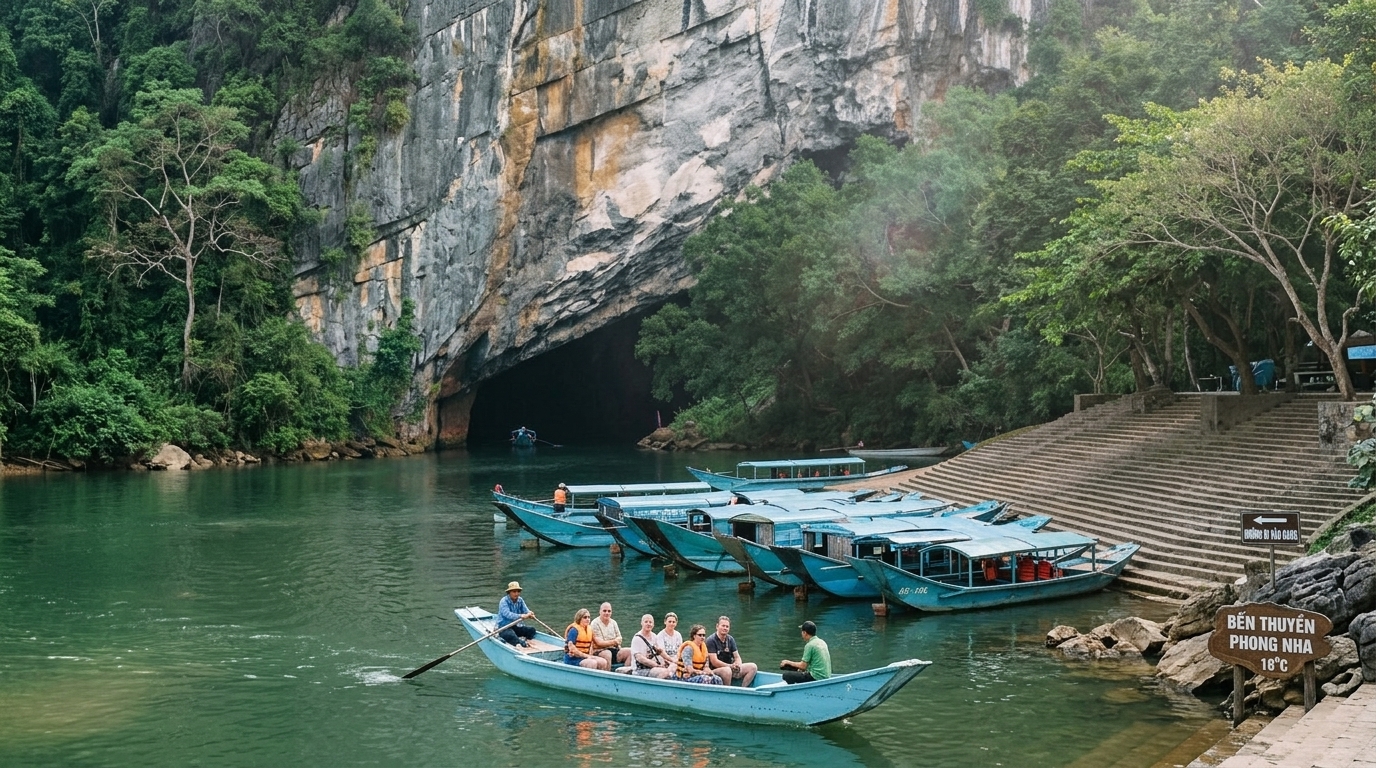
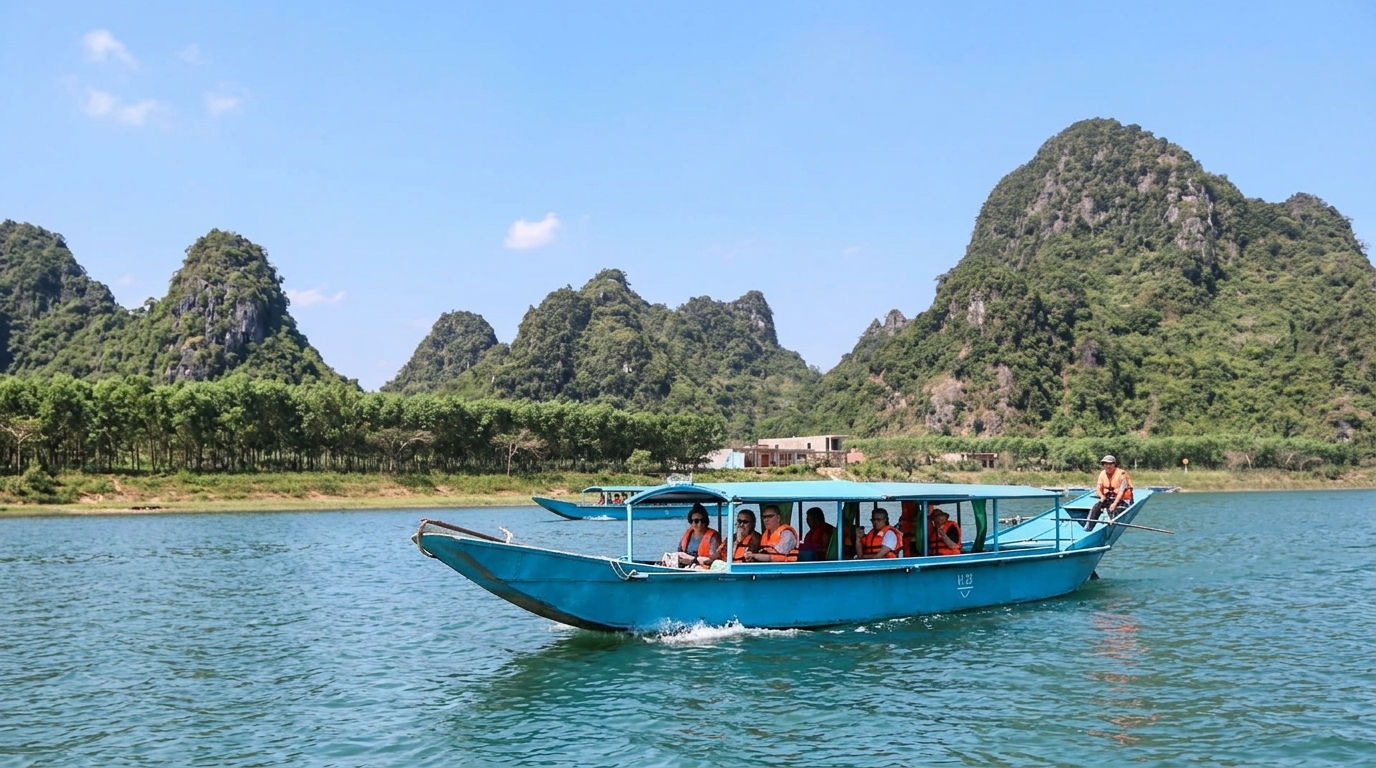
Phong Nha Cave (Động Phong Nha — say: dong fong nya) is a water cave — meaning the Son River flows directly through it. The cave extends about 7.7km into the mountain, though the tourist section covers about 1.5km. The entire experience happens by boat: a 30-minute river cruise through towering karst cliffs on the Son River, then a shift to a smaller electric boat that takes you into the cave itself for 600 meters of guided exploration.
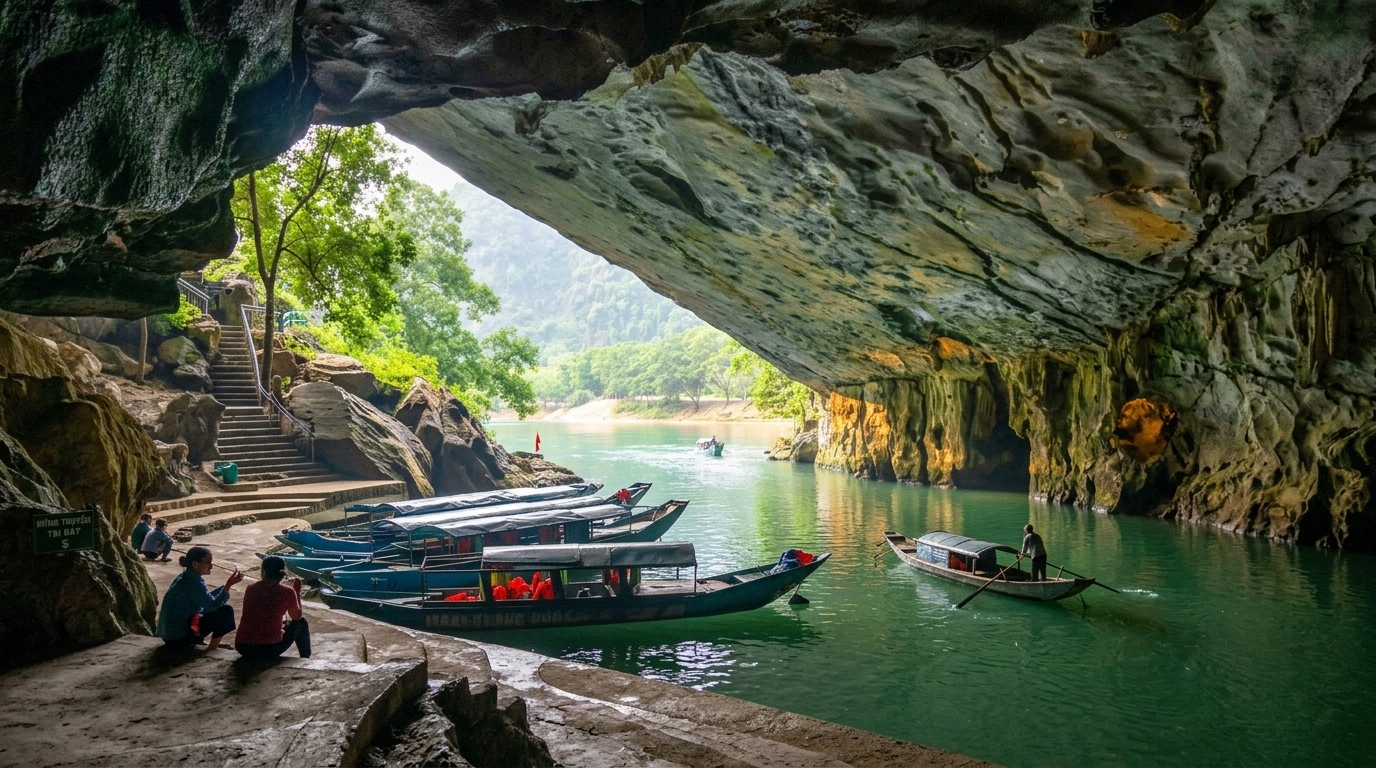
The cave was first explored by H.J. Mouhot, the French naturalist who also “discovered” Angkor Wat, in 1899. British explorers mapped it more extensively in the 1990s. It opened to tourists in 2000. The Son River still flows through the cave’s interior — you’re boating on an active underground river.
✓Quick Answer
Phong Nha Cave costs 150,000 VND (~$6) entry plus 750,000 VND per boat (up to 12 people, ~$2.50 pp in a full boat). The tour involves a 30-minute river cruise to the cave entrance, then an electric boat through 600 meters of the cave interior. Duration: 1.5–2 hours total. Open 7am–5pm daily.
The Experience: Honest, Unfiltered
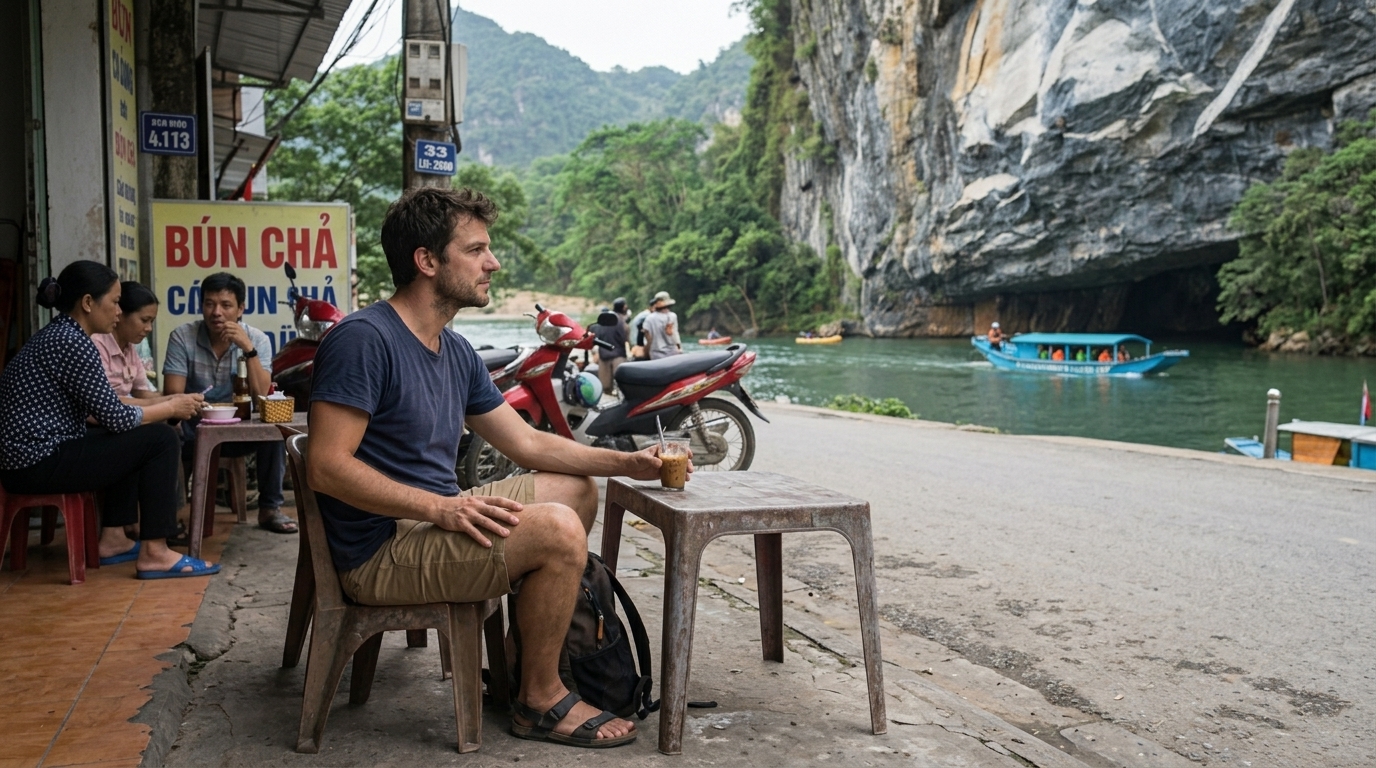
I went on a Tuesday morning in March, in a boat with nine other travelers. The river section is genuinely beautiful — the Son River moves between karst walls that turn green in the morning light, and there’s a stillness to the water that you don’t expect from a tourist attraction. The boat engine runs on gasoline. The smell is noticeable. It fades once you enter the cave, but in the first five minutes on the river it’s present — worth knowing if you’re sensitive to fumes.
Inside the cave: the electric boat moves slowly through chambers with colored lighting (some tasteful, some theatrical). The formations are impressive — stalactites, stalagmites, cave pearls — but they don’t compare to Paradise Cave in scale or drama. What the cave does have is something Paradise Cave doesn’t: the river. The water is dark and still. The cave walls come close on both sides. At certain points the chamber opens to 60-70 meters high and you feel genuinely small.
Klook has the widest selection for Vietnam and is usually the cheapest. KKday is strong on day trips and local experiences.
anels of the boat — the entire roof folds back — so you can look straight up at the ceiling. It just keeps going. Massive chambers with no light source except what the boat carries. Some people stop talking. That’s when you feel the weight of what you’re actually inside.
The guides speak limited English. The commentary is mostly gesturing at formations with a flashlight. This is fine — the cave doesn’t need narration. The one thing you’ll want to know that they probably won’t tell you: cave photography is very hard here. The natural light is dark, the boat moves, and most phone cameras can’t capture what you’re seeing. Leave the photoshoot expectations at the entrance.
⚠Real Talk
Phong Nha Cave is the most tourist-infrastructure-heavy cave in the park. That means colored lights, a guided route with no variation, and limited English explanation. It’s still worth visiting — but go for the river approach and the underground river atmosphere, not for the formations. For formations: Paradise Cave, every time.
How to Visit Phong Nha Cave
Entry fee: 150,000 VND (~$6) per person for the cave ticket. Boat hire: 750,000 VND (~$30) per boat, up to 12 people. If you’re traveling solo or in a small group, the park pairs you with other visitors to share the boat — you rarely wait more than 20 minutes. In peak season (May–August), the boats fill fast; in shoulder season, you may need to wait for a full complement.

Opening hours: 7am–5pm daily. Last departure around 4pm.
Duration: 1.5–2 hours including river approach and cave section.
Location: The boat dock is in Phong Nha village itself — 17.5913° N, 106.2876° E
Getting there from the village: 5-minute walk from most guesthouses in Son Trach village.
Best time to go: Morning (7–9am) for the best light on the river approach and fewer tour groups. The cave itself is the same temperature (around 20°C) year-round, but the river scenery is best in morning light.
ℹKnow Before You Go
Dress lightly — the cave air is cool but you’ll warm up on the river approach in the sun. Bring a thin layer for the cave section. No restriction on cameras, but battery-drained cameras perform poorly in low light — keep your phone charged. Helmets are not required; the cave has high ceilings throughout the tourist section.
Is Phong Nha Cave Worth It vs Paradise Cave?
The honest answer: they’re different enough that the comparison misses the point.
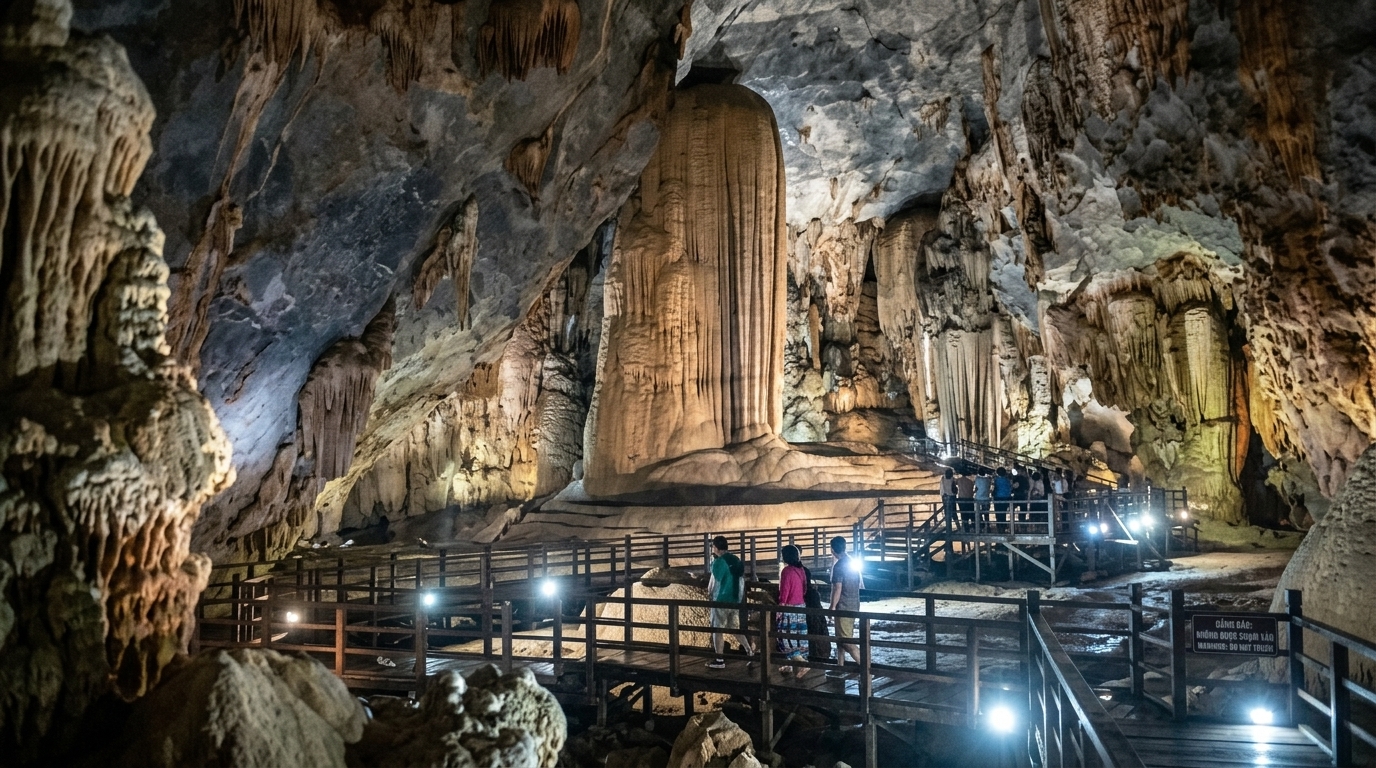
Paradise Cave is the formation cave — 31km long, massive chambers, cathedral stalactites, 1km of boardwalk through geological time. It’s the one most photographers go back and forth for. It’s the one that makes your jaw drop the first time you walk in.
Phong Nha Cave is the water cave — it’s where you go for the river, for the approach through the karst, for the experience of being on an underground river in darkness. One traveler in a TripAdvisor forum described it this way: “The boat pushed deep inside, and halfway through the guides took the roof panels off so we could look straight up at the rock above us. It just kept going.” That’s the Phong Nha Cave experience. Paradise Cave can’t give you that.
If you have one day, go to Paradise Cave. If you have two days, do both. The morning of day one at Paradise Cave, afternoon of day two at Phong Nha Cave (combined with Dark Cave in the morning). The caves are different enough that choosing between them is like choosing between two very different restaurants — the right answer is usually both.
→Who It’s For
Phong Nha Cave is for travelers who want historical context (this is where it all started), the river approach experience, or who are combining it with a Dark Cave morning. It’s NOT for travelers who are cave-fatigued and only have energy for one — in that case, Paradise Cave is the move.
The History Behind Phong Nha Cave
The cave was a Cham temple long before French explorers arrived. Cham inscriptions from the 9th–10th century were found near the cave entrance — the Cham people, who controlled central Vietnam before the Vietnamese, used this cave as a sacred site.

During the Vietnam War, the cave served as a supply depot and shelter for North Vietnamese Army troops moving along the Ho Chi Minh Trail. The karst mountains in this area are riddled with tunnels and caves that made aerial bombardment largely ineffective — the landscape itself became a strategic asset. Some sections of the national park were heavily bombed and still bear the scars.
The modern park — and its UNESCO designation in 2003 — came after the caves were properly surveyed in the late 1990s. The discovery that Son Doong Cave (30km northwest) was the world’s largest cave in 2009 transformed international interest in the region overnight.
Tien Son Cave — The Hidden Add-On
150 meters up the cliff face from the Phong Nha Cave entrance: Tien Son Cave (Động Tiên Sơn — say: dong tee-en son). Dry cave. 980 meters long. The formations here are different from Phong Nha Cave below — more delicate, including cave pearls, stalactites shaped like fingers, and a chamber that produces musical tones when the formations are tapped (gently — the rangers watch for this).
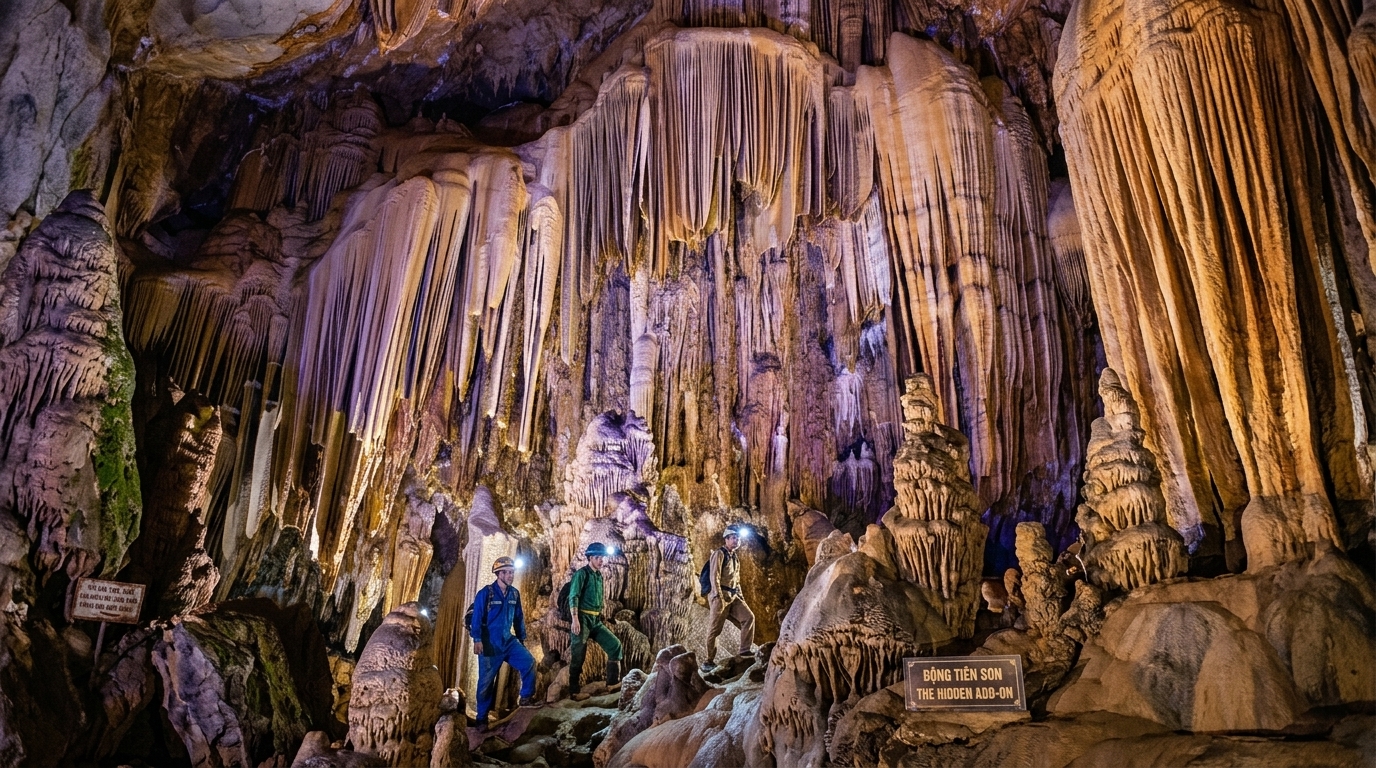
Entry: 80,000 VND (~$3.20) per person, separate ticket from Phong Nha Cave below.
Access: 184 steps from the main cave dock — uphill, takes 10–15 minutes. Can be done back-to-back with Phong Nha Cave (same location).
Crowd level: Significantly quieter than Phong Nha Cave — most visitors don’t know it exists.
↗Insider Tip
Add Tien Son Cave to your Phong Nha Cave visit — it’s at the same dock, costs 80,000 VND extra, and the crowds are half of Phong Nha Cave. The formations are different enough (dry vs. water cave) that it doesn’t feel repetitive. Budget an extra hour.
Practical Tips for Your Visit
Solo travelers and small groups: You will be paired with other visitors to fill the boat. On weekday mornings, expect a 15–30 minute wait for 12 people. On weekends in peak season (June–August), wait times are shorter because there are more visitors. If you arrive and see an empty dock, grab a coffee at the nearby café — they know when the next boat goes.
Combined tickets: No official combo ticket with Phong Nha Cave and Tien Son Cave — you buy them separately at the dock. Paradise Cave is a separate facility 18km southwest — different ticket, different day.
Photography: Your phone won’t capture the cave interior well. The colored lighting in some sections is photogenic, the dark sections are not. Go with the expectation that you’ll take five decent photos and one that actually captures it — the moment the roof panels come off and you look up.
What to bring: A light jacket (cave is 18–20°C), water (there’s no vendor inside), and charged devices if you want photos. Cash only at the ticket counter — ATMs in Phong Nha village but bring backup cash from Dong Hoi city.
Getting to Phong Nha — The Critical Note
The cave is in Phong Nha village. Not Dong Hoi. This distinction costs people an hour and several hundred thousand VND in xe ôm fares if they get it wrong.
Phong Nha village (Son Trach commune) is 35km northwest of Dong Hoi city. The train to “Phong Nha” drops you at Dong Hoi station — then you need another vehicle. Tourist shuttles from Hue go directly to the village. If you arrive via bus or train at Dong Hoi, a taxi or Grab to the village runs 250,000–400,000 VND (~$10–$16).
12Go covers most Vietnam routes — sleeper buses, trains, and island ferries. Compare schedules and book in advance during peak season (Dec–Feb, Jun–Aug).
For the full transport breakdown from Hue: Hue To Phong Nha Transport Guide.
Phong Nha Cave FAQ
How long does the Phong Nha Cave tour take?
Plan 1.5–2 hours total: 30 minutes boat ride on the Son River to the cave entrance, 45 minutes inside the cave on the electric boat, 30 minutes return. Add 30–45 minutes if you visit Tien Son Cave above (worth doing). Most morning visitors arrive at 7am and are done by 10am.
Can I visit Phong Nha Cave without a guide?
The cave tour is a managed experience — you take the boat with a guide regardless. There’s no independent access to walk through the cave on your own; the interior is accessible only by water and requires the guided boat. You don’t need to book a tour company — just show up at the dock and buy tickets directly.
When is the best time to visit Phong Nha Cave?
February through August for reliable weather. The cave itself is accessible year-round (unlike some outdoor caves), but the approach road and river can be affected by typhoon-season flooding (September–November). In the wet season, check current conditions before traveling — the village sometimes floods in October. The cave stays open longer than the outdoor activities in bad weather.
Is Phong Nha Cave or Paradise Cave better?
They’re measuring different things. Phong Nha Cave has the underground river, the boat approach, and the historical significance. Paradise Cave has larger formations and more dramatic chambers accessible on foot. If you can only do one: Paradise Cave for most visitors. If you can do both (recommended with two days): morning Paradise Cave, next day Phong Nha Cave paired with Dark Cave.