
The listed visa fee is $25. The actual amount you pay might be $0, $25, or somewhere between $30 and $150 depending on which visa type you use, whether you go through a third-party service, and a few traps that are easy to miss if you don’t know they exist. This guide breaks down every legitimate cost and every unnecessary fee so you know exactly what you should be paying.
Short version for US citizens: if your trip is 45 days or less, the cost is $0 — you enter visa-free with no application and no fee. If you need more time, the e-Visa costs $25 applied directly at the government portal. That’s it. Everything above $25 is either for a different visa category or an unnecessary add-on you don’t need.
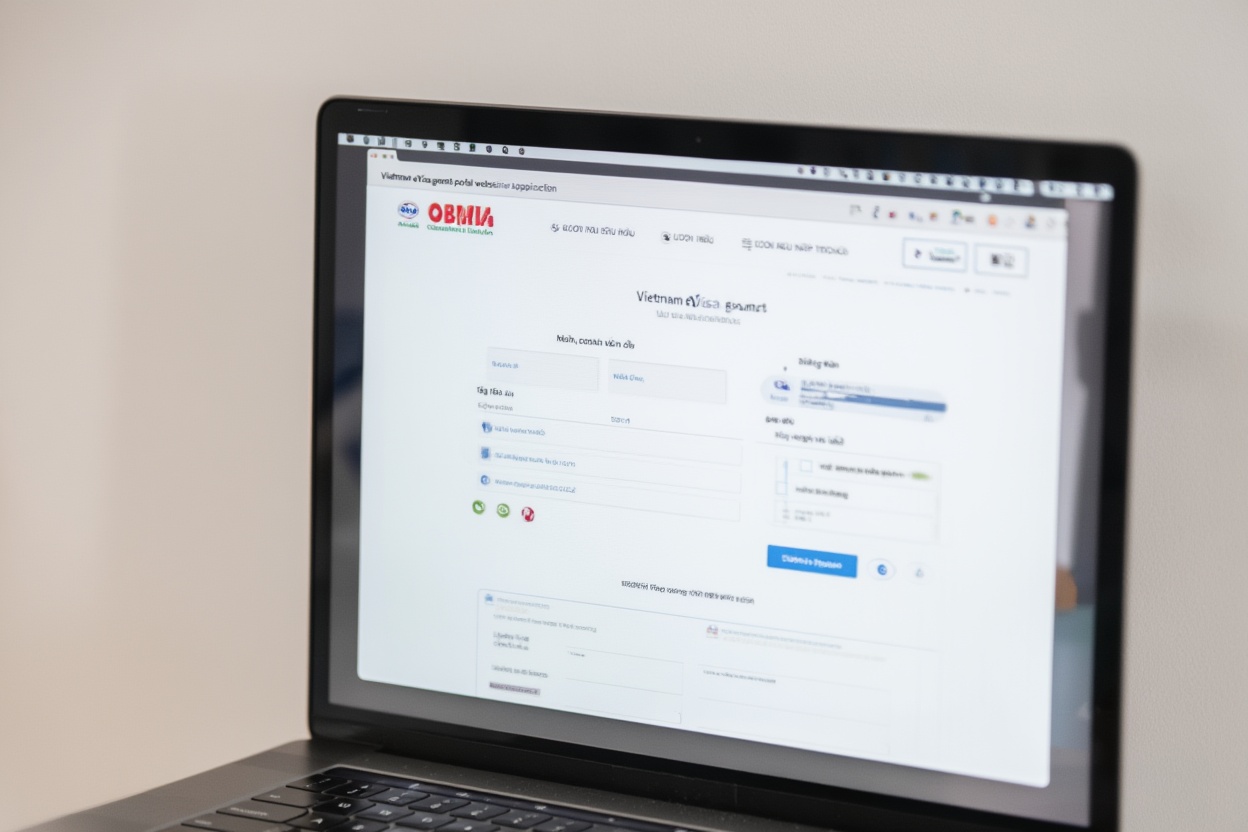
Vietnam Visa Costs at a Glance
| Visa Type | Who It’s For | Government Fee | Total Actual Cost |
|---|---|---|---|
| Visa-free entry (45 days) | US citizens + 55+ other nationalities | $0 | $0 |
| e-Visa (90 days, multiple entry) | 152 eligible nationalities | $25 | $25 (direct via government portal) |
| Visa on arrival (VOA) | Air arrivals, largely replaced by e-Visa | $25–50 stamping fee + $8–25 approval letter | $33–75 |
| Business visa (DL/DN) | Work-related travel, company-sponsored | Varies by duration | $150–500+ including agent fees |
| Temporary residence card | Long-term residents (1–3 year stays) | $145 (1 year) / $145 (2 year) | $200–400 including agent handling |
The $25 e-Visa: What It Covers and What It Doesn’t
The Vietnamese e-Visa costs $25 and is applied for directly at evisa.xuatnhapcanh.gov.vn. That $25 is the government processing fee — it’s non-refundable, whether your application is approved or rejected. There are no additional fees from the Vietnamese government: no expedited fee at the standard rate, no photo fee, no processing surcharge.
What the $25 gets you: a 90-day multiple-entry e-Visa valid at all Vietnamese entry points including international airports, land border crossings, and sea ports. The visa is electronic — it’s attached to your passport number and appears in Vietnamese immigration’s system when you arrive. You don’t receive a physical sticker in your passport until you enter Vietnam and immigration stamps it.
What you additionally pay: nothing, if you apply correctly. The only incidental cost is if you use a third-party service to submit the application on your behalf — more on that below.
Processing time: standard is 3 business days. As of 2026, there is an expedited option (1 business day) available through the portal for the same $25 fee — Vietnamese immigration introduced this to eliminate the pricing difference that previously drove travelers to expensive express services. Check the current portal for whether this is still active when you’re reading this.
Visa on Arrival Costs: Why It’s More Expensive Than You Think
Visa on arrival has a deceptive cost structure that services exploit heavily. You’ll see ads saying “VOA approval letter: $8” or “visa on arrival: from $8” — these are incomplete. The full VOA cost has two parts:
Part 1 — Approval letter fee (paid to a third-party service before travel):
Standard processing (3–5 business days): $8–15
Rush processing (2–8 hours): $20–40
Same-day emergency processing: $40–60
Part 2 — Stamping fee (paid in cash at the airport on arrival):
1-month single or multiple entry: $25
3-month single or multiple entry: $25
3-month multiple entry: $50
6-month multiple entry: $50
Total minimum: $8 + $25 = $33. Compare to the $25 e-Visa. VOA is never cheaper than the e-Visa — the $8 approval letter services are advertising Part 1 only while omitting Part 2. This is a widespread and intentional deception in the VOA market.
The stamping fee must be paid in cash at the airport. USD is accepted and preferred. You can also pay in VND (the equivalent amount). Credit cards are not accepted at the VOA window. If you arrive without cash in hand, you’ll need to either find a USD ATM before reaching immigration (not always possible) or pay in local currency at a bank-rate conversion — generally fine, but requires having VND available at the airport.
Third-Party Services: When They’re Worth It and When They’re Not
The e-Visa application process on the government portal is in English, takes about 20 minutes, and costs $25 paid directly to the Vietnamese government. There is no reason for most travelers to use a third-party service for the standard e-Visa.
Third-party services charge $35–80 to submit an e-Visa application that you could submit yourself for $25. The extra $10–55 buys you: someone fills out the form on your behalf, some services offer a “guarantee” of resubmission if rejected, and you avoid the admittedly basic task of uploading your own documents to the government website. That’s a real service with real value for some people — particularly those who have had prior technical difficulties with the portal, travelers who are applying during a high-stress period and want a human to verify their submission, or corporate travel managers handling multiple applications at once. For the average independent traveler, it’s an unnecessary cost.
If you do use a third-party service, the price range that’s legitimate: $35–60 total including the $25 government fee pass-through. If a service is quoting $100+ for a standard e-Visa, they’re extracting significant margin that isn’t creating value for you. Check that the service explicitly states that the $25 government fee is included in their quoted price — some quote a service fee separately and then add the government fee, which is fine if disclosed upfront.
Scam Pricing to Watch Out For
The Vietnam visa market online is full of services charging 3–5x what the process legitimately costs. Here’s what to watch for:
“Embassy visa” or “embassy processing fee”: Vietnam does not process tourist e-Visas through embassies. Any service billing you an “embassy fee” for a tourist e-Visa is fabricating a fee that doesn’t exist. Vietnamese embassies process certain visa categories (long-stay, business with specific requirements), but not standard tourist e-Visas or VOA approval letters.
“Guaranteed approval” premium: No third-party service can guarantee Vietnam visa approval — that decision belongs to Vietnamese immigration. Services charging extra for guaranteed approval are charging for a promise they can’t keep. The actual approval rate for legitimate e-Visa applications from eligible nationalities is very high, so the “guarantee” has no practical value.
Rush processing at extreme prices: Standard e-Visa processing is 3 business days. Legitimate rush services charge $15–25 extra for same-day or next-day turnaround. If you’re being charged $100+ for express processing, look elsewhere — the real incremental cost for rush handling doesn’t justify that price.
Hidden credit card fees: Some approval letter services add 3–5% credit card processing fees that aren’t disclosed until checkout. Others only accept wire transfer or cryptocurrency, which offers zero dispute protection. Use PayPal or a major credit card for any third-party visa service payment.
Visa Cost for Different Nationalities
The cost breakdown above applies primarily to US citizens. For other nationalities, the picture varies:
EU citizens (Schengen passport holders): Many EU nationalities have visa-free access to Vietnam for 45 days (same as US citizens). For stays over 45 days, the $25 e-Visa applies. Check your specific country — Germany, France, UK, Italy, Spain all have 45-day visa-free access as of 2026.
Australian and Canadian citizens: 45-day visa-free entry. e-Visa at $25 for longer stays. Same cost structure as US citizens.
Nationalities without visa-free access: Travelers from countries without Vietnamese visa-free arrangements use either the e-Visa ($25, 152 eligible nationalities) or VOA ($33–75) as their entry pathway. A small number of nationalities are also ineligible for the e-Visa and must arrange visa through the VOA system or through the Vietnamese embassy in their home country. For a full breakdown by nationality and entry conditions, see our Vietnam visa requirements guide.
Embassy visa (for nationalities not covered by e-Visa): Applying through a Vietnamese embassy in your home country typically costs $30–80 depending on visa category and the embassy’s local fee schedule. Processing takes 5–15 business days. This is only relevant for nationalities that can’t use the e-Visa portal — most travelers never encounter this pathway.
Long-Stay Visa Costs (90+ Days)
If you’re staying in Vietnam beyond 90 days, the e-Visa isn’t sufficient and you need a different visa category. These are significantly more expensive and more complex:
Business visa (DL/DN): Requires a Vietnamese sponsor — either a registered Vietnamese company or a Vietnamese government body. The sponsor submits paperwork on your behalf. Costs: $150–500+ depending on duration (3 months to 1 year) and whether you use a Vietnamese agent to handle the paperwork. Agents charge $100–300 for their service on top of government fees. Business visas allow multiple entries and are the most common path for expats working remotely for foreign companies who need to stay legally in Vietnam long-term.
Investor visa (ĐT): For those with registered business investments in Vietnam. Higher processing requirements and costs ($200–600+), but offers longer validity periods and fewer restrictions.
Temporary residence card (TRC): The long-term residency option for foreigners with verifiable reasons to stay — employment contract, Vietnamese spouse, or significant investment. 1-year TRC costs approximately $145 in government fees; 2-year TRC approximately $145 as well (fees are similar but processing requirements differ). Agent fees to handle the paperwork add $100–300. Most expats in Vietnam holding full-time employment at Vietnamese-registered companies use TRCs.
The practical reality for most independent travelers: the only fee you’ll ever pay is $0 (visa-free, 45 days) or $25 (e-Visa, 90 days). The more complex categories above are relevant for the long-stay expat community rather than tourists.
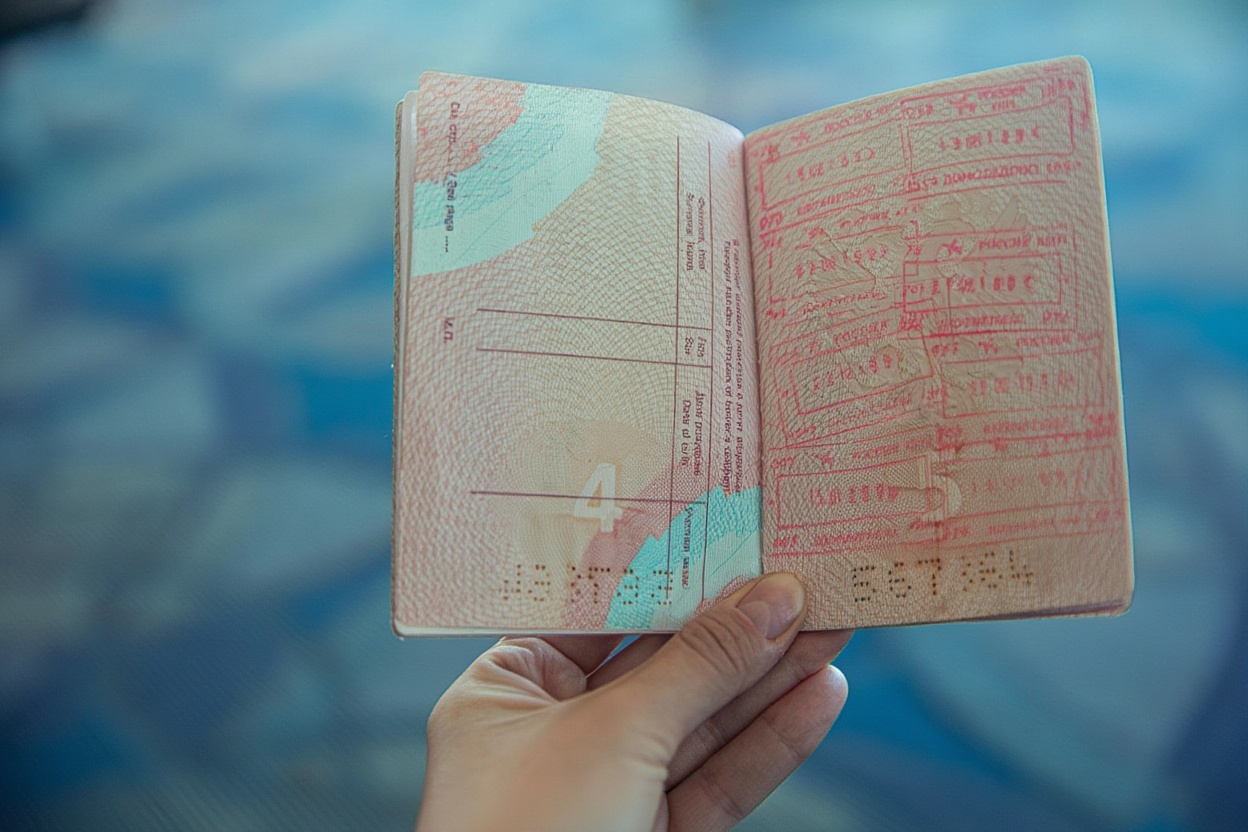
The Official e-Visa Portal: Exactly Where Your $25 Goes
The official Vietnamese e-Visa portal is evisa.xuatnhapcanh.gov.vn. This is the Vietnamese government’s National Immigration Portal — run by the Ministry of Public Security. Your $25 is paid here and goes directly to the government as a processing fee. There is no intermediary, no agent, and no reason to go anywhere else for a standard tourist e-Visa.
What happens with your $25: the fee covers immigration staff processing your application, running document verification, and issuing the electronic approval record linked to your passport number. The government absorbs the cost of maintaining the portal system. There’s no refund because the processing work begins when you submit, regardless of outcome.
Payment on the portal: the portal accepts international credit and debit cards (Visa, Mastercard, JCB, UnionPay). The payment screen is standard and SSL-secured. If your card is declined — which occasionally happens with US-issued cards on foreign government portals — try a different card or use a Wise or Revolut card which tend to have fewer international transaction blocks. Do not attempt to pay through a VPN, as some banks flag Vietnam government transactions run through VPNs as suspicious.
What you receive: within 3 business days, you get a confirmation email with your e-Visa PDF attached. Print this or save it to your phone. The e-Visa shows your name, passport number, photo, entry dates, and a QR code. Immigration scans this QR code at the border to verify your approval. No QR code scan, no entry — which means your phone needs to be charged or you need a printed copy.
Visa Costs Compared to Neighboring Countries
Context helps. Vietnam’s $25 e-Visa is competitive with the region but not the cheapest:
| Country | US Citizen Visa Cost | Max Stay |
|---|---|---|
| Vietnam | $0 (45 days visa-free) or $25 e-Visa | 45 days / 90 days |
| Thailand | $0 (30 days visa-free) or $35 ETOA | 30 days / 60 days |
| Cambodia | $30 e-Visa or $35 visa on arrival | 30 days |
| Laos | $30–42 visa on arrival (depends on nationality) | 30 days |
| Indonesia (Bali) | $0 (30 days visa-free) | 30 days |
| Philippines | $0 (30 days visa-free) | 30 days |
Vietnam’s 90-day multiple-entry e-Visa at $25 is one of the better values in Southeast Asia. Thailand’s new ETOA (Electronic Travel Authorisation) is $35 for 60 days. Cambodia’s $30 e-Visa gives you only 30 days. For a multiweek Southeast Asia trip, Vietnam’s visa policy is traveler-friendly, especially with the 45-day free window that covers the majority of tourist itineraries.
How to Avoid Overpaying: Summary of Best Practices
Apply for your e-Visa directly at evisa.xuatnhapcanh.gov.vn — this is the only official portal. Don’t search Google for “Vietnam e-Visa apply” and click the first result; most ads on that search are third-party services. Go directly to the official URL. The government site is in English, mobile-friendly, and the process takes about 20 minutes including uploading your passport photo and entry photo.
Pay in USD when you have the choice. At land borders and airports, the conversion rates for VND payments on fees are usually fine, but USD is the accepted standard for Vietnam visa-related fees. Bring small USD bills if you’re using VOA — the $25 stamping fee paid in $20 + $5 bills is cleaner than paying $50 and waiting for change.
Book your trip with at least 5 days before departure so you have time for the standard 3-day e-Visa processing and a buffer for any issues. Planning ahead is the single most effective cost control for Vietnam visas — last-minute premium processing fees are entirely avoidable with a week’s lead time. Keep a copy of your e-Visa PDF in cloud storage (Google Drive or Dropbox) so you can re-download it if your phone dies or you lose the email before arrival. A printed backup costs nothing and prevents a potentially expensive problem at the immigration counter.
Vietnam Visa Overstay: What It Costs
Overstaying your Vietnamese visa has real financial and legal consequences. Vietnamese immigration tracks entry and exit dates, and overstays are caught at the departure counter. The fine structure as of 2026:
Overstay of 1–5 days: administrative warning, possible fine of 500,000–1,500,000 VND ($20–60) depending on the border post. Typically processed at departure with a brief wait and a fine payment. Overstay of 6–30 days: fine of 3,000,000–5,000,000 VND ($120–200) and a note in your file. Multiple overstays or overstays over 30 days can result in a ban from re-entering Vietnam for a period of 1–3 years. Overstay of more than 30 days: considered a serious violation. Fines of 5,000,000–7,500,000 VND ($200–300) plus a re-entry ban are common outcomes. In extreme cases (very long overstays or combined with other violations), deportation proceedings can be initiated.
The practical upshot: the cost of an overstay fine starts at roughly the same amount as a visa extension and escalates quickly. If you’re approaching the end of your permitted stay, it’s cheaper in every direction to either extend formally at the immigration office or do a border run before your visa expires, not after. Assume immigration knows your exact departure date and plan accordingly — Vietnamese border systems are modern and not something travelers should try to game.
Two things worth sorting before you land: a Vietnam eSIM so you have data the moment you clear customs, and travel insurance — medical costs for uninsured foreigners in Vietnam are significant.
Airalo eSIMs activate instantly. Buy before departure — airport SIM queues in Vietnam can take 30+ minutes.
Frequently Asked Questions
Is the $25 e-Visa fee refundable if rejected?
No. The $25 government fee is non-refundable whether your application is approved or rejected. In practice, rejection rates for eligible nationalities completing the form correctly are low — the most common rejection causes are photo quality failures (blurry, wrong dimensions, background not white), name mismatches between the form and the passport, and incorrect document uploads. Review the photo requirements carefully before submitting: 4cm x 6cm minimum, clear face, neutral expression, white background, taken within the past 6 months. If your application is rejected, you can reapply — but you pay $25 again. If you’re using a third-party service that offers a “resubmission guarantee,” check whether they cover the second government fee or just the service fee.
Why do some websites show Vietnam visa prices much higher than $25?
Two reasons. First, many websites in the “Vietnam visa” search results are third-party services that charge a service fee on top of the $25 government fee — they quote $50–80 because they’re bundling their labor cost into the price. Second, some of those sites simply show inflated prices because enough travelers pay them without comparison shopping. The government fee is $25, set by Vietnamese immigration. Any price above that represents a third-party margin. There’s no scenario where a standard 90-day tourist e-Visa costs more than $25 if you apply at the official portal yourself.
Does the visa fee change if I need multiple entries?
No — the e-Visa is $25 regardless of whether it’s single-entry or multiple-entry, and Vietnam’s standard e-Visa is already multiple-entry by default. This is one of the improvements made in the 2023 e-Visa reform. Previously, single and multiple entry e-Visas had different prices. Now it’s $25 flat for all e-Visa applicants. For VOA, the stamping fee varies by entry type (single vs multiple) — see the VOA section above.
Do children pay the same visa fees?
Children’s visa requirements follow the same structure as adults — if a child enters on their own passport, they need their own visa clearance. For visa-free entry, children enter visa-free for 45 days alongside their parents, at no cost. For the e-Visa, children with their own passports pay the same $25. Children listed as endorsees in a parent’s passport (older practice, now largely discontinued) follow different rules. Most children traveling internationally in 2026 have their own passports, in which case they need their own e-Visa if the trip exceeds 45 days.
Can I get a visa on arrival at Vietnamese land borders?
No. Visa on arrival is airport-only. At land border crossings (with Cambodia, Laos, and China), you can enter on visa-free terms (if applicable to your nationality) or on an e-Visa, but not on VOA. This is a hard limitation of the VOA system and one of the clearest reasons to use the e-Visa instead — the e-Visa works at all entry points, including the popular overland crossing routes between Hanoi and Kunming (China), and between Ho Chi Minh City and Phnom Penh (Cambodia).
Is there a fee to extend a Vietnam visa inside the country?
Yes. Visa extensions through the Vietnam Immigration Department cost approximately 900,000–1,800,000 VND ($36–72) depending on your current visa type and the length of extension requested. Processing takes 3–5 business days and requires visiting the immigration office in Hanoi (44 Trần Phú), HCMC (161 Nguyễn Đức Cảnh), or Da Nang (7 Trần Quý Cáp) in person or through a registered agent. Many long-stay travelers find it cheaper and faster to do a border run (exit to Cambodia or Laos for a day, re-enter on a fresh 45-day visa-free stamp or a new e-Visa) rather than extend formally — both options are legitimate.