Last updated: May 2026
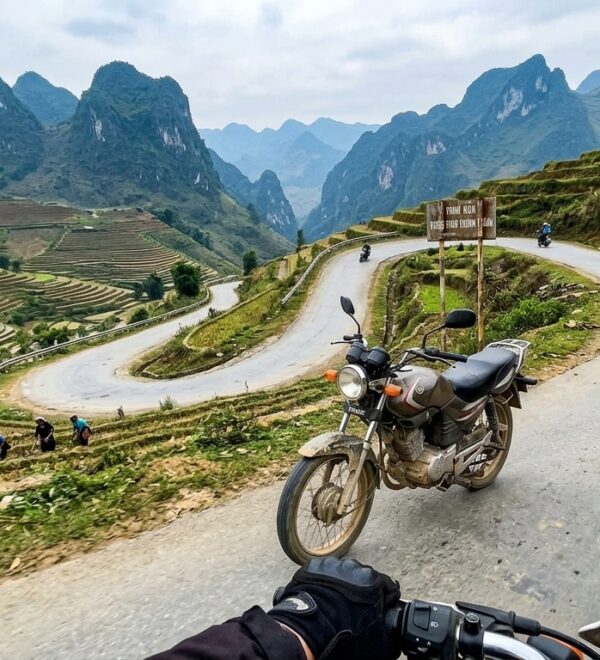
Everyone who comes back from Pu Luong says the same thing: it’s what Mai Chau was fifteen years ago. That’s not quite right — Pu Luong has its own character, not just a younger version of something else — but the comparison isn’t meaningless. The infrastructure is thinner, the tour bus traffic almost nonexistent, and the terraced landscape more vertically dramatic than the flat Mai Chau valley floor. It takes slightly more effort to get here. That effort is part of the point.
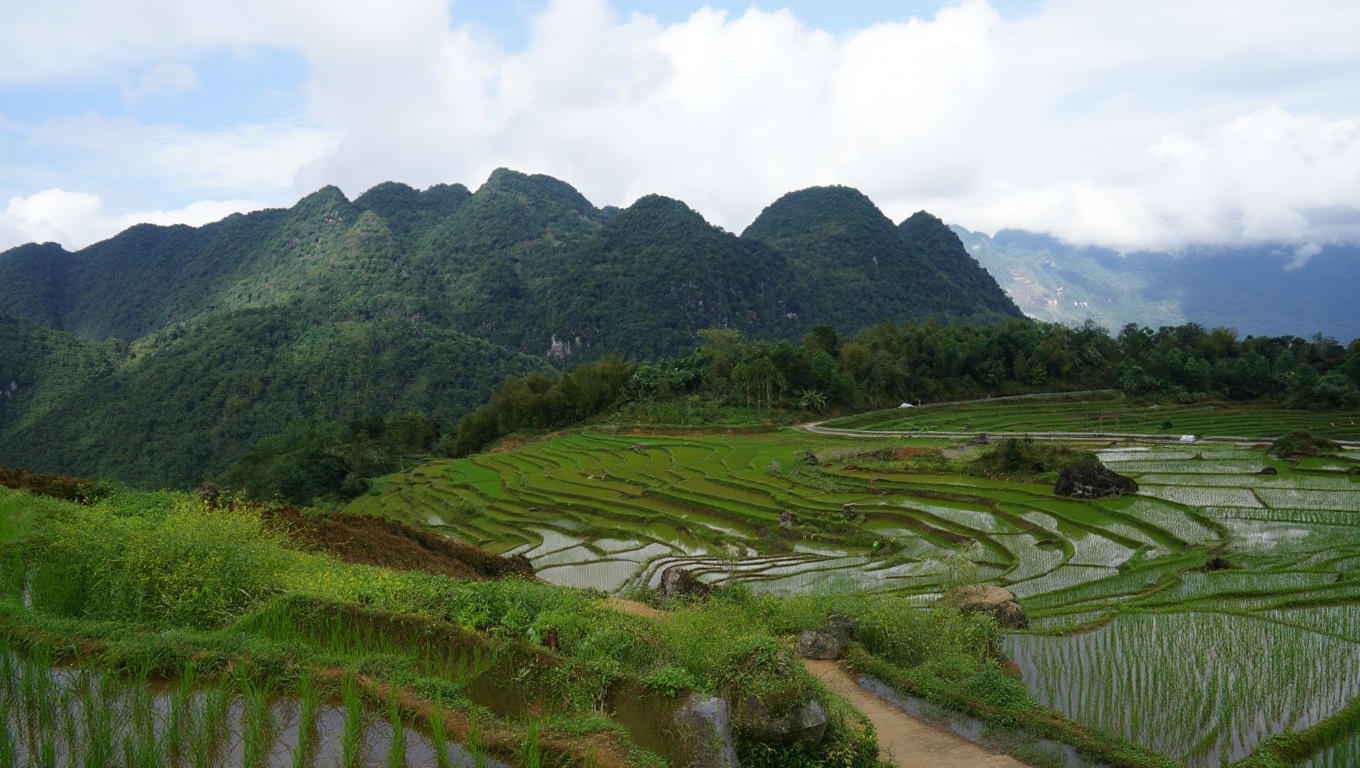
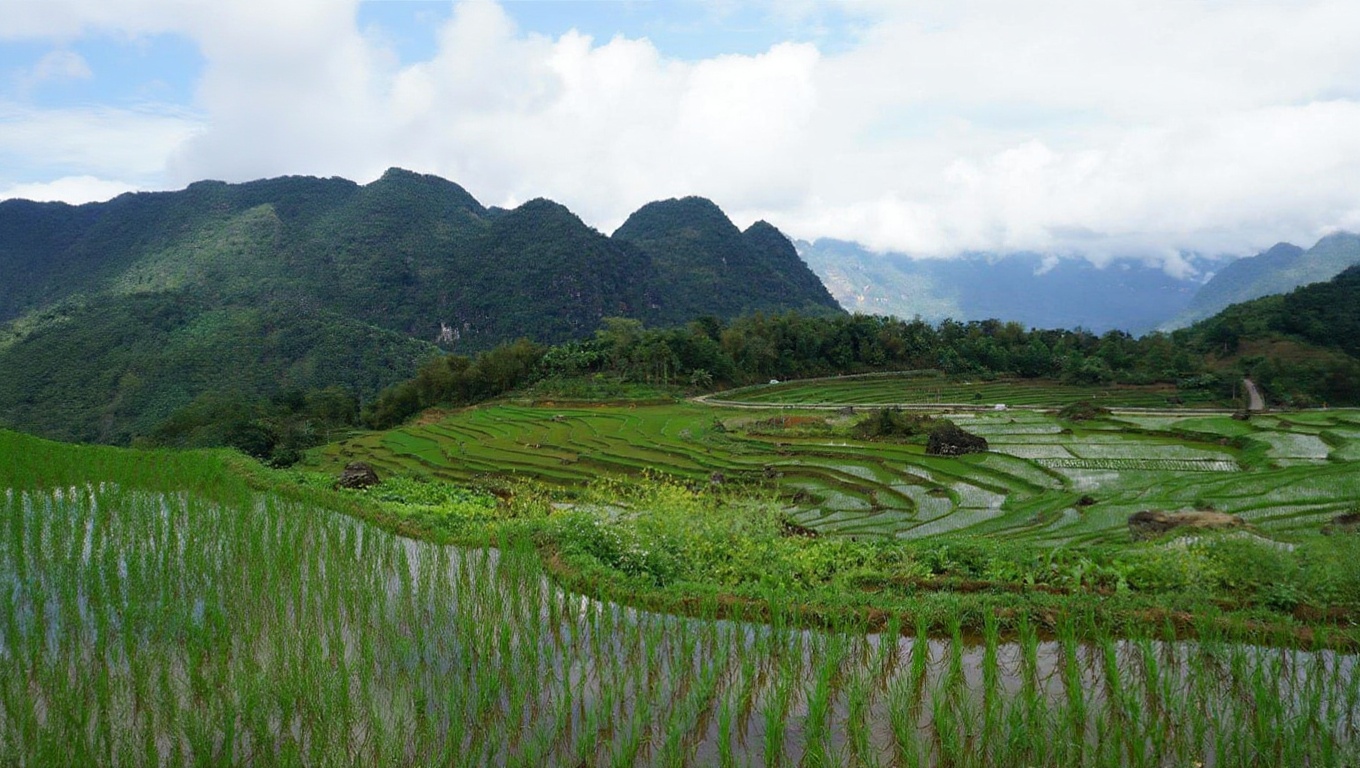
Pu Luong Nature Reserve covers about 17,662 hectares across Thanh Hoa Province. The reserve was established in 1999 primarily to protect the subtropical forest on the limestone ridges, but travelers come for the villages and terraces in the valley bottoms, not the conservation area itself.
Pu Luong vs Mai Chau: The Honest Comparison
The two valleys are linked by a single mountain road and are often combined in the same trip. But they’re not the same destination, and the question of which to visit (or which to prioritize) has a real answer depending on what you want.
→Who It’s For
Pu Luong is for independent travelers who’ve already done Mai Chau and want more, photographers who specifically want rice terrace landscape shots, and anyone who values seeing a place before the tourism infrastructure catches up. It’s not ideal for first-time north Vietnam visitors who need more structure — Mai Chau handles that role better.
The Villages: Where to Stay in Pu Luong
The Pu Luong valley road runs east to west through the reserve. Several Muong (người Mường) and Thai villages line this road and the smaller paths off it. Each has a different character, and the one you choose determines the kind of experience you have.
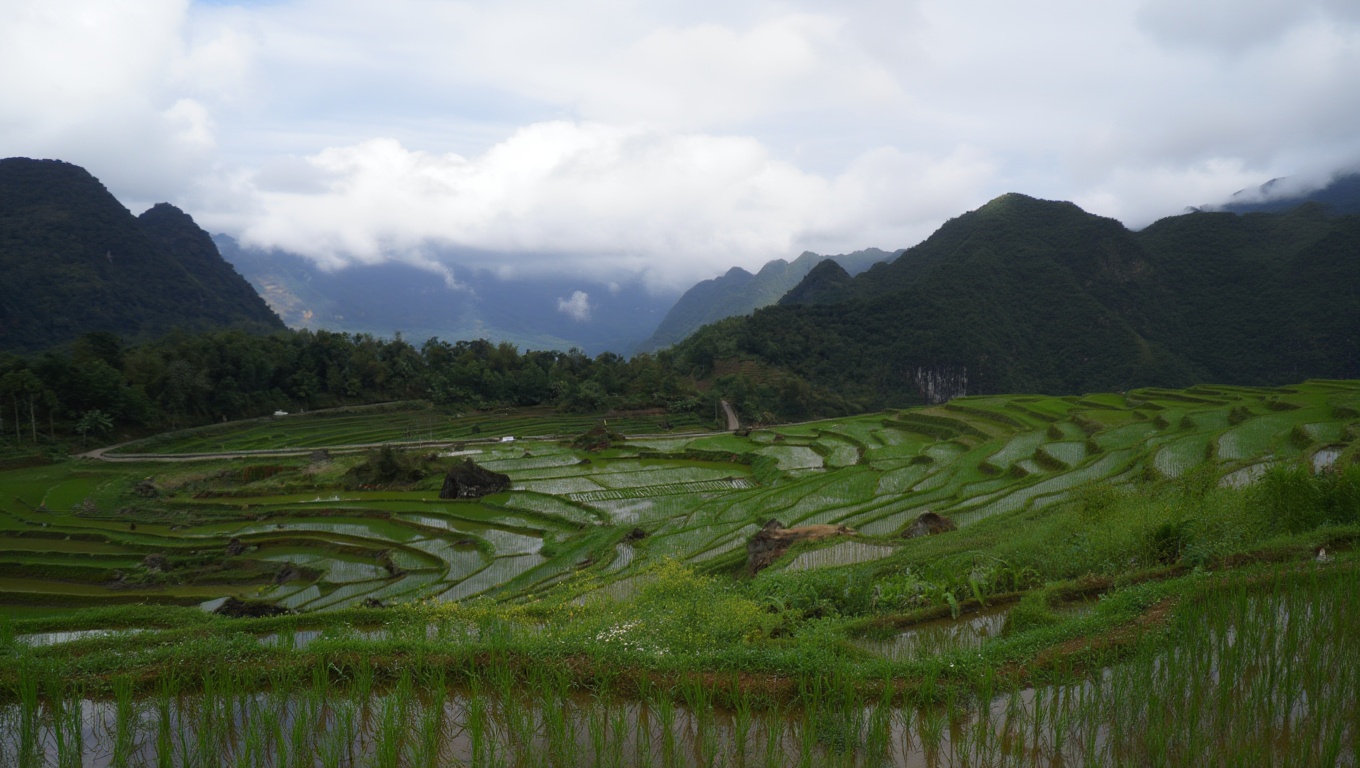
**Bản Kho Mường (Kho Muong village)** is the most photographed location in Pu Luong — a steep cluster of Muong stilted houses stacked up a hillside above a waterfall and rice terraces. It’s on the western end of the valley and requires a motorbike to reach from the main road. No shop, no tourist facilities. Some families offer homestays on request. The walk down to the waterfall takes 20 minutes and is worth the descent.
**Bản Đôn (Don village)** is more accessible — on or close to the main valley road, with several established homestays. Electricity is consistent. English is limited but enough for the basics. The terraces around Don village have good morning light for photography (east-facing, best at 6–8am).
**Bản Hiêu (Hieu village)** is further east along the valley and has become more developed in recent years, with a cluster of homestays that specifically cater to foreign travelers. Facilities are slightly better than Kho Muong or Don. The downside: Hieu gets proportionally more visitors than the western villages.
**Pu Luong Retreat** is an upscale eco-lodge on the valley slopes, operating since 2015. Infinity pool overlooking the terraces, proper restaurant, guided activities. Rates: 1,800,000–3,500,000 VND/night (~$70–135). An entirely different category of trip from the homestay experience — not wrong, just not the village immersion.
↗Insider Tip
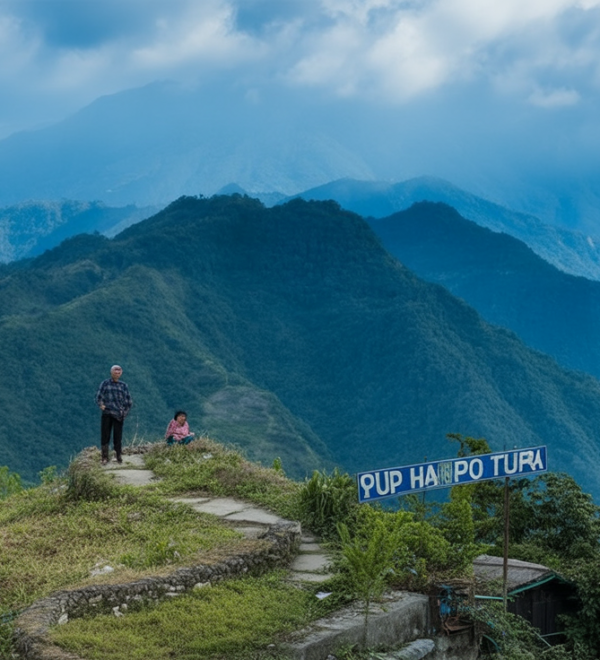
For the best terrace photography in Pu Luong, stay in Don village and position yourself on the path above the village at 6am when mist sits in the valley and the low light hits the flooded terraces at a low angle. This is the shot. It requires no guide, no special access — just early waking and 10 minutes of walking uphill from your homestay.
Getting to Pu Luong
Getting to Pu Luong requires more planning than Mai Chau. There are no direct buses from Hanoi’s My Dinh station. Most independent travelers either drive/ride directly from Hanoi, or come via Mai Chau.
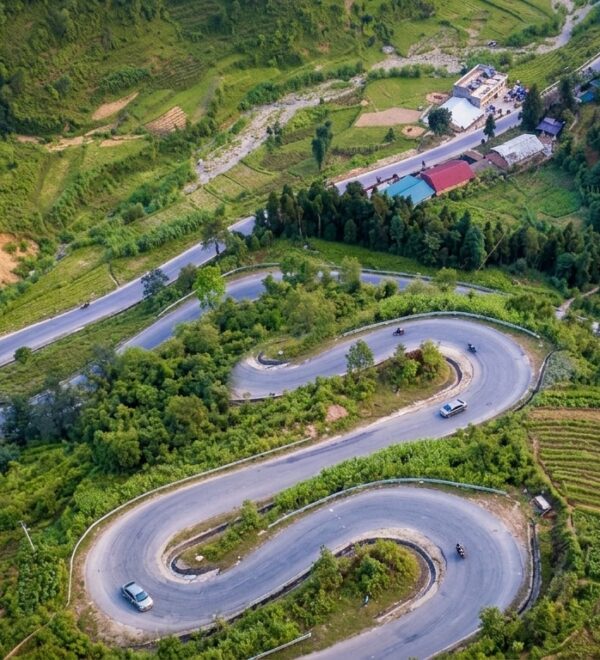
**From Hanoi directly (160km, 4–4.5 hours):** Take Highway 6 toward Mai Chau but turn north before reaching the Mai Chau valley. The road to Pu Luong passes through Quan Hoa District in Thanh Hoa Province. The final section is a winding mountain road that requires a confident motorbike rider or a patient car driver.
12Go covers most Vietnam routes — sleeper buses, trains, and island ferries. Compare schedules and book in advance during peak season (Dec–Feb, Jun–Aug).
**From Mai Chau (40km, 1–1.5 hours):** The logical combination route. A shared van between the two valleys costs 200,000–350,000 VND per person — arrange through your Mai Chau homestay the evening before. Motorbike riders can do the connecting road independently; it’s a proper mountain road but manageable.
**Limousine van direct from Hanoi:** Some operators now run direct Hanoi–Pu Luong services (250,000–350,000 VND/seat), primarily aimed at weekend visitors. Ask at your Hanoi hotel or check current operators via Google Maps search. These run less frequently than the Hanoi–Mai Chau vans.
**Getting around once there:** Motorbike essential. The valley road connects the main villages, but the roads to Kho Muong and some of the best terrace viewpoints require motorbike access. Rent in one of the main villages (150,000–200,000 VND/day) or bring a rental from Hanoi. Cycling is possible between the eastern villages but the road has significant elevation change.
What to Do in Pu Luong
Pu Luong is a destination for slow travel. The main activities are photography-oriented and walk-based — nothing ticketed, nothing scheduled. The rhythm of the place rewards patience more than itinerary.
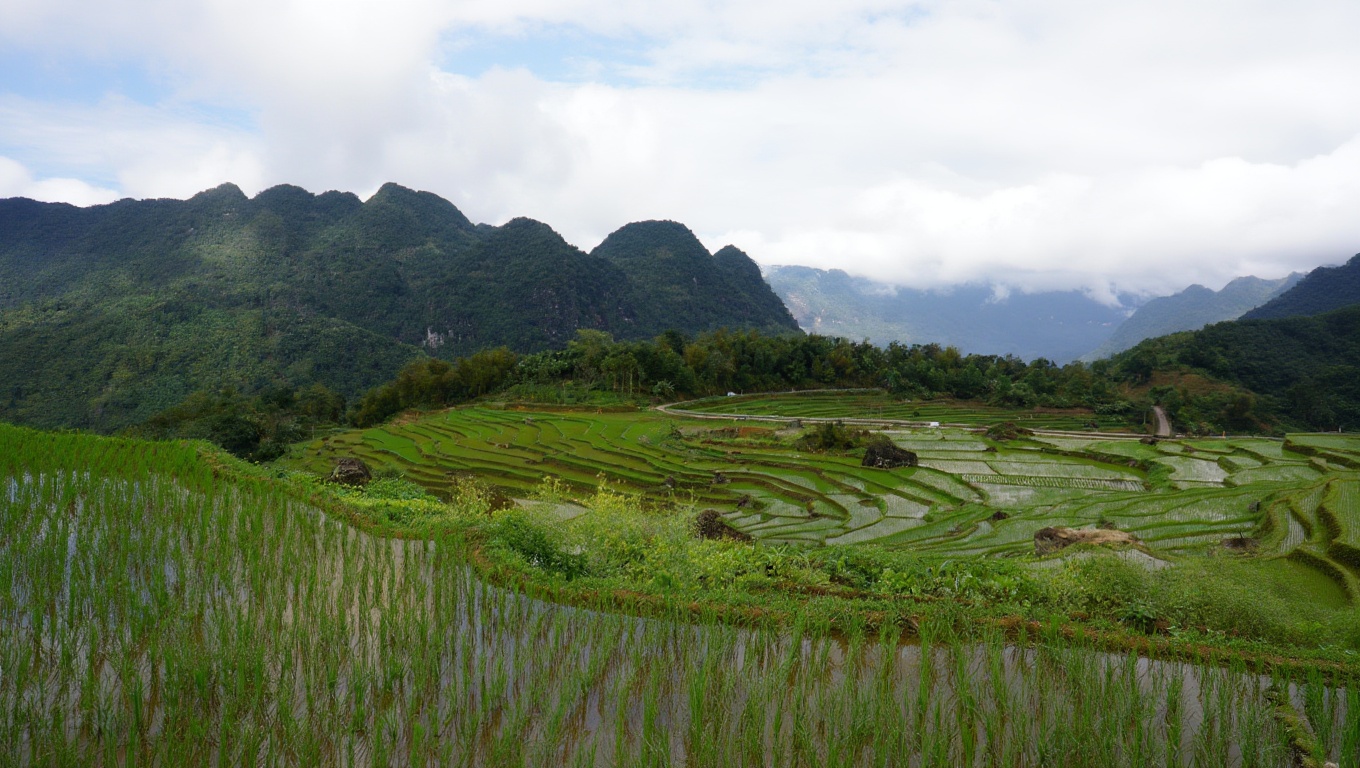
**Rice terrace exploration by motorbike:** The single best use of a day in Pu Luong. Take the valley road slowly, stop at every viewpoint and village path that looks interesting, walk down to the lower terrace levels, and repeat. The terraces extend up the hillsides on both sides of the valley and reward vertical exploration rather than horizontal movement.
Klook has the widest selection for Vietnam and is usually the cheapest. KKday is strong on day trips and local experiences.
the reserve’s most visually striking features. A 15-meter drop into a clear pool surrounded by rice terraces on three sides. Reach it by walking down from the village (20 minutes) or by a river path from the valley bottom (30 minutes, requires stream crossing). Swim if the water is clear; during rainy season it runs brown.
**Forest trekking in the nature reserve:** The protected forest in the upper elevation of Pu Luong offers genuine wildlife habitat — langur monkeys, diverse bird species, and the forest soundscape that disappears in more developed areas. Guides for forest trekking available through main village homestays: 200,000–350,000 VND for a half-day. The forest is above the village elevation, requiring a climb.
**Cycling the eastern valley:** Between Don and Hieu village, the valley road is flat enough for cycling with manageable grades. Morning cycling (6–8am) before traffic arrives — which is minimal anyway — gives good light on the eastern terraces.
**Village life:** The most underrated activity. Muong families in Pu Luong maintain more traditional daily rhythms than Mai Chau’s Ban Lac. Watching the morning agricultural cycle — water management in the terraces, buffalo leading, women carrying loads — from a vantage point above the valley is worth more than any organized tour.
Where to Stay and Eat
Accommodation in Pu Luong is almost entirely homestay-based outside of Pu Luong Retreat. Expect basic but genuine: wooden stilted houses, floor sleeping or simple beds, shared bathrooms, and meals prepared on wood-burning stoves using ingredients from the family’s land.
**Budget homestays:** 200,000–350,000 VND per person (~$8–14), usually with dinner and breakfast included. Facilities vary — some homestays have proper bathrooms, others have squat toilets and cold water showers only. Ask specifically before booking if hot water matters to you.
use of sticky rice and bamboo). The food at homestay dinners is consistently better than at the few standalone restaurants in the valley.
**Booking:** Most Pu Luong homestays don’t have online booking systems. Contact through WhatsApp or Zalo (Vietnamese messaging app) using numbers that circulate on traveler forums, or ask your Hanoi hotel to make a call. Some Hieu village homestays now have Google Business profiles with phone numbers.
How to Plan 2–3 Nights in Pu Luong
Pu Luong rewards slower movement than most travelers default to. The temptation is to see everything in one day — drive the valley road, stop at Kho Muong, tick the waterfall, leave. What that misses is the daily rhythm of the villages: the 6am light on the terraces, the afternoon quiet when the farming work pauses, the evening cooking smells from the household below.
**Night 1 arrival:** Arrive by mid-afternoon, ideally from Hanoi or Mai Chau. Check into your homestay in Don or Hieu village, rent a motorbike immediately, and do a late afternoon recce ride of the eastern valley (Don → Hieu → back, about 12km). This establishes the geography before committing to a specific area. Have dinner at the homestay — whatever the family is cooking.
**Morning 2:** Up at 5:30–6am. Walk or ride to the terrace viewpoint above your village and position yourself before the mist burns off (usually 7:30–9am). This is the photography window. Return for breakfast, then ride west to Kho Muong village — allow 45–60 minutes each way on the mountain road. Walk down to the waterfall. Return by mid-afternoon.
**Morning 3 (if you have it):** The forest trek above the valley, arranged with your homestay guide the evening before. 5–6 hours in the limestone forest, elevation gain to the ridge. Return for a late lunch and departure toward Hanoi or continuation of your circuit.
→Who It’s For
2 nights is the minimum for Pu Luong to make sense as a destination rather than a detour. 3 nights is optimal — you get the terrace photography at dawn twice, the full Kho Muong day, and the forest trek. Day-tripping from Mai Chau (1 day, no overnight) sees the road but misses everything that makes Pu Luong worth visiting.
Pu Luong Food: What the Muong Table Looks Like
Muong cuisine at a Pu Luong homestay is one of the trip’s genuine rewards. The ingredients come from a vertical food system — terraced rice from the hillside paddies, fish from the stream, herbs from the forest edge, vegetables from the kitchen garden directly below the stilted floor.
**Cơm tẻ và cơm nếp** (steamed rice and sticky rice) — both appear at most meals. Sticky rice is served in a bamboo container; you pinch off a piece and roll it around a protein or vegetable.
**Cá suối** (river fish) — small fish from the clear mountain streams, typically grilled or fried whole with herbs. The streams running through Pu Luong still support enough fish population for daily catch. The flavor is lighter than farmed fish and distinctly fresh.
**Rau rừng** (forest vegetables) — gathered from the forest edge, usually blanched and dressed simply. Species vary by season; the guide or homestay host will name them in Vietnamese if you ask.
**Gà đồi** (free-range chicken) — the village chickens that spend their days below the stilted house floor and become dinner when a family has guests. Tougher than supermarket chicken, more flavorful.
**Ruou cần** (communal rice wine) — same clay pot, bamboo straw tradition as Mai Chau. A fixture of the homestay evening meal. The social ritual of everyone drinking from the same pot before adding water to refill it is worth participating in at least once without looking for an excuse to skip.
Eating at the homestay is consistently better than the handful of small restaurants that have appeared in Hieu village for visiting tour groups. The food is the same cuisine but the context — sitting cross-legged on the floor with the family while a wood fire crackles in the corner — is not.
When to Visit Pu Luong
The seasonal logic mirrors Mai Chau closely but the terrace system in Pu Luong is more visually dramatic at peak season because of the elevation change and the density of the terrace construction.
**September–October:** Golden harvest season. The flooded terraces of June–August drain and the rice ripens to gold in late September. Early October is harvest — farmers working steep terrace slopes, buffalo carrying loads. This is the reason photographers specifically target Pu Luong. Book homestays at least 2–3 weeks ahead for this period.
**May–June:** The terraces flood and are planted. Vivid green seedlings in the flooded paddy reflect the sky on clear mornings — good photography in different conditions than harvest. Rain starts but usually in afternoon patterns.
**November–April:** Quiet season with few visitors. Cool (10–15°C at night in December–January). Terraces are dry and less dramatic visually. Good for forest trekking (dry underfoot) and village exploration without crowds.
⚠Real Talk
Pu Luong is developing fast. The period between 2019 and 2023 saw significant growth in homestay numbers and the first boutique lodges appearing. By 2026 it still feels rural and unhurried compared to Sa Pa or Mai Chau’s Ban Lac — but the window on that feeling is narrowing. The travelers who came in 2018 describe a different place. Go this year if you want the current version.
Jake’s Honest Take
I first went to Pu Luong because I’d run out of things to do on a third trip to Mai Chau. I went skeptically — it sounded like the same destination with a more complicated route. Within an hour of arriving at Don village I understood the distinction. The terrace system here climbs vertical cliff faces that the Mai Chau valley floor simply doesn’t have. The mist moves differently over stepped elevation. The Muong villages have a different agricultural relationship with their land than the flat-valley Thai communities.
My genuine regret is not timing it for rice harvest. I arrived in early July — green, yes, and the terraces were flooded and reflective in the morning, but not what I’ve since seen in October photos from the same spots. If you’re going to Pu Luong, be deliberate about October. It’s worth the planning.
One specific thing I’d do differently: I spent both nights in Hieu village because the homestay was easy to book. On the last morning I drove west to Kho Muong and understood immediately that the photography from above that village — terraces stacked against a cliff wall, the waterfall in the mid-ground, a traditional stilt house in the foreground — is in a different category from what I’d been seeing all trip. Staying in Kho Muong for at least one night is worth the more basic facilities. The visual reward from that hillside at 7am is the specific image that makes people talk about Pu Luong the way they do.
The combination circuit — Hanoi, 2 nights Mai Chau, 3 nights Pu Luong, back to Hanoi via a different route — is currently one of the most rewarding 5–6 day trips in northern Vietnam. It covers two culturally distinct minority areas, two completely different landscape types, and enough authentic community engagement that you come back with stories rather than just photographs. Plan it for October and come back satisfied.
See the Mai Chau travel guide for planning the combined valley circuit, and the day trips from Hanoi overview for how this fits in a broader northern Vietnam itinerary.
Two things worth sorting before you land: a Vietnam eSIM so you have data the moment you clear customs, and travel insurance — medical costs for uninsured foreigners in Vietnam are significant.
Airalo eSIMs activate instantly. Buy before departure — airport SIM queues in Vietnam can take 30+ minutes.
Frequently Asked Questions
How do I get from Hanoi to Pu Luong?
Direct limousine vans from Hanoi run 250,000–350,000 VND per seat and take 4–4.5 hours. Alternatively, take a van to Mai Chau first (180,000–250,000 VND, 3 hours), then arrange connecting transport to Pu Luong (200,000–350,000 VND, 1–1.5 hours). Motorbike directly from Hanoi is the most flexible but takes 4.5–5 hours.
How far is Pu Luong from Mai Chau?
About 40km by road, 1–1.5 hours. The connecting road crosses a mountain pass and has some rough sections — it’s paved throughout but narrow in places. Shared van transport can be arranged through either valley’s homestays for 200,000–350,000 VND per person.
Which is better, Pu Luong or Mai Chau?
Pu Luong has more dramatic rice terrace scenery and fewer tourists. Mai Chau has better infrastructure, flat cycling, and a more organized cultural show experience. For first-time visitors to northern Vietnam minority areas: Mai Chau. For travelers who’ve done Mai Chau and want the next level: Pu Luong. Combining both in one trip is the ideal approach if you have 4–5 days.
Is Pu Luong suitable for independent travelers?
Yes, but less straightforwardly than Mai Chau. There are fewer English speakers, no bus station, and less online booking infrastructure. It rewards travelers who are comfortable figuring logistics out on the ground — asking at homestays, arranging transport by WhatsApp, navigating without English signage. If you need pre-confirmed bookings and clear logistics before leaving Hanoi, it’s harder but still doable.
What is the best village to stay in Pu Luong?
Don village for a balance of accessibility and authenticity — on the valley road, good morning terrace light, several established homestays. Kho Muong for the best scenery and the waterfall, at the cost of more basic facilities. Hieu village for the easiest logistics and most English-speaking hosts. The Pu Luong Retreat eco-lodge if budget allows and you want comfort with valley views.
Do I need a guide in Pu Luong?
Not for valley road exploration by motorbike or cycling. Not for the main paths between villages. Yes for the forest trekking in the nature reserve above the valley — paths aren’t marked and the forest is genuinely thick. Half-day forest guides run 200,000–350,000 VND per person through village homestays.