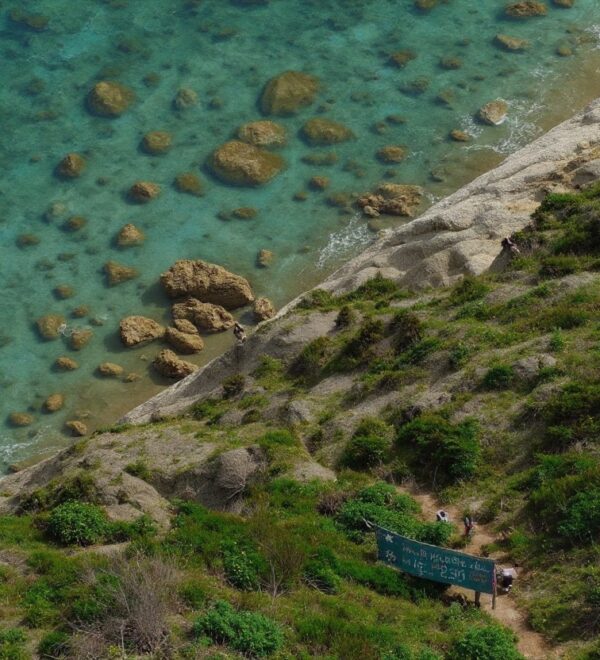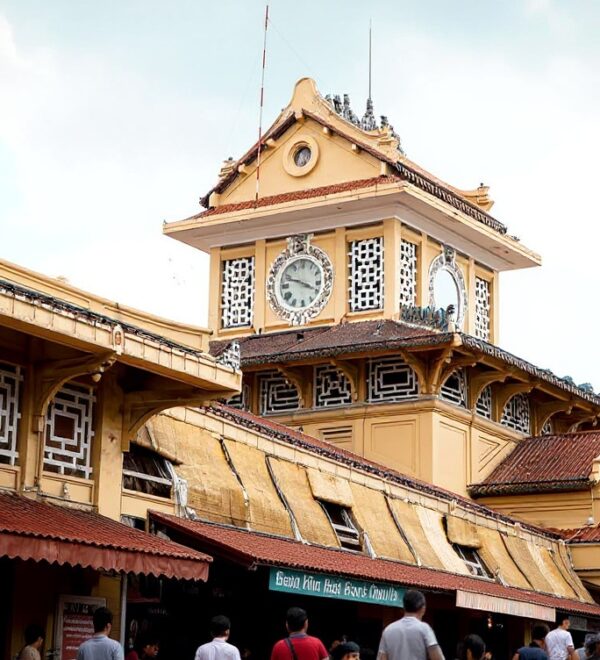
The internet tells you Cat Ba is the quieter, more independent alternative to Ha Long Bay. Reddit tells you a different story lately: “The whole bay was under construction — very noisy and unpleasant.” “Cat Ba is currently undergoing huge construction by Sunworld.” “The only upside is you can go to Lan Ha Bay cruises from here.”
Both versions are true, depending on what you’re there for. Cat Ba the town is a construction site in transition. Cat Ba the access point for Lan Ha Bay — one of the most beautiful water landscapes in northern Vietnam — is excellent, largely unaffected by the town development, and significantly less crowded than the main Ha Long Bay cruise routes.
Here’s what’s actually happening, what it means for your trip, and whether you should go.
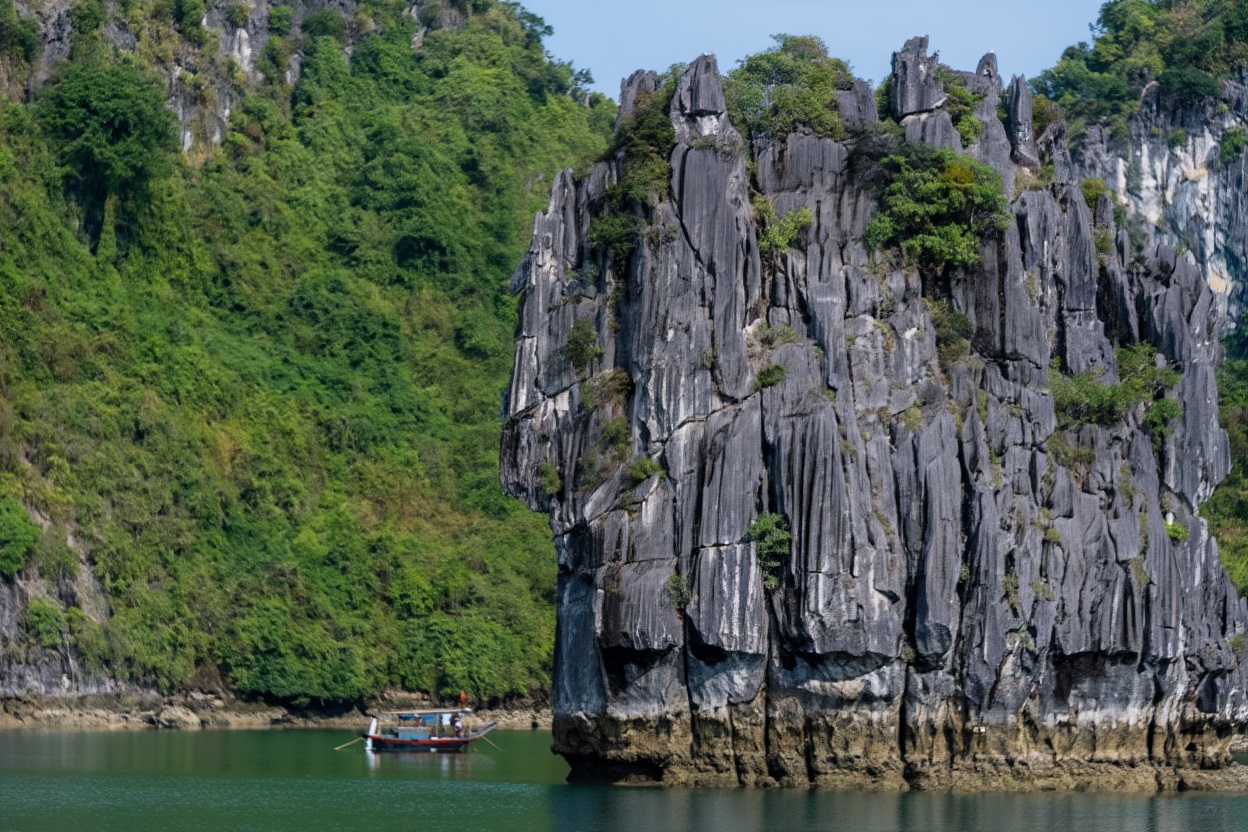
Cat Ba Island — Quick Facts
| Location | Cat Hai District, Hai Phong — gateway to Lan Ha Bay and Ha Long Bay |
| Distance from Hanoi | ~170km (~3.5–4 hours by bus + ferry) |
| Day cruise (Lan Ha Bay) | $35–60 per person, full day |
| Overnight cruise | $120–200 per person for 2D/1N |
| National Park entrance | 120,000 VND (~$4.60) |
| Best time to visit | April–June and September–November |
| Construction situation | Waterfront town under development (Sunworld project) — Lan Ha Bay unaffected |
| Good for | Lan Ha Bay day/overnight cruises, kayaking, national park hiking |
| Not ideal for | Pure beach relaxation, resort experience, first-time Vietnam visitors short on time |
Cat Ba vs Ha Long Bay: What’s the Actual Difference?
> **Quick Answer:** Ha Long Bay is a managed UNESCO site with organized cruise lanes — busy, beautiful, well-run. Lan Ha Bay (accessed from Cat Ba) is adjacent, less trafficked, and allows more independent exploration including kayaking into caves and lagoons. Cat Ba suits independent travelers; Ha Long Bay proper suits first-timers who want a managed cruise experience.
They’re part of the same geological area — thousands of limestone karsts rising from the Gulf of Tonkin — but they’re administered and experienced differently.
Ha Long Bay proper is where the large overnight junks run. The routes are defined, the anchorages are established, and on a busy day you’ll see dozens of boats at the same sunset viewpoint. The experience is beautiful and reasonably managed, but the crowds are real. Multiple Reddit users have put it directly: “Ha Long Bay tours are crowded and the ocean is a garbage dump now. Go to Cat Ba.”
Lan Ha Bay — accessed from Cat Ba Island — is the southern extension of the same karst landscape, separated from Ha Long Bay by a nominal boundary. Fewer cruise operators, fewer boats, more kayaking-accessible caves and lagoons, cleaner water. One Reddit traveler who went: “Lan Ha Bay is perfect. I was out there and saw barely any other boats.”
The tradeoff: Ha Long Bay’s cruise infrastructure is polished. Lan Ha Bay’s is scrappier. If you want a premium junk boat experience with attentive service and organized activities, book an Ha Long Bay cruise from Hanoi or Ha Long City. If you want a day cruise that gets you into places the big boats can’t reach, Cat Ba is your base.
The Construction Situation: What You Need to Know in 2026
Cat Ba is in the middle of a large-scale resort development project by Sun Group (Sunworld), a Vietnamese conglomerate building a major tourism complex on the island. The waterfront area of Cat Ba town — the main bay, the promenade, the central hotels — has been affected by this construction.
Reddit reports from 2025: “The whole bay was under construction — very noisy and unpleasant.” “Cat Ba is currently undergoing huge construction by Sunworld.” One traveler posted a photo showing the central bay area as an active building site. A local resident commented that construction was expected to complete around Tet 2026 for the larger pieces.
As of mid-2026, the situation is evolving. The construction is not permanent — the project is a resort development, not an ongoing industrial operation. But for travelers visiting while it’s active, the town center and waterfront experience is materially worse than it was five years ago.
What is affected: The Cat Ba town waterfront and main bay area. Views from the central promenade. Some mid-range accommodation near the construction zone.
What is NOT affected: Lan Ha Bay itself — the limestone karsts, the water, the kayaking routes, the cave access. Cat Ba National Park. The beaches on the less-developed side of the island. Accommodation away from the central waterfront (the Tung Dinh lake area and outer communes remain quiet).
Bottom line: If you’re coming to Cat Ba specifically for the town experience — waterfront dining, strolling the bay promenade, relaxing in a beach town — wait until construction completes. If you’re coming for Lan Ha Bay cruises and kayaking, the construction doesn’t touch the product you came for.
Getting to Cat Ba Island
> **Quick Answer:** The standard route from Hanoi is bus + ferry — about 3.5–4 hours total, 200,000–350,000 VND. Most travelers book a combined ticket. Direct speedboats from Ha Long City are faster but require getting to Ha Long first. Going via Hai Phong is cheaper but more complicated.
Cat Ba doesn’t have a direct Hanoi connection by road — there’s a ferry crossing involved regardless of which route you take.
From Hanoi (recommended): The tourist bus + ferry combination is the standard route. Multiple operators run daily departures from Hanoi’s Old Quarter — the ticket includes a minibus to the ferry terminal and the ferry crossing to Cat Ba. Total journey: 3.5–4 hours door-to-door. Price: 200,000–350,000 VND ($8–14) depending on operator and season. Book in advance during peak season (July–August, Tet) — seats fill up. Operators with consistent reviews: Duc Vuong Cat Ba Express, Cat Ba Express.
From Ha Long City: Speedboats run from Ha Long City to Cat Ba — about 45 minutes on the water. This makes sense if you’re already in Ha Long after a cruise, or if you want to do a Ha Long Bay cruise first and then continue to Cat Ba for a night or two. Speedboat tickets: ~100,000–150,000 VND.
Via Hai Phong: The cheapest route — bus to Hai Phong, then local ferry to Cat Ba. Takes longer and requires navigating Hai Phong’s bus/ferry connections. Good for very budget-conscious travelers who don’t mind the extra time; not recommended if you’re watching the clock.
Getting around the island: motorbike rental is the best way to explore Cat Ba beyond the town. Rentals: 100,000–180,000 VND per day. The road from the ferry port to Cat Ba town, along the mountain spine of the island, is genuinely scenic — one Reddit traveler called it his “2nd favourite road in all of Vietnam.” Just watch for buses on blind corners.
Lan Ha Bay: The Real Reason to Come
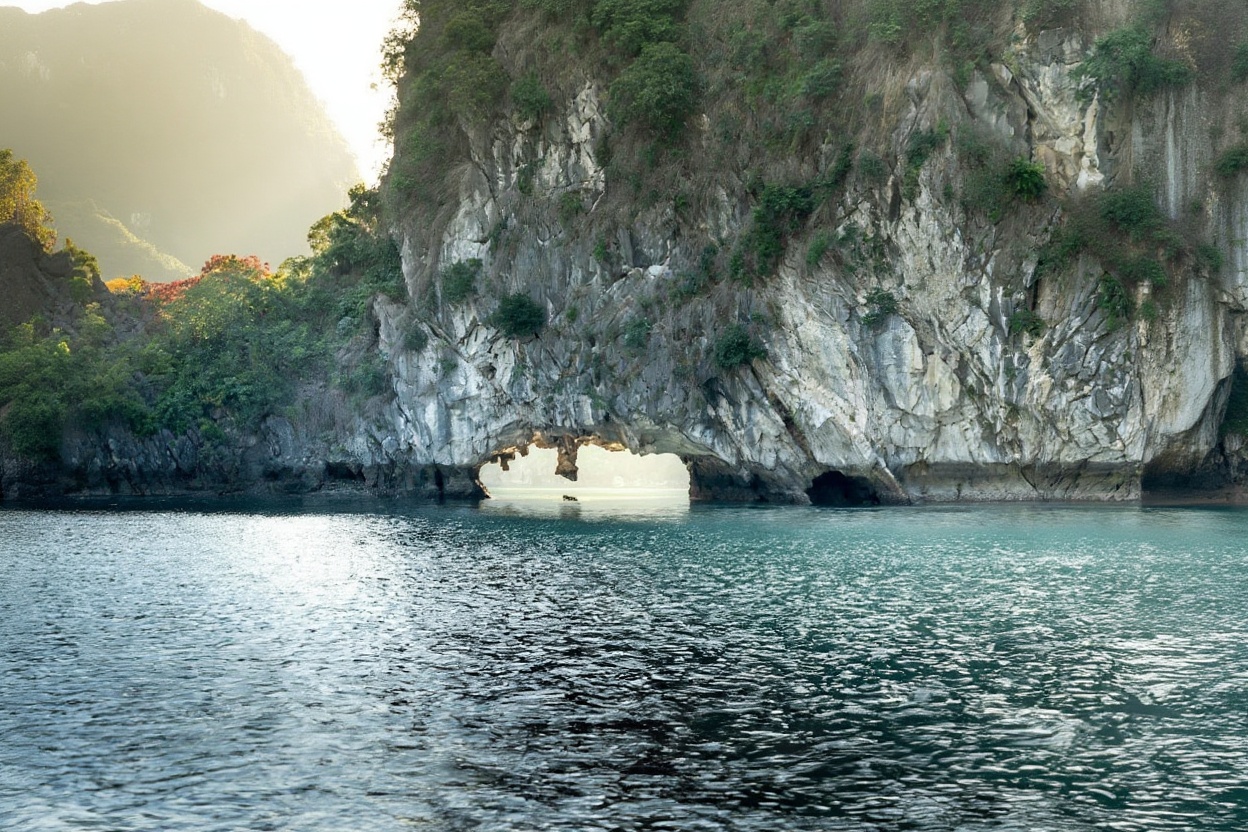
Lan Ha Bay is where Cat Ba earns its reputation. If you only understand one thing about this destination, understand this: the bay is not a substitute for Ha Long Bay — it’s in many ways better for independent travelers.
Day cruise: Full-day tours from Cat Ba into Lan Ha Bay run approximately $35–60 per person. One Reddit traveler reported doing the Serenity Cruise day tour for $37 — “covered all the core Ha Long Bay itinerary” — versus $140 for the basic overnight package. Day cruises typically include: boat through the karsts, swimming stop, kayaking session, lunch on board, cave visit. The kayaking component is where the Lan Ha Bay advantage is clearest — smaller boats can access sea caves and lagoons that the big overnight junks bypass entirely.
Overnight cruise: 2-day/1-night cruises from Cat Ba into Lan Ha Bay: $120–200 per person. More intimate than the Ha Long overnight junks — smaller boats, fewer passengers, anchoring in quieter spots. A TripAdvisor reviewer noted that the kayaking “meant we were able to explore parts of the bay boats can’t reach.” Serenity Cruise, Langur Asia Cruises, and a handful of other operators run reputable Lan Ha Bay overnight tours.
Independent kayaking: Kayak rental from Cat Ba town for self-guided exploration: available through several operators. Paddling distance varies — a half-day paddle can reach several karst formations. If you’re confident in open water and have a sense of navigation, this is one of the most memorable ways to experience the bay.
Swimming: Water visibility in Lan Ha Bay is generally better than the more heavily trafficked Ha Long cruise zones. Boat tours include swimming stops at karst-sheltered lagoons — the water temperature from April through November is warm enough to be comfortable.
Cat Ba National Park
Cat Ba National Park covers about half the island — dense tropical forest, rare wildlife (including the critically endangered Cat Ba langur, found nowhere else on earth), and a network of hiking trails. The park is genuinely wild in a way that most tourist areas in northern Vietnam aren’t.
The main hike: The Kim Giao route climbs to the highest point on the island and takes about 3–4 hours round trip. One Reddit traveler described it as “quite challenging if you’re not experienced.” The summit has views over Lan Ha Bay on one side and the Gulf of Tonkin on the other. Start early — the climb in afternoon heat is brutal.
Hospital Cave: A wartime network of tunnels and rooms used as a field hospital during the American War. Located inside the national park, accessible independently or with a guide. Entrance fee included with national park ticket: 120,000 VND (~$4.60).
Wildlife: Cat Ba langurs are most active at dawn and dusk on the limestone cliffs facing the bay. You won’t see them on the main hiking trails — the langar conservation project runs specific observation trips. If wildlife is a priority, book through the Cat Ba Langur Conservation Project directly.
Where to Stay on Cat Ba
Given the construction situation in the central bay area, accommodation choice matters more on Cat Ba than most Vietnam destinations.
Tung Dinh Lake area: Away from the main bay construction, this area has guesthouses and small hotels in a quieter setting. Recommended by a local: “You can choose to stay in the area around Tung Dinh lake or the communes — quiet and natural.” Budget guesthouses here: 200,000–400,000 VND per night.
Cat Ba town center: Convenient for cruise operators and restaurants, but currently affected by nearby construction. Mid-range hotels: 400,000–800,000 VND. If you’re only here for one or two nights to do a day cruise, central town is fine — the construction noise is primarily daytime.
Outer beaches: Cat Co 1, 2, and 3 beaches have small resort properties away from the main town. Cat Co 3 is the quietest. If your priority is beach access rather than the bay, these work, though they’re a motorbike ride from the cruise departure point.
Is Cat Ba Worth Visiting?
> **Quick Answer:** Yes, if your goal is Lan Ha Bay kayaking and you want a base cheaper and more flexible than a full Ha Long cruise package. Skip it if you want a polished beach resort experience — the construction situation and the rough-around-the-edges town don’t deliver that right now.
The Reddit consensus is useful here. The strongest argument for going: “Ha Long Bay tours are crowded and the ocean is a garbage dump now. Go to Cat Ba.” The strongest argument against (for now): “It’s pretty average here compared to the rest of Vietnam. The only upside is you can go to Lan Ha Bay cruises from here.”
Both are correct. Cat Ba is not a destination in itself the way Hoi An or Ha Noi is. It’s a gateway. Come for Lan Ha Bay. Stay for the national park hike if you have time. Don’t expect the town to be charming in its current construction state.
The traveler for whom Cat Ba makes the most sense: budget-conscious, values independent exploration over package tours, has at least 2 nights, wants to kayak rather than watch from a boat deck.
Food and Eating on Cat Ba
Seafood is the reason to eat on Cat Ba. The island’s fishing community means fresh catch is available at prices that make the equivalent in Hanoi or Ho Chi Minh City look expensive. Crab, squid, clams, and shrimp at the waterfront restaurants are priced by weight and genuinely fresh — the seafood you buy in the evening was likely caught that morning.
The main restaurant strip runs along the Cat Ba waterfront. Despite the construction disruption, several reliable spots have stayed open and continue drawing both locals and travelers. Squid, morning glory stir-fry, and whole grilled fish with salt and chili are the standard orders. Price range for a full seafood dinner with rice and drinks: 200,000–400,000 VND per person.
Away from the waterfront, the streets behind the main drag have small cơm bình dân (basic rice meal) places serving whatever’s cooked that day — rice with fish, stewed pork, pickled vegetables. 40,000–80,000 VND per meal, eaten at plastic tables, no English menu. If you’re staying multiple nights, alternating between the seafood waterfront and the local rice spots gives you a more complete picture of what Cat Ba actually eats.
How Cat Ba Fits into a Northern Vietnam Trip
Most travelers hitting Cat Ba are doing a northern Vietnam loop that includes Hanoi, Ha Long Bay or Cat Ba, and sometimes Ha Giang or Sapa. The typical sequence: fly into Hanoi, spend 2–3 days in the city, head northeast to Cat Ba for 2 nights, return to Hanoi and continue north or fly south.
The Hanoi–Cat Ba–Hanoi round trip takes 3–4 days including travel time and is self-contained enough to drop into most itineraries. If you’re doing a longer northern circuit — Hanoi → Cat Ba → Ha Giang loop → back to Hanoi — Cat Ba before Ha Giang gives you a rest day at the bay before the physical demands of the mountain roads. Our northern Vietnam guide covers the full routing options for the region.
Best Time to Visit
> **Quick Answer:** April–June (spring) and September–November (early autumn) are the best windows — warm without typhoon risk, moderate crowds, clear water. July–August is peak season with higher prices and more visitors. November–March can bring mist and cooler temperatures that flatten the karst views.
Cat Ba’s weather follows northern Vietnam’s pattern, modified by the bay’s microclimate. Summer (June–August) is warm and humid with occasional typhoon risk — if a storm is forecast, bay activities get cancelled. The spring and autumn shoulder seasons give you the best weather-to-crowd ratio.
Winter (December–February) brings cold fog that can soak the limestone towers in mist — atmospheric for photography, frustrating for the swimming and kayaking that most visitors come for. The bay is technically accessible year-round; the question is what conditions you’re comfortable with.
Practical Info
Cat Ba Island — At a Glance
| Item | Details |
|---|---|
| Getting there from Hanoi | Bus + ferry combo, 3.5–4 hours, 200,000–350,000 VND |
| Getting there from Ha Long | Speedboat, ~45 min, 100,000–150,000 VND |
| Day cruise (Lan Ha Bay) | $35–60/person — Serenity Cruise, Langur Asia, others |
| Overnight cruise | $120–200/person for 2D/1N |
| National park entrance | 120,000 VND (~$4.60) |
| Motorbike rental | 100,000–180,000 VND/day |
| Budget guesthouse | 200,000–400,000 VND/night |
| Mid-range hotel | 400,000–800,000 VND/night |
| Best stay length | 2 nights minimum (1 day cruise + 1 national park) |
| Construction note | Town waterfront affected — bay unaffected |
FAQ
Is Cat Ba Island better than Ha Long Bay?
Different, not necessarily better. Ha Long Bay’s cruise infrastructure is more polished — great for first-timers who want a managed experience. Cat Ba’s Lan Ha Bay access is better for independent travelers who want kayaking, fewer crowds, and flexibility. If you want a luxury junk cruise, book Ha Long. If you want a day cruise with kayaking at a third the price, Cat Ba is the better base.
Is there construction on Cat Ba Island right now?
Yes — Sun Group (Sunworld) is building a major resort complex on the Cat Ba waterfront. As of 2026, the central bay area and main promenade are affected. The Lan Ha Bay itself and the national park are unaffected. If the town experience matters to you, check current conditions before visiting — the project was expected to complete in phases around 2026.
How do I get from Hanoi to Cat Ba Island?
The standard route is a combined bus + ferry ticket from Hanoi’s Old Quarter — takes 3.5–4 hours, costs 200,000–350,000 VND. Multiple operators run daily departures. Book in advance for peak season. The ticket covers the bus to the ferry terminal and the ferry crossing to Cat Ba town.
What is the best cruise from Cat Ba Island?
Day cruises into Lan Ha Bay for $35–60 per person offer the best value — full day, kayaking, swimming, cave visit, lunch. Serenity Cruise and Langur Asia Cruises have consistent positive reports. Overnight cruises from Cat Ba (2D/1N) are a good option if you have time and want the sunrise karst experience: $120–200 per person.
Is Cat Ba National Park worth visiting?
Yes — especially the main summit hike (Kim Giao route, 3–4 hours round trip) with views over Lan Ha Bay. Start early. Entrance fee: 120,000 VND. Hospital Cave (wartime tunnel complex inside the park) is worth the extra hour. Wildlife spotters: the Cat Ba langur is critically endangered and found only here, but requires an organized observation trip to see.
Cat Ba Island — Cheat Sheet
| ✅ Come for Lan Ha Bay cruises + kayaking | ✅ Book bus+ferry combo from Hanoi (200–350k VND) |
| ✅ Day cruise is $35–60 and very good value | ✅ Stay near Tung Dinh lake to avoid construction noise |
| ✅ National park hike = 3–4 hrs, worth it | ✅ Best seasons: April–June and Sept–Nov |
| ❌ Town waterfront under construction — manage expectations | ❌ Not a polished beach resort destination |
| ❌ Don’t come for the town alone — come for the bay | ❌ Avoid July–August if typhoon season is a concern |