Updated May 2026
I booked Hoi An in October once.
I’d read that the rainy season was “atmospheric.” The idea of a lantern-lit town in the rain, mist on the river — it sounded like the kind of trip you’d tell people about.
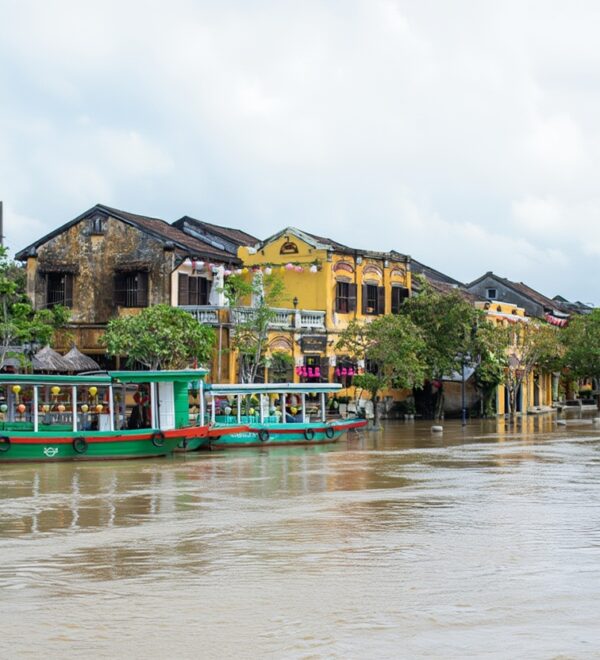
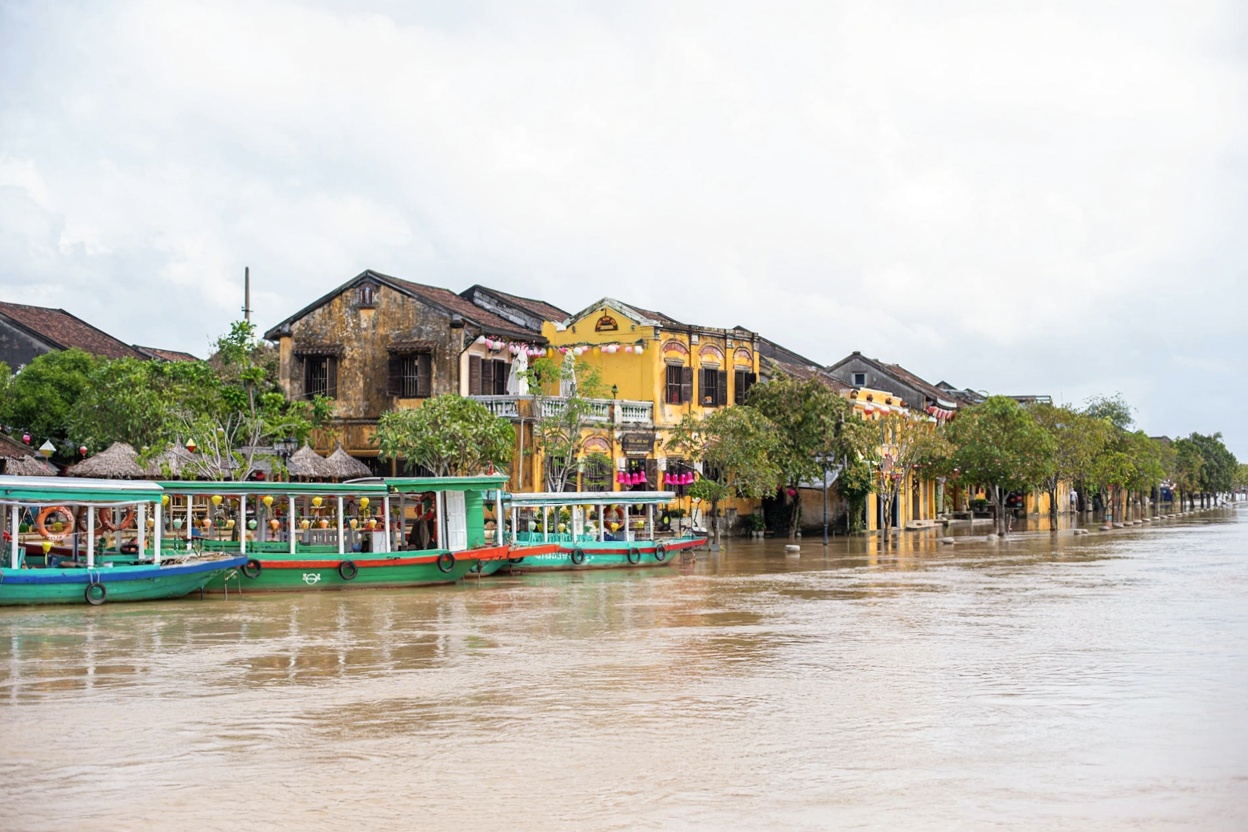
What I got was three days watching the Thu Bon River rise from my guesthouse window. The Ancient Town streets turned into shin-deep canals by day two. The restaurant I’d planned to eat at was sandbag-blocked. The street I’d wanted to photograph was underwater.
The floods don’t ruin every October visit. But they happen most years, and when they hit, they hit fast.
Here’s the honest month-by-month version nobody posts because it might cost them a commission. For everything else about the town, our Hoi An travel guide covers accommodation, food, and getting around.
The Short Answer: When to Go and When to Skip It
✓Quick Answer
Best: February–April (dry, mild, walkable). Good: May–June (hot but crowd-free). Risky: September, December. Avoid: October–November. January and August are workable with low expectations.
Hoi An sits below sea level on a flood plain where the Thu Bon River meets the sea. The town floods. Most years. The question isn’t whether it floods — it’s how deep.
In a bad year, like 2020 or 2025, water levels in the Ancient Town hit 1–2 metres. In the worst year on record (1999), it reached over 4 metres. In 2025, a Reddit thread with 535 upvotes documented water rising 9 feet in parts of Hue and Hoi An, with locals trapped in second-floor rooms for five days waiting for the dams upstream to stop releasing.
The dams matter. Upstream reservoirs in Quảng Nam province release water during typhoons to prevent dam failure. That release reaches Hoi An a few hours later. It’s not just rain — it’s controlled flooding on top of natural flooding, and it happens with limited warning.
⚠Real Talk
Every “best time to visit Hoi An” guide lists October as “shoulder season — fewer crowds, lower prices.” That’s accurate. It omits that the reason there are fewer crowds is that the town floods in October. Prices are lower because demand drops when streets become canals. Know the trade-off before you book. For the full picture on what to see and do, our Hoi An things to do guide covers the Ancient Town, day trips, and activities by season.
Month-by-Month: What Hoi An Actually Looks Like
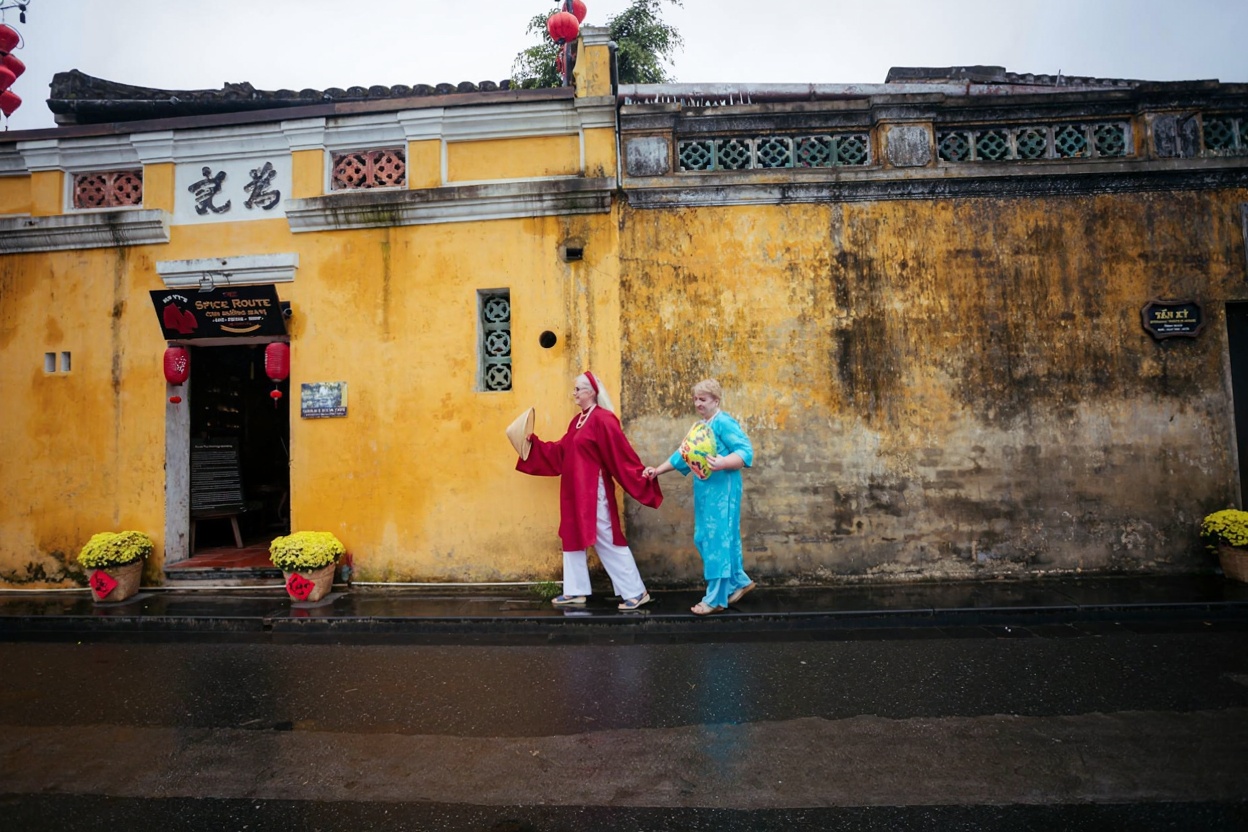
January: Cool by Vietnamese standards (18–23°C), occasionally rainy, post-Tết lull in tourists. The weather is unreliable — half-sunny, half-grey. Not bad for exploring the Ancient Town on foot. Beach weather is gone. A Da Nang local on Reddit: “Da Nang and Hoi An will be rainy most days but if you’re lucky you can catch some sunny days, but it gets cold so no beach going or swimming — trust me, I’m from Da Nang.”
February: The season turns. Dry weather settles, temperatures climb to 24–28°C, and the light over the Old Town goes golden-hour from about 4pm onward. Tết (Vietnamese Lunar New Year) falls in late January or early February — Ancient Town is spectacular during Tết but accommodation books out weeks ahead. This is the start of peak tourist season.
March: The best single month to visit Hoi An. Dry, 26–30°C, low humidity, full moon lantern festivals at their most atmospheric, and the beach at Cửa Đại is reliably swimmable. Crowds are present but not overwhelming. Book accommodation 4–6 weeks ahead.
April: Still excellent. Temperatures push toward 32°C by the end of the month. There’s a secondary wet spell that catches people off guard — not monsoon-level rain, but 2–3 days of intermittent showers. Overall still dry and very good. Some guides list April as the end of the best period; in practice it extends comfortably into early May.
May–June: Transition period. The rains start building but the dry-to-wet shift is gradual in central Vietnam. Temperatures hit 32–34°C. Humidity rises noticeably. The tourist crowd thins significantly — you’ll have restaurants to yourself that were packed in March. Prices drop 20–30% on accommodation. Beach still usable. This is the underrated window: still functional weather, dramatically fewer people.
July–August: Hot. Very hot. 33–35°C with high humidity, and August brings the start of typhoon season. The beach is swimmable when there’s no storm system near the coast. Crowds are lighter than February–April. If you can handle the heat, it’s viable. Typhoon risk increases toward August — check forecasts.
September: Rain picks up, typhoon risk real, occasional flooding starts. Fewer crowds, noticeably cheaper. Viable if you accept the weather gamble and watch forecasts. The Ancient Town won’t flood every week in September, but the risk window is open.
October–November: The months to avoid. Period. Typhoon season peaks, the Thu Bon River reliably overflows, and the Old Town floods most years. When the flood comes, it comes fast — sometimes overnight. Roads in and out close. Some guesthouses have boats. This is not an exaggeration — there are well-documented Reddit threads of travellers stuck for 3–5 days, watching water levels from their second-floor windows.
December: The end of flood season but the weather remains unpredictable. Cold by Vietnamese standards (18–24°C), intermittently rainy, and beach weather is unreliable. Christmas and New Year bring a surge in Western tourists — the Ancient Town fills up and accommodation prices spike 40–60%. One long-term visitor on Reddit: “The last time I was in Hoi An in December, it was flooding.” Most years it isn’t. But it happens.
The Flood Reality — What Actually Happens
Hoi An’s flooding is not like monsoon flooding elsewhere. It doesn’t gradually creep up over days. In a bad year, the river can rise a metre in 12 hours after upstream dam releases combine with typhoon rainfall.
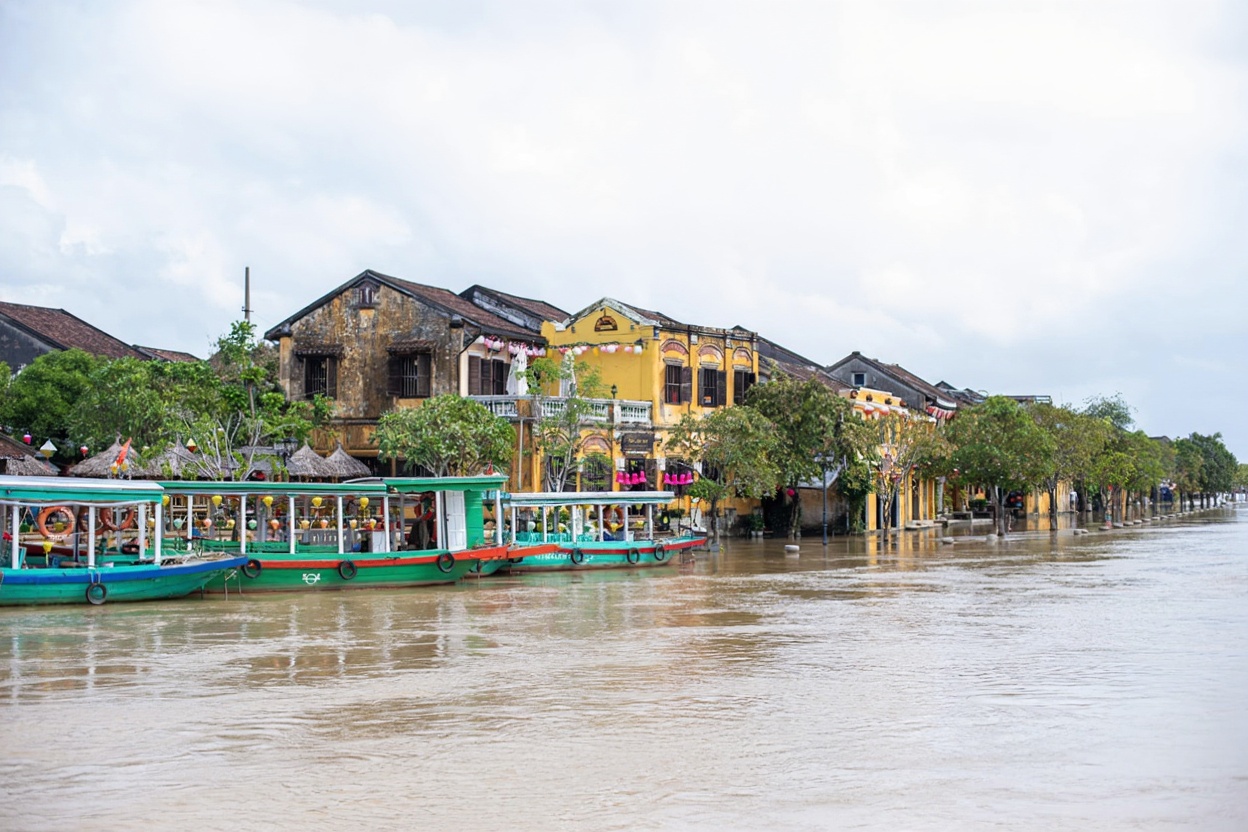
From a Reddit account during the 2025 floods — a traveller in Hue, 60km north: “Some areas, water rose 9 feet. My relative was trapped in the second story of her home for the last five days. Said last time it flooded like that was 25 years ago. This morning the water noticeably subsided but this evening the flooding is coming back. Besides the rain, there’s apparently dams upstream that have to dump their water.”
That’s the thing about the dams. Hồ Chứa Nước A Vương and other upstream reservoirs release water during storm events to prevent structural failure. The release is announced, but the announcement-to-arrival window in Hoi An is a few hours. If you’re in the Ancient Town when the water rises, your options narrow fast.
ℹKnow Before You Go
If you’re visiting in September, October, or November: check the Hoi An Now Facebook page before and during your trip. Local updates on road closures, flood levels, and which areas are affected. This is what residents and long-term expats actually use — not international weather apps, which underestimate local rainfall patterns significantly.
Most guesthouses in the Old Town have dealt with flooding for generations. The ground floors are tiled and easy to clean. Staff move valuables upstairs. If you’re staying in a place with a second floor, you’re not in danger — just inconvenienced for a day or two. The real problem is that everything you came to do is underwater.
Peak Season: The Crowd and Price Reality
February to April brings the best weather and the most tourists. The lantern festival nights in March look like scenes from a film — because they’re being filmed, by hundreds of people simultaneously.

Practically: the Ancient Town between 10am and 4pm in peak season is shoulder-to-shoulder. Restaurants have queues. The tailors on Lê Lợi will quote you 30% more than they would in June. Accommodation on the Old Town side of the river books out 3–4 weeks ahead for anything decent under $60/night.
The counter-move: go in May or early June. The weather is hot but the tourists aren’t there. A guesthouse that costs 700,000 VND (~$28) in March costs 450,000 VND (~$18) in June. The Ancient Town early morning — 7–9am — is always quiet regardless of month, but in June it stays quiet until noon.
→Who It’s For
Peak season (Feb–Apr) is right for first-timers who want reliable weather and the full Hoi An experience without compromise. Shoulder season (May–Jun) is right for anyone who’s been to Vietnam before, is heat-tolerant, and wants a version of Hoi An where you can actually sit at a café without competing for a table.
What To Do If You Arrive During Flood Season
If you’re already booked, already in Hoi An, and the water is rising — here’s what actually matters.
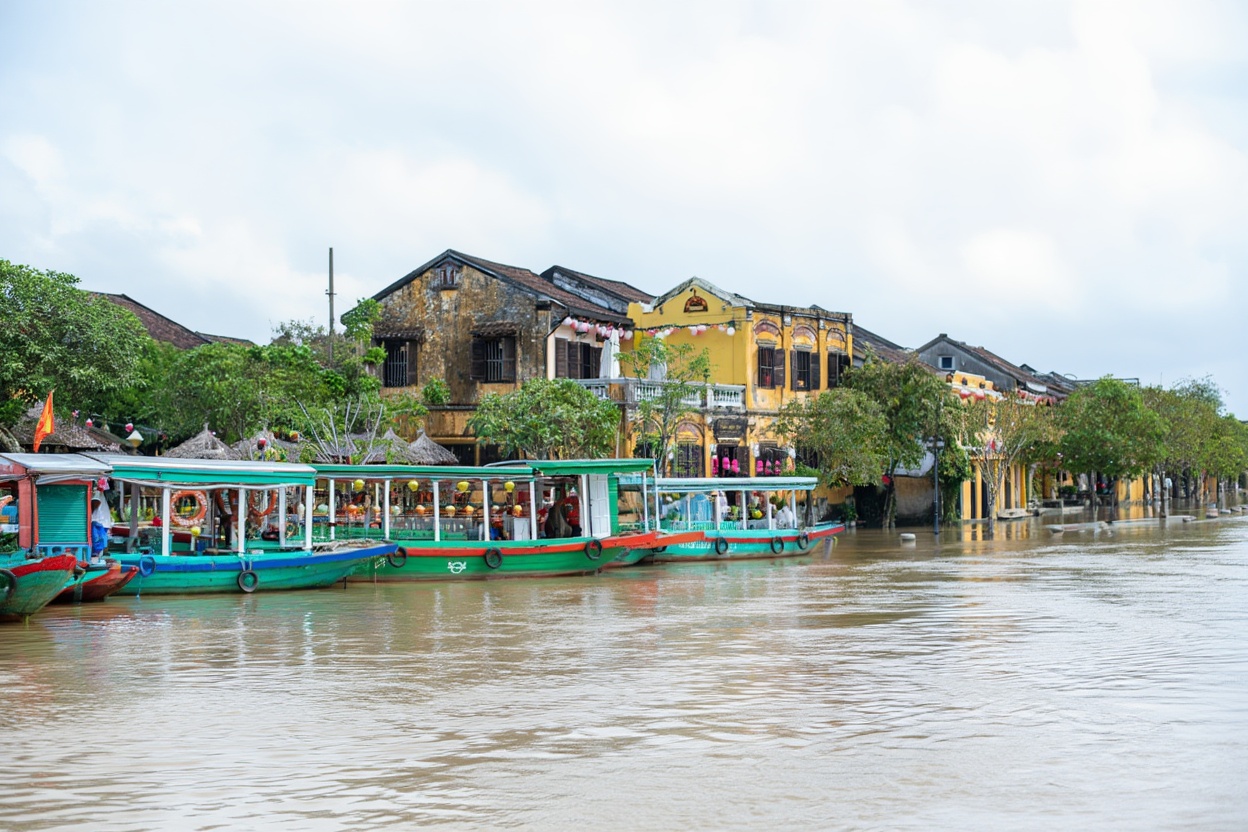
Check flood levels before leaving accommodation. The lowest-lying streets flood first — Trần Phú, Bạch Đằng, and the riverfront. Higher streets in the Old Town (Nguyễn Thị Minh Khai, Phan Châu Trinh) flood later and less severely. Ask your guesthouse staff which streets are passable — they know the town’s topography better than any map.
Klook has the widest selection for Vietnam and is usually the cheapest. KKday is strong on day trips and local experiences.
ime it’s relevant.
Your guesthouse won’t refund you for weather. Travel insurance that covers trip disruption is worth having if you’re visiting September through November. Standard travel insurance covers cancelled flights; fewer policies cover “stuck in hotel because the streets flooded.” Read the policy before you need it.
Day trips still work when the Old Town floods. My Sơn Sanctuary is 30km inland and higher ground — it doesn’t flood. Trà Quế vegetable village floods, but less severely than the Old Town. Da Nang beaches drain quickly. If you’re stuck for a day, rent a motorbike and head inland or north.
↗Insider Tip
The best flood information in real time comes from locals, not weather apps. The Hoi An Now Facebook page posts flood updates, road closures, and water level reports during storm events. Follow it the week before you arrive in any month from September to December.
Hoi An by Season: What You Can Actually Do
The weather affects more than comfort — it determines which activities are viable.

Ancient Town exploration works year-round but is best February–April and September–early October (before the floods). In peak heat (July–August), go early morning or late afternoon — the stone streets trap heat and midday is brutal. In light rain it’s actually atmospheric; in heavy rain or flooding, the Old Town closes effectively.
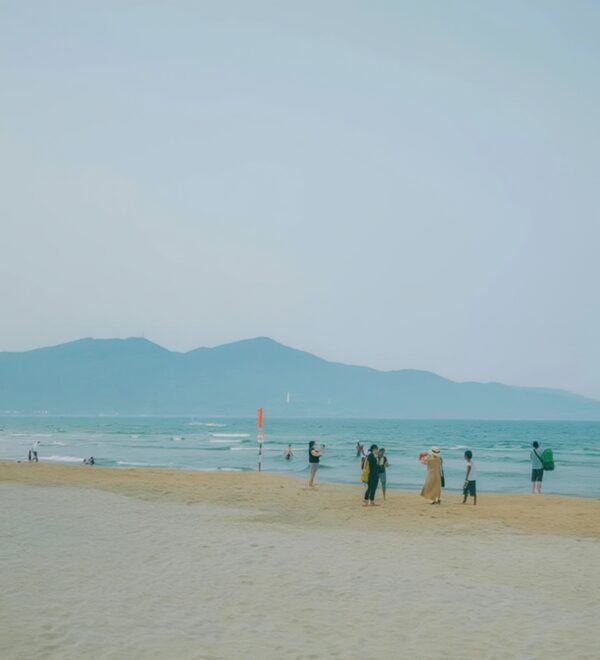
Beaches (Cửa Đại, An Bàng) are swimmable March–August. September through February: cold, rough, or both. The beaches 5km east of the Ancient Town don’t flood, but they’re not swimable in cool or stormy weather. An Bàng Beach is calmer than Cửa Đại in choppy conditions.
Cycling to Trà Quế village — the 2km ride through rice paddies is genuinely beautiful from February through June. July onwards it gets hot enough to make the 15-minute ride unpleasant in the middle of the day. October through November the paddies are waterlogged and the paths are muddy.
Coconut basket boats at Cam Thanh run year-round but are best in the dry season. After heavy rain, the coconut forest is murkier and the guides work harder in the current. Still worth doing in light rain — the forest atmosphere is good in overcast conditions. Don’t go immediately after a typhoon.
Tailors operate year-round and are less busy in shoulder season (May–June, September). If you need multiple fittings over 3–4 days and want the tailor’s full attention, avoid arriving the week before Tết or peak holiday weeks when shops are overwhelmed with orders.
My Sơn Sanctuary day trips are best in dry season (February–May) when the jungle paths are dry and the ruins aren’t slippery. The site stays open in light rain; it closes in extreme weather or if the access road floods. Morning visits (depart 8am from Hoi An) avoid both midday heat and afternoon tour groups.
→Who It’s For
If your trip is primarily about the Ancient Town and food — any month from February through June works. If beaches are essential — March through August only. If you want cheap accommodation and don’t mind heat — May through August. If you specifically want the lantern festival atmosphere — the full moon nights in March and April hit differently when the streets aren’t crowded.
How Far Ahead to Book Hoi An Accommodation
The booking window matters more in Hoi An than almost anywhere else in Vietnam because the good Old Town guesthouses are small — 8 to 15 rooms — and they fill up weeks ahead during peak season.
February–April (peak): Book 4–6 weeks ahead for anything decent under $60/night inside the Old Town. The $20–30 range outside the Old Town has more availability but still fills up for Tết weekend and the March–April period. If you’re arriving around Tết (late January or early February) and haven’t booked by December, you’re taking what’s left.
cellations spike and the places that didn’t flood last year fill with displaced guests from the Old Town. Keep a plan B in Da Nang for this window.
December–January: Christmas and New Year week (Dec 22–Jan 3) books out fast — 4–6 weeks minimum. Early and mid-December is more relaxed. Tết approaching in late January tightens availability again.
ℹKnow Before You Go
Most small Hoi An guesthouses don’t enforce cancellation policies as strictly as large hotels. If you’re visiting in a typhoon-risk month, ask the property directly about their weather cancellation policy before booking. Many will allow changes without penalty if a flood event is officially declared — but it needs to be agreed in advance, not negotiated after water is coming under the door.
Two things worth sorting before you land: a Vietnam eSIM so you have data the moment you clear customs, and travel insurance — medical costs for uninsured foreigners in Vietnam are significant.
Airalo eSIMs activate instantly. Buy before departure — airport SIM queues in Vietnam can take 30+ minutes.
Frequently Asked Questions
Does Hoi An flood every year?
Most years, yes — to some degree. Minor flooding (10–30cm in the lowest streets) happens almost every October and November. Significant flooding that affects the Ancient Town (50cm–2m) happens in most years with a major typhoon or dam release event. A year with no flooding in Hoi An is the exception, not the rule. The variance is in how deep and how long — a day of minor flooding clears fast; a multi-day flood event from combined typhoon and dam release can last 3–5 days.
Is Hoi An worth visiting in December?
Possibly, with adjusted expectations. The flood season is winding down but not fully over. Temperatures drop to 18–24°C — cool enough to need a light jacket, too cold for reliable beach weather. The Ancient Town is walkable and the Christmas week atmosphere is lively (though crowded and expensive). If your dates are fixed in December, go — just don’t plan the trip around beach days or guarantee-dry weather. Check forecasts the week before.
When is the cheapest time to visit Hoi An?
May through August — after peak season ends and before Christmas. Accommodation prices drop 20–40% compared to February–April. The trade-off is heat (32–35°C) and higher humidity. September and October are even cheaper but flood risk makes them a bad deal for most travellers. The best value window is May–June: post-peak prices, pre-flood weather, and the Ancient Town is actually navigable without crowds. Book direct with guesthouses rather than through OTAs during low season — negotiated rates can be 15–25% lower than listed.
What’s the weather like during the Hoi An lantern festival?
The lantern festival happens every full moon — 14th day of the lunar calendar — year-round. The best weather for it runs February through April: warm evenings (22–26°C), dry streets, and the light on the river at dusk is genuinely worth the trip. The worst is October–November: you can still release lanterns in the rain, but flooding may have closed parts of the Old Town. The festival happens regardless of weather — the question is whether the conditions support spending the evening outside.
Is Hoi An better than Da Nang in terms of weather?
The weather patterns are almost identical — they’re 30km apart. The difference is flood risk: Hoi An sits lower and on a river flood plain, so it floods more severely than Da Nang during typhoons. Da Nang’s beaches drain quickly; Hoi An’s Old Town streets don’t. If you’re visiting central Vietnam in October or November and want to hedge your bets, staying in Da Nang and day-tripping to Hoi An lets you exit if flooding closes roads. See the full Hoi An travel guide for where to base yourself.