Updated: May 2026 | By Jake Morrison
There’s a museum in Saigon that will follow you home.
Not in a ghost-story sense. In the sense that you’ll be on a bus to Hội An three days later and something you saw on the third floor will surface without warning. A photograph. A face. A number — 400,000 kilograms of Agent Orange dropped on this country over ten years. You’ll stare out the window for a while.
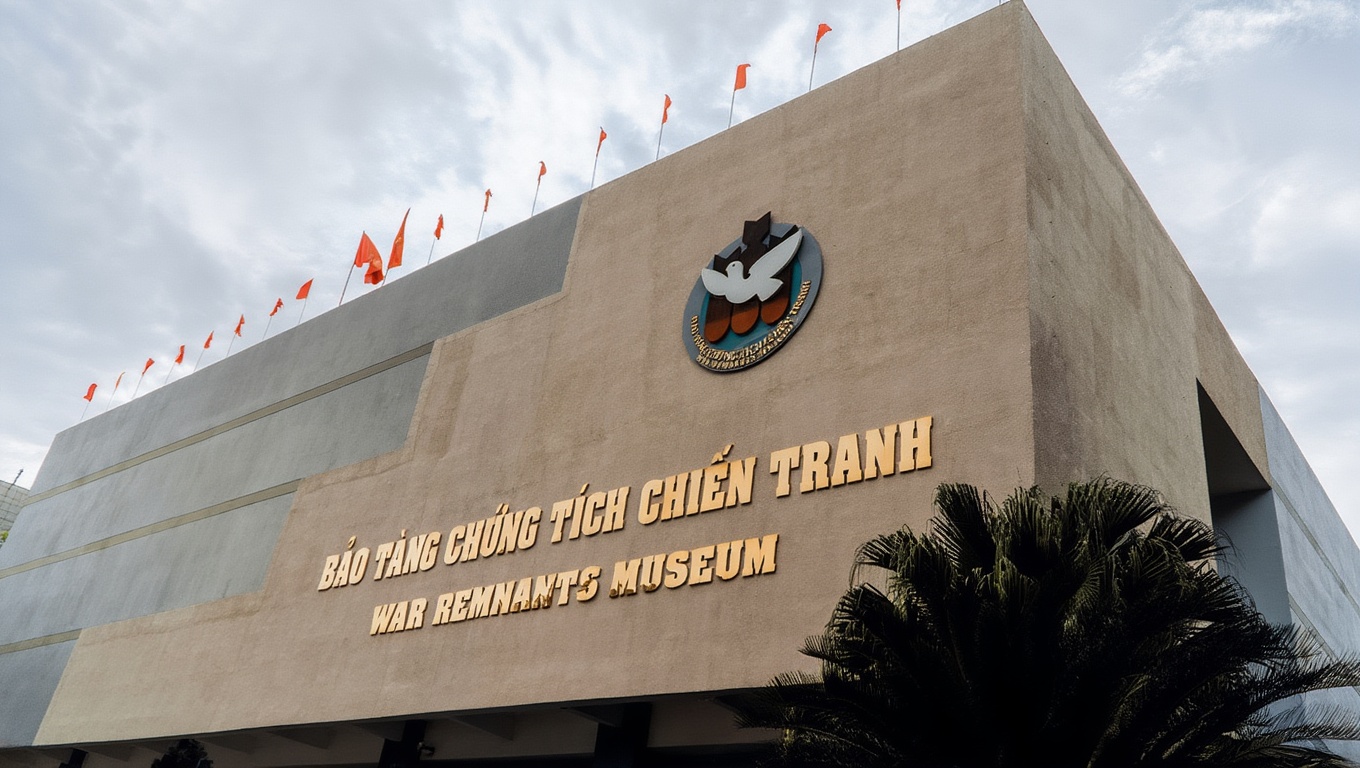
I’ve been here three times. The first time I rushed it because someone in my group wanted to get to the outdoor aircraft by noon. The second time I went back alone and spent two and a half hours. The third time I brought someone who didn’t know what they were walking into and watched them stand in silence on the Agent Orange floor for ten minutes.
Here’s what you need to know before you go.
The Basics
Address: 28 Võ Văn Tần, District 3 (10.7797° N, 106.6926° E)
Hours: Daily 7:30am–5:30pm (last entry 5pm). Closed the first Monday of each month.
Ticket: 40,000 VND (~$1.55) at the gate — no pre-booking required. Audio guide: 50,000 VND (~$1.90) extra. Opinions vary on whether it’s worth it — the exhibits are well-captioned in English and Vietnamese, but the audio adds context on specific photographs.
Time needed: 2–3 hours to do it properly. 45 minutes if you’re treating it as a quick stop. The second approach wastes the admission.
ℹKnow Before You Go
Tour groups arrive between 9:30–10:30am and fill the building fast. The Agent Orange floor on the third level becomes genuinely difficult to move through by 11am. Go at 7:30am opening — you’ll have most of the first floor to yourself for 45–60 minutes.
The Courtyard — Start Outside
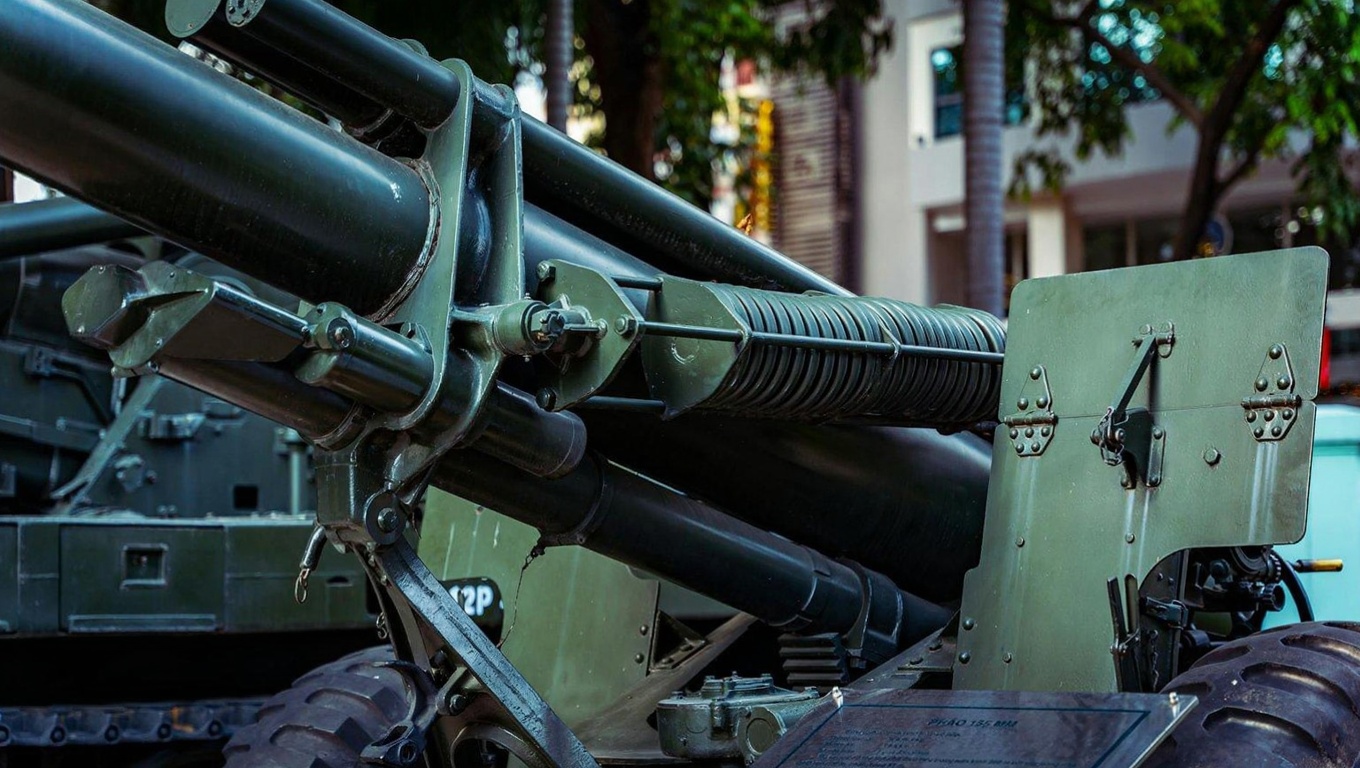
Before entering the building, walk the courtyard. It’s lined with American military equipment captured at the end of the war: M48 Patton tanks, F-5A fighter jets, UH-1 Huey helicopters, howitzers, a Cessna spotter plane. All real, all close enough to touch.
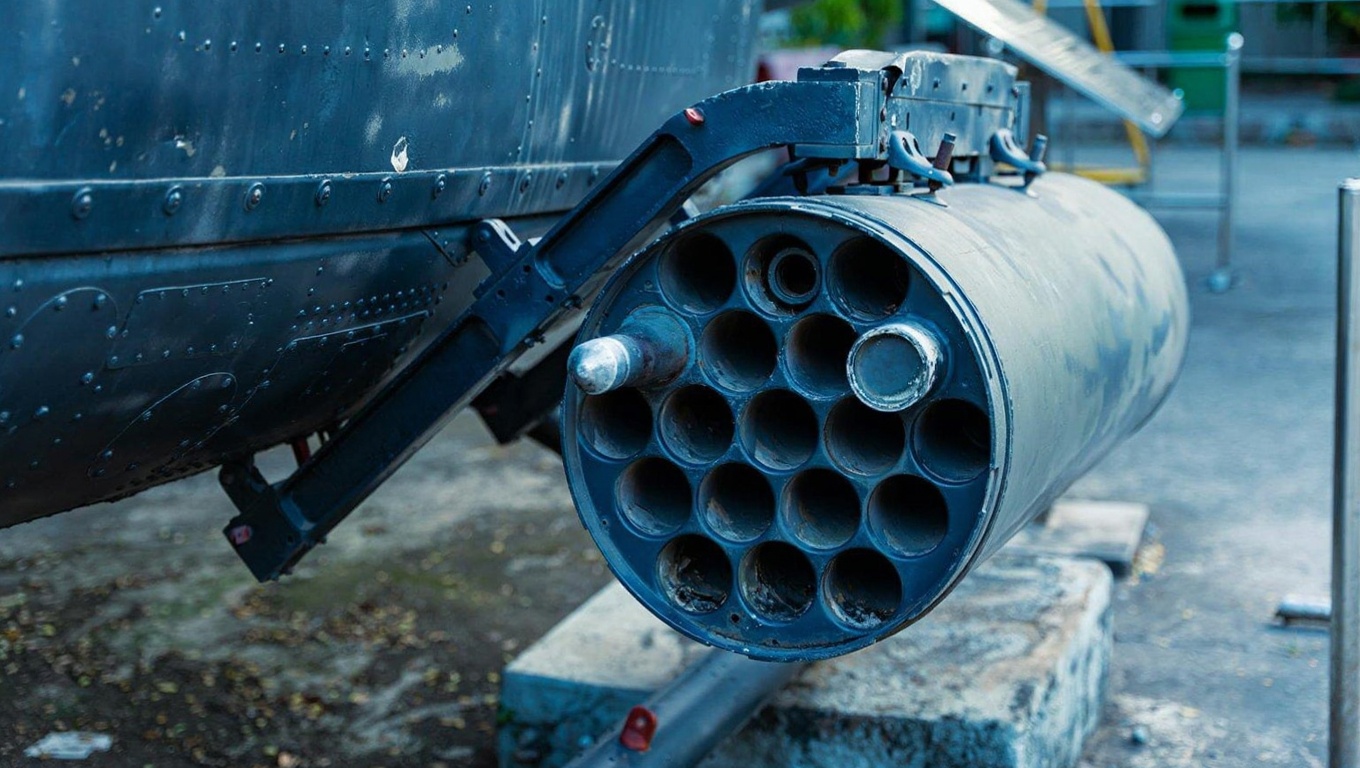
This is where most of the Instagram photos happen — people posing beside the helicopter, standing on the tank. That’s fine. But take a moment to actually look at the scale of this equipment before you go inside. The war that produced the exhibits on the upper floors was fought with machinery this size. It recalibrates something.
The Tiger Cages replica is also in the courtyard — a reconstruction of the isolation cells used in Côn Đảo (say: cone dao) prison during the war. Read the signage before moving on.
The Tiger Cages — What They Actually Were
Côn Đảo prison, on an island 230km southeast of Saigon, held thousands of political prisoners under both French colonial and South Vietnamese administrations. The Tiger Cages — stone cells roughly 2.7 meters by 1.5 meters, roofless, with iron bars overhead — confined prisoners in isolation. Guards stood on the bars and used poles to control prisoners below. Minimal food, no sanitation, no medical attention.
The cells were exposed to American journalists in 1970 — Tom Harkin, then a Congressional aide, photographed the conditions and the images ran in Life magazine. The photographs accelerated pressure for prisoner treatment reform and became one of the documented cases of war crimes associated with the South Vietnamese government and its American backers.
The museum’s replica is accurate in scale. Crouching inside gives you a spatial understanding that no photograph does. It’s a small, low, airless space. Prisoners were held there for months. Some for years.
A Tripadvisor reviewer described this section as “another very confronting and sobering part of the experience.” That’s understated. Spend time here before going inside the building.
Ground Floor — Aggressive War Crimes Gallery
The ground floor is the hardest to read and the one most people walk through too quickly. It covers the documented war crimes of the American War: the My Lai massacre (504 civilians killed on March 16, 1968), Operation Rolling Thunder, napalm strikes, the Phoenix Program.
The photographs are large-format black and white. The captions are direct. There’s no softening language. This is the museum telling you what happened on Vietnamese soil, and it is not interested in both-sidesism.
One Tripadvisor reviewer described it as “confronting and quite powerful” — accurate and insufficient. One r/VietNam traveler was more direct: “Best museum I ever went to, genuinely made me cry.”
⚠Real Talk
The museum tells this war from the Vietnamese perspective. The former names of the building — it was called the “Museum of Chinese and American War Crimes” until 1993 — make the original framing clear. Go in knowing this is not a neutral institution. It’s a record of what happened to the people who lived here, told by those people. That context doesn’t make it less honest — it makes it more so. Expecting a “balanced” account from a country that lost an estimated 2 million civilians to this war is an odd thing to expect.
Second Floor — Requiem: The Photojournalists
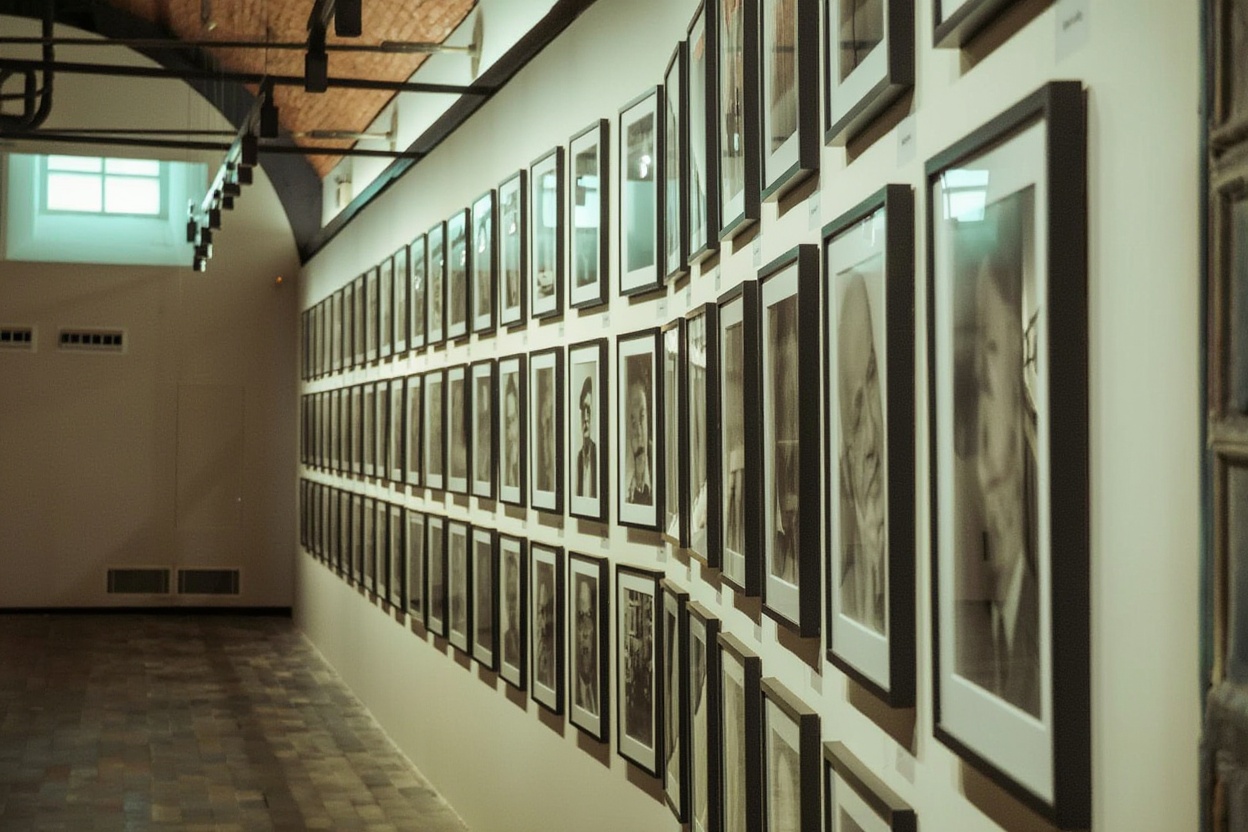
This floor is different in tone from the rest of the museum. The Requiem collection honors the photojournalists — from both sides — who died covering the war. The photographs are theirs: Henri Huet, Larry Burrows, Dana Stone, Sean Flynn, dozens of others.
The quality of the images is extraordinary. These are the photographs that changed how Western audiences understood what was happening in Southeast Asia. Eddie Adams’ 1968 execution photograph. Nick Ut’s Napalm Girl. The full context of both images is here, along with hundreds of frames that never made front pages.
Allow 45 minutes here minimum. This floor is why the audio guide is actually useful — the curators have added context about specific photographers and specific moments that isn’t in the wall text.
★Jake’s Pick
The Requiem floor. I’ve stood in front of the same photograph three times across three visits and it still stops me. The photojournalists who died here weren’t soldiers. They came to document what was happening and didn’t leave. The collection honors that in a way I haven’t seen done better anywhere.
Third Floor — Agent Orange Gallery
This is the floor people are warned about, and the warnings are correct.
Agent Orange (dioxin) was sprayed across southern Vietnam between 1961–1971 — approximately 76 million liters of herbicide, contaminating soil and water for generations. The Vietnamese Red Cross estimates 3 million Vietnamese continue to suffer health effects. Birth defects caused by dioxin exposure persist into the third and fourth generation.
The gallery documents this through photographs, medical records, and preserved specimens. The photographs of affected children are the hardest things in the museum. They are not gratuitous — they are documentation. But they are not easily forgotten.
One r/VietNam visitor was direct: “Some of the exhibits — particularly those to do with Agent Orange — can be very upsetting. I’d recommend not visiting right after lunch.”
I’d add: don’t rush this floor, don’t look at your phone on this floor, and don’t treat it as a box to check before the outdoor aircraft. It’s the floor the entire museum is built around.
→Who It’s For
Everyone who comes to Vietnam and wants to understand what happened here. The Agent Orange floor specifically is not for children under about 12 — the photographs are medically graphic. Parents should preview before bringing kids. Everything else in the museum is appropriate for older children and teenagers.
What the Museum Is — and Isn’t
The War Remnants Museum is not a comprehensive history of the Vietnam War. It does not include significant coverage of North Vietnamese or Viet Cong war crimes, the ARVN perspective, or the full complexity of why the war began. The framing is explicit: this is the war as experienced by the people of Vietnam under foreign military intervention.
One r/VietNam commenter noted: “Look up the former names for the War Remnants Museum. Museums dealing with recent events — 50 to 75 years — aren’t going to be a great place for objective history.”
That’s fair. But “objective history” from an institution built to document what napalm did to Vietnamese villages is a category error. You don’t go to Auschwitz expecting a balanced account of 1940s German foreign policy. You go to bear witness. This museum operates on the same principle.
A Brief History of the Museum Itself
The museum opened in September 1975, four months after the fall of Saigon. Its original name was the Exhibition House for U.S. and Puppet Crimes — later renamed the Exhibition House for Crimes of War and Aggression, then the Museum of Chinese and American War Crimes (1979), and finally, after normalization of U.S.-Vietnam relations began in 1993, renamed to simply the War Remnants Museum.
The name changes track Vietnam’s political relationships more clearly than any diplomatic communiqué. When the museum opened its current English-language name in 1995, the U.S. and Vietnam were moving toward restored diplomatic ties. The “war remnants” framing — objects left behind, evidence of what happened — was a deliberate shift from the accusatory language of the original name.
What didn’t change: the photographs, the Agent Orange documentation, the Tiger Cages. The content has remained substantially consistent since 1975. The framing softened. The evidence didn’t.
The museum now receives over 500,000 visitors annually — one of the most visited museums in Vietnam. A significant proportion are American veterans or their descendants, many coming specifically to reckon with what happened here. The guestbook at the exit has entries from veterans, children of veterans, and Vietnamese diaspora from across the world. It’s worth reading a few pages before you leave.
The Photojournalism Context — Why It Matters
The photographs in this museum changed history in a way few collections of images have. The photographs published from Vietnam between 1964–1975 shifted American public opinion against the war — not immediately, not completely, but measurably. Eddie Adams’ Saigon Execution (1968), Nick Ut’s Napalm Girl (1972), and the work of hundreds of other photographers created a documentary record that governments couldn’t simply redact.
Twenty-one photographers featured in the Requiem collection died while covering the war. Their equipment — cameras, films, press credentials — is displayed alongside their work. The youngest was 17 years old.
What makes this collection distinct from a standard war photography exhibition is the framing: these are images from both sides, by photographers from multiple countries, unified by the fact that they all died here. The North Vietnamese photographers who covered the same conflict from the other side are represented alongside the Western press corps. The war looked different depending on which side of the line you were standing on. The museum shows you both views and leaves you to reconcile them.
Getting Here, Crowds, and Practical Notes
The museum is in District 3, a 15-minute walk or 5-minute Grab from the Reunification Palace. The two make a natural pairing — do Reunification Palace when it opens at 7:30am (closes at 11am for lunch), then walk to the War Remnants Museum at 1:30pm when it reopens.
Grab Bike from Ben Thanh: ~20,000 VND (~$0.75), 8 minutes. Grab Car: ~50,000 VND (~$1.90). Walking from Reunification Palace takes about 15 minutes along Nam Kỳ Khởi Nghĩa Street.
Crowds: The museum is busiest 9:30am–1pm, when group tours fill the building. The Agent Orange floor — already the most emotionally demanding — is shoulder-to-shoulder by 10:30am. Go at 7:30am or after 2:30pm. The late afternoon is particularly quiet.
Photography: Photography is permitted throughout the museum. Some visitors photograph every exhibit; others put the camera away entirely after the first floor. Both responses are valid. The outdoor hardware gets the most camera attention; the upper floors tend to produce more thoughtful visitors.
Audio guide: Available at the entrance for 50,000 VND (~$1.90). Divided opinions — the exhibit captions are comprehensive in English, and many visitors find the audio redundant. It adds value specifically on the Requiem floor, where the biographical context on individual photographers isn’t fully covered in the wall text.
After the museum: There’s a small café at the exit serving cold drinks and coffee. Sit for a few minutes before moving on. The museum hits harder than most people expect — give yourself a buffer before jumping in a Grab to the next stop on your list.
What I Got Wrong My First Visit
I was traveling with three other people and we’d collectively decided to “do the war museum” as a morning activity before lunch somewhere nice. That framing was already wrong.
We moved through the ground floor in about 20 minutes, stopped for photos in the courtyard, and by 11am one person in the group was ready to leave. I rushed the Agent Orange floor — genuinely rushed it, walking and reading simultaneously — because the group was waiting outside.
I went back the next afternoon alone. It took two and a half hours. I sat on a bench outside afterwards for thirty minutes, drinking a cold coffee from the exit café and not thinking about anything in particular.
The museum is too important to schedule around someone else’s lunch plans. Go alone, or go with someone who understands what they’re there for. Don’t treat it as a shared activity if the group isn’t aligned on what it means. And give yourself the afternoon afterwards — not because you’ll be devastated, but because you’ll want the time to process what you’ve seen at your own pace.
Two things worth sorting before you land: a Vietnam eSIM so you have data the moment you clear customs, and travel insurance — medical costs for uninsured foreigners in Vietnam are significant.
Airalo eSIMs activate instantly. Buy before departure — airport SIM queues in Vietnam can take 30+ minutes.
Frequently Asked Questions
How long does the War Remnants Museum take?
Budget 2–2.5 hours to see the main three floors properly. The Requiem photojournalism collection alone warrants 45 minutes. The Agent Orange gallery is similar. Add 20–30 minutes for the outdoor courtyard. Four hours is not excessive if you read everything. For everything else the city offers beyond this block, our Saigon travel guide covers the full picture.
Do I need to book tickets in advance?
No — buy at the gate, 40,000 VND (~$1.55) cash or card. No pre-booking required. The museum is open daily except the first Monday of each month. Arrive before 9am to avoid tour groups.
Is the War Remnants Museum appropriate for children?
Older children (12+) can handle most of the museum. The Agent Orange floor has medically graphic photographs — parents should preview before deciding. The outdoor military hardware and ground floor photojournalism are generally appropriate for younger children with adult context.
What’s the difference between the War Remnants Museum and the Reunification Palace?
They tell different parts of the same story. The Reunification Palace is about the fall of Saigon — a preserved political building, architectural, slower-paced. The War Remnants Museum is about what the war did to the Vietnamese people — emotional, photographic, heavier. Both are worth doing. Combined, they give you a more complete picture than either one alone. See our full Saigon things to do guide for how to sequence both in one morning.
Is the museum biased?
Yes — it tells the war from the Vietnamese perspective. This is intentional and appropriate. The museum documents what happened to Vietnam during the war: 2 million civilian deaths, widespread use of chemical weapons, decades of environmental contamination. A museum built by the survivors of those events is not going to present a neutral view of them. Go in knowing this. It doesn’t make what you see less true.
Is the War Remnants Museum worth visiting if I’m not interested in military history?
Yes — this isn’t primarily a military history museum. The military hardware in the courtyard is context, not the point. The core of the museum is documentary photography and human impact: what the war did to families, villages, and bodies. The Agent Orange gallery in particular is medical and generational history. You don’t need to care about military strategy to be affected by it.
Should I visit the War Remnants Museum before or after the Reunification Palace?
Do Reunification Palace first — it opens at 7:30am and closes at 11am for lunch. The War Remnants Museum reopens at 1:30pm. This gives you an hour or two in between for food or a rest. Don’t schedule the War Remnants Museum immediately before the Reunification Palace — the War Remnants Museum hits harder and you’ll want time to decompress. The Reunification Palace is architecturally interesting but emotionally lighter; save it for the morning when you’re fresh.
Can I combine the War Remnants Museum with other D3 attractions?
Yes. The HCMC Museum of Fine Arts (97A Phó Đức Chính, D1) is 15 minutes by Grab and provides a strong tonal contrast — Vietnamese art from pre-colonial through contemporary, no war framing, genuinely beautiful building. Good for resetting after a heavy morning. The Jade Emperor Pagoda is 10 minutes further north — an active Taoist temple that represents a completely different dimension of Vietnamese culture and is free to enter. Ben Thanh Market is walkable from there if you want to end the day with something entirely different: noise, haggling, and overpriced souvenirs you didn’t know you wanted. Give yourself the whole morning for the War Remnants Museum — it earns the time. If you have more time in the city, our Saigon day trips guide covers the best escapes within a few hours of the center.
FAQ
Is the War Remnants Museum worth visiting?
Yes — it’s one of the most powerful museums in Southeast Asia. The exhibitions on Operation Ranch Hand defoliation, the Tiger Cages, and the photographic documentation of the war are genuinely affecting. Plan 1.5–2 hours. It’s not comfortable viewing, which is the point. Many visitors say it was the most impactful experience of their Vietnam trip.
How much does the War Remnants Museum cost?
Entrance: 40,000 VND for adults, 20,000 VND for children under 15. Open daily 7:30 AM–6:00 PM (last entry 5:30 PM). Located at 28 Vo Van Tan Street, District 3 — a 10-minute walk from the Reunification Palace.
What floor is the War Remnants Museum’s most important exhibition?
The third floor houses the ‘Requiem’ exhibition — photographs by photojournalists from all sides who were killed covering the war. It includes work by Robert Capa, Larry Burrows, and Vietnamese photographers. The ground floor has the outdoor military hardware (helicopters, tanks, planes). The second floor covers the immediate aftermath including Agent Orange effects — the most disturbing content.
Is the War Remnants Museum biased?
Yes — it’s a Vietnamese government museum and the framing is explicitly from the Vietnamese-North Vietnamese perspective. Some exhibits use language and framing that’s not neutral (‘American imperialists’, etc.). This doesn’t make it inaccurate — the events depicted are documented and real — but visitors should understand they’re seeing one perspective. The photographic evidence speaks regardless of the framing.
Can children visit the War Remnants Museum?
The museum is genuinely disturbing, especially the Agent Orange and Tiger Cage sections. For children under 12, use your judgment — the content about chemical weapons effects on children is graphic and may be traumatizing. Teenagers and older children can handle it and may find it a significant educational experience. The outdoor military equipment section is child-appropriate.