
Last updated: — prices verified.
By Day 4 I had abandoned the spreadsheet entirely. By Day 10 I had moved my flight. By the time I left — five years later — I understood why everyone who gets Vietnam right the first time tends to say the same thing: the country gives you exactly what you make room for.
This is the guide I wish I’d had for a first time in Vietnam. Not a checklist. Not 47 things you “must” do. A framework for how to actually think about the country — so you come home having experienced it, not just having photographed it.
✓Quick Answer
For a first trip to Vietnam, pick one region and do it well: North (Hanoi + Ha Giang or Sapa + Ninh Binh, 10–14 days), North-Central (Hanoi + Ninh Binh + Hue + Hoi An, 12–16 days), or Full Country (all of the above + Nha Trang + HCMC, 3–4 weeks). The mistake is trying to do all three regions in under 2 weeks.
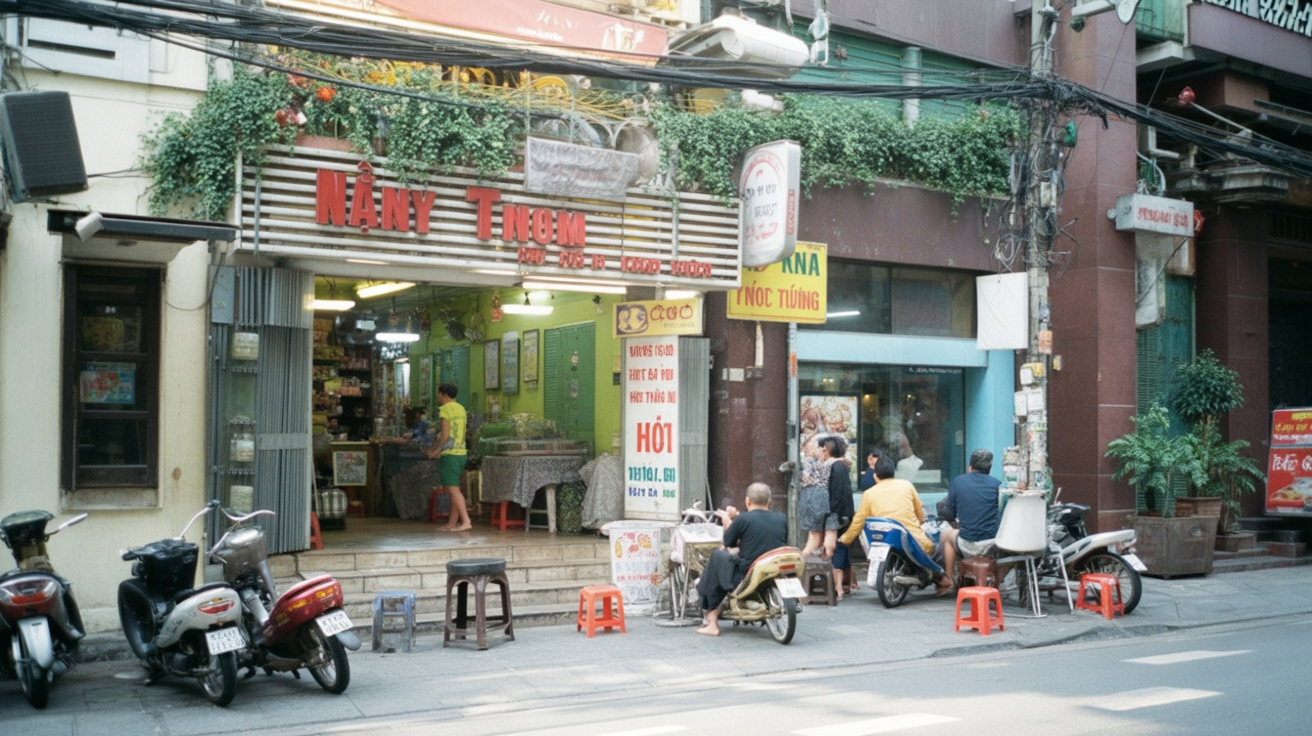
The Most Important Decision: Which Region?
Vietnam is 1,650km tip to tip. The country has three distinct regions — north, central, south — each with a completely different feel, climate, and pace. Your flight routing and time available should drive the decision, not FOMO.
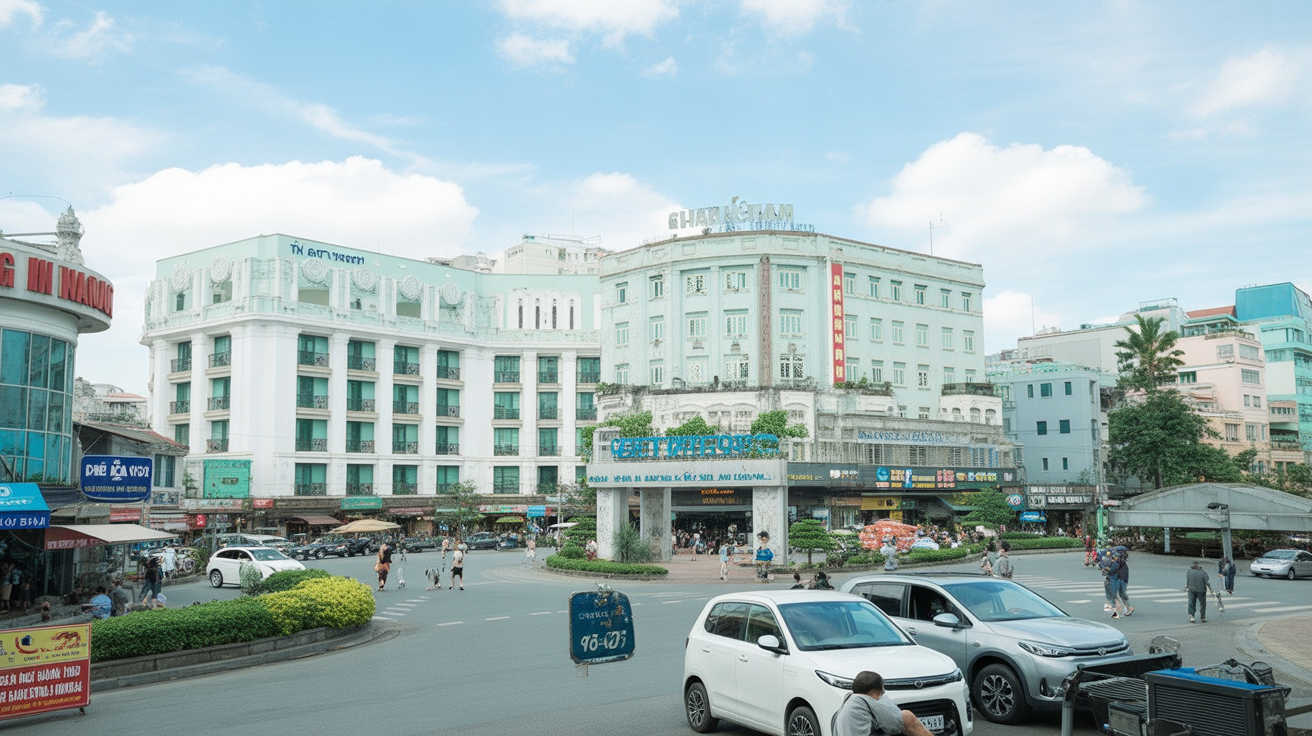
The Recommended First-Time Itinerary: North + Central (2 Weeks)
If I had to design the ideal first trip to Vietnam — one that gives you the highest density of genuinely different experiences without the logistical overload — it’s a 14-day north-to-central route: Hanoi, a northern detour (Ha Giang or Ninh Binh), then down to Hue and Hoi An.
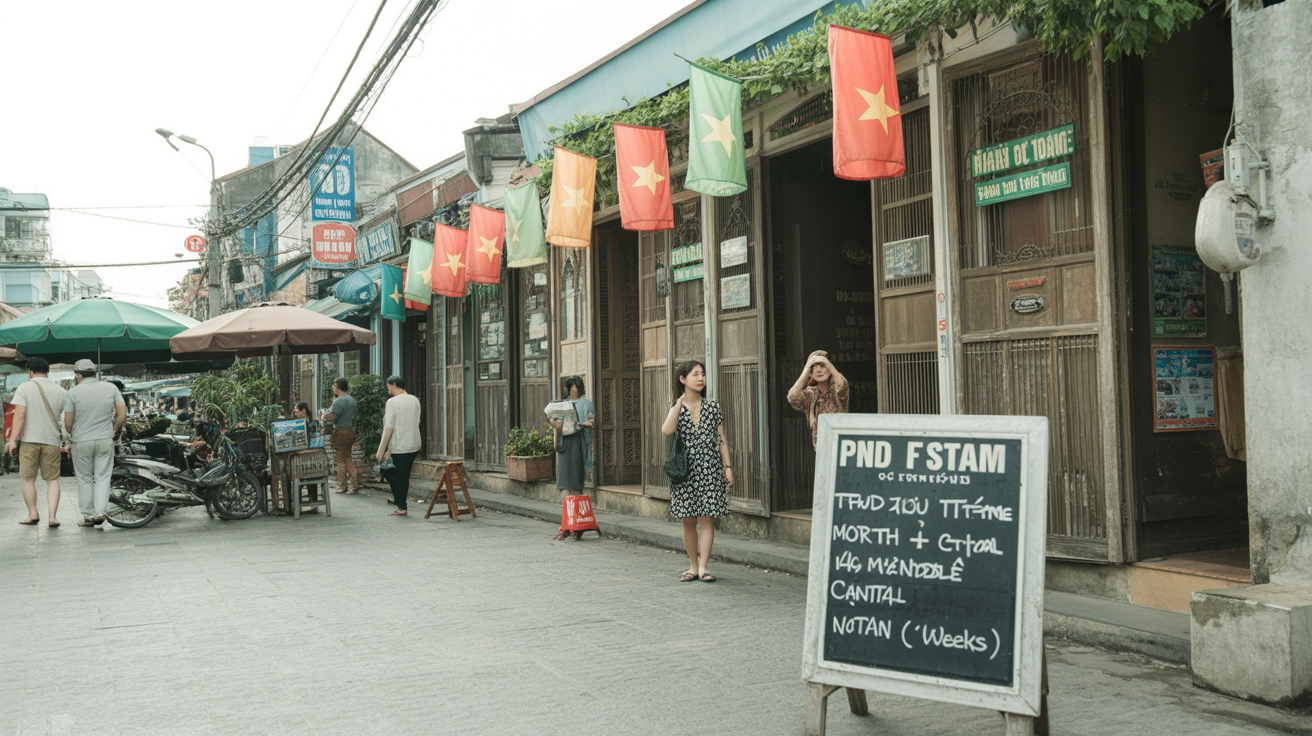
Days 1–3: Hanoi
Start in the Old Quarter and give yourself permission to be lost for the first day. The 36 Streets, Hoan Kiem Lake, a plastic stool in front of a bánh mì (say: ban mee) cart at 7am, a bia hơi (say: bee-ah hoy, street beer) bench at 6pm. Don’t try to accomplish anything. Let the city run its calibration.
Day 2: the museums. Hoan Kiem Lake neighborhood in the morning (walk, don’t Grab). Temple of Literature (Văn Miếu, say: van mew) in the early afternoon — 30,000 VND (~$1.20), worth two hours minimum. Day 3: decide whether you want to add a day or move on. Most people want to stay. For a deeper dive into what central Vietnam offers, the central Vietnam guide covers the full picture from Hue to Hoi An.
Sleep: dorm beds 100,000–300,000 VND (~$4–12) in good Old Quarter hostels. Private rooms from 600,000–800,000 VND (~$23–30) for budget options. Full Hanoi accommodation guide here.
↗Insider Tip
Book your Hanoi accommodation for 2 nights when you arrive and see how you feel before extending. Hanoi either grabs you or it doesn’t — don’t lock yourself into more days than you want from home.
Days 4–5: Ninh Binh — The Better Alternative to Ha Long Bay
Every first-time itinerary includes Ha Long Bay. I’m going to make a case for skipping it on your first trip — and doing Ninh Binh instead.
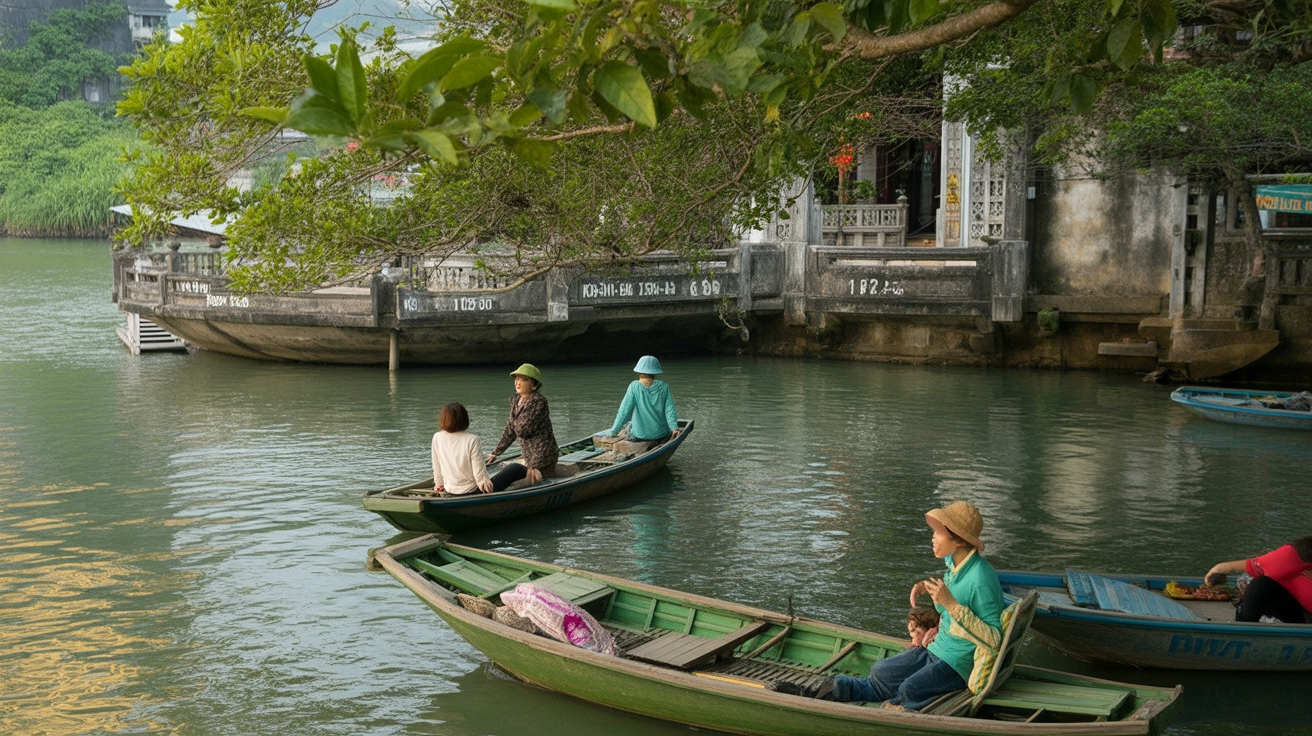
Ha Long Bay is genuinely beautiful. It’s also two hours from Hanoi each way, requires a minimum overnight cruise to see it properly (2,000,000–5,000,000 VND/~$76–190 for budget to mid-range boats), and has a well-documented scam ecosystem around budget cruise operators. Ninh Binh has the same karst geography — just on land and on rivers, without the cruise ship crowds. The Trang An boat tour costs 200,000 VND (~$8). You leave from the dock and you’re in cave passages within 15 minutes.
Two nights in Ninh Binh: Trang An on Day 1 afternoon, Mua Cave at 7am on Day 2 (before the heat and the crowds hit the 500 steps — take this seriously). Stay in Tam Coc village, not Ninh Binh town. Getting from Hanoi to Ninh Binh takes 2 hours by limousine van (150,000–200,000 VND/~$6–8).
⚠Real Talk
Ha Long Bay is not a scam. It’s a UNESCO World Heritage Site and it’s spectacular. But for a 2-week first trip with limited time, Ninh Binh gives you 90% of the experience for 20% of the cost and 0% of the overnight boat logistics anxiety. Save Ha Long Bay for a second trip when you can afford to research the cruise properly.
Days 6–7: Hue — Imperial City, Underrated Food
Most people underestimate Hue. They see “imperial tombs” and think museum-fatigue. What they miss is the city itself — quieter than Hanoi, slower than Hoi An, with a food culture so specific to this region that it still surprises me after five years.
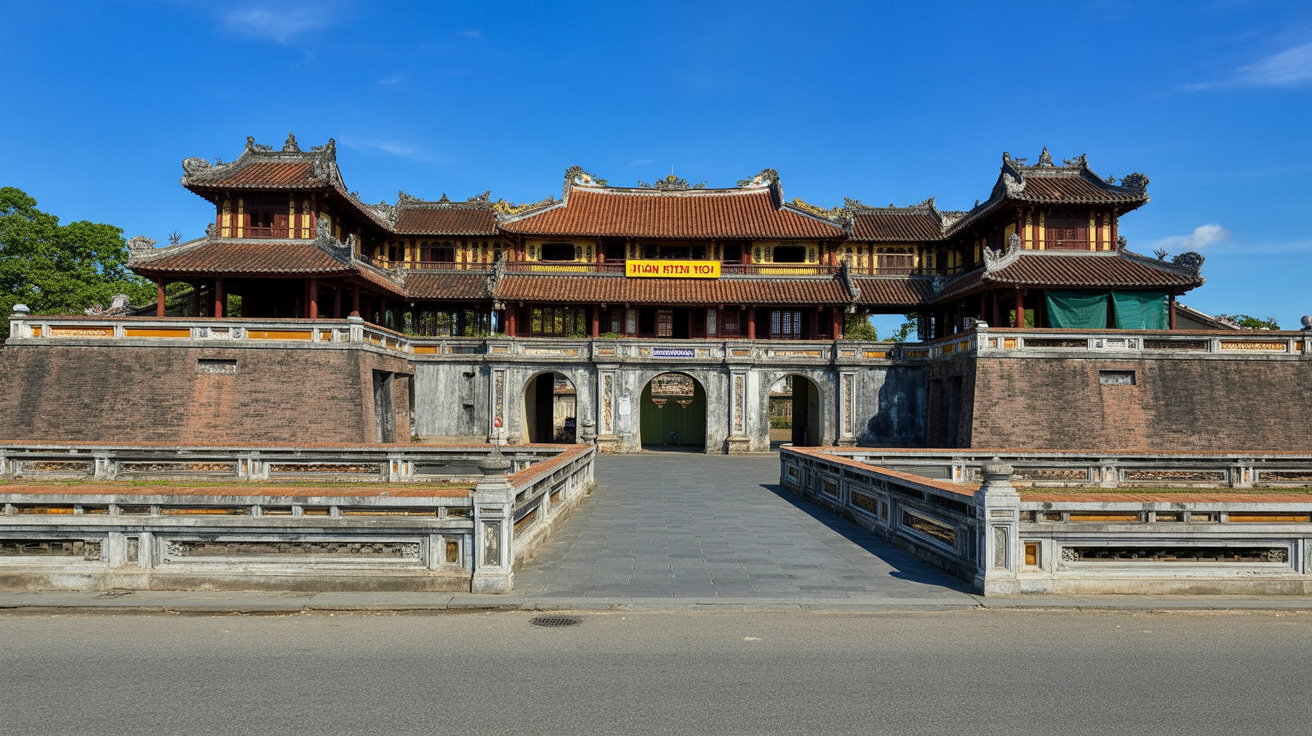
Hue is 650km south of Hanoi — fly from Noi Bai Airport (HAN) to Phu Bai Airport (HUI) on VietJet or Bamboo, 400,000–900,000 VND (~$15–34) if booked in advance. Two nights: Day 1 for the Imperial Citadel (Đại Nội, say: dai noi) and the Thiên Mụ Pagoda (say: tyen moo). Day 2 for a motorbike loop to the royal tombs or a slower wander through the neighborhoods south of the citadel. Eat bún bò Huế (say: boon baw hway) for breakfast both mornings — 25,000–40,000 VND (~$1–1.60) at a market stall.
Days 8–13: Hoi An — The Place Everyone Stays Too Long and Still Feels Rushed
Nobody regrets spending extra days in Hoi An. Five nights is the recommendation. The Ancient Town, the tailors, An Bang Beach, the cooking class, the bike ride through the rice paddies — this is the stop that gives every first-timer a memory they still talk about years later.
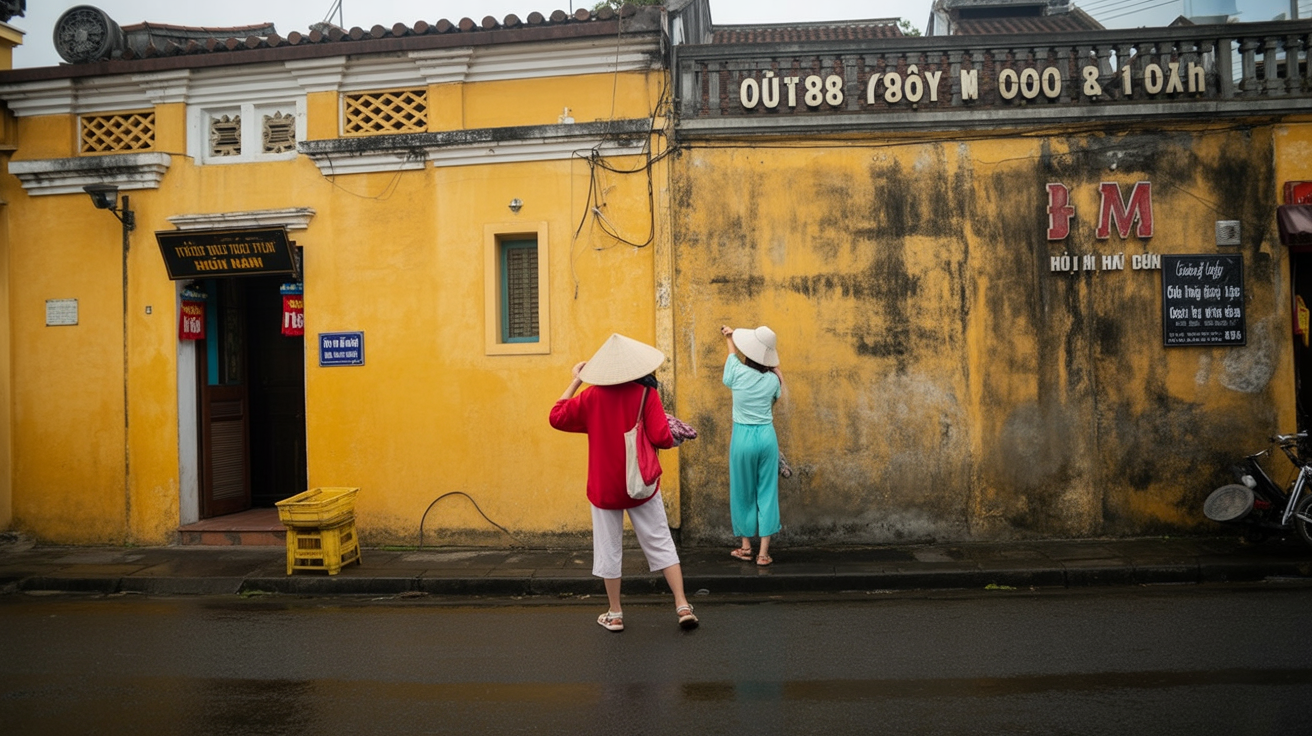
Get here from Hue by bus (Da Nang stop, then taxi/Grab to Hoi An) or by the Hai Van Pass scenic road if you rent a motorbike — Hải Vân (say: high van) is one of the best motorbike roads in the country, 21km of coast views. Ancient Town entry is 120,000 VND (~$4.60) for a combined ticket (5 heritage sites). Full Hoi An guide here.
The tailors: if you want clothes made, decide in the first 24 hours. Good shops need 3–4 days to make quality garments. A well-made dress runs 400,000–800,000 VND (~$15–30). A suit done properly: 3,000,000–6,000,000 VND (~$114–228). Don’t go to the shops in the Ancient Town immediately — walk a block or two back first and compare. The Ancient Town premium is real.
Days 14–16 (if you have time): HCMC — The South
If you have a third week, fly from Da Nang to HCMC (Tân Sơn Nhất Airport, say: tan son nhat) and spend 2-3 days in the south. War Remnants Museum (40,000 VND/~$1.60 — allow 3 hours, it’s heavy but essential), Ben Thanh area for street food, the Bến Nghé (say: ben ngay) riverside district at night. Most first-timers wish they had more time here too — Saigon earns its reputation separately from Hanoi and rewards its own visit.
The Things First-Timers Get Wrong
Over-packing the itinerary
The single most common mistake. Vietnam is not a country you optimize — it’s a country you inhabit. Every flight between cities costs you half a day. Every overnight bus leaves you tired for the morning. If your itinerary has 8 cities in 14 days, you will arrive home having seen a lot and experienced very little.
One Redditor who’d just returned from their first solo trip said it cleanly: “What about rest? Your body will eventually want a day to just stay in bed for half a day or relax.” This is especially true in Vietnam’s heat and humidity. Build in recovery time. You’ll use it. For everything worth doing while you’re there, the Hoi An things to do guide covers the full breakdown.
Skipping Ha Giang for the first trip
Ha Giang sits in the far northeast corner of Vietnam and requires a 7-hour overnight bus from Hanoi. Most first-timers look at the logistics and decide to do it “next time.” This is the wrong call if you have 2+ weeks. Every person who actually goes says some version of “it was the best thing I did in Vietnam.” It’s not accessible enough to be crowded, not difficult enough to be inaccessible, and the Đồng Văn Karst Plateau (say: dong van) is unlike anything else in Southeast Asia. Full Ha Giang Loop guide here.
→Who It’s For
Ha Giang is for: anyone who can ride a semi-automatic motorbike (or book an easy rider), has 4–5 days, and wants the thing they’ll talk about for the next 10 years. Not for: travelers with under 10 days in Vietnam, anyone who can’t ride a motorbike and doesn’t want a guide, people who are anxious about mountain roads. If you’re on the fence — go.
Not learning a single word of Vietnamese
You don’t need Vietnamese to travel Vietnam. But three words unlock more genuine human interaction than any travel app ever will: “cảm ơn” (say: cam uhn) = thank you, “xin chào” (say: sin chow) = hello, “ngon lắm” (say: ngon lahm) = it’s delicious. Use them. Every time. The reaction is always worth it. Our Saigon things to do guide covers the full south itinerary beyond the obvious stops.
Trusting the first price you’re given
Vietnam has a dual pricing reality: locals pay one price, tourists often pay another — especially for xe ôm (say: say-ohm, motorbike taxi) rides, market purchases, and unlicensed street tours. Use Grab for all motorbike and taxi transport (the app shows you the price before you confirm). For markets, treat the first price as an opening position, not a final offer. For licensed activities and tours, the price is usually fixed — haggling is wasted energy there.
Getting Around Vietnam for the First Time
Vietnam’s geography is long and narrow — 1,650km tip to tip — and getting between cities is a real logistics question. First-timers often underestimate travel time and overestimate the speed of ground transport.
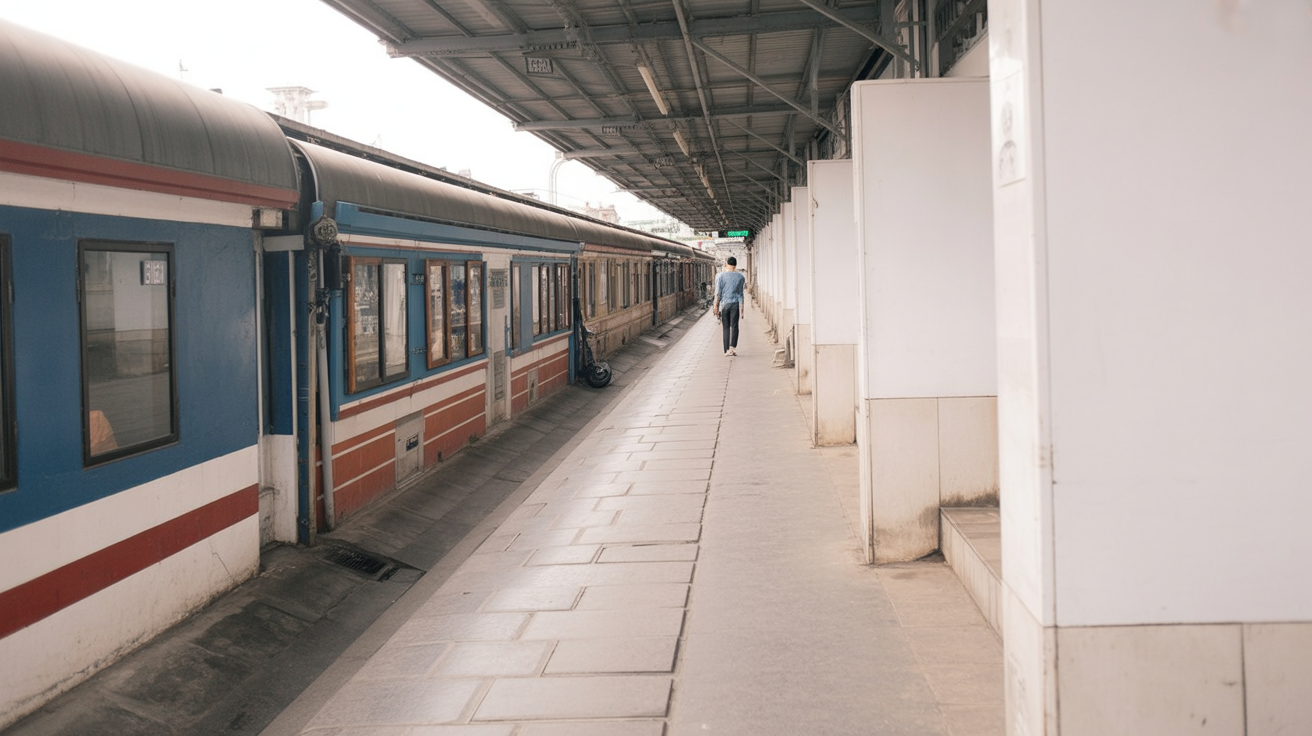
The sleeper bus: Vietnam’s most-used budget transport. An overnight bus from Hanoi to Hue costs 350,000–500,000 VND (~$13–19) and takes 12–14 hours. You sleep on a reclining bunk — which sounds rough until you realize you’ve saved a hotel night and woken up 650km south. Booking via Vexere or your hostel is reliable. First-timers: book a “limousine” sleeper (individual pods) over a standard sleeper bus. Price difference is 50,000–100,000 VND and your back will thank you.
12Go covers most Vietnam routes — sleeper buses, trains, and island ferries. Compare schedules and book in advance during peak season (Dec–Feb, Jun–Aug).
The train: The Reunification Express runs Hanoi to HCMC with stops at Hue, Da Nang (for Hoi An), and Nha Trang. Soft-sleeper 4-berth from Hanoi to Hue: 700,000–1,200,000 VND (~$27–46). Slower than flying, more comfortable than a bus, and the Da Nang–Hue stretch along the coast is one of the great scenic train journeys in Southeast Asia. Book via Vietnam Railways (vr.com.vn) or 12Go Asia.
Budget flights: VietJet, Bamboo Airways, and Vietnam Airlines run dense domestic networks. Hanoi to Da Nang costs 400,000–900,000 VND (~$15–34) booked 2–3 weeks in advance. Flying saves 10–14 hours over the bus and is genuinely the right call for legs longer than 600km or when your time window is tight. Book early — the cheapest fares disappear fast.
Grab (the app): Download it before you land. It works like Uber for motorbike taxis (xe ôm/GrabBike) and cars (GrabCar). Fixed price set before you confirm — eliminates tourist-price negotiation completely. Works in every major city and most towns. It’s the single most useful app for a first visit to Vietnam.
ℹKnow Before You Go
Vietnamese motorbike traffic runs on different logic than Western road rules. To cross a street: don’t wait for a gap — there isn’t one. Walk slowly and steadily into traffic, make eye contact, don’t run. Motorbikes route around pedestrians who move predictably. The mistake is stopping suddenly or moving erratically. It takes 2–3 days to internalize. You will internalize it.
Food You Have to Try on Your First Trip
Vietnam’s food culture is regional, specific, and better than anywhere else in Southeast Asia at the street level. There are dishes you will not find this good anywhere outside the city they come from.
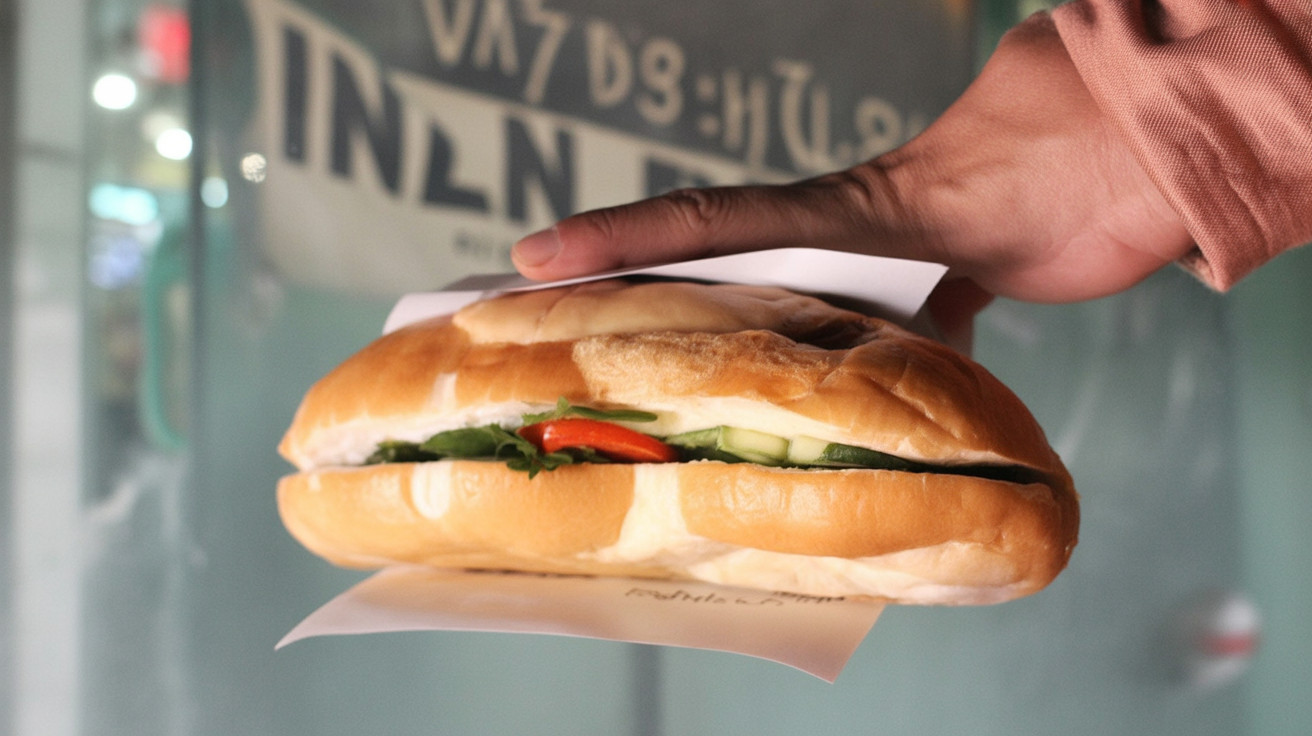
In Hanoi: Phở bò (beef noodle soup) at a pavement stall — any stall with plastic stools and a price under 50,000 VND (~$2) is almost certainly better than any restaurant. Bún chả (say: boon cha) — the dish Anthony Bourdain ate with Obama — is grilled pork patties and vermicelli with fish sauce dipping broth. Bánh cuốn (say: ban cuon) at Bánh Cuốn Bà Hanh on Tô Hiến Thành: steamed rice rolls with wood-ear mushroom, fried shallots, and dried shrimp. Order it for breakfast.
In Hue: Bún bò Huế (say: boon baw hway) — lemongrass-and-shrimp-paste beef noodle soup, completely different from Hanoi phở. Harder to find outside Hue. Better than you expect. Order it for breakfast at a market stall. If you see bánh bèo (say: ban beh-oh) — small savory rice cakes with dried shrimp — try those too.
In Hoi An: Cao lầu (say: cow low) — thick rice noodles with pork, bean sprouts, and crispy croutons in a dish that supposedly can only be made authentically with water from Hoi An’s wells. White Rose (bánh vạc) — delicate steamed rice dumplings available only from one family who supplies the whole city. Both are worth eating twice.
Practical First-Timer Checklist

Visa: Apply for an e-Visa online at the official government portal (evisa.xuatnhapcanh.gov.vn) — $25 USD, 90-day single or multiple entry, processed in 3 business days. Most Western nationalities qualify. Apply at least 2 weeks before departure.
eSIM: Get an Airalo eSIM before you land — 15GB Vietnam data runs around $12 USD. Activate it when your flight touches down in Hanoi. You’ll have maps, translation, and Grab working before you reach the baggage belt.
Cash: Vietnam is primarily cash-based outside of city restaurants and hotels. ATMs dispense Vietnamese Đồng (VND, say: dong). Vietcombank and Techcombank ATMs typically give the best rates with lower fees. Bring USD as backup — major hotels and some tour agencies accept it directly.
Travel insurance: Get it. SafetyWing covers Vietnam for around $50/month and includes medical evacuation. World Nomads covers more adventure activities (relevant for Ha Giang, trekking). Don’t skip this — motorbike injuries are the most common reason travelers need emergency medical care in Vietnam.
Transport app: Download Grab before you land. It’s the only app you need for motorbike taxis, car rides, and food delivery. Sets a fixed price, driver is rated, no cash negotiation required.
Frequently Asked Questions
Ha Long Bay or Ninh Binh — which should a first-timer choose?