Last updated: May 2026 — prices and logistics verified May 2026.
The Muong Hoa Valley trails are not well-marked. They branch without warning — left fork down to a paddy field, right fork up toward a ridge, center path into someone’s front yard. By 11am I had taken two wrong forks, backtracked twice, and was standing knee-deep in a drainage ditch trying to read a trail marker written in H’mong script. I arrived in Ta Van at dusk, soaked from the knees down, three hours later than I should have been.
The guide would have cost 300,000 VND. My stubbornness cost me an afternoon and whatever dignity I had left.
This is a guide to sapa trekking that tells you how the routes actually work, which ones are worth your time, and exactly what to pack, book, and expect before you lace up your boots.
The Main Trekking Routes — An Honest Ranking
Sapa has dozens of named and unnamed trails. In practice, most travelers end up on one of three route categories: the Muong Hoa Valley circuit, the O Quy Ho Pass area, or the Fansipan summit. Each is a fundamentally different experience.
Muong Hoa Valley — The Route Worth Building Your Trip Around
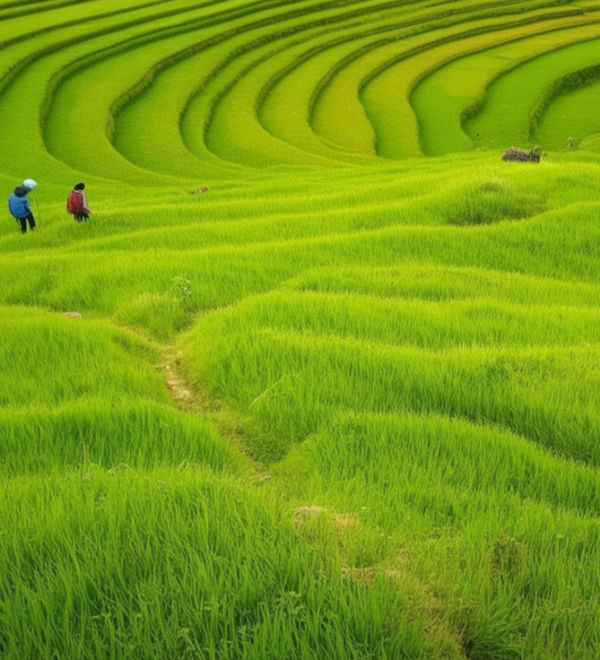
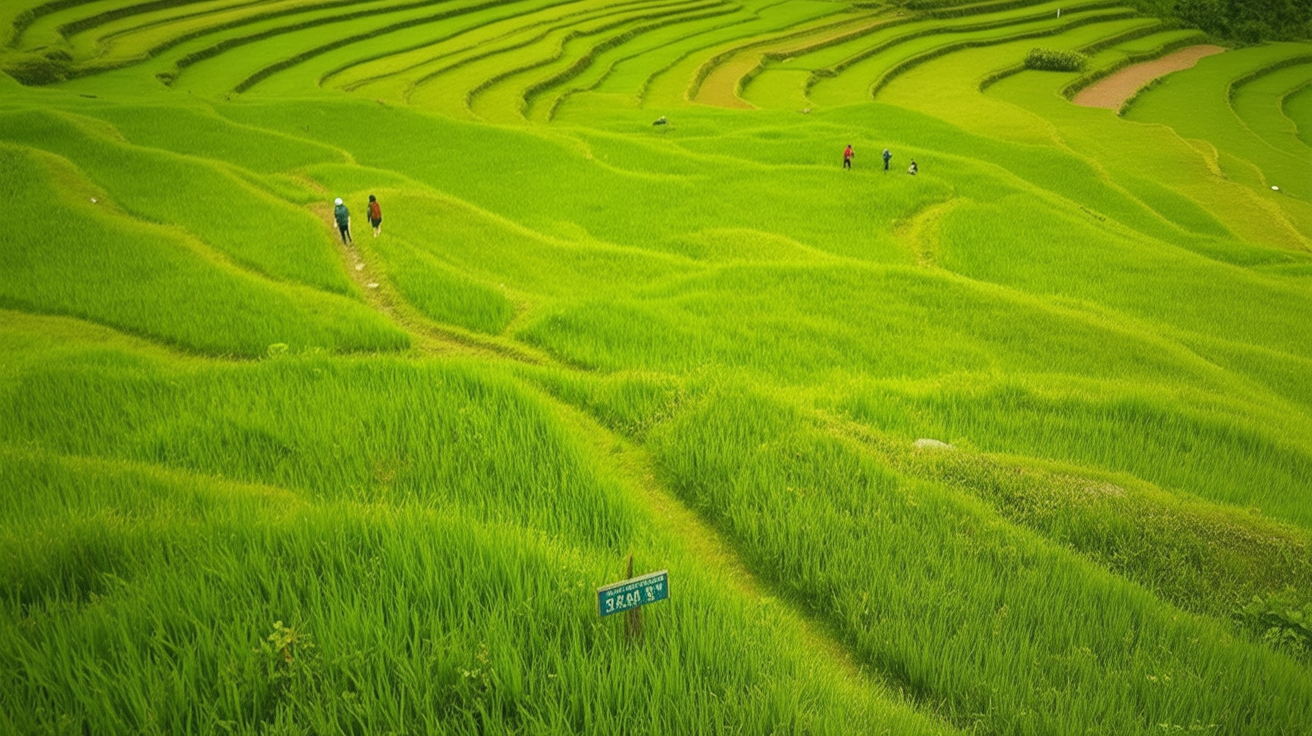
The Muong Hoa (say: moong hwa) Valley is the reason most people come to Sapa. The trail starts at the valley rim above Ta Van village and drops through a series of switchbacks between rice terraces, past irrigation channels, through working farmland, and into the Black H’mong communities of Ta Van and Lao Chai (say: lao chai) at the valley floor.
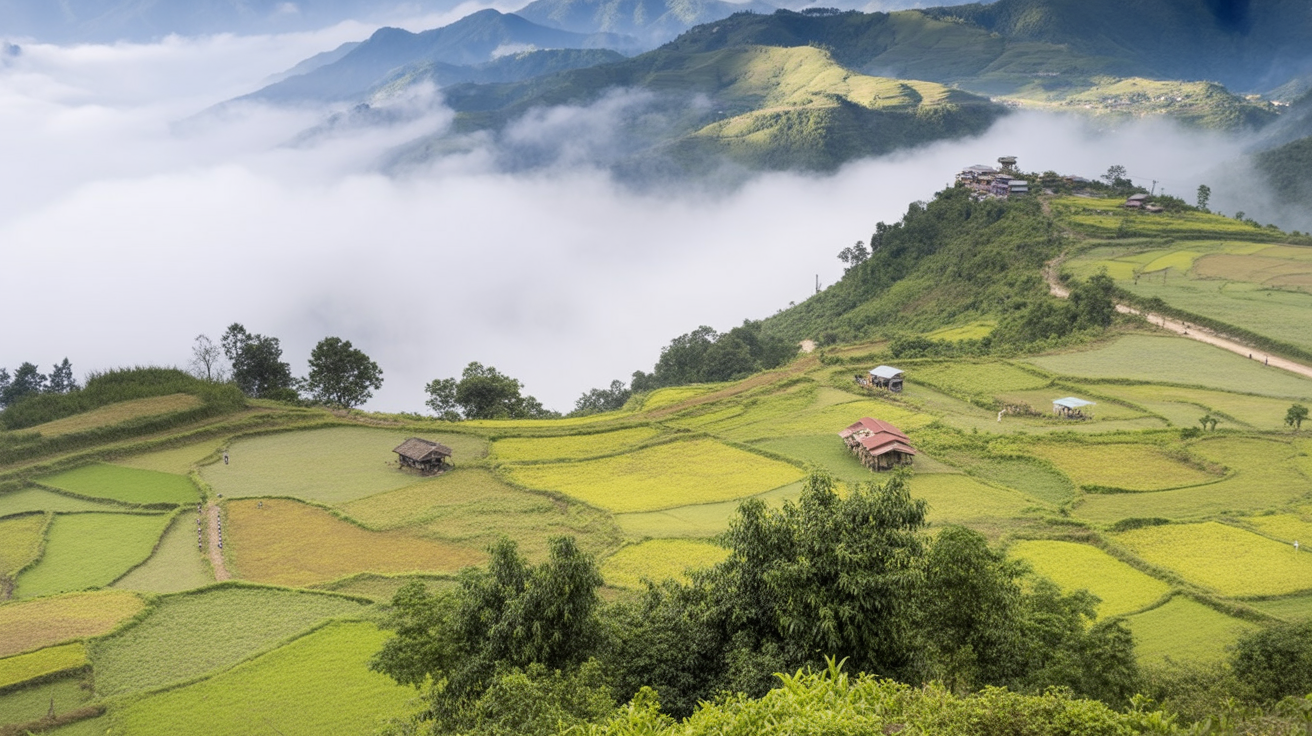
The standard route runs 15–18km one way over 5–6 hours. The trailhead is above the valley, accessible by motorbike taxi (50,000–80,000 VND/~$2–3 from Sapa town). The endpoint is Ta Van village, from which you either walk back up (not recommended — the climb is long and you’re tired) or take a xe ôm back (50,000–80,000 VND).
What the trail actually feels like: the upper section is wide and relatively clear, with views across the valley on clear days. Mid-section the path narrows to a single-track between paddy walls — the wet clay sticks to your boots, the surface is uneven, and in wet conditions it becomes slippery enough to require care. The lower section passes through active village land where the trail runs between family plots, past water buffalo tethered in the shade, through the unmistakable smell of fermenting rice wine drifting from someone’s kitchen window.
The path from Ta Van extends to Lao Chai village, another 2km — flatter, worth adding if your knees haven’t protested yet. The two villages blur together on the ground, both Black H’mong communities, the distinction visible mainly in which family’s chickens are crossing your path.
↗Insider Tip
The trail connects several villages beyond Lao Chai — continue to Giang Ta Chai (say: giang ta chai) and Hầu Thào (say: hoh tao) for a second day of trekking that almost nobody does. Most travelers turn around at Ta Van. The less-visited lower valley has fewer homestays but significantly fewer day-trippers, and the terraces in that section are some of the most photographed in Sapa — from the footpath looking up, not from the road above.
Guide or Solo — The Decision That Shapes Your Trek
The practical case for going solo: it’s free, you move at your own pace, and the main Muong Hoa Valley trail is documented on Maps.me and AllTrails. The practical case against: trail signs are minimal, the paths fork repeatedly, and the “main trail” diverges into family access routes and irrigation paths without warning. Getting genuinely lost in the lower valley adds hours, not minutes.
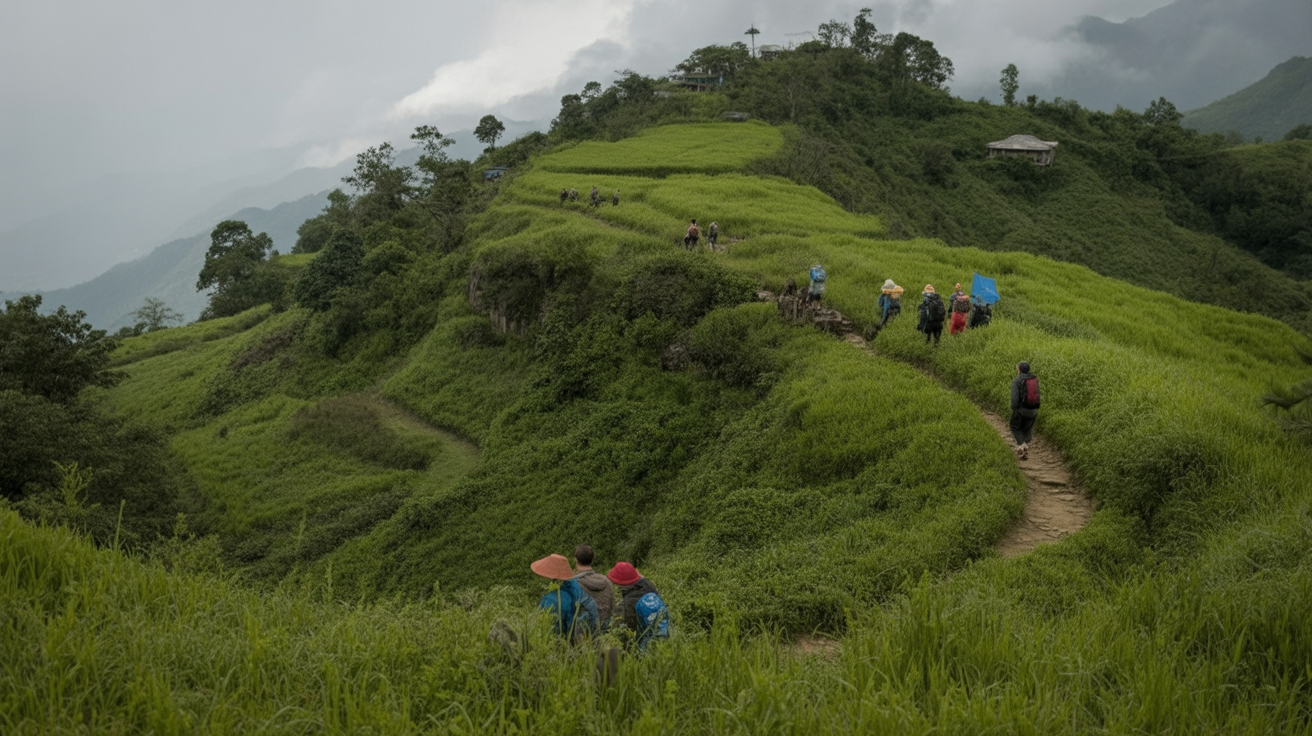
There’s also a less quantifiable argument. Trekking with a local H’mong guide changes what you see. The guide walks through communities where she (most local guides are women) knows people — the family she grew up near, the woman running the village cooperative, the elder who remembers what the terraces looked like before the valley road was paved. These connections produce moments that don’t appear on any trail map.
My recommendation: hire a guide for your first day in the valley. If you want to do a second day independently with Maps.me downloaded and a charged phone, that’s a reasonable call. For the first day, the 300,000 VND is the best money you’ll spend in Sapa.
⚠Real Talk
Some “guides” who approach you near the bus station or main square in Sapa are actually selling trekking as a secondary pitch — the primary goal is getting you to their family’s handicraft stall in the valley. A genuine guide takes you through villages without pressure to buy. If your guide steers every stop toward a shopping opportunity within the first two hours, you’ve hired a salesperson. Find a different guide.
How to Find a Good Guide
Three ways that reliably produce good results:
Through your homestay host: If you’re staying in Ta Van or Lao Chai, your host almost certainly has a family member or neighbor who guides treks. The community networks are tight — the person recommended will be accountable to the family hosting you. Cost: 300,000–400,000 VND/day (~$11–15).
Sapa O’Chau Social Enterprise (Thách Sơn Street, Sapa town): A training program for young H’mong and Dao women in hospitality and guiding. Their guides speak better English than most independent operators, have structured training in cultural interpretation, and the income supports the organization’s education programs. Cost: 400,000–550,000 VND/day (~$15–21). Book in advance in peak season — they’re popular and justifiably so.
Through your guesthouse in Sapa town: Most guesthouses work with a pool of vetted local guides. Ask specifically for a guide who does the footpaths, not the paved road route — some operators run “treks” that follow the road rather than the trail, which is a very different experience.
→Who It’s For
Independent trekking (no guide) suits experienced hikers who have downloaded offline maps, carry a power bank, have reasonable navigation confidence, and are trekking in dry season. It does not suit first-timers, anyone trekking in wet season, or anyone who panics when trails branch without clear markings. If in doubt: guide.
The Multi-Day Overnight Trek — The Format Most Worth Doing
A one-day trek from Sapa town to Ta Van is good. An overnight trek where you spend night one in a valley homestay, wake up in the rice terraces at 6am, and trek further the following day is significantly better.
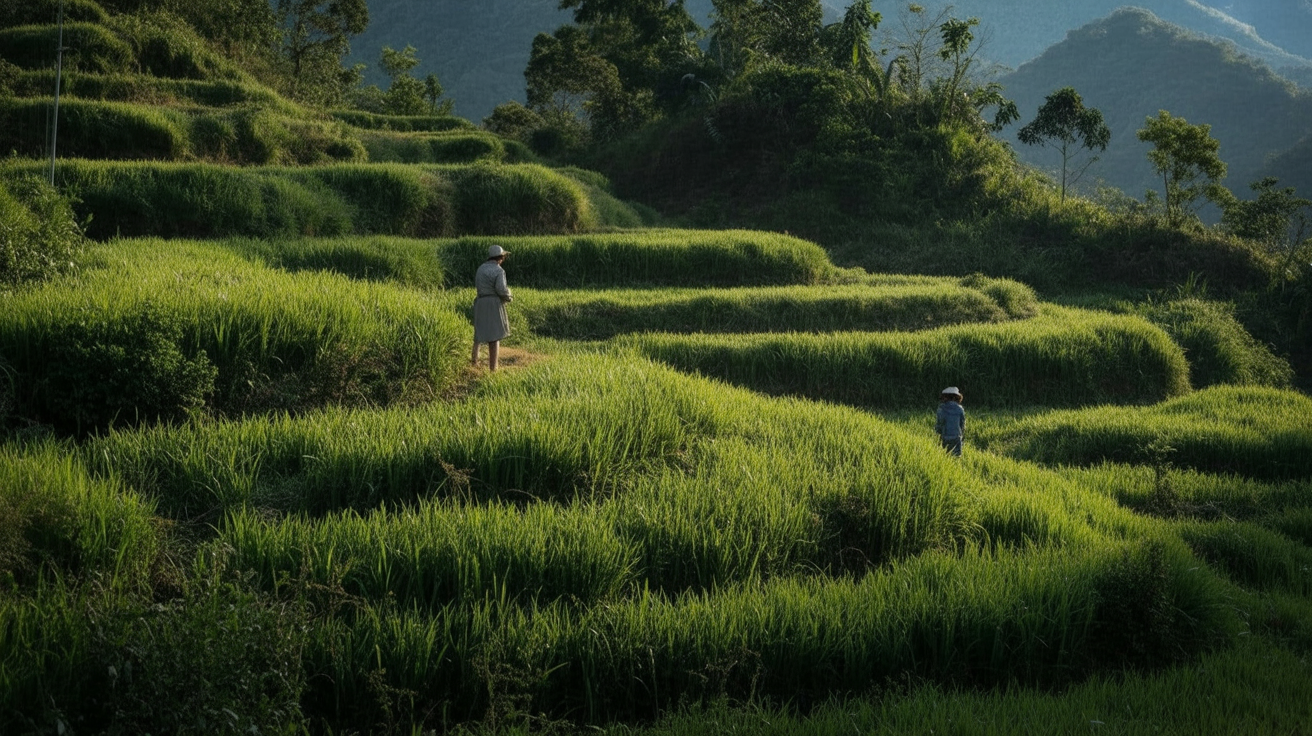 Ta Van homestay after an overnight trek — this is what Sapa is for” loading=”lazy” width=”1200″ height=”675″ style=”width:100%;height:auto;”>
The standard overnight format: Day 1 — trek from Sapa down through Muong Hoa Valley (15–18km), overnight in a Ta Van or Lao Chai homestay (dinner included, usually a 5–8 dish spread of local vegetables, black chicken, fresh tofu, and rice wine). Day 2 — morning walk around the lower valley, optional extension to Giang Ta Chai, motorbike back to Sapa by early afternoon.
Cost for overnight trek with guide and homestay: 800,000–1,300,000 VND per person (~$30–50), depending on the number of people sharing the guide fee and the homestay tier. This includes guide, overnight accommodation, dinner and breakfast. It does not include lunch — bring snacks or buy from village stalls (corn, sticky rice, fruit).
Three-day format (for travelers with the time): Day 1 Muong Hoa Valley, night in Ta Van. Day 2 lower valley + Hầu Thào, night in Giang Ta Chai. Day 3 morning return via different ridge route. This is the format that produces genuinely transformative Sapa experiences — but requires planning two weeks ahead in peak season to secure homestay space.
★Jake’s Pick
Book the 2-day overnight trek through Sapa O’Chau. Get a guide who grew up in one of the valley villages. Carry nothing except a day pack with water, a warm layer, and a headlamp. Leave the big bag at your Sapa town hotel. The weight difference alone improves the experience by 40%.
Fansipan Summit Trek — The Serious Option
Fansipan (say: fan-see-pan) at 3,143 metres is the highest peak in Indochina. The trekking route to the summit is 19km round trip, covering approximately 1,900 metres of elevation gain. It takes 2 days. It is a proper mountain hike — not a casual walk in good shoes.
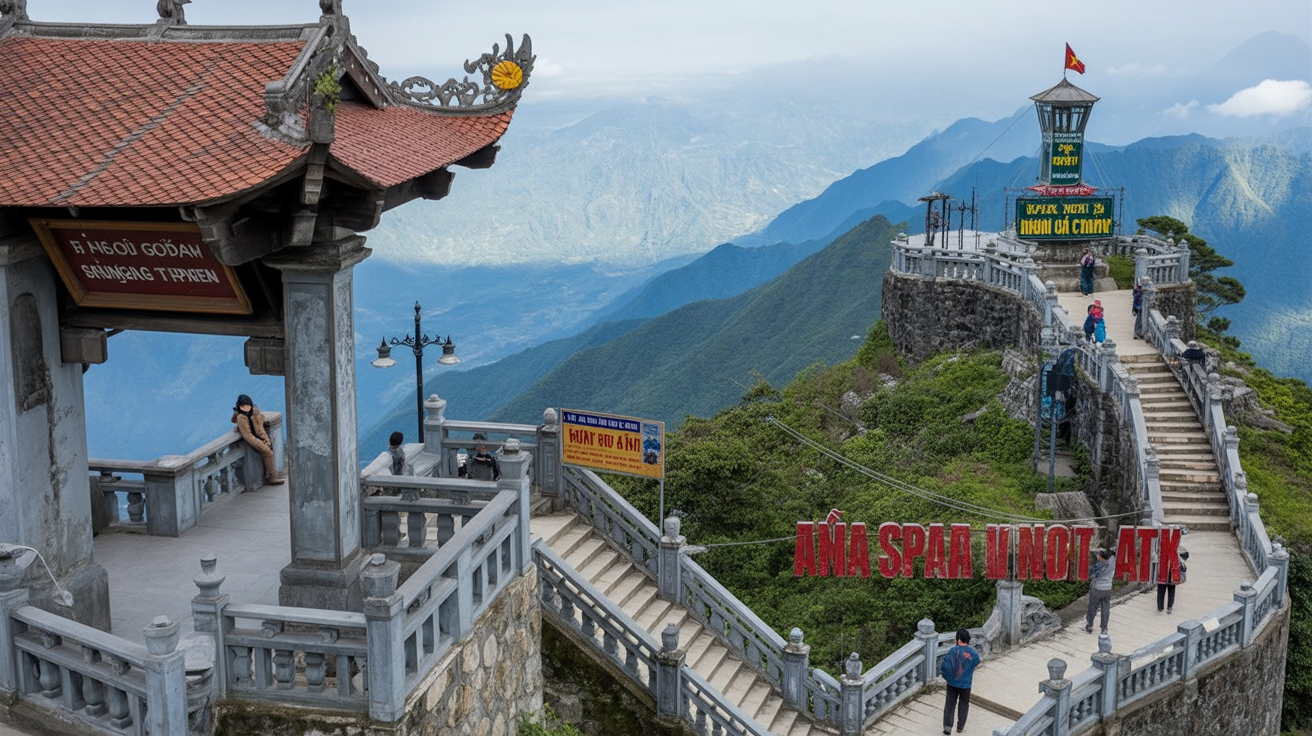
Day 1: Trailhead at 1,900m, hike through cloud forest to a mountain shelter at approximately 2,800m. 6–8 hours. The trail is steep in sections, slippery after rain, and passes through dense bamboo forest above the 2,500m mark. The shelter is basic: mattresses on a platform, blankets, a gas burner for cooking. Bring a sleeping bag liner if you run cold.
Day 2: Summit push at dawn (4–5am) to catch the sunrise above the cloud line — on clear mornings you see across into Yunnan province in China, the Muong Hoa Valley appearing as a bright slash of green far below. Then descend, which takes longer than most people anticipate and is harder on the knees than the climb.
Cost for Fansipan summit trek with guide: approximately 2,600,000–3,900,000 VND per group of 2 (~$50–75 per person), which includes guide, mountain shelter overnight, and meals on the mountain. This is significantly different from the cable car price — you’re paying for a full guiding service on technical terrain.
The guide is mandatory for this route, and not optional in the same advisory way as the valley trails. Route-finding above 2,500m in Fansipan’s weather conditions requires experience. The weather changes fast. Guides know when to push and when to wait.
ℹKnow Before You Go
The Fansipan summit is in cloud approximately 60–70% of the time. Clear summit days are not predictable more than 24 hours in advance. Most experienced trekkers check forecasts the night before and accept that summit visibility is uncertain — the mountain is worth trekking regardless. The cloud forest between 2,000–2,800 metres has its own atmosphere; the rhododendrons in flower in March–April are not contingent on a clear summit.
Seasonal Conditions — When to Trek and What Changes
Sapa trekking varies dramatically across the year. This is not generic seasonal advice — these conditions materially change the experience:
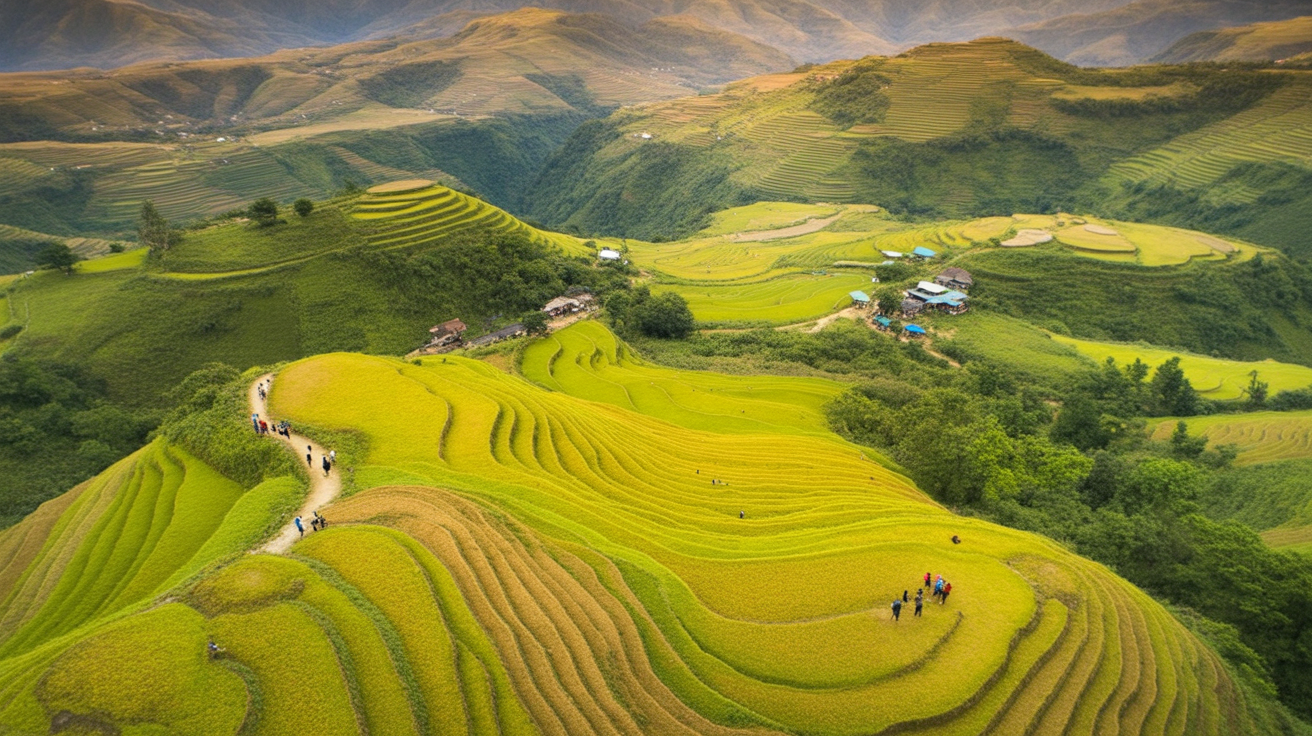
September–October (best): The paddies are gold before harvest, then cut into geometric patterns across the hillside. The weather is dry and clear in the mornings with afternoon cloud. Trail conditions are firm. Temperature 15–22°C. The busiest tourist season — book guides and homestays 2 weeks ahead.
March–April (second best): Spring planting season — the flooded terraces reflect the sky, the rice is electric green in the first weeks after planting. Occasional rain. Trail conditions mostly good with some muddy sections. Temperature 12–20°C. Slightly fewer tourists than October.
December–January: Cold. Clear air with possible snow above 1,800m — rare but it happens. The terraces are grey and harvested, stripped of visual drama. The mountain trek to Fansipan summit is the most rewarding in this season — clear skies, no leeches, the summit view extending further than at any other time. Trail conditions: dry to frozen on upper elevations. Dress warmly.
June–August (avoid): Heavy monsoon rains, muddy trails, leeches on every wet surface, visibility reduced to the end of your arm on foggy days. Not recommended for valley trekking or Fansipan. If you worth the detour in this window: stick to the paved paths, give up on views, and treat the visit as cultural immersion rather than landscape photography.
ℹKnow Before You Go
Leeches (đỉa, say: dia) are active from May through August after rain. They attach without sensation and are mostly harmless — but finding one on your ankle mid-trek is disconcerting. Prevention: tuck socks over trouser legs, use DEET repellent on boots and lower legs before the trail. Removal: don’t pull — apply salt or hand sanitizer, they release and drop. Your guide will have salt.
Village Etiquette on the Trail — What Most Guides Don’t Tell You
The Muong Hoa Valley trails pass through active farming communities, not national parks. The people working in the fields, tending the buffalo, carrying baskets of vegetables up the ridge paths — these are not background scenery. The etiquette matters.
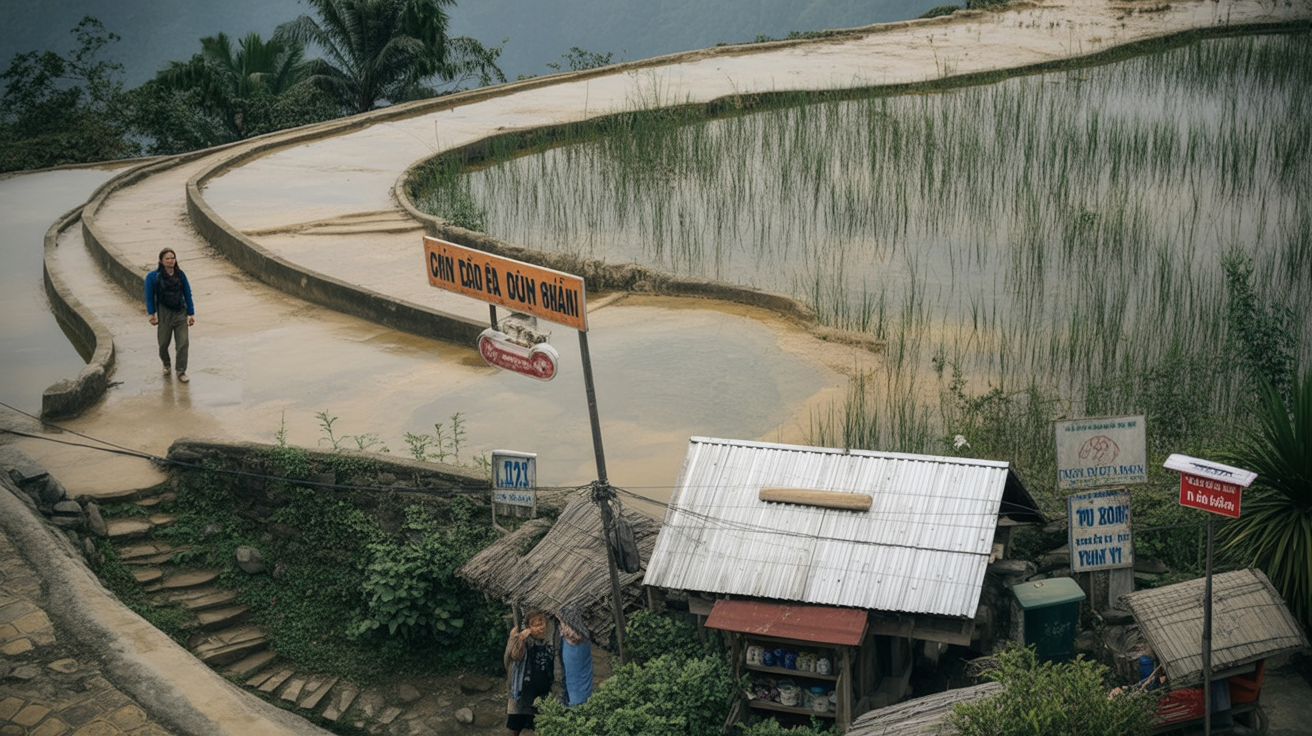
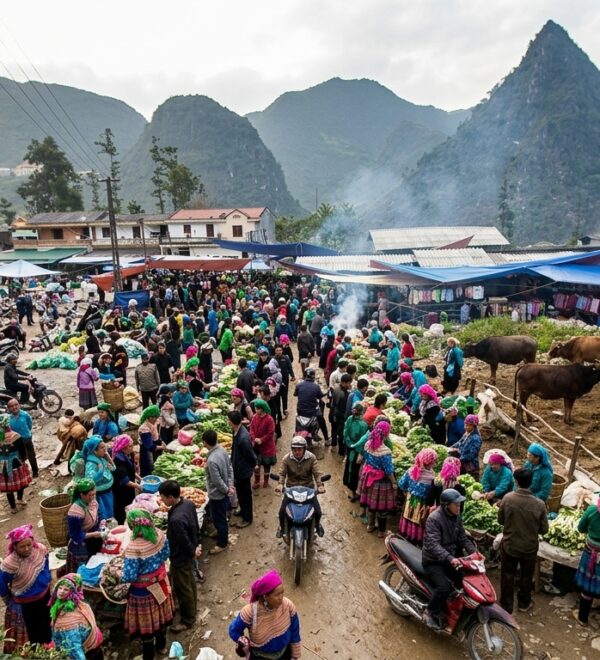
Asking before photographing people: H’mong women in traditional indigo dress are frequently photographed, and many are used to it. Some accept it without comment; others have started asking for small payments. The right approach: make eye contact, gesture toward your camera, wait for a nod. If someone holds out their hand after a photo, 10,000–20,000 VND (~$0.40–0.75) is the norm. Don’t walk away from a photo request without acknowledging it. The visual peak of the season is captured in our Sapa rice terraces guide, with exact timing for the harvest gold.
Village homes: Never enter a family’s home without a clear invitation. The threshold of a traditional H’mong home carries cultural significance — your guide will know which homes are open to visitors and which are not. Follow their lead.
Children in villages: Kids in the trail villages often approach trekkers and ask for sweets, money, or pens. Well-intentioned travelers handing out candy have created a pattern that follows children into the fields when they should be in school. Don’t give snacks or money to children on the trail. If you want to contribute: buy from village women’s cooperatives, eat at homestays run by local families, and tip your guide properly.
Buying from trail vendors: H’mong women sell embroidered wristbands, pouches, and keyrings along the popular trail sections. The prices are low, the work is genuine, and buying directly from a village woman puts money directly into her household. A wristband for 20,000–50,000 VND (~$0.75–2) is fair. Bargaining aggressively on these items is not a good look.
→Who It’s For
These etiquette notes apply to every traveler on the Muong Hoa Valley trail. Experienced trekkers who think they already know this: you probably do. First-timers: read this twice. The communities on these trails have seen a lot of tourists, and the ones who are warmly remembered are the ones who asked first, tipped fairly, and treated the villages as communities rather than tourist infrastructure.
Less-Traveled Routes — Beyond the Standard Circuit
The Muong Hoa Valley dominates Sapa trekking because it’s the most accessible, most photographed, and most organized. But the surrounding area has routes that see a fraction of the traffic:
Séo Mý Tỷ (say: say my tee): A village 15km from Sapa on a secondary road that few tour operators include. The drive in is on unpaved mountain track — motorbike required. The terrace system here is different from Muong Hoa — narrower, steeper, less iconic but more intimate. Almost no English-language coverage exists. Ask at Sapa O’Chau if they run guide services here.
Hang Da Village (say: hang za): A Flower H’mong settlement above the O Quy Ho Pass road. The route starts at the Silver Waterfall, climbs through pine forest to the village, and connects back to the pass road. Circular route, 8–10km, moderate. The village is small enough that you may be the only foreigner there.
The Ban Ho Valley beyond Lao Chai: Continuing past Lao Chai village on the river trail for another 4–5km brings you to Ban Ho, a Tày (say: tay) ethnic community — culturally distinct from the H’mong villages earlier in the valley. The Tày use different farming techniques, different house styles, and have their own language. The trail fades significantly past Lao Chai and a guide who knows this section is genuinely necessary.
These routes aren’t secret, but they’re genuinely less visited. The trade-off: less infrastructure, fewer homestay options, and guide availability is less organized. The payoff: you walk through communities that haven’t calibrated their behavior around daily tourist throughput, which changes the texture of the experience entirely.
What to Wear and Pack for Sapa Trekking
The Muong Hoa Valley trail has three terrain types: paved road sections (minor), compacted dirt footpaths, and wet clay footpaths. The wet clay sections after rain are genuinely slippery. Trail runners or light hiking boots with grip are the minimum viable footwear. Regular sneakers on a wet September trail are a fall waiting to happen.
Full packing list for a day trek:
Klook has the widest selection for Vietnam and is usually the cheapest. KKday is strong on day trips and local experiences.
ong>Footwear: Trail runners or light hiking boots — ankle support helpful on uneven terrain
For the overnight trek, add: sleeping bag liner (if you run cold), change of socks and base layer, headlamp, and whatever you need to feel human the morning after a homestay floor. Leave the rest of your bag at your Sapa hotel.
Booking and Costs — The Full Breakdown
Cost summary for different trekking formats:
- Day trek with local guide: 300,000–500,000 VND (~$11–19)/day + 50,000–80,000 VND motorbike taxi each way
- Day trek via agency: 400,000–660,000 VND (~$15–25)/person, often includes guide + lunch
- Overnight trek (guide + homestay + meals): 800,000–1,300,000 VND (~$30–50)/person
- 3-day multi-village trek: 1,300,000–2,100,000 VND (~$50–80)/person
- Fansipan summit trek (2 days, guide + shelter + meals): ~1,300,000–1,950,000 VND/person (~$50–74) based on 2-person group
- Trekking poles rental: 30,000–50,000 VND (~$1–2)/day
Agencies: Sapa O’Chau (most reliable, social enterprise, book via website), Topas Travel (good for Fansipan and multi-day), local guides booked via your homestay host (cheapest, quality depends on who specifically).
↗Insider Tip
For the best guide quality at the best price: arrive in Sapa the evening before your trek, walk to Ta Van that afternoon (it’s 7km, hire a xe ôm if you’re tired), meet your homestay host, and ask who they’d send you with the next morning. The person they recommend will be someone they trust — which is a stronger reference than any online review.
Frequently Asked Questions
What is the best trek in Sapa?
Muong Hoa Valley to Ta Van and Lao Chai — it’s the most popular route for good reason. The rice terrace landscape, the village community, and the physical challenge are calibrated well for most travelers. If you’ve done it before or want something less-traveled: Giang Ta Chai extension below Ta Van, or the Tả Phìn Valley area for a completely different ethnic community (Red Dao rather than H’mong).
How difficult is sapa trekking?
The standard Muong Hoa Valley day trek is moderate — suitable for anyone who can walk 15–18km on uneven terrain. It’s not flat and it’s not easy. Wet conditions make it harder. The Fansipan summit trek is hard — 1,900m elevation gain over 2 days on technical terrain. Cat Cat Village is easy. Know which category your fitness puts you in before committing to a full valley day.
Is it safe to trek alone in Sapa?
Safety in the personal security sense: yes, Sapa trekking routes are safe and the communities are welcoming. Safety in the navigation sense: uncertain. The combination of frequently branching trails, limited signage, and rapid weather changes (mountain fog can reduce visibility to 10 metres) means solo trekking without a guide carries genuine risk of getting seriously lost. If you’re going solo, download Maps.me offline, carry extra water and food, tell someone where you’re going, and don’t push deeper into unfamiliar territory after noon.
What is the best time to trek in Sapa?
September and October for golden rice terraces at harvest — the signature Sapa landscape. March and April for spring planting — flooded terraces and fresh green. December and January for clear summit days on Fansipan. Avoid June to August: leeches, heavy rain, and trail conditions that make the experience genuinely unpleasant rather than just wet. A well-planned Hanoi to Sapa trip timed for the right month makes a significant difference to what you find when you get there. Getting the overnight journey sorted first — our Hanoi to Sapa transport guide covers every option and which limousine van companies actually show up on time.
Two things worth sorting before you land: a Vietnam eSIM so you have data the moment you clear customs, and travel insurance — medical costs for uninsured foreigners in Vietnam are significant.
Airalo eSIMs activate instantly. Buy before departure — airport SIM queues in Vietnam can take 30+ minutes.
Before You Lace Up
Sapa trekking is not technically demanding in the way that Himalayan routes are. It’s accessible to most reasonably fit travelers, it doesn’t require specialized gear, and the logistics are simpler than they appear from the outside.
What it does require is time. The one-day Muong Hoa Valley trek produces a good day. The overnight trek produces a trip you’ll still be describing two years later. The three-day format produces a fundamental shift in how you understand the place — not as a mountain town with nice views, but as a working landscape where communities have farmed the same terraces for hundreds of years.
The difference between these outcomes is one night and 500,000 VND. Book the extra night. Stay in the valley rather than the town. And hire the guide.