
Vietnam is 1,650 kilometers long. Getting from Hanoi to Ho Chi Minh City takes 33 hours by train, 2 hours by plane, or 40+ hours by bus — and any of those can be the right choice depending on your time, budget, and tolerance for certain types of discomfort. The country has genuinely excellent options at every price point. The mistake most travelers make is defaulting to domestic flights for every leg when the overnight train between Hanoi and Da Nang costs $30 and you wake up somewhere spectacular.
Here’s how to move through Vietnam without wasting money on the wrong transport or time figuring out systems at the bus station.
Most travelers ride without a Vietnamese license and most are fine — but the rules matter in an accident — our Vietnam driving license guide covers what you actually need and what international permits cover.
The overnight train between Hanoi and Da Nang or Saigon is one of the more underrated ways to cover ground in Vietnam — our Vietnam night train guide covers booking, cabin classes, and what to actually expect.
The Four Main Ways to Get Around
Vietnam has four practical transport modes for inter-city travel, each with a clear use case:
| Mode | Cost (Hanoi–HCMC) | Duration | Best for |
|---|---|---|---|
| Train | $25–55 (soft sleeper) | 33–35 hours full route; 11 hrs Hanoi–Da Nang | Scenic routes, overnight legs, budget travelers with time |
| Sleeper bus | $18–35 | 40+ hours full route; shorter legs proportional | Budget travelers, short-medium routes (under 10 hrs) |
| Domestic flight | $30–90 (advance booking) | 2 hours | Long routes where time matters, anyone with under 2 weeks |
| Motorbike | N/A (rent, don’t ship) | Your own pace | Experienced riders, flexible itineraries, coastal/mountain routes |
Within cities: Grab (ride-hailing app) handles everything. Taxis exist but Grab’s metered pricing and English interface make it the default for most travelers. Walking is practical in Hanoi’s Old Quarter and Hoi An’s Ancient Town. In HCMC, distances between districts are too large to walk comfortably — Grab is essential.
Vietnam Train: The Scenic Option
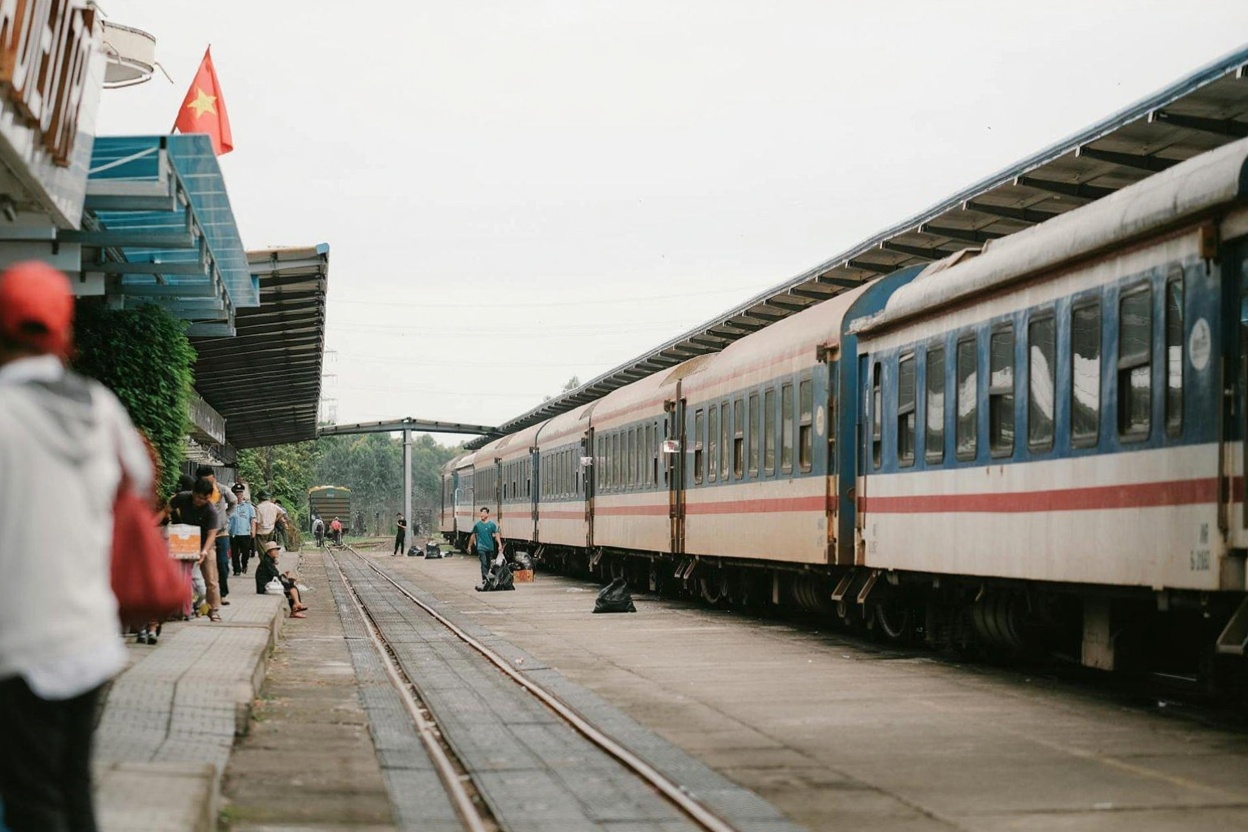
The Reunification Express runs from Hanoi’s main station to HCMC’s Saigon Station, with stops at Vinh, Hue, Da Nang, Nha Trang, and others. It’s a 1,726km journey that was completed in 1976 after reunification — and while the infrastructure is aging, the route itself is genuinely beautiful, particularly the coastal section between Hue and Da Nang where the track runs along sea cliffs above the South China Sea.
The key routes travelers use are not the full Hanoi-HCMC marathon. More practical are: Hanoi to Hue (11 hours overnight, leave at 9pm, arrive morning), Da Nang to Nha Trang (overnight, 10 hours), Nha Trang to HCMC (8 hours, daytime viable). These overnight legs mean you travel during sleeping hours and wake up at your destination.
Seat classes to know: Hard seat (fine for short daytime legs under 4 hours); Soft seat (air-conditioned, for medium daytime routes); Hard sleeper (6-berth open berths, fine, bottom berths more spacious); Soft sleeper (4-berth compartment, door, cleaner, worth the extra $5–8 for overnight). Book soft sleeper for any overnight — the extra cost is minimal and the sleep quality difference is significant.
Book on 12go.asia or Baolau.com for English-language booking. The official Vietnamese railway site (dsvn.vn) works but is Vietnamese-only. Book 2–3 days ahead for most routes; Tet period (January/February) needs 2+ weeks advance.
Sleeper Buses: Cheap and Underrated
Vietnam’s sleeper bus network is extensive, cheap, and perfectly functional — and almost entirely off the radar of travelers who fly between cities. A sleeper bus from Da Nang to Hoi An costs 50,000 VND ($2). Hue to Da Nang: 60,000–80,000 VND. HCMC to Mui Ne: 120,000–180,000 VND. These prices are hard to beat. For a full breakdown of routes, operators, and what to expect, see our Vietnam sleeper bus guide.
The buses themselves are full-length reclinable seats/berths — not chairs, actual lie-flat pods stacked two rows with a narrow aisle. They’re designed for Vietnamese passengers who are generally smaller, so taller travelers (above 180cm/5’11”) will find the berth length a tight fit but manageable for overnight legs. Air conditioning is strong (bring a layer). Blankets are provided but thin.
vance at a package price) is convenient but requires you to use specific departure times — fine if your schedule is fixed, inflexible if it isn’t.
Downside: buses to popular destinations fill up. Book 24–48 hours ahead in high season. Overnight buses sometimes arrive at 3am when no accommodation office is open — confirm your guesthouse has 24-hour check-in before taking an overnight bus there.
Domestic Flights: When to Pay More to Save Time
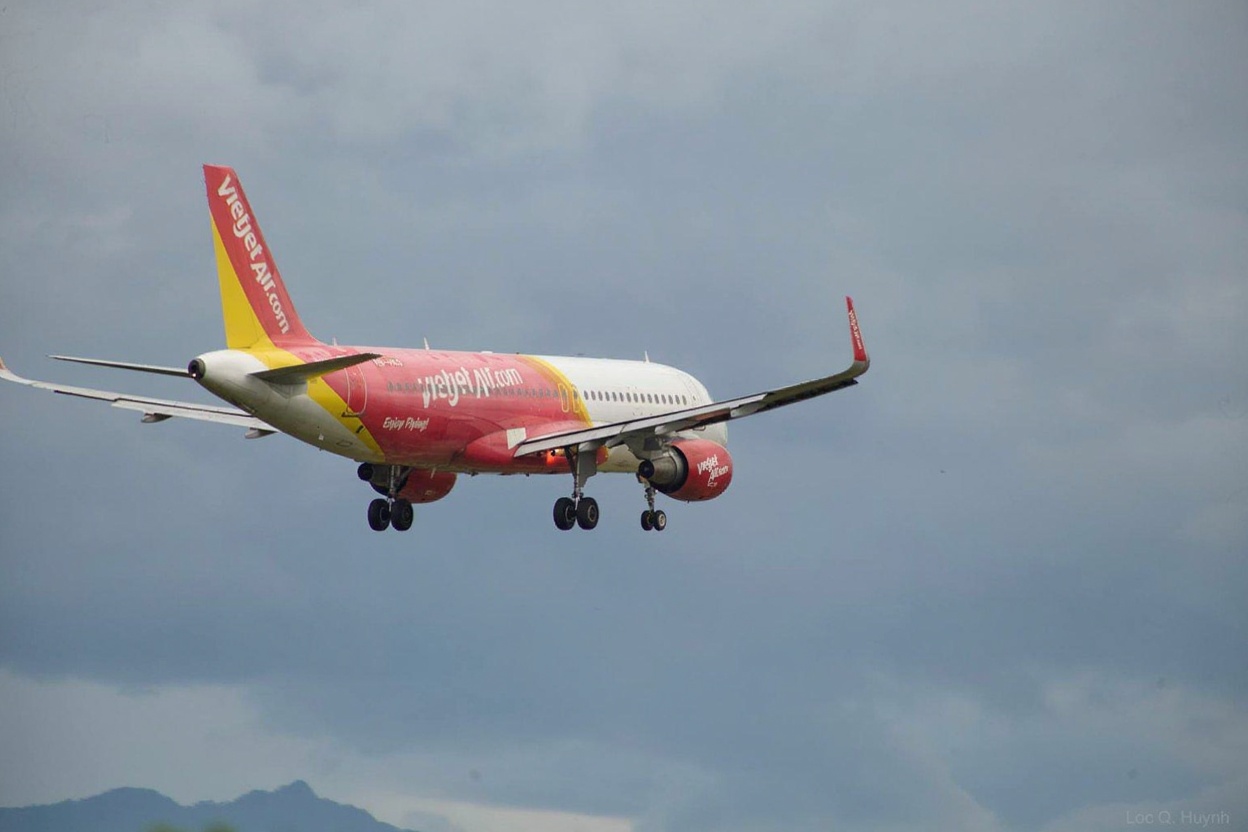
VietJet Air and Bamboo Airways both operate extensive domestic networks at low base fares. A Hanoi to HCMC flight booked 2–3 weeks ahead runs $35–55 on VietJet. Same-day or last-minute: $80–120. Vietnam Airlines (national carrier) runs $60–90 for similar routes and has better reliability and more generous baggage allowances.
The calculation: if your total Vietnam trip is 2 weeks or less, flying at least one major leg makes sense — you simply don’t have 33 hours to give to the Hanoi-HCMC train. If you have 3+ weeks, the train and bus network covers everything at a fraction of the cost and you see more of the country between cities.
Key domestic routes where flying saves significant time: Hanoi to HCMC (2hrs vs 33hrs — fly), Hanoi to Da Nang if you’re time-constrained (1.5hrs vs 11hrs — borderline, but the Hanoi-Hue overnight train is lovely if you have 11 hours to give), Da Nang to HCMC (1hr vs 20hrs — fly). Routes where the train competes: Hanoi to Hue, Hue to Da Nang (30 minutes on the train, no flight makes sense), Nha Trang to HCMC.
Budget airline add-ons: VietJet’s base fare includes zero checked baggage. Add a 7kg bag at $8–12, or a 20kg bag at $15–20 during booking (double or triple after booking if you add at the airport). Pack light or budget for baggage on VietJet.
Delays: Vietnamese domestic flights are punctual about 75–80% of the time. Schedule buffer at airports — especially Tan Son Nhat (HCMC), which is chronically congested. Don’t book a domestic flight with less than 3 hours of buffer before an international departure.
Motorbike: For Those Who Want to See the Country Properly
Riding a motorbike in Vietnam is not for everyone. It requires motorcycle experience, comfort with dense unstructured traffic, and acceptance that road safety standards differ significantly from Western countries. Given those conditions: it’s also the best way to see Vietnam. The Ha Giang Loop, the coastal road from Da Nang to Hue through the Hai Van Pass, the switchbacks above Sapa — none of these translate properly through a bus window or a taxi windshield.
The standard rental: semi-automatic Honda Wave (110–125cc). Cost: 80,000–150,000 VND/day ($3–6) in cities; higher at tourist hotspots. Rental agreements are informal in most cases — no license check, no formal insurance. If you crash, the repair bill is negotiated between you and the rental shop, and “negotiations” can be contentious. Rent from well-reviewed guesthouses rather than street shops for fewer disputes.
Klook has the widest selection for Vietnam and is usually the cheapest. KKday is strong on day trips and local experiences.
ntain routes like Ha Giang. A properly specced 250cc trail bike handles the Ha Giang passes far better than a Wave at altitude. Rental: 200,000–400,000 VND/day. Required if you’re taking switchbacks above 1,000m at weight.
The legal gray area: Vietnam requires a valid Vietnamese or international motorcycle license. Most tourists rent on a foreign license or no license and are rarely stopped. When stopped at checkpoints (more common in the north near border areas), police typically fine tourists 100,000–500,000 VND for no license — not an official fine, a cash resolution. Factor this into your risk assessment. On the Ha Giang Loop specifically, checkpoints are common and the informal fee is a near-certainty for unlicensed riders.
For the full motorbike rental guide including what to look for before renting, see our Vietnam motorbike guide.
Grab: How to Get Around Inside Cities
Install Grab before you land in Vietnam. It handles cars, motorbike taxis (GrabBike), and food delivery across every major city. It’s the single most useful app in Vietnam for daily navigation. The GrabBike option (you ride on the back of a motorcycle taxi) is significantly cheaper than GrabCar for short urban distances — 20,000–40,000 VND for most intra-city routes under 5km.
Grab requires a Vietnamese or foreign phone number and a live data connection. This is why getting a local SIM card or eSIM at the airport matters — without data, Grab doesn’t function and you’re back to negotiating with taxi drivers who may or may not run a meter. A Vietnamese SIM costs $4–8 at any airport carrier booth and pays for itself in the first Grab ride.
In Hanoi’s Old Quarter, GrabBike is often faster than GrabCar due to traffic — the motorbike can filter through alleys that cars can’t navigate. In HCMC, the distances between districts (3, 4, Bình Thạnh) are too large for walking and GrabCar provides a comfortable air-conditioned option. The app shows pricing before you confirm — no negotiation, no meter disputes.
Traditional taxis still operate. Vinasun (white) and Mai Linh (green) are the legitimate metered operators in HCMC and Hanoi respectively. If you can’t get Grab for any reason, flag these brands. Avoid unmarked or unbranded taxis at airports — these are the source of the majority of overcharging complaints.
Route by Route: What to Take
For the classic north-to-south (or south-to-north) tourist route:
Hanoi → Sapa: Overnight sleeper train to Lào Cai (8 hours), then taxi or transfer to Sapa town (40 min). Total: 8.5 hours overnight. Or VIP sleeper bus directly to Sapa (9 hours). Train is more comfortable; bus is door-to-door.
Hanoi → Ha Giang: Sleeper bus from Hanoi’s Mỹ Đình bus station (5–6 hours, overnight or morning departure). Futa Bus and Thành Bưởi operate this route. From Ha Giang town, rent a motorbike to do the loop.
Hanoi → Ninh Binh: Day train or bus (2–2.5 hours). Many operators, very frequent service. Train is pleasant; bus is equally fast for this short route.
Hanoi → Hue: Overnight sleeper train (10–11 hours). The classic overnight leg — depart 9pm, arrive 7–8am in Hue. Recommended over bus for this distance.
Hue → Da Nang: Train (2.5–3 hours) passes through the Hai Van Pass scenic section — this is the one train segment that justifies taking the train purely for the view. Daytime only for the window. Bus works but misses the coastal scenery.
Da Nang ↔ Hoi An: No train or bus between these two — taxi or Grab car (30–40 minutes, 250,000–350,000 VND) or rented motorbike.
Da Nang/Hoi An → HCMC: Fly if you’re time-pressed (1 hour from Da Nang); overnight train from Da Nang (15–16 hours) or bus works if you have an extra day.
HCMC → Mui Ne: Bus (4–5 hours, 150,000–200,000 VND). No train. Futa Bus is the standard option.
HCMC → Phu Quoc: Domestic flight (1 hour). Ferry routes exist from Rạch Giá or Hà Tiên (4–5 hours) if you’re coming from the Mekong Delta. Most visitors fly.
How to Book Transport in Vietnam
Three platforms handle most booking needs:
12go.asia: Aggregates trains, buses, and some ferry routes with English-language booking and email confirmation. Adds a small booking fee (usually $1–3) over counter price. Worth it for the convenience of advance tickets without language barrier. Good for train booking in particular.
Baolau.com: Similar to 12go, strong on bus routes, slightly lower markup on some routes. Compare both before booking.
VietJet/Bamboo/Vietnam Airlines apps: Book domestic flights directly through carrier apps. VietJet’s app occasionally has flash sales not available through aggregators. Set price alerts for key routes if you have a flexible departure window.
Counter booking: Bus stations in Vietnamese cities sell same-day and next-day tickets at face value — no markup. If you’re comfortable navigating a Vietnamese bus station and don’t need English assistance, this saves the platform fee. Your guesthouse can usually point you to the right station and help with the transaction for a tip.
Saving Money on Vietnam Transport
A few principles that cut transport costs significantly:
Book trains 3–7 days ahead rather than same-day — soft sleeper prices are fixed but fill up, forcing you into higher-priced alternatives when booking last-minute. The upper berths in hard sleeper class are consistently cheaper than lower berths and get booked last — if you’re comfortable with the minor inconvenience of climbing up, you save 20–30% on the berth price.
12Go covers most Vietnam routes — sleeper buses, trains, and island ferries. Compare schedules and book in advance during peak season (Dec–Feb, Jun–Aug).
Take overnight buses or trains for long legs — you’re paying for the trip anyway, and you save one night’s accommodation. Hanoi to Hue overnight on the train: $30 train + $0 accommodation vs $30 train + $15 guesthouse = overnight saves $15.
Fly one-way. If you’re flying Hanoi to HCMC on arrival and returning from HCMC, you don’t need a return — Vietnam’s one-way domestic fares are usually the same as half the round-trip price.
GrabBike instead of GrabCar for all intra-city routes under 5km. The price difference is 2–3x. In Hanoi’s Old Quarter, it’s also faster due to motorbike lane filtering.
Avoid airport transfer tours sold by hotels — these are typically 2–3x the Grab rate. Take Grab from all major airports; the pickup zones are clearly marked and drivers know to meet you there. One more: if you’re doing a multi-city trip and flying between some legs, compare the VietJet or Bamboo base fare plus baggage against the equivalent train journey — for legs under 600km, the total door-to-door time difference is often smaller than you’d expect when you factor in airport check-in, security, and travel from the city center to the airport.
Frequently Asked Questions
Is it safe to take buses in Vietnam?
Buses are a standard, widely-used mode of transport in Vietnam and millions of domestic travelers use them daily. The main safety consideration is road quality on mountain routes — mountain passes require experienced bus drivers, and most operators who run these routes have them. The sleeper bus network on the main north-south corridor has an acceptable safety record. At night on rural roads, buses do travel faster than you’d expect. For long mountain routes (Ha Giang access roads, Sapa approaches), smaller minivans with local drivers are common; quality varies. Stick to the larger named operators (Futa Bus, Hanh Cafe) on main routes.
How do I get from the airport to my hotel?
Use Grab. At Nội Bài (Hanoi), the app works in the arrivals area — walk through arrivals, connect to airport WiFi or your local SIM, open Grab, set your destination. The car will pick you up at the designated Grab pickup zone. Same process at Tân Sơn Nhất (HCMC) and Đà Nẵng. Avoid the taxi queue immediately outside arrivals — the rates are higher and not all drivers run meters. The Grab from Nội Bài to Old Quarter runs around 200,000–280,000 VND depending on traffic and time of day.
Do I need to book transport in advance?
For train travel: yes, book 2–3 days ahead minimum for soft sleeper berths. They fill up. For buses on main tourist routes: same-day booking is usually possible outside peak season, but booking the day before removes the risk. Domestic flights: book 2–4 weeks ahead for the best prices; same-day fares are 2–4x more expensive. During Tet (Vietnamese New Year, late January/early February), train and bus capacity sells out weeks in advance — this is the one period where you absolutely must book far ahead.
Is renting a motorbike safe?
Safe is relative. Vietnam’s traffic has its own logic — traffic generally flows at consistent speeds, everyone watches for everyone else, and intersections work on eye contact and yield rather than strict right-of-way. If you’ve ridden a motorcycle before and can maintain situational awareness in dense traffic, you can adapt in 1–2 days. If you’ve never ridden a motorcycle, Hanoi’s Old Quarter is not the place to learn. For those committed to riding, start in quieter cities like Hoi An or Da Nang where traffic pressure is lower, before attempting Hanoi or HCMC.
Can I take the train between Hoi An and Hue?
Hoi An doesn’t have a train station. The nearest station is Da Nang, 30km away. The route is: Hoi An → Grab/taxi to Da Nang station (30–40 min, 250,000–350,000 VND) → train Da Nang to Hue (2.5–3 hours, views of the Hai Van Pass coast) → Hue station. This combination is one of the better travel days in Vietnam — the coastal train segment between Da Nang and Hue is genuinely worth planning around.
What happens if my bus or train is delayed?
Delays happen. Train delays are typically 30 minutes to 2 hours; significant delays (4+ hours) are uncommon on main routes but do occur during typhoon season (September–November) when coastal sections near Da Nang can be affected by weather. Bus delays from traffic are routine, especially around Hanoi and HCMC during rush hours — schedule buffer on arrival. If a bus is significantly late due to breakdown, operators generally put you on the next available bus. The worst case for a bus delay is usually a 2–4 hour wait at a roadside stop. For time-sensitive connections (international flights, train transfers), always build in 3+ hours of buffer when arriving by overnight bus.
Should I take the tourist open bus ticket or book each leg separately?
The open bus ticket (sold by operators like Sinh Cafe and The Sinh Tourist) bundles multiple legs of the Hanoi–Hue–Hoi An–HCMC route at a package discount. It makes sense if you’re following that exact route in order with no detours. The downside: you’re locked into specific departure times and you can only travel in one direction — if you want to double back or skip a city, you lose the ticket value. Booking leg by leg through Baolau or 12go costs slightly more but gives complete flexibility. For most travelers with any variation in their itinerary, separate booking is worth the small premium. The open bus ticket is primarily convenient for very budget-focused travelers doing the standard route without deviation.