Last updated: May 2026 · Jake Morrison · 5 years in Vietnam
I’ve said this to people in person and in writing and I’ll say it again here: March doesn’t get the attention it deserves. It doesn’t have February’s Tet mystique or October’s harvest season appeal. It doesn’t appear in travel magazine headlines. It just consistently delivers — from Hanoi to Phu Quoc — without requiring you to plan around weather systems or festival windows.
The one thing March doesn’t have: the vivid green of the rice terraces in the north. That’s May-June. If the rice terrace photograph is the whole point of your northern Vietnam trip, factor that in. For everything else, March is the answer. Five years in Vietnam and I’ve watched March get overlooked year after year by travelers who defaulted to October or November because those months had better marketing. The people who showed up in March and asked about it afterward? Rarely complained about the timing. That says something.
March at a Glance — The Whole Country
Vietnam in March is a country transitioning out of its cold season in the north and holding steady in the south. The regional split that makes February complicated narrows significantly this month — every region is workable, and most are at their best.
The north’s rain days look high — 10–12 in Hanoi — but these are mostly short afternoon drizzles, not sustained rain events. By March the cold dry season fog has burned off. The light is different: sharper, warmer, the kind that makes the Old Quarter’s colonial architecture look like it was designed for this exact month.
North Vietnam in March — The Warming Window
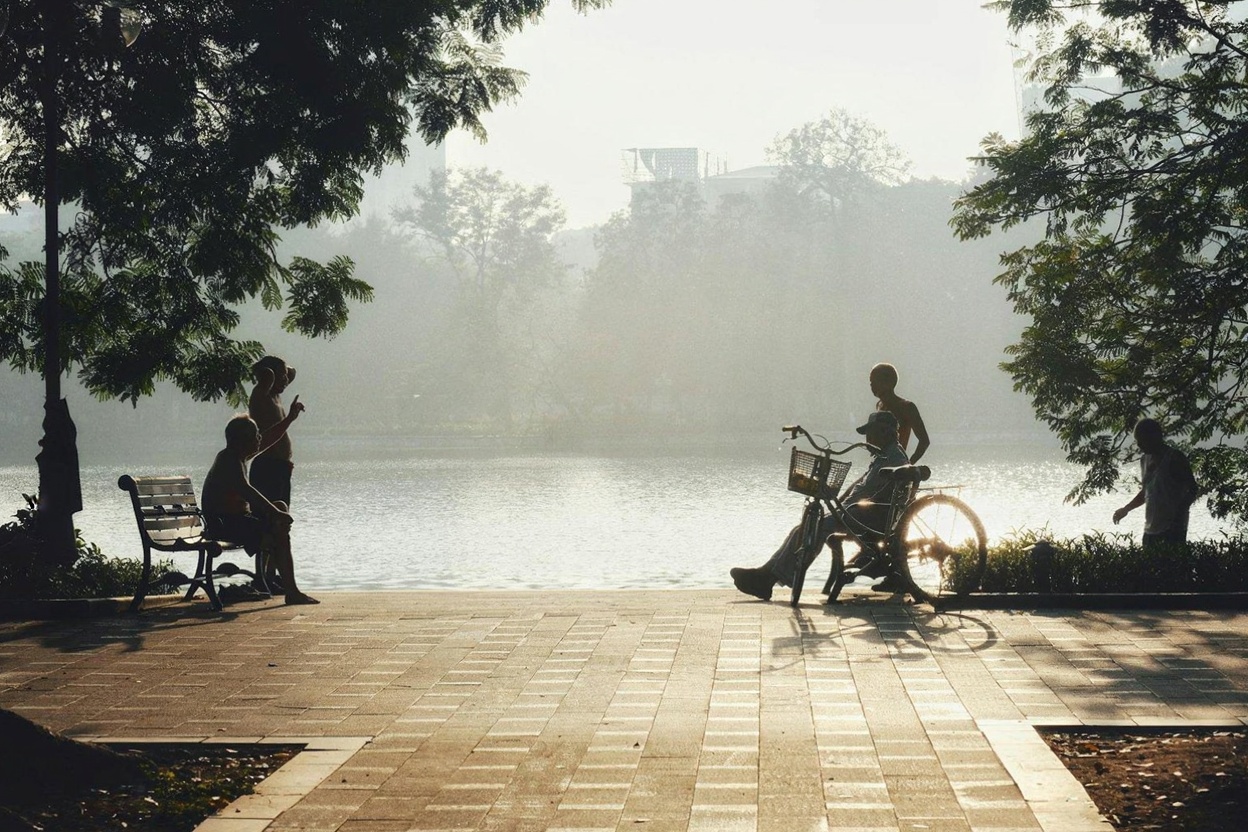
March is when northern Vietnam makes its argument for why you shouldn’t just fly straight to the south. Hanoi goes from 16°C in January to 22–25°C in March. The streets change. The outdoor restaurants reopen. The beer hoi (say: bya hoy) tables spill out further onto the pavement. The lake in Hoan Kiem stops being a backdrop for people in coats and becomes a place where you can sit with a cà phê trứng (say: ka fay tring — egg coffee) and not feel like you’re fighting the weather.
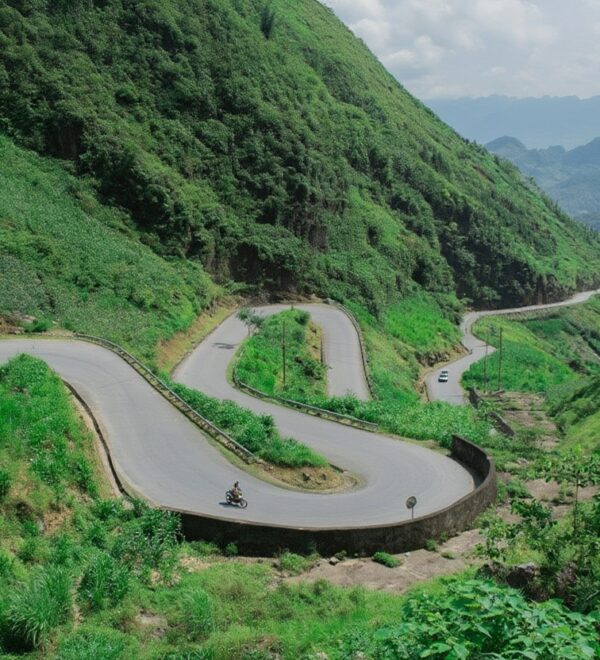
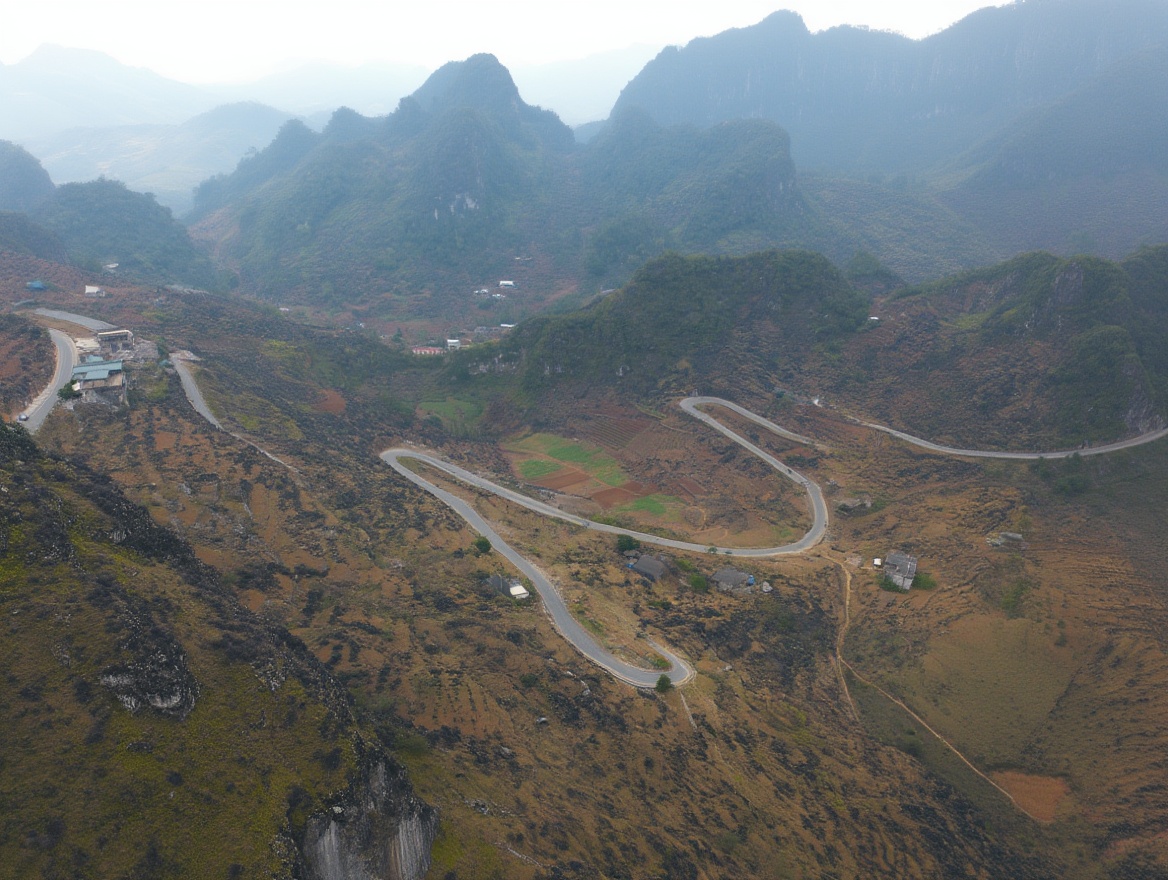
Ha Giang in March is arguably the best month on the Loop after October. The buckwheat flowers are long gone, but the weather window is right: not the winter cold that makes February mornings on the pass genuinely uncomfortable, and not yet the summer heat that can turn the afternoon riding section into a grind. Temperature at road level runs 15–22°C. The mountain sections hit single digits at night if you’re camping, but riding days are clean.
The crowds: Ha Giang in March is quiet. The Tet holiday domestic rush is over. The European summer traveler wave hasn’t started. You’ll share the Loop with a fraction of the people who’ll be there in May. The guesthouses in Dong Van and Meo Vac have rooms; the homstays in Tu San valley still feel like actual homestays rather than managed tourist experiences.
✓Quick Answer
Ha Giang Loop in March: 15–22°C at riding altitude, clear mornings, no cold gear needed beyond a light jacket. Crowds at their annual low outside of winter. Best combination of weather and quiet for the Loop all year — only October comes close. Book guesthouses 2–3 days ahead maximum; nothing fills up in March.
Sapa in March sits at 12–18°C — genuinely pleasant for trekking. The rice terraces are not yet green (that comes late April into May), but the Muong Hoa Valley has a texture at this time of year — dry grass, low morning mist, the H’mong villages going about their actual business — that photographers prefer to the high-season postcard green. Whether that’s your preference is a personal call.
Ninh Binh in March: good without complication. Trang An boat tours operating, the karst landscape in clear light, manageable crowds. The rice paddies around Tam Coc start showing their first green in mid-to-late March. If you want the fresh-green version, time for the last two weeks of March rather than the first.
Central Vietnam in March — Still the Best Coast
The central coast dry season extends through March and into April. Da Nang, Hoi An, Hue, and Quy Nhon are all operating in their best window: 25–29°C, 4–8 rain days per month, the kind of weather that makes beach days and temple mornings work in the same itinerary.
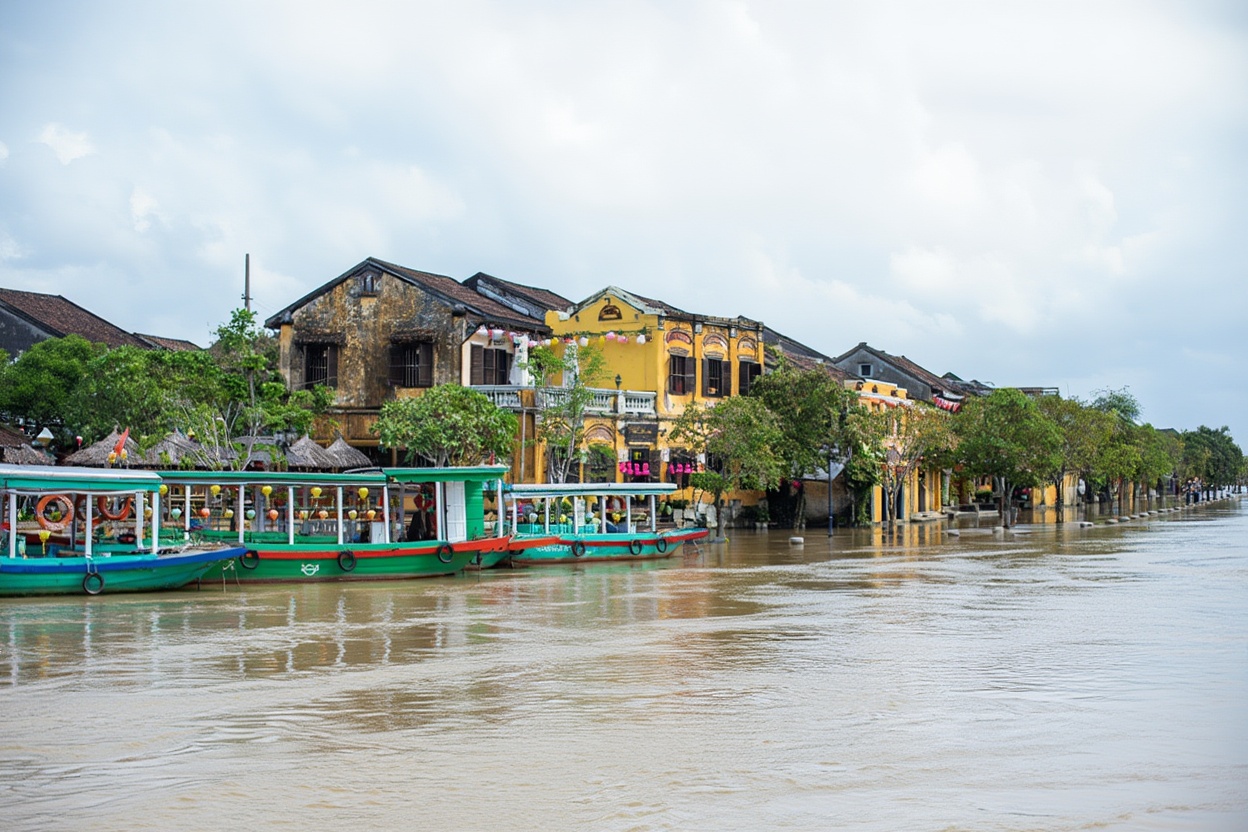
Hoi An in March is at a specific sweet spot. February is slightly quieter. April is slightly warmer. March is the balance: enough tourists that the restaurants are all open and the lantern nights have energy, few enough that the Ancient Town doesn’t feel like a theme park queue. The Thu Bon River evenings — sitting with a cold Huda beer (25,000 VND, ~$0.95) watching the lanterns go out — require actual planning in October but in March you can show up and find a riverside table.
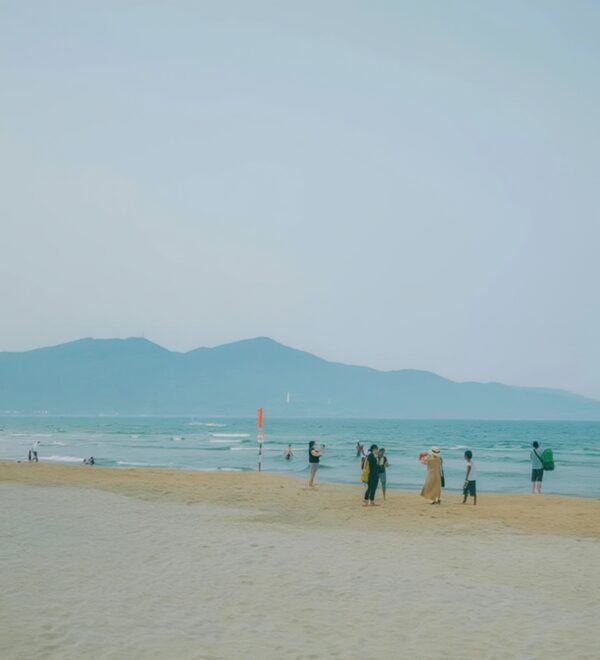
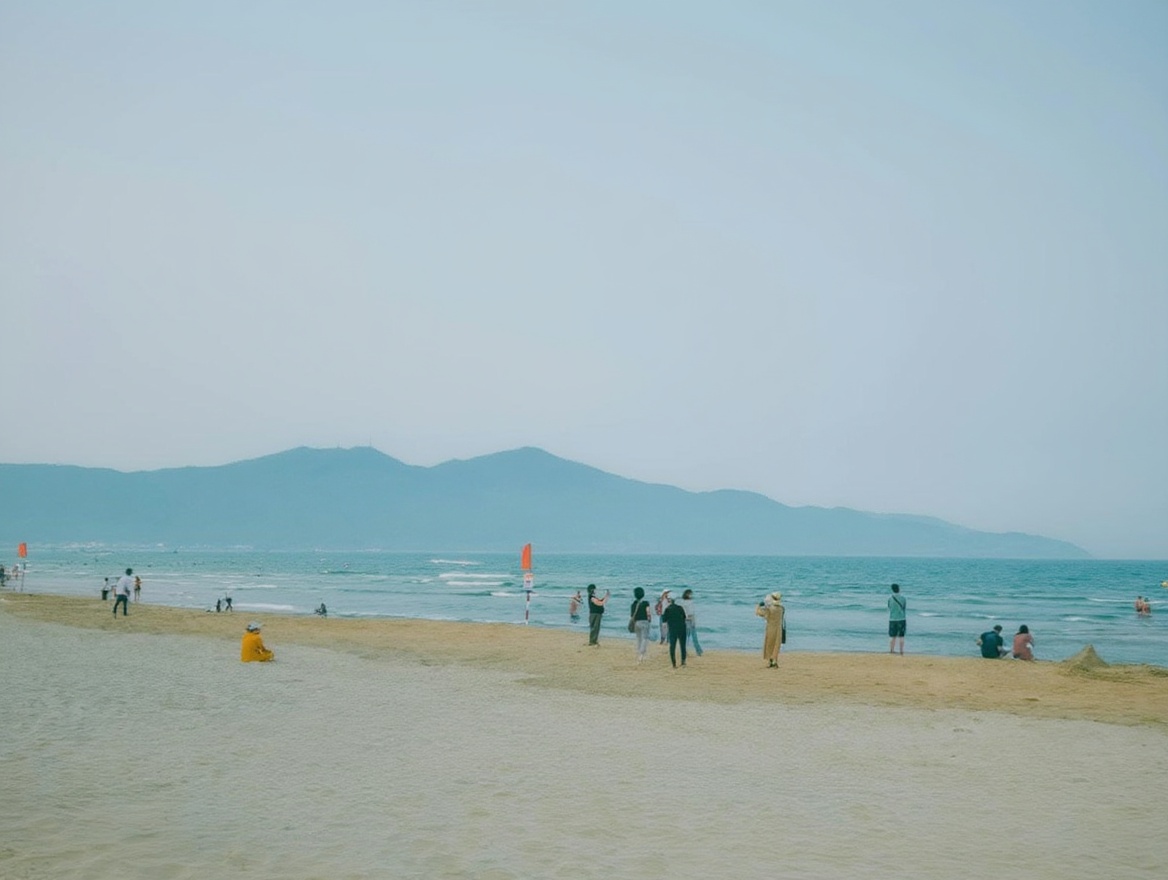
Da Nang in March means Marble Mountain is doable before 10am without queue times. My Khe Beach is swimmable and uncrowded. The Dragon Bridge is worth the Sunday night visit (fire and water breathing, 9pm) without the full summer crowd that gathers. The city functions at normal capacity without the saturation of the June-August peak.
Quy Nhon in March continues what February started: beach season at low tide, seafood at the best prices of the year, the coastal road north to Ky Co clear and empty. The only difference from February is slightly warmer water (26–28°C vs 24–26°C in February) and slightly more tourists — still a fraction of any beach in Da Nang’s orbit.
Hue in March is the version of the city that locals actually enjoy. The Imperial City (Đại Nội — say: dai noy) at 200,000 VND (~$7.60) is worth two hours in the morning when the light is low and the tour buses haven’t arrived from Da Nang yet. The Thien Mu Pagoda (Chùa Thiên Mụ — say: chua thien moo) on the Perfume River deserves 45 minutes — the seven-storey tower at the water’s edge, the smell of incense from the temple behind it, the river wide and calm below. Hue’s food — bún bò Huế (say: boon baw hway) at 40,000–60,000 VND (~$1.50–2.30), bánh khoái (say: bahn kwai) at 20,000–30,000 VND (~$0.75–1.15) per piece — is the reason food writers keep coming back to this city. March is when you can eat it in the conditions it was designed for: cool enough that a bowl of pork and lemongrass broth at 7am doesn’t feel like a challenge.
The central coast in March also marks the last easy window before the beach crowds arrive. By late April, Da Nang’s My Khe Beach starts filling with Vietnamese domestic tourists escaping the city heat. In March, the water is at the right temperature for swimming (25–27°C), the beach is long enough to find space without trying, and the seafood restaurants on Pham Van Dong Street are operating at their quietest and freshest. Order what’s in the tank, not what’s on the laminated picture menu.
↗Insider Tip
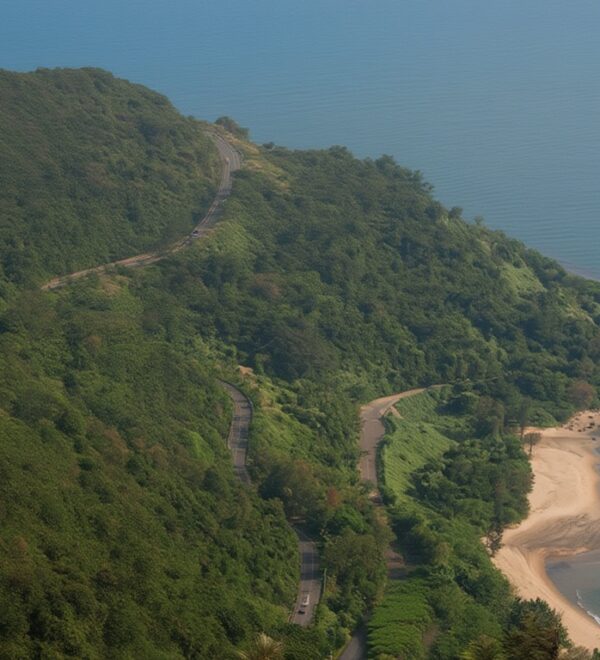
The Hai Van Pass (Đèo Hải Vân — say: day high van) between Da Nang and Hue is best done in March. Clear sky, light traffic, the coastal views from the summit unobstructed. By June it’s either hot and hazy or caught in afternoon storms. March morning, leave Da Nang by 7am, stop at the summit for 30 minutes, arrive in Hue for a late breakfast. Don’t do it by tourist bus — hire a motorbike or private car.
South Vietnam in March — Last Month of the Dry Season
March is the last full month before the south’s monsoon season starts in May. HCMC runs 31–35°C — properly hot, no getting around it — but the sky is blue and the rain is minimal. The city’s rooftop bars, street food corridors, and day trips to the Mekong are all fully operational.
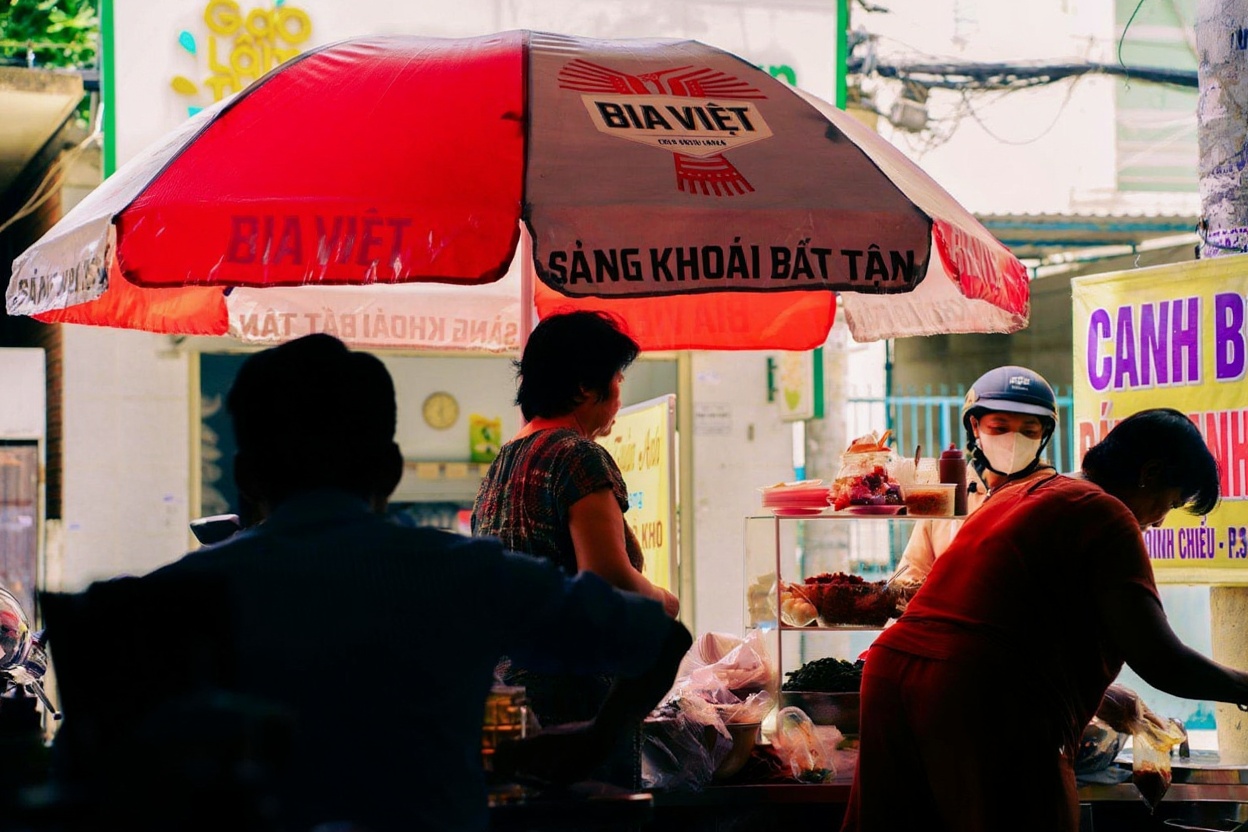
The heat in HCMC in March is real. Midday (11am–2pm) on open pavement is uncomfortable for most travelers used to temperate climates. The adjustment: museums and covered markets in the middle of the day, streets and street food in the morning and evening. The War Remnants Museum, Ben Thanh Market, and the Reunification Palace are all indoors and air-conditioned. Plan accordingly.
Phu Quoc in March is still excellent — 28–33°C, the sea calm on most days, snorkelling visibility good. It’s in the final stretch of peak season before the monsoon arrives and the island essentially closes its beach economy from May to October. If you want Phu Quoc without the December-January crowd peak, March is the right call: prices slightly lower than January, conditions essentially the same.
The Mekong Delta in March: the river is running at its dry season level, meaning the floating markets at Cai Rang and Phong Dien are active and accessible. The boat channels through the delta are navigable. The market activity starts at 5am and winds down by 9am — staying overnight in Can Tho rather than day-tripping from HCMC is the difference between seeing it and seeing the aftermath of it.
Can Tho in March runs 30–33°C. Hot. The afternoons are not for outdoor activity. What works: early morning boat to the floating market (hire at Ninh Kieu Wharf for 150,000–200,000 VND, ~$5.70–7.60 per person negotiated), then the market district on foot for breakfast, then shade and a fan in a riverside guesthouse through the afternoon heat. The city rewards the people who understand the rhythm — early mornings, late evenings, nothing outside between noon and 3pm.
Con Dao in March is finishing its best season window. The archipelago’s dry period runs roughly November through April, with March being one of the last months before the island’s limited infrastructure starts feeling the strain of the shoulder season. Flight prices from HCMC to Con Dao drop noticeably in March compared to January-February. The national park trails are clear, the sea is calm on most days, and the turtle nesting season hasn’t yet started — that’s April through November. For the beaches and the war history museum on Con Son, March is the practical choice.
→Who It’s For
South Vietnam in March is for travelers who want the full dry-season experience — reliable heat, minimal rain, everything open — before the monsoon changes the equation. The heat is real. If you struggle in 33°C+ weather, shift your south Vietnam time to November-December when it’s equally dry but 4–5°C cooler.
The Best March Itinerary — 2 Weeks
Two weeks in Vietnam in March: the routing that wastes nothing.
Days 1–3: Hanoi. Arrive into the warmth, not the cold. Old Quarter on foot, Hoan Kiem Lake at dawn, egg coffee on Dinh Tien Hoang, bún chả (say: boon cha) for lunch at 50,000–70,000 VND (~$1.90–2.65). The city is walkable in March in a way it isn’t in July.
Days 4–6: Ha Giang Loop. Three days minimum. Take the overnight bus from Hanoi (sleeper, 200,000–250,000 VND, ~$7.60–9.50). Rent a semi-auto at Dong Van motorbike rental (120,000–180,000 VND/day, ~$4.55–6.85). Ride the Loop in clear March weather, stay in homestays in Tu San Valley and Meo Vac.
Days 7–8: Hoi An. Fly Da Nang from Ha Giang (via Hanoi or Vinh). Two nights in Hoi An — the Ancient Town, the lantern nights, the morning market at 6am with bánh mì (say: bahn mee) from the street stalls near Cam Nam Bridge.
Days 9–10: Quy Nhon. Open tour bus south, 3 hours, 150,000–200,000 VND (~$5.70–7.60). Two nights. Ky Co beach on day one, the food street on Ngo Van So both evenings, Eo Gio cliffs on day two.
Days 11–14: HCMC or Phu Quoc. Fly south. Three nights in Phu Quoc for beach, or four nights in HCMC for city food and Mekong day trip. Either works in March.
The logic of this north-to-south route in March: you start in the most weather-sensitive region (north) while it’s at its best, move through central Vietnam in its clearest dry-season window, and arrive in the south with energy rather than heat exhaustion. Doing this route in reverse — south to north — means arriving in Hanoi at the end of the trip when it’s slightly hotter and more humid than when you left. North-to-south in March is the better direction. If you need help structuring the full route, our Vietnam itinerary guide covers every regional option in detail.
One thing worth adding if you have a 3-week trip: build in 2 nights in Hue between Ha Giang and Hoi An, and 2 nights in Ninh Binh before Ha Giang. Ninh Binh → Ha Giang → Hanoi flight → Da Nang → Hue → Hoi An → Quy Nhon → Phu Quoc. That’s the full central Vietnam chain done properly, in the right order, with each stop contributing rather than repeating. March makes all of it viable in a single trip without any weather roulette.
What’s Not Great About March
The north’s rain days — 10–12 in Hanoi, 10–13 in Sapa — sound worse than they are but do require planning. Ha Giang mornings are occasionally foggy. Sapa trekking can get muddy in the second half of March. These are manageable, not deal-breakers, but don’t assume March means zero rain in the north.
HCMC’s heat (31–35°C) is a genuine physical challenge. Two or three hours outside in midday March sun in Saigon, without shade, will drain most people. It’s not dangerous — it’s Vietnam, the infrastructure for heat exists (convenience stores with cold water, indoor air-conditioned everything) — but it requires adaptation, not just an attitude of “I’ll be fine.”
March is not cheap. It’s shoulder season pricing in most places — neither the January-February Tet premium nor the June-August full high-season premium, but not the low-season discounts of May or September either. Budget mid-range: 400,000–700,000 VND per night (~$15–26.60) for a decent guesthouse in most destinations. Phu Quoc resorts are still at near-peak pricing.
The central coast starts heating up through March. Hoi An in the second half of March hits 27–29°C — pleasant for evenings, warm for long afternoon walks. If you’re sensitive to heat, do the walking sections in the morning and use your hotel pool in the afternoon. The same applies in Hue: temple visits before 9am, air-conditioned café between noon and 2pm, Perfume River walk at dusk when the temperature drops back to 23°C and the light turns gold.
Two things worth sorting before you land: a Vietnam eSIM so you have data the moment you clear customs, and travel insurance — medical costs for uninsured foreigners in Vietnam are significant.
Airalo eSIMs activate instantly. Buy before departure — airport SIM queues in Vietnam can take 30+ minutes.
FAQ — Vietnam in March
Is March the best month to visit Vietnam?
For most traveler profiles, yes — or at least tied with October and November. The north is warming but not hot, the central coast is in dry season, and the south is in peak dry condition. There’s no Tet disruption, no typhoon risk, no regional flood warnings. The only travelers for whom March isn’t ideal: those specifically chasing northern rice terrace green (go May-June) or those avoiding heat entirely in the south (go November-December).
Does it rain in Vietnam in March?
It depends on the region. The north (Hanoi, Sapa, Ha Giang) gets 10–13 rain days — usually short afternoon showers rather than sustained rain. The central coast (Hoi An, Da Nang, Quy Nhon) gets 4–8 rain days. The south (HCMC, Phu Quoc) gets 2–5 rain days. Carry a small packable rain jacket in the north. The south and central regions rarely require more than a pause under a cafe awning.
Is it crowded in Vietnam in March?
Moderate. Significantly less crowded than October–November or December–January. The post-Tet domestic travel wave has passed, and the European summer tourist season hasn’t started. Ha Giang is at its annual crowd low. Hoi An is manageable rather than packed. Phu Quoc is still near peak season but prices begin dropping from the January high. Overall, March gives you high-season conditions with medium-season crowds.
What should I pack for Vietnam in March?
Light clothes throughout, plus a light layer for Hanoi evenings (still 19°C at night early March) and a proper warm layer for Ha Giang or Sapa mountain nights. Swimwear for central and south. Sun protection everywhere — March sun is strong even at comfortable temperatures. A small packable rain jacket for the north. The south needs nothing warm; the mountains need more than you think.
March vs October — which is better for Vietnam?
Close call, different strengths. October is rice harvest season in the north — the Ha Giang terraces and Sapa views are at their most photogenic, and the buckwheat flowers bloom at Ha Giang in October-November. March wins for the central coast (lower rain risk than October) and for travelers doing the whole country in one trip (no Tet complications, no typhoon risk). March is slightly more flexible; October is slightly more dramatic in the north. For a full month-by-month breakdown, our best time to visit Vietnam guide covers every region and traveler scenario.