Last updated: May 2026
People arrive at Con Dao expecting beaches. They leave talking about the prison. This isn’t because the beaches disappoint — they don’t — but because the historical weight of the island reframes everything else. You’re swimming in water next to a place where 20,000 people died in captivity. The combination is not grim exactly, but it’s not neutral either. Con Dao is one of very few destinations where the history and the landscape sit in genuine tension with each other, and both are better for it.
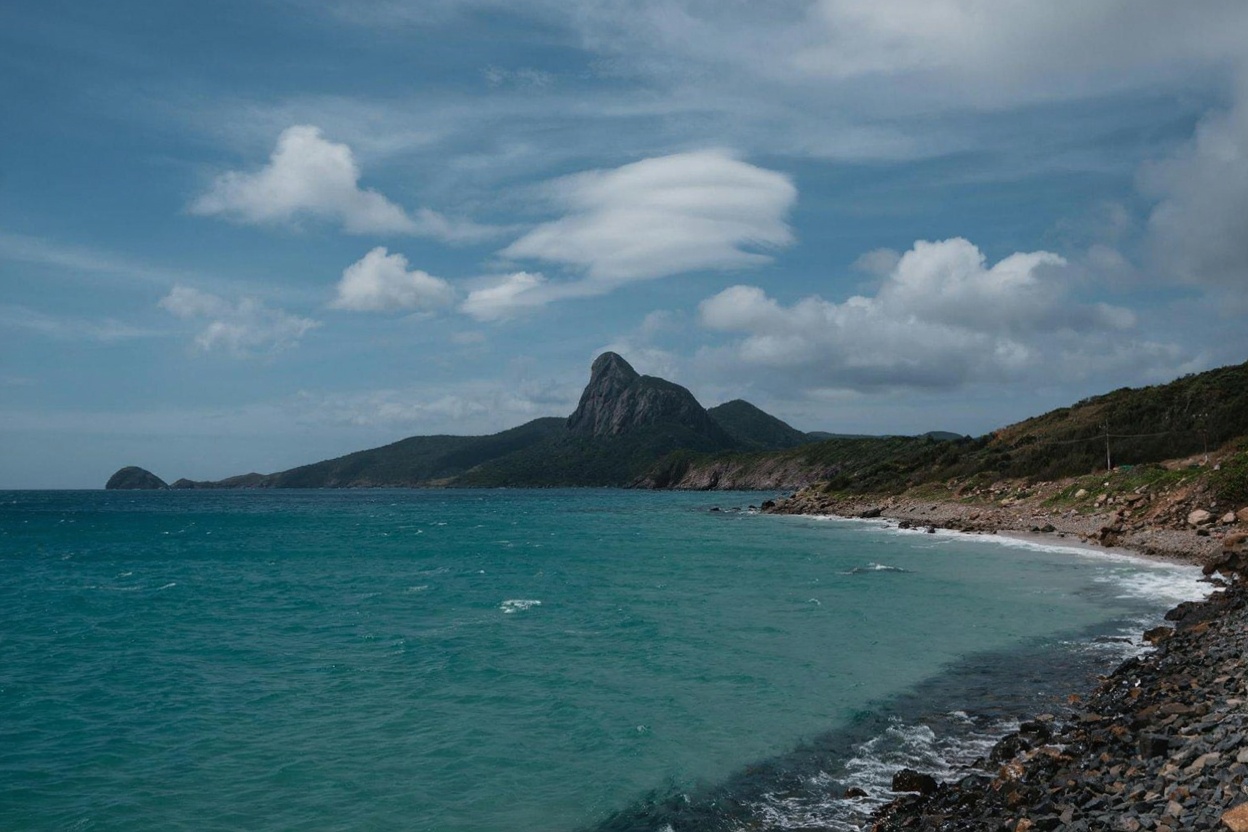 Con Dao beaches — the backdrop for one of Vietnam’s most historically significant islands” loading=”lazy” width=”1200″ height=”675″ style=”width:100%;height:auto;”>
This guide covers everything worth doing in Con Dao in order of importance — the things that define the island first, the things that fill a comfortable few days second.
One practical note before the list: Con Dao rewards prioritization. The island is small enough that a motivated traveler could try to do everything in two days, but the activities that matter most — the prison, the cemetery, the turtle watch — need space around them to land properly. Don’t overschedule. Three nights and a loose plan is better than two nights and an itinerary that moves you from attraction to attraction without letting anything settle.
1. The Prison Complex (Nhà Tù Côn Đảo)
Start here. The prison is the reason Con Dao is different from every other Vietnamese island destination, and visiting it early shapes how you understand the rest of the trip.
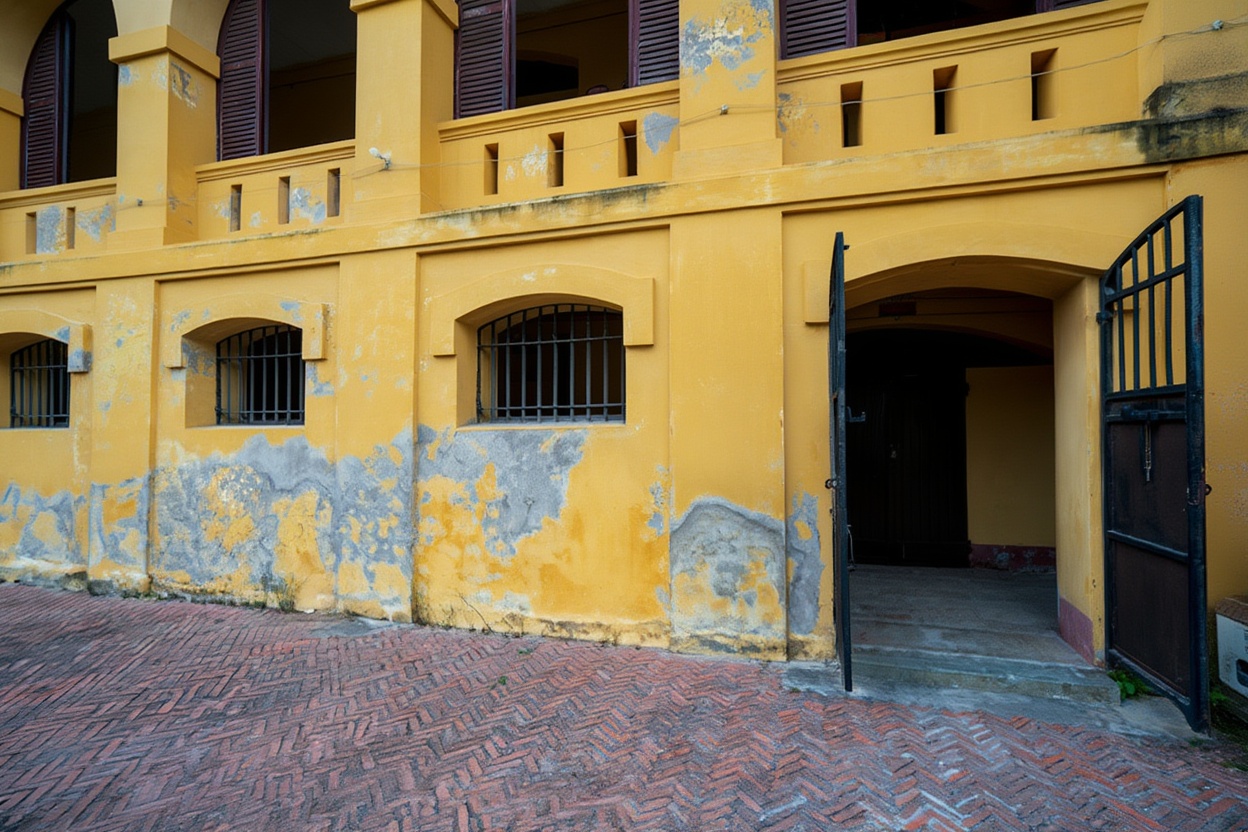 South Vietnamese, and American administrations” loading=”lazy” width=”1200″ height=”675″ style=”width:100%;height:auto;”>
**What it is:** Côn Đảo Prison (Nhà tù Côn Đảo, nya too Cone Dow) operated from 1862 to 1975, used successively by French colonizers, South Vietnamese administration, and during the American war period. It held Vietnamese political prisoners, resistance fighters, and independence advocates across more than a century. At peak occupancy, thousands of prisoners were held in conditions that the Tiger Cages section makes visually undeniable. For full logistics on getting there, where to stay, and when to go, see the complete Con Dao travel guide.
**The Tiger Cages (chuồng cọp):** Small stone isolation cells, originally built by the French and expanded under successive administrations, where prisoners were kept in solitary confinement. The cells are visible from a walkway above — you look down into them rather than entering. The dimensions communicate what a descriptive panel cannot: the cells are smaller than most of us would assume. This section of the complex was exposed internationally in 1970 when American journalist Tom Harkin photographed prisoners in the cages.
**Entry:** 40,000 VND (~$1.50) at the main gate, located about 1km west of Con Son town center on the main coastal road. Opening hours approximately 7:30am–11am and 1:30pm–5pm daily.
**What to bring:** A Vietnamese-English guide or the official audio guide significantly improves the experience. A self-guided visit is possible — labeling is in Vietnamese and English — but lacks the historical context that makes the prison comprehensible. Guides: 100,000–200,000 VND for a 90-minute tour; find them at the main gate.
ℹKnow Before You Go
Dress respectfully — this is an active memorial site that Vietnamese families visit. Photography is permitted but conduct yourself as you would at any war memorial. The site is emotionally demanding; the afternoon visit slot (1:30pm) is less crowded and allows more reflective time than the morning rush.
2. Hang Duong Cemetery
Less than 1km from the prison complex, Hang Duong Cemetery is the burial site of the prisoners who died on Con Dao — estimated at 20,000 people across the operation period. It is considered the most sacred revolutionary cemetery in Vietnam.
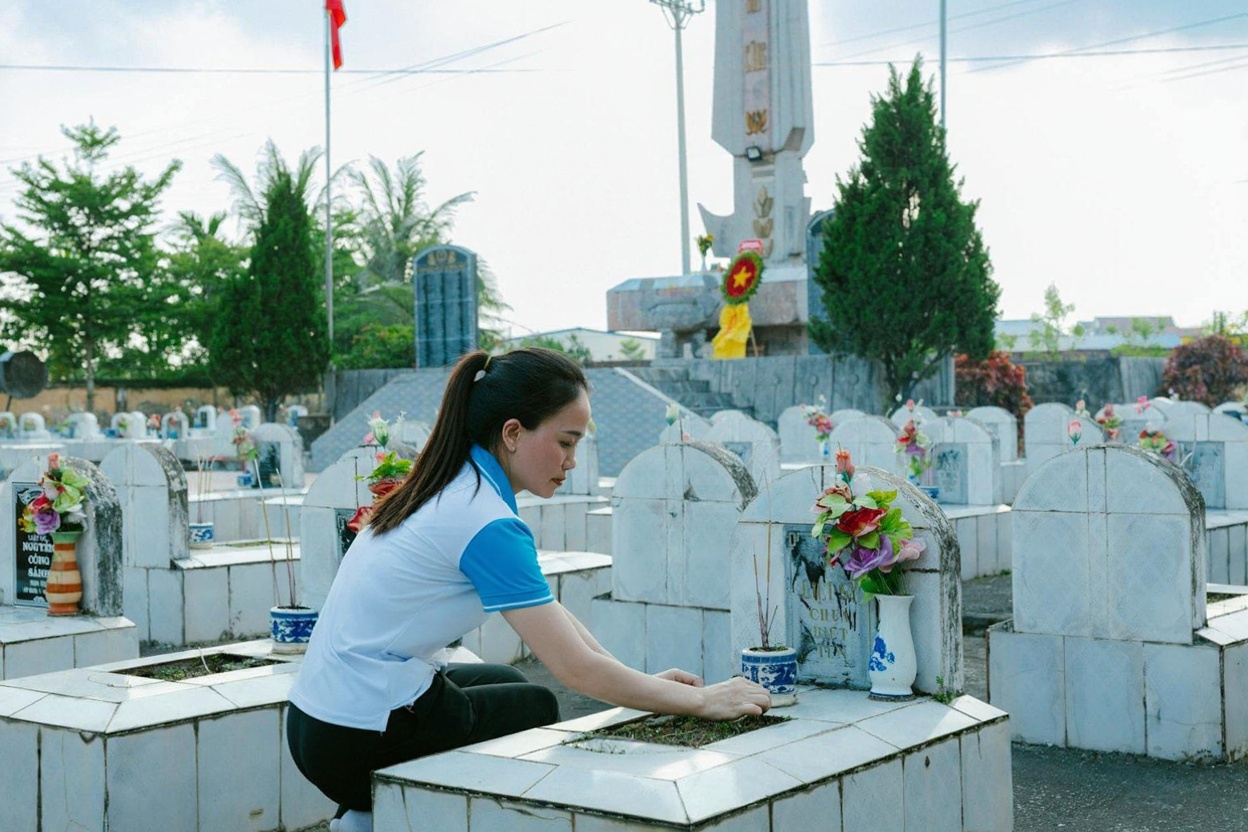
**Visiting:** The cemetery is free and open daily. The grave of national martyr Võ Thị Sáu — executed at age 19 or 20 in 1952 — draws a constant stream of Vietnamese visitors bringing flowers and incense. Her story is embedded in Vietnamese school curriculum; visiting her grave has a specific cultural significance that non-Vietnamese visitors often underestimate.
**When to go:** Dusk. The cemetery atmosphere changes significantly in the late afternoon — the intense heat softens, the incense from dozens of daily offerings has accumulated in the air, and the visitors tend to be Vietnamese families who’ve come specifically to pay respects rather than tour groups moving through on a schedule.
→Who It’s For
The cemetery is meaningful for anyone with an interest in Vietnamese history and the country’s complex relationship with its revolutionary past. It’s not a grim tourist attraction — it’s an active spiritual and memorial site. Approach it as you would any sacred space and it gives back proportionally.
3. Beach Exploration by Motorbike
Rent a motorbike (150,000–200,000 VND/day) and ride the coastal road. The main island is small — roughly 15km end to end — and the paved road connects most of the accessible beaches. This is the most efficient way to understand the island’s geography and find the specific beach that suits you.
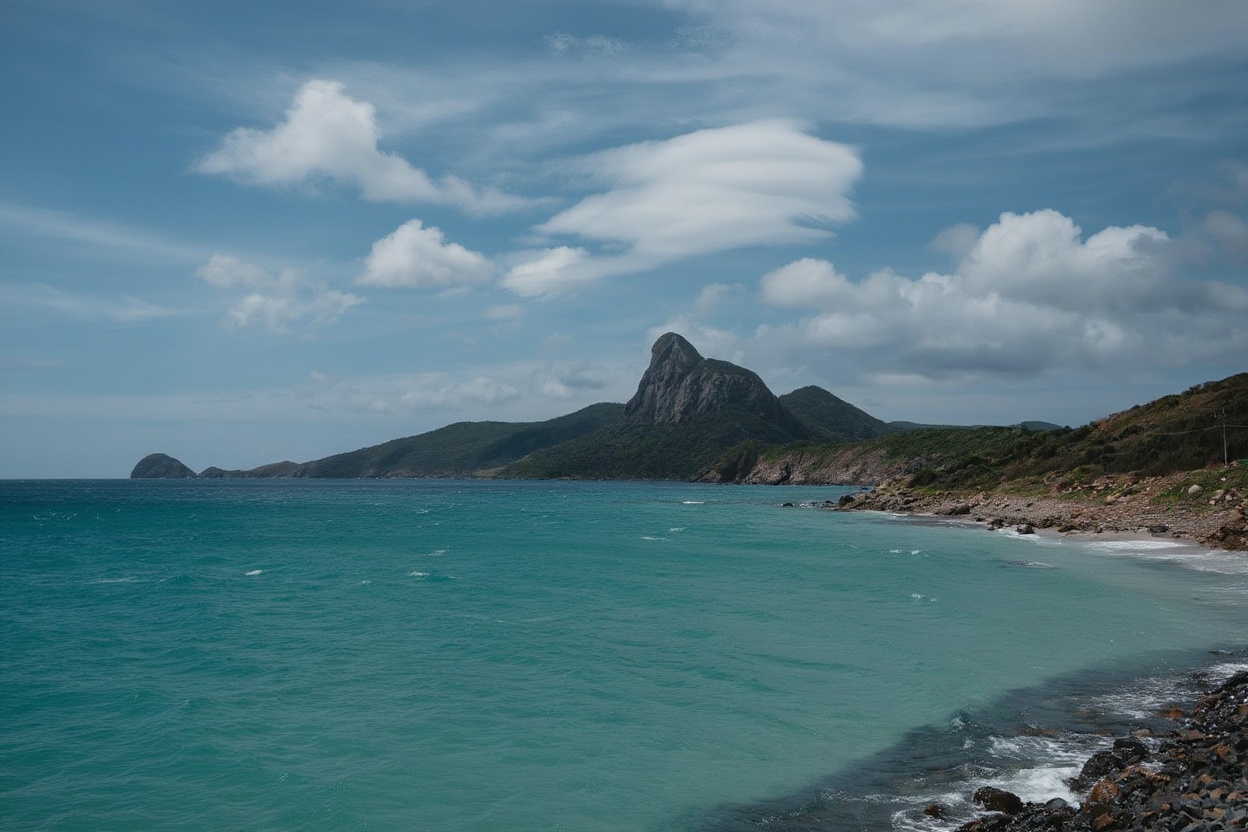
**Bãi Nhat (Nhat Beach):** About 2km from Con Son town, the closest proper beach to the accommodation cluster. Clear water, some shade from trees, calm conditions most of the year. Visible from the coastal road — hard to miss.
Klook has the widest selection for Vietnam and is usually the cheapest. KKday is strong on day trips and local experiences.
ood for swimming and sitting. A small beach restaurant operates here during peak season — basic food, cold drinks. The beach is on the southern coast and faces southwest, catching afternoon light well.
**Lò Vôi (Lo Voi):** Reached by a short path from the road, less developed than Dat Doc. Better snorkeling — the rocky headlands on either side concentrate fish. Bring your own mask and fins from town (available for rent at dive shops, 50,000–80,000 VND/day).
**Bến Đầm (Ben Dam) harbor:** The island’s main working harbor on the northwest end. Not a swimming beach, but boats leave from here for outer island day trips. Worth riding to see the working side of the island rather than just the tourist-facing coast.
**The eastern coast:** Less-developed path with access to some of the most isolated beaches on the main island. Requires more navigation confidence. Worth attempting on a second day if the primary beaches feel too accessible.
↗Insider Tip
The best beach time in Con Dao is 7–9am and 4–6pm. Midday (11am–3pm) is brutally hot on open sand, and the sun is directly overhead making water photographs flat. The morning light on the southeast-facing beaches, and the evening light on the southwest side, are the shots people take home.
4. Sea Turtle Watching (June–September)
Con Dao’s sea turtle program is one of the most significant conservation efforts in Southeast Asia. Green sea turtles (rùa biển, roo-ah bee-en) have nested on the island’s beaches for millennia, and the national park’s protection measures — established in 1993 — have stabilized a population that was declining rapidly from egg poaching.
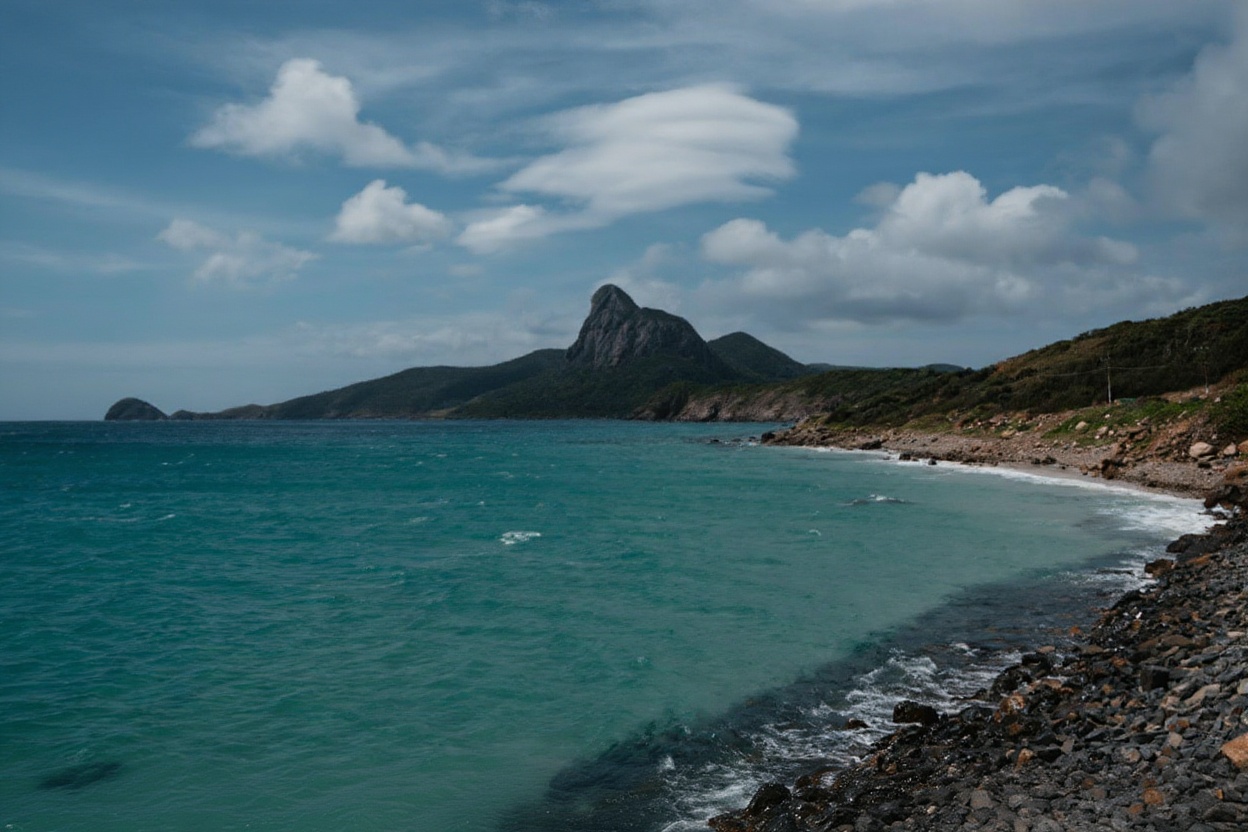
**How the program works:** The park runs organized turtle-watching sessions on specific nesting beaches during June–September. Groups of 8–10 maximum are accompanied by a ranger to a designated beach after dark (usually 9–10pm departure). The group waits in silence. When a turtle comes ashore to nest, the ranger leads the group close enough to observe at a respectful distance without disturbing the nesting process.
**Booking:** At the Con Dao National Park office, located near the main pier in Con Son town. Walk in on the day or book a day or two ahead. Cost: 150,000–300,000 VND per person (~$6–12) depending on the program tier. Peak season (July–August) fills up faster — book on arrival day for the best dates.
**Reality check:** There are no guarantees — it’s wildlife, and turtles nest on their own schedule. But sighting rates during July–August are reported to be high (some guides suggest 80%+ on a given night at peak season). The wait, the dark beach, the silence, the moment a 100kg turtle emerges from the water — all of it creates the atmosphere that makes this experience memorable regardless of outcome.
**What to bring:** Dark clothing (turtles are sensitive to light and movement), insect repellent, patience. Phones on silent and screens minimized once on the beach. The ranger will brief the group on approach protocols before arrival.
5. Snorkeling and Diving
Con Dao’s national park status protects the coral reefs more effectively than most Vietnam coastal areas. While the reef health is not pristine by global standards, it’s notably better than the majority of Vietnamese dive sites and rewards the effort to get there.
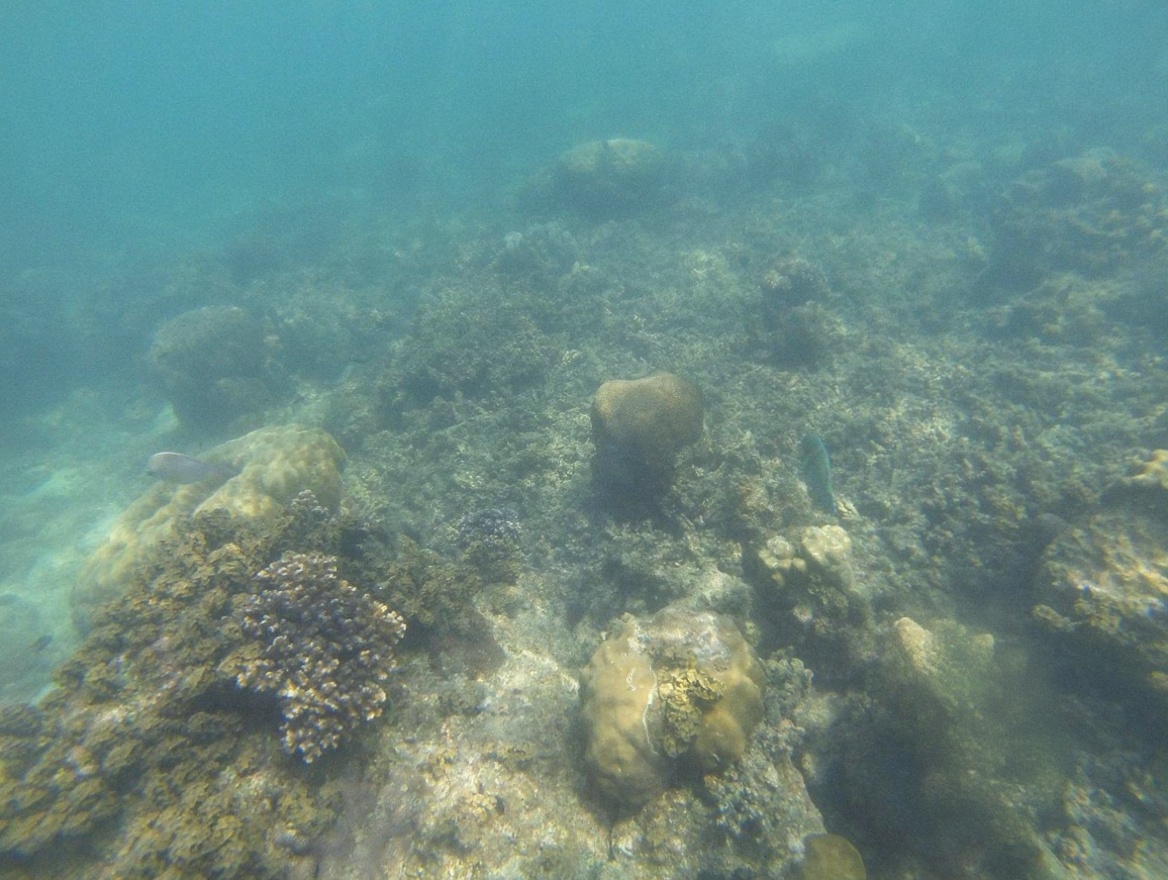
**Snorkeling independently:** Several beaches have accessible snorkeling directly from the shore. Lo Voi and the rocky areas near the outer edge of Nhat beach are the most consistent spots. Bring rented gear from town (50,000–80,000 VND/day for mask and fins) and explore the rocky headlands rather than the open sand — that’s where the fish concentrate.
**Boat snorkeling to outer islands:** Day trips to Bảy Cạnh and Hòn Tre Lớn include guided snorkeling at the outer reef sections. Visibility is typically better further from the main island. These trips run 300,000–600,000 VND per person on shared boats, organized through the pier or your accommodation.
**Diving:** Two or three dive operators on the island offer guided dives. Half-day trip with two dives: 700,000–1,200,000 VND including equipment rental and boat transfer. Advanced sites around Hòn Cau (the best coral) require a short crossing that isn’t always possible in rough weather. Book the day before and confirm conditions in the morning.
**What you’ll see:** Clownfish and anemones at most sites, reef fish diversity above average for Vietnam, occasional turtle encounters on the outer reef. Macro photography is rewarding. Large pelagics (sharks, rays) are possible but not guaranteed.
6. Boat Trip to the Outer Islands
A full-day outer island boat trip covers Bảy Cạnh (main turtle island), Hòn Tre Lớn (best outer reef snorkeling), and sometimes Hòn Cau (best diving). Shared boat day trips: 400,000–700,000 VND per person including lunch. Private charter: 1,500,000–3,000,000 VND per group for half day.
Organize through your accommodation, the pier, or the national park office. Morning departure (7–8am) to maximize beach time before afternoon swell picks up. Check weather forecast — rough sea days make the crossing uncomfortable and occasionally cancel the outer island trip.
What to Skip
Con Dao doesn’t have the fake-attraction problem that plagues more developed Vietnamese islands. But a few things don’t earn their reputation.
**Organized “island tour” packages from guesthouses:** Often just the coastal road by motorbike with a guide and inflated pricing. Rent your own motorbike and ride it yourself for a fraction of the price.
**Night market eating:** Con Son town has a small night market that serves the same dishes as the main restaurants at slightly higher tourist prices. Eat at your guesthouse or one of the regular restaurants instead.
How to Plan 3–4 Days
Most of Con Dao’s top activities are half-day commitments. A 3-night stay covers everything meaningful without rushing.
**Day 1 (afternoon arrival):** Prison complex and Hang Duong Cemetery (half day, allow 3–4 hours total). This reframes everything that follows.
**Day 2:** Morning beach motorbike circuit (7am–noon, stop at 3–4 beaches). Afternoon: snorkeling or underwater at Lo Voi. Evening: sign up for turtle watch if in season.
**Day 3:** Full-day outer island boat trip, departing 7am. Bảy Cạnh + outer reef snorkeling.
**Day 4 (if you have it):** Slow morning. Revisit the beach that earned a second look. Afternoon departure prep.
Practical Information for Doing Things in Con Dao
A few logistics that affect every activity on the island and save you time figuring out on arrival.
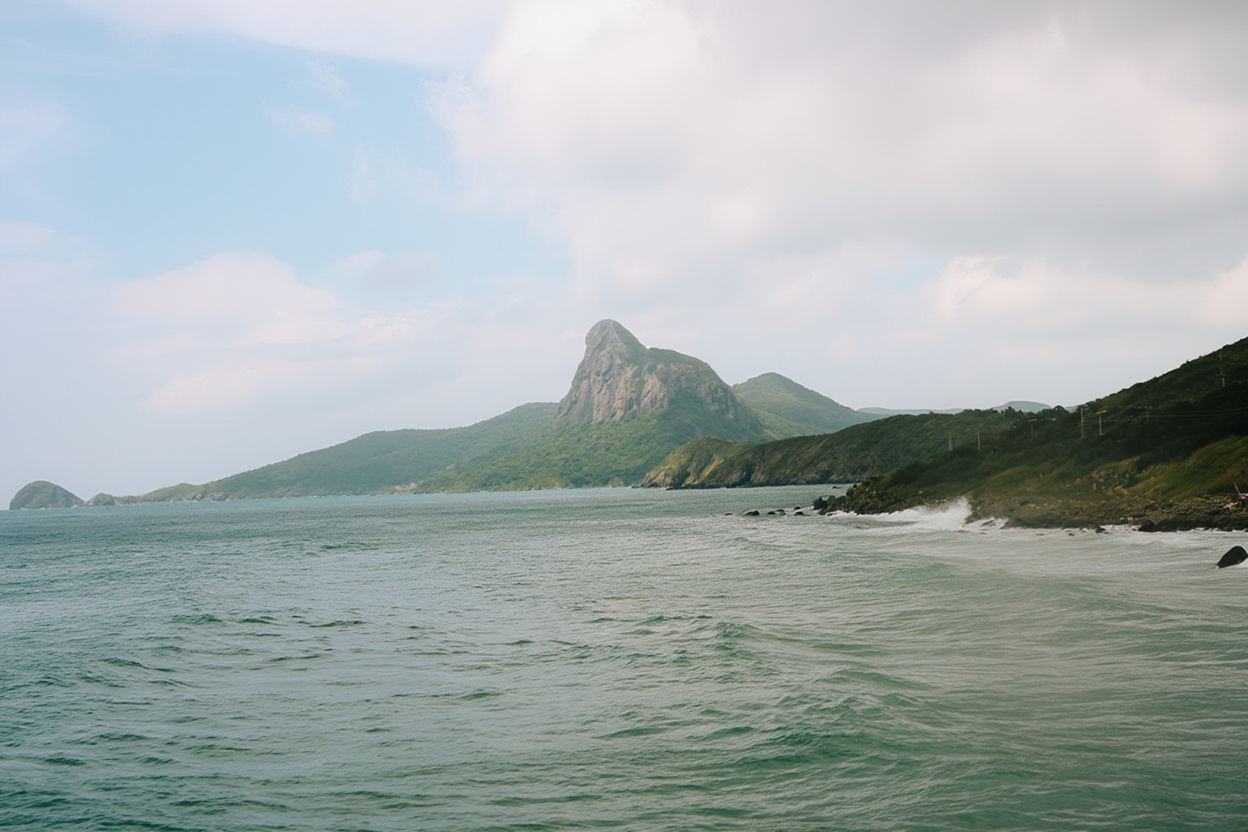
**Getting around:** Rent a motorbike. This isn’t optional — the island has no Grab service, limited taxis, and the activities are spread out along a 15km road. Every guesthouse and most hotels have motorbikes for rent at 150,000–200,000 VND/day. Automatics available for non-riders but the road has some gradient — a semi-automatic is better for the eastern coast route.
**Timing your activities:** The island has two distinct time zones: before 10am and after 4pm (pleasant) vs 10am–4pm (hot and glaring). Structure the day accordingly: beach motorbike circuit or outdoor walking before 10am, shade-based activities (prison, cemetery) in late afternoon when the light is also better for photography. Snorkeling and boat trips operate on boat schedules rather than heat logic — the morning departure (7–8am) is standard.
**Carrying cash:** The national park office, beach parking attendants, boat operators, and local food stalls are cash only. Budget 200,000–500,000 VND in small bills per day beyond accommodation costs. ATMs exist in Con Son town (one near the pier, one on the main street) but have been reported to run out on busy weekends. Withdraw on arrival.
**Buying tickets and booking:** The prison complex is walk-in. The turtle watching program is first-come-first-served at the park office — go in person on the morning of the day before you want to go. Boat trips and dive sessions can be arranged through accommodation but shopping around (10 minutes, three operators) often saves 20–30%. The national park office is the most direct booking point for park-related activities.
**Sun and heat management:** SPF 50+, a rash guard or long-sleeve layer for midday water activities, and at least 2 liters of water per person per day. Con Dao’s beaches don’t have food and drink vendors in the way that developed islands do — bring water from your accommodation for any beach or outdoor activity beyond town.
**What a typical good day looks like:** 6:30am — coffee from a stall near the market. 7am — on a motorbike heading south. 7:30am–9:30am — two beach stops, one snorkel session. 10am — shade. Noon — lunch in town. 2pm — prison complex (cooler indoors, fewer morning rush visitors). 4:30pm — Hang Duong Cemetery. 6pm — dinner. 9pm — turtle watching (in season). For transport options and logistics before you land, see our guide on getting to Con Dao from Saigon.
Two things worth sorting before you land: a Vietnam eSIM so you have data the moment you clear customs, and travel insurance — medical costs for uninsured foreigners in Vietnam are significant.
Airalo eSIMs activate instantly. Buy before departure — airport SIM queues in Vietnam can take 30+ minutes.
Frequently Asked Questions
What is Con Dao most famous for?
Con Dao is famous for three things: its largely undeveloped beaches in a national park setting, the Côn Đảo Prison complex — one of the most historically significant colonial and war-era prison sites in Southeast Asia — and Vietnam’s most important sea turtle nesting beaches. Among Vietnamese, the island has deep revolutionary significance. Among international travelers, it’s primarily known as a premium beach destination with no mass-market tourism development.
Can I see sea turtles in Con Dao?
Yes, during nesting season (June–September). The Con Dao National Park runs organized watching sessions on nesting beaches — small groups, guided, strict approach protocols to avoid disturbing turtles. Book at the park office near the main pier. Cost: 150,000–300,000 VND per person. Sighting rates are high in July–August but not guaranteed — it’s wildlife.
Is the Con Dao prison worth visiting?
Yes. It’s one of the most affecting historical sites in Vietnam and fundamentally changes how you understand the island. The Tiger Cages section alone — stone isolation cells where you look down from a walkway above — communicates the scale of what happened there more powerfully than any exhibit. Entry: 40,000 VND. Allow at least 2 hours, more with a guide.
What is the best beach in Con Dao?
Depends on what you want. Bãi Nhat is most accessible from town. Dat Doc beach is longer and more isolated. Lo Voi has the best shore snorkeling. The outer island beaches (accessible by boat) are generally better than any on the main island for swimming and reef access. For the most remote, least-visited beach on the main island, ride to the eastern coast and explore the path near the national park boundary.
Are there any free things to do in Con Dao?
Yes — Hang Duong Cemetery is free. All the beaches are free (no entry fees, no chair rental required). The coastal motorbike circuit costs only motorbike rental. Self-guided snorkeling costs gear rental (50,000–80,000 VND). The island’s National Park entry fee (for overnight visitors) is sometimes included in accommodation rates — check with your guesthouse. Most of Con Dao’s best experiences cost nothing or close to it.
Is Con Dao good for diving?
Better than average for Vietnam. The national park protection has kept reef health above the mainland coast standard. The best site (Hòn Cau) is a 20km boat ride and depends on weather conditions. The easily accessible sites near the main island are good but not spectacular. If you’re a serious diver coming specifically to dive, it’s a worthwhile destination but not comparable to the Philippines or Indonesia. If you’re coming for the island and adding diving, it’s a genuine bonus.
What is there to do in Con Dao at night?
The island is quiet at night. Options: sea turtle watching (June–September, organized through park), dinner at one of the waterfront seafood restaurants, a walk through Hang Duong Cemetery at dusk (technically dusk not night but the atmosphere is better than midday), or sitting on your accommodation terrace and doing nothing. Con Dao doesn’t have nightlife and isn’t trying to develop any. If you need evening entertainment, this is not your island.