Last updated: May 2026 · Jake Morrison · 5 years in Vietnam
I’ve been to Dalat in every month except February, and the difference between months is less dramatic than any other Vietnamese city I can name. The same highland climate that keeps the city at 15–23°C regardless of coastal Vietnam’s seasonal extremes also moderates the seasonal variation within Dalat itself. The coolest month (January, averaging 16–18°C) and the warmest month (April–May, averaging 21–23°C) have an 8°C range between them. Compare that to Hanoi’s 40°C seasonal swing. Dalat is the only Vietnamese destination where “best time to visit” is genuinely less important than “what are your priorities.”
Dalat by Season — What Actually Changes
Understanding Dalat’s seasons requires separating the highland climate from the lowland Vietnam monsoon pattern that drives seasonal logic everywhere else in the country. The monsoon affects Dalat, but it arrives as afternoon rain rather than the sustained heavy rain that closes beaches and floods rivers on the coast.
WHO Dalat Is For — By Season
The right question for Dalat isn’t “is it raining?” — it’s “what do I specifically want from the trip?” Because the seasonal variation in Dalat is modest enough that the answer to that question determines which month is best more than the weather itself does.
→Who It’s For
Dry season (December–April): Photographers, outdoor activity seekers (canyoning, highland trekking, countryside motorbike tours), travelers who want the cleanest possible weather window. The December Flower Festival is the specific event for travelers interested in Dalat’s domestic tourism culture at its most colourful. Wet season (May–October): Budget travelers (lower accommodation prices), travelers escaping coastal summer heat (Dalat at 20–24°C is a genuine refuge from HCMC’s 33°C), anyone with a fixed summer holiday window who doesn’t want to miss Dalat. The afternoon rain pattern is manageable with morning-focused planning. Skip October–November if possible: These are Dalat’s most unpredictable months — the wet season exit produces multi-day grey periods that limit outdoor activity windows in a way the rest of the year doesn’t.
December to February — The Best Window
December through February is Dalat’s dry season peak: 3–6 rain days per month, temperatures of 14–22°C, clear skies that last through the morning before any cloud builds. December is peak tourist season (the Da Lat Flower Festival in December 2026 will bring the highest domestic tourism volume of the year), but January and February are quieter — the flower festival crowd disperses, Vietnamese Tet (late January-February in 2026) sends HCMC residents back to their home provinces rather than to Dalat, and the city returns to a manageable mid-season level. For everything the city offers beyond weather planning, the Dalat travel guide covers the full picture.
The Da Lat Flower Festival (Lễ Hội Hoa Đà Lạt — say: lay hoy hwa dah laht) runs biennially in December. In 2026, it’s scheduled for the final week of December. The festival is the largest domestic tourism event in the city: flower displays along Tran Phu boulevard, the Da Lat flower market at full capacity, cultural performances and nighttime light installations. Accommodation prices during festival week rise to peak levels — 2–3x standard rates for the villa district guesthouses. Book 4–6 weeks ahead for festival week, or arrive the week before (still excellent weather, significantly fewer crowds and lower prices).
January is Dalat at its coolest — evening temperatures can drop to 12–14°C, which is the one month a proper jacket is genuinely useful rather than just precautionary. The cold evenings make Dalat’s fireplace cafés in the villa district make environmental sense: sitting by a wood fire in a French colonial villa in Vietnam with a cup of artichoke tea is the specific Dalat experience that January delivers. The days are clear and mild (16–20°C). January is my recommended month for anyone who has flexibility — good weather, low crowds, the city at its most atmospheric.
March to April — Almost as Good
March and April extend the dry season with slightly warmer temperatures (17–24°C) and marginally more cloud cover as the transition to the wet season begins. These are still excellent months: outdoor activities at full operation, canyoning at Datanla running in optimal conditions, the Cau Dat tea plantation countryside circuit at its most photogenic. The domestic school holiday surge hasn’t arrived yet (Vietnamese summer holidays begin June 1), so March and April offer a combination of good weather and manageable crowd levels that June-August can’t match.
March is worth considering specifically for the national calendar: the country is past the Tet holiday (January-February) and before the summer peak, with no major holidays affecting domestic travel volumes. Dalat in March is the version that doesn’t require advance booking 3 weeks ahead.
May to September — Rainy Season (Not What You Think)
The rainy season in Dalat (May–October) operates on a different pattern from the coastal monsoon that closes beaches and floods river towns. Dalat’s rain is predominantly afternoon and evening — mornings are typically clear, the rain arrives between 2–4pm, runs heavily for 1–2 hours, and clears by evening. The temperature throughout the wet season stays at 18–25°C — cooler than coastal Vietnam in the same months. The city continues operating through the rain; the cafés fill up, the night market runs with temporary shelters, and the outdoor activities (except canyoning, which can be unsafe in high water) continue with morning timing.
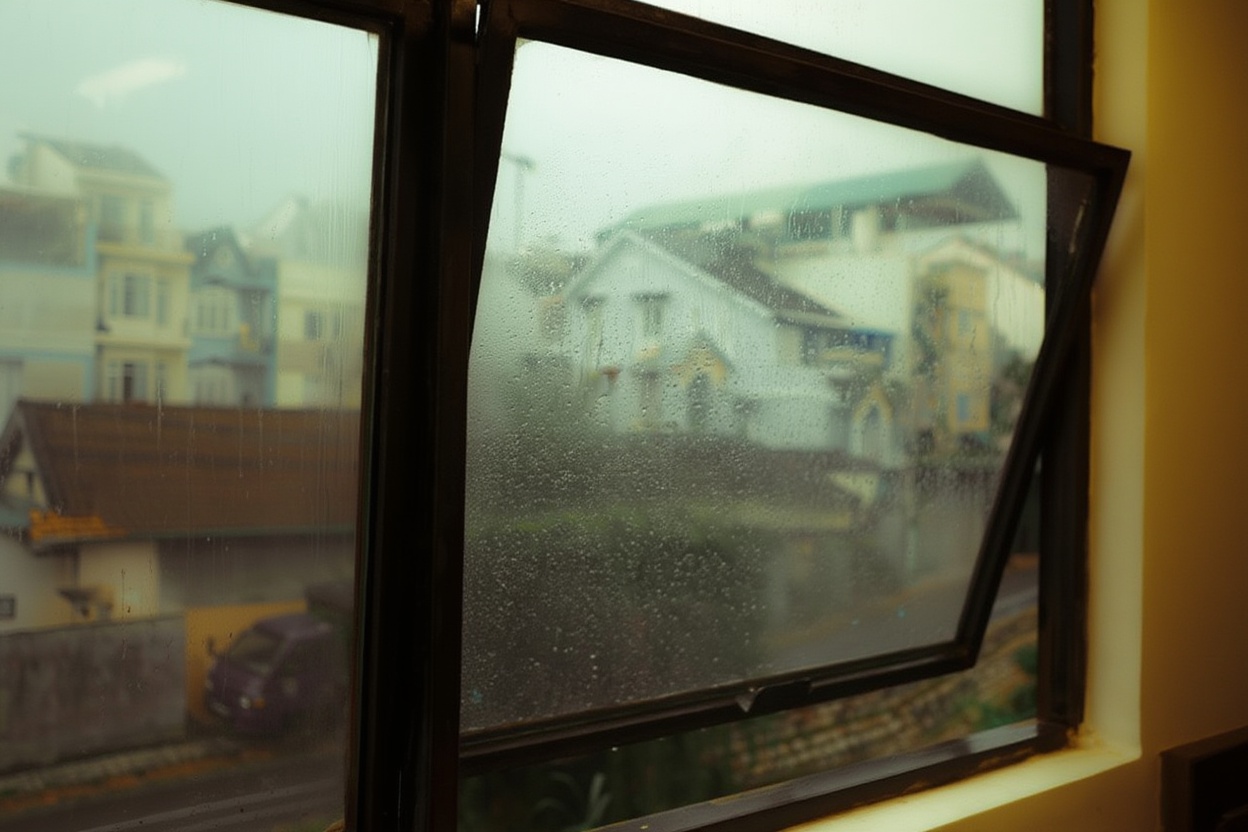
June and July are the months when Dalat functions as an escape destination for HCMC and the central coast. When the coastal cities are in peak summer heat (33–38°C), Dalat’s 20–24°C is a relief that drives a wave of Vietnamese domestic tourists to the highlands. The city is at its liveliest in the rainy season’s first half — the night market crowds, the villa district cafés, the weekend getaway energy from urban Vietnamese visitors. For the international independent traveler, the June-July crowd density is the main consideration; prices don’t spike as dramatically as the coastal resorts do in peak season.
August and September bring the highest rain frequency (18–22 days per month) but Dalat’s afternoon-rain pattern means mornings remain viable for almost all outdoor activities. The canyoning operators at Datanla sometimes close when the waterfall volume is too high for safe rappelling — check before booking in August-September.
October and November — The One Caveat
October and November are the months to approach with some caution in Dalat. The seasonal transition at the end of the wet season can produce multi-day grey periods — not the dramatic typhoon weather that hits the central coast in October, but persistent low cloud and drizzle that lasts for 2–3 days rather than the typical afternoon-clears pattern. The upside: the highland foliage is at its greenest, the flower markets are at autumn peak, and the pre-December quiet means accommodation prices and crowd levels are low. The downside: there are stretches in October-November when Dalat’s outdoor activities (lake circuit, canyoning, countryside tours) are rained out for longer than a single afternoon.
⚠Real Talk
I’ve had a November in Dalat that was three consecutive grey, drizzly days with no clear morning window for the lake circuit. The cafés were great. The night market still ran (waterproof awnings, local pragmatism). The Crazy House interior was fine. But the vista from Do Phong hill was invisible under cloud and the countryside motorbike tour I’d planned was muddy and wet rather than scenic. November Dalat is the month where the highland “always good” narrative breaks down occasionally. If November is your window, pack a rain jacket, accept that some outdoor plans might shift to indoor alternatives, and know that the day after a grey stretch is often spectacularly clear.
What Dalat’s Specific Activities Look Like by Season
The seasonal variation matters most for the outdoor activities that make Dalat distinctive. Here’s what changes and what doesn’t across the year:
Canyoning at Datanla Falls: Optimal December through June, when the waterfall volume is manageable and rappelling conditions are safe. August-September are the highest-risk months — heavy rain in the preceding 24–48 hours can raise water volume to dangerous levels and operators cancel. Check with your chosen operator 24 hours ahead in August-September. July is borderline — go in the morning when the previous night’s rain has partially subsided.
Klook has the widest selection for Vietnam and is usually the cheapest. KKday is strong on day trips and local experiences.
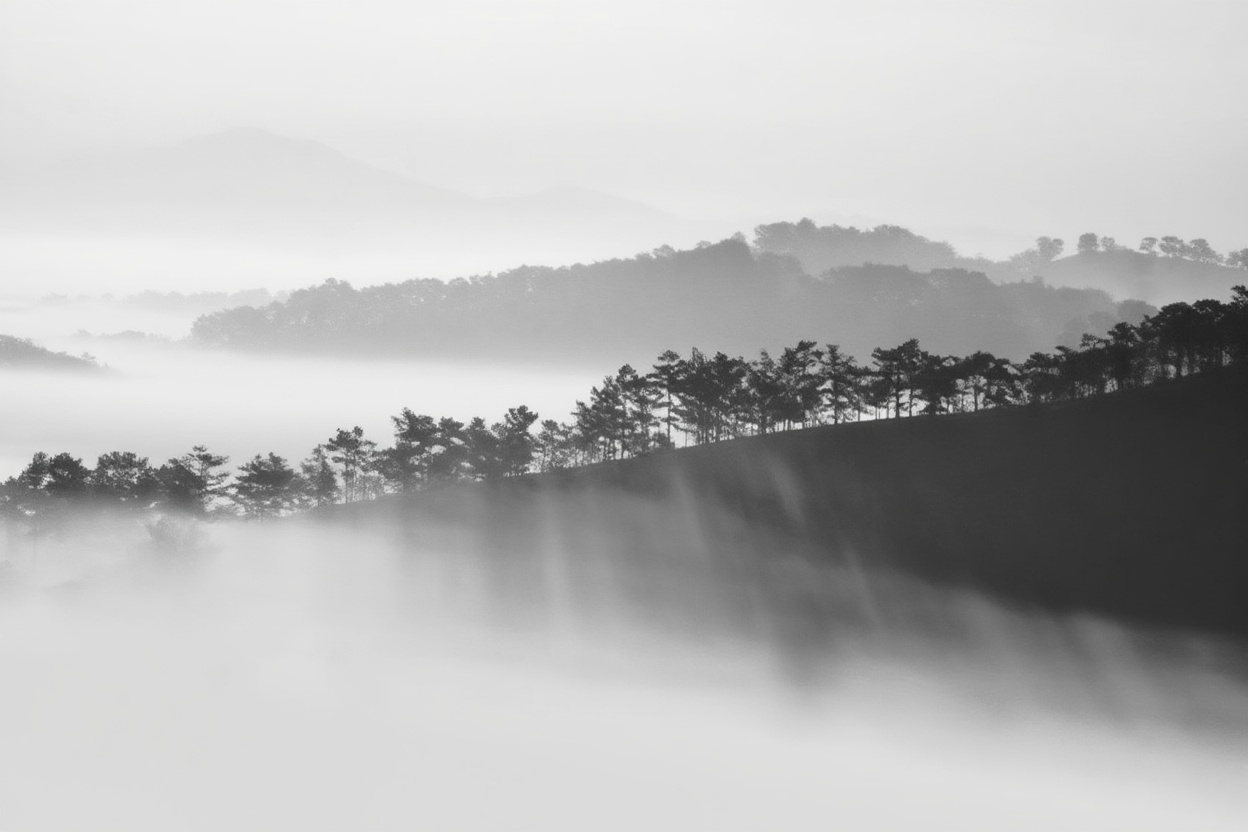
over the lake is actually most atmospheric in the dry-season months (December-February) when the air is coolest and the morning fog sits low across the water. The rainy season lake circuit is pleasant but less photographically dramatic — the mist moves faster in warmer temperatures. The point is: no season makes the lake circuit bad. It’s just best in the cool dry-season mornings.
Countryside motorbike tour (Cau Dat + Elephant Falls circuit): Good dry season, manageable wet season with morning timing. The Cau Dat tea plantation is most photographically compelling in the mist that the wet season mornings produce — the rows of tea disappearing into low cloud, the highland valley in morning green. But the road to Cau Dat can be slippery after overnight rain. October and November multi-day rain periods are the one time this activity is genuinely difficult.
The heritage train to Trai Mat: Year-round and unaffected by weather — the train runs regardless of rain, and the pine forest section is atmospheric in mist. The Linh Phuoc Pagoda at Trai Mat is covered for most of its interior and a light rain doesn’t affect the visit. This is the activity most divorced from seasonal conditions.
Highland trekking: Best December-April. Wet season trails (especially off the main routes) become muddy and slippery after sustained rain. The primary trails in the Bidoup Nui Ba National Park, 30km north of the city, are maintained but require dry conditions for the steeper sections. If trekking is the primary purpose, dry season is non-negotiable.
Strawberry picking: Best October-April (the primary growing season). Greenhouse operations extend the season through some of the wet months, but the outdoor farms at Cu Hiep are seasonal. Ask your guesthouse which farms are currently open before making the 3km trip.
How to Plan Around the Weather in Dalat
Unlike coastal Vietnam, where the best time to visit a destination is a clear binary (rainy season vs. dry season, sometimes as stark as “the beach is closed” vs. “the beach is open”), Dalat’s weather planning is subtler. The same city, the same activities, the same food — but the quality of the outdoor experience varies by 30–40% depending on whether you get a clear morning or a grey one. The planning principles that apply throughout the year:
Front-load outdoor activities to the morning. In every month except January and February, Dalat’s best outdoor conditions are 6am–noon. The Xuan Huong Lake circuit, the Truc Lam cable car, the Elephant Falls drive, the Crazy House at its least crowded — all of these work best in the morning. This is especially true in the wet season, where the afternoon rain arrives reliably at 2–4pm. Build your Dalat day with outdoor activity in the morning and café/indoor time (the market, the Crazy House interior, the coffee shop circuit) for the afternoon and evening.
The canyoning window is narrower than guides suggest. Datanla Falls canyoning (the outdoor adventure activity Dalat is most known for) requires specific water volume conditions. Too much rain in the preceding 24 hours and the waterfall volume makes the rappelling unsafe — operators cancel. This is most likely in August-September. The reliable canyoning window is December through June; August and September are the months to check conditions before booking.
The Flower Festival December crowds require advance booking regardless of weather. The biennial Da Lat Flower Festival (December 2026) is the single highest-demand period in Dalat’s calendar. Budget accommodation sells out; mid-range villa guesthouses sell out. Book 4–6 weeks ahead for any December stay, and 6–8 weeks ahead for festival week specifically. The weather in December is excellent — it just comes with maximum competition for rooms.
Cold evenings in January are different from cold days. January evenings can drop to 12–14°C. This doesn’t affect the day’s activities (16–20°C daytime is comfortable for anything outdoors) but it catches travelers who packed for “Vietnam in summer” and didn’t bring layers. A light wool sweater or fleece is the one packing item that changes the January experience in Dalat from slightly uncomfortable to specifically pleasant — the fireplace cafés in the villa district are designed for exactly this temperature range.
Combine Dalat with the right coastal companion destination for the season. January-March: pair Dalat with Da Nang, Hoi An, or Quy Nhon — all in dry season on the central coast. April-May: Dalat plus Nha Trang or Mui Ne before the monsoon arrives on the coast. June-August: Dalat works as a highland retreat from the coastal heat — HCMC, Phan Thiet, Nha Trang are all blazing; Dalat’s 20–24°C is the escape. November: pair Dalat with HCMC (which is exiting its monsoon) rather than the central coast (which is in typhoon/flood transition). For context on how Dalat compares to the rest of the country, see our Vietnam best time to visit guide.
Two things worth sorting before you land: a Vietnam eSIM so you have data the moment you clear customs, and travel insurance — medical costs for uninsured foreigners in Vietnam are significant.
Airalo eSIMs activate instantly. Buy before departure — airport SIM queues in Vietnam can take 30+ minutes.
FAQ — Best Time to Visit Dalat
What is the best month to visit Dalat?
December through March is the best window — dry season, clear mornings, cool temperatures (14–22°C), and all outdoor activities in optimal condition. January is the least crowded month with consistently good weather. December is peak tourism season due to the biennial Flower Festival. March and April extend the good conditions into the transition season. Any of these four months works; January and March are the sweet spots for independent travelers who want good weather without peak-season crowds and prices.
Is Dalat worth visiting in the rainy season?
Yes — Dalat’s rainy season (May–October) operates on an afternoon-rain pattern rather than sustained all-day rain. Mornings are typically clear, the rain arrives 2–4pm and clears by evening. Temperatures stay at 18–25°C throughout. The activities that require dry conditions (canyoning at Datanla, highland motorbike tours) need morning timing but remain viable. Prices are slightly lower, and June-July brings a high-energy domestic Vietnamese tourism crowd that fills the city’s cafés and night market with a social energy in a different way from the dry season quiet. The exception: October-November can produce multi-day grey periods — this is the one window where the afternoon-rain pattern breaks down.
When is the Dalat Flower Festival?
The Da Lat Flower Festival (Lễ Hội Hoa Đà Lạt) runs biennially in December — in even-numbered years including 2026. The festival occupies the final week of December with flower displays, cultural performances, and the highest domestic tourist volume of the year. Accommodation during festival week books out 4–6 weeks ahead and prices peak. The week before the festival (mid-December) has the same excellent weather at significantly lower prices and fewer crowds.
How cold does Dalat get?
Dalat’s coldest month is January — average temperatures of 14–18°C, with evenings occasionally dropping to 12°C. This is the one month a proper jacket makes a real difference in Dalat, particularly for evenings and early mornings. The daytime temperature in January (16–20°C) is mild and comfortable for outdoor activity. The rest of the year averages 17–25°C. “Cold” in Dalat terms is not Northern European cold — it’s the kind of temperature that makes the fireplace cafés atmospheric and the hot artichoke tea actively pleasant.
Is Dalat good for a winter holiday?
Vietnam doesn’t have a winter in the European sense, but Dalat in December-January is the closest the country comes: 14–22°C, clear skies, fireplace evenings in the villa district cafés, the possibility of needing a jacket for the first time in a Vietnam trip. For travelers from cold-weather countries who want a cool-temperature break within a Vietnam itinerary, Dalat in January specifically provides a pleasant highland climate without the humidity extremes. The Flower Festival in December 2026 adds a specific cultural event to the calendar. It’s not skiing, but it’s the closest Vietnam has to a highland winter destination.
What is Dalat like in July?
Dalat in July is wet-season but functional. Temperatures are 18–24°C — significantly cooler than coastal Vietnam in peak summer. The afternoon rain pattern (clear mornings, 2–4pm showers, clearing by evening) holds through July. The city is busy with Vietnamese domestic tourists escaping the coastal heat — HCMC families in particular use Dalat as a summer highland retreat. Accommodation prices are moderately elevated from the rainy-season baseline due to domestic demand, but significantly lower than peak December levels. Outdoor activities run on morning schedules; canyoning at Datanla is viable in July with morning timing.
Is Dalat rainy in March?
March is in Dalat’s late dry season — 6–10 rain days, predominantly afternoon or evening, with mostly clear mornings. March is one of the best months to visit Dalat: good weather, past the Tet holiday crowd surge, before the Vietnamese school summer holidays begin. Outdoor activities operate in optimal conditions. The transition to the wet season doesn’t begin in earnest until May, so March visitors get near-peak dry season conditions without December-January crowd levels.