For everything else about the city, our Hanoi travel guide has the full picture.
The Honest Overview
Cao Bang is far. That’s the honest starting point.
270 kilometers from Hanoi in a straight line sounds manageable. In northern Vietnam mountain road logic, it means 6–7 hours on a good day — sometimes more if there’s a truck blocking a single-lane pass or construction on the highway north of Bắc Kạn. Factor this into your planning rather than discovering it at hour five.
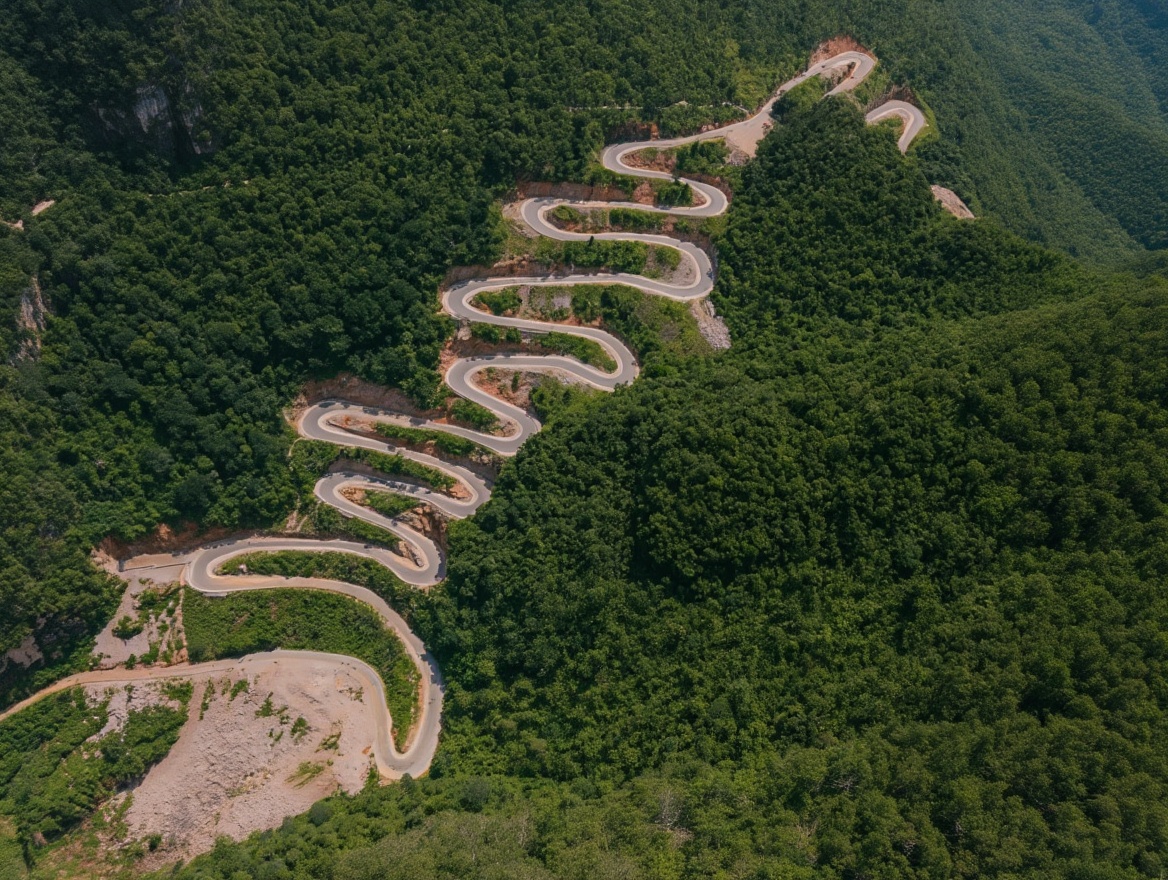
The trade-off is that the road is genuinely good by northern Vietnam standards. The route (National Route 3, then Route 34 northeast from Bắc Kạn) is paved and maintained. The scenery gets progressively better — by the time you’re in Bắc Kạn province, the karst hills start rising and the highway narrows into something more interesting than fast.
Most people do this overnight. Depart Hanoi at 9–10pm, arrive Cao Bang city 4–6am, dump your bag at a guesthouse and start your day without losing it to transit. This is the right call.
Option 1: Sleeper Bus — The Standard Move
> **Quick Answer:** Sleeper bus Hanoi → Cao Bang: 200,000–250,000 VND ($8–10). Departs Gia Lam station (east Hanoi) or My Dinh station (west Hanoi). Journey time: 6–7 hours. Two main operators: Hung Thanh and Gia Phat. Book on 12Go Asia or direct at the station.
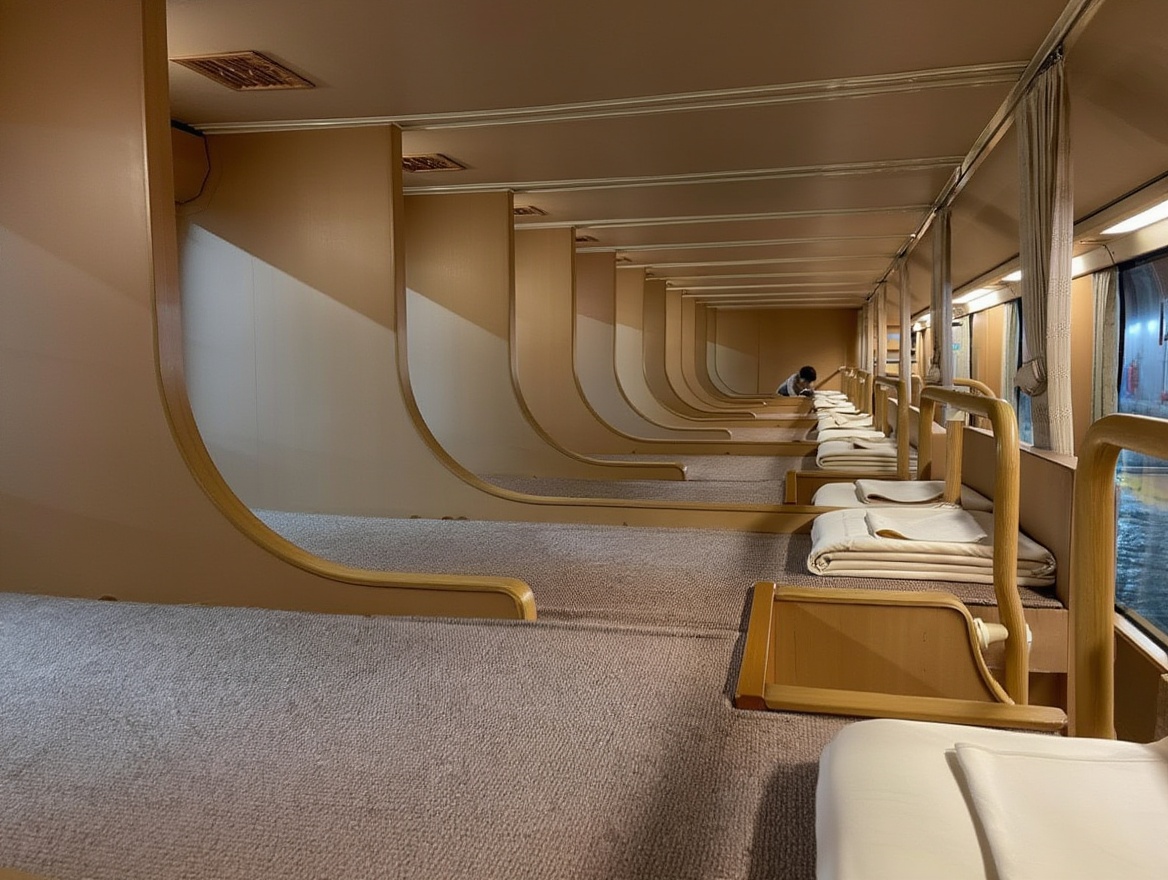
The Hanoi–Cao Bang sleeper bus is a semi-flat-bed coach — the standard Vietnamese overnight bus format where you recline in a cocoon pod rather than sit upright. It’s not comfortable in the Western hotel-bed sense, but it’s functional enough to sleep on if you’re tired, which most people are by 10pm.
li>
The bus drops you in central Cao Bang city, usually at or near the main bus station on the south edge of town. Grab doesn’t exist in Cao Bang — get a xe ôm (motorbike taxi) or ask your guesthouse to arrange a pickup if you’re arriving pre-dawn.
Book ahead during Vietnamese public holidays (April 30–May 1, September 2, Tet) and on October/November weekends. The bus fills. Outside those windows, same-day tickets are usually available.
Option 2: Private Car — For Groups and Control Freaks
> **Quick Answer:** Private car Hanoi → Cao Bang: 2,500,000–3,500,000 VND ($100–140) total for the vehicle (not per person). Split four ways: cheaper than the bus per person. Travel time same: 6–7 hours. You stop when you want, leave when you want.
If you’re three or four people, private car starts making financial sense relative to bus tickets. At four people splitting 3,000,000 VND, you’re paying 750,000 VND each — not much more than a bus ticket, with full flexibility.
The bigger advantage is control. You stop in Bắc Kạn for pho at a good spot. You pull over for the karst view that the bus blew past at 80km/h. You tell the driver you want to arrive by 6am and he adjusts departure accordingly.
Book through:
- Your Hanoi hotel or guesthouse (most have driver contacts for northern routes)
- 12Go Asia for comparison pricing
- Direct with Cao Bang guesthouses — many can arrange round-trip car pickup from Hanoi as part of a package
Confirm the driver speaks enough English to understand your stops — or travel with Vietnamese notes for key requests. Most Hanoi-based drivers doing this route know it well but may not have conversational English.
Option 3: Motorbike — The Loop Option
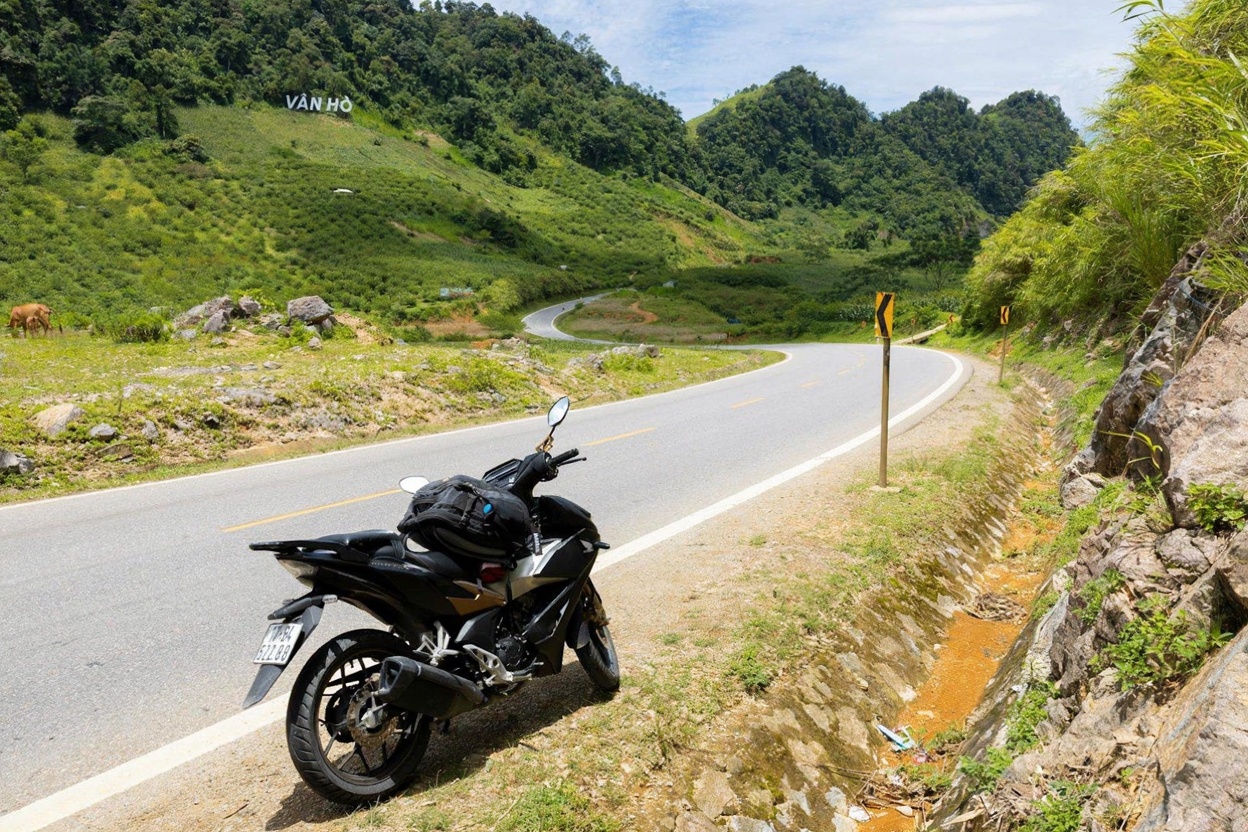
> **Quick Answer:** Hanoi → Cao Bang by motorbike: 6–8 hours riding depending on stops. Route: Hanoi → Bắc Kạn → Cao Bang city on Route 3. Not recommended as a return route — better as part of a one-way loop continuing to Ha Giang.
The motorbike option makes sense in one specific context: you’re doing the Cao Bang Loop, going Hanoi → Cao Bang → Ban Gioc → back toward Ha Giang province → back to Hanoi through a different route. If you’re riding there and riding back the same way, you’re wasting two full days of riding on the same road.
If you are doing the loop:
- Route north: Hanoi → Thai Nguyen → Bắc Kạn → Cao Bang. Roughly 6–8 hours with stops. The road gets genuinely interesting around Bắc Kạn — Ba Be Lake is a worthwhile detour if you have a night to spare — see the Ba Be Lake transport guide for how to work it into the Cao Bang route.
- Road condition: Route 3 to Bắc Kạn is a proper highway. Route 34 northeast from Bắc Kạn toward Cao Bang narrows but stays paved. No dramatic mountain passes on this section — that comes later, on the route west toward Ha Giang.
- Fuel: Petrol stations every 40–60km in the north. Carry 2 liters extra from Bắc Kạn onward as a precaution.
If you’re renting a motorbike in Hanoi for the Cao Bang Loop, check whether your rental allows you to take it out of Hanoi province (most budget rentals technically don’t, though enforcement is rare). For the Ha Giang connection, see the Hanoi to Ha Giang transport guide.
Option 4: The Cao Bang Loop Tour
Several Hanoi-based operators now run the “Cao Bang Loop” as a 3–4 day guided tour from Hanoi, sometimes combined with Ha Giang into a 7–10 day northern circuit. Prices run $150–350 USD per person depending on group size and accommodation level.
The guided loop makes sense if:
- You don’t want to navigate independently
- You’re not confident on a motorbike in mountain conditions
- You’re solo and want the social dynamic of a small group
- You want the transport, accommodation, and site logistics pre-sorted
Worth verifying before booking: does the tour actually go to Cao Bang city and the main sites (Ban Gioc, Nguom Ngao, Pac Bo), or does it do a “Cao Bang” that’s really just the road through the province? Some itineraries use “Cao Bang” loosely to mean the northeastern highlands generally, without the waterfall. Check the specific stops.
Ba Be Lake: The Detour Worth Taking
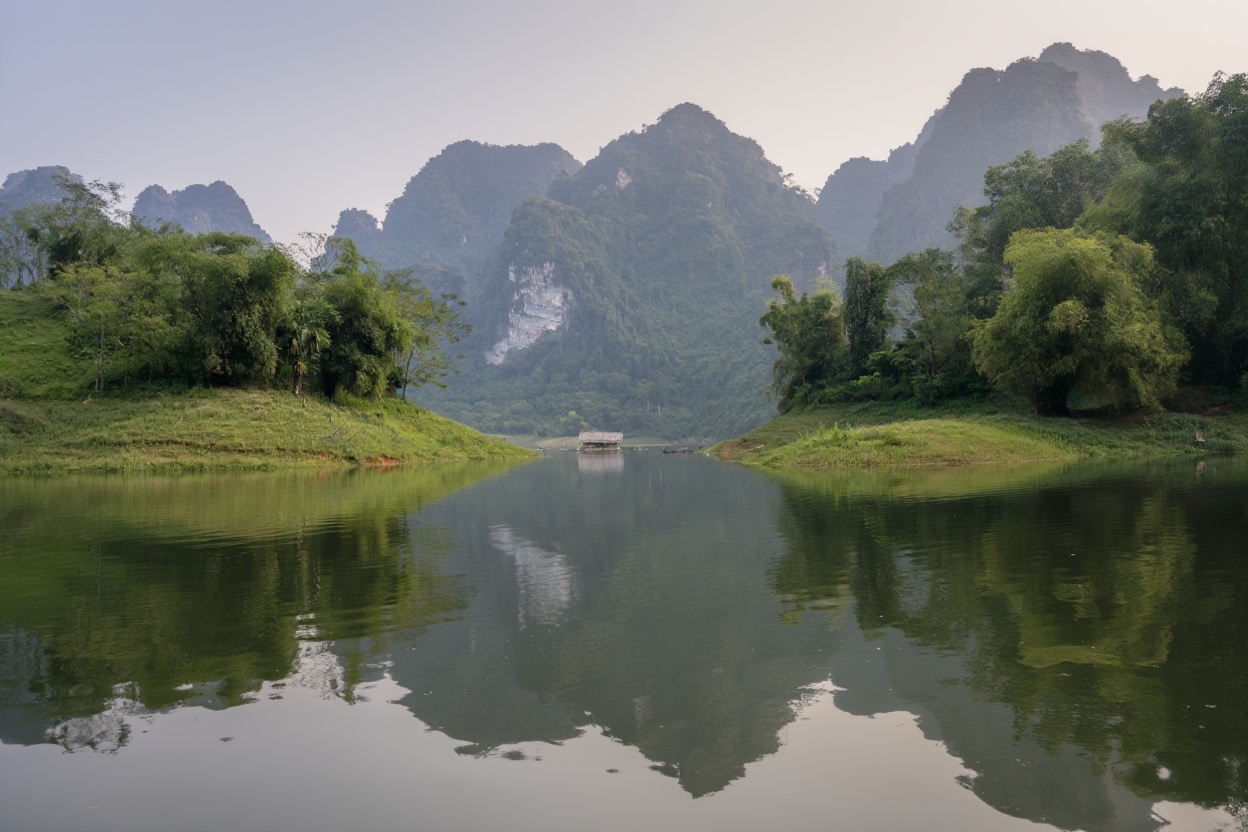
Ba Be Lake sits in Bắc Kạn province, roughly halfway between Hanoi and Cao Bang. It’s Vietnam’s largest natural freshwater lake — 8km long, 3km wide, surrounded by primary forest and limestone cliffs — and it gets almost no foreign tourists because almost nobody knows it’s there.
The detour from Route 3 to Ba Be is about 18km on a side road. The lake itself is in Ba Be National Park, which charges a nominal entrance fee (around 40,000 VND). Boat trips around the lake run 300,000–500,000 VND for a full circuit that includes Puong Cave and the Dau Dang waterfall.
> **Quick Answer:** Ba Be Lake is 240km from Hanoi (5 hours) and 140km from Cao Bang city (3 hours). If you have flexibility in your Cao Bang itinerary, add a night at Ba Be — it genuinely earns a detour. Accommodation on the lake shore runs 200,000–400,000 VND for a guesthouse room, more for a lakeside bungalow.
Why this matters for a Hanoi–Cao Bang trip: if you’re traveling in daylight (private car, self-drive motorbike), Ba Be is a natural midpoint stop that transforms a transit day into something worth doing. Pull off Route 3 at the Ba Be junction (signed in Vietnamese), drive the 18km to the lake, eat lunch, take a 2-hour boat trip, drive back to Route 3. You’ve added 3–4 hours to the journey but seen one of the most undervisited lakes in Southeast Asia.
If you’re doing an overnight bus, you’ll pass through Bắc Kạn in the dark. File this one away for the return trip, or build a Ba Be night into a longer northern Vietnam circuit — it connects logically with both Cao Bang and Ha Giang.
What the Overnight Bus Is Actually Like
The sleeper bus is the correct choice for most people on this route. But “sleeper bus” covers a wide range of experiences in Vietnam, and the Hanoi–Cao Bang version deserves an honest description before you commit.
The buses on this route are semi-flat-bed coaches — sometimes called “limousine sleeper” buses in the booking apps, though the reality is more utilitarian than that phrase suggests. You recline in an angled pod, roughly 170–175cm in length. If you’re over 6 feet, your feet will press against the bottom pod. The upholstery is vinyl, which gets warm in summer and cold in winter. There’s a blanket provided, of uncertain provenance.
What works: the reclining angle is enough to actually sleep if you’re tired. The journey follows main highways for most of the route, so it’s smoother than buses in Ha Giang or on the mountain roads. The overnight timing means you’re not watching dark fields go past for 6 hours — you close your eyes somewhere around Bắc Kạn and wake up in Cao Bang city.
What doesn’t work: the bus stops once or twice along the way — usually at a rest stop for 15 minutes. Bring earplugs. The driver’s cabin plays Vietnamese pop music until somewhere around midnight. The rest stop bathroom is a rural Vietnamese rest stop bathroom — manage your expectations and bring your own toilet paper.
Practical notes for the overnight bus experience:
- Book an upper berth if given the choice — lower berths get the engine vibration more directly and sometimes have less overhead space if someone above you is restless
- Store valuables in your daypack, which you keep with you. Main bag goes in the undercarriage storage
- Eat before you board — there’s no food on the bus and the rest stop food is mediocre at best
- The bus picks up and drops off along the route, so the final Cao Bang city stop may not be the last stop. Listen for your destination or tell a nearby passenger where you’re going and ask them to wake you
Cao Bang from Other Starting Points
Not everyone is coming from Hanoi. If you’re building a northern Vietnam loop, Cao Bang connects to several other starting points:
From Ha Giang city: The scenic route runs southeast through Bảo Lạc — this is the “Cao Bang Loop” road that experienced riders do. Distance: about 200km, 5–7 hours by motorbike depending on stops. The road quality varies — good in sections, rough in others. This is the route to take if you’re combining Ha Giang and Cao Bang into a circuit. Public buses run this route but infrequently; private car hire is more reliable.
From Lạng Sơn: Lạng Sơn is another northeastern border province, about 130km southwest of Cao Bang by road. A direct bus runs this route in about 3 hours. This connection matters if you’re coming from the Hà Nội–Lạng Sơn rail line or doing a multi-province northeastern loop.
From Thái Nguyên: If you’re coming from the industrial north (Thái Nguyên, Bắc Kạn direction), the bus connections to Cao Bang are more frequent than from Hanoi. Thái Nguyên to Cao Bang is about 150km and 3.5–4 hours. Thái Nguyên itself is served by commuter rail from Hanoi (about 1.5 hours) — though combining rail to Thái Nguyên with bus to Cao Bang doesn’t save meaningful time versus the direct Hanoi bus.
No Train — Why
There is no direct train to Cao Bang. The rail network in northern Vietnam covers Hanoi → Lào Cai (for Sapa), Hanoi → Hải Phòng, and Hanoi → Lạng Sơn. Cao Bang province sits outside these lines.
The closest train-adjacent option is Hanoi → Thái Nguyên by commuter rail (about 1.5 hours), then onward by bus to Cao Bang — but this saves no time and adds a connection. Don’t do it.
What to Do on Arrival in Cao Bang City
If you’re arriving by sleeper bus at 4–6am: most guesthouses in Cao Bang city will let you check in early or at minimum store your bag and let you shower. Call ahead if arriving pre-dawn — good guesthouses will have someone awake.
The central market area is active from 5:30am. Bánh cuốn (steamed rice rolls) and bún hến (clam noodle soup) are the morning standards. Find a stall with locals at it and point at what they’re eating.
Klook has the widest selection for Vietnam and is usually the cheapest. KKday is strong on day trips and local experiences.
moving. Cao Bang city is a transit point — you’ll appreciate it more at the end of the trip than at the beginning.
Hanoi → Cao Bang — All Options Compared
| Option | Cost | Time | Best for |
|---|---|---|---|
| Sleeper bus | 200,000–250,000 VND/person ($8–10) | 6–7 hrs | Solo travelers, budget, overnight |
| Private car | 2,500,000–3,500,000 VND total ($100–140) | 6–7 hrs | Groups of 3–4, flexibility |
| Motorbike (self-drive) | Fuel ≈ 200,000 VND ($8) + rental | 6–8 hrs riding | Loop riders only, not recommended return |
| Guided tour (Cao Bang Loop) | $150–350 USD/person (3–4 days) | Multi-day | Non-riders, first-timers, solo |
| Train | Not available | N/A | — |
What to Sort Out Before You Leave Hanoi
A few things that will matter once you’re in Cao Bang and can’t easily fix remotely:
Cash. Cao Bang city has ATMs — two that reliably work with international cards, near the central market area. Beyond Cao Bang city, the next ATM is in Trung Khanh town (12km from Ban Gioc). Ban Gioc itself is cash only. Budget your VND before leaving Hanoi: entrance fees, bamboo raft, accommodation, food, fuel. Bring more than you think you’ll need — there’s no easy fix for running short in a rural border province.
Motorbike rental confirmation. If you’re planning to rent in Cao Bang city, call ahead or book via your guesthouse rather than showing up cold. Rental inventory in Cao Bang city is limited. If all the bikes are gone when you arrive at 5am, your morning is complicated. Most guesthouses can hold a bike for you with a quick WhatsApp message the day before.
Accommodation near Ban Gioc. If you want to catch the falls at dawn without the pre-dawn motorbike ride from Cao Bang city, you need to stay in Trung Khanh town or at one of the handful of homestays closer to the entrance. These book out first on October–November weekends. Confirm your stay before you arrive in Cao Bang city, not after.
Travel insurance. The roads in Cao Bang province are safe by northern Vietnam standards, but you’re 270km from the nearest international-standard medical facility in Hanoi. SafetyWing and World Nomads both cover emergency medical evacuation from remote Vietnam — check that yours does before you go, not after you’ve come off a wet road. See our Vietnam travel tips guide for insurance specifics.
SIM card and data. Viettel has the strongest signal in northeastern Vietnam, including in Cao Bang province and the road to Ban Gioc. Vietnamobile and Mobifone coverage drops out in the hills. If you’re relying on GPS navigation or want to stay connected in Trung Khanh district, Viettel is non-negotiable. Buy or top up before leaving Hanoi. Our Vietnam SIM card guide covers the best options for US travelers.
Getting Back: Cao Bang to Hanoi
Same options in reverse. The sleeper buses depart Cao Bang city in the evening for overnight arrival in Hanoi — ask your guesthouse for current schedule, as departure times shift seasonally.
If you’re doing the Cao Bang Loop onward toward Ha Giang, you’ll exit through Ha Giang province rather than returning to Hanoi via Cao Bang — that’s typically the more interesting route. See the Ha Giang Loop guide for the logistics of connecting the two.
FAQ
- Can I get from Hanoi to Ban Gioc Waterfall in one day?
- Technically yes — 6–7 hours to Cao Bang city, 2 more hours to Ban Gioc, then reverse. That’s 16–18 hours of transit for 2–3 hours at the waterfall. Don’t do this. Do it as a 2-night trip minimum: overnight bus to Cao Bang, 2 days of sights, overnight bus back.
- Are the roads safe for a first-time motorbike rider?
- Route 3 to Bắc Kạn is a highway — manageable but with fast traffic. The roads around Cao Bang province are narrower but slower. If you’ve ridden a motorbike in Vietnam (Hanoi city traffic, day trips) you can handle this route. If you haven’t, don’t start here.
- What’s the best bus company for Hanoi to Cao Bang?
- Hung Thanh and Gia Phat are the consistent ones. Book on 12Go Asia to compare departure times, or buy directly at Gia Lam or My Dinh station. Prices are similar across operators.
- Do I need to book the bus in advance?
- For weekday travel outside peak holidays: no, same-day is usually fine. For weekend travel October–November (peak season) or Vietnamese public holidays: yes, book 1–3 days ahead. The bus fills for real on holiday weekends.
- Is there anything worth stopping for between Hanoi and Cao Bang?
- Ba Be Lake in Bắc Kạn province is the standout stop — Vietnam’s largest natural freshwater lake, with genuine scenery and almost no foreign tourists. It’s about 240km from Hanoi and 140km from Cao Bang city. Adding a night at Ba Be turns the Hanoi–Cao Bang transit into something worth doing in daylight.
Planning Cheat Sheet
- Distance: 270km, 6–7 hours
- Best option (solo): Sleeper bus — 200,000–250,000 VND, Gia Lam or My Dinh station
- Best option (group 3–4): Private car — 2,500,000–3,500,000 VND total
- Departure timing: Evening (9–10pm) for overnight arrival — saves a full day
- Book bus: 12Go Asia or direct at station
- No train option
- What to do once there: Full Cao Bang travel guide
- Main attraction: Ban Gioc Waterfall guide