Last updated: June 2026 — festival schedule verified June 2026.
Here’s what most guides don’t tell you: Đà Lạt produces over 60% of Vietnam’s cut flowers, every month of the year. The hydrangea farms south of the city, the rose greenhouses on the plateau, the chrysanthemum fields in Lạc Dương district — these exist whether there’s a festival or not. The Flower Festival is a celebration of what Đà Lạt does anyway, organized around a specific week when the city dresses itself up more formally than usual.
That’s both the argument for going during the festival and the argument for going outside it. During the festival: organized spectacle, maximum color, maximum crowds. Outside the festival: the same flowers, the actual farms you can visit, and accommodation prices that aren’t tripled.
When Is the Đà Lạt Flower Festival?
The festival runs in even-numbered years — 2024, 2026, 2028 — typically in late November to early December. It lasts 5–7 days. The 2026 festival will run in late November; exact dates are announced by Lâm Đồng provincial tourism approximately 2–3 months before the event.
✓Quick Answer
The Đà Lạt Flower Festival happens every 2 years, in even-numbered years, late November–early December. The next festival after this guide’s publication is November 2026. Check the Lâm Đồng Provincial People’s Committee tourism announcements for exact dates — they’re released in September each festival year. No festival in odd years (2025, 2027).
There’s a smaller flower event in odd years — a flower street display or themed market — but it’s categorically different from the biennial festival. If you read a guide saying the festival is annual, the source is outdated. The full festival (floats, Xuân Hương Lake display, official opening ceremony) is every two years.
What Happens at the Festival
The Flower Display at Xuân Hương Lake
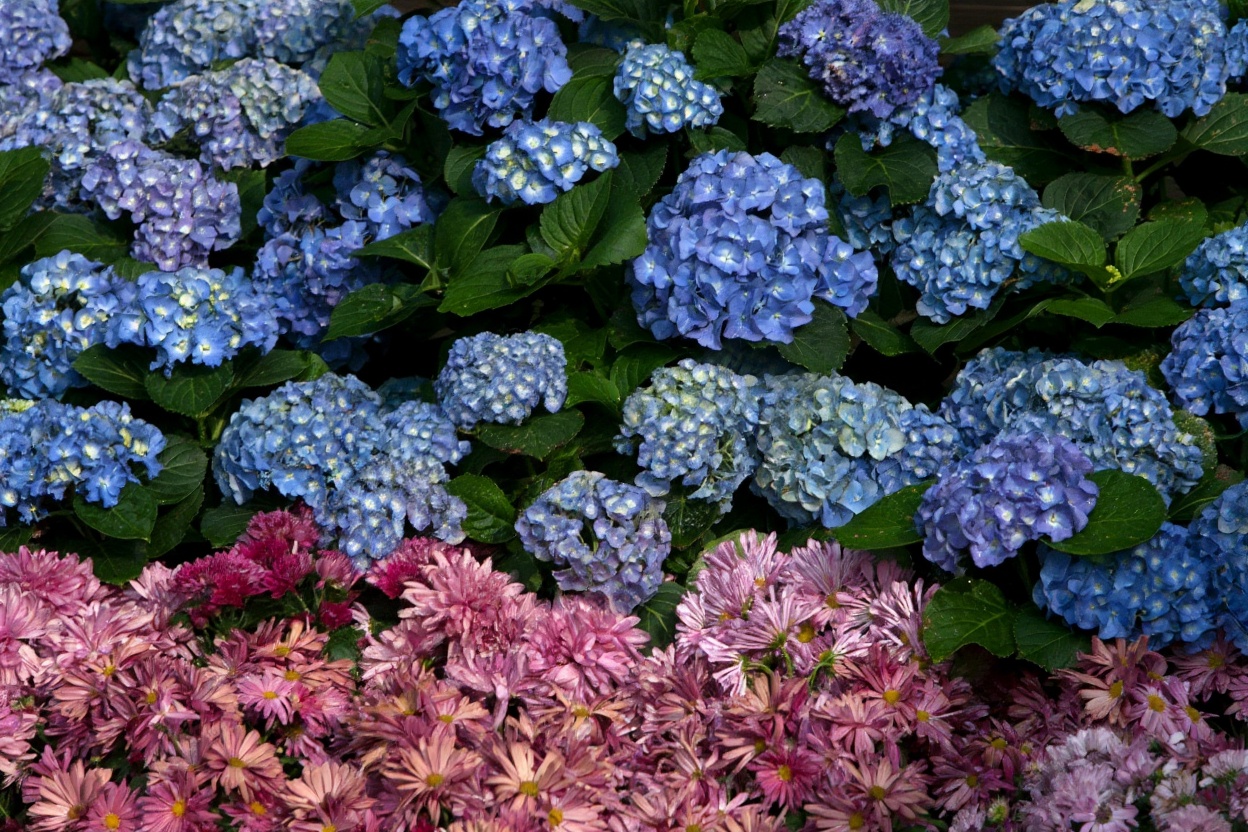
The centerpiece of the festival. The lakeside area around Xuân Hương is transformed with flower installations — structured arrangements of hydrangea, chrysanthemum, rose, and seasonal flowers built into architectural forms: pagodas, arches, geometric patterns, themed tableaux. The displays are genuinely impressive in scale — this is not a flower show in the sense of booths and awards, but a public art installation that uses living flowers as the medium.
Best time: at dusk (5–6:30pm) before the lakeside fills to capacity, when the displays are illuminated and the lake surface doubles the light. After 7pm on weekends the crowd density around the main display area makes it genuinely difficult to move. Arrive at 5pm and you’ll have 90 minutes of good viewing before the crowds peak.
The Flower Float Parade
A procession of vehicles decorated with fresh flowers through the main streets of Đà Lạt — floats representing provinces, flower varieties, and cultural themes. The parade typically runs one or two evenings during the festival week. The quality varies — some floats are elaborate and genuinely beautiful, others are modest. The energy of the crowd watching is the main event rather than the floats themselves.
Positions along the parade route fill up 30–45 minutes before the start. The best viewing spots are the elevated sections of Trần Phú street, where you can see the procession approaching from a distance. Street-level viewing works but the crowd depth makes it difficult to see unless you’re in the first row.
The Night Market and Street Festival
Đà Lạt has a permanent night market on Nguyễn Thị Minh Khai street. During the festival week, it expands significantly — more vendors, more elaborate food displays, flower-themed stalls selling fresh blooms to take home, craft vendors, and street performers. The food at the expanded festival market is the same as the regular market (better than its reputation) with some festival-specific additions: flower-infused drinks, seasonal highland produce, artisan jams and honeys from the plateau farms.
Đà Lạt highland specialties worth trying at the night market: bánh tráng nướng (say: ban trang nwong — grilled rice paper with egg, spring onion, dried shrimp: 20,000–30,000 VND ~$0.80–1.15), artichoke tea from the local growing area (10,000–15,000 VND ~$0.40–0.60), and sữa đậu nành (say: shwa dow nahn — hot soy milk, 10,000 VND ~$0.40) from the pushcart vendors who appear after 7pm.
What to Do Beyond the Festival Events
The festival’s official programming runs roughly 3–5 hours in the evening. The rest of your time in Đà Lạt during festival week is the same as any other visit — which is a good thing, because the city has enough to fill multiple days without the festival adding a single event.
Crazy House (Hằng Nga Villa): The most architecturally unusual building in Vietnam — a guesthouse designed by architect Đặng Việt Nga that looks like a tree grew out of a Gaudí fever dream, with curved organic walls, spiral staircases, rooms named after animals, and a network of outdoor walkways at various heights with views over the surrounding pines. Entry: 60,000 VND (~$2.30). You can stay here too — rooms from 1,200,000 VND (~$45) per night, which is absurdly reasonable for the experience of sleeping inside a piece of architecture this unusual.
Klook has the widest selection for Vietnam and is usually the cheapest. KKday is strong on day trips and local experiences.
t in the city center, active from 6am until late evening. Ground floor: fresh produce — artichokes, strawberries, avocados, highland vegetables, and cut flowers at farm-gate prices. Upper floor: clothing, souvenirs, tourist goods. The ground floor is the reason to come. A bunch of 20 hydrangea stems: 30,000–50,000 VND (~$1.15–1.90). Avocados from the highland farms: 15,000–25,000 VND (~$0.60–0.95) per kilo. These prices reflect the fact that you’re in the production zone, not at the consumption end.
Coffee in a café: Đà Lạt has an excellent café culture with a specific highland character — darker roasts, the local weasel coffee (cà phê chồn, say: ka fay chom) from nearby farms, and a café-building aesthetic that uses the pine forest as the backdrop rather than urban streetscape. The Đà Lạt café experience in a quiet one in the pine hills north of the center — fireplace, blanket, coffee grown within 20km — is one of the most specific pleasures available in Vietnam.
The Flower Gardens (Vườn Hoa Đà Lạt): The official municipal flower garden near Xuân Hương Lake — entry 60,000 VND (~$2.30). During festival week the gardens are enhanced with additional plantings; outside festival season they’re still pleasant and considerably less crowded. The garden is where the festival displays get part of their sourcing — seeing the growing version of what you’ve seen cut and arranged in the installations gives the festival displays their context.
The Flowers Themselves — What Đà Lạt Actually Grows
Đà Lạt produces approximately 60% of Vietnam’s cut flower supply. At 1,500m elevation with a cool climate and reliable water access, the plateau is the only area of Vietnam that can grow temperate flowers at commercial scale. What comes out of the farms here:
Hydrangea: The city’s signature flower, visible in every garden and most hotel lobbies. The large-headed blooms in blue, pink, and white grow to a scale not possible at lower elevations. The blue color specifically requires soil pH conditions that the Đà Lạt plateau produces naturally — the same flowers grown in coastal Vietnam come out pink or mixed.
Rose: Large-scale rose cultivation in greenhouses south of the city. The flower stalls along Hoa Hồng (Rose) street near the Đà Lạt market sell fresh roses by the bunch for 20,000–40,000 VND (~$0.80–1.50) — prices that reflect actual farm-gate proximity rather than retail markup.
Chrysanthemum: The dominant flower in the festival displays because of its range of color and its ability to hold shape in arrangements. The chrysanthemum farms north of the city in Lạc Dương district cover significant acreage — visiting them at harvest time (the flower market peak is October–December) shows the industrial scale of Đà Lạt flower production in a way the festival displays don’t.
Orchid, carnation, gerbera, statice, lisianthus: Commercial greenhouse cultivation for export and domestic sale. The variety is genuinely impressive — Đà Lạt flower sellers in Hồ Chí Minh City carry flowers that were cut in these greenhouses 24 hours earlier.
Visiting the Flower Farms — Better Than the Festival for the Flowers
The festival displays use harvested flowers arranged into installations. The actual growing landscape — greenhouses on the plateau, open-field cultivation in the valleys around Lạc Dương — is more interesting and accessible year-round.
Vạn Thành Flower Village: 8km north of Đà Lạt on the road to Lạc Dương. Open-field cultivation of seasonal flowers visible from the road. No entry fee for roadside viewing; some farms charge a small fee for walking among the rows. Best in October–December when the chrysanthemum and carnation crops peak for the Christmas-Tết supply.
Hà Đông Flower Village: 12km north, a concentration of specialist rose and hydrangea growers. The greenhouses are visible from the road; the scale becomes apparent when you understand that a single greenhouse in this district might produce 50,000 stems per week for export to Hà Nội and Hồ Chí Minh City markets.
The farm visits are informal — not organized tours with tickets, but riding a motorbike through the flower-growing districts north of the city and stopping where the visual is interesting. The farmers are working, not performing, which is both the honest version of the experience and the more interesting one.
Getting to the flower farms: Take the road north from Đà Lạt city toward Lạc Dương — this is the same road that leads to Langbiang Mountain. At 8–12km from the center, the flower-growing districts begin. Vạn Thành village is the first significant concentration. There’s no need to book or arrange anything — the farms visible from the road are large enough to see clearly, and if you want to walk among the rows, simply stop and ask (a smile and a gesture toward the fields works without Vietnamese). Most farm families are accustomed to the occasional visitor and won’t object to a 15-minute walk as long as you don’t damage the plants.
Peak season for farms vs. festival: The flower-growing peak for the Tết supply (late January–February) means that October–December is the intensive growing and harvesting season. Riding the farm districts in November, whether or not the festival is running, gives you the densest flower-field concentration. The chrysanthemums being cut in October are destined for the December–January market. The roses being grown in the greenhouses you pass are shipped to Hà Nội the same week. The agricultural reality is more complex and more interesting than the festival abstraction from it.
Practical Notes for Festival Week
Accommodation: Book 2–3 months ahead for festival week. Đà Lạt has a large accommodation supply — guesthouses, boutique hotels, homestays — but the demand during the festival week (particularly the weekend days) exceeds it significantly. Mid-range hotels 2–3km from the city center fill after the central options. The surrounding pine forest areas and the Da Lat Edensee Lake Resort zone have options that cost more but are far enough from the festival crowds to still be quiet.
Transport: Đà Lạt city traffic during festival week is significantly more congested than normal — the city’s road system is not built for the visitor volumes the festival brings. Motorbike is the right transport: it can navigate the one-way festival route restrictions more easily than a car or taxi. Grab wait times in the evening (during the light display and parade times) can stretch to 30+ minutes.
Prices: Festival week inflates accommodation prices 50–200% depending on location and category. Food and entry prices at festival venues are standard — the price inflation is in accommodation and transport only. Shop for accommodation outside the city center (Tà Nung commune, the southern lake district) for normal-range pricing with 10–15 minutes added to each trip into the center.
Weather in November: Đà Lạt in November is transitioning out of its rainy season — expect dry days with cool mornings (15–18°C at dawn) and pleasant afternoons (22–25°C). Evenings at the lake display can be genuinely cold after sunset — bring a light jacket or layer for the evening events. The pine forest around the city holds cold air after dark in a way that catches visitors who arrived from the coastal heat and haven’t recalibrated their expectations. Festival week temperatures are what make the hot artichoke tea and the indoor-café-with-a-fireplace experience feel correct rather than affected.
Getting to Đà Lạt for the festival: Fly into Liên Khương Airport (DLI), 30km south of the city — the airport Grab to the center costs 150,000–200,000 VND (~$6–8). Alternatively, buses run from Hồ Chí Minh City (7–8 hours, 200,000–350,000 VND ~$8–13) and from Nha Trang (4 hours, 150,000–250,000 VND ~$6–10). Festival week flights book out fast — check Bamboo Airways and VietJet at least 4–6 weeks ahead.
Photography: The best light at the Xuân Hương Lake display is the 30-minute window after sunset when the sky retains color and the installation lighting has come on. On a clear December evening, this window runs from approximately 5:20pm to 5:50pm. Tripod use is difficult in crowds; a phone with night mode or a mirrorless with IBIS handles the low-light conditions adequately without a tripod.
For the broader Đà Lạt picture — waterfalls, highland food, and how the city fits into a central Vietnam itinerary — the Đà Lạt waterfalls guide and the central Vietnam guide cover the regional context.
Frequently Asked Questions
When is the Đà Lạt Flower Festival 2026?
The 2026 Đà Lạt Flower Festival runs in late November 2026 — exact dates typically announced 2–3 months before the event by Lâm Đồng Provincial Tourism. The festival runs for 5–7 days. Book accommodation as soon as the dates are confirmed; the central Đà Lạt options fill up within days of announcement for festival week.
Is the Đà Lạt Flower Festival worth visiting?
For the spectacle and the energy of the city during a major event: yes. For the flowers specifically: the flower farms north of the city are more interesting year-round, and the festival week crowds make the city significantly harder to navigate. If you’re in Vietnam in November of an even year, the festival is worth organizing your itinerary around. If you’re visiting at a different time, Đà Lạt’s flower production is year-round and the farms are accessible without the crowds.
How often does the Đà Lạt Flower Festival happen?
Every 2 years, in even-numbered years — 2024, 2026, 2028. Some sources say it’s annual; those sources are wrong or outdated. The full festival with flower floats, Xuân Hương Lake displays, and official programming is biennial. In odd years (2025, 2027) there may be a smaller flower street event, but it’s not comparable in scale to the biennial festival.
What flowers are in bloom during the Đà Lạt Flower Festival?
The festival uses cultivated cut flowers rather than seasonal wildflowers — Đà Lạt’s greenhouse production means the specific flowers in the displays are chosen for visual impact rather than seasonal availability. Typical festival displays feature hydrangea, chrysanthemum, rose, carnation, and gerbera. In the farms north of the city in November, chrysanthemum and carnation are at seasonal peak for the pre-Tết cutting season.
Two things worth sorting before you land: a Vietnam eSIM so you have data the moment you clear customs, and travel insurance — medical costs for uninsured foreigners in Vietnam are significant.
Airalo eSIMs activate instantly. Buy before departure — airport SIM queues in Vietnam can take 30+ minutes.
The Honest Take
The Đà Lạt Flower Festival is one of Vietnam’s genuinely good local events — not tourist-manufactured, but a real celebration of an industry that the city is built around. The flower displays at Xuân Hương Lake are impressive. The float parade has the specific energy of a provincial Vietnamese festival done at full commitment. The night market during festival week is at its best.
The honest caveat: if you visit Đà Lạt in October on a non-festival year and ride a motorbike north through the hydrangea and chrysanthemum farms in Lạc Dương district, you’ll see something more interesting and more honest than the festival displays — the actual flower economy, in its actual working state, without the crowds and the accommodation markup.
The Đà Lạt Flower Festival is genuinely one of Vietnam’s better provincial events — not manufactured for tourists, not a heritage recreation, but a real celebration of a real industry that runs the city’s economy. The investment the city puts into the Xuân Hương Lake displays reflects genuine municipal pride in the flower trade. That’s worth something as a travel experience: being in a place that’s celebrating something it actually does, rather than performing something for visitors. Come for the festival if the timing works and you book ahead. Come for the farms if you want the real version. Either way, Đà Lạt will smell like cut flowers and feel like a cool day regardless of what month you’re there.
One last specific note: if you’re in Đà Lạt in November during the festival and want one experience that’s genuinely different from anything else in Vietnam — rent a motorbike at 6am on a clear morning, ride north to Vạn Thành Flower Village, and watch the farm workers loading cut flowers into trucks for the morning delivery to Hồ Chí Minh City. The flowers are being harvested for a market that’s 300km away, and the volume of what leaves these farms every morning explains why every flower stall in Saigon has fresh highland chrysanthemums every day. That’s the flower economy. The festival is the celebration of it. Worth knowing which is which.