Last updated: June 2026 — prices and logistics verified June 2026.
I’ll be honest — I almost didn’t stop here. Pulled into Phan Rang bus station at 2pm on a June afternoon, walked outside into a wall of hot air, looked at the concrete and dust and seriously considered catching the next bus north to Nha Trang. The town looked like nothing. The kind of place you pass through, not stop in.
I stayed because a woman at the guesthouse across from the station handed me a cold beer before I’d even asked for a room. Sat on a plastic stool. She told me about a friend who rents motorbikes cheap. “Go to the dunes tomorrow morning,” she said. “Early. Don’t be stupid.”
Six in the morning, Nam Cuong dunes, the light hitting red sand at a low angle and changing colors every ten minutes. No one else there. That was the best $8 decision I made in Vietnam that year.
This is the Ninh Thuận travel guide that doesn’t exist anywhere else — because almost nobody writes about this place.
What Ninh Thuận Actually Is
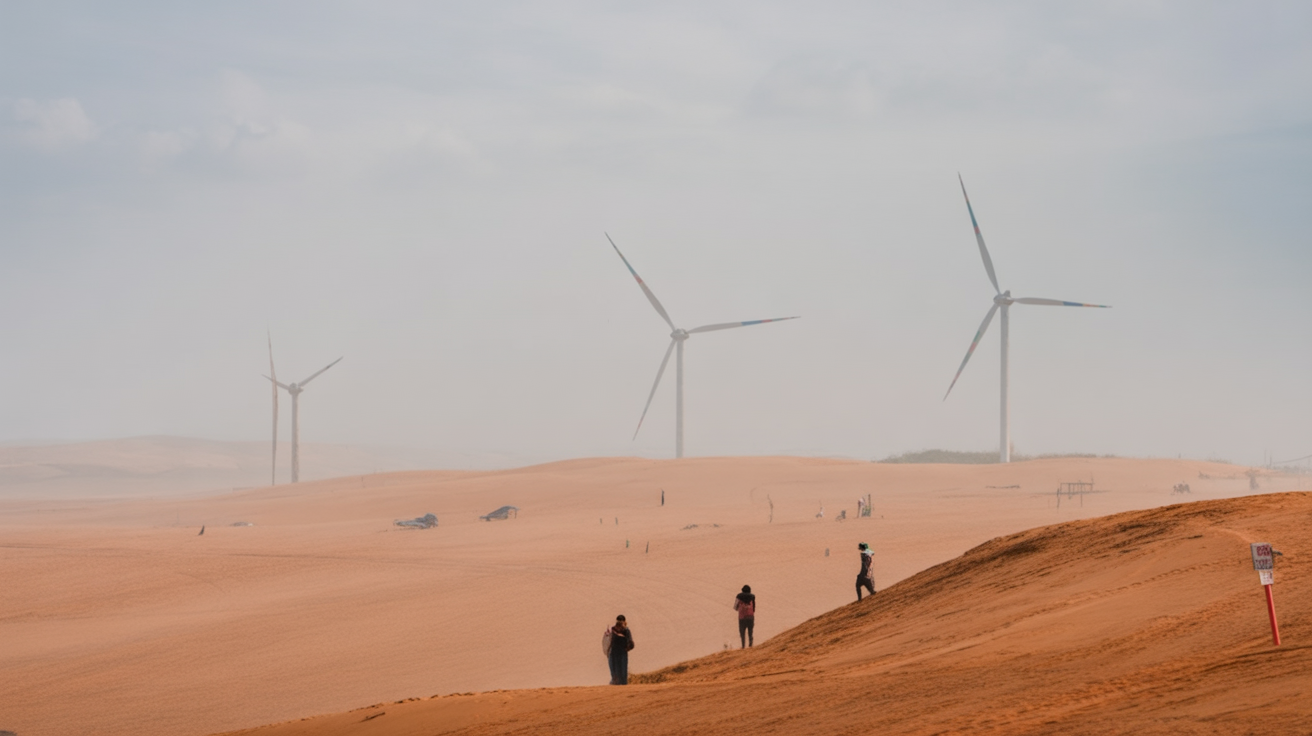
Vietnam’s driest province. That’s not a tourism slogan — it’s a meteorological fact. While the rest of the country deals with monsoons, Ninh Thuận sits in a rain shadow and gets about 700mm of rain per year. Hanoi gets 1,700mm. Ho Chi Minh City gets 1,800mm.
What that means on the ground: intense sun, relentless wind, red and white sand dunes, salt flats, dragon fruit plantations, and a landscape that looks more like the South of France or coastal Morocco than the Vietnam you’ve already seen.
The province capital is Phan Rang-Tháp Chàm (say: Pan Rang Tap Cham). It’s a proper Vietnamese town — not tourist infrastructure, not hostels with rooftop bars. Locals eat here, work here, live here. The Cham in the name isn’t decoration — the Chăm people (say: Cham) have lived here for over a thousand years, and their towers and pottery villages are the most interesting cultural sites in the region.
✓Quick Answer
Ninh Thuận is worth 2 nights if you’re routing between Nha Trang and Đà Lạt, or if you want a beach that doesn’t look like Mỹ Khê. It’s not worth a special trip from Hanoi. Rent a motorbike, hit the dunes at dawn, eat seafood at the port, and leave feeling like you found something real.
Things to Do in Ninh Thuận — The Actual List
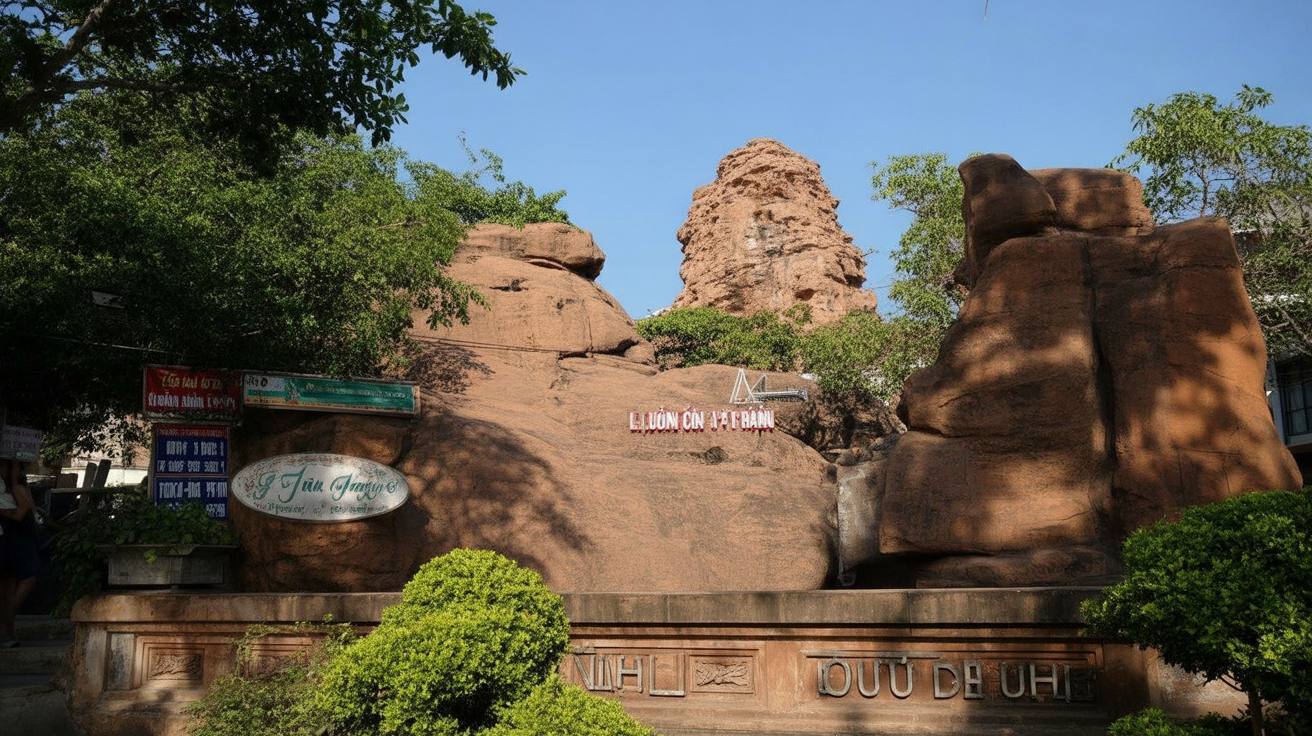
Po Klong Garai Towers — Vietnam’s Most Underrated Ancient Site
Nine kilometres from Phan Rang, on a basalt hill above the road south toward Nha Trang. You’ll see them from the bus and assume they’re nothing special. Stop anyway.
These are Chăm Hindu towers built between the 9th and 13th centuries — roughly contemporary with Angkor Wat, which gets four million visitors per year. Po Klong Garai gets a fraction of that. On a Tuesday morning in late 2025, I counted nine tourists. The towers are intact, the bas-relief carvings are legible, and the priests still perform rituals here during festival season.
Entrance is 30,000 VND (~$1.15) (verified June 2026). The hill is a short climb — ten minutes — and the view back over the valley is worth it alone. There’s a small museum on-site that’s genuinely decent, not the kind you walk through in four minutes.
↗Insider Tip
Visit during Katê Festival (usually October or November) if your timing allows — it’s the biggest Chăm celebration in Vietnam, and Po Klong Garai is the ceremonial center. The costumes, music, and rice wine ceremony are the real thing, not a performance staged for tourists.
Nam Cuong Sand Dunes — Go at Dawn, Not Noon
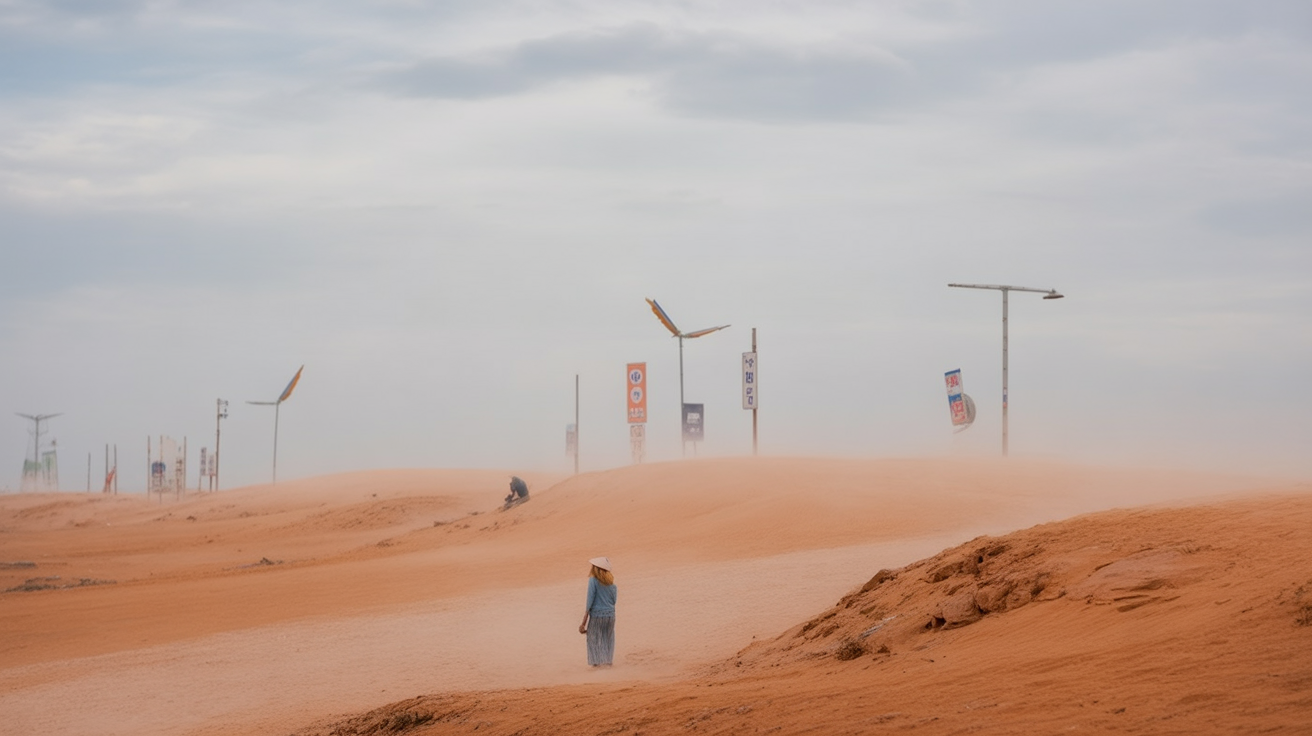
Seven kilometres northeast of Phan Rang. About 350 hectares of red-orange sand that shifts color as the sun moves — deep rust at 6am, bright amber by 9am, bleached-out and ugly by noon. The wind is constant.
Entrance is free. Quad bikes and sandboards are for rent at the edge of the dunes (100,000-150,000 VND/~$3.80-$5.70 for 30 minutes). Rent a board. It’s worth the bruises.
⚠Real Talk
Arriving at 11am in peak summer is a legitimate mistake. I sweated through my shirt on the walk from the parking area to the first dune. The sand holds heat in a way that feels punitive. Set an alarm for 5:30am. The dunes at dawn are completely different — soft light, manageable temperature, and the red sand looks almost pink in the early light.
Vĩnh Hy Bay — The Fishing Village That Tourism Forgot
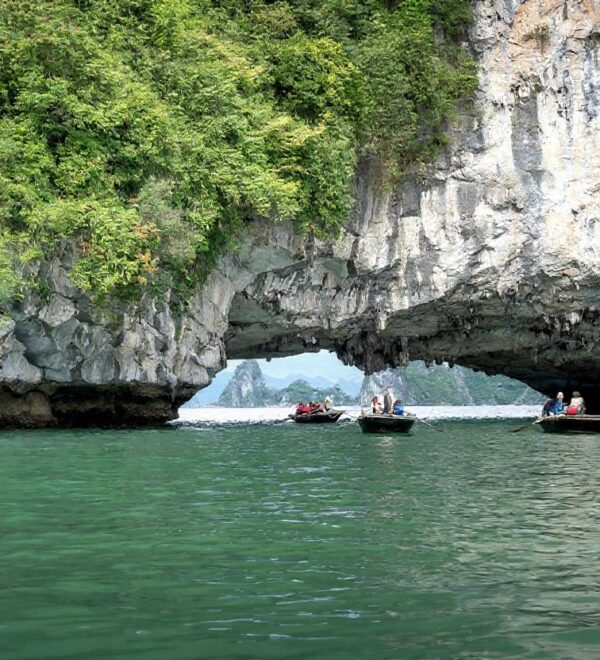
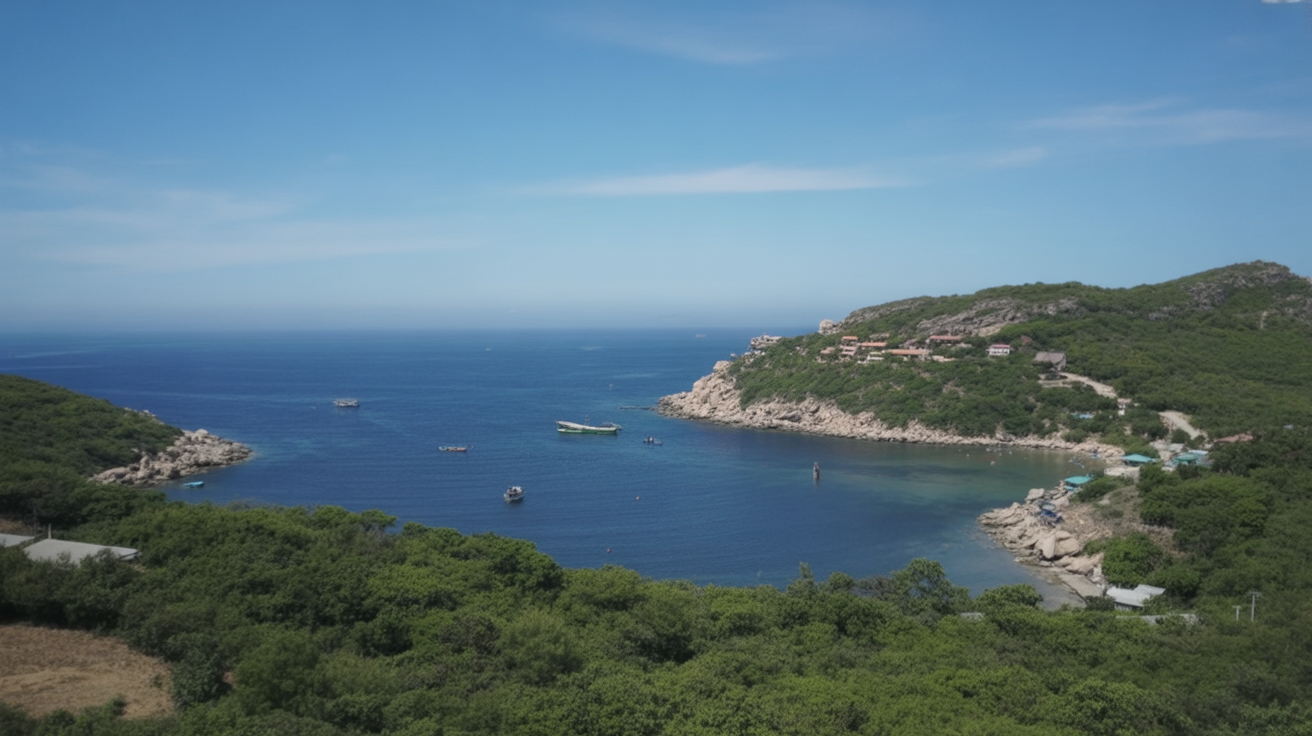
Forty kilometres north of Phan Rang. Clear water, mangroves, lobster boats, and almost no foreign tourists. The bay is inside Núi Chúa National Park (say: Nwee Choo-ah), which protects one of Vietnam’s driest coastal ecosystems.
The village itself is small — a few dozen families, boats moored in the bay, seafood restaurants that exist because fishermen need to eat, not because they planned a tourist experience. Order whatever came in that morning. Lobster runs 300,000-500,000 VND per kilogram (~$11.40-$19) depending on season — still a fraction of what you’d pay in Nha Trang.
Kayaking and snorkeling tours run from the dock for 150,000-200,000 VND (~$5.70-$7.60) per person. The coral isn’t pristine, but the bay is genuinely calm and quiet in a way that’s hard to find on the Vietnamese coast anymore.
→Who It’s For
Vĩnh Hy is for travelers who’ve already done Nha Trang and want something that doesn’t smell like sunscreen and Jägerbombs. Skip it if you need Instagram-worthy turquoise water — the bay is clear but not tropical-postcard clear.
Bầu Trúc Pottery Village — Oldest in Southeast Asia
Ten kilometres south of Phan Rang. The Chăm potters here use techniques unchanged for over a thousand years — no wheel, no kiln in the Western sense. They build the pot by walking around it, smoothing with their hands, and fire in open-air wood fires. The clay comes from the nearby river.
Free to enter the village. Workshops welcome visitors — you can watch, and you can buy direct from the artisans for a fraction of what you’d pay in a Hội An boutique. A decent-sized pot runs 80,000-200,000 VND (~$3-$7.60).
This is one of those places where buying something feels like the right thing to do. Your money goes to the family, not a middleman.
Ninh Chữ and Bình Tiên Beaches
Ninh Chữ (5km from Phan Rang): The main local beach resort area. Long stretch of sand, a few hotels, Vietnamese families on weekends. Not spectacular, not overcrowded. Good for an afternoon swim after a morning on the dunes.
Bình Tiên (35km north): Harder to reach without your own transport, quieter, cleaner. A small bay between rocky headlands. Worth the effort if you have a motorbike and a day to burn.
How to Get to Ninh Thuận
✓Quick Answer
From Saigon: sleeper bus to Phan Rang takes 6-7 hours, 200,000-280,000 VND (~$7.60-$10.60). From Nha Trang: 65km, 1.5-2 hours by local bus or hired car. From Đà Lạt: 110km, 2.5-3 hours by sleeper bus or private transfer. No direct flights — nearest airport is Cam Ranh (Nha Trang).
From Saigon (Ho Chi Minh City)
350km southeast. Multiple bus companies run overnight and daytime sleeper services from Mien Dong Bus Station. Expect to pay 200,000-280,000 VND (~$7.60-$10.60) for a sleeper berth. Journey time is 6-7 hours depending on traffic leaving the city.
Book through 12Go to compare schedules and lock in a seat in advance — the direct buses fill fast on weekends and Vietnamese holidays. For a door-to-door option, Kiwitaxi runs private transfers for around $45-65 depending on vehicle size.
For our full Saigon guide, including the best neighborhoods to stay before heading south.
From Nha Trang
65km north. Local buses depart from Nha Trang bus station roughly every hour for 70,000-100,000 VND (~$2.65-$3.80). Journey time is 1.5-2 hours. This is the most common routing — spend 2-3 nights in Nha Trang, then continue south or detour into Ninh Thuận before heading up to Đà Lạt.
See our Nha Trang travel guide for the full rundown on that side of the trip.
From Đà Lạt
110km west over a mountain pass. The road is one of the better drives in southern Vietnam — mountains dropping into dry coastal plains, temperature swinging 10-15 degrees in 90 minutes. Book a sleeper bus or minibus through your guesthouse. Expect to pay 100,000-150,000 VND (~$3.80-$5.70). Journey time: 2.5-3 hours.
Check our Đà Lạt guide if you’re doing the route in the other direction.
By Motorbike
Ninh Thuận sits directly on the Coastal Route 1 — Vietnam’s classic north-south highway. If you’re riding the length of the country, this is an easy addition. The stretch from Nha Trang south to Phan Rang takes 1.5-2 hours on a semi-automatic. Wind is strong from the northeast — budget extra time if you’re heading into it.
For the full breakdown on riding in Vietnam, see our Vietnam motorbike guide.
Getting Around Ninh Thuận
Rent a motorbike. This is not optional — Ninh Thuận’s main attractions are spread across 40km of coastline and hinterland, and local bus connections are unreliable for tourist sites.
Motorbike rentals from Phan Rang guesthouses run 100,000-150,000 VND per day (~$3.80-$5.70) for a semi-auto. Petrol stations are easy to find. The roads to the dunes, Vĩnh Hy, and Bình Tiên are sealed and in reasonable condition.
If you don’t ride, hire a local xe ôm (say: say-ohm — motorbike taxi) driver for a day trip. Expect to negotiate 300,000-500,000 VND (~$11.40-$19) for a full day covering dunes + towers + one beach. Most guesthouse owners can arrange this.
Car rentals are available for those who want more comfort — Localrent.com and QEEQ have options covering the province, useful if you’re traveling as a group.
Where to Stay in Ninh Thuận
✓Quick Answer
Stay in Phan Rang town for the best access to motorbike rentals and bus connections. Ninh Chữ Beach has resort-style accommodation if you want the beach closer. Budget guesthouses in town start at 150,000-200,000 VND (~$5.70-$7.60) per night. Mid-range options run 400,000-700,000 VND (~$15-$26.50).
Most travelers base themselves in Phan Rang town — central, easy to navigate, and close to bus connections onward to Nha Trang or Đà Lạt. The guesthouses along Thống Nhất Street (say: Thong Nhat) are reliable and cheap.
Ninh Chữ beach has a strip of resort hotels if you want to sleep closer to the water. Quality is decent for the price — expect to pay 400,000-700,000 VND (~$15-$26.50) for a room with sea view at a 3-star property.
What to Eat in Ninh Thuận
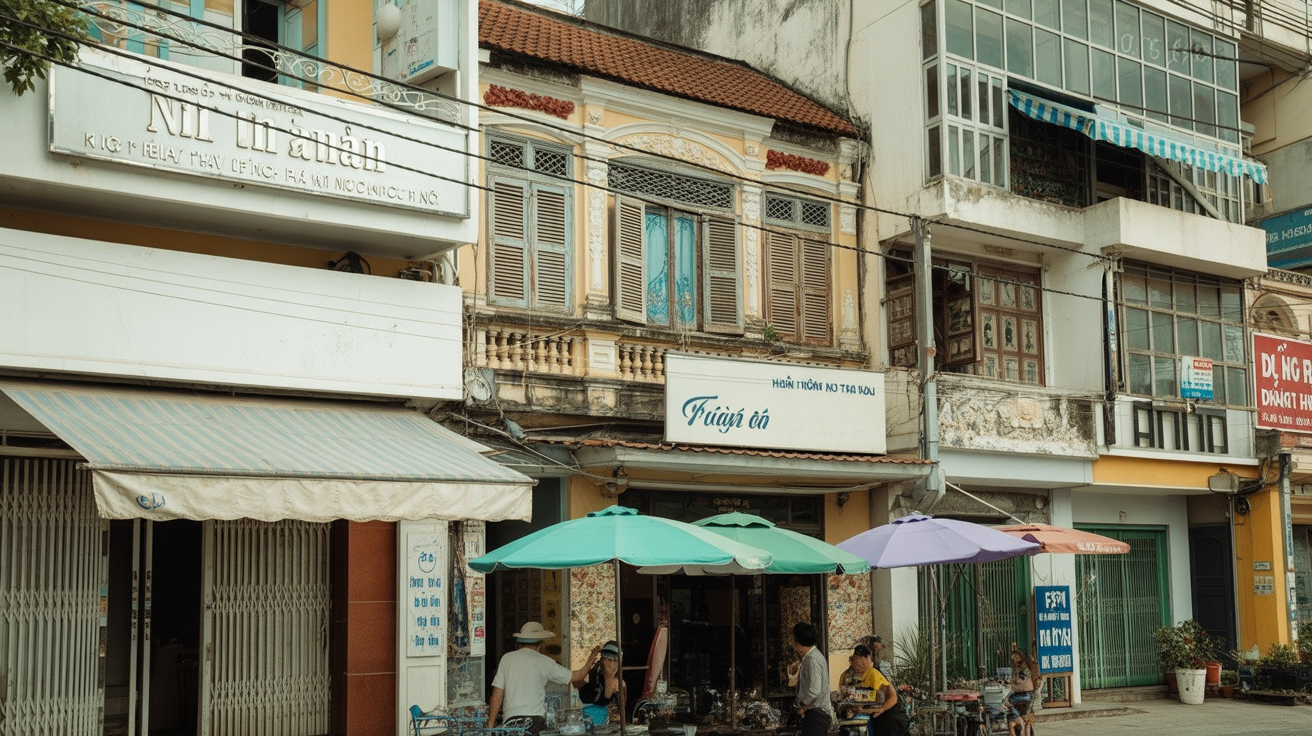
The province has its own food identity — not just a pale copy of what you’ve eaten in Nha Trang or Saigon.
Bánh Căn (say: Bahn Kan) — small rice cakes cooked in clay molds, served with fish sauce and fresh herbs. The Chăm version uses a different clay mold and slightly different ratio of rice flour. Breakfast staple. Look for street vendors near Phan Rang market, 20,000-40,000 VND (~$0.75-$1.52) for a plate.
Lobster and fresh seafood at Vĩnh Hy Bay — buy directly from fishing families. Grilled with salt and lime, nothing else needed. 300,000-500,000 VND per kilogram (~$11.40-$19).
Ninh Thuận wine — yes, wine. The province has Vietnam’s largest grape-growing area, and the local co-op produces a rosé that’s surprisingly drinkable. Not Burgundy. Not pretending to be. Pick up a bottle at the market for 80,000-120,000 VND (~$3-$4.56). Pair with lobster. You’ll figure it out.
Dragon fruit everywhere — Ninh Thuận grows more dragon fruit than anywhere else in Vietnam. Buy at roadside stalls for 10,000-20,000 VND (~$0.38-$0.76) per fruit.
Best Time to Visit Ninh Thuận
✓Quick Answer
November to April is the sweet spot — cooler temperatures (25-32°C), low humidity, minimal rain. June to August is kitesurfing season with strong northeast winds but brutal daytime heat. Avoid September-October (light rains). The province is drier than anywhere else in Vietnam year-round, so there’s no genuinely bad month — just better and worse ones.
Ninh Thuận’s micro-climate is unusual for Vietnam. While the rest of the country follows predictable monsoon patterns, the province sits in a rain shadow that keeps rainfall consistently low year-round.
Nov-Apr: Best all-round. Temperatures 24-32°C, almost zero rain, manageable wind. Perfect for motorbike exploration and beach time.
Jun-Aug: Peak wind season. If you kitesurf, Ninh Thuận — specifically Mũi Dinh (say: Mwee Ding) — is one of Southeast Asia’s best conditions for it. If you don’t kitesurf, the constant 25-35 knot wind makes beach time uncomfortable and the daytime heat is punishing.
Sep-Oct: Light rains, muggier air, some overcast days. Still fine — Ninh Thuận’s rainy season is a fraction of what the rest of Vietnam gets. You won’t be stuck inside.
For a broader view of seasonal timing across the country, see our Vietnam best time to visit guide.
Ninh Thuận vs. Nha Trang: Which One?

This question gets asked by everyone routing between Saigon and Đà Lạt. Here’s the honest answer:
Nha Trang has better beaches (longer, cleaner sand), more accommodation options, boat trips, great seafood, and infrastructure built for tourists. It also has the most developed party scene on the south-central coast, and peak season crowds that can make the beach feel like a concrete pool deck.
Ninh Thuận has better cultural sites (the Chăm towers beat anything in Nha Trang’s tourist orbit), more interesting food, zero backpacker trail infrastructure, and an authenticity that Nha Trang gave up about fifteen years ago.
The real answer: do both. Two nights in Nha Trang, two nights in Ninh Thuận. Or one night each if you’re tight on time. They’re 65km apart — this isn’t a debate, it’s a sequence.
If you’re already doing Nha Trang and want to add a day trip into Ninh Thuận territory, the mud baths and spa experience at Galina Hotel Nha Trang and I-Resort Nha Trang are the closest equivalent to Ninh Thuận’s slower pace — both good half-day breaks from the Nha Trang beach circuit.
Nha Trang is 65km away — worth combining with Ninh Thuận. Klook has the best selection for the region.
Practical Logistics — Before You Go
Getting Your Vietnam SIM Card
Sort your SIM before you leave a major city — Phan Rang has phone shops but the tourist-facing eSIM options are easier to manage in Saigon or Nha Trang. We use and recommend Airalo for Vietnam eSIM — activates before you land, no airport queue, 7-day plans from around $5. For the full breakdown, see our Vietnam SIM card guide.
What to Watch Out For
Ninh Thuận is genuinely low-scam territory — the tourist industry here is too small to have developed the sophisticated rip-off infrastructure of Nha Trang or Hội An. The main things to watch:
Motorbike rental — check the bike thoroughly before you take it. Photograph existing scratches with the owner present. Damage claims on return are the most common issue nationwide, including here. For Vietnam’s full scam playbook, see our Vietnam scams guide.
Midday heat — this isn’t a scam, but underestimating it is a mistake. June temperatures hit 38-40°C with little shade outside of town. Carry water, wear sun protection, and plan all outdoor activities before 10am or after 4pm.
Transport Onward
Ninh Thuận is a natural waypoint on the Saigon-to-Đà Lạt route. The Vietnam sleeper bus network connects it to both ends — book through 12Go for confirmed seats. For the full transport picture across the country, see our Vietnam transport guide.
Two things worth sorting before you land: a Vietnam eSIM so you have data the moment you clear customs, and travel insurance — medical costs for uninsured foreigners in Vietnam are significant.
Airalo eSIMs activate instantly. Buy before departure — airport SIM queues in Vietnam can take 30+ minutes.
Frequently Asked Questions
Is Ninh Thuận worth visiting?
Yes — if you want something real. Ninh Thuận isn’t a beach destination for first-timers. It’s best for travelers who’ve already done the standard Vietnam circuit (Hội An, Nha Trang, Hà Nội) and want to find a place that hasn’t been packaged for tourists yet. For a 2-day stop between Nha Trang and Đà Lạt, it’s one of the best detours in southern Vietnam.
How many days do I need in Ninh Thuận?
Two nights is the sweet spot. Day 1: arrive, rent a motorbike, evening seafood at the port. Day 2: dawn dunes, Cham towers, Bầu Trúc pottery, Vĩnh Hy Bay if you’re efficient. Day 3 onwards adds beach time and more exploration but isn’t necessary for most travelers. One night works if you’re tight, but you’ll feel rushed.
What’s the best way to get to Ninh Thuận from Saigon?
Sleeper bus from Mien Dong Bus Station in Saigon — 6-7 hours, 200,000-280,000 VND (~$7.60-$10.60). Book in advance through 12Go for confirmed seats. Private car/transfer takes the same time in traffic but costs significantly more (~$45-65). Flying to Cam Ranh (Nha Trang’s airport) then bussing south is faster but more expensive overall.
Is Ninh Thuận safe for solo travelers?
Very safe. Tourist infrastructure is minimal but the province sees few incidents precisely because the tourist economy hasn’t developed the opportunistic scam layer of busier destinations. Solo motorbike travel through the province is standard — the roads are quiet, the terrain is flat near the coast, and locals are genuinely helpful with directions.
What is the best beach in Ninh Thuận?
Bình Tiên for beauty and solitude — it requires a 35km motorbike ride from Phan Rang and basic facilities, but the bay is legitimately beautiful. Ninh Chữ for convenience — 5km from town, accessible by taxi or xe ôm, better facilities. Vĩnh Hy Bay is best for snorkeling and fishing village atmosphere rather than pure beach time.
The Verdict
Ninh Thuận won’t blow your mind if you’re looking for the Vietnam from postcards. The town is unglamorous, the tourist infrastructure is thin, and the beaches — while decent — don’t match Phú Quốc or Đà Nẵng’s big cards.
What it gives you instead: a 9th-century Cham tower with almost no line, a sand dune that changes color in your hands, lobster from a fisherman’s boat at a price that still surprises me, and the distinct feeling of having stepped off the conveyor belt.
That feeling costs about $25 a day and a 6-hour bus ride from Saigon. For what you get, it’s one of the better deals left in Vietnam.
If you’re routing through the south-central coast, our Nha Trang things to do guide covers the 65km north — worth combining with the Ninh Thuận stop for a complete picture of this stretch.