Our Hanoi street food guide has addresses, prices, and exactly what to order.
Last updated: June 2026 — prices and operators verified June 2026.
Hoi An has more cooking classes than anywhere else in Vietnam and more variation in quality — our Hoi An cooking class guide breaks down what to look for and which market visits are actually worth it.
Vietnam is one of the most food-literate countries in the world — the cuisine is regional, seasonal, precise, and deeply specific to place in a way that rewards proper learning over casual observation. A Hanoi bún chả is not the same dish as a Saigon hủ tiếu. The herbs that accompany phở bò in the north are not the same as the ones in the south. The fish sauce used in a Huế dipping sauce has a different character from the one used in the Mekong delta. This is a cuisine worth spending half a day learning properly rather than sampling from restaurant menus alone.
Here’s what most Vietnam cooking classes actually involve: a guided stroll through a market where the vegetables are already selected for you, a kitchen setup where the ingredients are pre-measured in bowls before you arrive, and 2.5 hours of “participating” in a process that the instructor could complete in 45 minutes alone. You eat the food at the end, it’s good because the instructor is good, and you leave having not learned anything reproducible at home.
That’s the bad version. The good version exists. Here’s how to find it.
What to Look for in a Good Vietnam Cooking Class
Before booking, ask these questions directly:
“Does the market visit include selecting the ingredients, or is it a tour?” — The best classes have you shopping with the instructor, weighing produce, negotiating prices (or watching the instructor do it), understanding why specific items are chosen over others. A guided market walk where everything is pre-purchased is tourism, not learning.
“What specific dishes does the class cover?” — A class that tells you “traditional Vietnamese dishes” without naming them is hiding that the dishes are the three easiest ones to demonstrate. Ask for the menu. Spring rolls, pho, and bún chả should be three different classes, not the same one.
“How many people are in the class?” — Under 8 people: genuinely hands-on. 8–12 people: manageable. Over 15 people: you’re watching a cooking show, not a class. Any operator who won’t tell you the maximum group size is probably running large groups.
“Do I cook or do I watch?” — Some classes have one cooking station for every 2 participants; others have one instructor cooking while participants watch and occasionally stir. Ask specifically: “Will I have my own wok/cutting board/station?”
ℹKnow Before You Go
The price range for Vietnam cooking classes (400,000–900,000 VND) doesn’t correlate as strongly with quality as you’d expect. Some of the best classes are in the mid-range because they’re run by chefs who prioritize teaching over production volume. Some of the most expensive classes are tourist experiences with premium branding. Read recent reviews that specifically mention what they learned — not just that the food was delicious.
Hội An — The Best City for Cooking Classes
Hội An’s food culture, preserved Old Town, and established tourism infrastructure have produced the best cooking class scene in Vietnam. The city’s proximity to a functioning wet market (Hội An Central Market) and its tradition of fusion cuisine (a blend of Chinese, Japanese, and Vietnamese influences) give local instructors genuinely interesting material to work with.
Red Bridge Cooking School: One of the longest-established and best-reviewed in the country. Classes start with a boat trip up the Thu Bồn river, a market visit and herb garden tour, then a full cooking session covering 5–6 dishes. 4–5 hours total. Price: approximately 750,000–900,000 VND (~$28–34). The boat ride and herb garden are genuine additions rather than padding — the herb garden specifically teaches you the plants that appear in the dishes before you start cooking with them. Group size is controlled. Book ahead — this fills up. Booking link: redbridgecookingschool.com.
Klook has the widest selection for Vietnam and is usually the cheapest. KKday is strong on day trips and local experiences.
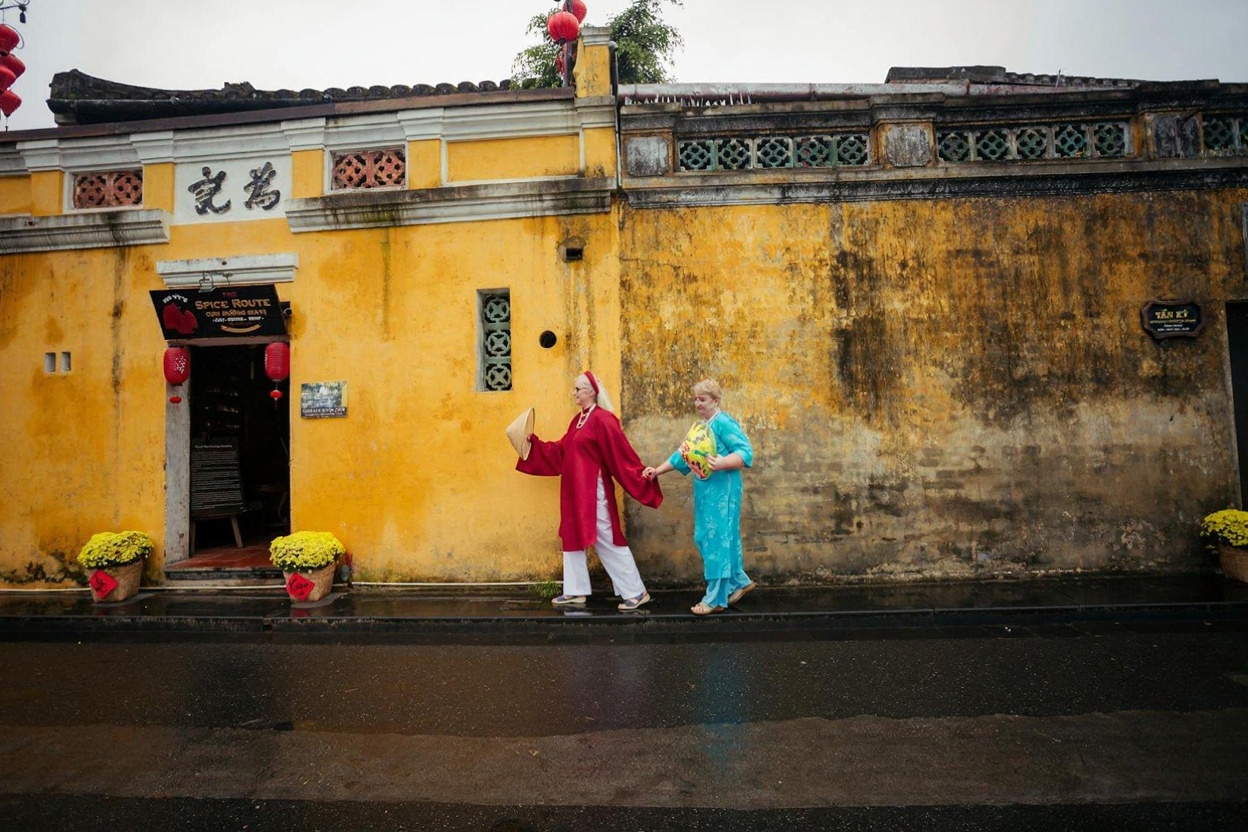
adam Vy, one of the most respected figures in Hội An food culture. The class is more structured than Red Bridge — less scenic, more intensive, and with a stronger focus on technique rather than experience. The market visit is a proper working market trip, not a tour. Price: 650,000–800,000 VND (~$25–30). The instructors are working cooks, not tour guides who cook.
Bale Well: Not a cooking class per se, but worth mentioning in this context — a restaurant that specializes in the Hội An-style “white rose” dumplings and cao lầu noodles that you’ll be trying to recreate at home. Understanding how a dish is supposed to taste before you try to make it changes what you pay attention to in class. Eat here before your cooking class, not after.
Hanoi — For Northern Vietnamese Dishes
Hanoi cooking classes are the right option if you specifically want to learn northern Vietnamese cuisine: bún chả (the grilled pork and rice noodle dish that Obama ate with Anthony Bourdain), phở bò (beef pho in its original northern style), bún riêu (crab and tomato noodle soup), and the repertoire of pickled and fermented accompaniments that define northern Vietnamese flavor profiles.
What to avoid: Cooking classes run out of tourist restaurants in the Old Quarter that serve a generic “Vietnamese” curriculum regardless of region. These classes teach the dishes most palatable to Western tastes rather than the dishes that define Hanoi’s actual food culture. Ask specifically: “Does your class cover bún chả or phở?” If they say “spring rolls and summer rolls,” you’re in the wrong class for northern cuisine.
What to look for: Hanoi cooking schools run by Vietnamese chefs who also run restaurants — not tour operators who offer cooking as an add-on. The Hanoi Cooking Centre on Nguyễn Thị Định street has a solid reputation and covers northern-specific dishes in a proper kitchen setup. Classes run 450,000–700,000 VND (~$17–27).
The best Hanoi cooking class experience often starts at a Hanoi market — Chợ Hàng Bè or Chợ Đồng Xuân — before 8am when the produce is fresh and the market is at full speed. A class that uses the Hanoi wet market properly gives you the northern food supply chain alongside the cooking: the specific cuts of beef for phở, the fermented shrimp paste (mắm tôm) that goes with bún đậu, the fresh rice paper that’s different from the dried version sold abroad.
Saigon (Ho Chi Minh City) — Fewer Standouts
Saigon has cooking classes but fewer that stand out compared to Hội An or Hanoi. The city’s food culture is diverse and excellent — southern Vietnamese cooking, Mekong delta influences, the Chinese-Vietnamese Chợ Lớn food traditions — but the cooking class infrastructure hasn’t developed the same depth as Hội An’s established scene.
The best Saigon cooking class options tend to be private lessons arranged through boutique hotels or through chefs who also cater — check with your accommodation for personal referrals rather than booking from a tourist board list. Price: 600,000–1,000,000 VND (~$23–38) for a quality private or small-group session.
For a half-day market and food experience in Saigon that’s better than most cooking classes: Chợ Bình Tây in Chợ Lớn on a weekday morning, followed by bánh mì from Bánh Mì Huynh Hoa (453 Nguyễn Thị Minh Khai, Quận 3), followed by a bò kho (beef stew) lunch at a local restaurant in District 5. This teaches you more about Saigon food culture than most organized cooking classes — you’re just not holding a wok.
The Market Visit — Why It’s the Most Important Part
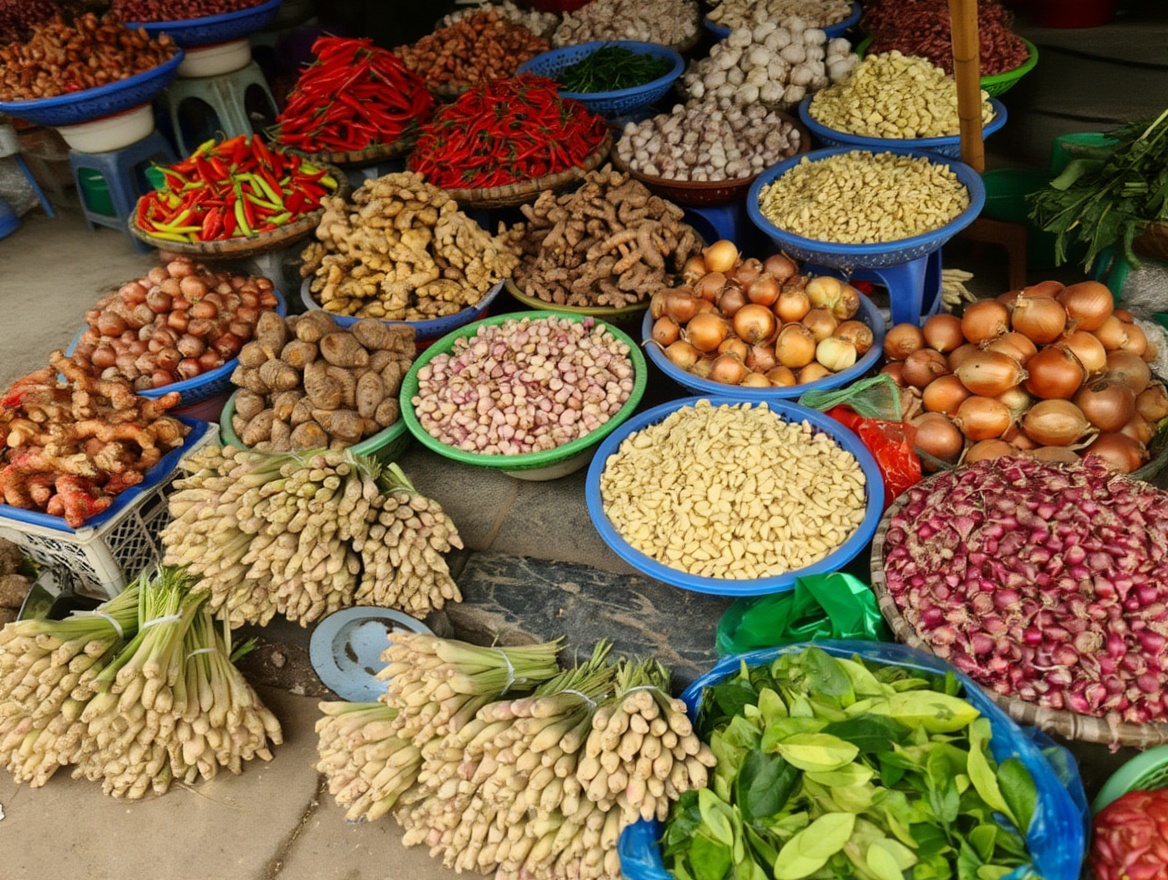
The wet market (chợ, say: choh) visit before a cooking class is not preamble — it’s where the education actually begins. In Vietnamese cuisine, the quality and freshness of ingredients matters more than in most other food cultures, and understanding how to select them is part of cooking the food, not a separate skill.
What a good market visit teaches you before you cook a single dish:
Herb identification: Vietnamese cuisine uses 20–30 different fresh herbs regularly — rau muống (water spinach), rau răm (Vietnamese coriander), tía tô (Vietnamese perilla), kinh giới (Vietnamese balm), húng quế (Thai basil), ngò gai (sawtooth herb). These look nothing like each other and taste wildly different. The market visit is the only context where you can learn to identify them alongside someone who uses them daily. No cookbook does this as well.
Protein selection: The Vietnamese wet market approach to meat and seafood — buying whole animals and fish cut to order, rather than pre-packaged portions — means the market visit shows you what “fresh” actually looks like: the gill color of a good fish, the skin condition of a well-rested pork cut, the difference between a live and just-killed shrimp. These are not things you can learn from a recipe.
Produce seasonality: Vietnam’s produce changes by season and by region in ways that affect what’s in any given dish on any given day. A good instructor uses the market as an opportunity to explain what’s available today and why that affects what you’ll cook — which is how Vietnamese home cooks actually decide what to make each morning.
The market visit also gives you confidence to shop in Vietnamese markets independently for the rest of your trip — which is the highest-value skill transfer a cooking class can give you. If you leave the class able to navigate a wet market without feeling overwhelmed, the class did its job regardless of what you cooked.
Making the Most of Your Class — Practical Tips
Arrive hungry: You’ll eat what you cook at the end, and most classes produce enough food for a proper meal. If you eat a large hotel breakfast before a 9am cooking class, you’ll be uncomfortably full by noon. Have a light snack or coffee only on class day mornings.
Take notes on ratios, not recipes: Vietnamese cooking relies on balance — the interplay of fish sauce (salty, umami), lime juice (acid), palm sugar (sweet), and chili (heat) is the foundation of most dipping sauces and dressings. The exact ratios vary by dish and by preference. Ask your instructor: “What’s the ratio for this sauce?” and “How do I adjust it if I want it more X?” That’s the transferable knowledge — not the specific quantities in the recipe card.
Ask about substitutes: Many Vietnamese ingredients aren’t available outside Vietnam, or aren’t available fresh outside Southeast Asia. Ask your instructor: “If I can’t find rau răm at home, what can I substitute?” A good instructor will give you real alternatives. This question also reveals how much the instructor understands their cuisine versus just executing a recipe — the best instructors know the function of each ingredient and can articulate what a substitute would and wouldn’t replicate.
Practice the knife skills separately from the recipes: Vietnamese prep work — the paper-thin cucumber slices for gỏi, the precise chiffonade of herbs for spring rolls, the exact thinness of meat for phở — requires knife skills that most Westerners don’t have. If you find yourself falling behind in the class because of prep time, ask to slow down that section rather than rushing through it. The prep is the part you can practice at home.
Buy a market basket: The woven bamboo market baskets (giỏ đi chợ, say: yo dee choh) sold at Vietnamese markets are genuinely useful, pack flat, and cost 30,000–60,000 VND (~$1.15–2.30). If your cooking class market visit lets you browse freely, buying one is both a useful souvenir and an object that’ll make you use the market skills you developed in the class.
What You’ll Actually Cook — Dish Guide by Region
What you learn depends heavily on where you take the class and which regional cuisine the instructor specializes in:
Central Vietnam (Hội An): Cao lầu (thick noodles with pork and greens, specific to Hội An), mì quảng (turmeric noodles), white rose dumplings (bánh bao vạc), bánh xèo (sizzling rice flour pancake), cơm gà Hội An (Hội An chicken rice). These dishes require specific local ingredients — cao lầu specifically uses water from the Bà Lệ well in Hội An — which is why they taste different when you try to recreate them at home. Worth knowing before you obsess over getting the recipe perfect.
Northern Vietnam (Hanoi): Phở bò (beef pho with northern-style clear broth), bún chả (grilled pork patties with vermicelli and dipping sauce), chả cá Lã Vọng (turmeric-marinated fish with dill, a Hanoi-specific dish), nem rán (fried spring rolls with pork and glass noodles), bánh cuốn (steamed rice rolls with wood-ear mushroom filling).
Southern Vietnam (Saigon/Mekong): Hủ tiếu Nam Vang (Phnom Penh-style noodle soup), bánh mì Saigon (the southern style has more garnish than the northern), gỏi cuốn (fresh spring rolls with shrimp and herbs), cá kho tộ (clay pot caramelized fish, a Mekong staple), bò lúc lắc (shaking beef).
Frequently Asked Questions
How much does a Vietnam cooking class cost?
Most Vietnam cooking classes cost 400,000–900,000 VND (~$15–34) for a half-day session (3–5 hours) including market visit and meal. Budget classes at 400,000–500,000 VND tend to be larger groups with less hands-on time. Quality classes at 650,000–900,000 VND include a proper market visit, controlled group size (under 10 people), and genuine technique instruction. Private classes cost 900,000–1,500,000 VND (~$34–57) but give one-on-one instruction.
Where is the best cooking class in Vietnam?
Hội An has the best cooking class scene in Vietnam — Red Bridge Cooking School and Morning Glory Cooking School are the two most consistently recommended. Hội An’s unique regional cuisine (cao lầu, white rose dumplings, mì quảng) combined with established instructor quality makes it the strongest option. Hanoi is the right choice if you specifically want to learn northern Vietnamese dishes (phở, bún chả). Saigon has fewer standout operators in the organized class format.
What do you learn in a Vietnam cooking class?
Most classes cover 3–5 dishes in 3–5 hours — typically a soup or noodle dish, a stir-fry or grilled dish, and a fresh roll or salad. The best classes also cover market identification of ingredients, the role of specific herbs and aromatics, and basic Vietnamese flavor balance (the interplay of fish sauce, lime, chili, and sugar). You’ll cook your own meal and eat it at the end. What you come away able to replicate at home depends heavily on the instructor and the format.
Is a Vietnam cooking class worth it?
Yes, if you book one with a genuine market visit and hands-on cooking. No, if you book a tourist demo where you watch someone cook and occasionally stir. The 600,000–900,000 VND mid-range classes are almost always worth the money for anyone interested in Vietnamese food — you eat lunch, you learn something, and the market visit alone is a good 45-minute experience. The 400,000 VND tourist-market versions are often not worth the time.
The Honest Take
A good Vietnam cooking class is one of the better things you can do with a half-day in this country. You eat a meal you made, you understand the flavor logic of a cuisine that’s worth understanding, and if the market visit is real, you see how Vietnamese food gets from soil to plate in a way that restaurant eating never shows you.
The bad version wastes three hours and leaves you with a recipe card you’ll never use. The difference is the market visit and the group size. Get those two things right — a real market, under ten people — and the rest follows. Book the class you’ll actually learn from, not the cheapest one on the board.
Two things worth sorting before you land: a Vietnam eSIM so you have data the moment you clear customs, and travel insurance — medical costs for uninsured foreigners in Vietnam are significant.
Airalo eSIMs activate instantly. Buy before departure — airport SIM queues in Vietnam can take 30+ minutes.
After the Class — Taking It Home
Most cooking classes give you a recipe booklet at the end. Most recipe booklets from Vietnam cooking classes are never used again after travelers return home. Here’s what actually transfers:
The flavor balance logic: Vietnamese dipping sauces (nước chấm — say: nwok cham) follow a consistent ratio structure. The basic version: 1 part fish sauce, 1 part lime juice, 1 part sugar, 3 parts water, garlic and chili to taste. Every variation — nước mắm pha, the tương hoisin-peanut sauce for spring rolls, the ginger fish sauce for steamed chicken — starts from this balance and adjusts. If you understand the ratio logic, you can adapt any sauce without a recipe.
The herb combinations: Photograph the herb plate at your cooking class alongside the dishes they accompany. This visual reference — which herb goes with which dish — is more useful than a written recipe list. If you can find Vietnamese or Southeast Asian grocery stores at home, you’ll know what to look for.
The technique with fish sauce: The most common mistake non-Vietnamese cooks make with Vietnamese recipes is adding fish sauce wrong — too early in the cooking process, or not understanding that it needs to be balanced against acid and sweetness, not used as a salt substitute. This is the technique knowledge that no recipe card captures well but a good class teaches implicitly through the process of making the dipping sauce from scratch.
Finally: the best souvenir from a Vietnam cooking class is a bottle of good fish sauce to take home. Nước mắm Phú Quốc (from Phú Quốc island) is generally considered the best — look for bottles with 40+ degrees of protein concentration (độ đạm). It costs 50,000–120,000 VND (~$2–4.50) at Vietnamese supermarkets and keeps for years. It also explains, when you open it at home six months later, why the dipping sauce you’re making doesn’t taste quite like the one in the class — because the fish sauce is different. That’s a useful thing to know.