Last updated: June 2026 — prices and travel logistics verified June 2026.
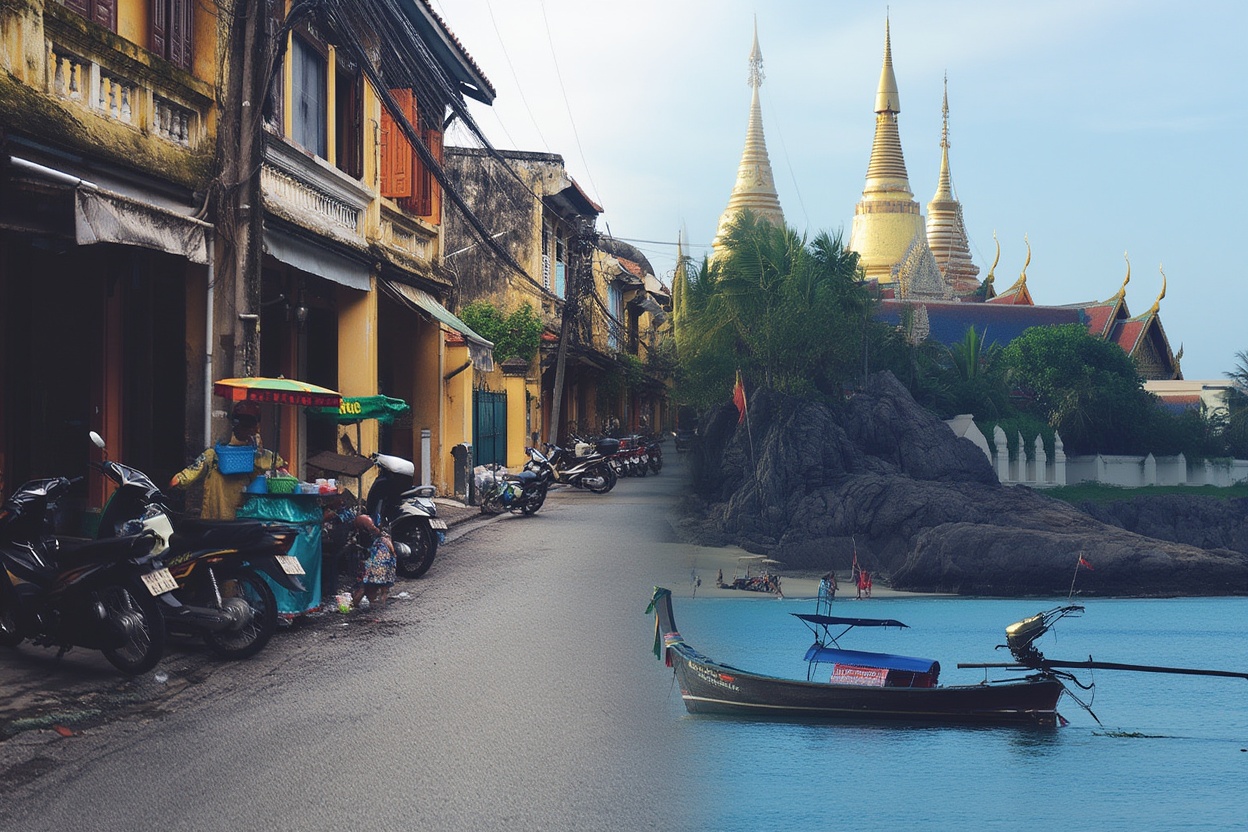
I’ve lived in Vietnam for five years. I’ve spent months across Thailand — Bangkok, Chiang Mai, the Andaman coast, the Gulf islands. I’m not going to tell you one is better than the other. I’m going to tell you what’s actually different and let you decide which matches what you’re after.
What I will tell you: most Vietnam vs Thailand comparison guides are written by people who spent 10 days in each country, stayed in the same areas every other tourist stays in, and drew conclusions that are technically accurate but contextually useless. This isn’t that guide.
Cost — Vietnam Is Cheaper, But by How Much?
Vietnam is genuinely, measurably cheaper than Thailand, and the difference is significant enough to matter for trip budgeting:
Daily budget (backpacker level):
- Vietnam: 660,000–1,050,000 VND (~$25–40) per day — hostel bed, street food, local transport
- Thailand: $35–50 per day equivalent — similar level of comfort
Mid-range daily budget:
- Vietnam: ~$40–70 per day — private guesthouse, sit-down meals, occasional taxi
- Thailand: ~$50–90 per day — similar category
Accommodation: Budget hostel dorm in Vietnam: 130,000–260,000 VND (~$5–10) per night. Thailand equivalent: $8–15. Private budget room: Vietnam 400,000–900,000 VND (~$15–34), Thailand $30–50. The gap narrows as you move up the price spectrum — luxury hotels are broadly comparable.
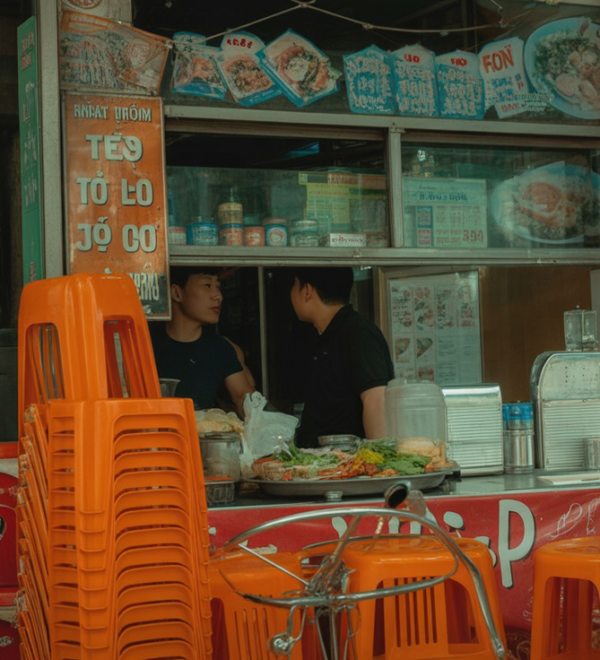
Food: Vietnam street food is the cheapest in Southeast Asia at scale. A bowl of phở: 40,000–70,000 VND (~$1.50–2.65). A Thai street food meal: 80–100 baht (~$2.30–2.90). The difference per meal sounds small; over a 2-week trip, it compounds to a meaningful amount.
Domestic flights: Vietnam: 500,000–1,800,000 VND (~$19–68) for routes like Hanoi–Ho Chi Minh City. Thailand: $40–90 for comparable routes. Vietnam wins marginally on domestic air.
International flights: Bangkok (Suvarnabhumi) is one of Asia’s major hub airports — more airlines, more direct routes, and generally cheaper international arrival costs than Hanoi or Ho Chi Minh City. From Europe: Bangkok returns typically $550–900; Vietnam $650–1,000. From the US west coast: Thailand is closer by routing and generally cheaper. This is the one cost category where Thailand frequently wins.
✓Quick Answer
Vietnam saves most travelers $200–400 over a 2-week trip compared to a comparable Thailand trip. The gap is largest at the budget level (street food, dorms, local transport) and narrows significantly at the mid-range and luxury levels. If budget is the primary driver, Vietnam wins. If international flight cost is a significant factor, check Bangkok pricing specifically — it may be lower than you expect.
Food — The Closest Contest, and Vietnam’s Strongest Argument
Thai food and Vietnamese food are both extraordinary. They’re also very different. The comparison comes down to what you personally prioritize in a food culture.
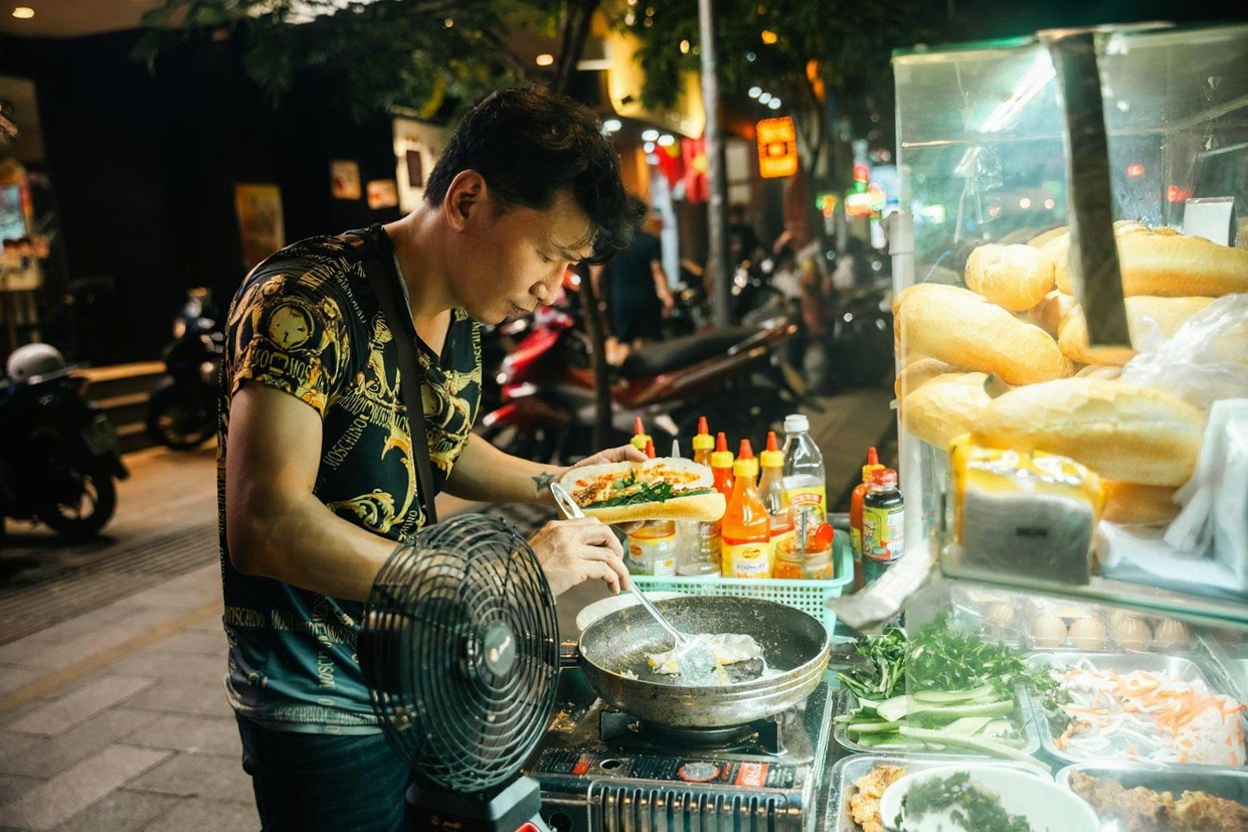
Vietnamese food: Regional, light, herb-forward, and obsessively specific by location. What’s served in Hanoi is not the same as what’s served in Hội An, which is not the same as what’s served in Saigon. The bún bò Huế (spicy beef noodle soup) from Huế has a different flavor profile from the phở bò in Hanoi — same protein, fundamentally different dish. The regional depth of Vietnamese cuisine is genuinely unusual. Learn more about the regional variation from the official Vietnam Tourism food guide.
Thai food: Bold, aromatic, spice-driven, and more immediately accessible to Western palates than Vietnamese food. Pad Thai, green curry, tom yum, mango sticky rice — these are internationally known because they translate well. Thai street food is excellent and cheap, though typically 30–50% more expensive than Vietnamese. The spice levels are real: what’s labeled “medium” in Thailand is actually spicy by international standards. The Tourism Authority of Thailand’s food culture overview documents the regional divisions that most tourists miss (northern Thai food is completely different from southern Thai food).
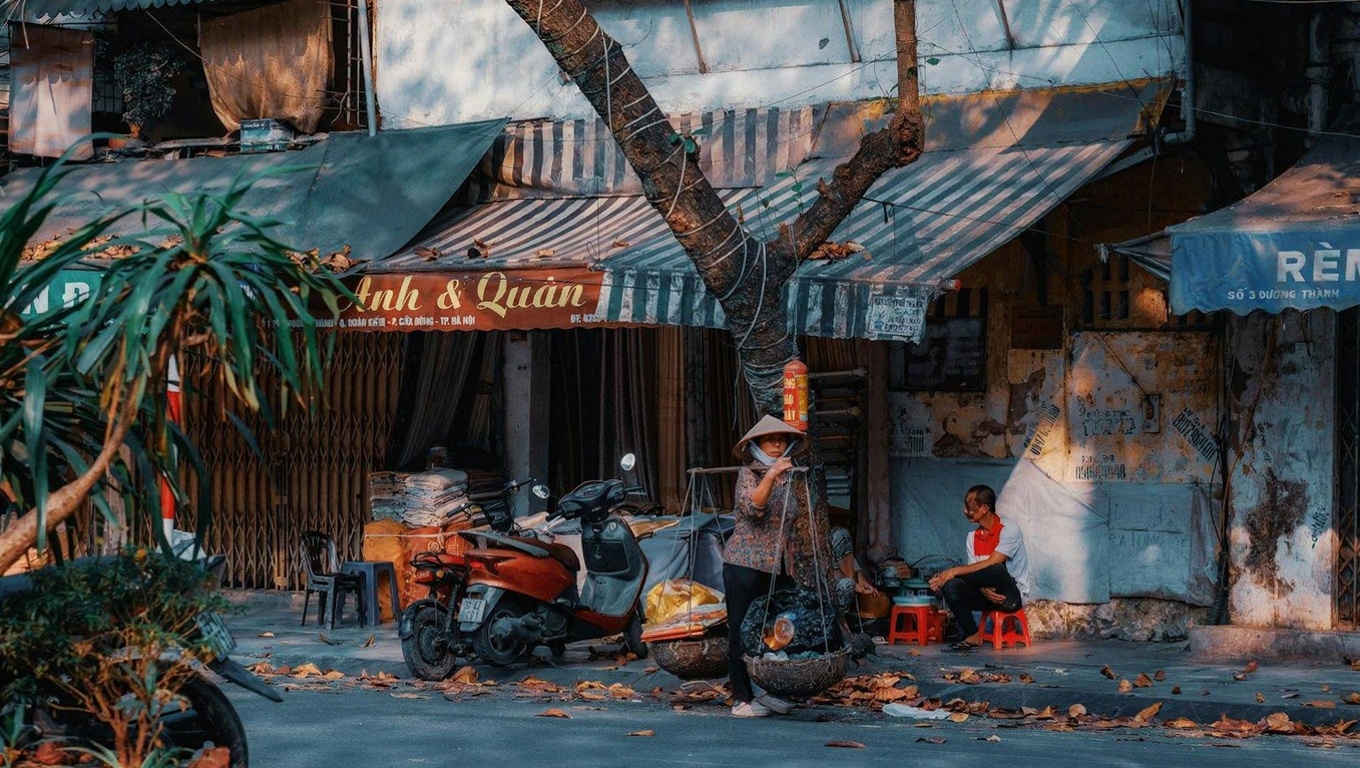
The honest comparison: If you care about depth, regional specificity, and eating at the food-culture level — Vietnamese cuisine rewards serious engagement more. If you care about accessibility, flavor intensity, and variety within a meal — Thai food is more immediately satisfying. Both are among the best street food cultures in the world. Neither is wrong. For what Vietnam’s street food scene actually looks like on the ground, the Hanoi street food guide is a good starting point — Hanoi’s food culture is the deepest of any Vietnamese city.
⚠Real Talk
Most Vietnam vs Thailand food comparisons declare Thai food the winner because it’s more internationally famous and easier to explain. The international fame is a marketing outcome, not a culinary judgment. Vietnamese food is more complex than its reputation suggests and more regionally diverse than Thai food at the street level. Try both before you decide — and try them outside the tourist districts.
Beaches — Thailand Wins, But Only in the Right Areas
Thailand has better island-beach experiences than Vietnam. This is genuinely true, and it’s worth being honest about. Krabi, Koh Lanta, Koh Phi Phi, and the Andaman coast generally offer clearer water, more established beach infrastructure, and better island-hopping logistics than Vietnam’s equivalent areas.

Vietnam’s coastal highlights — Da Nang beaches, Phu Quoc Island, Con Dao — are excellent but different in character. Vietnam’s coast is better described as “beaches adjacent to a cultural and landscape trip” rather than “beach destination.” Phu Quoc comes closest to a Thai island experience but doesn’t match Krabi’s water clarity or Koh Lanta’s relaxed infrastructure.
The caveat: Thailand’s best beach areas are also its most expensive and most crowded. Phuket in peak season (December–March) is aggressively commercial. Koh Phi Phi has a Maya Bay boat traffic problem that’s famous enough to have been addressed by the BBC’s travel coverage. The quieter Thai islands (Koh Lanta, Koh Mak, Koh Kood) require more planning and often cost more to reach.
→Who It’s For
Go to Thailand for the beaches if island-hopping and clear water snorkeling are the primary goal. Go to Vietnam for the beaches if they’re one part of a broader landscape and culture trip. If you want a beach holiday where the beach is the trip — Thailand’s Andaman coast. If you want a beach as a rest stop between cultural highlights — Vietnam’s central coast is fine and significantly cheaper.
Culture and History — Vietnam’s Strongest Argument
Vietnam’s historical depth is exceptional and largely underappreciated by travelers who see it only through the lens of the American war. The country spent 1,000 years under Chinese control (111 BCE to 938 CE), developed its own distinct literary, artistic, and bureaucratic traditions, was colonized by France for nearly a century (which layered a completely different architectural and culinary influence on top of the Vietnamese base), and has 54 officially recognized ethnic minority groups with distinct languages, traditions, and visual cultures that persist into the present.

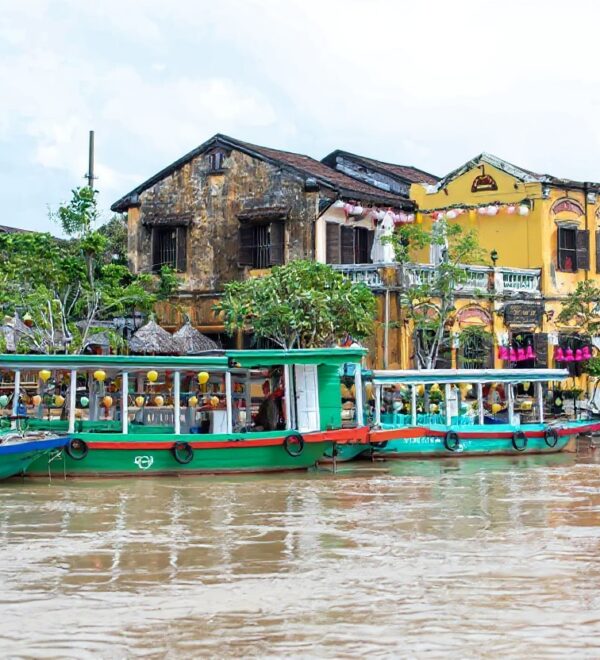
The physical evidence of this history is everywhere: the Imperial Citadel in Thăng Long (Hanoi), the UNESCO-listed Ancient Town of Hội An (a 500-year-old trading port that absorbed Chinese, Japanese, and Indian merchant cultures), the Imperial City of Huế, the rock art of Sa Pa’s H’Mông tradition, the French colonial architecture of Hanoi’s Old Quarter. The American war sites — the Cu Chi Tunnels, the DMZ, the War Remnants Museum — are historically significant but represent only the most recent 30 years of a multi-thousand-year narrative.
Thailand’s cultural heritage is similarly deep — Chiang Mai’s Buddhist temple tradition, the Sukhothai Kingdom ruins, the northern hill tribe communities, the royal history visible throughout Bangkok. But Thailand’s cultural narrative is more unified and more frequently packaged for tourism, which makes it more accessible and also somewhat less surprising. Vietnam’s culture tends to reveal itself more gradually and more unexpectedly — which is either an advantage or a disadvantage depending on how you like to travel.
Ease of Travel — Thailand Wins on Infrastructure
Thailand is easier to travel in. This is true and matters for some travelers more than others.

English: English is widely spoken in Thailand’s tourist areas — guesthouse staff, taxi drivers, restaurant servers, and tour operators in Bangkok, Chiang Mai, and the major beach areas generally communicate comfortably in English. In Vietnam, English fluency is concentrated in the tourist industry and thinner in secondary cities and rural areas. Managing logistics in a Vietnamese market town without any Vietnamese language requires more patience and willingness to navigate communication gaps.
Tourist infrastructure: Thailand has been building tourist infrastructure for 50+ years and it shows: well-signed routes between popular destinations, reliable information points, organized tour ecosystems, standardized pricing at attractions. Vietnam’s infrastructure is improving rapidly but still less consistent — the gap between a Hanoi Old Quarter guesthouse and a rural homestay in Ha Giang is larger in every practical dimension than the equivalent Thailand gap.
Transport: Thailand’s domestic transport network (budget airlines, train system, minivan network between popular destinations) is more developed and more predictable than Vietnam’s. The Vietnamese train system is excellent but limited to the main north-south corridor. Buses and minivans in Vietnam can be chaotic at the budget end. Thailand’s transport is not perfect, but the failure modes are less dramatic.
Safety and health: Both countries are safe for travelers by global standards. For current health recommendations for either destination, the CDC Travel Health site and the UK’s NaTHNaC TravelHealthPro have country-specific vaccination and health advice. Neither Vietnam nor Thailand requires mandatory vaccinations, but Hepatitis A and typhoid are typically recommended for both.
Best Time to Visit — Different Answers for Different Regions
Vietnam and Thailand have different monsoon patterns, which means the best travel window differs by destination — and this matters if you’re combining them.
Vietnam: The country runs north to south across 15 degrees of latitude, so there’s no single “best season.” Hanoi and the north are best October–April (cool, dry) and difficult July–September (hot, humid, typhoon risk on the coast). Central Vietnam (Da Nang, Hội An) is best February–August; the short rainy season October–November regularly floods Hội An’s Ancient Town. The south (Saigon, Mekong, Phu Quoc) is best November–April. If you’re traveling north-to-south, you can usually find a good window somewhere regardless of month.
Thailand: The Andaman coast (Krabi, Koh Lanta, Phuket) is best November–April — the rest of the year is monsoon season with significant waves and limited island access. The Gulf coast (Koh Samui, Koh Phangan) has a reversed pattern: best February–September. Bangkok and Chiang Mai are best November–February for cooler temperatures. Thailand’s popular season overlaps almost perfectly with Vietnam’s — both peak in December–January. The practical implication: if you’re planning a combined trip, arrive Vietnam in November (shoulder season, before the Christmas crowd surge), then cross to Thailand in December–January (Andaman coast at its best). No crowds at both ends.
✓Quick Answer
For a combined trip, the sweet spot is November–February: Vietnam’s peak season and Thailand’s Andaman coast peak overlap cleanly. Arrive Vietnam in November, cross to Thailand in late December. Both countries are at their best and the routing is logical.
Visa — Simpler in Thailand
Thailand offers visa-free entry to citizens of over 90 countries for 60 days, extendable once to 120 days total. The process requires nothing more than showing up at the airport with a passport, onward flight, and sufficient funds. See the official Thai e-Visa portal for current requirements by nationality.
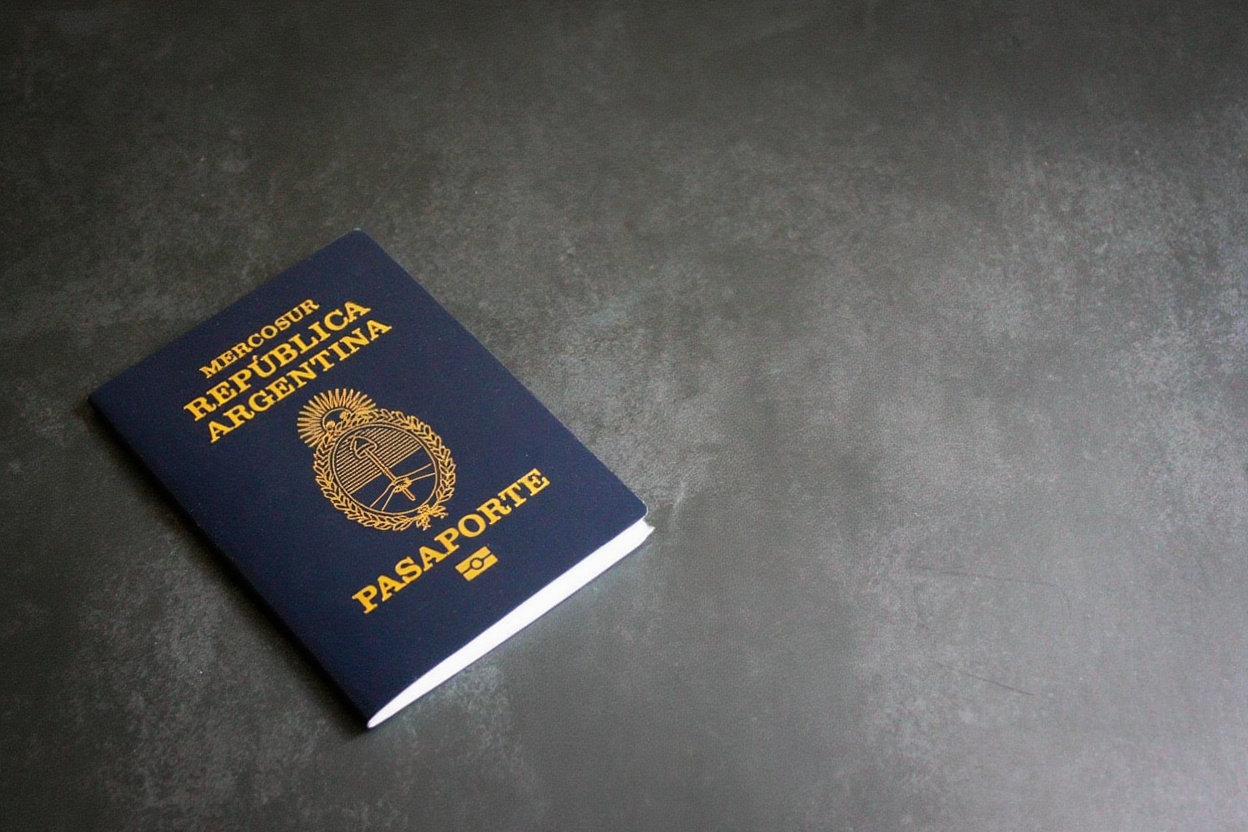
Vietnam requires an e-Visa for most nationalities: $25 USD, applied online at the Vietnam Immigration e-Visa portal, approved in 3–5 business days, valid for 90 days. Several nationalities are eligible for visa-free entry to Vietnam for 45 days — check the official list. For full visa details including which nationalities are exempt, the Vietnam visa guide covers every scenario.
Thailand wins on visa simplicity for most nationalities. The Vietnam e-Visa is straightforward but requires the extra step of applying in advance.
Who Should Go Where
Go to Vietnam if:

- Budget is genuinely tight and you want maximum experience per dollar
- You’re interested in history, culture, and the specific experience of a country still processing its recent past
- Food culture depth — regional variety, specific local dishes, market exploration — is a primary interest
- You want a motorbike adventure (Ha Giang, Ho Chi Minh Road) that Thailand doesn’t offer at the same scale
- You’re a repeat Southeast Asia traveler who has already done Thailand and wants something more challenging and more rewarding
Go to Thailand if:
- It’s your first time in Southeast Asia and you want a destination that’s easier to navigate independently
- Island-hopping and beach quality are the primary goal
- You want yoga retreats, wellness tourism, and established meditation center infrastructure (Thailand has a more developed scene)
- Nightlife — Bangkok, Ko Samui, Phuket have more developed options than any Vietnamese city
- You’re flying from North America and the Bangkok routing is significantly cheaper from your origin
Do both if: You have 3–4 weeks. Bangkok and Hanoi are 90 minutes apart by flight. Vietnam’s north (Hanoi, Ninh Bình, Ha Long) plus Thailand’s south (Bangkok, Krabi, a quiet island) is a completely coherent 3-week itinerary that gives you the best of both without forcing a comparison. More travelers do this than either country’s tourism board would like to admit — it’s the logical answer to the “which one” question when time allows. If you’re building the Vietnam side, the Vietnam itinerary guide covers all the routing options from 1 week to 1 month.
The Specific Comparisons That Actually Matter
First-time Southeast Asia traveler: Thailand. Lower language friction, better tourist infrastructure, more consistently good experiences at the mid-range price point.
Best food destination: Vietnam — but only if you engage with the regional specificity rather than staying in one city. The gap between Hanoi phở and Hội An cao lầu and Saigon hủ tiếu is the food argument.
Best beaches: Thailand, Andaman coast — Krabi and Koh Lanta specifically. Not close.
Best value for money: Vietnam — approximately 20–30% cheaper at equivalent comfort levels.
Best for photography: Vietnam — Ha Giang Loop, Mù Cang Chải rice terraces, Hội An Ancient Town, the central coast landscape. The photographic variety is exceptional. Thailand has strong visual material (Bangkok, Chiang Mai temples, the south coast) but Vietnam’s landscape range is larger.
Best for a 1-week trip: Thailand — the concentration of high-quality experiences near Bangkok and the Andaman coast make a 7-day Thailand trip satisfying. A 7-day Vietnam trip barely scratches the surface of a country that needs 2–3 weeks to visit properly.
Best for a 3-week trip: Do both. But if forced to choose: Vietnam rewards longer stays more than Thailand because the regional diversity requires time to experience properly.
Frequently Asked Questions
Is Vietnam or Thailand better for first-timers?
Thailand for most first-timers — easier to navigate, more English spoken, better tourist infrastructure, and the Andaman coast beaches are excellent entry-level Southeast Asia experiences. Vietnam is the better choice for travelers who specifically want cultural depth and are comfortable with more friction in day-to-day logistics. Vietnam rewards patience; Thailand rewards planning.
Which is cheaper — Vietnam or Thailand?
Vietnam is consistently 20–30% cheaper than Thailand at equivalent comfort levels. Budget travelers save $200–400 over a 2-week trip. The gap is largest for accommodation and food (Vietnam street food at $1–2 per meal vs Thailand at $2–3). The one exception: international flights. Bangkok is a bigger hub than Hanoi or Ho Chi Minh City, so international arrivals to Thailand are often cheaper from Western countries.
Does Vietnam or Thailand have better food?
Both are exceptional food destinations with distinct cuisines. Vietnamese food is lighter, fresher, more regionally diverse, and cheaper. Thai food is bolder, more internationally recognized, and more immediately accessible to Western palates. The honest answer: if you engage seriously with the food culture of either country, you’ll find extraordinary depth. Most travelers don’t engage seriously with either, which makes the comparison moot.
Can I visit both Vietnam and Thailand in one trip?
Yes — they’re 90 minutes apart by flight, and both Hanoi and Ho Chi Minh City have direct connections to Bangkok. A 3-week trip combining northern Vietnam (Hanoi, Ha Long, Ninh Bình) with Bangkok and the Andaman coast is completely feasible. The most common routing is Hanoi or Ho Chi Minh City in, Bangkok out (or reverse) — this avoids backtracking and lets you cover the highlights of both countries without duplication.
Two things worth sorting before you land: a Vietnam eSIM so you have data the moment you clear customs, and travel insurance — medical costs for uninsured foreigners in Vietnam are significant.
Airalo eSIMs activate instantly. Buy before departure — airport SIM queues in Vietnam can take 30+ minutes.
The Honest Answer
The honest answer to “Vietnam or Thailand?” is that you’re asking the wrong question. They’re not substitutes for each other — they’re genuinely different countries with different food, different landscape, different historical depth, and different relationships with the tourism industry they’ve built around themselves.
What I can tell you from five years in Vietnam and significant time in Thailand: Vietnam requires more from you and gives more back. Thailand asks less of you and delivers more immediately. Neither of those is a criticism. They’re descriptions of two different trips for two different travelers — or two different weeks of the same trip for the same traveler.
Figure out what you’re actually trying to experience. Then decide. The comparison itself is a distraction from that question.