Updated June 2026
The Overnight Train: The Right Way to Do This Route
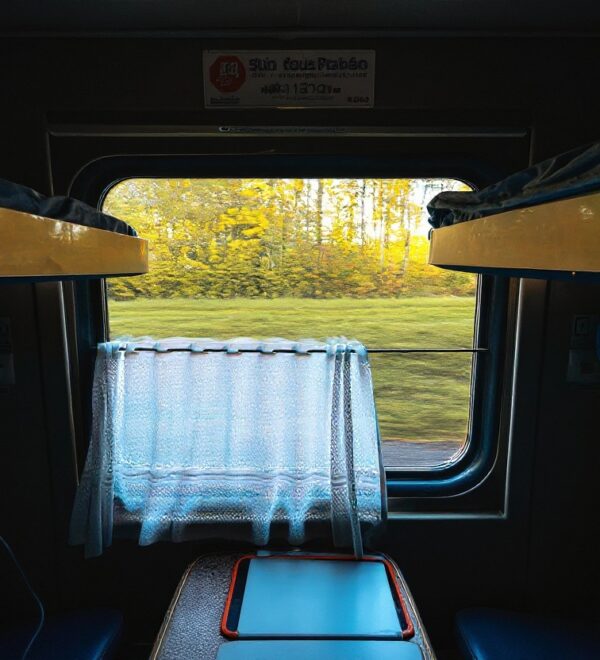
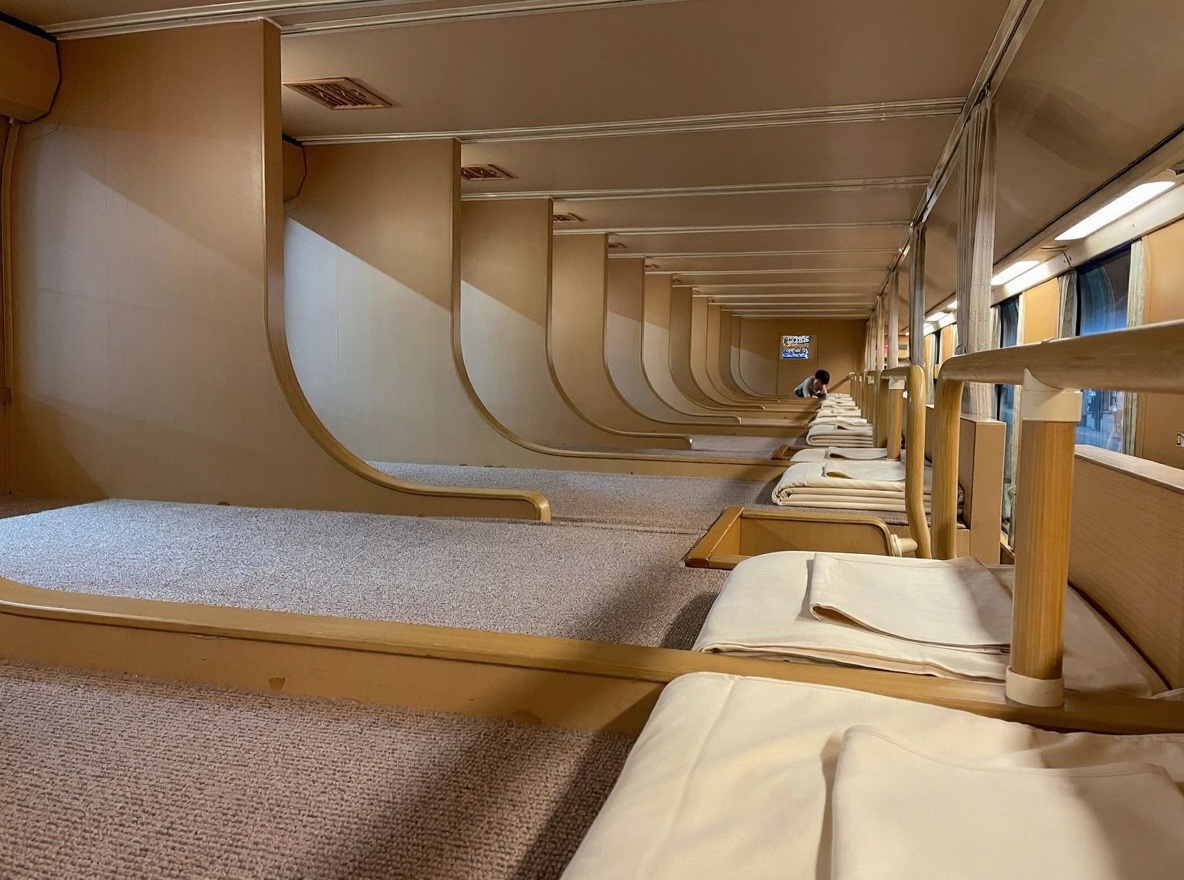
The Hanoi–Hue overnight train is one of those journeys that travelers describe differently depending on whether they booked upper or lower berths and whether they traveled in a 4-berth or 6-berth cabin. Let me be direct: the 4-berth soft sleeper is the move. The 6-berth is fine but tight for anyone over 5’9″, and the top berth in a 6-berth makes getting down to use the bathroom at 3am feel like a character-building exercise.
The train passes through some of the most scenic stretches of the Hanoi–Saigon line at sunrise: the coastal section south of Da Nang, around Hai Van Pass, with the South China Sea on one side and forested mountains on the other. You’re asleep through most of it, but the arrival into Hue — along a river, through flat rice paddies in the early light — is genuinely good.
Train codes to book: SE1 (departs Hanoi 19:30, arrives Hue ~09:30) and SE3 (departs Hanoi 22:00, arrives Hue ~11:30) are the main overnight options. SE1 is the preferred departure — the earlier arrival gives you a full day in Hue. SE3 arrives later and is harder to work with if you have a packed itinerary. Check current schedules at the Vietnam Railways site (dsvn.vn) — times shift slightly between seasons.
✓Quick Answer
Book SE1 (departs 19:30) in a 4-berth soft sleeper cabin, lower berth if available. Cost: 480,000–680,000 VND (~$18–26). Book 1–2 weeks ahead for popular dates (September–November, January–April). Use dsvn.vn or a reputable agent.
Train Ticket Classes and Prices
VIP private trains: Livitrans Express and Violette Express operate private carriages on some overnight routes with 2-berth cabins and better bedding. More expensive, marginally more comfortable than the standard Vietnam Railways 4-berth. Worth it if you’re traveling as a couple and want genuine privacy. Book directly on their websites or through your accommodation.
How to Book Train Tickets
The Vietnam Railways website (dsvn.vn) accepts international credit cards and is the official booking source — use it. The interface is functional rather than beautiful, but the booking process works and you’ll receive a booking confirmation to show at the station.
Booking through guesthouses or travel agents adds a service fee (typically 50,000–100,000 VND per ticket) but someone else handles any confusion with the website. If you’re spending more than 2 weeks in Vietnam and using the train multiple times, the DuLich1 app (Vietnam Railways mobile app) is worth setting up for easy repeat booking.
Physical ticket collection: at major stations (Hanoi’s Ga Hà Nội, also called Hanoi Railway Station at 21.0243° N, 105.8412° E), you collect tickets from the international tourist window with your booking code and passport. Arrive 30–45 minutes before departure. The station is functional, not scenic — the ground floor has food stalls and a luggage storage area if you arrive early.
↗Insider Tip
Lower berths (số 1 and số 3 in a 4-berth cabin, số 1, số 3, số 5 in a 6-berth) are the ones you want. Upper berths are cheaper by 10–15% but significantly less comfortable — lower headroom, harder to get down at night, and the climb with any significant baggage is awkward. When selecting seats on dsvn.vn, look at the berth map and choose a lower position on the left side of the train (which faces east — better morning light into Hue, and the Hai Van Pass coastal section views are on this side heading south).
The Sleeper Bus Option
Sleeper bus from Hanoi to Hue takes 13–14 hours and costs 300,000–450,000 VND (~$11–17) with operators like Phuc Khanh, Camel Travel, or Queen Café. The buses have lie-flat seats (not actual beds) that recline to about 160 degrees — comfortable for 4 hours, increasingly unpleasant after 8.
The practical case for the sleeper bus over the train: it’s slightly cheaper, departs from the Old Quarter backpacker area (no taxi to the railway station needed), and some services connect directly through to Da Nang or Hoi An without changing vehicle. If your final destination is Hoi An rather than Hue, a Hanoi → Hoi An sleeper bus makes more sense than the train + transfer.
The case against: the road through mountainous central Vietnam is scenic but winding. Motion sickness on hairpin bends at 2am is worse than it sounds. If you’re susceptible, take dramamine, sit near the front, and have a bag ready. The train is significantly more stable.
Flying: When It Makes (and Doesn’t Make) Sense
Hanoi (Noi Bai, HAN) to Hue (Phu Bai, HUI) is a 1-hour flight. Vietnam Airlines and VietJet both cover the route. Fares start from around $25–40 USD with baggage included if you book 2–3 weeks ahead, rising to $80–120 closer to departure.
The total door-to-door time: taxi from Hanoi Old Quarter to Noi Bai airport (45 minutes), check-in and security (90 minutes recommended), 1-hour flight, land at Phu Bai (20km from Hue center), taxi to city (30 minutes) = approximately 4.5 hours total. Compare to the overnight train where you sleep, and the flight’s time advantage largely disappears unless you’re departing on a schedule that matters.
Fly if: you have a late Hanoi checkout and an early Hue commitment the same day. Don’t fly if: the price difference to the train is under $15 and you don’t have a specific timing reason.

What to Expect on the Journey
The overnight train has a dining car serving basic Vietnamese food — pho, banh mi, instant noodles — that stays open until about 10pm and reopens around 6am. Food quality is adequate, prices are slightly elevated, and the experience of eating pho in a moving dining car at 8pm is part of the journey. Bring your own snacks regardless.
Air conditioning runs throughout the night — in the soft sleeper cabins, it’s cold. The blanket provided is thin. A light jacket or sarong in your carry-on is not optional. The cabin has a power outlet (standard two-pin Vietnamese outlet, 220V), though the position varies — sometimes under the table, sometimes on the wall between berths. A USB charger with a Vietnamese plug adapter or a universal adapter is worth having.
WiFi does not exist on Vietnam Railways trains. A local SIM with data is how you’ll stay connected — see the Vietnam SIM card guide for the best current options. The overnight train through mountainous central Vietnam loses cell signal entirely in some sections — download whatever you need before boarding.
Arriving in Hue: Station to City
Hue Railway Station sits about 2km from the historic city center — close enough to walk if you’re traveling light and it’s not raining. In practice, most travelers take a xe ôm (motorbike taxi) for 30,000–50,000 VND (~$1.15–1.90) or grab taxi for 60,000–80,000 VND (~$2.30–3) to their accommodation.
The Grab app works in Hue — book a GrabBike from the station at 16.4656° N, 107.5959° E to avoid the station-side negotiation. At 9:30am arrival on the SE1, the station is manageable — not overwhelming. On holiday peaks, the taxi stand can be congested; walking 50m from the station exit before requesting a Grab gets you a faster pickup.
The Complete Options Compared Side by Side
Seasonality: When to Book and When the Train Is Packed
Vietnam has two peak travel periods that affect this route significantly — the domestic Vietnamese travel season and the international backpacker season don’t overlap cleanly, which means the train can be full even outside what you’d consider “peak” dates.
Vietnamese public holidays: Tet (Lunar New Year — late January to mid-February depending on the year) is the biggest. Trains fill weeks in advance. Prices increase. Book 3–4 weeks out minimum. The April 30th–May 1st holiday (Reunification Day + Labour Day) is the second-biggest domestic travel peak — typically 3–4 days of heavy train usage. September 2nd (National Day) is another 4–5 day holiday period. During these windows, 4-berth soft sleeper lower berths on SE1 are essentially unavailable unless you’re booking the moment tickets open (typically 30 days in advance on dsvn.vn).
International peak: September through November is the busiest period for international backpackers hitting Vietnam — the post-summer European travel season combined with Vietnam’s best weather window in the north and center. SE1 lower berths in 4-berth cabins book out 2–3 weeks ahead during this period. If you’re planning a Vietnam trip during this window, train reservations should be one of the first things you confirm after flights.
Easiest booking periods: February to April (after Tet, before summer) and June to August (summer holidays push domestic travelers to beach destinations, not the central rail corridor). You can often book 3–5 days ahead and still get a good berth.
What to Pack for the Overnight Train
The train is cold. This is not optional advice — it is mandatory information. The soft sleeper cabins maintain air conditioning at approximately Arctic levels regardless of the outdoor temperature. Vietnam Railways does not adjust the thermostat based on passenger preference. The blanket provided is a single thin sheet.
Essential carry-on for the overnight train:
Light jacket or sarong: Mandatory. A thin fleece or a large sarong doubles as an extra blanket and takes up minimal space in your bag. Vietnamese travelers use their jackets to sleep; tourists in t-shirts spend the night cold.
Earplugs: The 6-berth cabins in particular have varying ambient noise levels depending on who you share with. Earplugs cost 10,000 VND at any pharmacy and save hours of light sleep.
Small snacks and a water bottle: The dining car closes around 10pm and reopens at 6am. The station at Hue where you arrive serves coffee and bánh mì from platform vendors, but having a snack available between 10pm and arrival beats hunger at 3am.
Flip-flops: For walking to the toilet at the end of the carriage. The floor is cleaned but not in a way that encourages bare feet.
Power bank: Outlets exist in the cabins but positioning varies and they’re shared. A charged power bank for your phone overnight costs you nothing extra if you already own one.
The Hanoi to Hue Bus: What the Sleeper Looks Like
Sleeper buses in Vietnam operate on most long-distance routes — they’re not actual beds but lie-flat seats that recline to a near-horizontal position. The configuration is two columns of seats with a narrow aisle, stacked two high. You’re essentially lying in a coffin-sized slot, which sounds worse than it is at 9pm when you’re tired and sounds exactly as bad as it is at 2am when you need the bathroom and the seat in front has reclined into your face.
The buses depart from the Old Quarter area (most operators cluster around Hang Be street and Luong Van Can) between 6pm and 9pm, arriving in Hue between 7am and 10am depending on traffic through the mountain sections. Operators worth using: Phuc Khanh Bus (most reliable for this route based on traveler reports), Ha Son Hai Van, and the limousine-style minibuses that seat 9 and provide significantly more personal space for 10–15% more cost.
The bus advantage over the train that actually matters: door-to-door pickup from the Old Quarter means no taxi to the railway station. For travelers staying in the Hoan Kiem area, this saves 40 minutes and 80,000–100,000 VND (~$3–4) each way. If time is more important than comfort, that calculation doesn’t matter. If budget is tight, it does. Motion-sickness-prone travelers should take dramamine before boarding and request a seat near the front — the mountain sections after Nghe An have sustained winding roads that hit sensitive stomachs harder than the train’s smoother track.
Combining This Route with Hai Van Pass
The Hai Van Pass sits between Da Nang and Hue — one of the finest coastal mountain roads in Vietnam, 20km of switchbacks with the South China Sea on one side and jungle mountains on the other. Top Gear famously called it one of the best roads in the world. It lives up to it.
The pass is most naturally incorporated into the Hanoi–Hue journey as a stop en route: take the overnight train to Da Nang (which arrives about 1 hour before Hue), then rent a motorbike in Da Nang and ride south over Hai Van Pass to Hue. The ride takes 2–3 hours with stops for views and photos. It turns a transit into a highlight. This is the structure most experienced Vietnam travelers use for this leg of the trip.
The full guide to the pass — including the specific viewpoints, the coffee stop at the top, and what to do if your motorbike decides to stop at the worst possible elevation — is in our Hai Van Pass guide. For the trains specifically between Da Nang and Hue, they run frequently (every 2–3 hours, 2.5–3 hour journey, 120,000–220,000 VND / ~$4.60–8.50) and are the backup option if weather closes the pass.
Jake’s Confession
First time on the Hanoi–Hue overnight train, 2021, I booked the upper berth in a 6-berth cabin because it was 80,000 VND (~$3) cheaper. The guy below me had a garlic sausage and a speaker playing Vietnamese pop at what I’m told was a moderate volume for his tastes. I wedged myself against the carriage wall 2 meters above the floor and thought about the $3. Book the lower berth in the 4-berth soft sleeper. I cannot stress this enough.
For everything to do once you’re in Hue, see our Hue travel guide. For the full context on Vietnam’s train system, the Vietnam night train guide covers the entire north-to-south rail network.
Frequently Asked Questions
How far in advance should I book the Hanoi to Hue train?
1–2 weeks minimum during shoulder season. 3–4 weeks during peak periods (Tet — late January/early February, September–November when European travelers arrive, and Vietnamese national holidays in April and September). The 4-berth soft sleeper lower berths sell first — if you’re flexible on departure day but not on class, check availability across several dates before committing.
Is the overnight train safe?
Yes. The cabins lock from inside, luggage stored on the upper racks above the berths is secure, and the train has onboard staff. Common sense applies: keep your passport and wallet in a money belt while sleeping, not in your bag on the rack. In 5 years of taking overnight trains across Vietnam, I’ve never heard of a specific security incident from a fellow traveler on this route.
Can I stop in Da Nang instead of going directly to Hue?
Yes — the SE1 stops at Da Nang (approximately 1 hour before Hue) at around 8:30am. You can book a Hanoi → Da Nang ticket instead and continue to Hue separately when ready. Da Nang to Hue by bus or train is 2.5–3 hours. If you’re planning to spend time in both Da Nang and Hue, the Hanoi → Da Nang overnight and then a separate Da Nang → Hue transit makes logistical sense.
Is there a direct bus from Hanoi to Hue without changing?
Yes — multiple operators run non-stop or minimal-stop sleeper buses from Hanoi directly to Hue. Phuc Khanh Bus and Ha Son Hai Van are the most established options on this specific route. Departure is typically between 6pm–9pm from the Old Quarter area, arrival in Hue 7am–10am. You don’t change vehicles. The bus passes through Nghe An and Thanh Hoa provinces through the night — there may be a short rest stop at a highway service area around 2–3am for bathrooms and snacks.
Can I take this trip with large luggage?
Yes. Both trains and buses accommodate normal traveler luggage. On the overnight train, large backpacks (60–80L) go under the lower berths or in the luggage rack above the highest berth. The racks hold more than you’d expect — most travelers stack bags successfully. For buses, luggage goes in the undercarriage storage (like a coach). Bikes and oversized items need separate arrangement — the standard sleeper bus is not suitable for large sports equipment or musical instruments.
What’s the difference between Vietnam Railways trains and private trains?
Vietnam Railways (state-operated) runs the majority of trains on all routes — SE1, SE3, etc. Private train operators (Livitrans, Violette Express) run carriages that are attached to the same state-operated trains but with upgraded cabins (2-berth, better mattresses, reading lights, sometimes an attendant). The departure time and route are identical — the difference is just the carriage you’re in. Private carriages cost 40–70% more than equivalent Vietnam Railways cabins. Worth it for couples wanting privacy; marginal for solo travelers already happy with a 4-berth soft sleeper.
FAQ
How long does the train take from Hanoi to Hue?
The Reunification Express takes 13–14 hours from Hanoi to Hue. The overnight SE7 (departs 7:30 PM, arrives 9:30 AM) is the most popular — you sleep through most of the journey and arrive refreshed. Soft-sleeper berths cost around 450,000–700,000 VND.
Is the train or bus better from Hanoi to Hue?
Train is better for comfort and scenery — the route passes through the Hai Van Pass area which is one of the most scenic sections in Vietnam. Bus is cheaper (around 200,000–350,000 VND on a sleeper bus) but takes a similar amount of time and is harder on your back.
How much does the Hanoi to Hue train ticket cost?
Hard seat: around 200,000 VND. Soft seat: 300,000–400,000 VND. Hard sleeper (6-berth): 350,000–500,000 VND. Soft sleeper (4-berth): 500,000–750,000 VND. Book at least 3 days ahead on baove.vn or through a guesthouse.
Should I take the overnight or daytime train from Hanoi to Hue?
Overnight if you want to save time and a night’s accommodation. Daytime if you want to see the scenery — the stretch between Da Nang and Hue (the Hai Van Pass section) is particularly dramatic but only visible in daylight. The SE1 (departs 6 AM) gives you daylight through the best scenery.
Can I stop in Ninh Binh or Vinh on the way from Hanoi to Hue?
Yes — both are stops on the Reunification Express. Ninh Binh is 2 hours from Hanoi; many travelers stop here for 1–2 nights before continuing south. Break the journey into Hanoi → Ninh Binh → Hue if you have a flexible schedule.