Updated: June 2026
The sheets smelled like someone else’s sweat.
I knew this. I’d read about it. I’d been in Vietnam for two months and I still hadn’t taken the train, partly because I kept choosing buses and partly because — honestly — I was avoiding the bedding situation everyone warned me about.
Then I had to get from Hanoi to Hội An for a work trip and flights were sold out. The train became necessary.
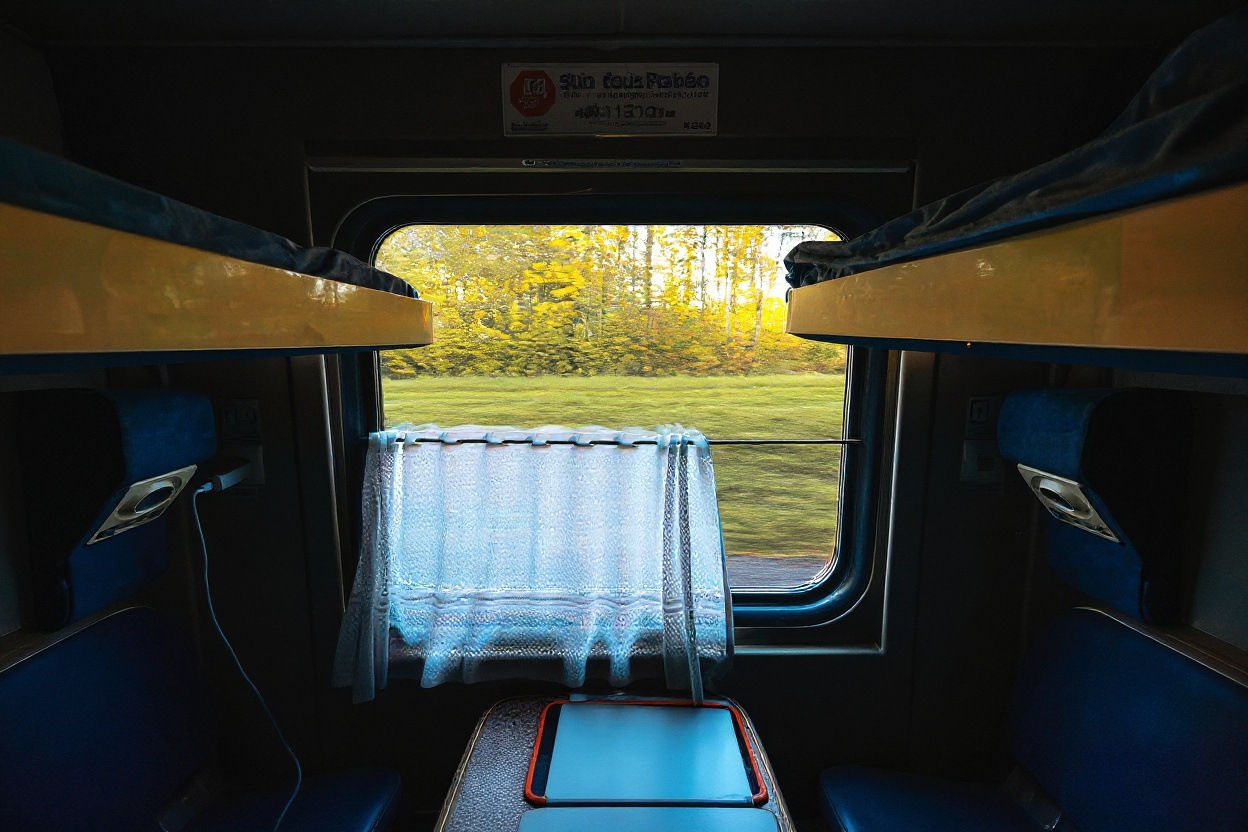
I took the SE3 overnight to Đà Nẵng. Sixteen hours. Seat 33 in carriage 7. I pulled back the sheet and it was — fine, actually. Not fresh hotel fine, but not the horror story fine either. My bunk neighbour was a Vietnamese teacher heading home from a family visit. We shared instant noodles from the trolley cart at 11pm and she taught me the word for “train” (tàu — say: tow) while the Delta slid past the window in the dark.
I’ve taken the train eight times since. Here’s what you actually need to know.
 Vietnam train travel” loading=”lazy” width=”1200″ height=”675″ style=”width:100%;height:auto;”>
What the Reunification Express Actually Is
The “Reunification Express” (Thống Nhất) is Vietnam’s main north-south rail line, connecting Hanoi to Ho Chi Minh City along 1,726km of track. It was built in 1936 under French colonial rule, devastated during the American War, and reunified — literally and symbolically — in 1976.
Today, Vietnam Railways (VR) runs several train services on this line, most named with SE + a number (SE1, SE3, SE5, etc.). These are not high-speed trains. They average 60–80 km/h, stop at every significant town along the route, and pass through some of the most visually striking landscape in Southeast Asia — coastal cliffs, rice paddy plains, the Hải Vân Pass.
⚠Real Talk
“Reunification Express” is a romantic name for what is mostly a slow, sometimes rough, genuine Vietnamese transit experience. It’s not the Orient Express. It’s not even the Thai overnight train. It’s a workhorse railway that locals actually use to get around their country — which is precisely what makes it worthwhile.
Main Routes and Travel Times
The most popular train legs for travelers:
Note on Hội An: There is no train station in Hội An. The closest station is Đà Nẵng, 30km away. Take the train to Đà Nẵng, then a grab car or local bus to Hội An (45–60 minutes, 150,000–250,000 VND / ~$6–10).
Sleeper Classes: Which Berth to Book
Vietnam Railways has three meaningful accommodation categories for overnight travel:
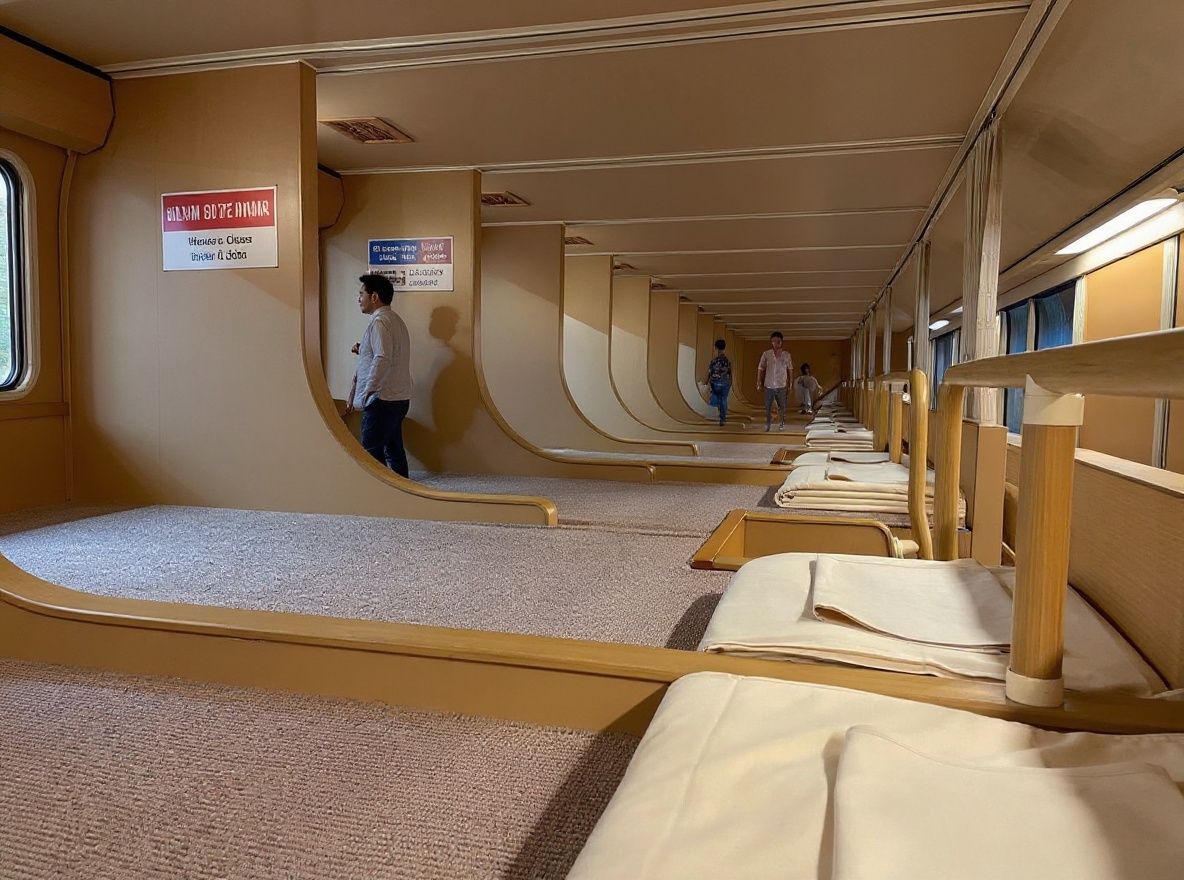
Hard Seat (Ghế cứng): Exactly what it sounds like. Upright, rigid, no reservation of space. Acceptable for journeys under 3 hours (Huế→Đà Nẵng). For anything overnight: don’t do this to yourself. 121,000–383,000 VND (~$5–15) depending on distance.
6-Berth Hard Sleeper (Nằm cứng): Six bunks per cabin, open-curtain setup. More local-style, noisier, less privacy, usually cheaper. If you’re a light sleeper or value personal space, this isn’t your cabin. 383,000–642,000 VND (~$15–25) on most overnight routes.
4-Berth Soft Sleeper (Nằm mềm — SE cabins): The sweet spot. Four bunks, a door that closes, air conditioning. Narrow bunks (single bed width) but usable. Mattress is thin, bedding is provided — quality varies. This is what most independent travelers book. 700,000–875,000 VND (~$27–34) Hanoi–Huế, slightly more to Đà Nẵng.
VIP 2-Berth Cabin: Available on some trains and private operators. Two bunks, more space, usually cleaner. Vietnam Railways VIP: around 2,077,000 VND (~$80) on longer routes. Private operators (Livitrans, Golden Trains): 2,800,000 VND+ (~$110+). If you want something resembling a European sleeper train, this is the closest you’ll get.
✓Quick Answer
Book the 4-berth soft sleeper (SE train, nằm mềm class). It saves a night’s accommodation, gives you enough privacy to sleep, and costs $27–34 for the Hanoi–Huế leg. If you want clean linen guaranteed and don’t mind paying double, go private operator.
Standard Vietnam Railways vs Private Operators
Two worlds operating on the same tracks.
Vietnam Railways (VR): The state railway. Affordable, sometimes rough, very local. The bedding complaint (“bed sheets, pillow cases and quilt covers were not changed” — actual TripAdvisor review) applies here. The air conditioning is aggressive and doesn’t turn off. The toilets run out of paper. Carry your own everything. This is still what most travelers book and most travelers get through fine.
Private operators: Running private carriages on the VR track. Key names: Livitrans, Golden Trains, Sapaly Express, Fanxipan Express. These provide clean linen, better mattresses, sometimes onboard wifi, and cabin attendants. They cost roughly double the VR soft sleeper — but on a 14–16 hour overnight route, the difference between clean sheets and questionable ones is significant.
↗Insider Tip
When searching on 12Go Asia, look specifically for trains marked “Livitrans” or “Golden Trains” — not just the generic VR SE options. The private carriages run on the same schedule as VR trains but with their own cars attached. The price difference is visible in the booking interface. Worth the extra $15–20 on a 14-hour overnight.
What the Night Train Actually Feels Like
One TripAdvisor reviewer titled their account with brutal clarity: “Reason #1: Noise. Reason #2: Smell. Reason #3: Temperature. Reason #4: Movement.” Then added: “While no sleep was had, it was an interesting experience.”
This is a fair summary of the worst version. Here’s the fuller picture:
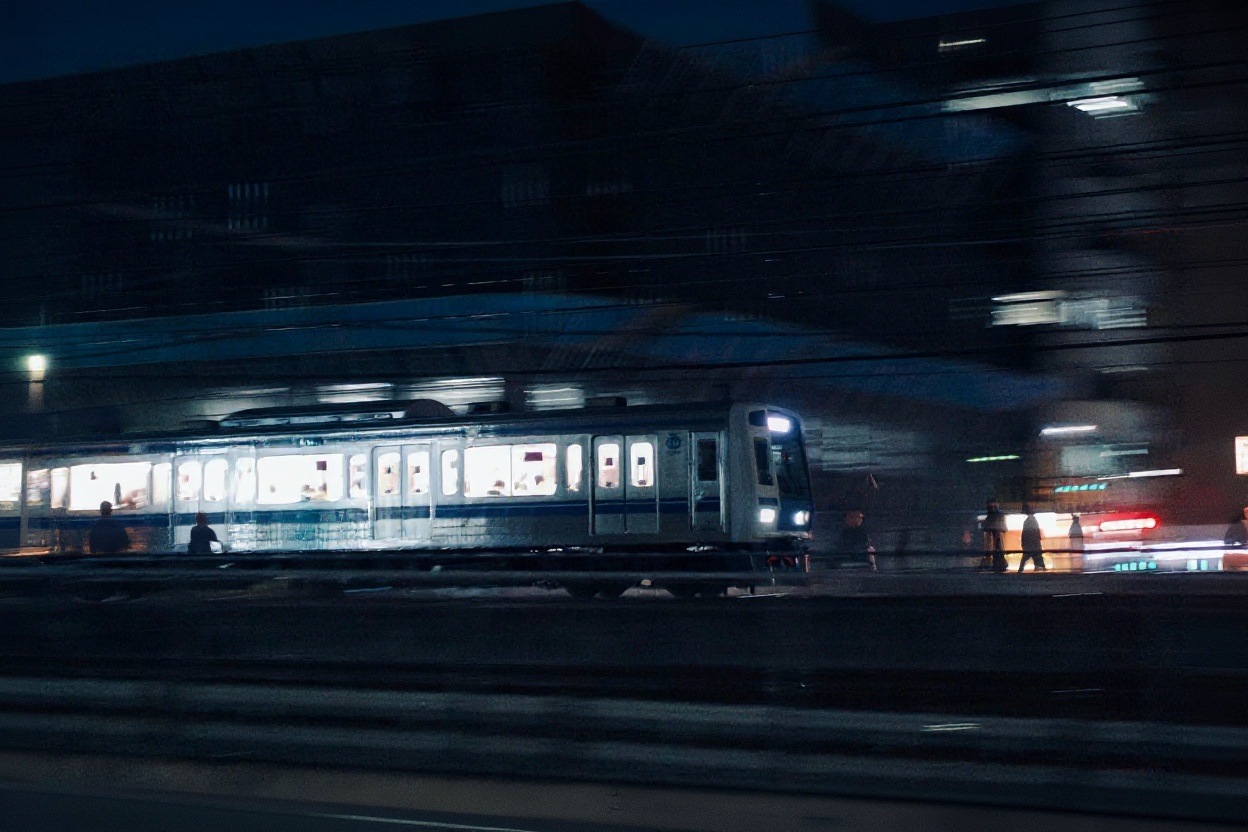
The smell: On standard VR trains, the pillow and blanket situation can be genuinely unpleasant — the “unbelievable stench” description isn’t an exaggeration if you get a bed that wasn’t properly changed. Booking a private operator eliminates this. If you’re on VR: bring a travel pillowcase and a thin sleep sheet. Takes up almost no space in your bag and changes the experience completely.
The cold: AC on Vietnamese overnight trains runs like a walk-in freezer. Despite 32-degree tropical temperatures outside. Bring a jacket. Not a light layer — a real jacket. The air conditioning does not have a “medium” setting.
The noise: Cabins have minimal sound dampening. You’ll hear your cabin-mates breathing, the corridor announcements, the vendor cart at 1am. The swaying of the train adds a boat-like motion that some people find soothing and others find disorienting.
The stops: The SE trains stop at every significant town. You’ll feel the deceleration and the diesel sigh of the platform stop multiple times through the night. For me: I’ve learned to sleep through it. For light sleepers: earplugs.
What’s actually good: The food trolley at unexpected hours with instant noodles and Vietnamese coffee laced with condensed milk. The platform vendor who appears at a 4am stop with bags of lychee for 20,000 VND (~$0.80). Your bunk neighbour who offers you a piece of fruit. The way the light changes on the coast as you wake up near Đà Nẵng and the South China Sea appears outside your window.
The experience is imperfect and genuinely Vietnamese. Those two things are the same sentence.
The Hải Vân Pass: The Route Worth Doing in Daylight
One leg of the Reunification Express is worth doing in daylight specifically for the view: Đà Nẵng to Huế (or reverse).
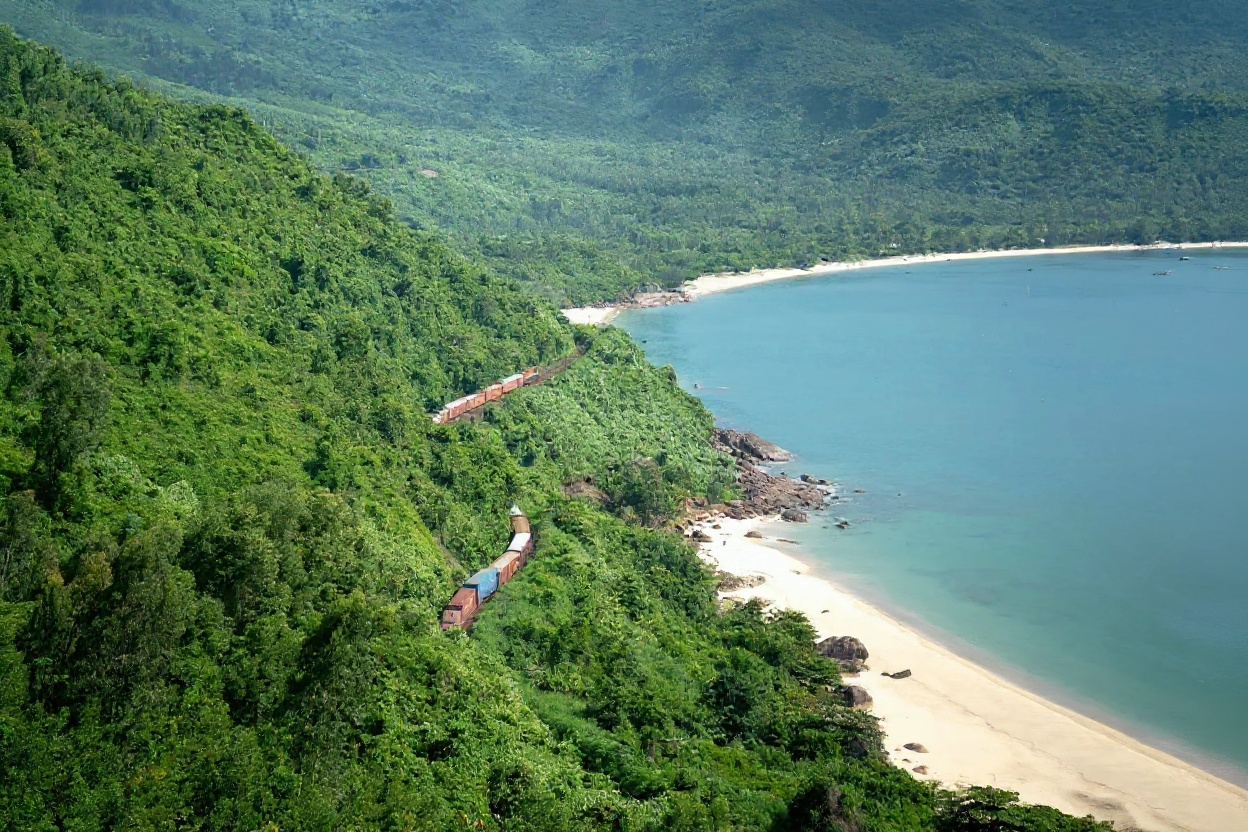
The Hải Vân Pass (Đèo Hải Vân — say: day high-van) is a 21km mountain pass where the railway hugs a coastal cliff face with the South China Sea directly below. On a clear day, the view from the train window is a combination of emerald water, forested peaks, and fishing villages so far down they look like toys. The morning light going north (Đà Nẵng → Huế) hits the sea at the right angle around 7–9am. The afternoon going south gives you a different quality of golden light on the water.
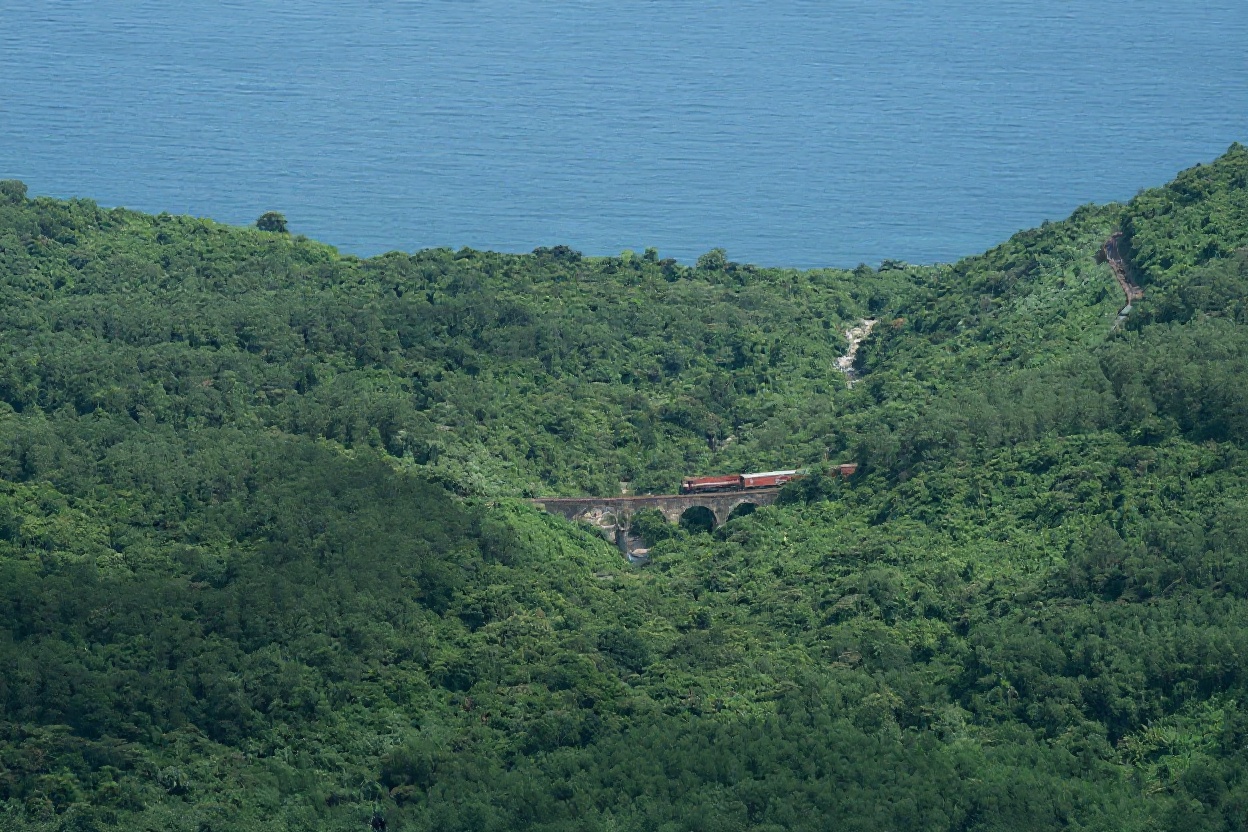
The journey takes 2.5–3 hours and costs 150,000–200,000 VND (~$6–8) in a seat. This is not an overnight leg — it’s a daytime scenic ride worth building into your itinerary between Hội An and Huế.
Practical note: the train doesn’t stop at the pass itself. You ride through it, across a series of tunnels and exposed coastal sections, arriving at Huế or Đà Nẵng station. The view is from the window — not a stop and walk situation. Get a window seat on the sea-facing side: right-hand side going Đà Nẵng → Huế (east-facing, good morning light), left-hand side going Huế → Đà Nẵng (sea appears after the pass section).
This is also the leg most commonly done as an add-on to a motorbike Hải Vân Pass crossing — rent a bike, cross the pass yourself for the views at road level, then put the bike in the train cargo hold and ride back. It’s a specific kind of Vietnam morning that’s hard to replicate.
How to Book Vietnam Train Tickets
Vietnam Railways has its own website, but it requires a Vietnamese phone number for verification — which rules out most foreign travelers before they even start.
The practical options:
12Go Asia (12go.asia) — the most reliable third-party booking platform for Vietnam trains. English interface, accepts foreign credit cards, sends e-tickets by email. Small booking fee (usually $1–3) on top of the ticket price. This is what I recommend to every traveler who asks.
Baolau.com — similar to 12Go, slightly different train and date inventory. Issues QR codes you can use to board directly. Good fallback if 12Go shows sold out on popular dates.
In-person at the station: Hanoi’s main train station (Ga Hà Nội) at 120 Lê Duẩn has a ticket counter with some English-speaking staff. Available same-day if not sold out. Cash or card. Queue can be long on peak travel days.
How far ahead: For Hanoi–Huế and Hanoi–Đà Nẵng in peak season (March, October–November): book 2–4 weeks ahead. Popular cabins sell out. Off-season: a few days is usually fine.
ℹKnow Before You Go
Train ticket cancellation on 12Go and Baolau: fees apply and policy varies. Book with a card that has travel protection if your dates might shift. Direct VR cancellations require in-person visits or local agent help — not practical for most tourists.
What to Pack for the Night Train
Short list that makes a real difference:
Jacket or fleece — non-negotiable. The AC is merciless.
Travel sleep sheet or pillowcase — eliminates the bedding anxiety entirely. Lightweight silk ones weigh 80g and compress to nothing.
Earplugs — for light sleepers. The train is not quiet.
Water bottle + snacks — the onboard food trolley runs intermittently, platform stops are brief. Having your own water and something to eat means you’re never stuck.
Power bank — outlets exist in most cabins but reliability varies. Don’t depend on them for overnight charging.
Lock for your bags — theft is rare on Vietnamese trains but your bags go under the bunk or in the overhead. A small padlock on your daypack zipper is basic peace of mind.
Flip flops — the cabin floors are communal and you’ll want something between your feet and the floor for trips to the toilet.
Train vs Sleeper Bus vs Flight: The Real Comparison
For the main north-south routes, you have three real options. Here’s the honest breakdown:
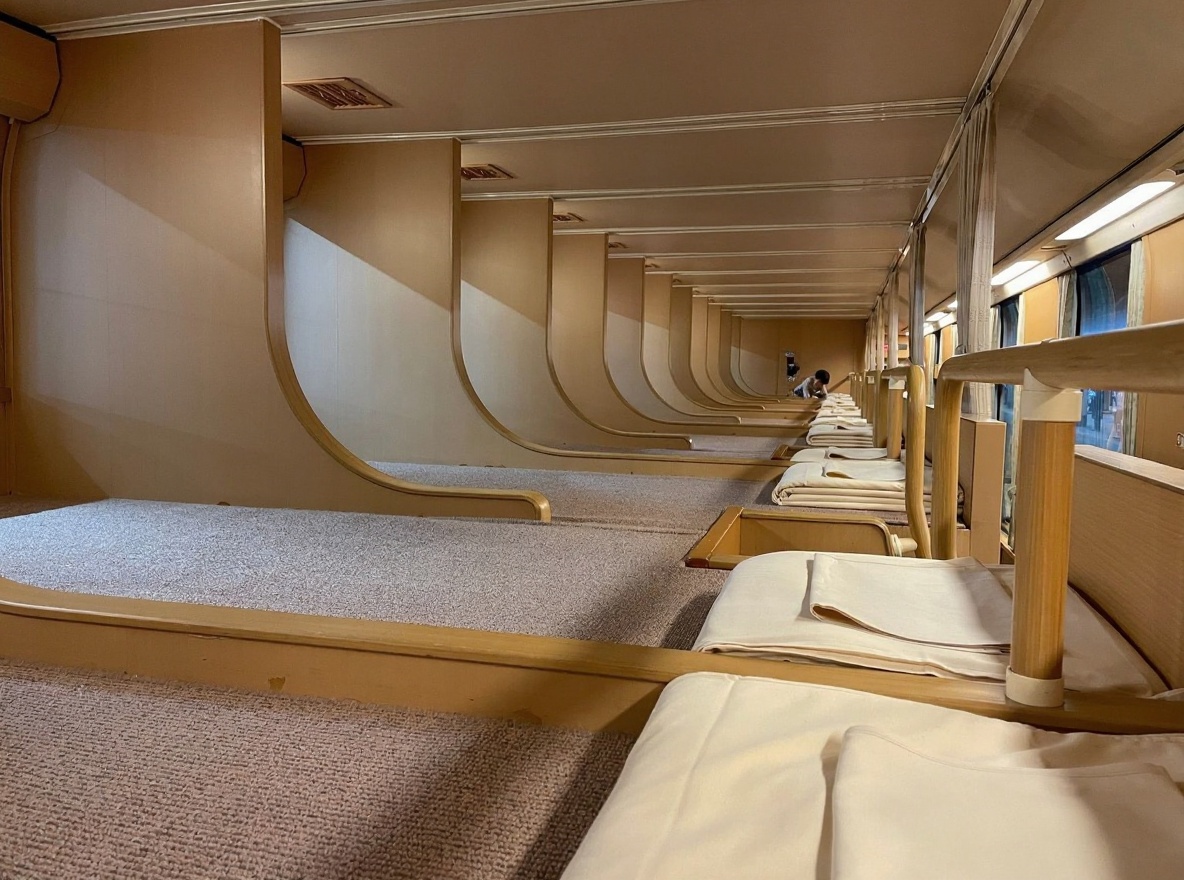
Sleeper bus: Vietnam’s sleeper buses (giường nằm — say: zoong-nam) are genuinely good. Flat reclining seats, usually AC, cheaper than train, depart and arrive closer to city centers than railway stations. The bus from Hanoi to Huế runs overnight and costs 350,000–550,000 VND (~$13–21). The main downside: the road is bumpier than rail and the seats are narrower. For medium-length overnight routes (under 10 hours), sleeper bus is often the smarter choice for budget travelers.
Flight: VietJet and Bamboo Airways run Hanoi–Đà Nẵng from as low as $25 including taxes if booked 3–4 weeks out. Total door-to-door including airport time is about 4 hours. If your time in Vietnam is limited and this leg doesn’t matter to you as an experience, fly. The train to Đà Nẵng is not a meaningful time-saver over a budget flight when you add airport logistics — it’s an experience choice, not a logical one.
My rule: take the train once (Hanoi → Huế at minimum), fly or bus for every other long-haul leg. That ratio gives you the experience without turning your Vietnam trip into a series of overnight logistics problems.
Is the Night Train Worth It?
Depends what you mean by “worth it.”
As pure transport: on the popular routes (Hanoi–Huế, Hanoi–Đà Nẵng), a night flight is usually cheaper than a private operator sleeper train and gets you there in 90 minutes instead of 14 hours. If you’re purely optimizing for time and money, fly.
As an experience: the night train is worth doing at least once. It’s how Vietnamese people actually move around their country. The coastal route through the Hải Vân Pass in daylight is legitimately one of the most scenic rail journeys in Asia. The human element — the food vendors, the bunk neighbours, the 4am stop at some small town you’ll never visit again — is a version of Vietnam you don’t get from airport lounges.
My actual recommendation: take the train from Hanoi to Huế (or Huế to Đà Nẵng in daylight for the Hải Vân Pass views), then fly or take a sleeper bus for any other major transit. One night train is the right number for most itineraries. Five nights would test even a committed traveler.
Vietnam Night Train: Common Questions
How do I book a Vietnam night train ticket as a foreigner?
Use 12Go Asia (12go.asia) or Baolau.com — both accept foreign credit cards and send e-tickets by email. Vietnam Railways’ own website requires a Vietnamese phone number for verification, making it difficult for tourists. On 12Go, select your route, choose a 4-berth soft sleeper (nằm mềm), and look for trains marked SE with private operators like Livitrans or Golden Trains for better quality. Book 2–4 weeks ahead for peak season (March, October–November).
How long is the train from Hanoi to Hue?
Approximately 14 hours on the overnight SE trains. Departs Hanoi around 9–11pm, arrives Hue around 11am–1pm. The journey covers 688km through the Red River Delta, coastal plains, and mountain approaches to Hue. A 4-berth soft sleeper costs around 700,000–875,000 VND (~$27–34). The Hanoi–Da Nang route is 16 hours and roughly similar in price.
Are Vietnam train tickets safe to book online?
Yes — 12Go Asia and Baolau are the established foreign-friendly platforms and both have solid track records. Your e-ticket or QR code is accepted at the station gate and train carriage. Avoid unofficial resellers or travel agency “packages” that mark up tickets significantly. The base ticket price is the same across all legitimate booking channels; what varies is the service fee.
What’s the best sleeper class on Vietnam trains?
4-berth soft sleeper (SE cabin, nằm mềm) on a private operator carriage (Livitrans, Golden Trains) is the best balance of price and comfort. It costs roughly double the standard Vietnam Railways soft sleeper but includes clean linen and better cabin quality. If budget is the priority, standard VR 4-berth works fine — bring your own pillowcase and a jacket for the aggressive AC.
Can I take the train from Da Nang to Hoi An?
No direct train — Hội An has no railway station. Take the train to Đà Nẵng, then a grab car or local bus to Hội An (30km, about 45–60 minutes, 150,000–250,000 VND / ~$6–10). The Đà Nẵng–Huế leg by train (2.5–3 hours, 150,000–200,000 VND / ~$6–8) is worth doing in daylight specifically for the Hải Vân Pass coastal views. See the Hội An guide for what to do when you arrive.
The train won’t make you comfortable the way a budget airline will. It’ll make you uncomfortable the way good travel does — in that specific way that produces stories worth telling.
Take it from Hanoi to Huế. Sleep badly. Drink the instant coffee from the trolley cart at 11pm. Watch the coast appear at dawn through your window. That’s enough.
One more thing: the train stations themselves are worth a few minutes. Hanoi’s Ga Hà Nội is a French colonial building from 1902 — scuffed, functional, lined with families camped out on luggage waiting for trains that leave at 3am. It smells like instant noodle broth and engine oil and it’s more Vietnam than most things you’ll find on the standard tourist trail. Arrive 30 minutes early. Have a cà phê sữa đá (say: ca-feh shoo-ah da — iced coffee with condensed milk) from the platform vendor. Watch the trains fill up. This part of the experience is free.
If you’re figuring out how to move around Vietnam more broadly — sleeper buses, domestic flights, motorbikes — the Vietnam transport guide breaks down the full comparison for every route that matters.