
Updated: June 2026
I landed at Noi Bai Airport in March 2021 with international roaming turned on.
My carrier charged me $12 for the first 15 minutes. I had 127 unread messages loading on WhatsApp.
Twelve dollars. For 15 minutes of mediocre 4G I didn’t even need yet.
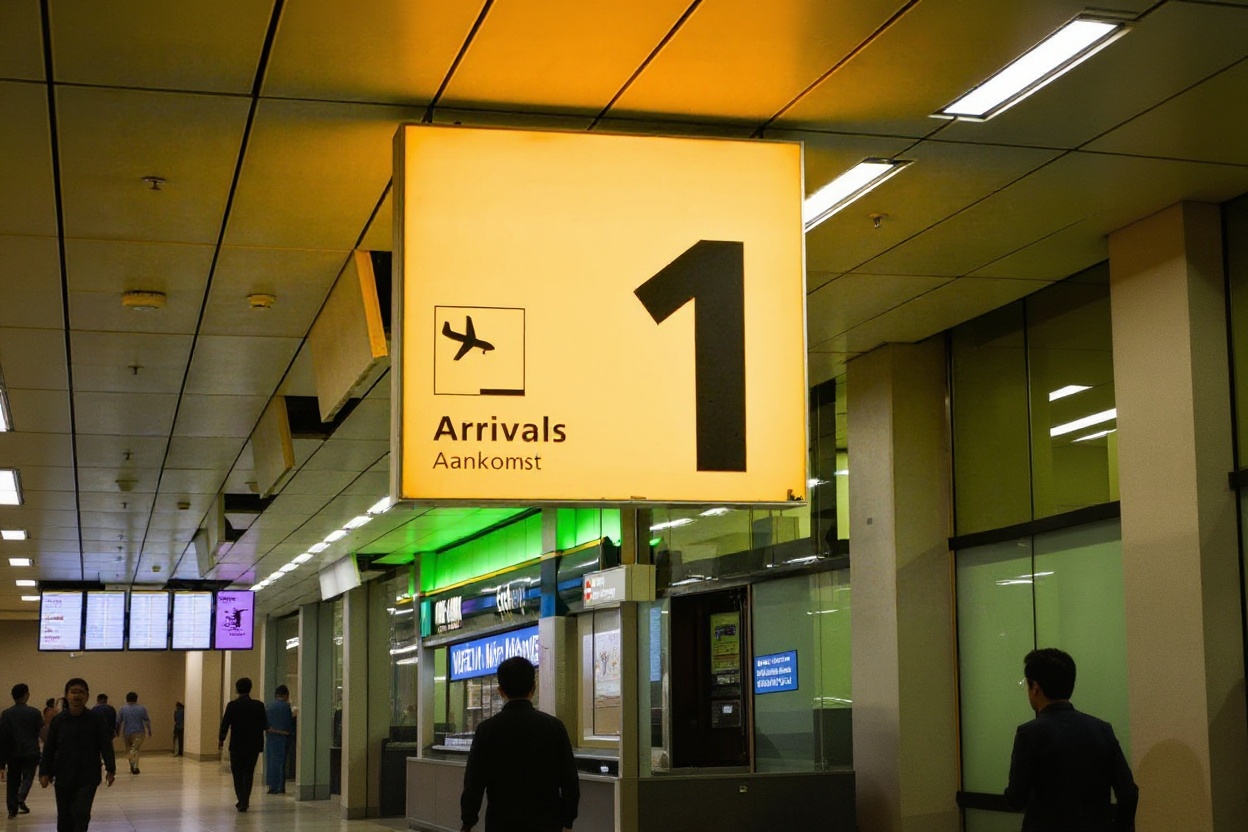
I turned roaming off and walked to the SIM card counter in the arrivals hall. Ten minutes later I had a Viettel SIM with 30 days of data for 120,000 VND — about $4.80. The signal was stronger than anything I’d had at home in Austin.
Five years and all 63 provinces later, here’s everything I know about staying connected in Vietnam — from the Ha Giang highlands where Mobifone vanishes to the street cafés in Hanoi where the WiFi outruns my expectations every time.
eSIM vs Local SIM vs Pocket WiFi: The Real Comparison
This is the question I get most from people before they arrive. The answer is almost always the same: local SIM, from the airport counter, day one.
But let me show you the math so you can make your own call.
✓Quick Answer
Local SIM wins on every metric except convenience. Viettel costs ~120,000 VND (~$5) for 30 days with 3GB/day. eSIM is worth buying just for the first 24 hours if you want data the moment you land. Pocket WiFi is almost never worth it for solo travelers.
Best eSIMs for Vietnam (And When They’re Actually Worth It)
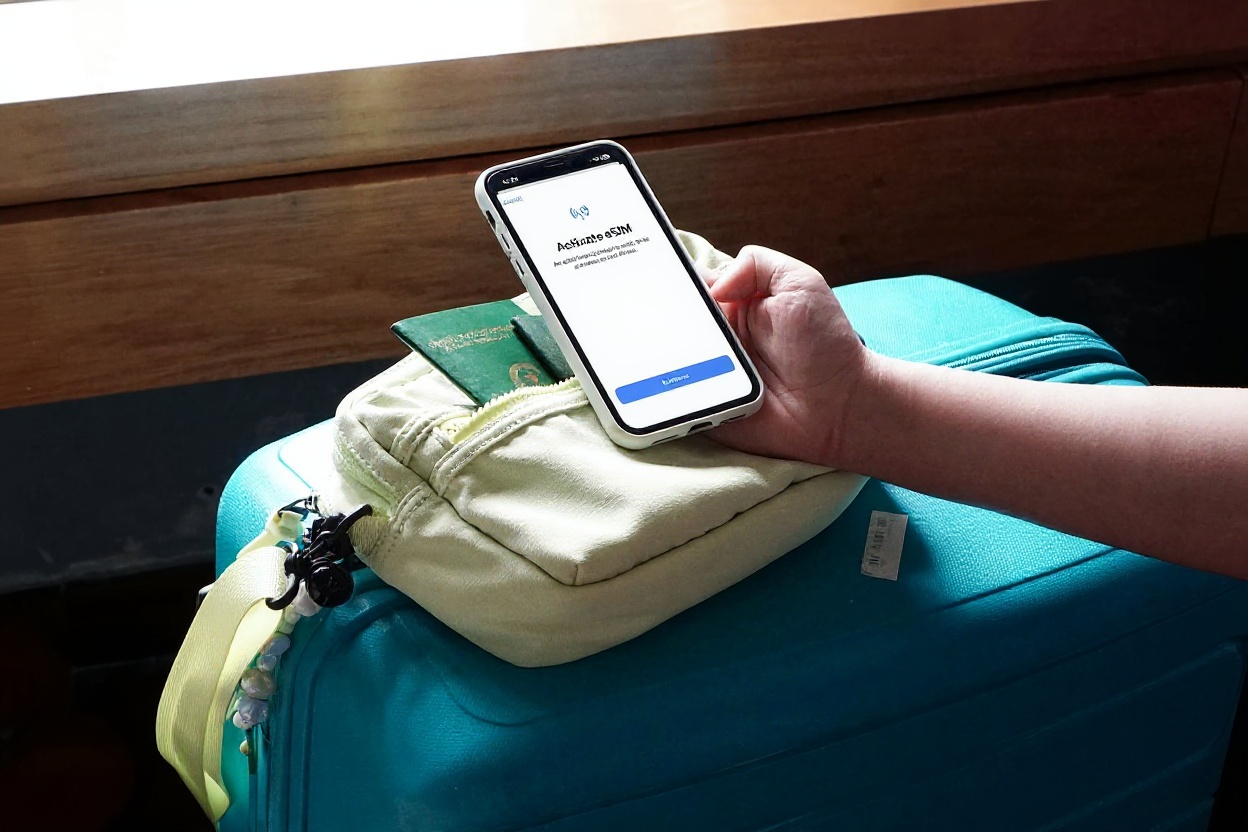
eSIM is convenient. Install it on your phone before you leave home, activate it at the gate, have data the second you land. No fumbling with tiny SIM card trays in a jet-lagged daze.
I get why people want that. I just want to be clear about the cost.
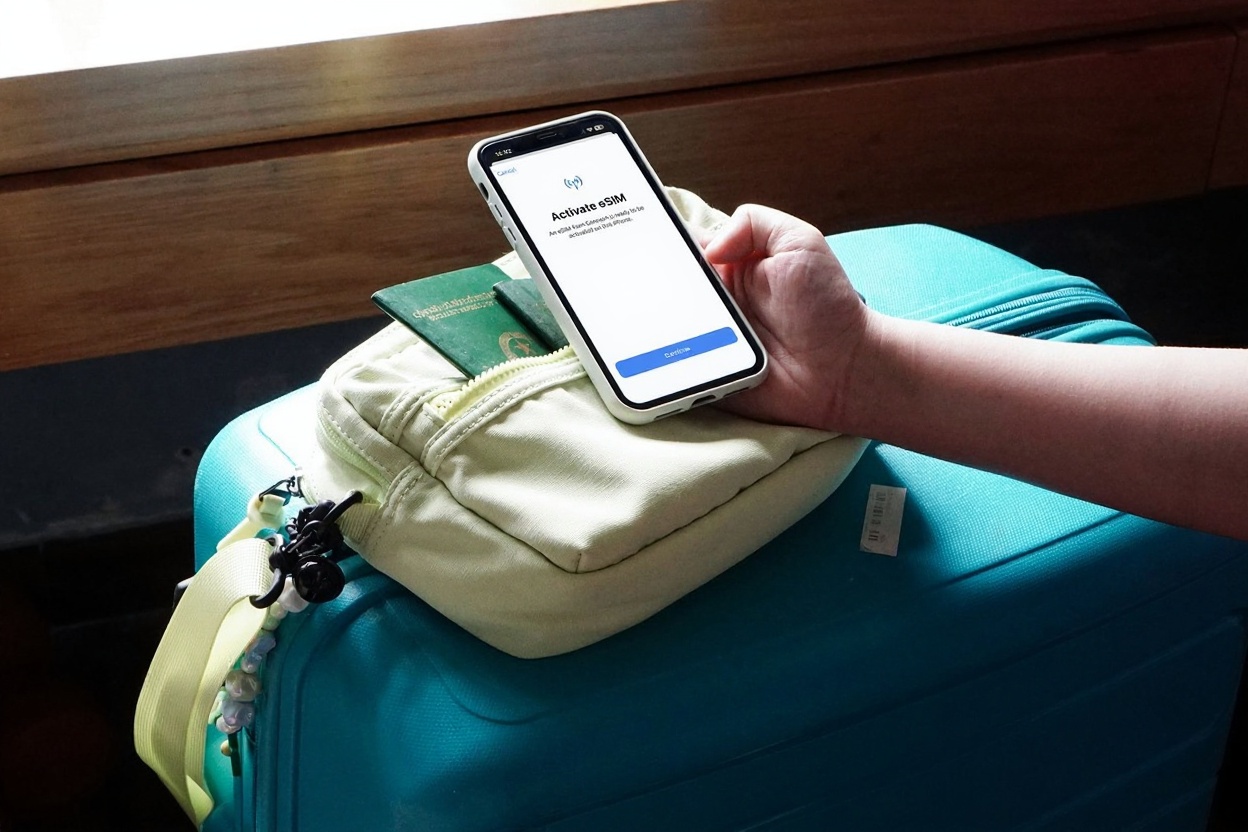
The best-value eSIMs for Vietnam in 2026:
Airalo — the most popular option. $4.50 for 1GB/7 days, $9 for 5GB/30 days, $15 for 10GB/30 days. Reliable, customer support exists, works the moment you activate. The app is decent.
Holafly — unlimited data plans. ~$17 for 7 days, ~$27 for 15 days. Better if you stream video constantly or work remotely. Runs on local networks but speeds cap at around 20–30 Mbps in my experience.
Simlocal — $5.90 for 1GB/7 days, $13.90 for 5GB/30 days, $25.90 for 10GB/30 days. Middle ground between Airalo and Holafly.
⚠Real Talk
Most eSIM providers use Vietnam carrier networks under the hood — which means you’re essentially paying a foreign markup to access the same Viettel or Vinaphone network you could get directly for a third of the price. The only real justification for eSIM is first-day convenience or if you genuinely can’t be bothered to stop at a SIM counter at the airport.
One honest thing nobody tells you: if you use heavy data — Google Maps constantly running, uploading reels, video calls — a 5GB eSIM for 30 days will last you maybe 10 days. Local SIMs with 3–5GB per day are basically unlimited for most travelers. That math matters.
Local SIM Cards in Vietnam: Viettel vs Vinaphone vs Mobifone
Three main carriers. One clear winner for most travelers.

Viettel is the carrier. State-owned, largest network in Vietnam, best coverage in rural areas. If you’re doing the Ha Giang Loop, the Central Highlands, or anywhere outside the big cities — Viettel is the one you want. You’ll have 4G signal in places that surprised me.
Tourist SIM packages (2026): 120,000–150,000 VND (~$4.60–5.80) for 30 days. Most include 3–5GB/day plus local calls. Passport required. Available at the airport counter and at Viettel stores across the country.
Vinaphone is the second-best option. Similar pricing to Viettel, slightly weaker in deep rural areas but perfectly fine for the main tourist circuit (Hanoi → Hội An → Saigon). A local expat friend who does rural photography swears by Vinaphone in the Central Highlands specifically.
Mobifone — popular in cities, drops off fast outside of them. I used Mobifone for my first year before someone told me to switch. Don’t make the same mistake if you’re venturing anywhere beyond the big cities.
↗Insider Tip
Ask for a “Reddi” package at the Viettel counter — it’s their tourist-oriented SIM line. 150,000 VND (~$5.80) for 30 days, 4GB/day, no throttling. Better than the generic tourist packages some stalls try to sell you. Say: “cho tôi SIM Reddi” (say: cho toy sim reh-dee).
How to Buy a SIM Card at the Airport
Vietnam has two main international airports: Nội Bài (Hanoi) and Tân Sơn Nhất (Saigon). Both have carrier counters in the arrivals hall, past customs, before you exit.
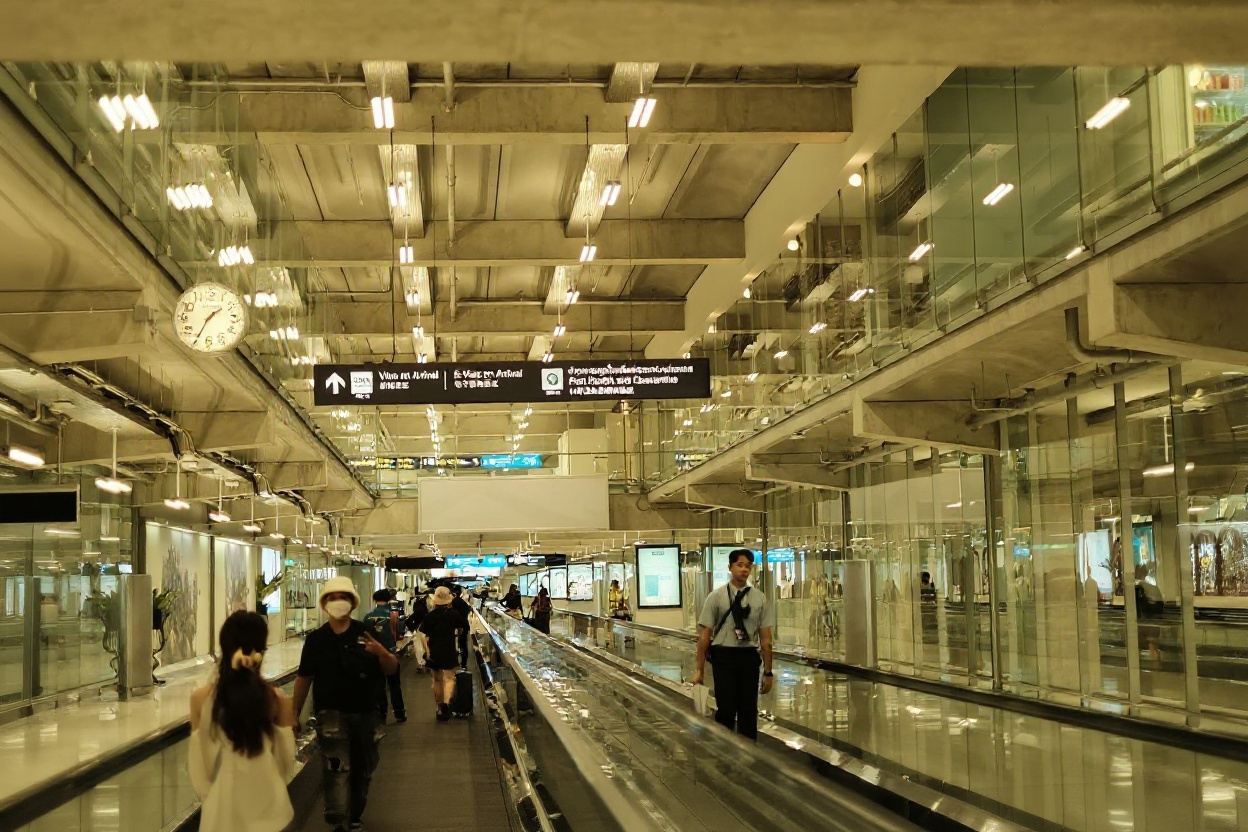
What to bring: your passport. That’s it. They scan the photo page, enter your details, and hand you a SIM. Takes 10 minutes.
What to watch out for: stalls immediately outside the exit doors sometimes have aggressive staff and slightly inflated prices. Walk past them, go to the official Viettel or Vinaphone counter inside the terminal. You’ll see the difference in signage.
Already in Vietnam and need a SIM? Every Viettel store can issue one with your passport. There are also counters at Da Nang airport and Phu Bai (Hue). If you’re arriving at a smaller regional airport, buy at the nearest Viettel store in town — they’re on every main street in every city.
ℹKnow Before You Go
Your phone must be unlocked to use a Vietnamese SIM. If you’re on a carrier contract (AT&T, Verizon, etc.), check your phone’s lock status before you leave. An unlocked phone works with any SIM anywhere. If you’re on a factory-unlocked or SIM-free device, you’re fine.
4G and 5G Coverage: Where Vietnam’s Network Actually Works
Vietnam’s 4G coverage is genuinely impressive for a developing country. In 2026, 4G reaches well over 95% of the populated areas. But “populated areas” is doing some work in that sentence.
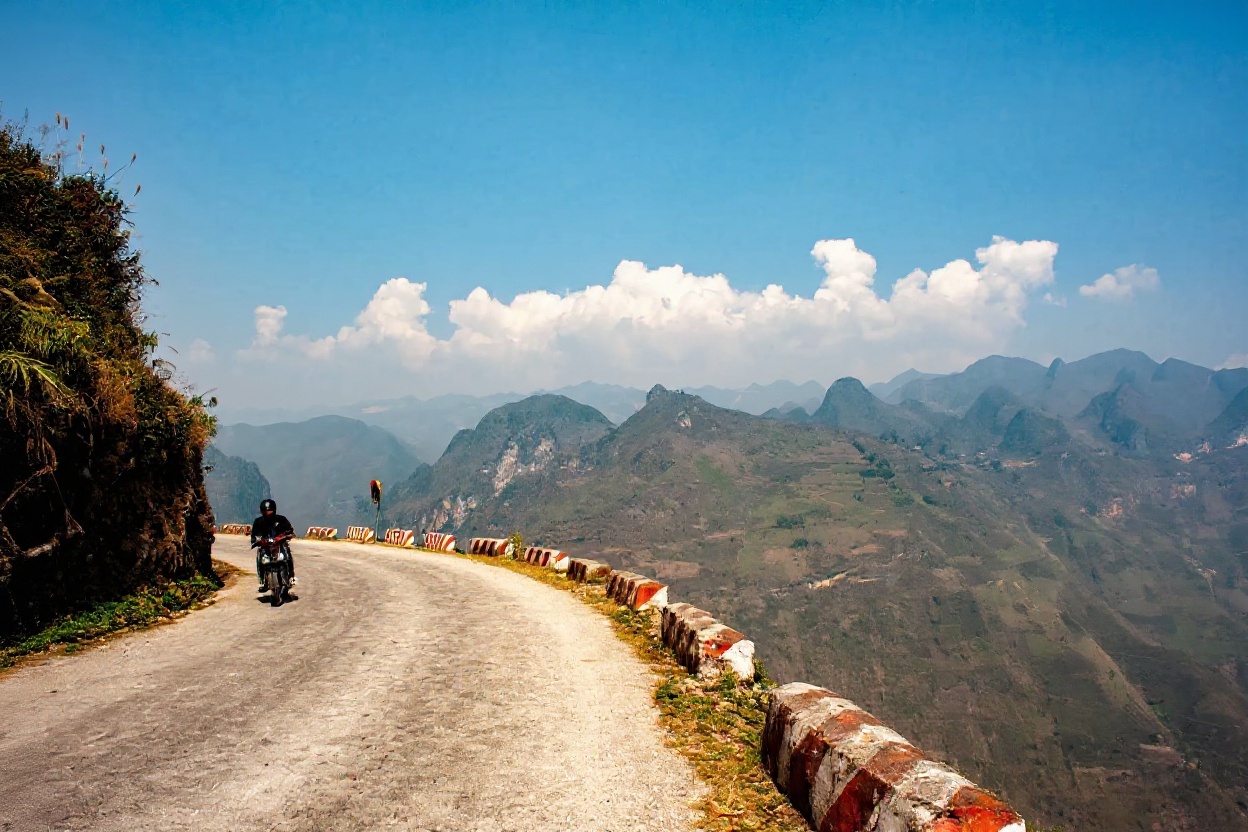
On Viettel: you’ll have solid 4G on the Ha Giang Loop, the Hai Van Pass, the road to Mai Chau, and most of the North-South highway. Signal drops briefly in tunnels (there are a lot of them on the coastal route) and in narrow river valleys.
On Mobifone: you’ll have strong signal in Hanoi, Hoi An, Saigon, Da Nang. Leave those corridors and coverage gets patchy fast. Not a problem if you’re on the tourist trail. A problem if you’re not.
5G: available in major cities (Hanoi, Saigon, Da Nang, Hai Phong) but most tourist-oriented SIM packages don’t include 5G speeds. You’ll get excellent 4G instead — 20–50 Mbps download is normal. That’s faster than plenty of US home internet.
Worst coverage zones I’ve personally experienced: deep in Phong Nha cave area (underground, obviously), certain valleys in Cao Bang, and a stretch of road between Mèo Vạc and Đồng Văn in Ha Giang where the karst formations apparently eat radio signals. Plan offline maps accordingly.
WiFi in Vietnam: The Honest Picture
Vietnam café WiFi is some of the best I’ve used anywhere in Asia. This is not an accident — Vietnam ranks among the top 5 countries in Asia for average internet speeds, and that shows up the moment you sit down with a cà phê trứng (say: ca-feh troong, egg coffee) at any Hanoi working café.

What to expect by accommodation type:
Hotels (3-star and above): reliable WiFi, usually 20–50 Mbps. The higher-end places run fiber. I’ve had faster internet in a $40/night hotel in Hội An than at some Austin coworking spaces.
Hostels and guesthouses: varies wildly. Some are fast, some are slow-because-50-people-are-on-it. Ask before you pay if you need reliable internet for work.
Cafés: consistently excellent. Most Hanoi and Saigon working cafés run dedicated fiber lines because the remote-work crowd demands it. Expect 30–100 Mbps. Password is usually on the receipt or a chalkboard near the counter.
Rural guesthouses: you might have WiFi, you might have satellite-grade slow WiFi, you might have your phone’s hotspot. Plan for the worst case if you’re staying in Sapa, Ha Giang, or Phong Nha outside the main town.
→Who It’s For
If you’re a digital nomad working remotely from Vietnam, local SIM for data backup plus dedicated café WiFi for actual work is the setup. Don’t depend on hotel WiFi for video calls — it drops at the worst moments. Our full guide to working remotely in Vietnam covers coworking spaces and neighborhood recommendations.
Pocket WiFi: When It Makes Sense (Rarely)
Pocket WiFi devices rent for 78,000–130,000 VND/day (~$3–5). You pick one up at the airport or have it delivered to your hotel. Multiple devices can connect to it.
The math only works in one scenario: you’re traveling as a group of 4 or more people who all need internet simultaneously, and nobody wants to bother getting individual SIM cards.
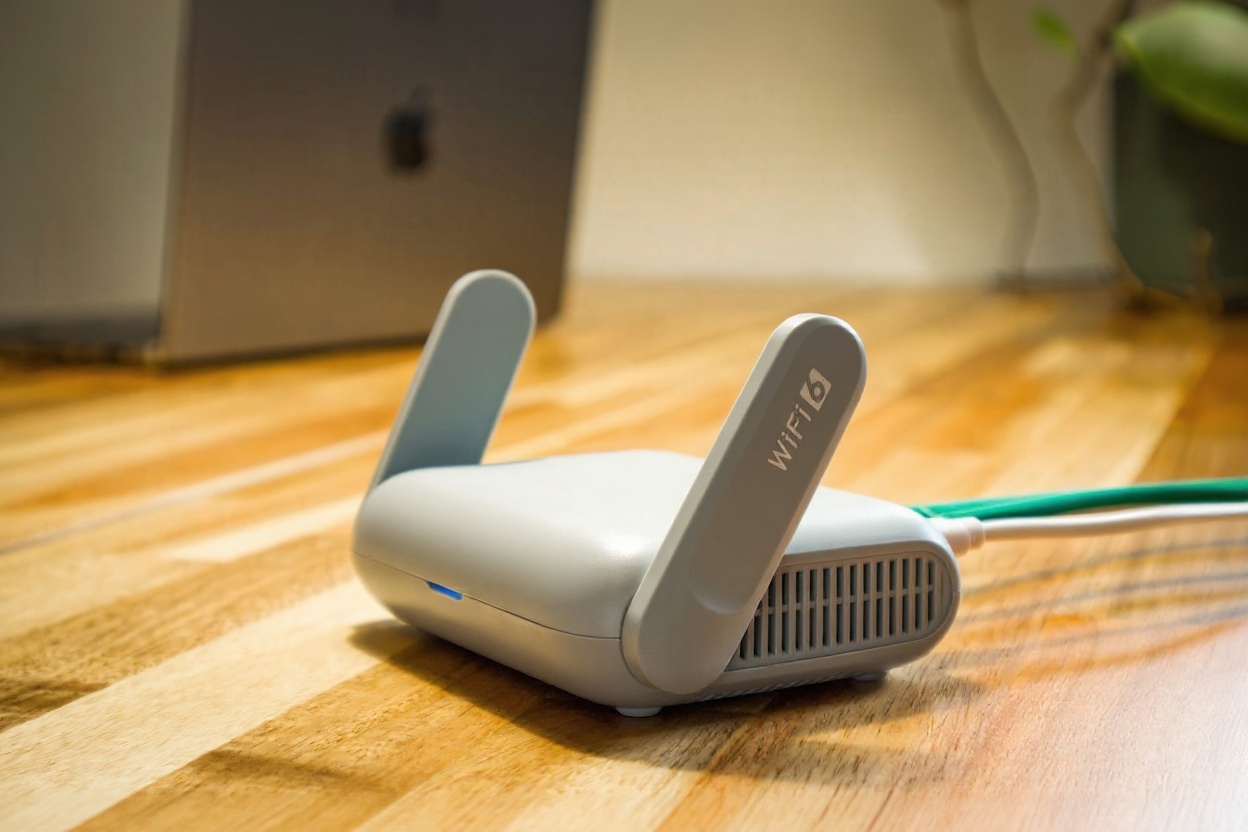
The downsides nobody mentions:
You have to carry it everywhere. It needs charging daily. If you split up as a group (which happens constantly in Vietnam — different tours, different pace), whoever has the WiFi router has the internet. And at $3–5/day for a 30-day trip, you’re spending $90–150 for the privilege of one shared internet source. A local SIM for each person costs less than $6 total.
The only group where pocket WiFi makes clear sense: families traveling with young children where parents want to avoid dealing with SIM cards for each person and the kids mostly use tablets on hotel WiFi anyway.
What I Got Wrong — My Internet Mistakes in Vietnam
First month in Vietnam, I was paying $12/day for international roaming because I was convinced I needed to keep my US number “active.” I didn’t. Nobody called me on it. My boss used Slack. My family used WhatsApp. The SIM sitting in my phone doing nothing except draining $360 out of my first month’s budget in Vietnam could have been replaced by a $5 Viettel card on day one.
Second mistake: I got addicted to the pocket WiFi on my first-ever visit (before I moved here permanently). Carried that little white router everywhere. Charged it every night. Lost it for 20 minutes in a Hội An market and had a brief panic attack. All of that stress for something I could have replaced for $5 per person.
Third mistake: buying Mobifone. I spent my first 12 months in Vietnam convinced the signal drop I kept experiencing at my neighborhood café in Tây Hồ was the café’s fault. Switched to Viettel in month 13. Different country.
⚠Real Talk
International roaming from a US carrier is a scam. $10–$15/day for mediocre data when a local SIM costs $5 for a whole month. The only reason anyone still does it is inertia and the airport being stressful. Don’t let airport stress cost you $300 over a month.
VPN in Vietnam: Do You Actually Need One?
Short answer: it’s worth having, but Vietnam is not the internet-censorship nightmare some people expect.
Vietnam does block some content. Facebook was temporarily restricted during certain political periods. Some international news sites load slowly. Google works fine. Gmail works fine. WhatsApp, Signal, Telegram — all work without VPN.
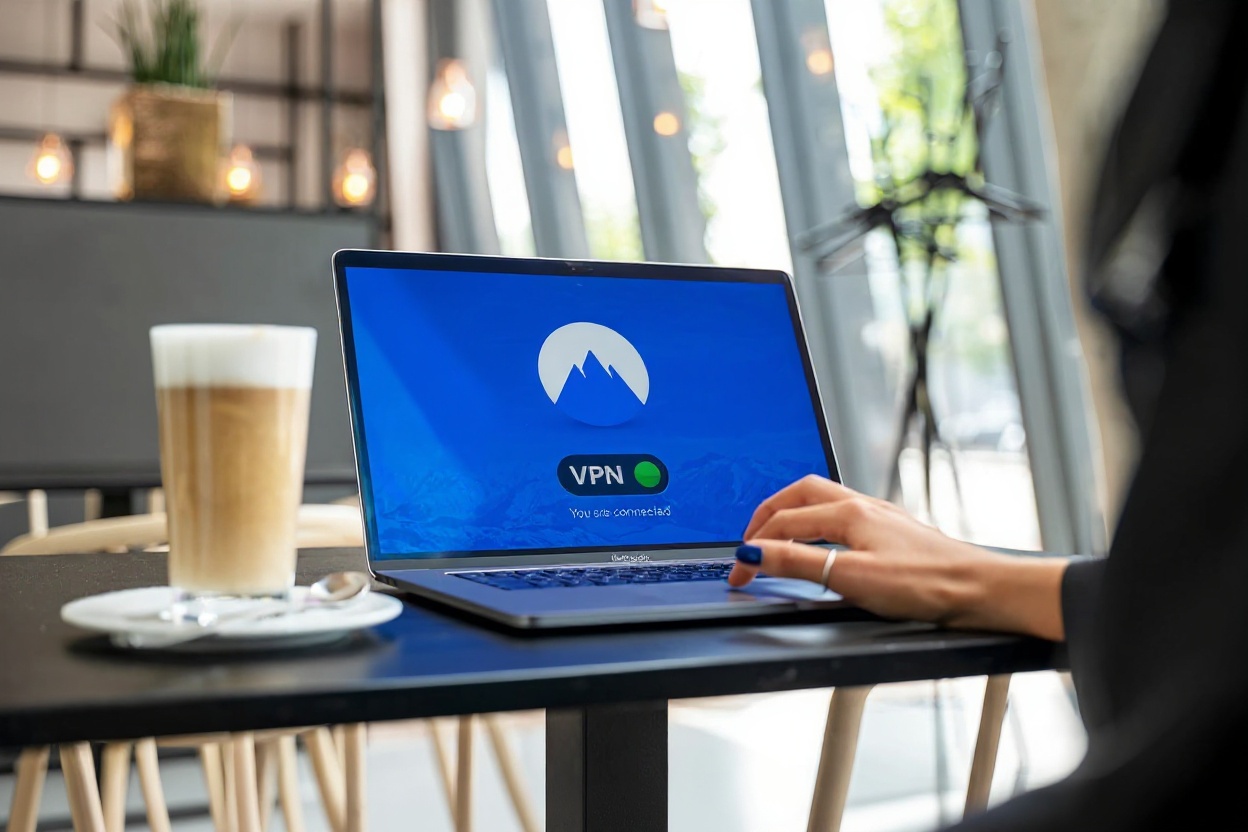
Where a VPN genuinely helps:
Public WiFi security — cafés, hotel lobbies, airports. Use a VPN any time you’re on a network you don’t control. This is the main reason I keep one running.
Streaming services — Netflix Vietnam has a different (smaller) library than Netflix US. A VPN with a US server gives you the US catalogue. Same applies to Hulu, HBO Max, and region-locked content.
Banking apps — some US and UK banking apps flag overseas logins and temporarily lock your account. A VPN makes it look like you’re logging in from home. Useful if you’re here longer than a few weeks.
VPN recommendations from expats who’ve been here longer than me: Mullvad (privacy-focused, flat-rate $5/month), ProtonVPN (has a usable free tier), ExpressVPN (fastest speeds, pricier at ~$8/month). Set it up before you arrive — downloading VPN apps is occasionally slow from inside Vietnam.
ℹKnow Before You Go
VPN use is technically in a legal grey area in Vietnam, but tourists using VPNs for normal security reasons are not at any practical risk. Millions of Vietnamese people and expats use them daily. Don’t stress about it.
Data Usage Tips: Making Your SIM Last the Month
Even with 3–5GB/day on a Viettel SIM, some travelers burn through data faster than expected. A few things that save significant bandwidth:

Google Maps offline: Download the map for each city/region while you’re on WiFi. This is the single biggest data saver on the road. Streaming Google Maps for a full day on a motorbike trip can eat 1–2GB. Download it, use it offline, done.
Reduce video auto-play: Instagram, Facebook, TikTok — all auto-play video. Turn that off in settings. You’ll be amazed how much data disappears into videos you didn’t choose to watch.
Hotspot limits: Most Vietnamese tourist SIM packages allow hotspot/tethering — useful for laptops. But check your package, because some carriers throttle hotspot speed to 3G even while your phone gets 4G. Ask at the counter.
Call a local taxi, hotel, or restaurant? Use your local SIM number — calls are included in most packages. WhatsApp calling works too if they have data. Knowing a little Vietnamese or using Google Translate voice on a local number has gotten me out of a lot of logistical jams.
Top up if needed: Running low on data? Viettel top-ups (called “nạp tiền” — say: nap tyen) are available at convenience stores, gas stations, and the Viettel app. A 50,000 VND (~$2) top-up buys you another week of data. Easy.
Vietnam Internet: Common Questions
Is Vietnam WiFi fast enough to work remotely?
Yes — Vietnam has some of the fastest café WiFi in Southeast Asia. Major cities (Hanoi, Saigon, Da Nang, Hội An) have dedicated working cafés with fiber connections running 50–100 Mbps. Hotel WiFi varies more. Budget 1–2 hours to find a good work spot in any new city, then you’ll have a reliable base. Remote work from Vietnam is entirely viable.
Do I need to unlock my phone before going to Vietnam?
Yes, if you want to use a local SIM. Phones sold with carrier contracts (AT&T, Verizon, T-Mobile, EE, Vodafone, etc.) are often locked to that carrier. eSIMs from Airalo or Holafly also require an unlocked or carrier-compatible phone. Check your settings under “Carrier” or call your carrier and ask them to unlock it before you leave — most carriers will do this for free once you’ve owned the phone for 60+ days.
Which Vietnam carrier has the best coverage on the Ha Giang Loop?
Viettel, without question. It’s state-owned and has invested heavily in rural tower infrastructure. On the Ha Giang Loop (including the Mã Pí Lèng Pass and the Đồng Văn Plateau), Viettel gives you 4G signal in places that will surprise you. Mobifone and Vinaphone have gaps. If you’re doing any rural motorbike route, Viettel is the only serious choice.
Can I buy a Vietnam SIM card before I arrive?
Not through official channels — Vietnamese SIM cards require a passport scan at point of sale (Vietnamese law). Some third-party vendors ship pre-loaded SIM cards internationally, but they’re often overpriced and the activation can be unreliable. The better move is eSIM for convenience before arrival (Airalo, Holafly), then switch to a local SIM at the airport counter once you land.
Is it safe to use public WiFi in Vietnam?
Standard precautions apply: use a VPN on public WiFi (especially for banking), avoid logging into sensitive accounts on hotel shared networks. Café WiFi is generally fine for normal browsing. If you have a local SIM with good data, you don’t need public WiFi at all — use your own mobile data for anything sensitive and save café WiFi for heavy uploads.
Five years of Vietnam and the honest truth is this: connectivity here is not your problem. It’s not a developing-world WiFi nightmare. The challenge isn’t staying connected — it’s staying off your phone long enough to actually be in the country.
Get the Viettel SIM. Spend the $5. Then put the phone in your pocket and eat some bún chả (say: boon cha) before it gets cold.
For the broader picture on keeping costs low in Vietnam, our Vietnam budget travel guide covers everything from accommodation tiers to ATM fees to the street food math that makes $40/day feel like luxury.
If you’re specifically in Hanoi and need a SIM card on arrival, the Hanoi SIM card guide covers exactly which counters at Nội Bài to use and which ones to walk past.