Last updated: June 2026 — all prices verified against current data
Second month in Vietnam. I kept a spreadsheet. Not because I was obsessive — I’d been burned on budget predictions before and wanted actual data. At the end of 30 days, eating every meal on the street, sleeping in dorms except for the occasional guesthouse splurge, taking local buses everywhere: $23.40/day on average. The month included five long-distance bus journeys, three overnight sleeper buses, a three-day trip to Ha Giang, and more bia hoi than I can reconstruct accurately. The spreadsheet has the receipts if you don’t believe me.
Vietnam is the kind of cheap where the challenge isn’t making the budget work — it’s resisting the urge to spend more just because everything seems impossibly affordable by comparison to where you came from.
The Three Budget Tiers: What You Get at Each Level
The budget numbers for Vietnam mean different things depending on your style. Here’s what each tier actually looks like on the ground.
Shoestring ($20-30/day / 520,000-780,000 VND): Dorm bed in a hostel ($3–8), street food for every meal ($4–7/day total), local bus or sleeper bus for all transport, free or low-cost activities only (walking, beaches, temple visits), bia hoi in the evening at 10,000–15,000 VND per glass. This works without misery in Vietnam — the dorms are clean, the street food is exceptional, and most of the best things to do cost nothing. The constraints: no air-con private room, no motorbike rental for convenience, no organized tours. Viable for patient, experienced budget travelers who are comfortable navigating independently.
Backpacker ($35-55/day / 910,000-1,430,000 VND): Private room with air conditioning ($10–20), mix of street food and local restaurants ($8–15/day), occasional motorbike rental or Grab taxis, one or two paid experiences per week (cooking class, cave entry, boat trip). This is where most independent travelers in Vietnam actually land. Comfortable, more flexibility, occasional splurge without guilt. A bad day in this tier still costs $35; a good one can come in under $30.
Mid-range ($60-100/day / 1,560,000-2,600,000 VND): Good 3-star hotel or boutique guesthouse ($25–50), restaurant meals for most meals ($15–25/day), Grab or private drivers for transport, organized day tours and activities. This tier travels comfortably and sometimes very comfortably. The costs rise quickly with flights (replacing bus and train with domestic air) and organized tours ($30–80 per person for most day tours in Vietnam). At this tier, $100/day is genuinely possible to reach.
Accommodation Costs in Vietnam
The range is wider than most travelers expect. At the cheap end, dorm beds in hostel common areas start at 80,000–120,000 VND (~$3.05–4.57) in smaller cities like Đà Lạt or Hội An. Hanoi and HCMC dorms run 150,000–350,000 VND (~$5.70–13.30) for decent options in central locations. The best-value hostel accommodation in Vietnam usually falls at 200,000–280,000 VND (~$7.60–10.65) — air conditioning, locker, reasonable common areas, sometimes breakfast included.
Private rooms start at 170,000 VND (~$6.50) for a fan room in a budget guesthouse in smaller cities. Air-conditioned private rooms in a mid-range guesthouse (the standard choice for most independent travelers): 400,000–700,000 VND (~$15.20–26.60). This is the sweet spot for value in Vietnam — well-equipped rooms with AC, hot water, and Wi-Fi at prices that feel absurdly cheap to most Western travelers.
Boutique hotels (3-star range with real service and good beds): 700,000–1,500,000 VND (~$26.60–57). There are genuinely excellent hotels in this range in most Vietnamese cities — better value for quality than you’ll find in Thailand or Bali at equivalent prices. Book on Booking.com for the best availability.
Food Costs: The Real Numbers
Food is where Vietnam’s budget reputation is entirely deserved. Street food is world-class and cheap enough that skimping on meals is a choice rather than a constraint.
Breakfast: a bowl of phở or bún bò Huế from a street stall: 30,000–50,000 VND (~$1.15–1.90). Bánh mì from a cart: 15,000–25,000 VND (~$0.57–0.95). This is a full, satisfying meal. You are not slumming it — you are eating what locals eat for breakfast, which is better than what you’d pay $14 for at an airport.
Lunch and dinner at local restaurants: 40,000–100,000 VND (~$1.52–3.80) for a full plate with rice or noodles and a drink. Seafood at local spots in coastal cities: 80,000–200,000 VND (~$3.05–7.60) per person for a substantial meal. The tourist-facing restaurants charge 150,000–400,000 VND (~$5.70–15.20) for the same food with English menus and slightly more comfortable seating.
Beer: bia hoi (draft fresh beer) at street-corner drinking spots: 5,000–15,000 VND (~$0.19–0.57) per glass. Bottled Bia Saigon or Bia Hà Nội at a restaurant: 15,000–25,000 VND (~$0.57–0.95). Tiger or Heineken at a bar in the tourist zone: 30,000–50,000 VND (~$1.15–1.90). Cocktails at a rooftop bar: 80,000–150,000 VND (~$3.05–5.70).
Transport Costs
Getting between cities is where the most significant budget decisions happen. The gap between flying and taking a bus or train is real, but so is the time cost of 15 hours on a bus versus 1.5 hours on a plane.
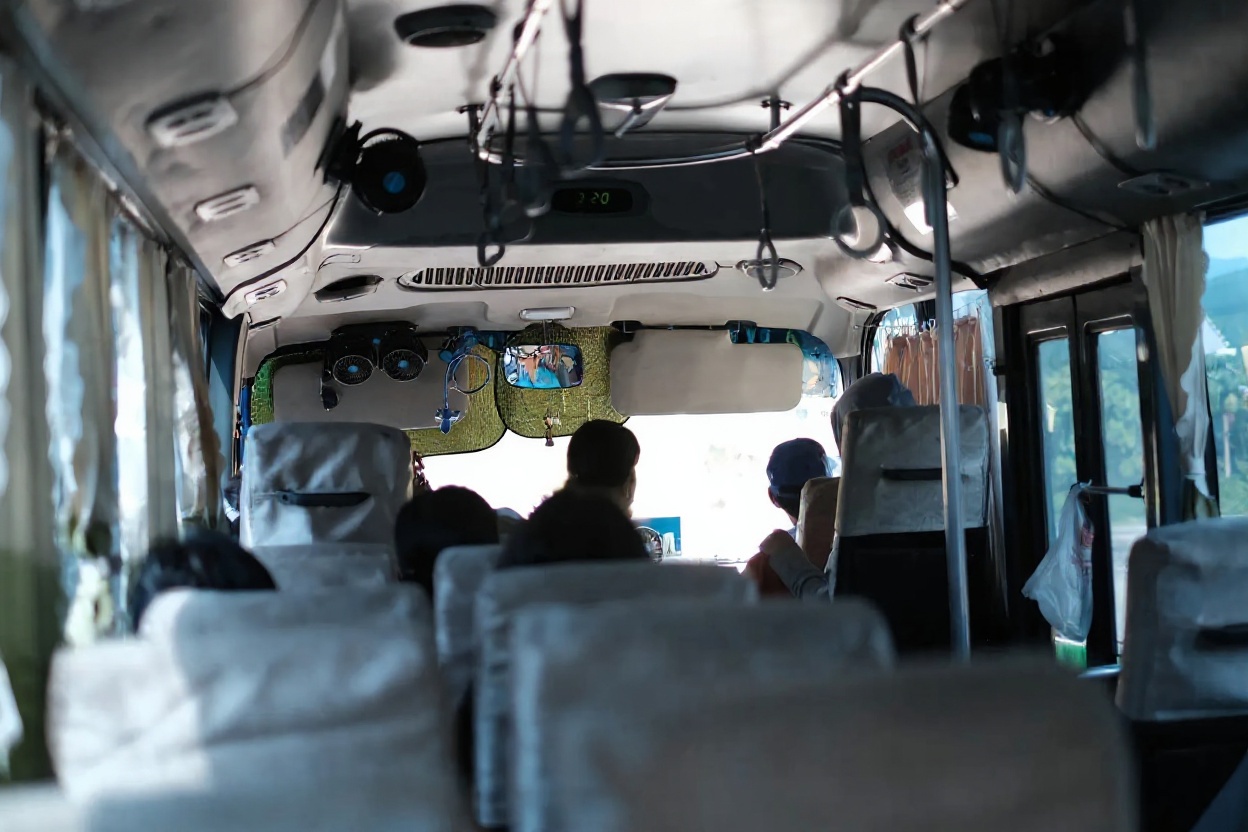
Sleeper buses (long-distance): The most budget-friendly intercity option. Price: roughly 40,000–60,000 VND per 100km (~$1.52–2.29). Hanoi to Đà Nẵng (760km) by sleeper bus: 300,000–450,000 VND (~$11.40–17.10). Hội An to Nha Trang (540km): 180,000–300,000 VND (~$6.84–11.40). Book on 12go.asia or Vexere for the most reliable options.
Trains: Better comfort than sleeper buses, similar prices for hard sleeper, significantly more on soft sleeper/first class. Hanoi to HCMC by SE train (1,726km): 700,000–2,000,000 VND (~$26.60–76.00) depending on class. Budget to mid-range travelers typically take a combination of trains and buses rather than the full length in one go.
Domestic flights: The cost-versus-time trade-off calculus. VietJet and Bamboo Airways run sales that bring Hanoi–HCMC to $25–45. Standard booking (1–2 weeks out): $50–90. Budget travelers who value time over money take one or two flights for the long sections; those with unlimited time take buses and trains the whole way.
City transport: Grab for app-based rides is the standard. Short city rides: 25,000–60,000 VND (~$0.95–2.29). Airport transfers in Hanoi or HCMC: 200,000–350,000 VND (~$7.60–13.30). Motorbike rental for a day: 100,000–180,000 VND (~$3.80–6.84).
Activities and Entrance Fees
Most of Vietnam’s best experiences cost little or nothing. Beaches are free. Walking neighborhoods is free. Markets are free to enter and cheap to eat at. Buddhist pagodas are free (donations are appreciated but not required). The Hanoi Old Quarter costs nothing; the Hội An Ancient Town charges 120,000 VND (~$4.57) for access to multiple historical sites.
Major paid sites: Hue Imperial City (200,000 VND / ~$7.60). Mỹ Sơn Cham ruins (150,000 VND / ~$5.70). Ha Long Bay cruise (cheapest budget overnight cruise starts around 1,500,000-2,000,000 VND / ~$57-76 for a 1-night option). Paradise Cave in Phong Nha (250,000 VND / ~$9.50). Cu Chi Tunnels near HCMC (~580,000 VND / ~$22 including transport from city). These are the notable exception to the low-cost rule — the major organized experiences and UNESCO sites have entrance fees, and Ha Long Bay especially represents a significant budget line item.
Sample 14-Day Vietnam Budget Breakdown
A realistic backpacker budget for the standard south-to-north (or north-to-south) Vietnam route at the $35–45/day tier:
Flights and visa (one-time): E-visa $25. If you fly into Hanoi and out of HCMC (or vice versa), one domestic one-way flight: $45–75. Total upfront: ~$70–100 before the first night of accommodation.
Accommodation (14 nights): Mix of guesthouse private rooms ($15–20/night) and the occasional splurge night ($30) — average $18/night. Total: ~$252.
Food (14 days): Street food breakfast and lunch, one local restaurant dinner per day — average $12/day. Total: ~$168.
Transport (between cities): Two sleeper buses at $12 each, two train journeys at $8 each — $40 total for intercity. City Grab and motorbike rentals: ~$50 for 14 days. Total transport: ~$90.
Activities and entrance fees: Ha Long Bay 1-night budget cruise ($65), Hue Imperial City combo ticket ($20), three smaller entrance fees ($15 combined), cooking class in Hội An ($25). Total: ~$125.
Drinks and extras: Bia hoi nightly, occasional bar visit, souvenirs — average $5/day. Total: ~$70.
Running total for 14 days: ~$775–825 excluding international flights. That’s $55–59/day, which sounds slightly above the $35–45 estimate — but this itinerary includes Ha Long Bay, a cooking class, and significant paid activities. Strip those two and the budget lands closer to $620 ($44/day). Add two domestic flights instead of buses and you add $100–150. The model is flexible. The numbers are honest.
Hidden Costs First-Timers Miss
Vietnam e-visa: $25 for most nationalities. Required before entry. Apply at the official Ministry of Public Security portal. Processing takes 3 business days. Third-party “visa services” charge $40–80 for the same thing — don’t use them. See our Vietnam visa guide for current requirements by nationality.
ATM fees: 30,000–55,000 VND (~$1.15–2.10) per transaction at most Vietnamese banks. Use VPBank ATMs to minimize fees. Your home bank may also charge 1–3% foreign transaction fee on top. Budget an extra $10–15 for ATM fees over a 2-week trip if you’re not using a zero-fee card. For full detail on managing cash in Vietnam, see our Vietnam credit cards and ATM guide.
Motorbike insurance gap: Most travel insurance policies don’t cover motorbike accidents unless you have an international driving permit or the local equivalent. If you’re renting bikes (and you should — it’s the best way to see most of Vietnam), check your policy or buy standalone coverage. Hospital treatment for a serious motorbike injury without insurance is expensive even by Vietnamese standards.
SIM card: 150,000–200,000 VND (~$5.70–7.60) for a tourist SIM with 20–30GB of data for 30 days. Not hidden, but frequently underestimated in pre-trip budgeting.
Cost by City: Which Parts of Vietnam Are Cheapest
Vietnam isn’t uniformly priced. There’s a meaningful cost gradient between tourist hotspots and less-visited cities, between the coast and the interior, and between major transport hubs and provincial towns. Understanding the gradient helps you plan a trip that balances experience and value.
Most expensive: Phu Quoc Island — accommodation costs 30–50% more than equivalent quality elsewhere in Vietnam. The resort development over the past decade has priced it above budget-traveler territory for anything comfortable. Nha Trang beach strip (main tourist center) is similarly inflated; step one street back from Trần Phú Beach and prices drop significantly. The Old Quarter in Hanoi and the tourist core of Hội An are also premium by Vietnamese standards — 100,000–200,000 VND more per night than equivalent rooms in residential neighborhoods.
Most affordable: Hue is consistently cited as the cheapest major tourism destination in Vietnam. Dalat runs a close second — pleasant highland climate, fewer beach-resort markups, excellent local food at local prices. Phong Nha (near Dong Hoi in central Vietnam) is one of the most underpriced destinations relative to what it offers: major cave systems, beautiful countryside, and guesthouses that haven’t been repriced for the tourist dollar yet.
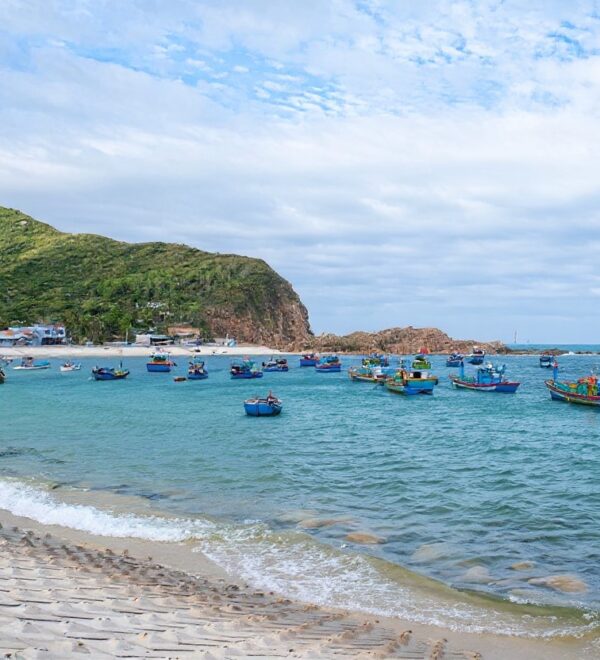
The transportation corridor factor: Cities that sit naturally on the north-to-south tourist trail (Hanoi, Da Nang, Hội An, HCMC) have tuned their accommodation and food pricing for Western travelers. Cities slightly off the main trail (Quy Nhon, Dong Hoi, Vinh) haven’t. The food at a random local restaurant in Quy Nhon costs roughly 40% less than the tourist-facing equivalent in Hội An. This doesn’t mean Hội An is ripping you off — it means Quy Nhon hasn’t gotten there yet.
Where to Splurge and Where to Save
Vietnam is cheap enough that upgrading one element of your budget rarely breaks anything. The smart move is being deliberate about which upgrades matter to you rather than either pinching everywhere or spending carelessly.
Worth spending more on: A good night cruise on Ha Long Bay or Lan Ha Bay. The $57–80 one-night budget option versus the $130–200 two-night proper cruise is a meaningful difference in experience — not in the views, but in having time to actually kayak, swim, and be somewhere rather than just photograph it. Also: overnight sleeper train over overnight bus on longer routes — the extra 50,000–100,000 VND for a berth versus a seat on a 14-hour journey is genuine quality-of-life money. And: travel insurance. The math on an emergency hospital visit without insurance is unfavorable.
Not worth spending more on: Tourist-facing restaurants versus local equivalents (especially for dishes like phở and bánh mì that are genuinely better at street level). Organized tour companies for day trips to waterfalls, beaches, and markets that are equally accessible independently with a motorbike rental. “Deluxe” sleeper bus options — the premium over standard is rarely justified by actual comfort improvement.
The multiplier effect of street food: Eating three meals per day at local street stalls versus tourist restaurants over a 14-day trip: difference of approximately 1,200,000–2,000,000 VND (~$46–76) total. That’s one or two extra days of travel, a significantly better Ha Long Bay cruise, or a domestic flight upgrade. The food is better at street level anyway. The math works in every direction.
Practical Budget Tips That Actually Make a Difference
These are the moves that compound into real savings over a two-week trip, not marginal tweaks.
Book accommodation 24–48 hours ahead, not months out. Unlike peak-season hotspots in Europe, Vietnamese guesthouses and budget hotels rarely sell out far in advance outside Tết and major Vietnamese holidays. Booking the night before (using Booking.com or Agoda) typically gets you the same room at the walk-in rate, which is often 10–20% lower than rates locked in weeks earlier. Exception: Ha Long Bay cruises and popular Hội An guesthouses during high season (June–August) — these do book up.
Rent a motorbike instead of taking tours. For anything within 50km — coastal roads, waterfalls, rice terraces, temples — a day motorbike rental (100,000–180,000 VND / ~$3.80–6.84) plus petrol (50,000–80,000 VND for a full day) covers the same ground as a tour priced at 300,000–600,000 VND per person. The trade: you navigate independently (Google Maps offline), you go at your own pace, and you’re not in a group van. For travelers comfortable on a scooter, this is the single highest-leverage budget move in Vietnam.
Eat at markets and rice shops, not “local restaurants” near tourist streets. There’s a meaningful distinction between a genuine local cơm bình dân (ordinary rice shop) and a restaurant near the tourist guesthouse strip that has switched to English menus and adjusted prices accordingly. The cơm bình dân model — pick three dishes from the displayed options, rice comes automatically, pay 30,000–50,000 VND — exists everywhere in Vietnam and is the most honest representation of what Vietnamese people actually eat for lunch. Google Maps “cơm bình dân” in any city to find them.
Use the overnight bus for time-sensitive long distances, train for comfort. The 14–17 hour Hanoi–Đà Nẵng sleeper bus (300,000–450,000 VND) saves one night of accommodation versus arriving by daytime bus or flying in the evening. Overnight trains are similar — the bed replaces a guesthouse night. Over a two-week trip, two overnight journeys saves approximately 600,000–1,000,000 VND (~$23–38) in accommodation.
What I Wasted Money On
Week one in Hanoi: a “traditional Vietnamese dinner” at a restaurant near the Opera House because it had good Tripadvisor reviews and a menu in seven languages. 280,000 VND per person (~$10.65), which felt reasonable. The food was fine — the same dishes I’d later eat at local restaurants for 50,000 VND while they were objectively better.
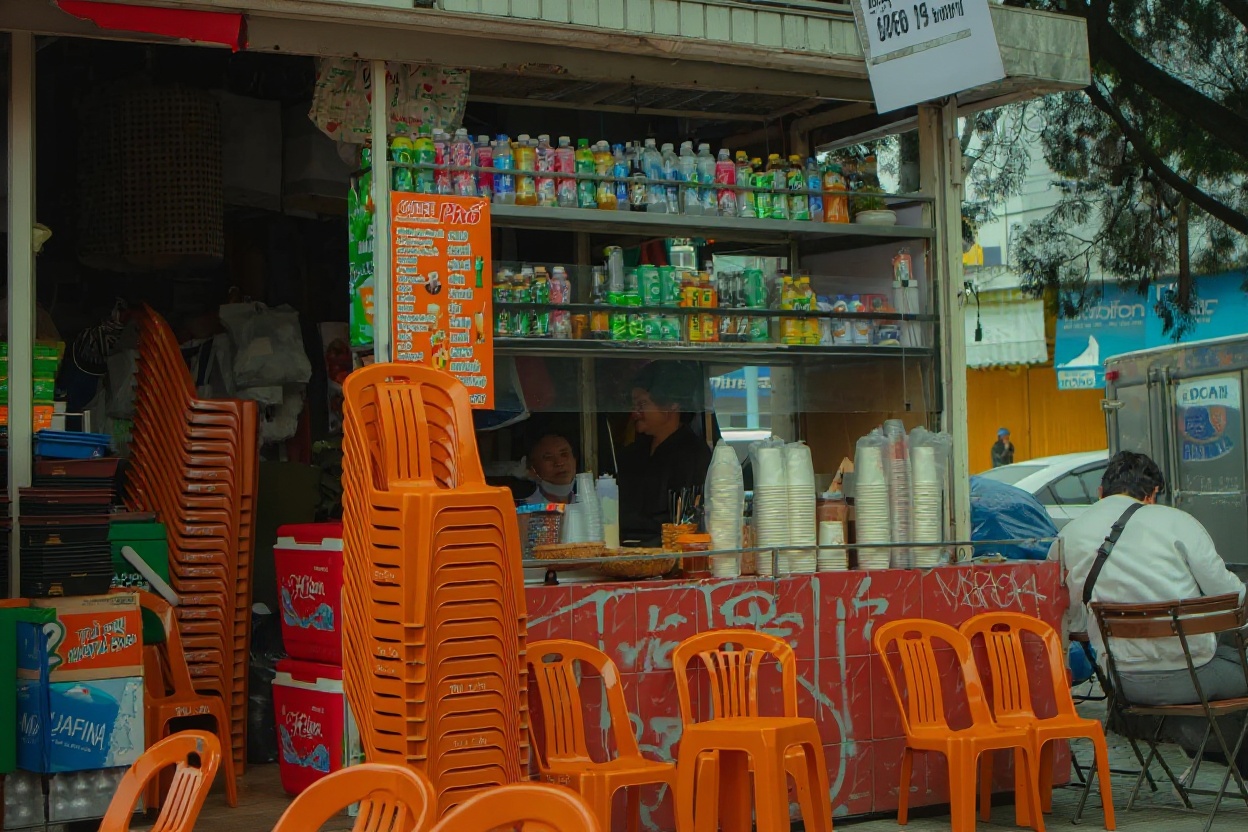
The mistake wasn’t the price. The mistake was using Tripadvisor in the first week before I had any basis for comparison. The tourist-facing restaurants in Hanoi’s Old Quarter charge approximately double the local rate and serve approximately the same food, optimized slightly for foreign palates. The tell: when the menu has photographs, English on the first line, and no prices on the chalk board visible from outside, you’re in a tourist-facing place. None of this is immoral — the food is usually good — but once you’ve eaten enough local spots, the price-quality comparison resolves clearly in favor of wherever the plastic stools outnumber the cushioned chairs.
Vietnam Budget FAQ
How much money do I need per day in Vietnam?
$20–30/day on a shoestring (dorms, street food, local transport), $35–55/day as a standard backpacker (private rooms, mixed eating, some tours), and $60–100/day mid-range (good hotels, restaurants, organized activities). A 14-day trip on a backpacker budget costs $700–1,400 excluding international flights. Vietnam is one of the cheapest Southeast Asian destinations — a budget of $40/day is comfortable and achievable without significant compromises.
Is $50 a day enough for Vietnam?
Yes — $50/day puts you solidly in the backpacker tier with room to spare for extras. At $50/day you can afford a private air-conditioned room ($15–20), eat a mix of street food and local restaurants ($12–18), cover local transport ($5–8), and have budget left for paid activities or a beer in the evening. Unless you’re taking multiple domestic flights or doing expensive tours, consistently spending $50/day in Vietnam requires effort.
What is the cheapest part of Vietnam to travel?
Central Vietnam — specifically Hue, Đà Nẵng, and the rural areas around Phong Nha — consistently comes up as the cheapest region. Hue is frequently called the cheapest UNESCO city in Vietnam. The northern highlands (Ha Giang, Cao Bang) are also very cheap at the food and accommodation level, but transport costs to reach them add up. Phu Quoc Island and Nha Trang’s tourist center are the most expensive domestic destinations.