
Last updated: June 2026 — entrance fees, tour prices, and hours verified June 2026.
I’ve been to Cu Chi twice. The first time in 2021 on a group tour that felt like a theme park. The second time in 2023 on a rented Honda Wave with a Vietnamese friend who’d never been either — which was a completely different experience. Both visits taught me something different about what happened here.
The first trip, you absorb the logistics — the tight crawl, the trap demonstrations, the explainer film. The second trip, you start to feel the weight of scale: 250 kilometers of hand-dug passages, three levels deep in places, maintained under aerial bombardment for over a decade. That math doesn’t land on the first visit. Give it time.
Walk-in booking works fine for Cu Chi. Unlike Ha Long Bay (where cruise quality varies enormously by vessel), the Cu Chi experience is standardized enough that the main variable is transport comfort rather than guide or itinerary quality. Book the day before or the morning of — there’s almost always space.
What Are the Cu Chi Tunnels?
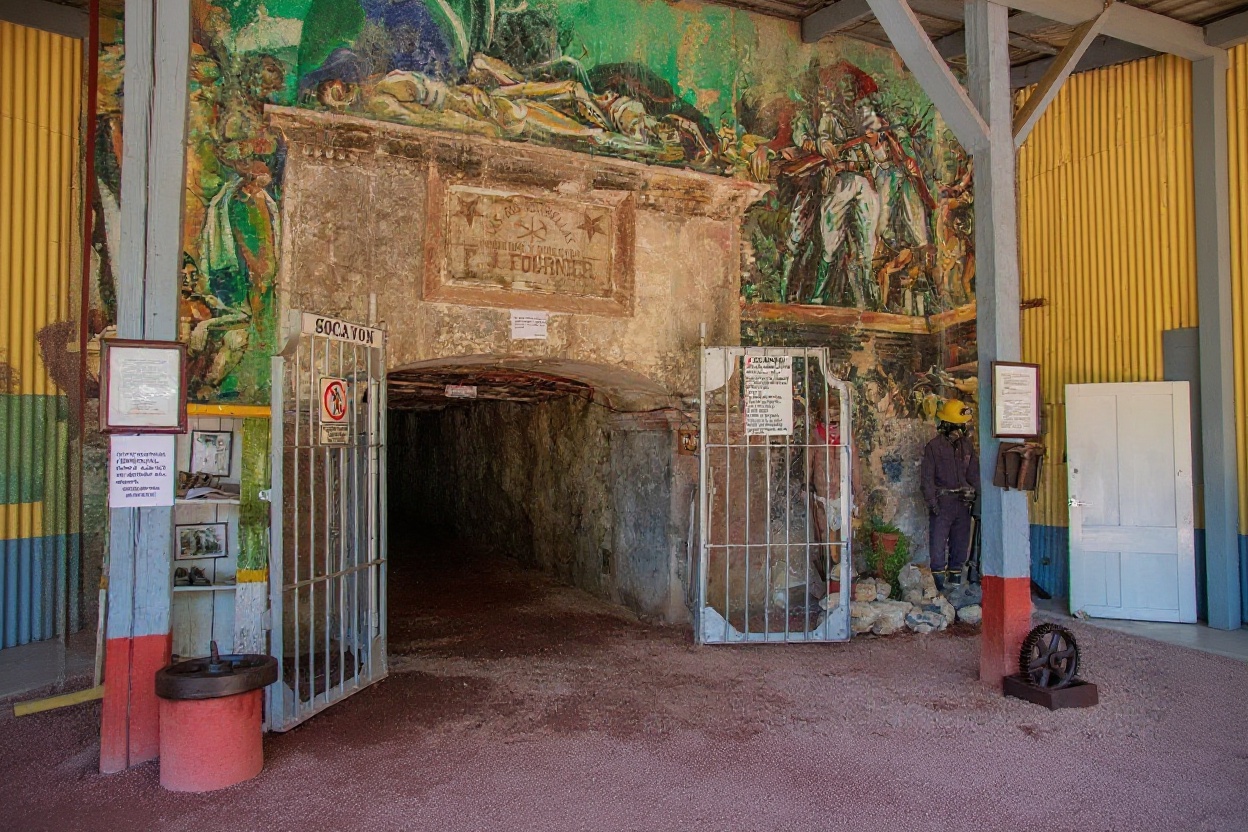
The Cu Chi tunnel network was dug beginning in the late 1940s during the resistance against French colonial rule and expanded significantly in the 1960s and 70s during the American War. At peak usage, the network ran 250km through three levels — up to 10 meters deep in some sections — and housed an estimated 16,000 people including fighters, medical staff, and civilians.
The tunnels contained sleeping quarters, kitchens, weapons caches, hospitals, and command centers. The ventilation holes were disguised as termite mounds. Cooking was done at night and the smoke was dispersed through camouflaged vents across a wide area to prevent detection. The Americans bombed the region around Cu Chi more heavily than almost anywhere else in Vietnam during the war — the area became known as the “Iron Triangle” and was subjected to Operation Ranch Hand defoliation — and still the tunnels survived.
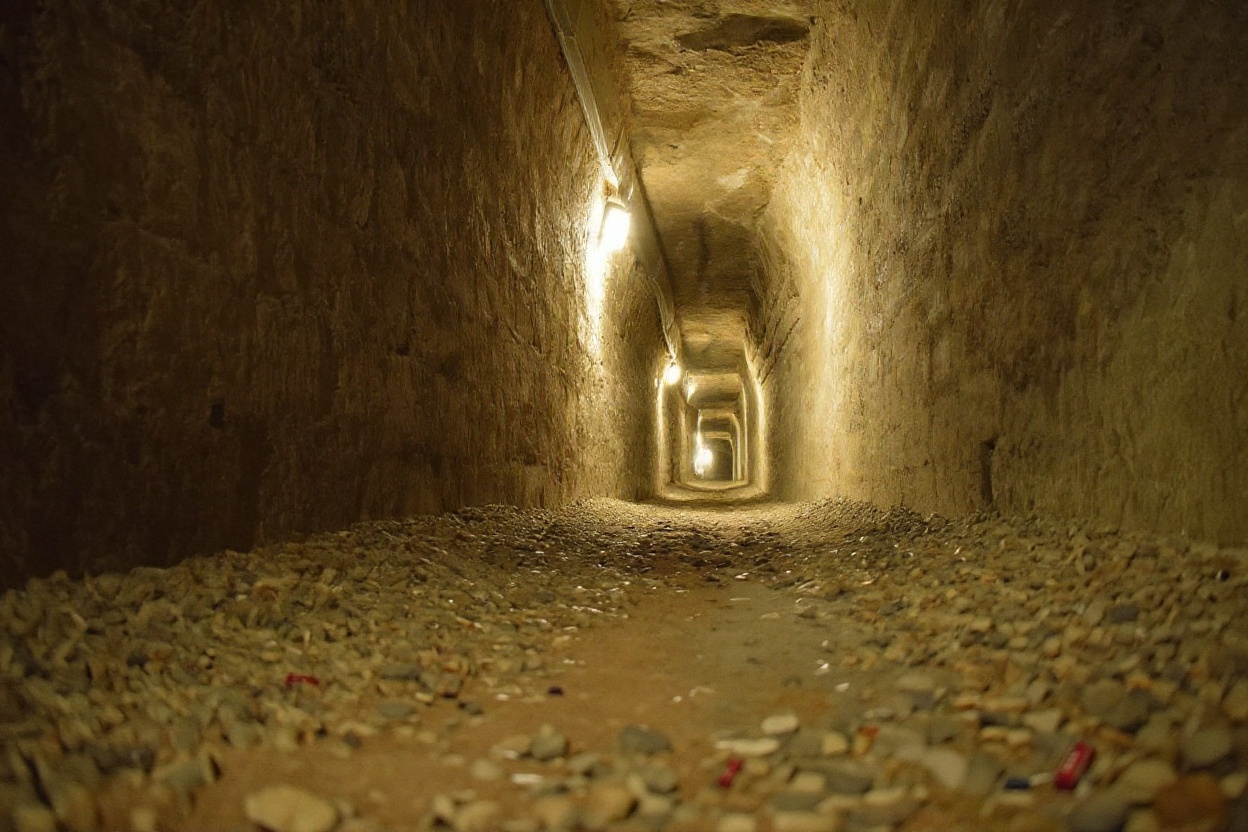
What you visit today is a reconstruction and presentation of this network. The original tunnels still exist underground; the tourist sections have been widened from their original 50–80cm width to accommodate modern bodies.
> **Quick Answer:** Cu Chi Tunnels is a half-day trip from Saigon (75km, 1.5–2hr each way). Most people book a half-day group tour: 6 AM or 7 AM departure, back by 1–2 PM. Entrance: 125,000 VND (adults). Guided tours from Ben Thanh Tourist run 350,000–500,000 VND all-in.
The Two Sites — Ben Dinh vs. Ben Duoc
There are two tunnel complexes open to visitors, and most travel guides lump them together. They’re not the same place.
Group tours almost always go to Ben Dinh. If you’re going independently and have a motorbike, Ben Duoc is worth the extra 30 minutes — fewer tour groups, a more meditative atmosphere, and the memorial temple to fallen NLF soldiers gives the visit a different weight.
Getting There — Tour vs. Independent
Group Tour (Most Common)
Every tour company in District 1 sells Cu Chi half-day tours: 350,000–700,000 VND per person, includes transport, entrance fee, and English guide. Departure from Ben Thanh Market area around 7–8 AM, back by 1–2 PM. Budget companies run minibuses with 15–20 people; higher-end options run smaller vans.
Honest take: the difference between a 350,000 VND tour and a 600,000 VND tour is mostly van comfort and guide quality. The sites themselves are identical. Ben Thanh Tourist (a Vietnamese tour company, confusingly named) runs solid budget options. GetYourGuide and Viator add 30–50% markup for the same product.
Bus (Cheapest)
Catch bus 79 from Ben Thanh Bus Station (behind Ben Thanh Market) to Cu Chi town: around 7,000 VND, about 2 hours. From Cu Chi town, motorbike taxi (xe om) to Ben Dinh tunnels: 50,000–80,000 VND return. Total transport cost around 65,000–95,000 VND plus the 125,000 VND entrance — significantly cheaper than any tour, but time-consuming and requires navigating without an English guide. One thing: if you’ve booked for Ben Duoc, tell your xe om driver explicitly “Ben Duoc” when you get off the bus — some drivers will take you to the closer Ben Dinh instead and claim they’re the same place.
Motorbike (Best for Independent Travelers)
Rent a motorbike in Saigon (120,000–180,000 VND/day from any hostel cluster in Pham Ngu Lao or De Tham), plug Cu Chi into Google Maps, and ride. The route takes you through suburban Saigon and out into agricultural countryside that’s interesting in its own right. Budget 1.5–2 hours each way on a 50cc scooter. Highway 22 (National Route 22) is the main artery — relatively straight, manageable traffic once you clear the Saigon city sprawl.
The motorbike option is particularly good for Ben Duoc — the site is a bit off the main tourist path and getting there independently is straightforward, while getting there on a public bus requires an extra xe om connection.
> **Quick Answer:** Group tour is easiest (350,000–700,000 VND all-in). Bus + xe om is cheapest (130,000 VND plus entrance). Motorbike is most flexible and recommended for anyone comfortable riding in Vietnamese traffic. Allow 1.5–2 hours from central Saigon each way.
What to Expect at the Tunnels
The Ben Dinh experience runs like this: you watch a short film (about 15 minutes, made in 1967 by Vietnamese filmmakers, somewhat propagandistic but historically significant), then a guide takes your group through the outdoor exhibits — recreations of traps, camouflaged tunnel entrances, bomb craters — before the tunnel crawl itself.
The tunnel section is the centerpiece. Tourists enter at widened entrances (still only about 60cm wide, enough that larger visitors will need to turn sideways) and crawl through a 100-meter section. Three exits let you bail out early if the claustrophobia kicks in. The tunnels are lit, ventilated, and completely safe — but they’re genuinely tight and the ceiling drops to crawl height. I’ve seen grown adults turn back at the second exit. Nothing wrong with that.
The AK-47 shooting range is a separate, optional activity — 50,000–68,000 VND per bullet with a minimum of 10 rounds (~$25–30 USD total). Loud, popular, and genuinely strange in context. Skip it if you’re there to understand the history rather than discharge a weapon at a war memorial site.
Real Talk
The touristification of Cu Chi is real. There’s a “VC kitchen” demonstration where they cook cassava the way tunnel residents did, there’s souvenir stands, there’s a restaurant. None of this ruins the visit, but go in knowing that the infrastructure around the site is designed to entertain as much as to educate. The historical weight of what happened here — tens of thousands of people living underground for years while B-52s dropped bombs above — is present if you look for it. Bring that attention with you rather than waiting for the presentation to provide it.
Combining Cu Chi with Other Day Trips
Cu Chi fits cleanly into a half day. Most travelers do it as a standalone morning trip, then spend the afternoon in Saigon. A few operators run combined “Cu Chi + Mekong Delta” full-day tours — these exist but they’re genuinely exhausting (4 hours of driving) and I wouldn’t recommend them unless you have very limited time in the south and need to check both boxes in one day.
The more natural combination is Cu Chi in the morning + one of Saigon’s city attractions in the afternoon: War Remnants Museum (the context complements well), Reunification Palace, or the Binh Tay Market in Cholon. See the things to do in Saigon guide for the full picture of what to pair it with, and the Saigon day trips guide for alternatives if you’d rather go to the Mekong Delta or Con Dao instead.
Cu Chi Tunnels Practical Info 2026
The Historical Context — Why This Matters
Understanding what Cu Chi was requires understanding what the American military was trying to do to it. The Iron Triangle — the area surrounding Cu Chi District — was the most heavily bombed region in South Vietnam. Between 1965 and 1969, Operation Cedar Falls alone involved 30,000 US and South Vietnamese troops attempting to clear the area. They found tunnel entrances. They couldn’t find the network.
American forces deployed “tunnel rats” — typically smaller-framed soldiers, often Italian-American or Puerto Rican men who could fit into the passages — to clear tunnels by hand with pistols and flashlights. The casualty rate was high. The tunnels were booby-trapped with punji stakes, tripwires, and collapsing sections. The Viet Cong fighters who maintained the tunnels knew the layout; the American soldiers entering blind did not.
The tunnels were eventually rendered non-functional not through direct military action but through B-52 carpet bombing that collapsed sections of the network in 1969–1970. By the time the last American combat troops withdrew in 1973, Cu Chi had been effectively defoliated and parts of the district were described by journalists as “the most bombed, gassed, napalmed, and defoliated area in the history of warfare.”
The people who lived and fought in those tunnels during that period are the subject of what you’re visiting. Whatever your politics around the war — and there are many valid positions, none simple — that specific human experience is worth confronting directly rather than experiencing through a brochure.
Tips Before You Go
Wear dark clothes. Not for stealth — but the tunnels are dusty and the ground is orange-red laterite soil. Light clothes will look like you went mudding.
Go early. Tour buses from Saigon typically arrive between 9–10 AM. If you get there when it opens at 7 AM (only really possible by motorbike or private car), you’ll have the site largely to yourself for the first hour. The difference between 7 AM and 10 AM crowds is dramatic.
Bring water. The outdoor exhibits cover a lot of ground under jungle canopy, but the heat in the tunnel section is real — even with ventilation. Dehydration sneaks up on you.
The tunnel crawl is claustrophobic by design. If enclosed spaces give you anxiety, this might not be for you — or take one of the earlier exits. There are three bail-out points in the tourist tunnel. Nothing wrong with exiting at stop 1.
Skip the shooting range. You’re at a war memorial. The AK-47 range is designed to generate revenue, and the noise disrupts the atmosphere for everyone else on site.
Cu Chi District Beyond the Tunnels
Cu Chi District is 30km of agricultural land northwest of Saigon — rubber plantations, rice paddies, and small towns that see almost no foreign tourists except those in transit to the tunnel sites. If you’re going by motorbike, the ride itself is part of the experience. Highway 22 transitions from Saigon’s street grid into something that feels genuinely provincial: motorcycles hauling sugarcane, roadside stalls selling iced coffee for 10,000 VND, district schools letting out at noon.
A few travelers use the Cu Chi Tunnels as a launching pad for an overnight in the Cu Chi countryside — there are homestays in the area that let you experience the agricultural rhythm of this part of Saigon province. This is a very non-standard itinerary, but for travelers who want to see what Vietnam outside tourist zones looks like, Cu Chi District (the agricultural part, not just the tunnel site) shows that side clearly.
For most people, though: half-day to the tunnels, back in Saigon by 1 PM, afternoon and evening free. The War Remnants Museum in District 3 makes the most logical pairing if you want to continue the historical thread — the museum documents American War period photography and equipment with the same unflinching documentation style as the tunnels, and the combined effect is significant.
Booking Your Cu Chi Tour
If you want a guided group tour, the easiest booking point is any hostel or guesthouse in the Pham Ngu Lao / De Tham backpacker area of District 1. Staff will sell you a half-day tour for 350,000–450,000 VND per person. The product is essentially identical across providers — same sites, similar guide quality, similar van comfort at similar price points.
Watch for “premium” or “private” Cu Chi tour pricing: some operators charge 1,000,000–1,500,000 VND for a “private” tour that is just you in a smaller car with the same entrance fee and the same site. Unless you specifically want a private guide for a more in-depth history discussion, the group tour is fine.
For the Saigon planning context — which neighborhoods to base yourself in, what else to do in the city, and how to sequence a multi-day itinerary — the Ho Chi Minh City travel guide has the full framework.
Is Cu Chi Worth Visiting?
Yes — with caveats.
The War Remnants Museum in Saigon (free, and one of the most powerful museums I’ve been to anywhere) tells one part of the American War story. Cu Chi tells another — the resourcefulness, endurance, and toll of life underground for people who chose to keep fighting regardless of what was being dropped on them. Together they make the history of that period legible in a way that neither does alone.
The presentation at the tunnels is heavily skewed — this is a Vietnamese state historical site and the framing reflects that. The film shown at the entrance refers to American soldiers as “crazy devils” and celebrates confirmed kills. You’ll learn more about the experience of tunnel fighters than you will about the war’s full complexity. That’s fine — knowing the limitations of your source is part of traveling well.
What you’ll come away with: an understanding of the scale and ingenuity of the underground network; a visceral sense of what it would mean to live in those tunnels; and probably a renewed respect for anyone who endured that, from any side. That’s worth the 75km drive and 125,000 VND entrance fee.
Cu Chi Tunnels FAQ
How far are the Cu Chi Tunnels from Ho Chi Minh City?
Ben Dinh (the main tourist site) is 55km from central Saigon / Ho Chi Minh City — about 1.5 hours by car or minibus, 1.5–2 hours on a motorbike. Ben Duoc (the quieter alternative) is 70km and takes about 2 hours. The drive takes you northwest from the city through the suburbs of Cu Chi District and into increasingly rural countryside.
How long do you need at Cu Chi Tunnels?
Budget 2–3 hours at the site itself. The intro film runs 15 minutes, the guided outdoor walk covers traps and exhibits (30–45 minutes), and the tunnel crawl is 100 meters (15–20 minutes depending on how fast you move). Add time for the village-style displays and any food/drinks at the site restaurant. Most half-day tours give you 2.5–3 hours at the tunnels, which is about right.
Can you visit Cu Chi Tunnels without a tour?
Yes. The cheapest route is bus 79 from Ben Thanh Bus Station (around 7,000 VND, 2 hours) then xe om to the tunnels (50,000–80,000 VND return). Motorbike rental is the best independent option — 120,000–180,000 VND/day for a scooter, and Google Maps routes you there reliably on Highway 22. Independent visitors still pay the 125,000 VND entrance fee and can join the guided walk groups at the site.
Is Cu Chi Tunnels suitable for claustrophobic travelers?
The tourist tunnels at Ben Dinh have been widened from their original 50cm to roughly 60–70cm and are lit and ventilated. That said — they are real tunnels with low ceilings (you’ll be duck-walking or crawling for the 100-meter section). There are three exits where you can bail out without finishing the full crawl. People with serious claustrophobia may struggle; people with mild discomfort about enclosed spaces generally manage fine. The outdoor exhibits at the site are excellent regardless of whether you do the tunnel section.
What should I wear to Cu Chi Tunnels?
Dark clothing and closed-toe shoes. The tunnels have orange-red laterite soil that stains. The outdoor walk covers jungle terrain, so open shoes aren’t ideal. Bring water and mosquito repellent — the forested areas around the exhibits have mosquitoes, especially in the morning.
Can I combine Cu Chi Tunnels with the Mekong Delta?
Operators sell combined “Cu Chi + Mekong Delta” day tours, but it’s a lot of driving (the two sites are in opposite directions from Saigon) and you’ll see both superficially rather than either properly. If you have two days, do Cu Chi one morning and Mekong Delta on a separate day. If you only have one day and must choose, the Mekong Delta offers a more relaxing and varied experience; Cu Chi is a more specific historical deep-dive. Both are worth it if you have time.