Last updated: May 2026 · Jake Morrison · 5 years in Vietnam
The Da Lat Flower Festival transforms the city into something worth the crowd — our Dalat Flower Festival guide covers dates, what to see, and how to book accommodation before it sells out.
I’ve done Dalat seven times now and my list of what to do there has changed. The first few trips I ticked the tourist attractions — Crazy House, Valley of Love, the flower gardens. The later trips I spent more time on the free things: the early morning lake circuit, the backstreets in the villa district where the pine trees line the roads and old French colonial villas peek out between new construction, the 7:45am train to Trai Mat with a thermos of artichoke tea. The paid attractions are worth doing; the free ones are what I think about when I think about Dalat.
Xuan Huong Lake — Start Here, Start Early
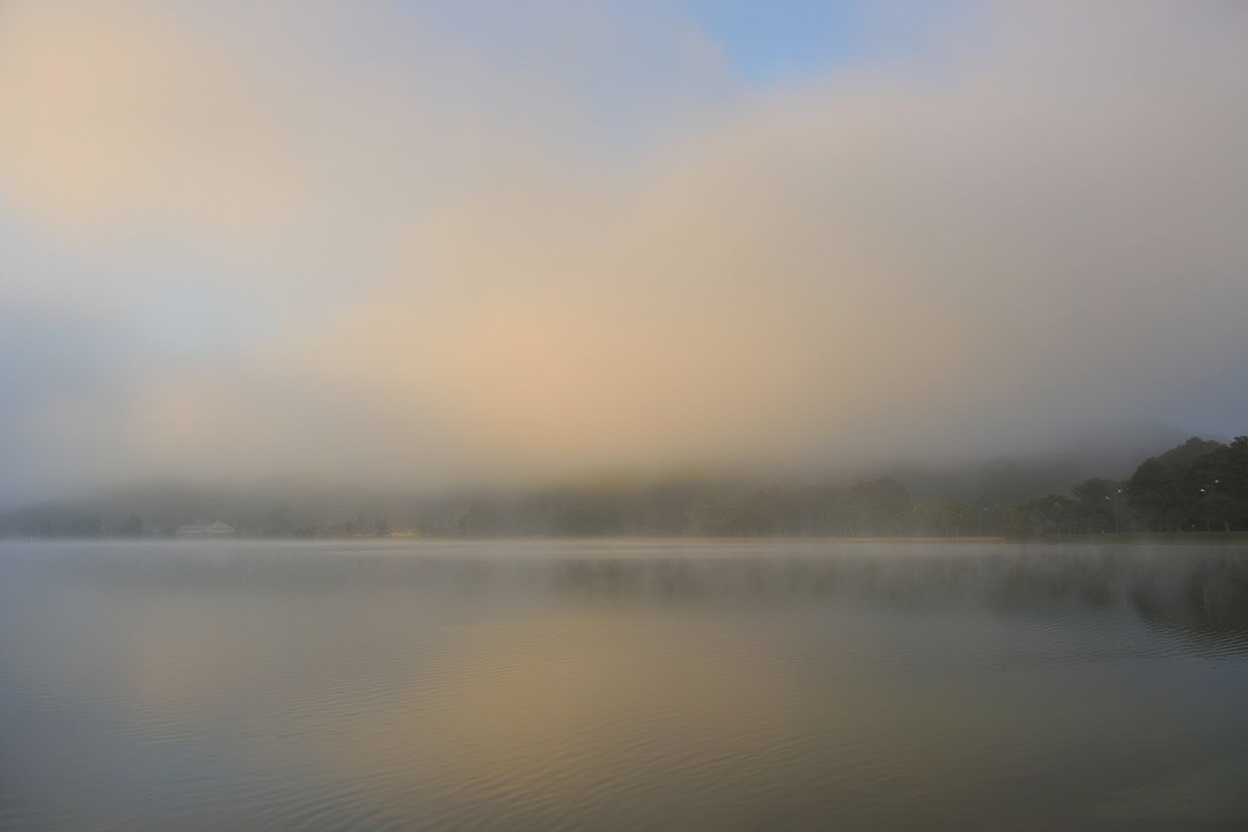
Xuan Huong Lake (say: shwen hwong) is the geographic and social center of Dalat — a 2km-wide artificial lake created in 1919 during French colonial rule by damming the Cam Ly River. The 7km circuit around the lake is the best free activity in the city. Go at dawn (6–7am): the mist sits in the pine trees on the far bank, the local morning exercise crowd moves in both directions (Vietnamese families doing tai chi, older men with transistor radios, school children on bikes), and the Da Lat Palace Hotel’s reflection sits still in the water before the tourist boats start their engines.
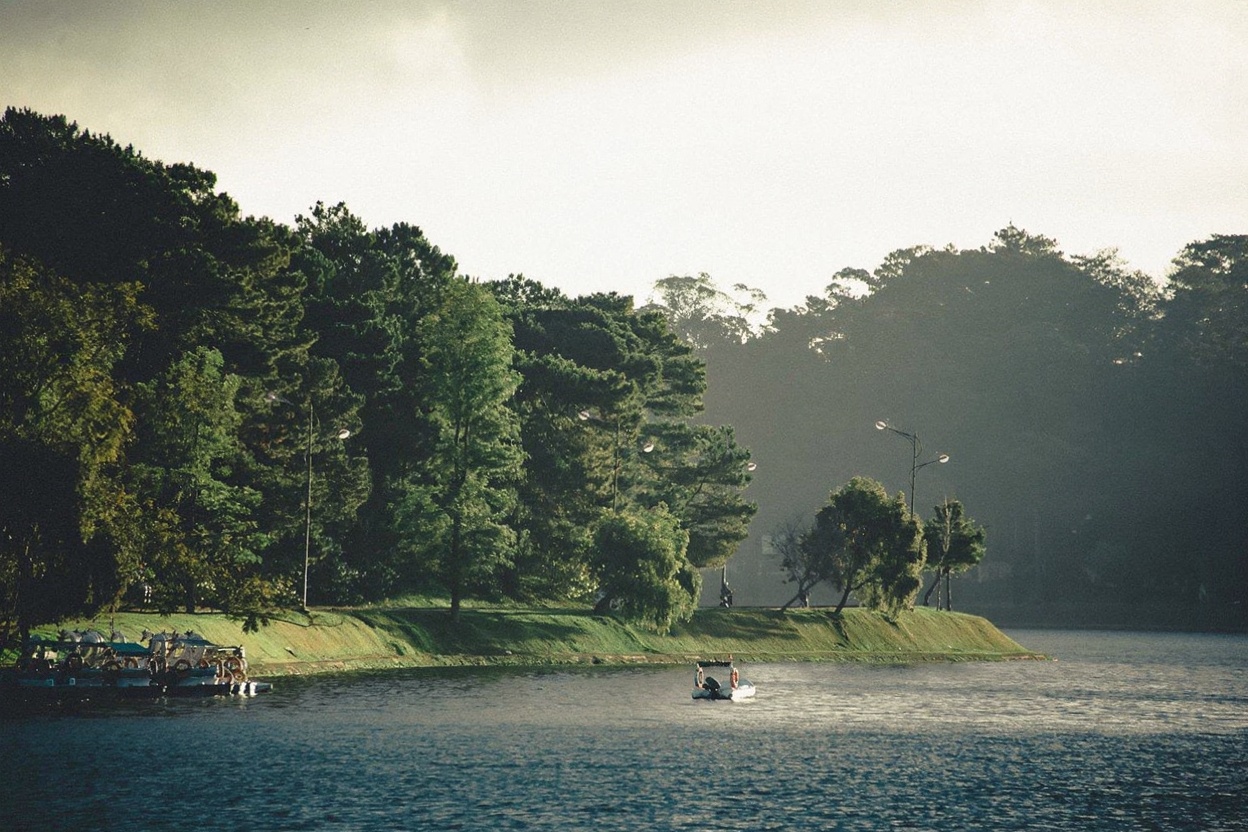
The full circuit takes 90 minutes at a walking pace. Key stops: the northwest corner near the old Dalat Palace golf course for the best reflection view; the Da Lat Flower Garden (Vườn Hoa Đà Lạt, 50,000 VND, ~$1.90) on the east bank, which is worth 30 minutes if flower markets are of interest; and the rowing boat rental area on the south bank where single kayaks run 80,000–120,000 VND per hour (~$3.05–4.55). The lake circuit connects directly to the Da Lat Market (Chợ Đà Lạt), the central market building where the food vendors start at 6am — bánh mì with highland vegetables, cups of artichoke tea, grilled corn for 10,000 VND (~$0.38). For the full city overview before you start planning, our Dalat travel guide covers getting there, where to stay, and how many days you need.
✓Quick Answer
Best time for Xuan Huong Lake: 6–7:30am for mist, quiet, and local activity. The tourist boats (dragon-shaped, operating 8am–5pm) and the weekend family crowds arrive from 9am. The dawn circuit is free, the scenery is the same, and the experience is genuinely different from the midday version. If there’s one thing to get right about Dalat timing, it’s this.
The Crazy House — Worth the Visit, Not Worth the Wait
Biệt Thự Hằng Nga (say: byet tyoo hang nga) — the Crazy House — is a guesthouse and gallery designed by architect Dang Viet Nga, who trained at Moscow State University and returned to Vietnam with an aesthetic somewhere between Gaudí, Tolkien, and a highland fever dream. The building has been under continuous construction since 1990 and still operates as both a working guesthouse and a paid attraction. Twisted tree-trunk corridors wind between cave rooms, bridges cross between turrets at rooftop level, and the entire structure is covered in organic sculpted concrete that looks like nothing else in the country.
Entrance is 60,000 VND (~$2.30). Allow 2 hours minimum to explore all accessible levels — there are narrow passages, steep stairs, and outdoor rooftop walkways that require some physical confidence. The guesthouse rooms are genuinely available for overnight stays (1,500,000–3,000,000 VND, ~$57–114 per night) and sleeping inside the Crazy House is the version of the experience most people miss. The trick with the attraction: arrive before 9am or after 4:30pm. Between 9am and 4pm, the tour groups are thick enough to slow the narrow corridors to single-file. The building is still extraordinary in peak hours; it’s just better when you can stand on a rooftop bridge without six people behind you waiting to take the same photo.
Heritage Train to Trai Mat — Best 52,000 VND in Vietnam
The Da Lat train station (Ga Đà Lạt — say: gah dah laht) is one of the most beautiful small station buildings in Southeast Asia — 1932 art deco construction in yellow and white with a curved roof that references the alpine architecture the French colonial architects were trying to evoke at 1,500m altitude. Three departures daily: 7:45am, 9:50am, 2pm. Round trip is 52,000 VND (~$1.97). Buy tickets at the station window 30–60 minutes before departure.
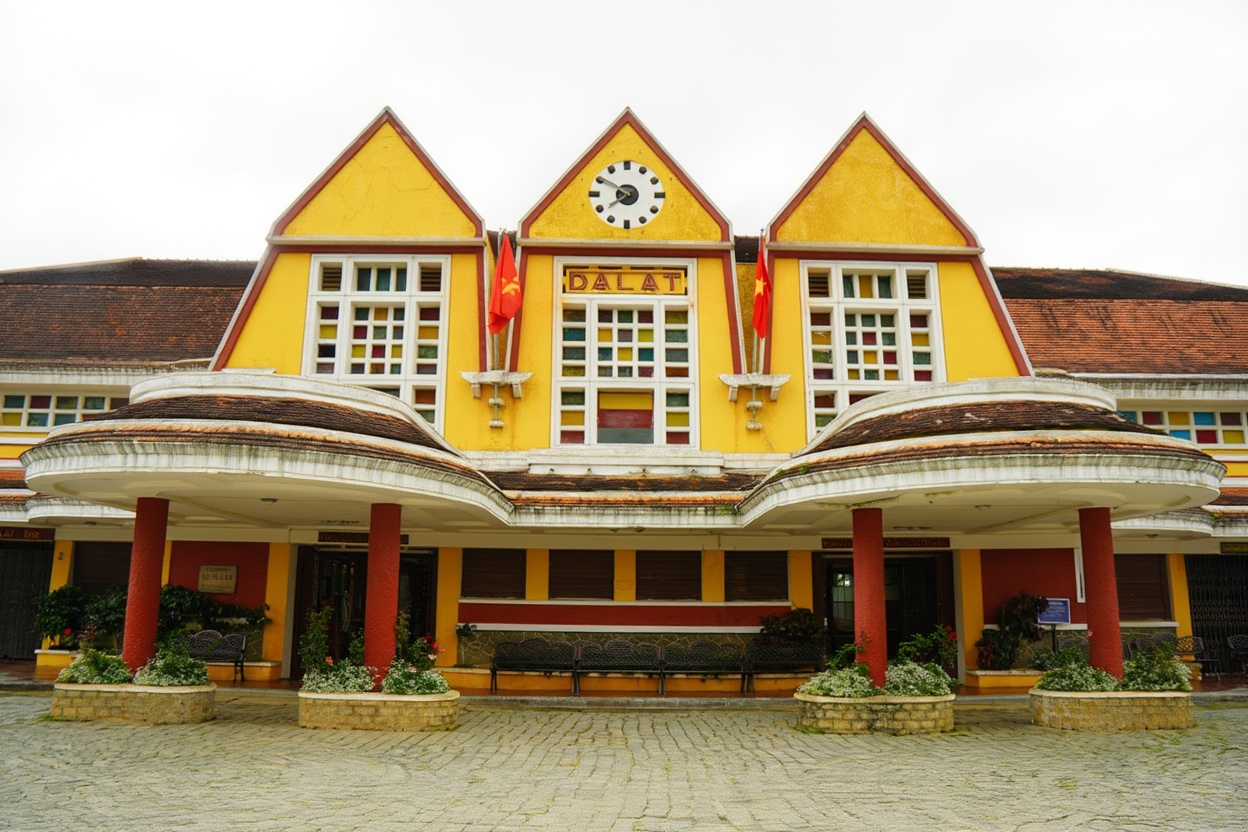
The 8km ride to Trai Mat village takes 30 minutes through pine forest on the surviving section of the old Dalat–Phan Rang cog railway. The train itself has wooden seats and open windows — the pine-scented air and the gentle gradient through the forest is the experience. At Trai Mat, the Linh Phuoc Pagoda (Chùa Linh Phước — say: chooa ling fyook) is a 5-minute walk from the station: a Buddhist temple covered entirely in ceramic mosaic made from broken glass, tile, and porcelain fragments. The 37-metre dragon mosaic along the exterior wall, the mosaic-tiled main prayer hall, the bell tower — this is one of Vietnam’s most visually unusual religious buildings and it costs nothing to enter (a small donation is appropriate). The train combination — heritage station + pine forest ride + mosaic pagoda — takes a morning and costs under 200,000 VND (~$7.60) including breakfast from the station vendors. For a full breakdown of seasons and when crowds peak, see our Dalat best time to visit guide.
Truc Lam Monastery and Cable Car
The Truc Lam Zen Buddhist Monastery (Thiền Viện Trúc Lâm — say: tyen vyen trook lam) sits on a pine-forested hill above Tuyen Lam Lake, 5km south of the city. The cable car from the Da Lat Cable Car Station (100,000 VND return, ~$3.80) takes 10 minutes, crossing a valley of pine trees before landing at the monastery entrance. The monastery is active — this is a working religious community, not a museum. Monks in grey robes move through the grounds between the meditation halls, the incense burning at the main shrine is constant, and the formal gardens are quiet in the mid-morning before tour groups arrive.
The surrounding Tuyen Lam Lake circuit is worth combining if time allows: the lake is clean and pine-fringed, and the 4km walking track around its northern shore (not the tourist boat dock area, which is separate) is unvisited compared to the monastery itself. The cable car return is the obvious exit, or a motorbike taxi (xe ôm) from the monastery back to the city center can be negotiated for 80,000–120,000 VND (~$3.05–4.55) if you want to continue somewhere rather than retracing to the cable car station.
Canyoning at Datanla Falls
Datanla Falls (Thác Datanla — say: tahk dah-tan-lah) is the base for Dalat’s adventure sports industry — specifically canyoning, which involves rappelling down waterfall faces, sliding natural rock chutes, and swimming through canyon pools in the three-tiered waterfall system 5km south of the city center. Two established operators are worth considering: Adventure Tours Da Lat and Phat Tire Ventures. Both run the half-day canyoning tour at 750,000–1,200,000 VND (~$28.50–45.50) per person including all equipment, professional guide, and transport from the city. The half-day format covers 2–3 waterfall sections — the experience involves getting wet, some physical effort, and genuine vertigo on the first rappel. It’s one of the better adventure activities in Vietnam and Dalat’s most consistent recommendation from return visitors.
ℹKnow Before You Go
Canyoning at Datanla has a real safety variance between operators. Avoid the cheapest option you see at a guesthouse front desk — the discount comes from guide training and equipment quality. Adventure Tours Da Lat and Phat Tire Ventures have operated for 10+ years and have consistent safety records. Verify that harnesses, helmets, and life jackets are provided as standard (not charged extra) before booking. The activity involves real rappelling on wet rock above genuine drops — it’s safe with competent operators and a genuine risk with incompetent ones.
The falls themselves are also accessible without canyoning — there’s a viewing platform and trail system (entrance 30,000 VND, ~$1.15) that reaches the lower cascade without climbing gear. The falls area also has a coaster luge track (Alpine Coaster, 80,000 VND, ~$3.05) popular with Vietnamese families — useful context if you’re visiting on a weekend and expecting a quiet natural setting.
Coffee Farms, Strawberry Picking, and the Agricultural Circuit
Dalat’s highland position at 1,500m creates a temperate growing climate that produces crops unavailable anywhere else in Vietnam: strawberries, avocados, artichokes, temperate vegetables, robusta and arabica coffee, wine grapes. The agricultural circuit around the city is what makes Dalat different from every other Vietnamese destination — it’s a place where the food on your plate came from soil you can see from the restaurant window.
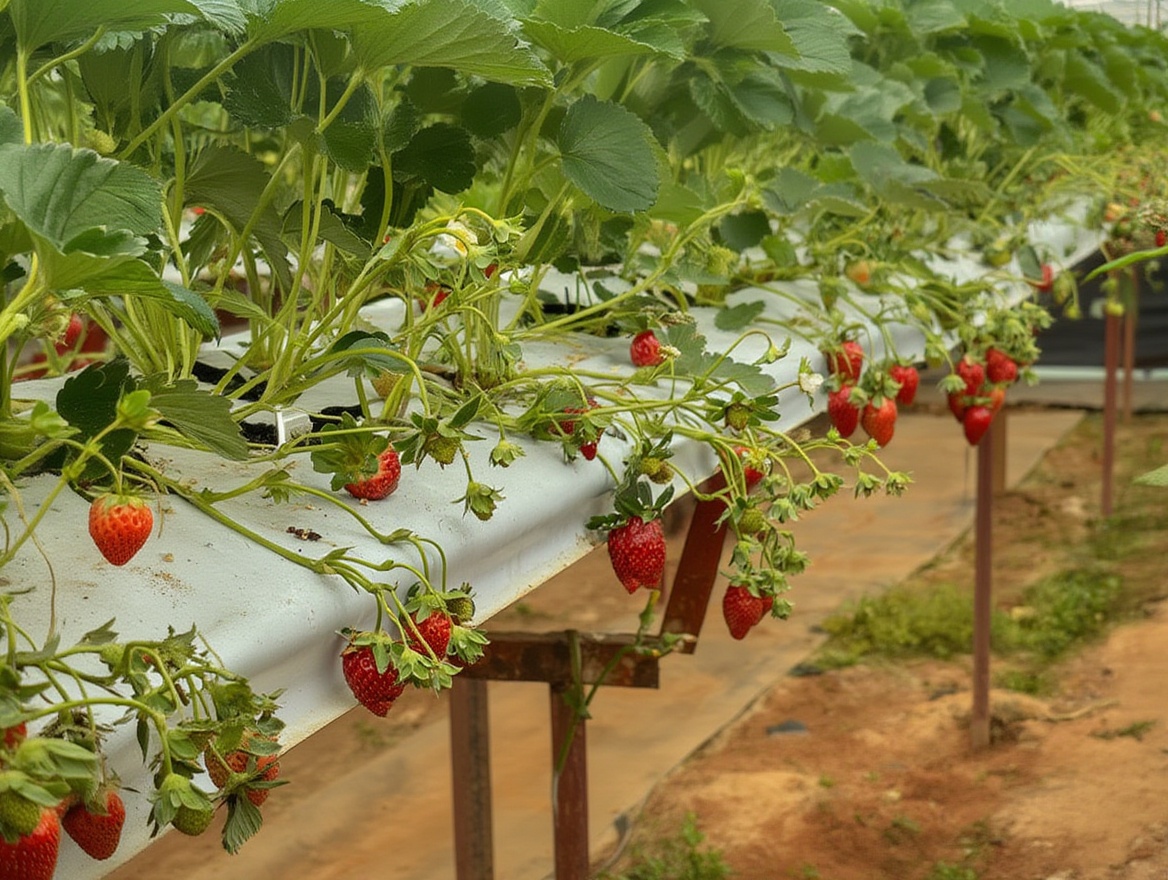
Strawberry picking: the Cu Hiep area farms, 3km northeast of the city center, offer pick-your-own strawberry experiences throughout the growing season (October–April peak, some farms operate year-round with greenhouse growing). Entrance plus picking costs 80,000–120,000 VND (~$3.05–4.55) per kg of what you take, minimum purchase usually 0.5kg. The strawberries are smaller than European varieties, sweeter, and genuinely different from anything grown at sea level. Grab from the city center to the Cu Hiep farms runs 40,000–60,000 VND (~$1.52–2.28) one way.
Coffee farms: the Cau Dat area (12km from the city on the road toward HCMC) is the accessible end of the Lam Dong highland coffee growing region. Several farms offer visits — the Elephant Falls circuit that most Easy Rider guides run typically includes a working coffee farm stop where the processing stages (cherry picking, pulping, drying, roasting) are visible. The weasel coffee (cà phê chồn — say: kah feh chon) farms closer to the city are more tourist-facing: the civet cats in enclosures, the explanation of the processing, the overpriced cup at the end (200,000–500,000 VND, ~$7.60–19). Worth visiting for the agricultural education; optional whether to buy the coffee.
The Easy Rider motorbike tour is the standard format for combining multiple agricultural stops in a single day. A private full-day tour (guide + motorbike, you ride pillion) runs 500,000–800,000 VND (~$19–30.40) per person and typically visits 4–6 stops: coffee farm, silk farm, flower field, Elephant Falls, a highland ethnic minority village, sometimes a lake or viewpoint. Book through your guesthouse or directly with a guide at the night market — the quality of the guide determines the experience more than the specific itinerary.
The Da Lat Night Market
The Da Lat Night Market (Chợ Đêm Đà Lạt — say: cho dem dah laht) runs every evening from 5pm to midnight along Nguyen Thi Minh Khai street, below the Da Lat Market building. The market is part food market, part craft and souvenir market, and part social space: Vietnamese domestic tourists eating hot pot at shared tables, international backpackers working through the grilled skewers, local vendors selling dried highland produce (artichoke flowers for tea, dried strawberries, coffee from Cau Dat).
The food to eat here: bánh tráng nướng (say: ban chang nung — grilled rice paper, 10,000–20,000 VND, ~$0.38–0.76 per sheet), avocado smoothie (sinh tố bơ — say: sing toe buh, 25,000–35,000 VND, ~$0.95–1.33) at the smoothie stalls on the north side of the market, hot pot set-ups for 2–4 people at the shared tables (lẩu thập cẩm — say: loh tup kum, 150,000–250,000 VND, ~$5.70–9.50 per pot), and artichoke tea from any of the dry goods vendors (bags of dried artichoke flower, 50,000–100,000 VND, ~$1.90–3.80). The market fills fast on weekend evenings — arrive before 7pm for easier navigation.
Dalat’s Colonial Architecture — The Free Walking Circuit
The French built Dalat as a highland resort and left behind an architectural inventory that takes an afternoon to walk through: the Notre-Dame de Dalat Cathedral (1931, pink stone, twin towers — on Tran Phu street, always open), the Lycée Yersin (built 1927, now Pedagogical University — the facade is visible from Nguyen Thi Minh Khai street without entering), the Da Lat Railway Station (1932, the most beautiful train station in southern Vietnam, always accessible outside departure times), and the colonial villas that line the hillside streets of the northwest lake district.
The most rewarding version of the colonial architecture walk is the late afternoon circuit that hits Huynh Thuc Khang street (the villa-lined hill road north of the lake), down through Tran Hung Dao street (denser, more residential colonial blocks), and finishes at the cathedral for the 5pm light. None of these require entrance fees. The Da Lat Palace Hotel (built 1922, on Le Duan road beside the golf course) can be visited for a drink at the terrace bar — 80,000–120,000 VND (~$3.05–4.55) for a Vietnamese coffee with a view of the lake and the hotel’s 100-year-old gardens. This is the version of Dalat that most travelers skip because it’s not in the “top attractions” list. It’s also the version that makes the city feel like a place rather than a collection of ticket counters. For a deeper dive into the region’s beans and brew culture, our Dalat coffee guide covers the best farms, cafes, and processing methods worth knowing.
→Who It’s For
The colonial architecture walk is for travelers who find themselves wanting more from Dalat than the standard attraction circuit — the Crazy House, the cable car, the night market. It’s slow, unhurried, and free. It rewards curiosity about what the French saw in this highland valley when they decided to build a European-style resort at 1,500m in Southeast Asia. If the architectural history of colonial Vietnam is of interest, Dalat’s infrastructure tells that story more completely than Hanoi or HCMC, where the modern city has absorbed most of the colonial buildings into commercial streetscapes.
What to Skip in Dalat
The Valley of Love (Thung Lũng Tình Yêu — say: toong loong ting yew): a park with a lake, swan boats, and heart-shaped photo installations designed for Vietnamese couples on weekend dates. Entry is 80,000 VND (~$3.05). It’s not bad — it’s just not the Dalat that makes travelers extend their stays. Skip it unless you have children or a specific interest in the domestic tourism experience.
The Dalat cable car (separate from the Truc Lam cable car) to the Robin Hill tourist area: overpriced at 150,000 VND (~$5.70) return for a view of the city that is available for free from multiple hilltop spots. The view from the Linh Son Pagoda hill, accessible by motorbike or a 20-minute walk from the lake, gives comparable city views at zero cost.
⚠Real Talk
Dalat has a growing number of “Instagram attractions” — a pink church (Domaine de Marie Convent), a mirrored house, a flower-covered bridge — that exist primarily as backdrops for social media photos. Some of these are genuinely interesting (the Domaine de Marie is a real 1940s chapel worth 20 minutes). Most are paid entrance for a generic photo opportunity. The free version of Dalat — the lake circuit, the train station, the villa district streets, the night market — is consistently better than the paid version of the tourist infrastructure. Build your itinerary around the former and add the latter selectively.
Two things worth sorting before you land: a Vietnam eSIM so you have data the moment you clear customs, and travel insurance — medical costs for uninsured foreigners in Vietnam are significant.
Airalo eSIMs activate instantly. Buy before departure — airport SIM queues in Vietnam can take 30+ minutes.
FAQ — Things to Do in Dalat
What is the most popular thing to do in Dalat?
The Crazy House (Biệt Thự Hằng Nga) is the most-visited paid attraction — the bizarre Gaudí-influenced guesthouse-gallery by architect Dang Viet Nga. 60,000 VND (~$2.30), 2 hours, go before 9am or after 4:30pm. But the most-recommended experience among travelers who’ve spent time in Dalat is the dawn walk around Xuan Huong Lake — free, 7km circuit, best at 6–7am in the morning mist. The canyoning at Datanla Falls is the top adventure activity.
Klook has the widest selection for Vietnam and is usually the cheapest. KKday is strong on day trips and local experiences.
s=”vu-faq-a”>750,000–1,200,000 VND (~$28.50–45.50) per person for a half-day tour including all equipment and guide, with Adventure Tours Da Lat or Phat Tire Ventures. Cheaper options exist at 400,000–600,000 VND from informal operators — the discount reflects equipment quality and guide experience, both of which matter on a waterfall rappelling activity. Book the established operators. The half-day covers 2–3 waterfall sections, takes 4–5 hours, and involves getting completely wet.
Is the Dalat train worth it?
Yes — it’s one of the better value experiences in Vietnam at 52,000 VND round trip (~$1.97). The 1932 art deco station is worth seeing on its own. The 30-minute pine forest ride to Trai Mat is pleasant. And the Linh Phuoc Pagoda at the end — covered entirely in ceramic mosaic — is genuinely extraordinary and free to enter. Departs 7:45am, 9:50am, and 2pm daily. Buy tickets at the station window 30–60 minutes ahead; the morning departure often sells out.
What food should I try in Dalat?
Bánh tráng nướng (grilled rice paper with egg and dried shrimp, 10,000–20,000 VND), avocado smoothie (sinh tố bơ, 25,000–35,000 VND), artichoke tea (trà atiso, brewed from dried highland artichoke flowers), and freshly picked strawberries from the Cu Hiep farms. The night market covers all of these in one circuit. Dalat also produces its own wine (cheap and sweet by European standards, culturally worth trying at 80,000–150,000 VND per bottle from market vendors) and highland vegetables unavailable elsewhere in Vietnam — the restaurants in the villa district near Tran Hung Dao street do highland hot pot that uses locally grown produce.
How many days do you need for Dalat activities?
Two days covers: lake circuit at dawn, Crazy House, heritage train to Trai Mat, night market. Three days adds: canyoning half-day at Datanla, Truc Lam cable car and monastery, strawberry picking or countryside motorbike tour. Four days adds: the Cau Dat tea plantation circuit, mountain biking the highland route, Elephant Falls by motorbike. Most travelers do 3 days and leave wishing for a fourth.