Updated June 2026
Which Border Crossing to Use
The crossing you choose depends entirely on where you’re going. Vietnam borders China to the north, Laos to the northwest, and Cambodia to the southwest. Most backpackers and independent travelers use one of four main crossings.
✓Quick Answer
Vietnam → Cambodia: Moc Bai (bus from Saigon) or Xa Mat (less used). Vietnam → Laos: Lao Bao (most popular), Nam Can, Bo Y, or Tay Trang (motorbike travelers). Vietnam → China: Huu Nghi (Hanoi to Nanning) or Lao Cai (Hanoi to Kunming). Flying almost always faster than land to China.
Vietnam to Cambodia
Moc Bai — Bavet: The main land crossing between Vietnam and Cambodia, used by the vast majority of tourists traveling between Saigon and Phnom Penh or Siem Reap. Located 70km northwest of Saigon (Ho Chi Minh City). Most travelers take a through-bus from the Pham Ngu Lao backpacker area in Saigon directly to Phnom Penh (~6 hours total) or Siem Reap (~10 hours) — the bus handles the border crossing with you on it. Individual crossing on local transport is also straightforward: xe khách (express bus) from Ben Thanh or Mien Tay bus station to Moc Bai, walk the crossing, take Cambodia transport onward.
Cambodia visa on arrival: Available at Moc Bai for most nationalities — $30 USD, passport photo required, standard tourist visa (T) valid 30 days with 1 entry. Bring a physical passport photo and $30 in cash (USD accepted, change given in riel). Some travelers report officials requesting slightly more — it’s a soft scam, the official price is $30.
Xa Mat — Trapaing Phlong: Secondary crossing, less used, further from Saigon. Useful if you’re already in Tay Ninh province. No through-bus service — individual transport only. Cambodia visa also available on arrival here.
Vietnam to Laos
Lao Bao — Densavan: The most popular Vietnam–Laos crossing for backpackers, located in Quang Tri province (central Vietnam) near the town of Dong Ha. Direct buses run from Hue, Da Nang, and Hanoi to Savannakhet (Laos) passing through this crossing. Motorbike travelers doing the Ho Chi Minh Trail commonly use Lao Bao. The crossing itself is usually straightforward — 45–90 minutes total processing time on a normal day.
Lao visa on arrival at Lao Bao: Laos visa is available on arrival ($30–42 USD depending on nationality, plus $1–2 overtime fee outside business hours). Bring a passport photo (or pay 1–2 USD for on-site printing). Valid 30 days single entry.
Tay Trang — Sop Hun: The crossing from Dien Bien Phu (northwestern Vietnam) into Phongsali province (Laos). Used by adventurous travelers doing the northwest Vietnam loop who want to continue into northern Laos rather than backtrack. Limited transport onward — you’ll need to arrange ahead or be comfortable with uncertainty.
Nam Can — Nam On: Nghệ An province (north-central Vietnam) to Xieng Khouang province (Laos), near the Plain of Jars. Possible but not well-served by regular transport. Used by some motorbike travelers on the central highlands route.
Bo Y — Phou Keua: Kon Tum province (central highlands) crossing into Attapeu province (southern Laos). Remote, scenic, rarely used. If you’re deep in the central highlands and heading to southern Laos specifically, it exists — otherwise Lao Bao is more practical.
Vietnam to China
Huu Nghi — Youyi Guan: The main Hanoi–Nanning crossing, 160km north of Hanoi near Lang Son. Regular trains and buses from Hanoi to Nanning via this crossing. The Chinese side (Youyi Guan — Friendship Gate) has its own customs and immigration facility that moves faster than the Vietnamese side. China visa required in advance — not available on arrival at any land crossing.
Lao Cai — Hekou: The Hanoi–Kunming crossing, also used by travelers doing the Sapa → Yunnan route. Train services run from Hanoi (Lao Cai station) to Kunming on the old French-built narrow-gauge line, though the schedule is limited. This crossing also requires a pre-arranged China visa.
ℹKnow Before You Go
China visas cannot be obtained at land borders. You need to apply at a Chinese embassy or consulate before arriving — typically 3–5 business days processing time with an appointment. The Chinese embassy in Hanoi (46 Hoang Dieu street) is the most accessible option for travelers. Apply well before your intended crossing date.
Visa Requirements: What You Need at Each Crossing
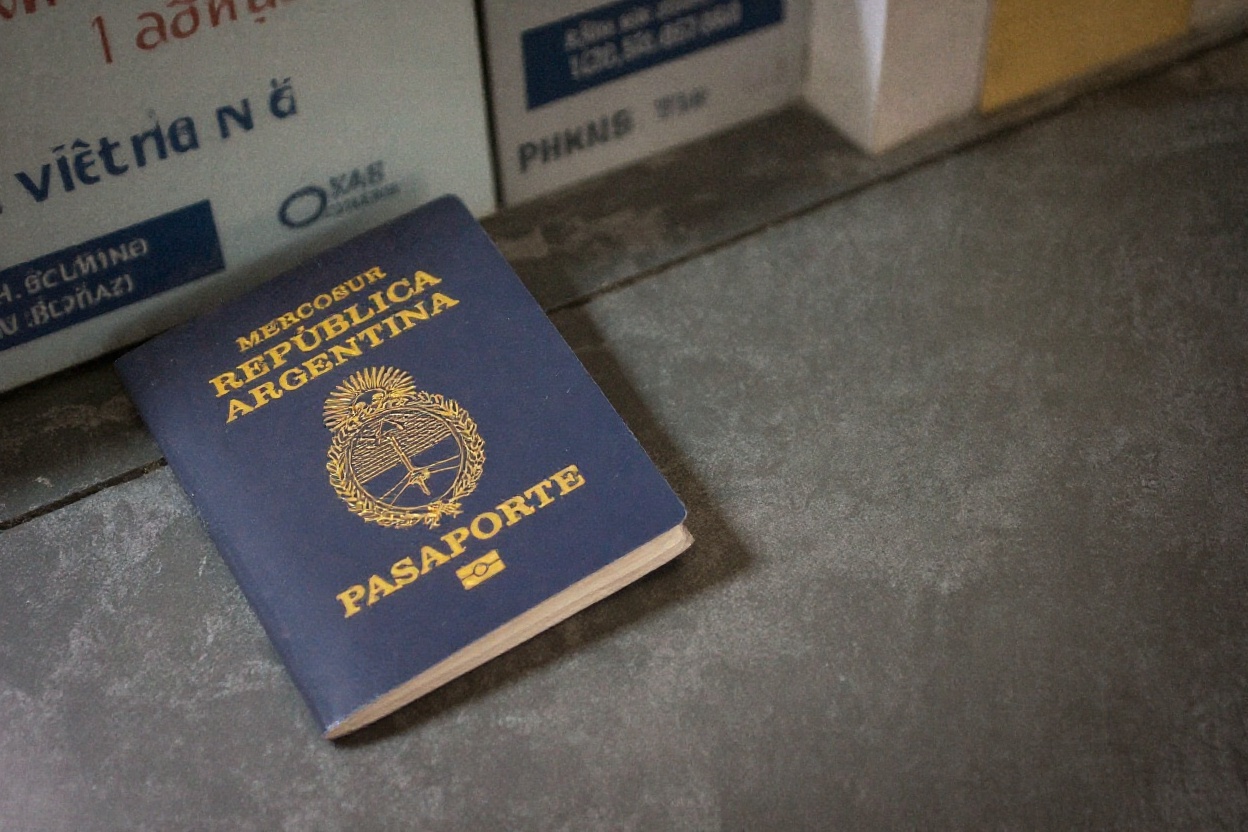
The single most common error travelers make at Vietnam land crossings: arriving with a “visa on arrival” confirmation that only works at airports. Vietnam visa on arrival (the approval letter system) is specifically for entry at international airports — not land borders.
What works at land borders:
Vietnam e-visa: The correct tool for most travelers. Apply online at evisa.immigration.gov.vn, $25 USD, processed in 3 business days, valid 90 days single or multiple entry, works at all major land border checkpoints. Print it out — don’t rely on a screenshot. Immigration officers at land crossings may be less familiar with digital-only presentation than airport officers.
Pre-arranged embassy visa: A visa sticker in your passport from a Vietnamese embassy or consulate in your home country or any country where Vietnam has a consular presence. Works everywhere, no restriction.
Visa-exempt nationalities: Citizens of ASEAN countries, Japan, South Korea, Russia, the UK, Germany, France, Italy, Spain, Finland, Sweden, Norway, Denmark, and several others enter visa-free for 30–90 days depending on nationality and bilateral agreement. Check the current list on Vietnam Immigration’s official site — agreements change, and the list has expanded significantly since 2023.
The Actual Border Process: Step by Step
This is what nobody explains clearly and why land crossings stress people out more than they should.
Step 1 — Exit Vietnam (Vietnamese immigration): Line up, present passport + Vietnam e-visa (or visa sticker), complete departure card if provided (many crossings have moved to digital — follow instructions from officers), exit stamp applied. Your Vietnam entry is now complete. Keep the departure stamp in mind — it’s referenced if you re-enter.
Step 2 — No-man’s land: The stretch between the Vietnamese and foreign immigration buildings. On foot at most crossings — usually 50–500m. Tuk-tuks or golf carts operate at busier crossings (Moc Bai) for a small fee. You can be approached by “helpers” offering assistance here — the services are not needed and the fees are informal. Keep walking.
Step 3 — Enter Cambodia/Laos/China (foreign immigration): Present passport + visa for the destination country (pre-arranged or visa on arrival where available), complete arrival card, entry stamp applied. Customs declaration may be required — standard form, standard questions. Anything over $5,000 USD in cash or commercial quantities of goods needs declaring.
Step 4 — Onward transport: For Cambodia (Moc Bai), transport waits on the Cambodian side at Bavet — taxis, minibuses, and the connection to your through-bus if you had one. For Laos (Lao Bao), local transport into Savannakhet from Densavan, or your pre-booked onward bus. Research this before crossing — not all crossings have reliable onward transport.
Common Scams at Border Crossings
Land crossings are where border scams concentrate in Southeast Asia. The Vietnamese side is generally clean — the scams happen in the intermediate zone and on the foreign side.
The “helper” passport hold: Unofficial agents near the crossing offer to help process your paperwork faster. They ask to hold your passport to “take it to the window.” Once they have it, you either pay whatever they ask or the passport disappears into a bureaucratic holding pattern until you do. Never hand your passport to anyone who isn’t behind an official immigration booth.
Unofficial Cambodia visa fees: The Cambodia visa at Moc Bai is $30 USD official fee. Officers may request a “processing fee,” “overtime fee” (even during business hours), or “photo fee.” Travelers who push back politely — “I don’t have extra cash, I only have exactly $30” — usually succeed in paying the official price. Travelers who look unsure often pay extra.
The wrong bus: At major crossings (especially Moc Bai), unofficial transport operators will tell you the bus you booked “doesn’t exist” or “is full” and sell you onto their vehicle at inflated prices. Hold your booking confirmation, know the departure point your operator specified, and confirm with other travelers waiting for the same bus before changing anything.
⚠Real Talk
Jake’s border crossing rule: arrive knowing the name of your destination, the official visa fee in cash, and which window is the official immigration booth. Three things. People who walk into border crossings without this information are significantly more vulnerable to every one of the scams above.
Motorbike Border Crossings: Special Considerations
Crossing a land border on a rented Vietnamese motorbike is not allowed — rental bikes cannot be taken out of Vietnam. The bike’s registration documents are Vietnamese, the rental agreement restricts the bike to Vietnam, and border officials will turn you away.
If you’re doing the classic north-to-south motorbike route entirely within Vietnam, this isn’t relevant — you stay within the country. For riders wanting to continue into Laos or Cambodia, options are: sell the bike before the border and rent again on the other side, or organize a dedicated cross-border motorbike through a specialist operator who handles the temporary vehicle import paperwork (this exists, it’s expensive, and the logistics take advance planning).
For full details on motorbike logistics including buy-and-sell options, see our Vietnam motorbike rental guide.
Transport to the Border: Getting There Without a Tour
Most guides assume you’re buying a through-bus ticket, which is the easiest option but not the cheapest or most flexible. Here’s how to reach the main crossings independently.
Saigon to Moc Bai (Vietnam–Cambodia)
Public option: Xe khách (coach bus) from Ben Thanh bus station or Mien Tay bus station in Saigon to the town of Moc Bai, 70km northwest. Buses depart roughly every hour, cost around 80,000–120,000 VND (~$3–5), take 2–2.5 hours. From Moc Bai town, xe ôm (motorbike taxi) or shared taxi to the actual border gate (a few km further) for 30,000–50,000 VND (~$1–2). Cross on foot, then grab a taxi or minibus on the Cambodian side to Bavet for the Phnom Penh connection.
Through-bus option: Giant Ibis, Mekong Express, and Phnom Penh Sorya all run direct Saigon → Phnom Penh buses that handle the crossing as part of the route. Cost $12–18 USD, picks up from the backpacker area (De Tham / Pham Ngu Lao street), takes 6–7 hours total. Cleanest option for most travelers.
Hue or Da Nang to Lao Bao (Vietnam–Laos)
Direct buses run from Hue’s An Hoa bus station and Da Nang’s Inter-city bus station to Savannakhet (Laos) via Lao Bao. Hue → Savannakhet takes approximately 8–9 hours. Cost: 250,000–350,000 VND (~$9–13). Book through your guesthouse or at the bus station the day before — seats on this route fill on weekends. There’s also a Hanoi → Savannakhet/Vientiane sleeper bus that passes through Lao Bao, taking about 20–22 hours from Hanoi total.
Hanoi to Huu Nghi (Vietnam–China)
Regular trains from Hanoi’s Gia Lam station to Nanning (China) cross at Huu Nghi/Dong Dang. The train schedule is limited — typically 2–3 per week. Check schedules on Vietnam Railways (dsvn.vn) and book in advance. The Hanoi → Nanning train takes approximately 10–12 hours. Alternatively, buses from Hanoi’s Luong Yen bus station to Lang Son take 2.5–3 hours; from Lang Son, take local transport to the Huu Nghi crossing (15km). This is the cheaper but more complicated DIY route.
Border Crossing Hours
This is practically important and consistently unclear in online sources because hours genuinely vary by crossing and are occasionally changed with minimal notice.
General pattern for major crossings (Moc Bai, Lao Bao, Huu Nghi): Open 7am–10pm daily. Some crossings extend to midnight during peak seasons (Vietnamese and Cambodian New Year, major public holidays). Some crossings close for a lunch break 12pm–1pm at the processing windows — you can cross the international line but the visa-on-arrival window may be unstaffed.
Minor crossings (Tay Trang, Bo Y, Nam Can): More restricted hours — typically 8am–5pm or 7am–6pm. Verify in advance through recent traveler reports (the Lonely Planet Thorn Tree forum and travel Facebook groups like “Vietnam Travelers” have recent firsthand updates). Do not rely on outdated blog posts — hours change.
The overnight bus timing issue: Some Hanoi–Vientiane and Saigon–Phnom Penh overnight buses are scheduled to arrive at the border crossing before it opens. This results in the bus (and everyone on it) waiting in a parking area for 30 minutes to 2 hours at 6am. It’s fine, it’s normal, and bringing snacks for the waiting period is worthwhile. Pack a headlamp if you’re on one of these buses — the parking area is not always lit.
What to Pack for a Border Crossing
The physical items that matter at land crossings:
Passport: Check expiry at least 6 months from entry date — Vietnam immigration will turn back travelers with less than 6 months validity. Cambodia requires 6 months too. Some officers at minor crossings check more strictly than others.
Passport photos: One physical photo, 4×6cm, white background. Needed for Cambodia and Laos visa on arrival. If you don’t have one, on-site photo printing is available at Moc Bai and Lao Bao for 20,000–40,000 VND (~$0.75–1.50). Not available at all minor crossings.
Cash in USD: Cambodia and Laos visa fees are collected in USD. The Cambodian fee is $30, Lao fee is $30–42 depending on nationality. Exact change in USD is cleanest — requesting change in riel at Moc Bai or kip at Lao Bao works but hands the officer more leverage for “rounding.” ATMs do not exist at most land crossings — bring cash from your previous city.
Printed e-visa or visa copy: Your Vietnam e-visa (if leaving and re-entering Vietnam) or your destination country visa. A digital screenshot on your phone works at most crossings in practice but some officers ask for a physical printout. Keeping one printed copy costs you nothing and prevents the scenario of a dead phone battery at the worst moment.
Jake’s Confession
2022, Moc Bai. I handed my passport to a “helper” at the crossing — didn’t hand it to him exactly, but I let him guide me to a side window with it in his hand. I panicked for about 30 seconds until I realized the window was just an express lane for groups he was ferrying through, and my passport came back stamped correctly. I got lucky. The outcome for other travelers in the same situation is not always as clean. Two minutes of confusion saved me exactly zero time and cost me the rest of the day in unnecessary stress. The rule since then: if someone at a border asks to hold my passport and they’re not behind an official booth, the answer is no. Complete sentence, said politely, not negotiable.
For budget planning across the full trip, including how much to set aside for visas and border fees, the Vietnam budget guide has the full breakdown. For visa specifics, see the dedicated Vietnam e-visa guide.
Frequently Asked Questions
Can I get a Vietnam visa at a land border crossing?
No. Vietnam does not issue visas at land border crossings. You need either a Vietnam e-visa (applied online before arrival, $25, takes 3 business days) or a visa sticker from a Vietnamese embassy. Visa on arrival — the approval letter system — only functions at international airports. Plan ahead: missing this detail means being turned away at the crossing.
How long does a land border crossing take?
On a typical weekday: 45–90 minutes total for exit + transit + entry. On weekends, public holidays, or major travel days (Vietnamese and Cambodian/Lao New Year, Tet): 3–5 hours is not unusual. Moc Bai handles significant commercial truck traffic — if a truck inspection creates a backup on either side, tourist processing slows with it. Cross on a Tuesday morning if you have flexibility.
Can I bring a motorbike from Vietnam into Laos or Cambodia?
Not on a rental bike. Your own registered bike (with Vietnamese blue registration papers in your name — technically difficult for foreigners) can cross with a temporary vehicle import permit arranged in advance. In practice, most motorbike travelers sell before the border and rebuy on the other side. Specialist operators in Hanoi and Saigon run organized motorbike cross-border trips with paperwork pre-arranged — search specifically for “Vietnam to Laos motorbike crossing” operators.
What’s the best border crossing from Vietnam to Cambodia?
Moc Bai – Bavet for most travelers. It’s the most serviced, has direct bus connections from Saigon to Phnom Penh and Siem Reap, Cambodia visa is available on arrival, and the process is the most predictable. The only reason to use a different crossing is if you’re already in Tay Ninh province or have a specific itinerary that puts another crossing on route.
Do I need to declare currency at Vietnam border crossings?
Vietnam requires declaration of cash over $5,000 USD equivalent on entry and exit. Undeclared amounts above this limit can be confiscated. For most travelers this is irrelevant — but if you’re carrying significant cash for business purposes or travel funds, declare it on the entry form. The process is straightforward with declaration; the problem only arises when large amounts are found undeclared.
FAQ
What are the main land border crossings into Vietnam?
The most-used land crossings from Laos: Nam Phao/Cau Treo (central), Dansavanh/Lao Bao (near Hue), and Tay Trang/Na Meo (north). From Cambodia: Moc Bai (to Saigon), Ha Tien (to Phu Quoc area). From China: Dong Dang/Huu Nghi Quan (to Hanoi). Conditions and wait times vary significantly.
Can I get a Vietnam e-visa at a land border crossing?
Yes — since 2023, Vietnam’s e-visa is valid for all border crossings including land borders. Apply at evisa.xuatnhapcanh.gov.vn before you travel. Processing takes 3 business days and costs $25. Do NOT apply through third-party agencies charging $60–80.
How long does it take to cross the Vietnamese border?
Varies enormously. Moc Bai (Cambodia-Vietnam) can take 30 minutes on a quiet morning or 3+ hours on a busy day. The Lao Bao crossing is generally faster. Moc Bai sees the most cross-border truck traffic and has been known for hour-long waits at peak times (Sunday afternoons, before Vietnamese holidays).
Is it safe to cross Vietnam’s land borders?
Yes, all major crossings are staffed and straightforward for travelers with valid documentation. The only recurring issue is touts around the crossing who offer to ‘help’ with paperwork for a fee — your documents are processed by official immigration staff and no intermediary is needed or useful.
Do I need a specific bus to cross the border, or can I walk?
At most crossings, you can walk through the Vietnamese and transit zone on foot. The exception is crossings where the two border posts are kilometers apart — Moc Bai is walkable (the two checkpoints are close). Some crossings require a bus between the two sides. Check the specific crossing before arriving.