Updated: May 2026 | By Jake Morrison
Saigon hits different. That’s the only honest way to start this.
You land at Tan Son Nhat, the air hits you like stepping into a greenhouse that someone left a truck idling inside — hot, heavy, thick with diesel and sweetness. Then the motorbikes start. Eight million of them. The city sounds like a permanent swarm, and it never fully stops.
I came here from Hanoi in my second year in Vietnam and spent three days feeling disoriented before it clicked. HCMC is not a city you appreciate on the tourist circuit — it rewards you when you stop trying to check things off a list and start moving through it like someone who actually lives here.
This guide is built around that shift. The must-sees are here (the War Remnants Museum is genuinely unmissable), but so is the honest version of what they’re actually like — crowds, costs, and the things worth skipping.
First: What Kind of City Is Saigon?
One Reddit user put it well: “HCMC has mixed reviews because it has subpar tourist destinations. The best way to experience HCMC is to try to get a taste of local/expat life — seeking out the best food, shopping, amenities, and experiences the same way a local or expat would.”
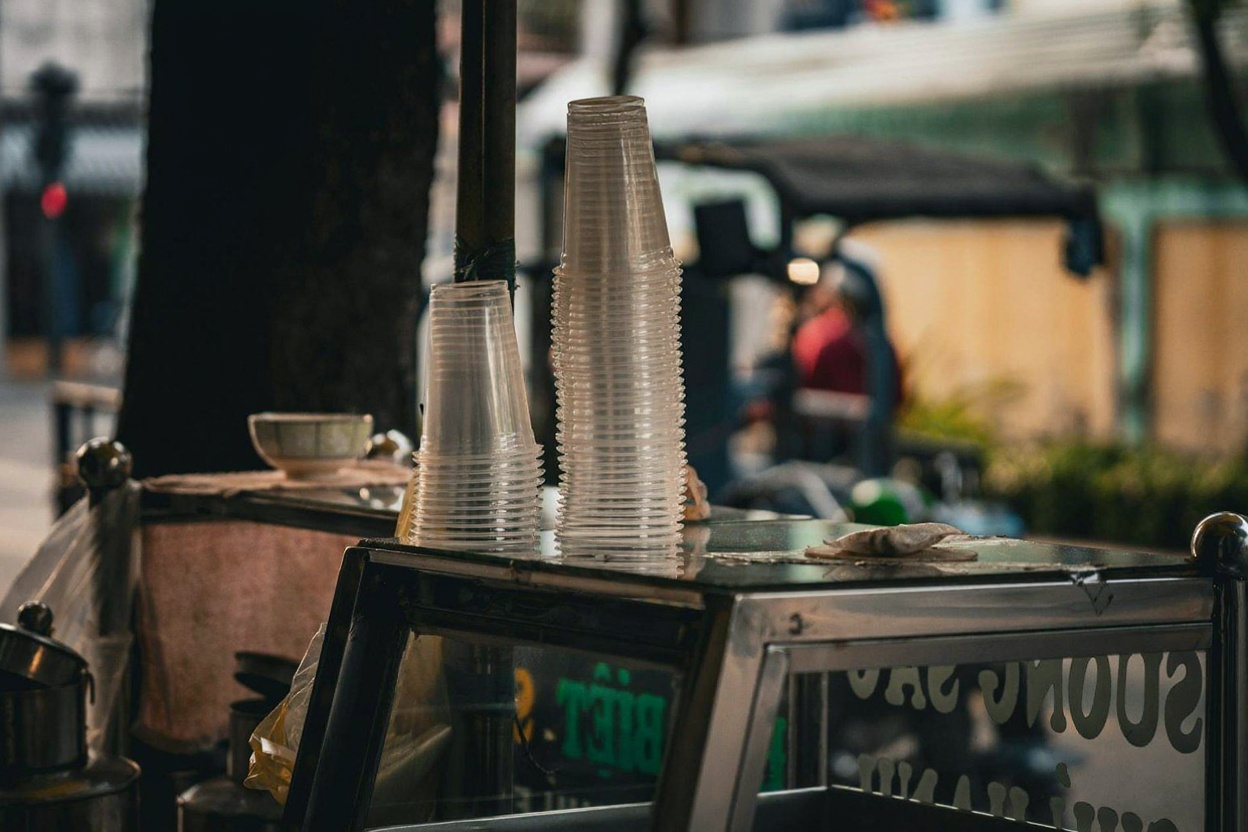
That’s not entirely fair — the War Remnants Museum is one of the most powerful museums in Southeast Asia — but the point stands. HCMC’s best stuff isn’t behind an admission gate.
The city has 19 urban districts. You’ll mostly operate in Districts 1 (tourist core), 3 (French colonial, Reunification Palace), 4 (local food, close to D1), and 6 (Cholon — Chinatown). The rest are sprawl.
ℹKnow Before You Go
HCMC and Saigon are the same city. Locals mostly call it Saigon; the official name is Ho Chi Minh City. Both are correct. Using “Saigon” doesn’t make you politically insensitive — it’s what people here say.
1. War Remnants Museum — The Mandatory One
This is the most important museum in southern Vietnam and one of the most confronting in Southeast Asia. The exhibits cover the American War (what the Vietnamese call the Vietnam War) through Vietnamese eyes — napalm, Agent Orange, the Tiger Cages, photojournalism that changed how the world covered that conflict.
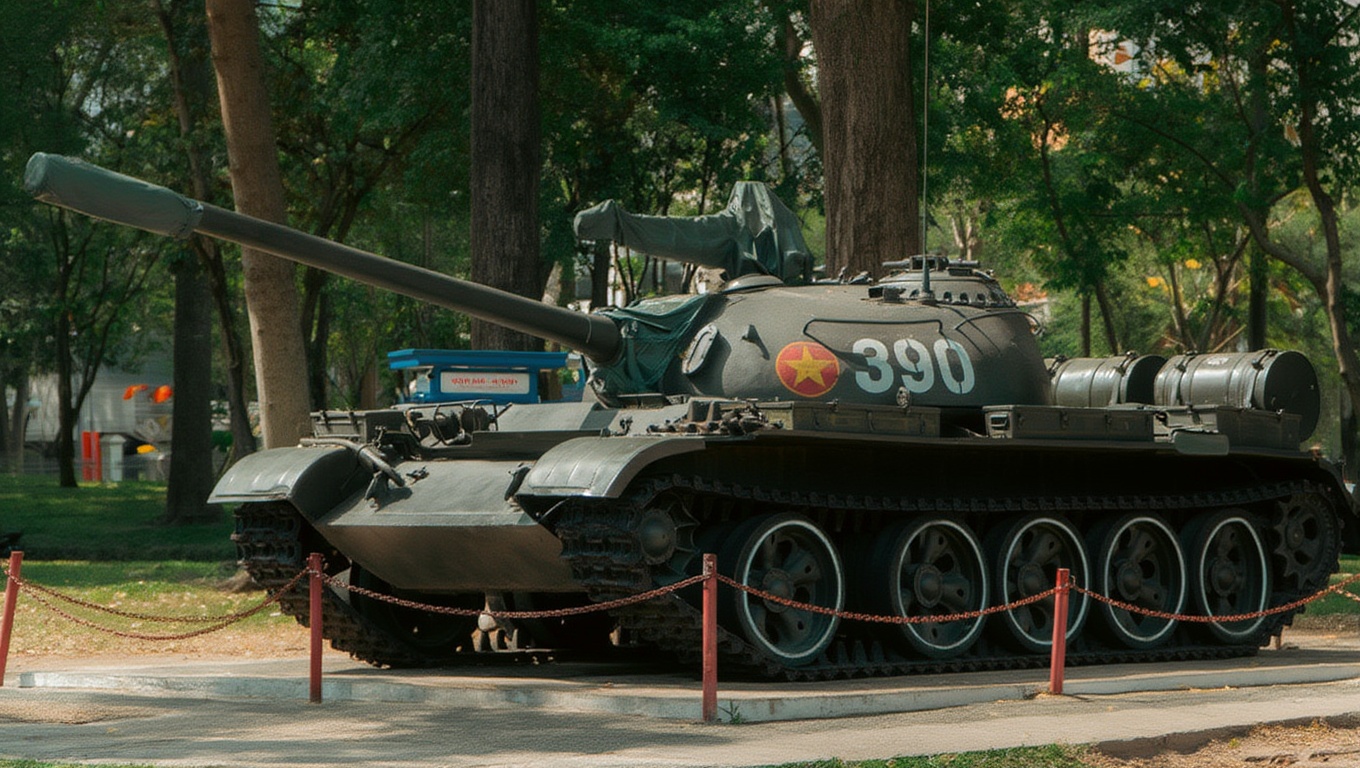
The museum is at 10.7797° N, 106.6926° E in District 3, at 28 Võ Văn Tần. Entrance: 40,000 VND (~$1.55). Hours: 7:30am–12pm, 1:30–5pm, closed Mondays.
Allow two hours minimum. The Agent Orange floor is the heaviest — I’ve seen solo travelers come out visibly shaken and sit on the steps for fifteen minutes. Don’t rush it.
⚠Real Talk
The framing is entirely from the Vietnamese perspective — which is fair, but go in knowing that. This isn’t a “both sides” museum. It’s a record of what happened to the people who lived here, told by those people. That’s worth understanding before you buy the ticket, not after.
Go early — before 9am — before the tour groups arrive. By 10:30am the Tiger Cages floor is shoulder-to-shoulder. The outdoor aircraft and tank exhibits are fine at any time.
→Who It’s For
Anyone with a genuine interest in modern history. Skip it if you’re only in Saigon for 24 hours and just want food and market vibes — it will dominate your mood for the afternoon.
2. Reunification Palace — More Than You Expect
This is the former South Vietnamese presidential palace, where the war ended on April 30, 1975, when a North Vietnamese tank crashed through the front gate. The building has been preserved exactly as it was left — war room, communication bunkers, receiving rooms with 1970s furniture still in place.
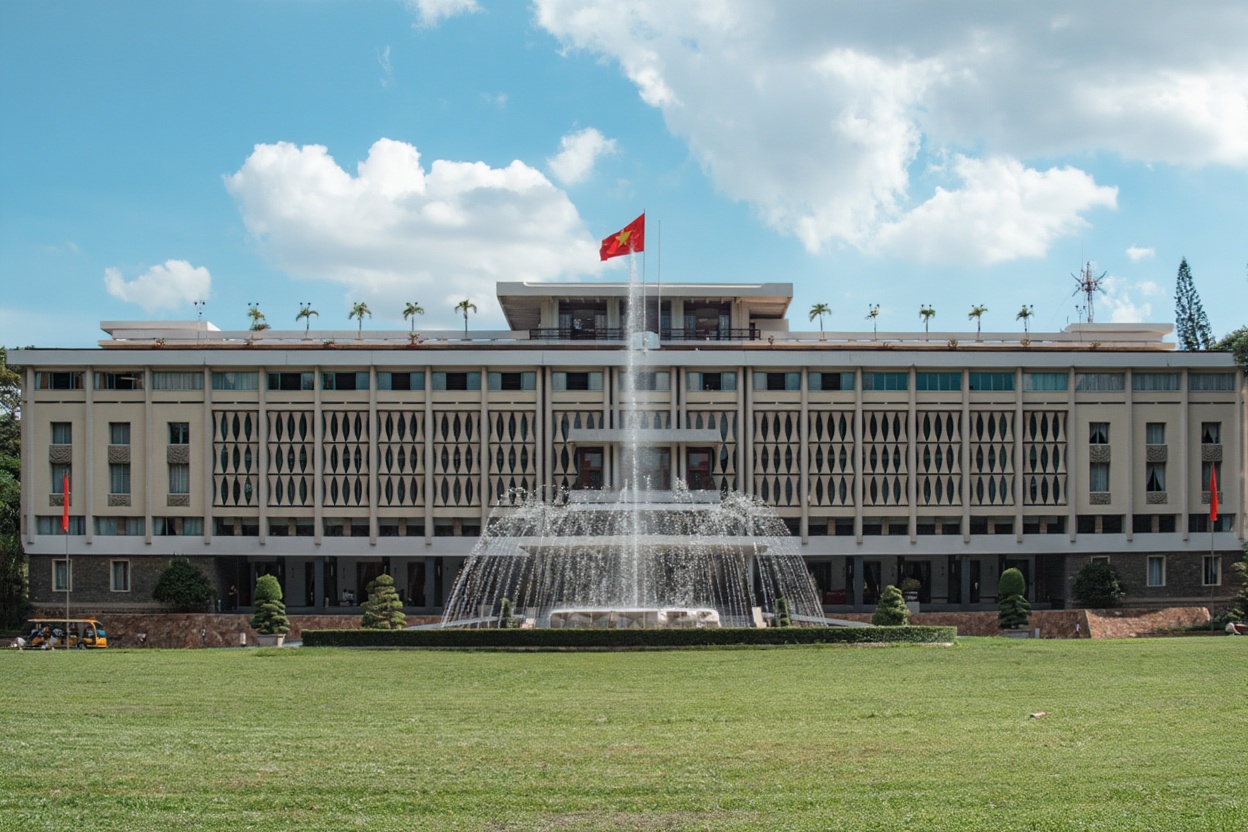
Address: 135 Nam Kỳ Khởi Nghĩa, District 1, 10.7769° N, 106.6956° E. Entrance: 40,000 VND (~$1.55). Hours: 7:30am–11am, 1pm–4pm daily.
The basement war room is the best part — communication equipment, maps still pinned to the walls, the bunker network that connected this building to the rest of the military command structure. It’s time-capsule architecture.
↗Insider Tip
Combine this with the War Remnants Museum in one morning — they’re a 10-minute Grab Bike ride apart (~20,000 VND, ~$0.75). Do Reunification Palace first (opens earlier, closes at 11am for lunch), then walk to the museum for the 1:30pm reopening. Budget the full morning.
3. Walking District 1 — The Proper Route
Most people walk Nguyen Hue (the main pedestrian boulevard) and Ben Thanh Market and call it done. That’s the worst version of District 1.
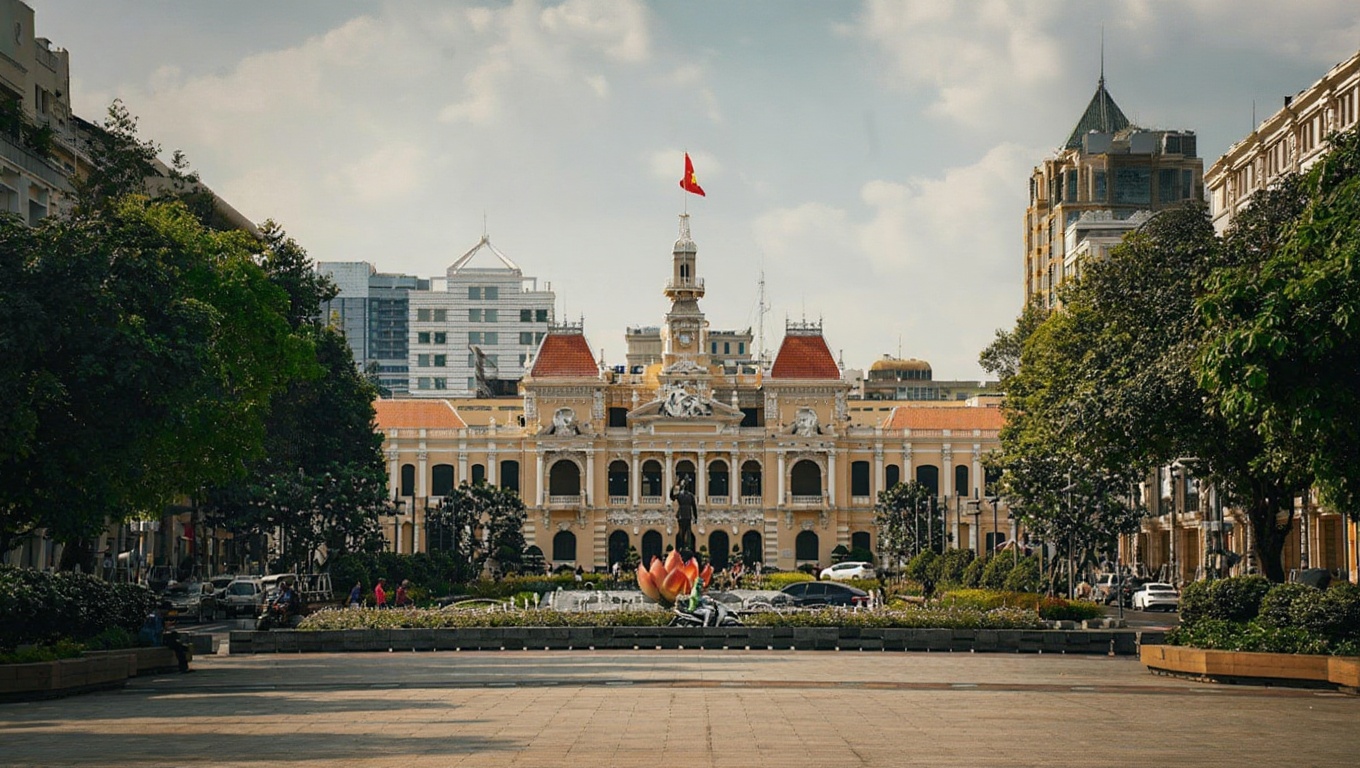
The better version: start at the Saigon Central Post Office on Công Xã Paris (next to Notre-Dame Cathedral, currently under renovation). The post office was designed by Gustave Eiffel and is still operational — you can post a letter from 1880s-era colonial grandeur. Free to enter. Open 7am–7pm.
Then walk down Đồng Khởi toward the river. This is the old French rue Catinat — the shopping street of the colonial period. The architecture is intact above the storefronts. Look up, not at the windows.
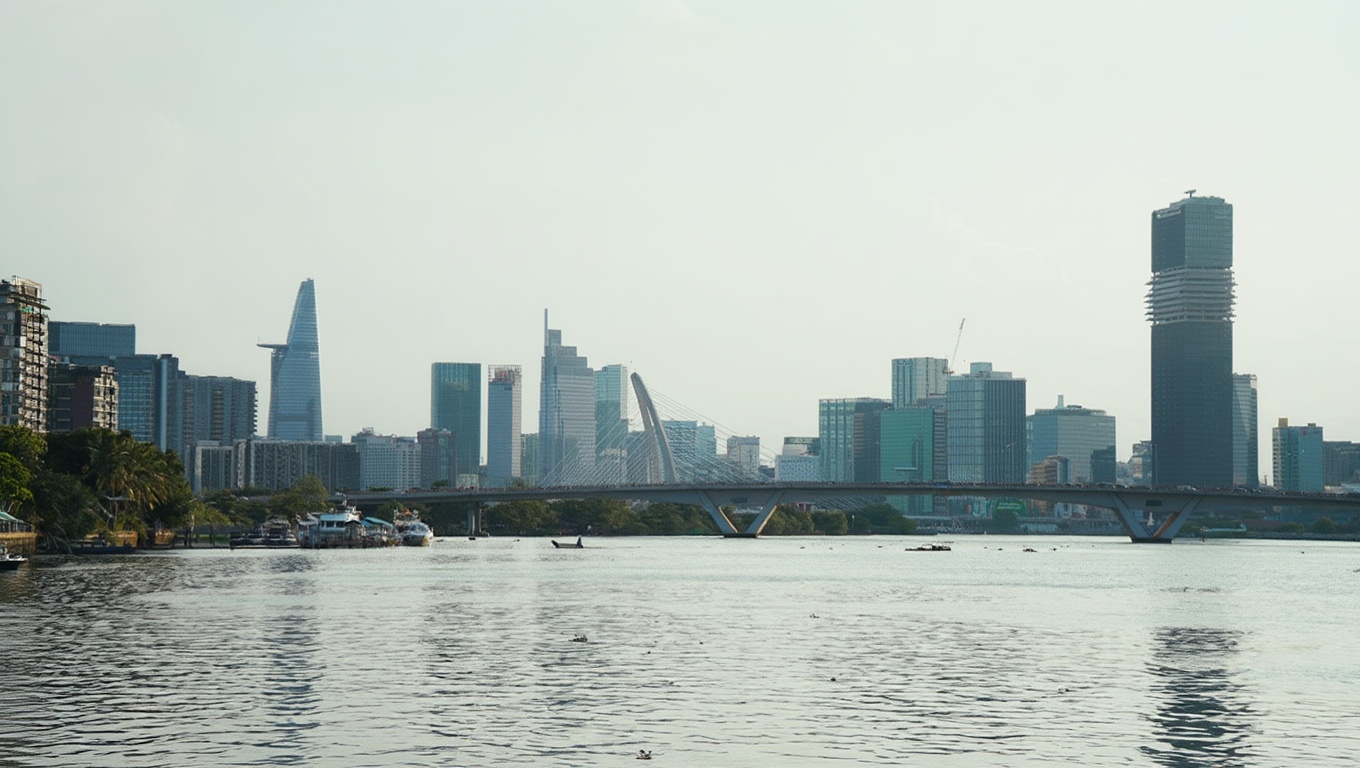
End at the Saigon River waterfront (Tôn Đức Thắng street). Sit on a bench. Watch the river traffic. The skyline is across the water in Thủ Thiêm — one of the most dramatic views in the city, and it costs nothing.
→Who It’s For
Architecture and colonial history travelers. For everyone else, this walk still works — it’s a good 90-minute orientation circuit.
4. Ben Thanh Market — Go for the Energy, Not the Shopping
Ben Thanh Market (Chợ Bến Thành, say: joh ben tan) is the most photographed landmark in Saigon. It’s also the most overpriced market in the city by a significant margin.
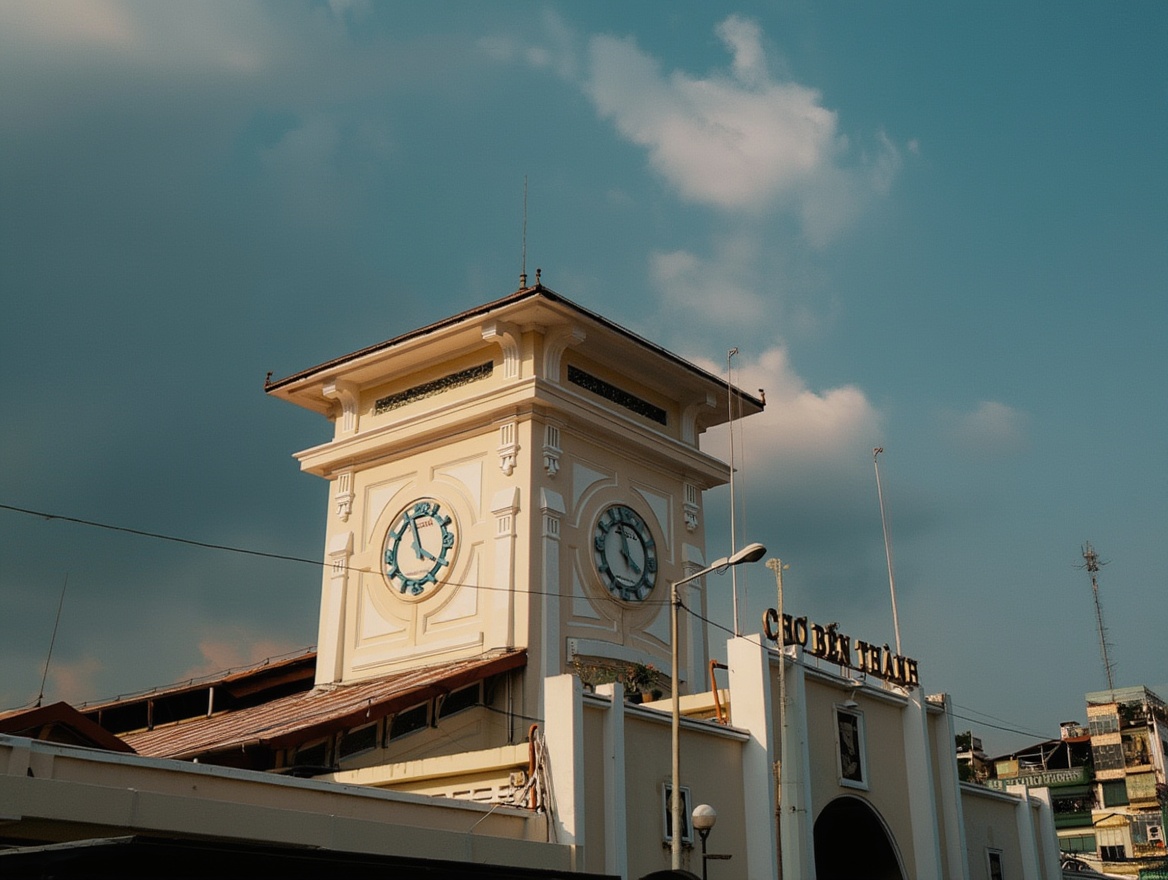
The produce section in the back — fresh herbs, fish, dried goods — is worth the walk-through. The handicraft vendors surrounding the building’s entrance are not, unless you enjoy negotiating 300% markup on lacquerware.
If you want a real market: Bình Tây Market (Cho Lớn) in District 6 is the wholesale market for the Chinatown district and has almost no tourists. It’s a 20-minute Grab Bike from D1. Or Dan Sinh Market on Yersin Street in District 1 — a flea market with military surplus, old tools, antiques, and general chaos. Nobody’s trying to upsell you here.
⚠Real Talk
Ben Thanh’s surrounding street food stalls (the “night market” zone from 6pm) have decent bánh tráng nướng (say: ban trang nuhng) and bún bò Huế (say: boon baw hway) — grilled rice paper and spicy beef noodles. The market itself is optional. For a full guide to what’s worth your evening — including Ho Thi Ky in District 10, which is far better for food — see the Saigon night markets guide.
5. The Café Apartment Building — A Saigon Classic
At 42 Nguyen Hue, there’s a 9-story apartment building that’s been converted floor-by-floor into a warren of independent cafés, boutiques, and vintage shops. It’s touristy now — everyone knows about it — but it’s still genuinely interesting to walk.
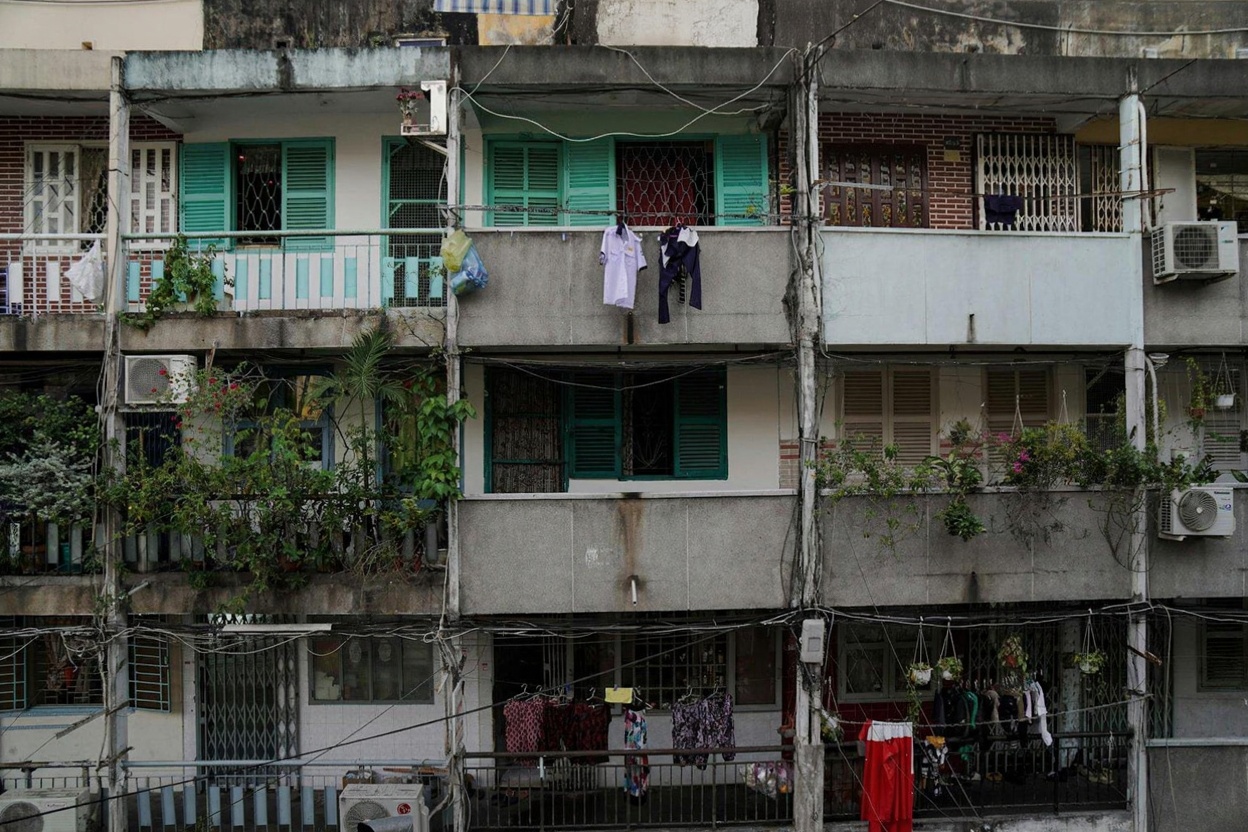
The best cafés are on floors 5–7 for the river view. A Vietnamese iced coffee (cà phê sữa đá, say: ca fay sua da) runs 45,000–65,000 VND (~$1.70–$2.45) here. Open daily 8am–10pm. Free to enter the building.
It’s worth one visit. Don’t base your whole afternoon around it.
6. Book Street — Nguyễn Văn Bình
Nguyễn Văn Bình (say: ngwee-en van bin) is a short pedestrianized street in District 1 lined entirely with bookshops — floor-to-ceiling shelves, both Vietnamese and English titles, old maps, vintage postcards, and coffee spots tucked between the stalls.
It’s near the Central Post Office (10.7793° N, 106.6975° E). Stalls open from 8am, peak activity on weekend mornings. Most English books run 50,000–150,000 VND (~$1.90–$5.70). The vintage map sellers have some remarkable colonial-era finds if you’re patient.
★Jake’s Pick
The map and postcard sellers at the far end of Book Street. I spent an hour here once and left with a hand-drawn 1960s Saigon street map for 120,000 VND (~$4.55) that’s framed in my apartment. Nobody is trying to hustle you. It’s genuinely pleasant.
7. Districts 4 and 6 — Where You Actually Eat
District 4 is directly across the canal from District 1 — a 10-minute walk from Ben Thanh — and it’s where Saigon’s serious street food lives. Hẻm (say: hem) culture: tiny alleys packed with plastic stools, grills, and the kind of places that’ve been cooking the same thing for thirty years.
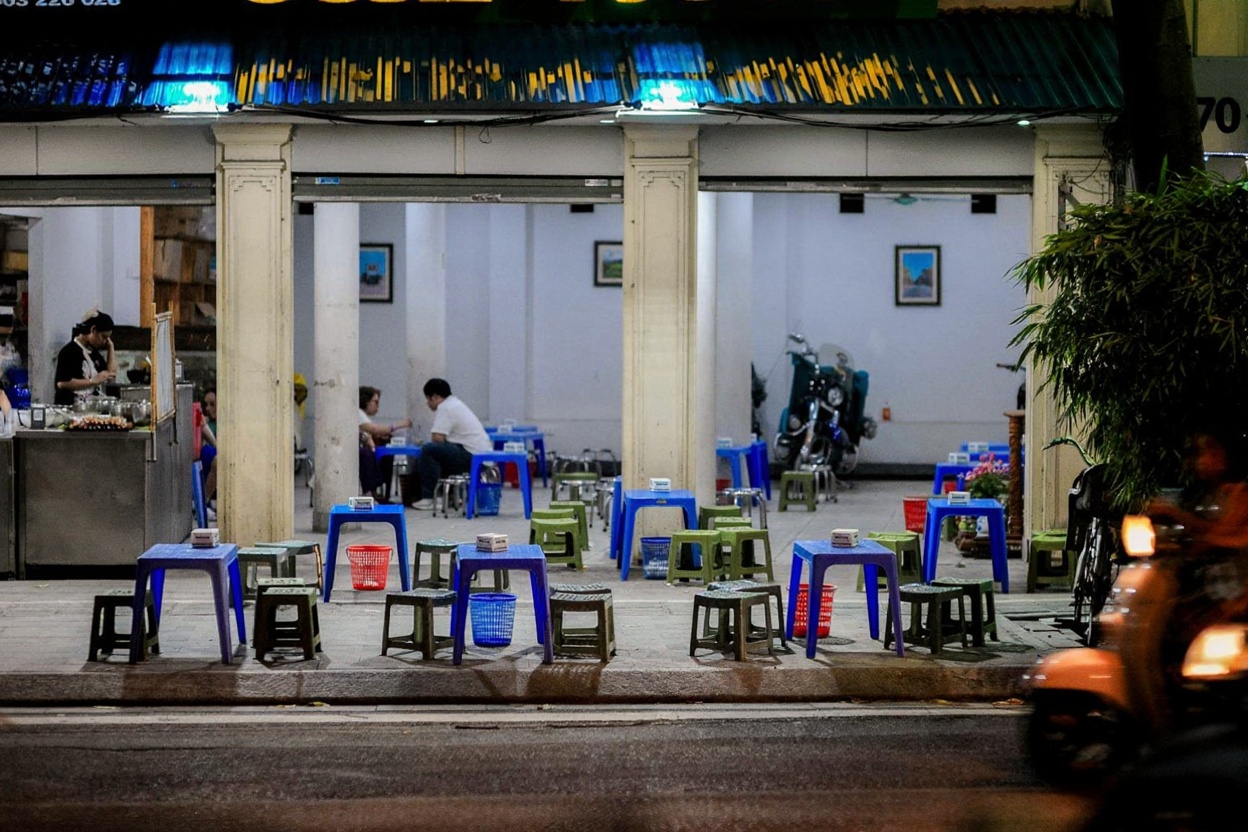
Go to Hẻm 76 Tôn Thất Đạm in D4 for late-night cháo lòng (say: chow long) — pork congee with offal, eaten at 11pm by cab drivers and people who’ve just come off shift. It costs 50,000–70,000 VND (~$1.90–$2.65) a bowl and is the best thing to eat at midnight in this city.
District 6 (Cholon) is the original Chinatown — Bình Tây Market, Cha Tam Church, dried goods shops that export to half of Asia. The food is different from the Vietnamese standard: more Chinese-Vietnamese fusion, stronger flavors, more offal, better dim sum. Hire a Grab Bike driver who knows the area, or join a food tour from D1 (~250,000–400,000 VND per person, ~$9.50–$15).
↗Insider Tip
Egg coffee (cà phê trứng, say: ca fay trung) is a Hanoi thing — but Saigon has its own version. Little Hanoi Egg Coffee on Hàm Nghi Street (near the waterfront) does it properly for 45,000 VND (~$1.70). It tastes like a dessert that happens to have caffeine. Try it once.
8. Banh Mi at Huynh Hoa — The Best in the City
Huynh Hoa Bánh Mì at 26 Lê Thị Riêng, District 1 (10.7708° N, 106.6959° E) is not a secret, but it earns its reputation every day with a queue out the door.
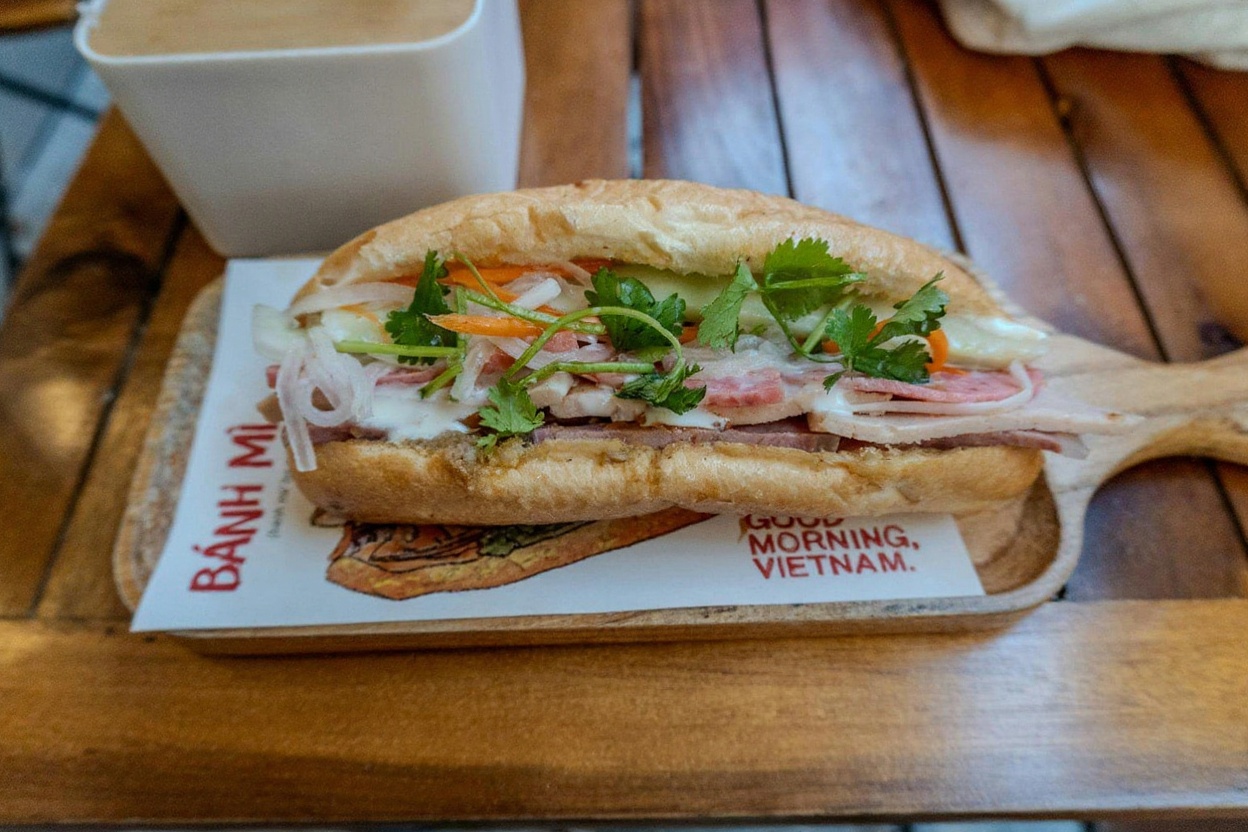
The bread is baked fresh several times a day and it’s thicker than the Hoi An version — more structural, holds more filling. The classic is the “special” (đặc biệt, say: dak biet) with pâté, three types of cold cuts, pickled vegetables, coriander, and chili sauce: 45,000–55,000 VND (~$1.70–$2.10).
Open from 2pm until sold out (usually 7–9pm). Don’t go at opening time unless you like queueing for 20 minutes. The 5–6pm window is when the queue is shortest relative to freshness.
9. À Ố Show at the Opera House
The Saigon Opera House (Nhà Hát Thành Phố, say: nya hat tan fo) at 7 Công Trường Lam Sơn is one of the best-preserved French colonial buildings in the city — built 1897, seating 800, still hosting performances weekly.
The À Ố Show is the one worth attending: Vietnamese acrobatic circus using bamboo poles as the entire set — no props beyond bamboo and bodies. The show runs ~75 minutes and tells a story of rural-to-city migration in modern Vietnam through movement. It’s the most coherent piece of contemporary Vietnamese performance art available to a tourist with no Vietnamese.
Tickets via Klook or direct: 870,000–1,550,000 VND (~$33–$59) depending on tier. Shows several times weekly — check the schedule. It sells out on weekends, book 2–3 days ahead. For a deeper dive into Saigon’s food culture and best hẻm spots, see our saigon food guide.
→Who It’s For
Anyone who wants more than museums and food. The À Ố Show is genuinely world-class performance. Skip if you’re not into contemporary circus/dance — it’s art, not entertainment.
10. HCMC Museum of Fine Arts
The Bảo Tàng Mỹ Thuật (say: bow tang mee twut) at 97A Phó Đức Chính Street in District 1 is housed in a 1929 French-Chinese building and has three floors of Vietnamese art from the pre-colonial era through reunification to contemporary. Entrance: 30,000 VND (~$1.15).
This is genuinely underrated. The lacquerware and Đông Hồ (say: dong hoe) folk print collection on the second floor shows Vietnamese visual culture in a way no temple or market does. Allow 90 minutes.
Most visitors walk past this for Ben Thanh Market. That’s their loss.
11. Cu Chi Tunnels — Honest Take
The Cu Chi tunnels are 75km northwest of central Saigon — a 90-minute drive each way — and they’re on every itinerary, so let’s be honest about them.
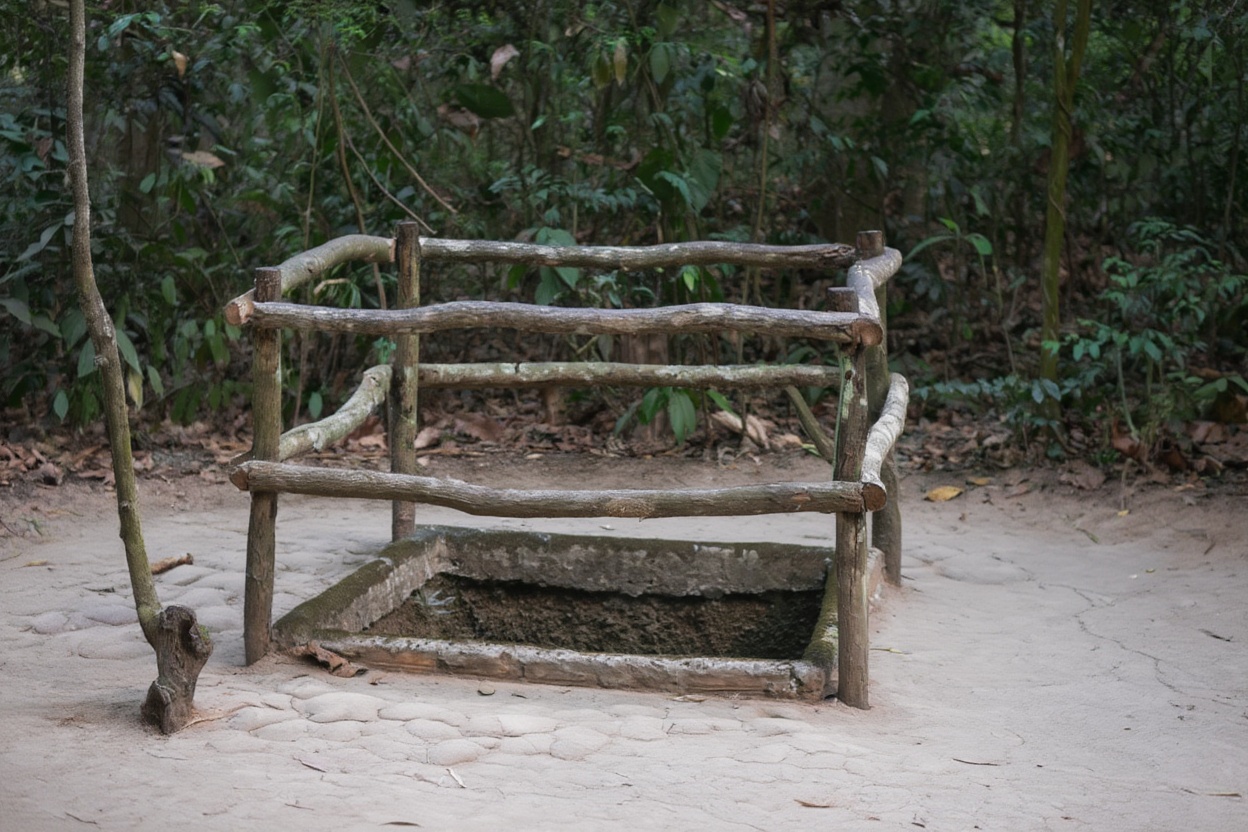
The standard package involves: a cramped tour bus, a brief propaganda film, a walk through one tunnel segment that’s been widened for tourists, a demonstration of booby traps, and an invitation to fire an AK-47 at a shooting range (~60,000 VND per bullet). That last part is optional, widely criticized, and not something I’d recommend.
The actual history — 250km of tunnels dug by hand during the American War, an underground city that housed field hospitals, kitchens, and command posts — is genuinely remarkable. The problem is the tour format doesn’t do it justice.
If you’re going: book Ben Dinh site over Ben Duoc — smaller, more atmospheric, less touristic. Half-day tours from D1 run 300,000–450,000 VND (~$11.40–$17) including transport and entrance. Full day adds a Mekong Delta stop.
⚠Real Talk
One r/VietNam regular was blunt: “I always like the day trip to the delta. Experience some culture and food.” The tunnels are the history lesson; the Mekong is the cultural one. If you have to choose one day trip from Saigon, the Mekong wins.
I made the mistake of booking the standard gun-range package on my first visit — paid 500,000 VND for a trip that spent more time at a shooting range than underground. Go with a smaller operator, skip the shooting, focus on the tunnels themselves.
12. Bui Vien Street — One Beer, Then Leave
Bui Vien (say: bwee vee-en) in District 1 is the backpacker street. Neon lights, beer towers for 100,000–150,000 VND (~$3.80–$5.70), bars playing remixed EDM, touts with menus, and the kind of atmosphere that’s simultaneously overwhelming and exactly what it promises.
It’s worth seeing once — the energy at 10pm on a Saturday is legitimately wild, in the same way Times Square is worth seeing once. Stay for one beer, take the photo, leave before midnight.
Pham Viet Chanh Street in Binh Thanh District is the more interesting version — a street of proper bars and restaurants with a local-expat mix, significantly cheaper, and no one’s trying to pull you inside. Ten minutes by Grab from D1.
13. Jade Emperor Pagoda — A Real Temple Visit
Most Saigon temple visits are disappointing — tourist crowds, incense smoke without context, no one explaining what you’re seeing. The Phước Hải Tự (Jade Emperor Pagoda) at 73 Mai Thị Lựu, District 1 is different.
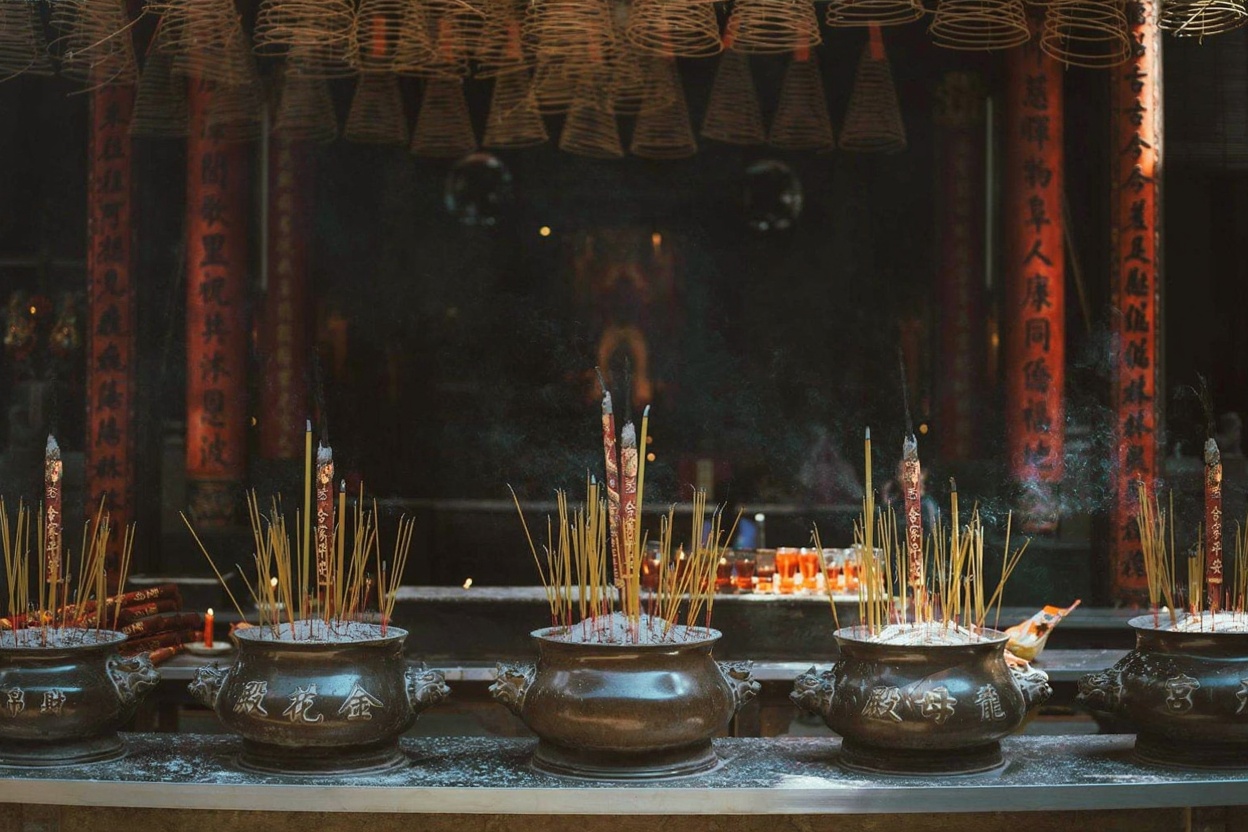
Built in 1909 by the Cantonese community, it’s dedicated to the Jade Emperor of Taoist mythology and is still an active place of worship. The interior is extraordinary — dark wood carvings floor to ceiling, incense coils burning overhead, and a turtle pond in the courtyard that locals believe brings good luck (add 1,000–2,000 VND, ~$0.04–$0.08, to the bowl for a turtle feeding packet).
Free to enter. Come early morning (7–9am) when worshippers outnumber tourists. Remove shoes before the inner sanctum. Don’t photograph actively praying people.
14. Day Trip: Mekong Delta
This is the one genuinely essential day trip from Saigon. The Mekong Delta — where the Mekong River fans out into nine tributaries before reaching the sea — is a completely different Vietnam from anything you’ve seen in the north or center: flat, green, waterborne, ancient.
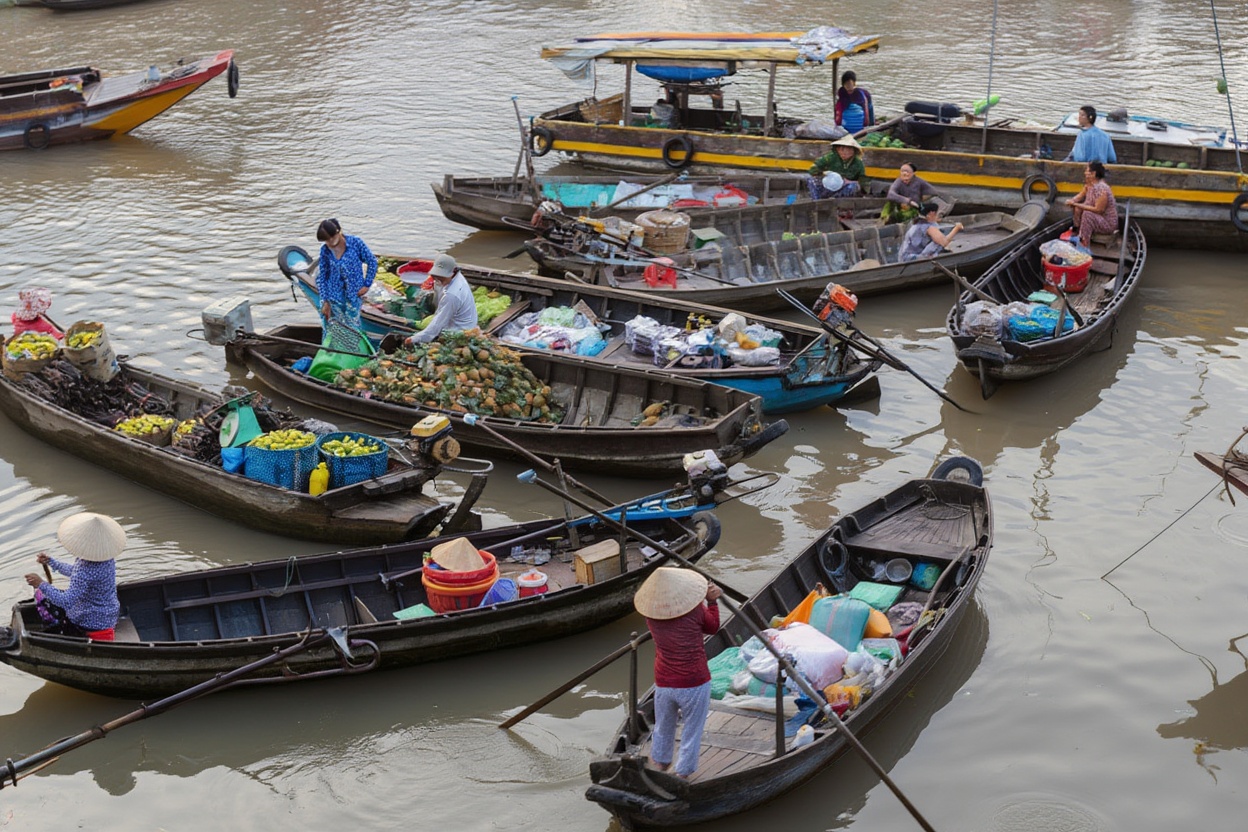
The most accessible entry point is My Tho (90 minutes from D1) or Ben Tre (coconut country, 2 hours). Full-day tours from Saigon: 350,000–600,000 VND per person (~$13.30–$22.80), including boat rides and lunch.
Klook has the widest selection for Vietnam and is usually the cheapest. KKday is strong on day trips and local experiences.
detail.
↗Insider Tip
Skip the standard “coconut candy factory + folk music + boat ride” combo tour. It’s designed for 4-hour groups and feels like a conveyor belt. Find a small-group tour (max 8 people) that goes deeper into the Ben Tre canal system or focuses on a specific village. The extra 150,000–200,000 VND is worth it.
15. Secret Weapon Bunker — For the Serious History Crowd
Almost no tourists know about this one. 287/70 Nguyễn Đình Chiểu in District 3 is a secret wartime bunker containing 2 tons of weapons confiscated after 1975. It was the private weapons cache of a South Vietnamese military family — AK-47s, rocket launchers, ammunition stockpiles, hidden in the basement of what appeared to be an ordinary city house.
It’s a museum now, small and low-key, run by the district government. No big signs outside. Entrance is free or very low cost (often 10,000–20,000 VND, ~$0.40–$0.75). Hours vary — call ahead or just show up between 8–11am.
This is the kind of place a local Saigonese would take you to. Most tour guides don’t know it exists.
16. Getting Around Saigon
Grab is the only sensible option for most movement. Grab Bike (motorcycle taxi): 15,000–35,000 VND (~$0.60–$1.35) for most D1–D3 trips. Grab Car: 50,000–120,000 VND (~$1.90–$4.55) for the same distance.
For arrivals from the airport, the Saigon airport to city guide covers every option in detail — Grab, bus, and when a taxi is actually fine. For arrivals from the airport, the Saigon airport to city guide covers every option in detail — Grab, bus, and when a taxi is actually fine. Do not take unmetered taxis. The Vinasun and Mai Linh metered fleets are legitimate, but at any major tourist site — Tan Son Nhat airport, Ben Thanh, War Remnants Museum — there are fake Vinasun/Mai Linh cars with rigged meters. Grab solves this entirely.
12Go covers most Vietnam routes — sleeper buses, trains, and island ferries. Compare schedules and book in advance during peak season (Dec–Feb, Jun–Aug).
Walking works for the D1 core — War Remnants Museum to Reunification Palace to Ben Thanh is a 20-minute walk. For D4, D6, or anywhere north of Điện Biên Phủ, use Grab.
What I Got Wrong My First Time in Saigon
I arrived at Tan Son Nhat at 7am on a Tuesday, checked into a guesthouse on Bui Vien (first mistake), and by 9am I was on a tour bus to Cu Chi Tunnels because it was the only thing pre-booked on my itinerary.
Four hours later I was standing in a shooting range paying 360,000 VND (~$13.70) to fire a burst from an M16 while a guide narrated the history of American military tactics. I felt deeply strange about it. The tunnel segment itself took about 25 minutes. The bus ride back was 90 minutes.
I lost a full day to a mediocre experience because I booked the first tour package I saw on Bui Vien. The better version — Ben Dinh site, small group, no shooting range — costs the same. I should have spent that first day in Districts 1 and 3, found my bearings, and done Cu Chi on day two with a real guide.
Saigon rewards slowness. It’s not a city you sprint through.
Practical Notes
How Many Days Do You Need?
Two days is the absolute minimum for the museums + food + wandering. Three days gets you a proper day trip. Four days lets you go deeper into the districts and catch the À Ố Show.
HCMC is a much longer city than most people give it — expats here for a week still haven’t scratched districts 7, 8, and Bình Thạnh. Don’t rush it.
Best Time to Visit
HCMC has two seasons: dry (December–April) and wet (May–November). The wet season doesn’t mean constant rain — it means heavy afternoon downpours for 30–45 minutes, then dry again. Morning sightseeing is never affected. Carry a 30,000 VND (~$1.15) plastic poncho (sold everywhere) and you’re fine.
December–March is the best window: cool dry mornings (25–30°C), low humidity, low chance of afternoon storms. April is the hottest month — 35°C+, brutal on the street. For more on timing, see our Vietnam best time to visit guide.
Currency and ATMs
Draw cash. HCMC is cash-dominant outside of international hotels and mall restaurants. Vietcombank and Techcombank ATMs have the best rates and lowest fees. Avoid the standalone ATMs at Ben Thanh Market — they charge 85,000–100,000 VND (~$3.20–$3.80) per withdrawal plus your bank’s international fee.
Two things worth sorting before you land: a Vietnam eSIM so you have data the moment you clear customs, and travel insurance — medical costs for uninsured foreigners in Vietnam are significant.
Airalo eSIMs activate instantly. Buy before departure — airport SIM queues in Vietnam can take 30+ minutes.
Frequently Asked Questions
How many days in Ho Chi Minh City is enough?
For the core highlights — War Remnants Museum, Reunification Palace, street food, markets, one day trip — three days is the right number. Two days is workable if you’re efficient. One day is not enough to do it justice.
Is Saigon or Hanoi better for a first-time visitor?
They’re very different cities. Saigon is warmer, faster, more commercial, better for food diversity and nightlife. Hanoi is more layered historically, slower-paced, better for day trips to the north. Most first-time Vietnam itineraries include both. If you have to pick one: Saigon is easier to navigate as a solo traveler; Hanoi rewards more time. See our Vietnam itinerary guide for how to structure both.
Is Ho Chi Minh City safe for tourists?
HCMC is safe for standard travel. The primary risk is motorbike bag snatching — keep bags on the side away from traffic (left shoulder when walking on a right-hand traffic road). Bui Vien at 2am is a pickpocket environment. Beyond that, violent crime against tourists is rare. The main problems are taxi scams (use Grab) and overpriced tourist tours (book through reputable operators).
What’s the best area to stay in Ho Chi Minh City?
District 1 puts you within walking distance of the main sites and the best transport links. Avoid Bui Vien itself unless you want the backpacker vibe — the surrounding streets (Đề Thám, Phạm Ngũ Lão) are fine. District 3 is quieter and more local-feeling, good for mid-range and above. District 4 is the best value for food proximity.
Do I need to book the War Remnants Museum in advance?
No advance booking required — just show up and pay at the gate. Go before 9am to avoid tour group crowds. Monday is the only closing day. For the full breakdown on where to eat, stay, and what to skip, our Saigon travel guide covers both cities in detail.
FAQ
What are the top things to do in Ho Chi Minh City?
War Remnants Museum (allow 2 hours). Reunification Palace (1.5 hours). Ben Thanh Market and surrounding street food (morning). Cu Chi Tunnels day trip (half day, 75km from city). Mekong Delta overnight trip. Notre Dame Cathedral exterior. Cholon district exploration (Binh Tay Market, Cha Tam Church). Saigon River evening cruise.
Is Ho Chi Minh City good for a first-time Vietnam visitor?
Yes — it’s the best introduction to Vietnam’s southern energy, food culture, and history. The city is more international and English-friendly than Hanoi. The French colonial architecture, American War history, and street food scene give you a concentrated dose of Vietnamese history and culture in a walkable area. Start with Saigon or end with it — both work well on the classic Vietnam itinerary.
How do you get around Ho Chi Minh City?
Grab is the default — cheap, reliable, fixed price, and you can hail from anywhere. The Metro Line 1 (Ben Thanh to Binh Duong) opened in late 2024 and covers the main District 1 corridor. Walking works for District 1 exploration between major sites. Renting a motorbike is possible but city traffic is heavy — best left to experienced riders.
What is the best day trip from Ho Chi Minh City?
Cu Chi Tunnels (75km northwest, half day) — the most popular and most historically significant. Mekong Delta (Can Tho, 170km, requires overnight). Nui Ba Den mountain (Tay Ninh province, 90km northwest). Vung Tau beach (120km east, coastal day trip). Most travelers choose Cu Chi for the historical context and the Mekong for the landscape.
How safe is Ho Chi Minh City at night?
Generally safe for walking in the main tourist areas (District 1, around Bui Vien, Ben Thanh area). The main risk after dark is bag snatching by motorbike in District 1 — keep bags on the wall-side of your body when walking along the road. Avoid displaying phones while walking on busy streets. The backpacker area around Bui Vien is lively until 2–3 AM and well-populated.