Updated: May 2026
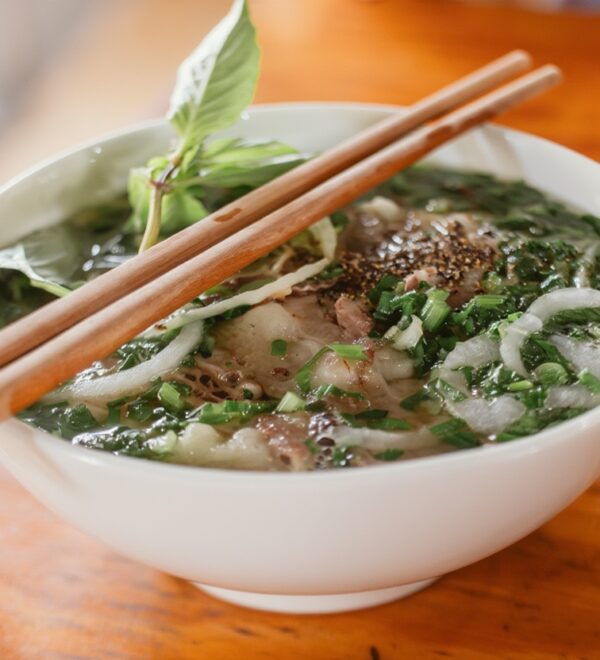
The short version: tip your tour guide generously. At everything else, tip if you want to, don’t if you don’t. Nobody at the bánh mì cart expects it and nobody at the pho stall will be offended if you take your change.
Why Vietnam Doesn’t Have a Tipping Culture
Understanding the “why” makes the rules easier to remember.
Vietnam’s food and service economy is built on prices that reflect actual value — the cost of ingredients plus the vendor’s labor and reasonable profit — rather than the American model where restaurants set artificially low prices with the expectation that customers will supplement wages through tips. At a street pho stall, the owner charges what covers costs and earns a living. The transaction is complete at payment.
The tipping expectation in the US developed partly because of the tax treatment of tipped workers and partly as a historical artifact of post-Prohibition restaurant economics — it’s a culturally specific norm, not a universal one. In Vietnam, where the restaurant industry developed under different economic conditions, this norm never took hold. Workers at local restaurants earn a wage. The food is priced accordingly.
This matters because some well-meaning travelers over-tip at local spots with the belief that they’re helping. The economics don’t quite work that way. What you’re actually doing is creating a pricing signal — if foreigners reliably tip, local vendors may adjust prices upward for foreign-looking customers, which is the mechanism behind the two-tier pricing that makes some markets frustrating to navigate. The best support for local food businesses is to pay the stated price, come back, and bring other travelers.
Tourism has changed this partially. Areas with high concentrations of foreign visitors — Hoi An, HCMC’s backpacker area, Hanoi’s Old Quarter — have service businesses that now operate with semi-Western expectations. The closer you are to tourist infrastructure, the more tipping expectations shift toward a Western model. The further you go from tourist zones, the more the original no-tipping culture applies.
Street Food and Local Restaurants: No Tipping Expected
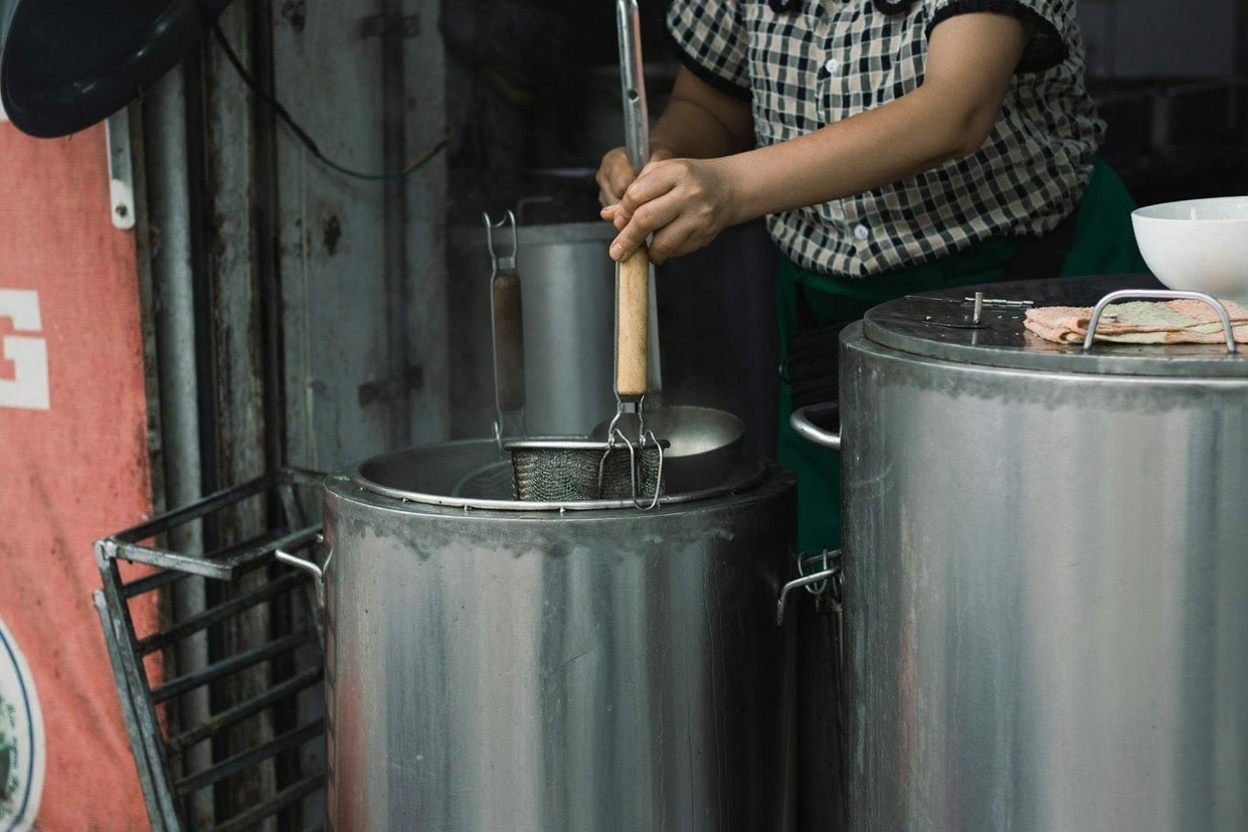
The majority of food in Vietnam — the plastic-stool places, the market stalls, the pho carts, the bánh mì stands, the com binh dan (set-plate lunch) joints — operates on simple fixed prices. You order, you eat, you pay what’s on the menu or what you negotiated at the start. Tipping is not part of this transaction and has no cultural precedent here.
This isn’t rudeness. Vietnamese food culture doesn’t have the structure that makes tipping sensible. At a street stall, the person serving you is often the owner. They set the price to cover their costs and make their living. Leaving extra money creates a slightly awkward interaction rather than the warm acknowledgment it does in the US or Europe. Most vendors just look confused.
There’s also a practical obstacle: Vietnamese dong doesn’t work in small change the way US dollars do. The smallest note in circulation is 1,000 VND (~$0.04). The most common denominations are 20,000, 50,000, 100,000, 200,000, and 500,000 VND. If your pho costs 45,000 VND and you hand over 50,000, there’s no natural “keep the change” moment — the vendor will either give you 5,000 VND back or you’ll both pretend it didn’t happen. Both outcomes are fine. Neither is a tip in any meaningful sense.
At slightly more formal local restaurants — the kind with menus and chairs rather than stools and a chalkboard — the same rule applies. Pay what’s on the bill, pocket your change, leave.
Tourist Restaurants and Western-Style Dining
The calculus changes in tourist-facing dining. Restaurants in Hoi An’s Ancient Town, HCMC’s District 1, Hanoi’s Old Quarter, and rooftop bars everywhere now frequently add a 10% service charge to bills. This is the tip. It’s already included. Check your bill before adding more — many travelers tip on top of a service charge because the charge was printed in a small line at the bottom they didn’t notice.
If there’s no service charge and you’re at a restaurant clearly oriented toward foreign visitors — staff speak English, menus have photos, the price points are higher than local equivalents — a tip of 10–15% is appropriate if service was good. This is discretionary, not mandatory, but it’s recognized and appreciated.
Upscale restaurants (proper fine dining, rooftop venues, hotel restaurants) operate closer to Western norms. Service charges are standard, and an additional tip for exceptional service is understood. Staff at these establishments often have lower base wages with an expectation that tips will supplement them — more in line with the Western model.
The question worth asking before tipping at any sit-down restaurant: does the bill already include a service charge? If yes, the tip has been paid. If no, and service was good, 10% is a reasonable gesture.
Tour Guides and Drivers: Where Tipping Actually Matters
This is the one category in Vietnam where tipping has real cultural weight and where skipping it is genuinely noticed.
Tour guides and drivers in Vietnam earn a base wage that’s often low relative to the tour price. Tips are a meaningful portion of their income. More importantly, guiding culture in Vietnam has evolved to include tip expectations — good guides know when they’ve earned one and notice when travelers who clearly had a great day leave without acknowledging it.
Klook has the widest selection for Vietnam and is usually the cheapest. KKday is strong on day trips and local experiences.
img decoding=”async” src=”https://vietnamunlock.com/wp-content/uploads/2026/05/vietnam-tipping-s101-recreate.jpg” alt=”Tour guides on multi-day trips — this is where tipping matters most in Vietnam” loading=”lazy” width=”1200″ height=”675″ style=”width:100%;height:auto;”>
The generally understood ranges:
- Half-day city tour (3–4 hours): 50,000–100,000 VND ($2–4) per person
- Full-day tour: 100,000–200,000 VND ($4–8) per person
- Multi-day tour (Ha Giang loop, Ha Long Bay overnight, Mekong delta): 200,000–500,000 VND ($8–20) per person per day
- Private driver (full day): 100,000–200,000 VND ($4–8)
These are per-person figures for group tours. If you’ve booked a private tour, tip more generously — the guide gave you their full attention rather than splitting it across a group.
Ha Giang loop guides specifically: the loop is physically and mentally demanding (mountain roads, 3–4 days, often solo travelers), and a good guide makes or breaks the experience. The going rate for a tip on a 3-day loop is 300,000–600,000 VND ($12–24) depending on the guide’s effort and the relationship you built. Some travelers give more. This is money well spent.
When to tip: at the end of the tour, handed directly to the guide in cash. Not into a group fund, not through the company — directly to the person. If there was a separate driver and guide, tip them separately.
Hotels: What’s Expected and What’s Optional
Hotel tipping in Vietnam is stratified by property type.
Budget guesthouses and hostels (under $30/night): No tipping expected. Staff at these properties earn more consistent wages relative to the establishment’s scale. A warm thank-you is enough.
eeping: 50,000–100,000 VND per day.
Room service: check the bill. Most upscale properties add a service charge. If not, 10% is appropriate.
Massages and Spas
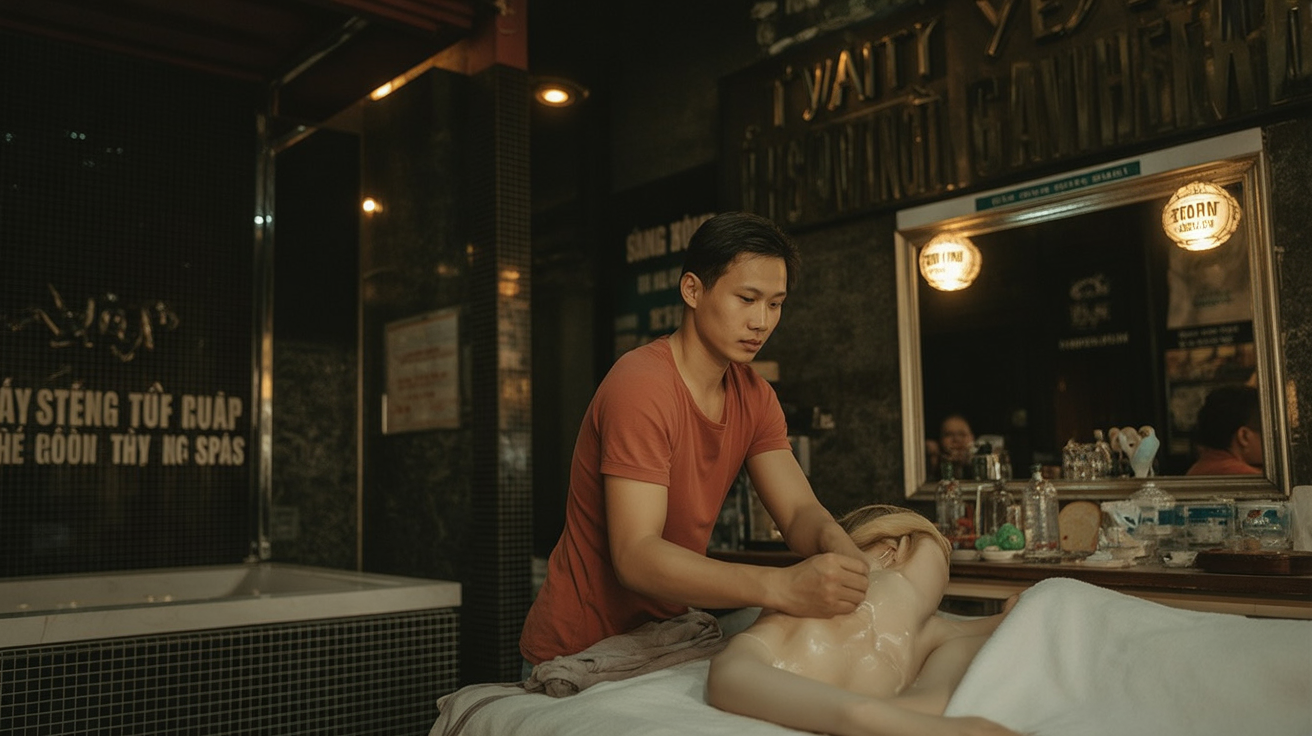
Vietnam has some of the cheapest high-quality massage in the world — a 60-minute massage at a reputable shop in any tourist city typically runs 150,000–300,000 VND ($6–12). The low prices are real, not a quality compromise, because labor costs are genuinely lower.
Tipping at massage and spa places is appreciated and increasingly expected in tourist areas. The amount doesn’t need to match Western percentages — the price is already a fraction of what you’d pay at home. Standard practice: 20,000–50,000 VND ($0.80–2) for a basic massage, 50,000–100,000 VND ($2–4) for a longer or more specialized treatment, given directly to your therapist (not left at the front desk where it may or may not reach them).
If the service was excellent — genuinely attentive, exactly what you needed — 100,000 VND is a generous and meaningful tip without being showy. It’s roughly $4 but represents several hours of labor-equivalent value to the therapist.
Taxis and Grab
Metered taxis: rounding up is fine, not expected. If the meter says 78,000 VND and you hand over 80,000 and wave off the change, that’s understood as a tip and appreciated. Nobody expects more.
Grab: no tipping mechanism is built into the standard Grab ride app in Vietnam. No tip required, none expected. Grab drivers are paid through the platform. If you had an exceptionally helpful driver — helped with luggage, waited extra time, navigated a complicated situation — you can hand them cash directly, but this is entirely discretionary.
Cyclo (rickshaw) and xe ôm (motorcycle taxi) drivers: negotiate price before you get in. The agreed price is the price. Tipping on top is optional. If the driver went beyond what you agreed — extra time, carrying luggage — add 20,000–30,000 VND on top of the negotiated price.
Other Services
Hairdressers and barbers: Not expected at local shops. At tourist-oriented salons with English-speaking staff and Western pricing, 10–20% is recognized. Men’s haircuts at local barbers run 40,000–80,000 VND — tipping isn’t expected. Women’s cuts at higher-end salons often run 200,000–500,000 VND — 10% is fine if service was exceptional.
Airport and hotel porters: 20,000–50,000 VND per bag is standard at international airports. At budget guesthouses, 10,000–20,000 is enough. If you have one backpack and carry it yourself, no tip is needed or expected.
Street performers and buskers: If you watch and enjoy, 10,000–20,000 VND is appropriate. You’re paying for entertainment you consumed. Traditional music performances in Hue or Hoi An that specifically invite audience participation and provide significant entertainment time — 20,000–50,000 VND is a fair exchange.
Cooking class instructors: Similar to tour guides — 50,000–100,000 VND ($2–4) per person for a half-day class is a recognized gesture. Cooking classes in Vietnam are often run by small family operations where the instructor designed the class, bought the ingredients, and taught the session personally. A direct tip to the instructor matters.
Boat operators (Hạ Long Bay, Tam Coc, Tràng An): Local boat rowers — especially the women who row with their feet on the Tam Coc route in Ninh Bình — depend on tips as part of their income. 20,000–50,000 VND per person for a 2-hour boat trip is standard. They earn very little from the official boat fee. On overnight cruise boats, tip the crew collectively at the end: 100,000–200,000 VND per cabin per night is reasonable.
| Service | Tip? | Amount |
|---|---|---|
| Street food / local pho shops | No | — |
| Local restaurants | No | — |
| Tourist restaurants (no service charge) | Optional | 10% if service was good |
| Upscale restaurants | Yes (often included) | Check bill first; 10% if not included |
| Half-day tour guide | Yes | 50,000–100,000 VND/person |
| Full-day tour guide | Yes | 100,000–200,000 VND/person |
| Multi-day tour guide | Yes | 200,000–500,000 VND/person/day |
| Budget guesthouse staff | No | — |
| Upscale hotel bellhop | Yes | 50,000–100,000 VND/bag |
| Hotel housekeeping | Optional | 20,000–50,000 VND/day |
| Massage (60 min) | Appreciated | 20,000–50,000 VND to therapist |
| Taxi / Grab | Optional | Round up; no expectation |
| Cooking class instructor | Appreciated | 50,000–100,000 VND/person |
How to Actually Tip in Vietnam
The mechanics matter. A few things that make tipping in Vietnam smoother:
Use cash, always. There’s no tipping line on a card terminal. Tips are always cash, always in Vietnamese dong. Keep small denominations — 20,000 and 50,000 notes — specifically for this.
Hand it directly to the person. At restaurants where a service charge isn’t included, leave cash on the table as you leave. At massages, hand the tip directly to your therapist as you’re putting on your shoes. At hotels, hand directly to the bellhop when they set down your bags. Don’t leave cash with the front desk and assume it reaches staff — it often doesn’t.
Envelope for multi-day tours. For a Ha Giang loop guide or a Ha Long Bay guide you’ve spent three days with, putting the tip in a small envelope feels more respectful than handing over a loose bill. Guesthouses often have envelopes at reception — or bring a few from home.
The moment matters. For tour guides, tip at the genuine end of the service — the last drop-off, the final handshake. Not mid-tour where it might feel like you’re expecting something extra in return.
What I Got Wrong
First trip to Vietnam, before I moved here. American muscle memory. Every restaurant meal, I left 15–20% like I was in Austin. Even at a bowl of bún bò Huế that cost 35,000 VND at a plastic-stool place on an alley I’d never find again on a map.
The woman running the place looked at the money I’d left on the table, looked at me, looked back at the money. She called over her daughter, who spoke some English, to figure out what was happening. They were trying to return the extra money, thinking I’d made a calculation error or given too large a denomination. It took thirty seconds of gesturing to explain that I meant to leave it. The whole interaction was more confusing and uncomfortable than generous.
Vietnam doesn’t need me to export American tipping culture. The price of the food already reflects what it’s worth in this economy. The over-tip at local spots doesn’t help anyone — it just creates a confusing interaction and, if it becomes common enough, starts to distort local price expectations. Save the tipping muscle memory for tour guides, where it belongs.
Two things worth sorting before you land: a Vietnam eSIM so you have data the moment you clear customs, and travel insurance — medical costs for uninsured foreigners in Vietnam are significant.
Airalo eSIMs activate instantly. Buy before departure — airport SIM queues in Vietnam can take 30+ minutes.
Frequently Asked Questions
Do you tip in Vietnam?
Vietnam has no traditional tipping culture at street food stalls or local restaurants — pay the listed price and that’s it. Tipping is expected and appreciated for tour guides and drivers, optional but welcome at tourist-facing restaurants without service charges, and appreciated (though not required) at massage and spa. The clearest rule: always tip your tour guide.
How much do you tip a tour guide in Vietnam?
Half-day tour: 50,000–100,000 VND ($2–4) per person. Full-day: 100,000–200,000 VND ($4–8) per person. Multi-day tours (Ha Giang loop, Ha Long overnight): 200,000–500,000 VND ($8–20) per person per day. If you had a private guide rather than a group tour, tip more generously. Tip in cash, directly to the guide, at the end of the tour.
Do you tip at restaurants in Vietnam?
At local Vietnamese restaurants and street food: no. At tourist restaurants without a service charge: 10% is appropriate if service was good. At upscale restaurants: check the bill for an included service charge (usually 10%) — if it’s already there, you’ve tipped; if not, 10% is reasonable.
Is tipping expected at Vietnamese massage places?
Not required, but appreciated. Give the tip directly to your therapist — not the front desk. 20,000–50,000 VND ($0.80–2) is standard for a 60-minute massage. For excellent or longer service, 100,000 VND ($4) is generous without being excessive.
Do you tip Grab drivers in Vietnam?
No tipping is built into the Grab app and none is expected. Grab drivers are paid through the platform. If a driver was exceptionally helpful, you can hand cash directly, but there’s no obligation and no awkwardness if you don’t.
What if I don’t have small denomination dong for tipping?
The practical solution is to break large notes at convenience stores or 7-Elevens early in your trip. Buy a bottle of water with a 100,000 VND note and pocket the change. ATMs in Vietnam dispense 100,000 and 200,000 notes almost exclusively — deliberately break them into smaller denominations soon after each withdrawal. Keep a separate pocket or small pouch specifically for 20,000 and 50,000 notes set aside for tips. Running out of small bills is the most common reason travelers fail to tip for genuinely good service.
Should I tip in US dollars or Vietnamese dong?
Vietnamese dong, always. USD is technically foreign currency and while many tourism-facing businesses handle it, tipping in USD puts the recipient in the position of either spending it at an unfavorable exchange rate or saving it up until they have enough to exchange. Dong is immediately usable. The exception: Ha Long Bay cruises with international-feeling pricing sometimes accept USD tips on overnight boats — ask the crew what they prefer if uncertain.
Is it rude to not tip in Vietnam?
At street food and local restaurants: no, it’s normal and expected to pay only the stated price. At tourist restaurants with no service charge where service was attentive: skipping a tip is noticed but won’t cause a scene. For tour guides who gave a genuinely good full-day or multi-day experience: leaving nothing feels cold, and guides will remember it — particularly in the tight-knit guide community of places like Ha Giang or Sapa where your review and reputation circulate.
The simplest framework: put your tipping instincts on hold for street food and local restaurants, activate them generously for tour guides, and let your judgment run at everything in between. Vietnam’s food economy functions fine without imported tipping habits. Its tour and hospitality workers benefit meaningfully from thoughtful ones.
For a full breakdown of daily costs in Vietnam, the Vietnam budget guide covers realistic spending across accommodation, food, transport, and activities. If you’re planning a Ha Giang loop where guide tipping matters most, the Ha Giang loop guide has full operator recommendations. For broader advice on navigating Vietnam as an independent traveler, the Vietnam travel tips guide covers etiquette, transport, and practical logistics.
FAQ
Is tipping expected in Vietnam?
Not culturally required — Vietnam doesn’t have a tipping tradition in the way that the US or Australia does. That said, tipping is increasingly common in tourist areas and genuinely appreciated. The rule is: tip when service is personal and good, don’t tip for standard transactions at shops or markets.
How much should you tip in Vietnamese restaurants?
There’s no standard percentage. Leaving 20,000–50,000 VND (roughly $1–2) for a meal at a local restaurant is a generous gesture. At mid-range restaurants, 5–10% is appropriate. High-end restaurants often include a service charge already — check the bill. Street food vendors are not tipped.
Should you tip in Vietnamese hotels?
Tipping housekeeping 20,000–50,000 VND/night ($1–2) is appreciated — this is a low-wage job where tips make a difference. Bellhops: 20,000–30,000 VND per bag if they carry your luggage. Concierge staff who provide genuinely useful local advice: tip at the end of your stay.
Should you tip tour guides and drivers in Vietnam?
Yes — this is the category where tipping is most expected and makes the biggest difference. Half-day tour guide: 50,000–100,000 VND. Full-day tour guide: 100,000–200,000 VND. Multi-day Ha Long Bay guide: 100,000–200,000 VND per person total. Private driver for day trips: 100,000–200,000 VND. Group minibus driver: 50,000–100,000 VND total from group.
Is it rude to not tip in Vietnam?
Not rude in the Vietnamese cultural sense — tipping isn’t an ingrained expectation. But as a foreign traveler, tipping for good service is a small cost to you and meaningful to the recipient. The exception is tour guides who work with international travelers — they’ve come to expect tips from foreign tourists as part of their income model.