Ba Be Lake gives you two days of activities if you work at it, and two days of genuine rest if you don’t. Both are valid. The national park has a short list of experiences that genuinely deliver — a boat tour, a cave full of bats, a waterfall, a Tay village, and some trails — and you’re not going to fill a week here. But what’s here is real, and the lake itself, with no cruise ships and no tourist strip, is the activity you didn’t know you came for.
Here’s what to do at Ba Be Lake, in order of what to prioritize if time is short.

1. Full-Day Boat Tour of the Lake
> **Quick Answer:** The standard full-day tour covers Puong Cave, An Ma Island (Widow Island), Dau Dang Waterfall, and a Tay village stop. About 5–6 hours on the water. 200,000–250,000 VND per person in a group. Book through your homestay the night before.
This is the core Ba Be activity, and it earns that status. The boat is a long wooden vessel with an outboard motor, operated by a Tay boatman from Pac Ngoi who knows every channel and cove on the lake. You don’t need a guide — the boatman takes the same route that covers everything worth seeing.
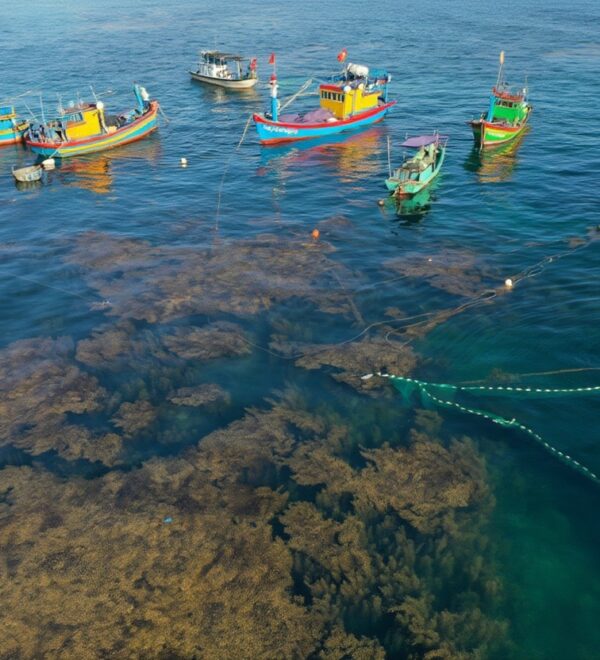
The lake system consists of three connected bodies of water — Pe Lam, Pe Lu, and Pe Leng — linked by channels and bordered by limestone karst forest. The boat tour takes you through the main lake, into the narrower channels where the forest closes overhead, across to the cave, and down to the waterfall approach. On a weekday morning, you’ll see fishermen setting nets, grey herons standing on flooded logs, and — if you’re lucky and the light is right — the misty limestone reflection that everyone’s photos are trying to capture.
Morning departure (6:30–7am) gives you the best light and the calmest water. Afternoon tours work but you lose the magic-hour quality and risk afternoon rain.
What to bring on the boat: Sunscreen (the lake reflects), a hat, a waterproof bag for your camera, water, and snacks. The tour doesn’t include food. Bring motion sickness tablets if you’re susceptible — the waterfall section can be choppy after rain.
2. Puong Cave at Dusk
> **Quick Answer:** A 300-meter limestone cave you enter by boat. The cave itself is decent. The reason to specifically go at dusk: half a million bats exit in a continuous stream that takes 10 minutes to clear. Unlike caves in other parts of Vietnam, you’re watching biology, not geology.
Puong Cave sits where a river passes through a limestone massif — you ride the boat in, pass through the cave, and ride out the other side. The passage is about 300 meters. Stalactites hang low enough that taller visitors need to duck. The boatman navigates with the motor off in sections, using a pole against the cave wall. It smells of bat guano and cold mineral water. The darkness is complete for about 30 seconds at the deepest point before light appears from the far entrance.

The bats: the colony numbers around 500,000 individuals of multiple species. At dusk — specifically in the 20–40 minutes after sundown — they exit the cave in a dense column that spirals upward. The sound arrives first: a high-frequency chattering that builds until it becomes white noise. Then the column appears from the cave entrance and doesn’t stop. Standing on the boat watching this happen is one of the stranger wildlife experiences available in northern Vietnam.
Puong Cave is included on the standard lake tour. Entrance is covered by the national park fee (80,000 VND). If you’re pressed for time, skip the cave interior during the day tour — it’s fine but not the point — and come back for the bat exit at dusk separately. The boatman can take you just to the cave entrance for the bat watch; it’s a shorter trip and costs less than the full day tour.
3. Dau Dang Waterfall
> **Quick Answer:** A 30-meter-wide series of limestone step cascades where the Nang River enters the lake. Best in October–November when water volume is high. You can walk across rocks at the base. Takes about 45 minutes from Pac Ngoi by boat.
Dau Dang (also spelled Đầu Đẳng) sits at the southern end of the lake system where the Nang River feeds in. The waterfall isn’t a single dramatic drop — it’s a sequence of limestone terraces over about 100 meters of river width, with the water breaking into multiple channels depending on volume. In the dry season (March–May) it’s a series of modest cascades. In October and November, after the rainy season, it’s a genuinely impressive volume of water breaking over limestone in sheets.
The approach by boat goes through a narrower river channel with forest on both sides. The boat docks at a small landing where you can walk on the rocks at the base and get close to the water. The mist carries maybe 10 meters from the main cascade.
What nobody tells you: the rocks are slippery. Not metaphorically — they’re covered in algae and the waterfall spray makes them worse. Wear shoes with grip, not sandals. I saw a guy go down hard in flip flops trying to get closer for a photo. He was fine. His phone was not.
4. Pac Ngoi Tay Village
> **Quick Answer:** The main Tay ethnic minority village on the lakeshore. Stilt houses, a working fishing community, and the source of most homestay accommodation. Go to stay the night, not just to look. An hour’s walk around the village is pleasant but not deep — the value is in the overnight experience.
Pac Ngoi is a Tay minority village of about 100 households on the western shore of the lake. It’s the starting point for boat tours and the center of the local homestay network. The stilt houses are built on the slope above the waterline, connected by raised paths and surrounded by vegetable gardens.
Walking through the village takes 30–40 minutes. There’s a small wooden community area near the water, some fishing equipment drying on racks, children who’ve seen enough tourists to be curious rather than shy, and elderly residents who’ve been on this lake their entire lives. You’re not going to have a profound cross-cultural exchange without Vietnamese — but you don’t need one. The village functions fine without your engagement and you can observe it functioning.
What makes the village visit worth doing as an overnight rather than a day trip: dinner. The homestay families cook what they grow and what they pull from the lake. Grilled fish with the slightly mineral taste that comes from freshwater, morning glory with fish sauce and garlic, glutinous rice cooked in bamboo sections, a rough rice wine that appears after dark regardless of whether you asked for it. This is not a restaurant meal. It’s someone’s actual dinner with an extra guest.
5. Trekking in Ba Be National Park
> **Quick Answer:** Trails range from 3km lakeview walks to full-day 15km forest routes. Hire a park guide for anything beyond the ridge trail above Pac Ngoi — the forest is thick and signage inconsistent. Guide cost: 100,000–200,000 VND/half day.
Ba Be National Park covers 7,610 hectares of primary limestone forest. The trails aren’t well-marketed to international visitors, which means the trekking is genuinely quiet and the forest genuinely undisturbed. The biodiversity numbers are not promotional: 233 documented bird species, 65 mammal species, 550+ plant species. You will not see a clouded leopard. You will hear birds you don’t recognize and see forest that looks like the world before rice paddies.

The ridge trail above Pac Ngoi: 45 minutes uphill from the village, navigable without a guide, ends at a viewpoint over the lake with the karst ridgeline behind. Go at sunrise. The mist that sits on the water at dawn doesn’t clear until 8–9am and the light through it is the version of Ba Be that makes the trip worth remembering.
The Puong Cave–An Ma Island loop: Best done by combining a short boat leg with a walk through the forest above the cave. The park guide will take you through sections of forest where the canopy closes overhead completely. Half-day, 6–8km.
The village trail (Nam Mau–Pac Ngoi): 3km, flat, connects the park entrance area with Pac Ngoi village along the lakeshore. Good for the first or last morning when you have limited time. Easy walking, lake views through the trees, possible kingfisher sightings over the water.
6. Kayaking the Lake Channels
Kayak rental is available in Pac Ngoi for 100,000–150,000 VND per day. The lake’s narrow channels — particularly the section between Pe Lam and Pe Lu — are better experienced by kayak than by motorboat. The motor noise disappears, and you can stop anywhere, including in the vegetation islands that float on the lake surface during flood season.
Kayaking is good for: the early morning before the boat tours start, the shallower channels where motorboats don’t go, and anyone who finds the guided tour pace too fast. It’s not an alternative to the full-day tour — you can’t cover the distances to the cave and waterfall — but as a supplement it’s the best quiet hour of the trip.
Stability note: the rental kayaks are basic but stable. You don’t need kayaking experience. The lake is calm most mornings.
7. Birdwatching
Ba Be’s 233 documented species make it one of the better birding destinations in northern Vietnam — not Cuc Phuong level, but with the advantage of being almost completely uncrowded. The lake edges at dawn attract egrets, kingfishers, herons, and various waders. The forest interior holds barbets, broadbills, and the occasional hornbill heard before it’s seen.
You don’t need to be a serious birder to enjoy this. A basic setup — dawn, quiet, on the lake by 6am — produces sightings that most active birders would be satisfied with. The boatmen from Pac Ngoi know where the herons sit in the morning and the kingfisher territories on the eastern channel. Ask your homestay to arrange an early morning “bird boat” — same boat, earlier departure, slower pace through the channels rather than direct routes to the cave.
An Ma Island (Widow Island)
An Ma Island — locals call it Widow Island — sits near the center of the main lake. The name comes from a folk story about a woman who waited on the island for her husband who drowned in the lake and never returned. The story varies depending on who tells it.
The island itself is small — 30 meters across, covered in old-growth trees whose roots grip the limestone shelf above the waterline. There’s a small shrine on the island; the boatmen approach slowly and don’t tie up aggressively against the rocks. It’s a stop on the standard lake tour lasting maybe 20 minutes.
What makes it worth the stop: the trees on the island are several hundred years old and their root systems have sculpted themselves around the limestone in ways that look like they were designed. The reflection of the island in still early-morning water is the postcard shot that most people leave Ba Be with.
Photography note: best light is from 7–9am when the sun is low and hitting the eastern side of the island. By 10am it’s direct overhead and flat.
Village Market at Cho Ra
Cho Ra is the nearest town to Ba Be Lake, about 20km south of the park entrance. It has the ATM, the pharmacy, the phone repair shop — all the practical infrastructure the park doesn’t have. It also has a weekly market (Sunday, sometimes Saturday) where Tay, Dao, and Hmong people from the surrounding mountain villages come to trade.
The Cho Ra market is not set up for tourists. There are no English menus, no souvenir stalls, no handicraft displays aimed at visitors. There are agricultural tools, live poultry, medicinal herbs, cheap clothing, and street food. It runs 6am to noon and is effectively over by 11. If your visit overlaps with a Sunday, it’s worth the 20km detour for the morning.
What you’ll find to eat at the market: bánh cuốn (steamed rice rolls) from women who’ve been rolling them since 5am, bún (noodle soup) with a broth that tastes of lemongrass and star anise, grilled corn. Breakfast there costs 30,000–50,000 VND. Bring cash in small denominations.
Fishing with Local Families
Several homestays in Pac Ngoi can arrange fishing trips with local fishermen — not the tourist version where you hold a rod and pretend, but going out at dawn or dusk with someone who actually needs to catch fish for dinner. This costs 100,000–200,000 VND (negotiated directly) and lasts 2–3 hours.
The fish in Ba Be Lake include carp, catfish, and several endemic species specific to the lake system. The traditional fishing method uses hand-cast nets thrown from a small flat-bottomed boat. Watching someone throw a net correctly — the way the lead weights spread in a perfect circle before hitting the water — is worth seeing once regardless of whether you catch anything.
This experience isn’t advertised. Ask your homestay host: “Đi câu cá được không?” (Can we go fishing?) and negotiate from there. It works better if you have some Vietnamese or a local fixer, but even with just a translation app it’s achievable.
What NOT to Bother With at Ba Be Lake
The national park map shows more trails than the park can realistically support with its current staffing and signage. Several marked trails are overgrown or require a guide to follow safely. Don’t attempt the longer ridgeline trails (over 10km) without a park-assigned guide — the paths exist on the map but not reliably on the ground.
The “museum” at the park entrance is a single room with taxidermy specimens and old photographs. It takes five minutes. It’s not worth planning your schedule around.
Tour operators in Hanoi sell “Ba Be + Ban Gioc + Ha Giang 5-day” combination tours. The price looks good until you calculate how much time you spend in a van versus actually at the places. Ba Be needs 2 nights minimum to be worth the journey — anything less and the travel time dominates. If a tour only allocates one night at Ba Be, it’s not the right tour.
Ba Be Lake Activities — 2 Days Sample Itinerary
Ba Be Lake — 2 Nights, 2 Days
| Time | Activity |
|---|---|
| Day 1 arrive | Arrive Pac Ngoi by afternoon. Settle into homestay. Walk the village at sunset. Dinner with host family. |
| Day 2 dawn | 6:00am — Ridge trail above Pac Ngoi for sunrise lake view. Back for breakfast at homestay. |
| Day 2 morning | 8:00am — Depart on full-day boat tour: Puong Cave, An Ma Island, Dau Dang Waterfall, village stop. |
| Day 2 afternoon | Return to Pac Ngoi ~2pm. Kayak the channels or rest at the lake edge. |
| Day 2 dusk | 5:30pm — Return to Puong Cave for bat exit. (~30 mins by boat) |
| Day 3 morning | Early breakfast. Depart for Cao Bang (~2.5 hrs) or return to Hanoi. |
Ba Be Lake Things to Do — FAQ
Can you swim in Ba Be Lake?
Yes. The water is clean in the main lake sections. Ask your homestay operator for the good swimming spot — it varies by season and water level. Avoid swimming in the boat traffic channels near Pac Ngoi dock. The best swimming is in the quieter eastern sections of Pe Leng, accessible by kayak.
How early should I book the boat tour?
The night before is fine for most of the year. In October and November (peak domestic tourism season) and over Vietnamese holidays, book 2–3 days in advance through your homestay. The Pac Ngoi boat operators are a small operation — on busy weekends they fill up.
Is there anything to do at night at Ba Be Lake?
The bat exit at Puong Cave (dusk) is the main evening activity. After that: dinner at your homestay, the rice wine that appears after dark, and possibly sitting at the water’s edge listening to the frogs. Ba Be goes quiet after 8pm. There is no bar, no night market, no entertainment infrastructure. That’s the point.
Can you visit Ba Be Lake on a day trip from Hanoi?
Technically yes, physically inadvisable. The drive is 5–6 hours each way. A “day trip” means 12 hours in a vehicle for 3 hours at the lake. Not worth it. Two nights is the minimum that justifies the journey.
Two things worth sorting before you land: a Vietnam eSIM so you have data the moment you clear customs, and travel insurance — medical costs for uninsured foreigners in Vietnam are significant.
Airalo eSIMs activate instantly. Buy before departure — airport SIM queues in Vietnam can take 30+ minutes.
Ba Be Lake Activities — Planning Cheat Sheet
Ba Be Lake Things to Do — Quick Reference
| Activity | Cost | Duration | Best Time |
|---|---|---|---|
| Full-day boat tour | 200,000–250,000 VND/person | 5–6 hours | Morning departure |
| Puong Cave bats | Included in park fee | 1.5 hrs return | Dusk (30 min after sunset) |
| Dau Dang Waterfall | Included in boat tour | 2 hrs return | Oct–Nov (high water) |
| Kayak rental | 100,000–150,000 VND/day | Half/full day | Early morning |
| Ridge trail trekking | Free (guide optional) | 1.5–2 hrs return | Dawn |
| Forest trek (guided) | 100,000–200,000 VND guide | Half-day | Dry season |
| Birdwatching boat | ~150,000 VND/person | 2–3 hrs | 6–8am |
| Pac Ngoi village walk | Free | 30–45 min | Any time |
All prices approximate, 2025–2026. Book boats and guides through your homestay in Pac Ngoi.
For the full picture on getting to Ba Be Lake and logistics from Hanoi, see our Hanoi to Ba Be Lake transport guide. For the broader context on the northeast region, the Ba Be Lake travel guide covers where to stay, when to go, and how Ba Be fits into a Cao Bang loop.
Klook has the widest selection for Vietnam and is usually the cheapest. KKday is strong on day trips and local experiences.