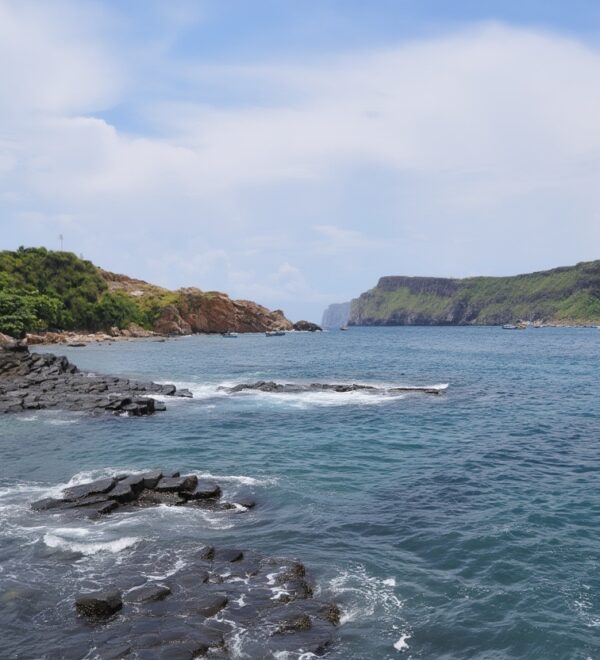
In 2008, Jeremy Clarkson rode Hai Van Pass on a motorbike during the Top Gear Vietnam special and called it one of the best coastal roads in the world. Anthony Bourdain filmed here. Every Vietnam travel guide published since 2010 has called it unmissable. So let me tell you what a Da Nang local wrote on Reddit in May 2026:
“I live in Da Nang and don’t go anymore. There’s too much traffic now and the first few kms are dirty because of the port construction — then as you ascend, the views have gotten worse because of the land cleared to build the resort.”
And then let me tell you what a solo traveler wrote one week earlier, after riding it from Hue to Da Nang for the first time: “Was well worth the trip. I suggest doing the whole thing from Hue to Da Nang.”
Both are right. That’s Hai Van Pass in 2026 — a road that’s been partially compromised by development and traffic, and still manages to deliver something that the tunnel taking tourists past it simply cannot.
What Is Hai Van Pass?
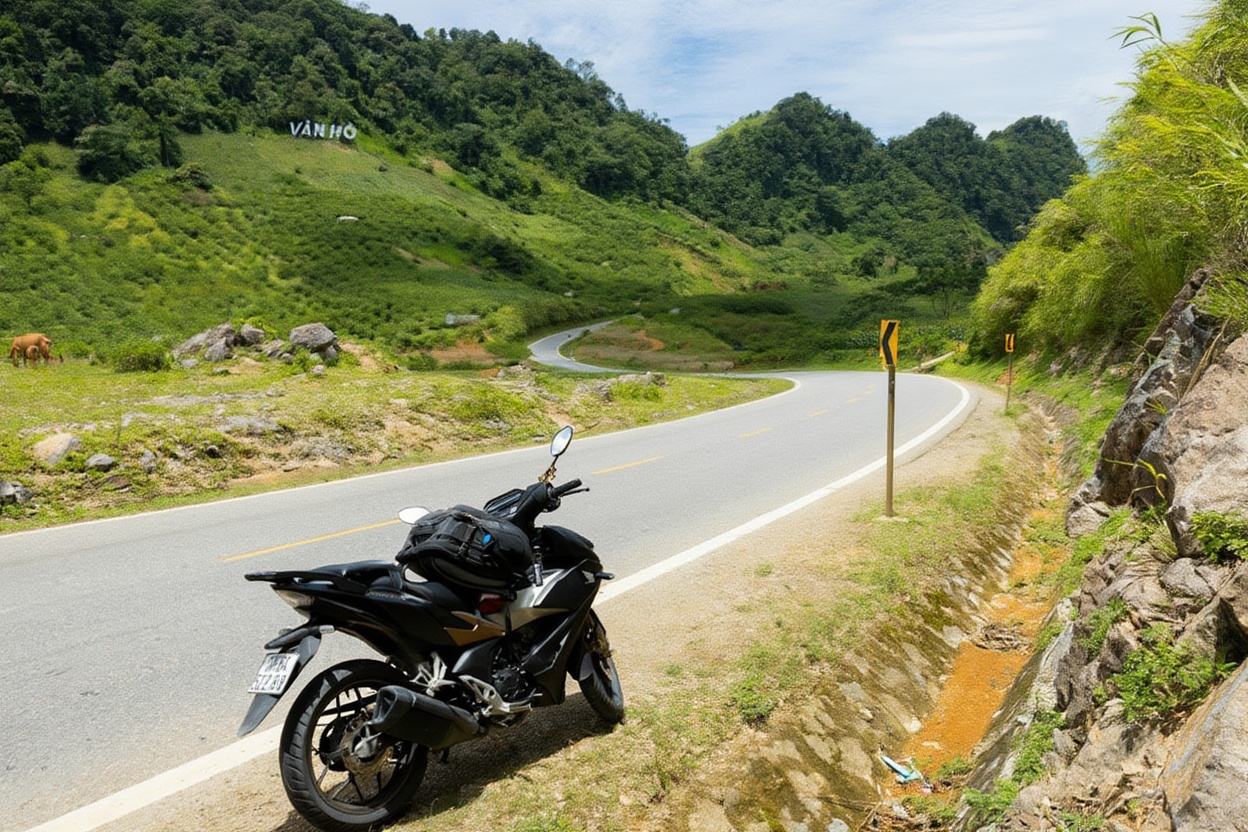
Hai Van — “Ocean Cloud” in Vietnamese — is a 21km mountain road over a granite headland that separates Da Nang from Hue. The pass crosses the Truong Son mountain range at roughly 496 meters above sea level. On the Da Nang side: the city’s bay, the South China Sea, Monkey Mountain. On the Hue side: Lang Co lagoon, a stretch of coast that looks like it belongs in the Mediterranean, and the beginning of the long flat coastal plain that runs north to Hue.
The road was the main coastal highway for centuries — the section where the mountains meet the sea, impassable by any flatter route. The French built the paved version in the 19th century. For most of modern Vietnamese history, this was how you got between the north and the south. In 2005, the Hai Van Tunnel opened — 6.28km, fastest crossing, trucks and cars use it now. The old mountain road became what it is today: a route people choose deliberately, not because they have to.
The pass also historically marked a climate boundary — north of Hai Van gets Hue’s cold wet winters, south gets Da Nang’s drier, warmer weather. You can sometimes drive through fog on one side and emerge into sunshine on the other.
Is Hai Van Pass Worth It in 2026?
> **Quick Answer:** Yes — with honest expectations. The summit is crowded and the Da Nang-side lower section is affected by port and resort construction. But the upper section, the Lang Co lagoon views, and the experience of riding it on a motorbike between two cities still delivers. Do it as transit (Hue → Da Nang or vice versa), not as a day-trip out-and-back.
The pass has two distinct problems right now:
Problem 1 — Construction on the Da Nang approach: A large resort development on the hillside above Da Nang has cleared forest on the lower slopes and added heavy construction truck traffic to the road. The first few kilometers from Da Nang city going north are dirty and congested. If you’re doing a day trip out-and-back from Da Nang, this is the worst version of the pass — you fight traffic getting up, hit the crowded summit, and come back down the same way.
Problem 2 — The summit itself: Hai Van Gate (Quan Hai Van), the historic French-era gate at the top, is now lined with souvenir stalls and surrounded by tour buses stopping for photos. One Reddit commenter counted “14 turns going up, none particularly interesting” and described the summit as “super crowded.” That’s harsh but not wrong on a busy day.
Now the counterargument:
Why it’s still worth doing: The middle section — the serpentine climb above the construction zone, with the sea appearing and disappearing behind ridgelines as you corner — is genuinely good riding. The view of Lang Co lagoon from the northern descent is the kind of scene that makes you pull over without planning to. And the simple fact of riding between two cities over a mountain, watching the landscape change from Da Nang’s urban bay to Hue’s quieter coastal plain, is a different experience from any tunnel.
A traveler who’d just completed Hue to Da Nang: “The beginning of the trip is pretty cool, you get to ride on rice fields and through local cities. Then you get to ride through some small villages.”
The pass works best when it’s part of a journey, not the destination.
How to Do Hai Van Pass
Motorbike (Recommended)
> **Quick Answer:** Rent a semi-auto in Hue or Da Nang (150,000–250,000 VND/day), ride the pass, return the bike on the other end. One-way rentals are available — Motorvina is a commonly mentioned operator for Hue ↔ Da Nang one-way. Your luggage gets transferred separately for 40,000 VND/day.
Motorbike is the way people have been doing this since the road became a choice rather than a necessity. The road is well-surfaced, the corners are clear (nothing technical), and the pace is right for stopping when you want to stop.
What you need to know about riding it:
- IDP and police: Multiple recent reports confirm low police presence on the pass itself. One traveler asked around their hostel, spoke to six people, and none reported police stops. That said, your situation may vary — police presence is inconsistent, not zero.
- Direction: Hue → Da Nang gives you the Lang Co lagoon view on the ascent and the Da Nang bay panorama on the descent. Da Nang → Hue gives you the reverse — which many people prefer because you’re climbing toward the view rather than descending past it. Both work; personal preference.
- One-way rental: Several operators in Hue allow you to pick up and drop off in Da Nang/Hoi An (or vice versa). Motorvina is one; ask at your accommodation for current operators. One-way fee is typically 100,000–200,000 VND on top of the daily rental.
- Luggage: Strap it to the bike, use a luggage transfer service (40,000 VND/day), or pack light enough that it’s not an issue. The pass is 21km — luggage on a small motorbike is manageable.
Private Car or Taxi
> **Quick Answer:** 800,000–1,500,000 VND one-way between Da Nang and Hue via the pass. Grab doesn’t cover this route end-to-end — book a private car through your hotel or negotiate directly with a driver. You get air-conditioning and comfort; you lose the road feel completely.
Private car works for: families with young children, travelers who don’t ride motorbikes, anyone doing the Hue–Da Nang transfer and wanting a more comfortable option than a bus. The driver takes you over the pass, you get the views from a window, done. It’s not the same experience as riding it, but the landscape still delivers something.
Some drivers take the tunnel by default (faster, cheaper on fuel) unless you specifically request the pass. When booking, confirm: “Qua đèo Hải Vân” (via Hai Van Pass). This should not cost extra but confirm it anyway.
Jeep Tour from Hoi An or Da Nang
Tour operators in Hoi An and Da Nang sell Hai Van Pass jeep tours — typically a full-day circuit that includes the pass, Marble Mountain, and sometimes Lang Co beach. Prices start around 1,000,000–2,000,000 VND per person for group tours; private jeep tours run 1,900,000–3,360,000 VND depending on the operator and vehicle.
The jeep tour is a day-trip version — you go up, stop at the summit, come back down the same way. It addresses the construction problem (most jeep tours know the good stopping points above the dirty section) and handles logistics. Worth considering for anyone who doesn’t ride and wants the summit experience specifically.
Do NOT Take the Train Over the Pass
The Hue–Da Nang train does not go over the pass. It goes through tunnels at the base of the mountain. The train is excellent for the coastal stretch south of Da Nang and north of Hue — but it skips Hai Van entirely. If you’ve read that the train gives good views of the pass, that information is wrong.
Hai Van Pass Costs
Hai Van Pass — What Things Cost
| Cost | Price |
|---|---|
| Road toll (per person) | 15,000 VND (~$0.65) |
| Road toll (per motorbike) | 2,000 VND (~$0.10) |
| Motorbike rental (per day) | 150,000–300,000 VND |
| One-way rental surcharge | 100,000–200,000 VND |
| Luggage transfer service | 40,000 VND/day |
| Summit parking | 2,000 VND |
| Private car (Da Nang ↔ Hue) | 800,000–1,500,000 VND one-way |
| Group jeep tour (Hoi An day trip) | 1,000,000–2,000,000 VND/person |
| Tunnel motorbike shuttle | 30,000 VND (if taking tunnel) |
Prices from 2025–2026 sources. Motorbike rental from Da Nang local shops runs ~80,000 VND, larger rental companies ~160,000 VND/day.
Hai Van Pass: What to See and Do
Hai Van Gate (Quan Hai Van)
The historic gate at the summit was built during the Nguyen Dynasty in the early 19th century and used for centuries as a checkpoint marking the climate and cultural boundary between the north and south. During the Vietnam War, both sides used the fortifications. Bunkers and gun emplacements still stand on the ridgeline around the gate.
The gate itself is a weathered brick structure about 8 meters tall — photogenic, and genuinely old. The issue is what surrounds it: souvenir stalls, tour groups, vendors selling the same coconut-shell keychains as every other tourist site. Go early (before 9am) or late (after 3pm) to find it less crowded.
Entry to the gate area: free. Parking: 2,000 VND.
Lang Co Lagoon Views (Hue Side)
The descent from the summit toward Hue passes Lang Co lagoon — a narrow strip of land with the lagoon on one side and the South China Sea on the other. The view from the road, a few kilometers below the summit on the Hue side, is the best single frame on the pass. Pull over at one of the natural lookout points (usually a wider section of road) rather than the crowded formal viewpoint. The lagoon is turquoise in good light, grey-silver in overcast conditions. Either version works.
Da Nang Bay Views (Da Nang Side)
The Da Nang side descent reveals the city’s bay curving around, with Monkey Mountain (Son Tra Peninsula) on the far end. On a clear morning this is dramatic — the urban scale of Da Nang appearing below as you come down the mountain. The problem currently is that the lower portion of this descent passes construction sites. Get the view from above the tree line and then accept that the last few kilometers are functional rather than scenic.
Best Time to Ride Hai Van Pass
> **Quick Answer:** February through August — Da Nang’s dry season. October through January is Hue’s wet season; the pass gets fog, rain, and sometimes dangerous driving conditions. April–June is the sweet spot: dry on both sides, not yet peak tourist season.
The pass sits at the boundary of two climate zones. Da Nang’s dry season runs roughly February to August; Hue’s wet season runs October to March. The pass itself often has its own micro-weather — fog and rain that clears within the hour, or persistent cloud that doesn’t. You can set off from Da Nang in sunshine and arrive at the summit in zero visibility.
Practically: if you’re riding in October through January, check the weather on both sides before you go and be prepared to abort if the visibility is bad. The road has no guardrails in several sections and fog combined with trucks is genuinely dangerous.
Summer (June–August): hot, clear, and increasingly busy with Vietnamese domestic tourists. Early morning departure (6–7am) avoids the peak road traffic.
Hai Van Pass Tips
Go on a weekday: Weekend traffic is significantly higher. The summit gets crowded with Vietnamese day-trippers from Da Nang on Saturdays and Sundays. A Tuesday or Wednesday morning in the dry season is the quietest version of this experience.
Do it as transit, not a day trip: The strongest advice from people who’ve done it both ways. Riding from Hue to Da Nang (or Da Nang to Hue) with the pass as part of the journey is a different experience from doing an out-and-back specifically to see the pass. The latter makes the crowded summit feel like the destination; the former makes it a moment in a longer ride.
Start early: The Da Nang approach is worst in mid-morning when construction truck traffic peaks. An early start (7am from Da Nang, 7am from Hue) catches better light and lighter traffic.
The middle section is the point: Most people focus on the summit view. The section between roughly 200 and 450 meters on the ascent — the serpentine climb with the sea appearing and disappearing — is where the road earns its reputation. Slow down for this part, not just at the top.
Connect with other sites: The Hue side of the pass is 20km from Lang Co beach. The Da Nang side is 30km from Marble Mountain. Building these into a full-day route — Hue → pass → Lang Co → Da Nang and Marble Mountain — makes the drive worthwhile as a complete day rather than just a 21km road.
Lang Co: The Obligatory Stop on the Hue Side
Lang Co is a thin peninsula 20km north of the Hai Van Pass summit — a strip of land separating a lagoon from the sea, with an old fishing village at one end and a few beach resort hotels at the other. It’s the place where you stop after descending from the pass on the Hue side, get off the bike, and spend 30–45 minutes not going anywhere.
The lagoon view from the road above is the pass’s best photograph. From ground level, Lang Co itself is quieter — a stretch of beach, fishing boats pulled up on the sand, a few seafood restaurants where the plastic chairs are set up facing the water. Lunch at Lang Co (grilled fish, shrimp, a bowl of bún bò Huế from the adjacent village) is one of the better meals on the central Vietnam circuit, partly because of the location and partly because you’re actually hungry after a morning of riding.
Lang Co also has accommodation — several beach resort properties and cheaper guesthouses in the village. Most travelers don’t stop overnight here, doing the whole Hue–Da Nang run in one day. If you wanted to split the journey, this is the obvious place to do it: arrive at Lang Co in the afternoon, stay the night, finish to Da Nang in the morning with the pass in early light.
The beach at Lang Co is decent but not exceptional — the water is clear and the sand is clean, but the beach faces northeast and catches wind. Good for a swim after riding, not a beach holiday destination. The main reason to stop here is the combination of lagoon + seafood + the fact that you’ve just come down a mountain and earned the break.
Hai Van Pass vs Ha Giang Loop
People ask this comparison. It’s not really comparable — different scale, different type of experience — but one Reddit comment was honest about it: “Hai Van Pass is iconic but if you’re really into riding on mountain roads you should hit north.”
Ha Giang is 4 days of dramatic mountain riding with limestone karst scenery that Hai Van can’t match. Hai Van is 21km that you do between two cities as part of getting somewhere. The right comparison for Hai Van is: “Is taking the pass better than taking the tunnel?” The answer to that is yes. Not: “Is Hai Van better than Ha Giang?” That comparison misunderstands what Hai Van is.
Klook has the widest selection for Vietnam and is usually the cheapest. KKday is strong on day trips and local experiences.
s://vietnamunlock.com/ha-giang-loop-guide/”>Ha Giang Loop guide.
Hai Van Pass FAQ
How long does it take to ride Hai Van Pass?
The pass itself is 21km. Non-stop: 45 minutes from Da Nang to the summit, 30 minutes from the Hue side (Lang Co) to the summit. With stops: 2–3 hours to cross with time to get out and look. If you’re doing the full Hue to Da Nang ride, budget half a day for the whole journey including the towns at each end.
Do you need a license to ride the pass?
Technically yes — you need a valid license to ride in Vietnam. Practically: police presence on Hai Van Pass is reported as low. Multiple recent accounts (2024–2025) note no police stops on the pass itself. Police on Highway 1 are more frequent. This doesn’t mean zero risk — it means other people have done it without incident. Decide accordingly.
Which direction is better — Da Nang to Hue or Hue to Da Nang?
The Hue to Da Nang direction lets you see Lang Co lagoon on the ascent and Da Nang Bay appearing on the descent — arriving into the city with a panoramic reveal. Da Nang to Hue gives you the city view first, then the lagoon appearing as you descend toward Lang Co. Both deliver the views; the difference is sequencing. More people report preferring the Hue → Da Nang direction.
Can you take a taxi or Grab over Hai Van Pass?
Grab doesn’t cover the Hue–Da Nang route end-to-end. You need a private car booked through your hotel or a local driver. Taxi companies in Da Nang (Mai Linh, Vinasun) can quote for the full Hue route including the pass — confirm you want the mountain road, not the tunnel.
Is Hai Van Pass safe?
In good weather with a working motorbike: yes. The road is well-maintained, corners are wide enough, traffic is manageable on weekday mornings. In fog or rain: the visibility drops fast and the road has sections without guardrails. In summer weekend peak traffic with construction trucks: uncomfortable. The risk is weather + timing, not the road itself.
Two things worth sorting before you land: a Vietnam eSIM so you have data the moment you clear customs, and travel insurance — medical costs for uninsured foreigners in Vietnam are significant.
Airalo eSIMs activate instantly. Buy before departure — airport SIM queues in Vietnam can take 30+ minutes.
Hai Van Pass Planning Cheat Sheet
Hai Van Pass — Quick Reference
| Category | Details |
|---|---|
| Length | 21km (summit-to-summit) |
| Summit elevation | ~496m |
| Best time | Feb–Aug, weekday mornings |
| Best direction | Hue → Da Nang (most recommend) |
| Motorbike rental | 150,000–300,000 VND/day |
| Road toll | 15,000 VND/person + 2,000 VND/bike |
| Private car (one-way) | 800,000–1,500,000 VND |
| Group jeep tour | 1,000,000–2,000,000 VND/person |
| One-way rental operators | Motorvina (ask your hotel for current options) |
| What to skip | The out-and-back day trip from Da Nang — do it as transit instead |
Traveling the Hue–Da Nang corridor? Our Hue to Da Nang guide covers all transport options including the pass, tunnel, and train. For the Da Nang side, the Da Nang things to do guide has the full picture on what’s worth your time once you arrive.