Last updated: June 2026 — family travel information verified June 2026.
The standard Vietnam travel writing on family travel makes one of two mistakes: it either dismisses Vietnam as unsuitable for children (wrong) or it fails to mention that travel with kids requires rethinking most of the usual itinerary logic (also wrong). This guide does neither. Here’s what actually works with children in Vietnam, what to adjust, and which destinations earn their place on a family itinerary.
Why Vietnam Is Good for Family Travel
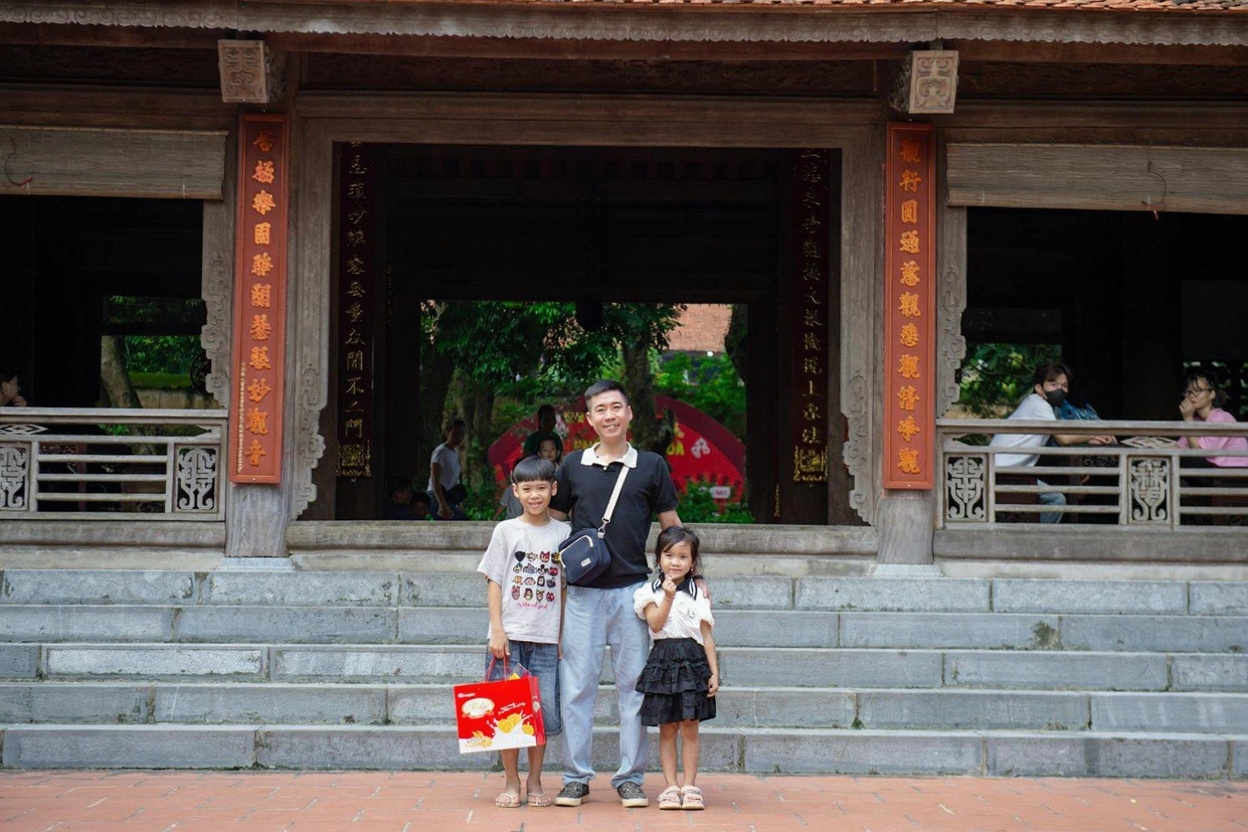
Vietnamese attitudes toward children: Children are central to Vietnamese family and social culture. A family traveling with young children will receive a level of helpful attention from strangers that adults traveling alone don’t get. Restaurant staff will bring extra chairs, simpler food, and cold water without being asked. Market vendors will make your child laugh. Hotel staff will produce extra blankets, toys, and fruit with genuine warmth. This social environment reduces the friction of traveling with children in a way that’s hard to quantify but immediately felt.
Food variety: Vietnamese cuisine, for all its regional specificity, includes many dishes that children tend to accept: rice, noodle soups, grilled chicken, fresh fruit, and the Vietnamese version of baguette (bánh mì). Picky eaters can navigate Vietnam more easily than, for example, India or Japan, because the base ingredients (rice, noodles, mild broths) are familiar enough. The challenge is when children specifically want Western food — Vietnam’s tourist infrastructure in major cities has pizza, pasta, and burgers available, but the quality outside of Hội An and Hồ Chí Minh City is unreliable.
Safety: Vietnam is one of the safer countries in Southeast Asia for family travel. Petty theft exists but violent crime toward tourists is rare. The main safety consideration for families is traffic — Vietnamese city traffic is dense and follows informal rules that children (and some adults) find stressful to navigate on foot. Use pedestrian crossings where they exist, hold children’s hands crossing roads, and consider areas with less traffic (Hội An’s car-free Old Town, Đà Lạt’s quieter streets) as bases for the youngest travelers.
Best Destinations for Vietnam Family Travel
Hội An — The Best Family Base in Vietnam
Hội An is the most child-friendly city in Vietnam for several reasons: the Ancient Town is partly car-free, the beaches at An Bàng and Cửa Đại are 4km from the Old Town with calm conditions for swimming, the city’s cooking classes and lantern-making workshops are genuinely engaging for school-age children, and the accommodation density means families can find well-priced villas with private pools within walking distance of everything.
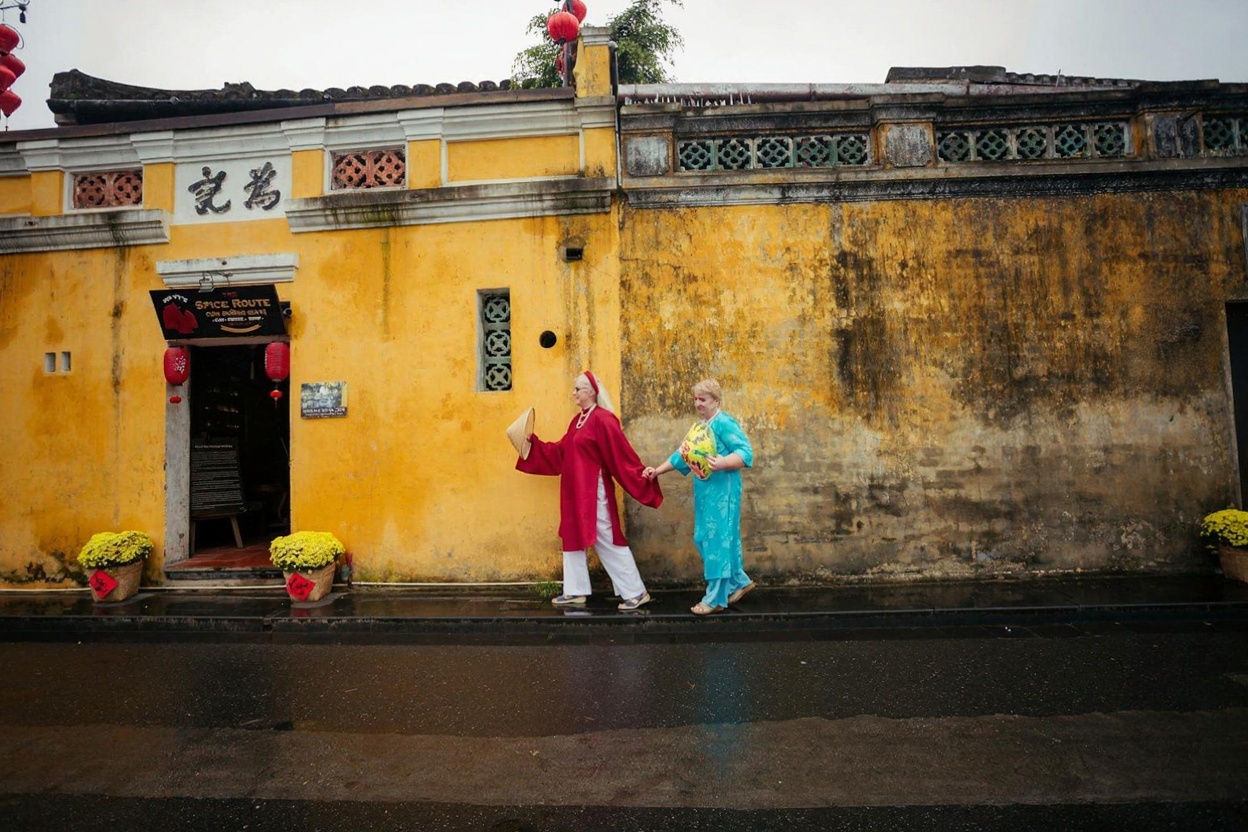
Activities specifically suited for children in Hội An:
- Lantern-making workshops (60,000–120,000 VND per person, children from age 5+)
- Bicycle rides through the rice paddies and villages surrounding the Old Town (half-day, 150,000–250,000 VND per bike)
- An Bàng beach — calm swimming in April–August, deckchairs and restaurants directly on the beach
- Cooking classes with child-friendly versions — several operators explicitly cater for family groups
- Boat rides on the Thu Bồn River to the village islands
Accommodation: Hội An has an unusually good supply of family-oriented villas with private pools for 1,500,000–3,000,000 VND (~$57–114) per night — comparable to a mid-range hotel, but with the outdoor space that makes family travel dramatically more comfortable. Book via Airbnb or direct property rental sites.
Đà Lạt — Best for the Cool Climate
Đà Lạt at 1,500m elevation runs 10–15°C cooler than coastal Vietnam — which is significant when traveling with children who wilt in tropical heat. The city also has a collection of activities that specifically engage children: the cable car, the waterfalls, strawberry picking on the plateau farms, and a low-key horse-riding scene near Lang Biang mountain. The climate also means children sleep better — cooler nights in Đà Lạt are genuinely more comfortable than the coastal heat.
Đà Lạt works best as a 2–3 night stop in a longer central Vietnam itinerary, not as a standalone destination. The drive or flight from Đà Lạt to Hội An or Nha Trang is manageable for most families.
Ninh Bình — Nature and Boats
Ninh Bình’s landscape of limestone karsts and rice paddies, navigated by small rowing boats through the waterways, is genuinely compelling for most children — the boat rides through the rock-cut passages and cave sections hold children’s attention in a way that temples and museums typically don’t. The rowing boats are stable and the waterways are calm. Trang An specifically (the Trang An Landscape Complex, UNESCO listed) has a 2–3 hour boat circuit that works well for families.
Ninh Bình is 90 minutes from Hanoi by road — a manageable day trip from the capital or a 2-night base for the boat experiences. The village guesthouses in the Tam Cốc area are quiet, affordable (500,000–900,000 VND/night for family rooms), and have the kind of green countryside setting that city-based children find restorative.
Ha Long Bay — Depends on the Age
Ha Long Bay works well for families with children over 8 — the kayaking, the cave visits, and the overnight experience on the boat are engaging for older children who can participate in activities and manage the schedule. For children under 6, the logistics of overnight boat travel (limited space, schedule constraints, the 5am departure on Day 2) are genuinely challenging.
The best family approach to Ha Long is a mid-range cruise with a cabin big enough for the family (ask the operator for a triple or family cabin — they exist at most operators), booked on a weekday when group sizes are smaller. Avoid the cheapest budget cruises with school-age children — the food and cabin quality matters more when you’re managing children’s sleep and meal times.
What to Skip with Young Children
Ha Giang Loop: The 4-day motorbike loop through Ha Giang’s mountain landscapes is one of the best travel experiences in Vietnam for adults. For families with children under 12, it’s impractical — the daily riding distances are long, the mountain roads require full adult attention, the accommodation in the villages is very basic, and the combination of altitude and exertion is genuinely tiring even for adults. Skip it for this trip; come back without children.
Budget sleeper buses for long distances: The overnight sleeper buses between cities work well for solo travelers and couples. With young children — especially under 5 — the 8–10 hour berth sleeping, the mandatory 2am toilet stop, and the over-air-conditioned environment are difficult. Fly short hops (Hanoi–Đà Nẵng, Đà Nẵng–Saigon) when traveling with children. The cost difference is significant but the recovered time and reduced parental stress is worth it.
Museum-heavy itineraries: Vietnam’s museums — the Vietnam Museum of Ethnology in Hanoi, the Reunification Palace in Saigon, the Imperial City in Huế — are genuinely excellent. They’re also best experienced with focused adult attention, which is hard to maintain while simultaneously managing children. Build in one museum stop per city that has genuine child-relevant content (the Vietnam Museum of Ethnology has outdoor houses from minority communities that children can actually enter), and accept that the others are for a different trip.
Practical Notes for Vietnam Family Travel
Health: Vietnam requires no mandatory vaccinations but travel health recommendations typically include Hepatitis A, typhoid, and up-to-date routine vaccinations. Check with your travel health clinic 4–6 weeks before departure. Children should have the same vaccinations as adults. Malaria prophylaxis is not typically recommended for the main tourist destinations but may be recommended for remote highland areas — check with your doctor specifically for your itinerary.
Food safety for children: Stick to cooked food rather than raw salads and fresh juices from street stalls, especially for young children. Vietnam’s street food is generally safe for adults with healthy immune systems; for children under 3, the conservative approach (cooked, hot, from a visible kitchen) is the right call. Vietnamese restaurants that serve foreign tourists have generally adapted their food safety practices to international standards. The street stalls have not — which is fine for adults but requires more care for very young children.
Heat management: Vietnam in summer (May–September) is genuinely hot — 32–38°C with high humidity on the coast. Children dehydrate and overheat faster than adults. Schedule active activities before 10am and after 4pm. Midday in air-conditioned spaces is not a failure of itinerary planning — it’s correct heat management. Pack electrolyte sachets (available at Vietnamese pharmacies, 5,000–10,000 VND each) and use them if children show signs of heat exhaustion: excessive tiredness, headache, not wanting to drink.
Baby supplies: Diapers (tã bỉm), formula, and basic children’s medication are available in Vietnamese supermarkets and pharmacies in major cities. Specific Western brands may not be available; bring enough from home for the first few days and locate local equivalents on arrival. In smaller towns and rural areas, availability is less reliable — stock up in cities before departing into the countryside.
Budget — What Vietnam Family Travel Actually Costs
Vietnam is genuinely affordable for family travel, but family travel costs more than solo or couple travel in ways that aren’t always obvious when reading budget guides:
Accommodation: Most Vietnam guesthouses and budget hotels have single and double rooms priced per room, not per person. A family of four needs either two standard rooms or one family/triple room. Family rooms with two beds, proper air-conditioning, and a private bathroom start around 600,000–1,000,000 VND (~$23–38) per night in mid-range guesthouses. Villas with private pools in Hội An (the best family accommodation value in Vietnam) run 1,500,000–3,000,000 VND (~$57–114) per night — more expensive than a guesthouse but includes the outdoor space that makes family travel dramatically more comfortable.
Transport: Short-haul domestic flights (Hanoi–Đà Nẵng, Đà Nẵng–Hồ Chí Minh City) cost 500,000–1,500,000 VND (~$19–57) per person one-way with VietJet or Bamboo Airways, booked in advance. With two adults and two children, a family of four will spend 2,000,000–6,000,000 VND (~$76–228) on each inter-city flight — budget for this specifically, as it’s the biggest variable in family travel costs.
Activities: Most activity prices in Vietnam are charged per person, regardless of age — entry fees, boat trips, cooking classes. Children under 1m tall or under a certain age are often free or half-price, but school-age children typically pay adult rates. Budget 200,000–400,000 VND (~$8–15) per person per activity day — for a family of four, that’s 800,000–1,600,000 VND (~$30–61) per day on activities alone.
Food: Vietnamese family restaurants and street food stalls are priced by dish, not by person — a table of four can eat a full meal for 200,000–400,000 VND (~$8–15) at a local restaurant. The cost increase for families comes from Western food days (when children specifically request pizza or a burger): tourist-area restaurants charge 150,000–250,000 VND (~$6–9.50) per item. Budget for 2–3 “Western food rescue” meals per week with children.
Total realistic daily budget for a family of 4: Budget family travel (local food, guesthouse, local transport): 1,500,000–2,500,000 VND (~$57–95) per day excluding accommodation. Mid-range (mix of restaurants, taxi not Grab, one activity): 3,000,000–5,000,000 VND (~$114–190) per day excluding accommodation. These figures match the broad Vietnam daily budgets for adults but require explicit planning around the activity and transport costs that scale with family size.
Getting Around Vietnam with Children
Grab: The ride-hailing app works well for families in Vietnamese cities. You can book a 7-seater Grab for larger families or groups. Grab is generally more reliable than street taxis for families because the price is fixed before you get in and the route is tracked. Grab child seats are not standard — for very young children, bring a portable travel car seat if safety is a priority. Most Vietnamese families travel without car seats; the legal requirement exists but enforcement is light.
Domestic flights: The recommended transport for inter-city family travel. VietJet, Bamboo Airways, and Vietnam Airlines all allow children’s rates (children under 2 on a lap for a reduced fee; children 2+ at full adult fare) and have adequate luggage allowances for family gear. Book in advance — last-minute family flight prices in peak season are punishing. The Hanoi–Đà Nẵng–Hồ Chí Minh City triangle has multiple daily flights from each operator.
12Go covers most Vietnam routes — sleeper buses, trains, and island ferries. Compare schedules and book in advance during peak season (Dec–Feb, Jun–Aug).
Private car hire: For multi-stop day trips (Hanoi to Ninh Bình and back, Đà Lạt countryside loop), a private car with a driver is often better value for a family than trying to manage Grab for multiple stops. Price: 1,200,000–2,000,000 VND (~$45–76) for a full day with a driver. Book through your hotel or a local tour operator — the price is fixed, the driver waits at each stop, and the air-conditioned car is a significant comfort factor for children in the heat.
Train: The Reunification Express between cities is scenic and manageable for families with older children (6+). Soft-seat or soft-sleeper carriages are comfortable; the dining car serves basic Vietnamese food. For families with young children, the train’s fixed schedule and the multi-hour journeys make it less flexible than flight. Best use case: the scenic Đà Nẵng–Huế coastal section (3 hours, with views of Lăng Cô bay and the Hải Vân Pass) as a day-trip train experience, not a full inter-city transport solution.
For the full central Vietnam planning picture, the central Vietnam guide covers how Hội An, Đà Lạt, and Huế fit together in a 2-week itinerary. For the broader Vietnam planning picture including which cities to prioritize for a 2-week trip, the Vietnam itinerary guide has the full sequence.
Frequently Asked Questions
Is Vietnam safe for family travel with young children?
Yes — Vietnam is one of the safer countries in Southeast Asia for families. Violent crime toward tourists is rare. The main safety considerations are traffic in cities (use pedestrian crossings, hold children’s hands) and food safety for very young children (stick to cooked food, avoid raw produce from street stalls). Vietnamese people are warmly welcoming toward foreign families with children, which smooths many practical difficulties.
What is the best age for children to visit Vietnam?
School-age children (6–14) get the most from a Vietnam trip — old enough to engage with the food, culture, and activities, young enough to find the novelty exciting rather than exhausting. Babies and toddlers (under 3) travel remarkably well in Vietnam because of the social warmth toward young children. The hardest age is 3–5: old enough to have strong opinions, young enough to struggle with the heat, long journeys, and unfamiliar food.
What are the best activities in Vietnam for children?
Trang An boat rides in Ninh Bình (all ages), Hội An lantern-making workshops (5+), Ha Long Bay kayaking (8+), Đà Lạt cable car and strawberry farms (all ages), An Bàng beach swimming in Hội An (all ages, April–August). Avoid activities requiring sustained focus or quiet — temples and museums work better for ages 10+ than for younger children.
How long should a Vietnam family trip be?
10–14 days is the minimum for a meaningful family trip covering north and central Vietnam. Two weeks is better — it allows for 2-night stops at each destination rather than 1-night moves that exhaust children. Three weeks allows the full north-to-south experience at a pace that works for families. Build in rest days: one day in three with no travel and no itinerary agenda makes the active days dramatically better.
Two things worth sorting before you land: a Vietnam eSIM so you have data the moment you clear customs, and travel insurance — medical costs for uninsured foreigners in Vietnam are significant.
Airalo eSIMs activate instantly. Buy before departure — airport SIM queues in Vietnam can take 30+ minutes.
The Honest Take
Vietnam with children is harder than a solo trip and easier than most parents expect. The heat is real, the distances are significant, and picky eaters will test your creativity. But Vietnamese warmth toward children is genuine and constant, the food is varied enough for most families, and the experiences — the boat through the limestone caves, the lantern-lit river, the morning market before anyone else is awake — are the kind that children actually remember.
The families who have the best Vietnam experiences are the ones who build the itinerary around the children’s pace rather than cramming adult highlights into a schedule that can’t hold them. Two nights minimum per destination. Fly, don’t bus. Pool time in the afternoon, active morning. One or two things per day, not five. Vietnam rewards slowness regardless of who you’re traveling with — it rewards it more when you’re traveling with children.
One specific thing that makes Vietnam family travel work that no itinerary guide captures: the Vietnamese response to a family traveling together. When you walk into a Vietnamese restaurant with children and the whole table of local regulars looks up, it’s not to stare — it’s to make your children feel welcome. Old grandmothers will try to hold your toddler. Market vendors will make your eight-year-old laugh with the few English words they know. The taxi driver will go slower because there are children in the car. This is not a performance for tourists; it’s how Vietnamese society relates to children. Understanding that changes the experience from “managing children in a foreign country” to “traveling with children through a country that’s genuinely glad you brought them.”