Last updated: May 2026 — transport prices and schedules verified May 2026.
Phu Yen is the coastal stretch that most travelers drive past on the way between Quy Nhon and Nha Trang — our Phu Yen guide makes the case for stopping.
Most travelers who end up in Phú Yên arrive from one of two directions: north from Quy Nhon, or south from Nha Trang. The southern approach is faster and more frequently serviced. The northern approach — Quy Nhon to Tuy Hòa — is the one worth doing slowly.
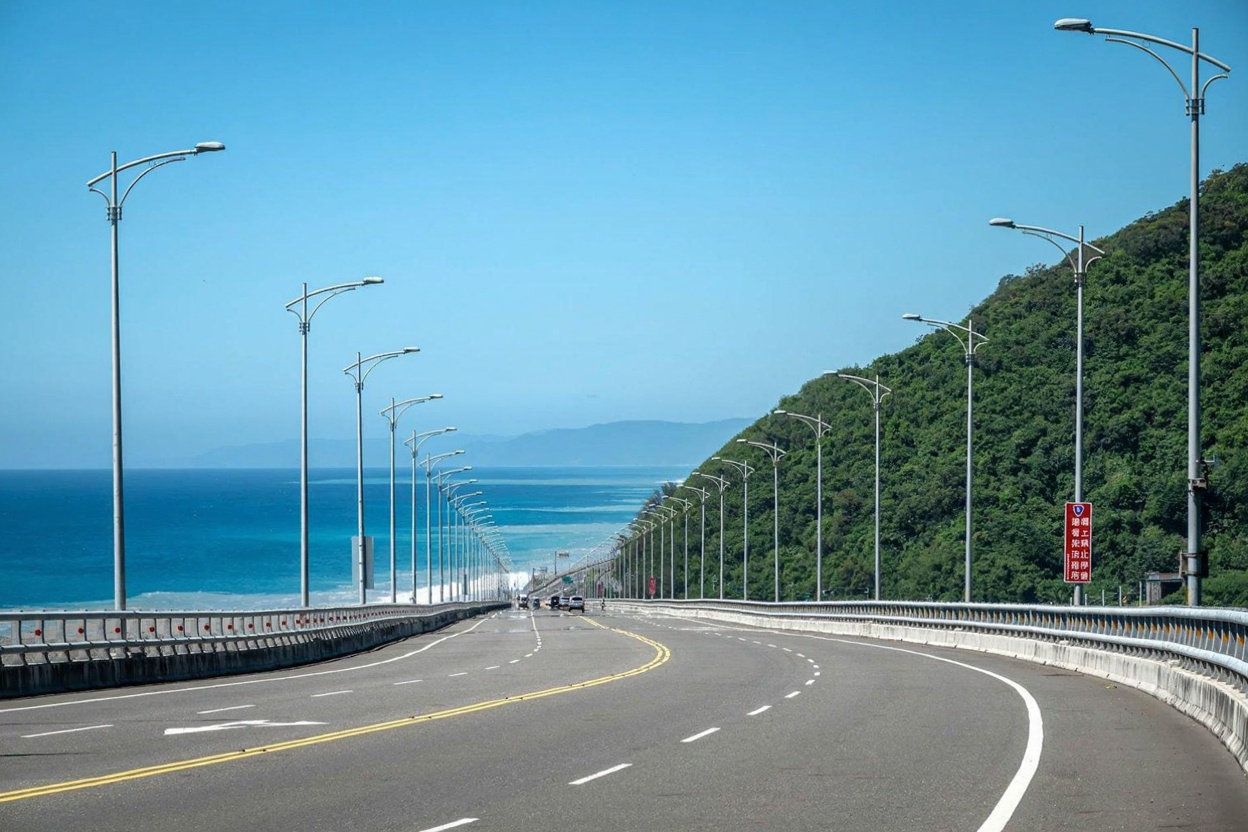
The 120km of coastline between the two cities is empty in a way that’s getting harder to find on the central Vietnam coast. No resort clusters. No advertising hoardings. Just the highway, the mountains dropping into the sea, and the occasional fishing village tucked behind a headland. If you’re going to ride a motorbike anywhere between Đà Nẵng and Nha Trang, this stretch is the argument for it.
How Far Is Quy Nhon from Phú Yên?
Quy Nhon (Bình Định province) to Tuy Hòa (Phú Yên province): approximately 120km by road, depending on route. By the main highway (QL1A), it’s straightforward. By the coastal road through Sông Cầu district, it’s longer but far more interesting.
✓Quick Answer
Quy Nhon to Tuy Hòa is about 120km. By bus: 2 hours, 80,000–120,000 VND (~$3–5). By train: 1.5 hours, around 50,000–100,000 VND (~$2–4) for a hard seat. By motorbike: 3–4 hours including stops along the coast. By taxi or Grab: not a realistic option — Grab doesn’t operate between provinces and taxis are prohibitively expensive for 120km.
Option 1 — Bus (The Easy Way)
The most practical option for travelers who don’t ride motorbikes. Several bus companies run the Quy Nhon–Tuy Hòa route daily, with departures from Quy Nhon central bus station (Bến Xe Quy Nhon) throughout the morning.

Price: 80,000–120,000 VND (~$3–5) per person for a standard seat bus. Sleeper buses on longer routes sometimes pass through but aren’t always available for short-hop legs.
Duration: approximately 2 hours direct, depending on the number of stops en route.
Where to book: directly at the Quy Nhon bus station the morning you travel, or through your guesthouse for a small commission. No advance booking required for this route — buses run frequently enough that turning up and getting a seat on the next departure is the normal approach.
Drop-off: Tuy Hòa main bus station, about 2km from the city center. Grab works within Tuy Hòa city — a ride from the bus station to your hotel will be 20,000–30,000 VND (~$1).
ℹKnow Before You Go
Some buses marketed as “Quy Nhon to Tuy Hòa” are actually long-distance coaches passing through — they may pick you up from Quy Nhon bus station and drop you at a junction rather than the city center. Confirm the drop-off point before you board. The words you need in Vietnamese: “Bến xe Tuy Hòa?” (say: ben say twee hwa) — which means “Tuy Hòa bus station?”
Option 2 — Train on the Reunification Express
The Reunification Express (tàu Thống Nhất, say: tao tong nyat) runs between Hanoi and Ho Chi Minh City along the coast, stopping at both Quy Nhon (Diêu Trì station, 10km from the city) and Tuy Hòa. The train takes roughly 1.5 hours between the two stations.
✓Quick Answer
The train is faster than the bus and the most scenic option — the line runs close to the coast for stretches south of Quy Nhon. The catch: trains don’t depart on a convenient schedule for this short hop. Check the departure times from Diêu Trì station carefully — some trains pass through at 3am, which is not useful. Morning departures exist but are limited.
Price: approximately 50,000–100,000 VND (~$2–4) for a hard seat on the short Diêu Trì–Tuy Hòa leg. Soft seat is available on some trains for slightly more.
Diêu Trì station: Not in Quy Nhon city. It’s 10km south, in Bình Định town. From Quy Nhon, take a Grab or xe ôm (say: say ohm, motorbike taxi) to the station — about 15–20 minutes and 40,000–60,000 VND (~$1.50–2.30).
Booking: on Vietnam Railways’ website (dsvn.vn) or at the station. For such a short hop, station purchase on the day works fine — trains on this route are rarely full for individual short legs.
⚠Real Talk
The train is technically faster than the bus but often takes longer door-to-door once you factor in getting to Diêu Trì and then from Tuy Hòa station into the city center. Use it if you enjoy train travel for its own sake — the views along the coast south of Quy Nhon are the best argument for it. Use the bus if you just want to get there efficiently.
Option 3 — Motorbike Along the Coast (The Actual Reason to Do This Route)
Renting a motorbike in Quy Nhon and riding it to Tuy Hòa — or vice versa — is the most interesting way to make this journey, and one of the better coastal motorbike rides in central Vietnam. The route via the coastal road through Sông Cầu district adds time but takes you past scenery that the bus and train skip entirely.
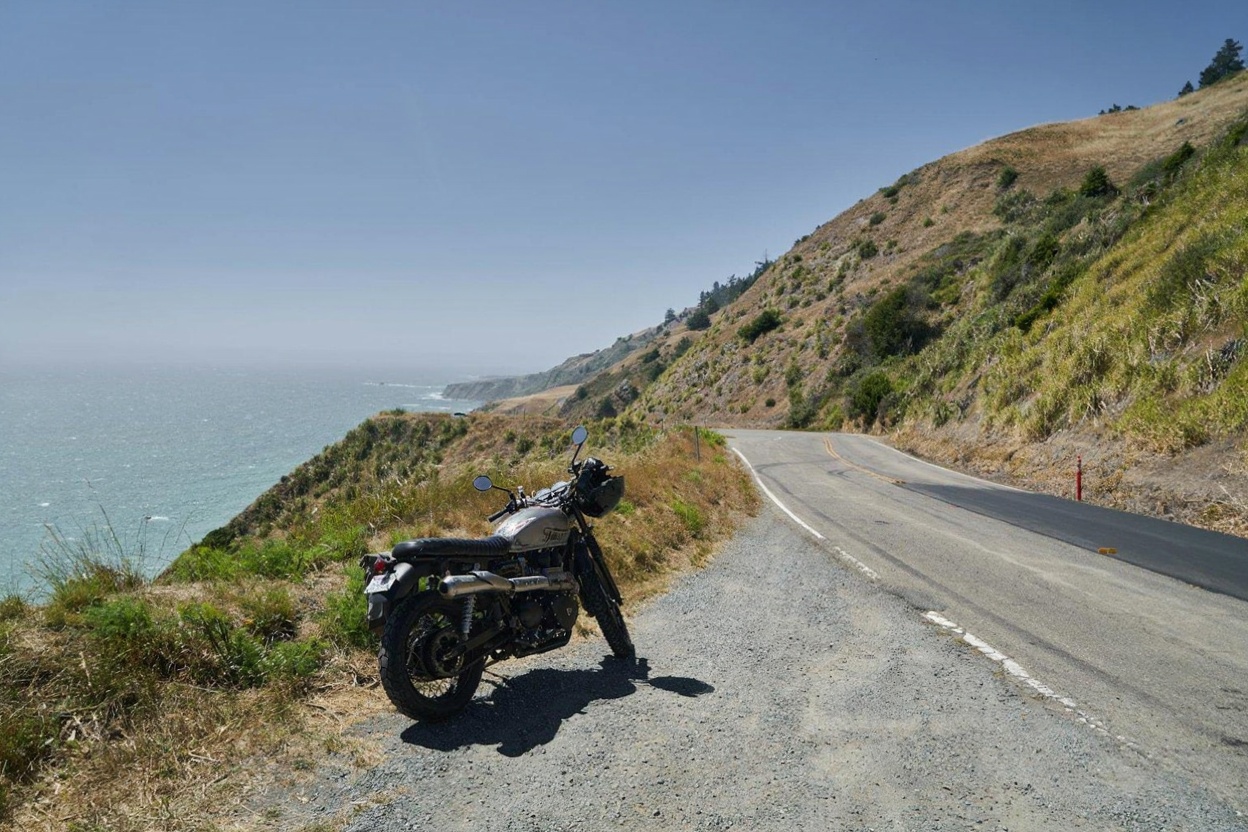
The recommended route goes via Highway QL1D rather than the main Highway 1 (QL1A). QL1D hugs the coast through the Sông Cầu lagoon area — a stretch of shallow tidal flats, fishing villages built on stilts, and mountains dropping straight into the water. It adds roughly 30–40 minutes to the journey but the visual difference is significant.
Route outline: Quy Nhon → QL1D coastal road → Sông Cầu lagoon → Gành Đá Đĩa (optional detour, 23km east of the junction) → Tuy Hòa. Total riding time 3–4 hours including stops, longer with the Gành Đá Đĩa detour.
The Sông Cầu Section — The Highlight of the Ride
About 60km south of Quy Nhon, the road passes through Sông Cầu town in Phú Yên province. The lagoon here — Đầm Cù Mông (say: dam koo mong) — is one of the most photogenic stretches on the central coast. The water is shallow, jade-green in the dry season, dotted with the bamboo poles marking oyster and mussel farms. Fishing villages on stilts extend out from the shoreline. Mountains frame the eastern edge.
The road runs along the lagoon’s western bank for about 10km. On a motorbike you can stop anywhere — there’s a shoulder wide enough to pull off, and the views don’t require any special viewpoint. Just pull over, kill the engine, and listen to nothing for five minutes.
Sông Cầu town itself has a market that’s worth stopping at if you’re hungry — fresh seafood straight off the boats, grilled corn, bánh mì from a cart near the bus stop. Expect to spend 20,000–40,000 VND (~$0.80–1.50) for a proper street-food stop. It’s the best natural lunch break on the route.
The Mountain Pass Sections
Two mountain passes on the Quy Nhon–Tuy Hòa route are worth knowing about before you ride them:
Đèo Cù Mông (say: deo koo mong) — about 30km south of Quy Nhon, on the border between Bình Định and Phú Yên provinces. The climb to the summit is around 250m and takes maybe 20 minutes. The view from the top looks back north toward Quy Nhon Bay on one side and south into Phú Yên’s Sông Cầu district on the other. There’s a small roadside area at the summit where vendors sell fresh coconuts and drinks. Worth stopping.
Đèo Cả (say: deo ka) — closer to Tuy Hòa, on the southern edge of the province near Vũng Rô Bay. Higher than Đèo Cù Mông, with views east over the ocean. The road is steep in places and the surface has some worn patches — fine on a semi-automatic, take it slowly. The tunnel option (Hầm Đèo Cả) bypasses the pass but skips all the views. Take the pass.
ℹKnow Before You Go
Both mountain passes require working brakes and a mechanically sound bike. Check your brakes before you leave Quy Nhon — specifically the rear brake, which does the work on long descents. Pull the lever/press the pedal while stationary: if it feels loose or spongy, ask the rental shop to adjust before you go. This is basic, takes 2 minutes, and will save you a bad moment on the Đèo Cả descent.
↗Insider Tip
If you’re riding a motorbike between Quy Nhon and Tuy Hòa, stop at Gành Đá Đĩa on the way. It’s a 23km detour east from the highway toward Hòa Tâm commune, adds about 45 minutes to the ride, and gives you the province’s headline attraction before you’ve even checked in. Entry 40,000 VND (~$1.50). Go before 9am if you want it quiet and cool — the basalt columns absorb heat fast.
One-way rental logistics: Most motorbike rental shops in Quy Nhon won’t allow you to drop the bike in Tuy Hòa — they want it returned to the same location. Options:
- Rent for multiple days, ride to Phú Yên, return to Quy Nhon by bus or train at the end of your stay
- Buy a cheap semi-automatic in Quy Nhon (1,500,000–2,500,000 VND, ~$57–95) and sell it in Tuy Hòa or Nha Trang
- Check with rental shops specifically whether one-way Tuy Hòa returns are available — a few shops in Quy Nhon have arrangements with partners, but it’s not standard
For everything about motorbike rental in Vietnam — licenses, insurance, what to check before you accept a bike — the Vietnam motorbike guide has the detail.
Option 4 — Day Trip to Gành Đá Đĩa from Quy Nhon
If you’re basing yourself in Quy Nhon and don’t want to overnight in Phú Yên, Gành Đá Đĩa is close enough for a day trip. The basalt reef is only about 60km from Quy Nhon city — around 1.5 hours by motorbike or 2 hours by bus — which makes it one of the more accessible half-day excursions from Quy Nhon.
Grab is available within Quy Nhon city and within Tuy Hòa city — but the app doesn’t do inter-province routes. If you want a private car for the full Quy Nhon–Tuy Hòa journey, you’ll need to hire a local taxi directly (negotiate before you get in) or arrange through your guesthouse. For 3–4 people splitting the cost, it becomes reasonable. For 1–2 people, the bus is the rational choice.
When to Make the Journey
The Quy Nhon–Tuy Hòa route is best ridden in the dry season — January to August. The coastal road and the two mountain passes are fine in light rain, but the Đèo Cả section becomes genuinely treacherous in heavy rain or strong wind. October through December is typhoon season for both Bình Định and Phú Yên, with flooding occasionally making sections of QL1D impassable.
For the bus and train, weather matters less — they run year-round and the risk of delay rather than cancellation. If you’re planning the motorbike route, March through June gives you the most reliable conditions: dry roads, manageable heat in the early morning (start before 8am), and the clearest water at Gành Đá Đĩa if you’re stopping there.
Time of day for motorbike departure: leave Quy Nhon by 7am if you’re doing the full coastal route with stops. This gets you over Đèo Cù Mông while it’s still cool, through Sông Cầu at a good hour for lunch, and to Gành Đá Đĩa before the midday heat makes the basalt reef uncomfortable. The entire route from Quy Nhon to Tuy Hòa city, including a stop at the reef, should be done by 2–3pm if you start at 7am.
What to Do Once You Arrive in Phú Yên
Tuy Hòa is the base. Everything in Phú Yên — Gành Đá Đĩa, Mũi Điện, Bãi Xép, Hòn Yến, Vũng Rô Bay — is a motorbike ride from the city. Plan for a minimum of two full days to cover the main sites without rushing.
For the complete breakdown of what to do and where to go, the Phú Yên things to do guide covers the two-day motorbike circuit, timing for each stop, and what to skip. For beach-specific planning, the Phú Yên beaches guide breaks down each coastal stop by what it’s actually good for.
Where to stay in Tuy Hòa: Mid-range hotels near the city center and beachfront area run 400,000–800,000 VND (~$15–30) per night. Book through Booking.com or Agoda — options are limited and the better ones fill up on Vietnamese holiday weekends. The area around Tuy Hòa Beach (Bãi Tuy Hòa) puts you walking distance from the seafront restaurants that serve the province’s famous yellowfin tuna.
Phú Yên connects south to Nha Trang (2.5–3 hours by bus), making the full central coast route Quy Nhon → Phú Yên → Nha Trang an obvious two-stop sequence. For the broader regional context, the central Vietnam guide has the full picture on ordering these provinces.
Frequently Asked Questions
How long does it take to get from Quy Nhon to Phú Yên?
By bus: approximately 2 hours direct from Quy Nhon bus station to Tuy Hòa bus station, 80,000–120,000 VND (~$3–5). By train: 1.5 hours from Diêu Trì station (10km south of Quy Nhon) to Tuy Hòa station, 50,000–100,000 VND (~$2–4). By motorbike via the coastal road: 3–4 hours including stops — worth it if you want the scenery.
Is there a direct bus from Quy Nhon to Tuy Hòa?
Yes — multiple buses run daily from Quy Nhon central bus station (Bến Xe Quy Nhon) to Tuy Hòa, departing throughout the morning. No advance booking required. Turn up at the station and take the next available bus. Journey time is approximately 2 hours. Price: 80,000–120,000 VND (~$3–5).
Can I visit Gành Đá Đĩa as a day trip from Quy Nhon?
Yes — Gành Đá Đĩa is about 60km from Quy Nhon, roughly 1.5 hours by motorbike. Leave early (by 6:30am) to arrive before the heat builds — the basalt columns absorb sun fast and the reef is significantly more comfortable before 9am. Entry fee: 40,000 VND (~$1.50). Allow 60–90 minutes at the reef, then head back to Quy Nhon or continue south to Tuy Hòa.
Can I take Grab from Quy Nhon to Phú Yên?
No — Grab doesn’t operate for inter-province routes. The app works within Quy Nhon city and within Tuy Hòa city, but won’t book a ride between provinces. For a private car, negotiate directly with local taxis in Quy Nhon (expect 600,000–900,000 VND, ~$23–34, for the full route) or arrange through your guesthouse.
What to Bring for the Motorbike Route
If you’re riding rather than busing, a few practical notes that make the difference:
Water: 1.5–2 litres for a half-day ride. The heat and the riding dehydrate you faster than you’d think, especially on the pass sections where the exertion is higher. Convenience stores in Sông Cầu town are the last reliable resupply point before Gành Đá Đĩa.
Klook has the widest selection for Vietnam and is usually the cheapest. KKday is strong on day trips and local experiences.
st-facing for most of its length — which means you’re riding into morning sun. SPF 50+ on arms and neck. Reapply at the Sông Cầu stop. The black basalt at Gành Đá Đĩa absorbs and radiates heat from below in a way that compounds whatever the sun is doing from above.
Rain jacket: Even in dry season, afternoon showers on the mountain passes happen without much warning. A thin packable jacket in the bag costs nothing in weight and saves you getting soaked on the Đèo Cả descent. The passes face east; weather tends to come in from the west in the afternoon.
Cash: The Gành Đá Đĩa entry fee (40,000 VND) is cash only. Most seafood restaurants in Sông Cầu and along the coast are cash only. ATMs exist in Sông Cầu town and in Tuy Hòa city — withdraw before you leave Quy Nhon to avoid hunting for a machine with a working connection at an inconvenient moment on the road.
Two things worth sorting before you land: a Vietnam eSIM so you have data the moment you clear customs, and travel insurance — medical costs for uninsured foreigners in Vietnam are significant.
Airalo eSIMs activate instantly. Buy before departure — airport SIM queues in Vietnam can take 30+ minutes.
The Bottom Line
Quy Nhon to Phú Yên is one of the simplest inter-province hops on the central coast — short enough that even the slowest option (motorbike via coastal road) is done by early afternoon if you leave at a reasonable hour. Take the bus if you want to arrive efficiently. Take the motorbike if you want the journey to be part of the trip.
The case for slowing down: the 120km of coastline between the two cities is undervisited in a way that won’t last. There’s no particular reason it hasn’t been discovered yet — the scenery is there, the roads are paved, the mountain passes are genuinely dramatic, and the fishing villages along the Sông Cầu lagoon are exactly what travelers come to the central Vietnam coast looking for. It just hasn’t been indexed and packaged yet. Ride it before it is, because the boutique guesthouses and the tour operators who will eventually find it are already looking in this direction.